
The Best and Worst: Fighting Game Rosters Ranked
A fighting game’s roster can make or break the entire experience. A strong lineup offers variety, balance, and memorable characters, while a weaker one can feel repetitive or underdeveloped. Developers have to balance gameplay styles, visual design, and fan expectations all at once, which isn’t easy. Looking across the genre, some games stand out for their incredible character selection, while others fall short despite solid mechanics. Here are 10 fighting games with god-tier rosters and 10 weak ones.
 Sergey Galyonkin from Raleigh, USA on Wikimedia
1. Super Smash Bros. Ultimate
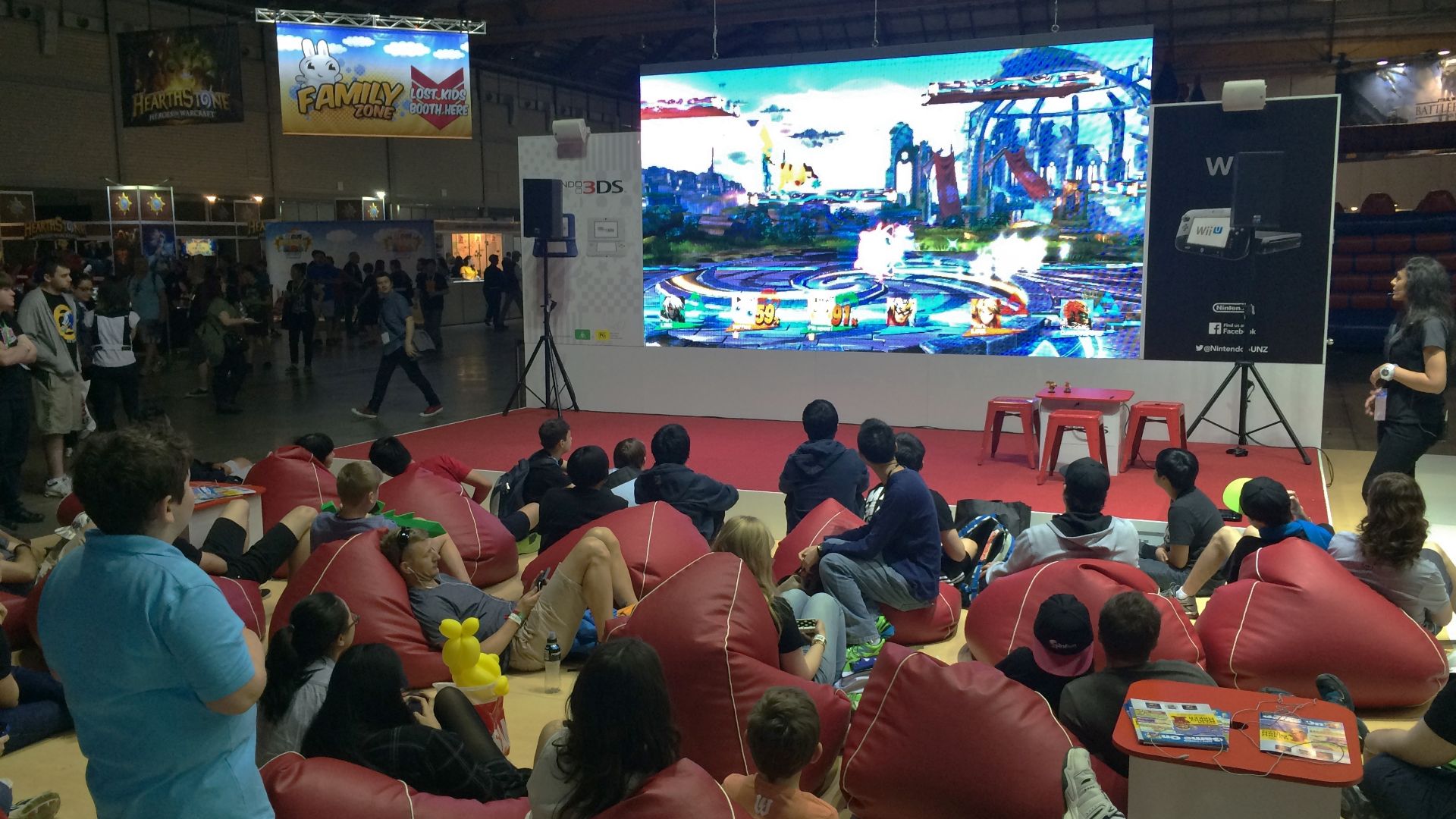
This roster brings together characters from dozens of franchises, each with distinct mechanics and identities. The sheer scale doesn’t sacrifice individuality, which is rare at this level. Every fighter feels intentional rather than filler. It creates a constantly fresh experience for both casual and competitive players.
 Philip Terry Graham on Wikimedia
2. Tekken 7
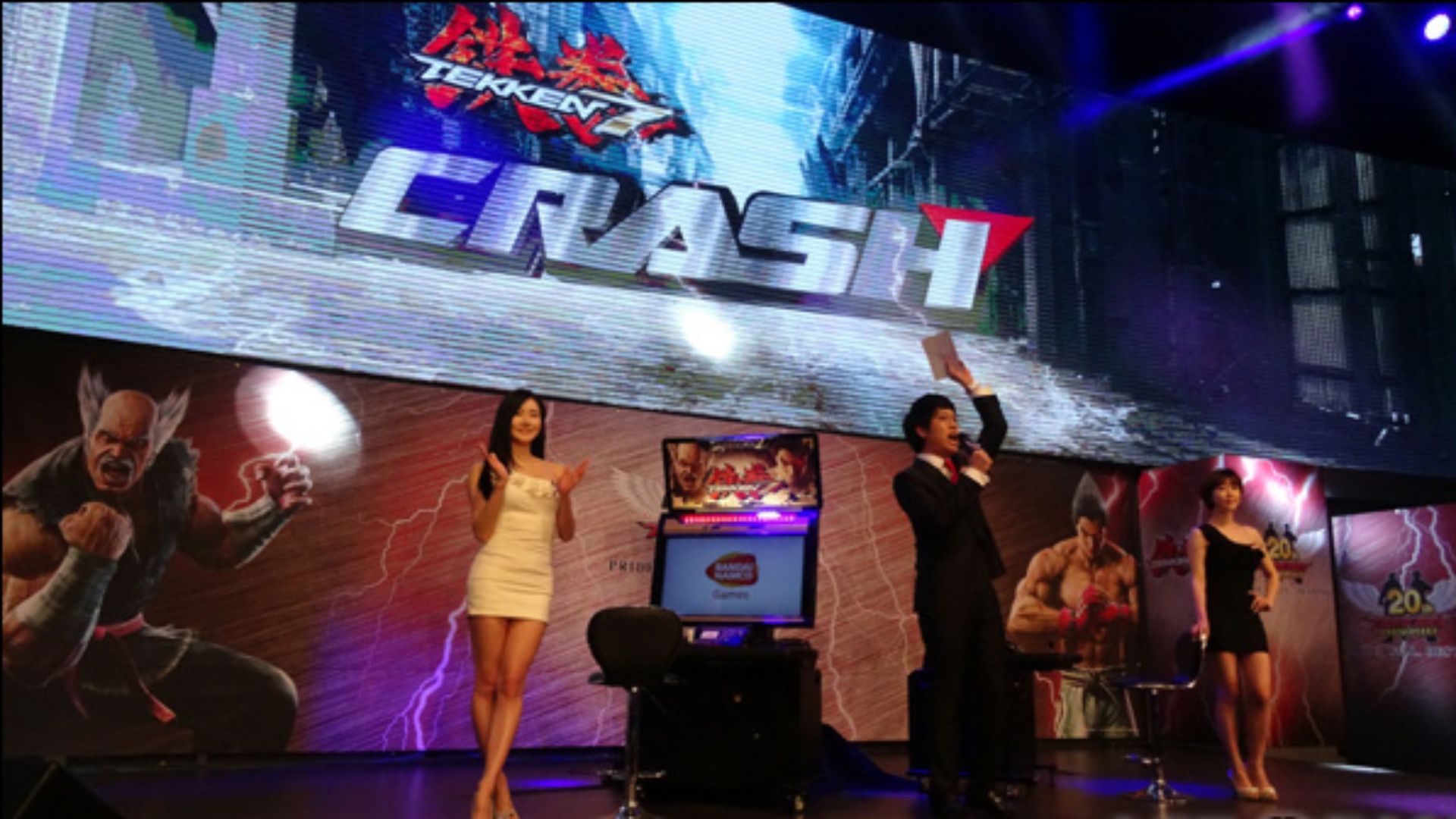
The cast offers a wide range of martial arts styles that translate into unique gameplay approaches. Fighters feel mechanically different without becoming overly complex. Legacy characters blend well with newer additions. This variety keeps matches engaging over time and rewards players who invest time in learning matchups.
3. Street Fighter V: Champion Edition
The expanded lineup showcases a strong mix of classic archetypes and more experimental fighters. Each character supports different strategies and skill levels. The added depth corrected earlier limitations. It ultimately delivers a well-rounded and satisfying selection, making it more appealing across a wider player base.
 Jonathan Sloan from Burnaby, Canada on Wikimedia
4. Mortal Kombat 11 Ultimate
This roster balances long-standing icons with fresh faces that bring new mechanics into play. Customization options allow for further variation within each fighter. The combination keeps gameplay from feeling repetitive. It’s a strong example of evolving a legacy lineup. It also gives players more control over how characters perform.

5. Guilty Gear Strive
Rather than focusing on size, this lineup emphasizes distinctiveness. Every fighter introduces unique mechanics that set them apart immediately. This design ensures no two characters feel interchangeable.

6. Dragon Ball FighterZ
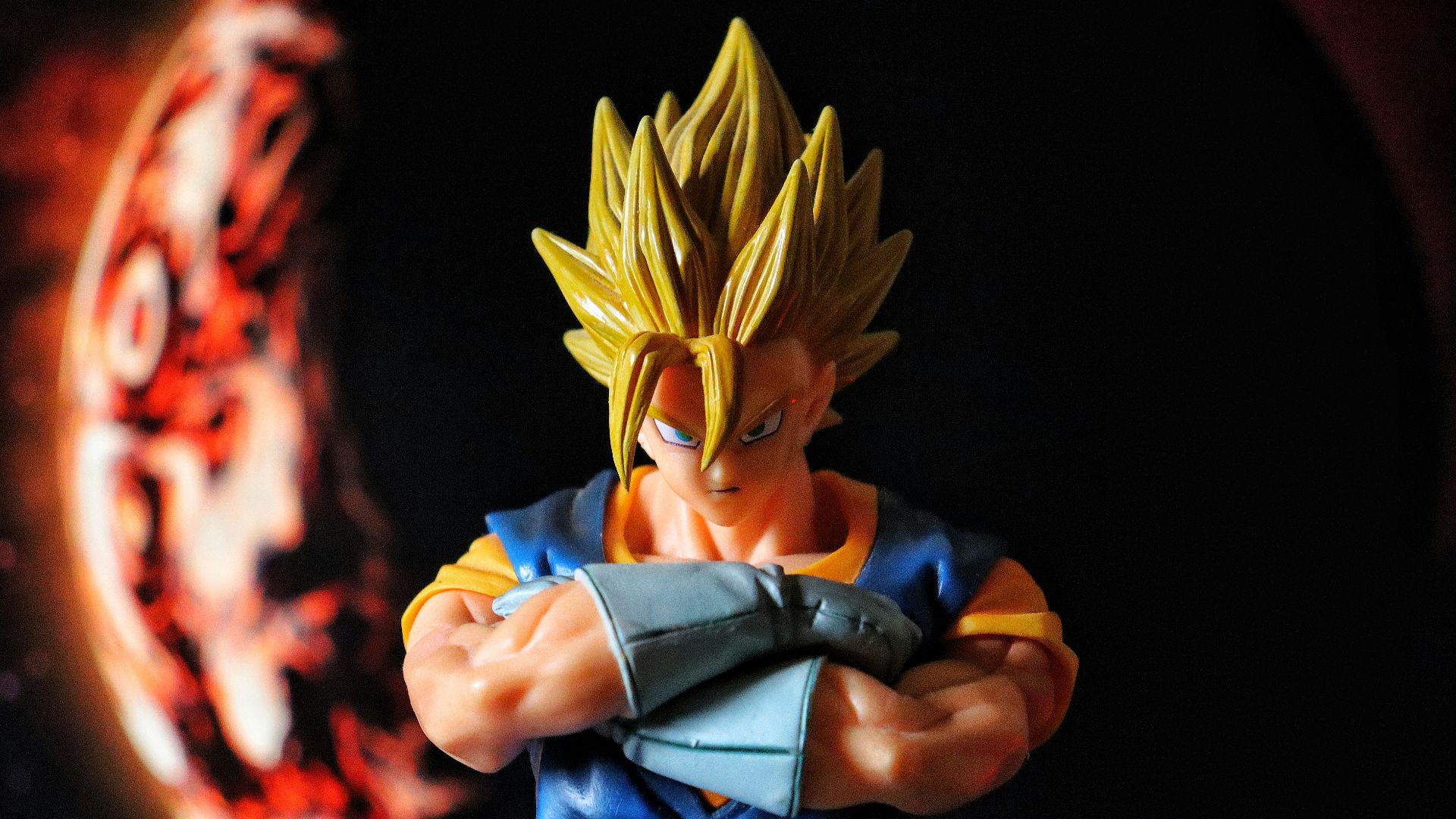
The character selection stays faithful to its source material while maintaining competitive balance. Fighters are recognizable but still function well within the system. The team-based format increases strategic options. This adds depth without overwhelming players and also keeps gameplay fast-paced and visually engaging.
7. King of Fighters XV
A team-based structure allows for a large and varied cast drawn from across the franchise. Different combinations create a wide range of strategies. Each character contributes something meaningful to gameplay. This encourages experimentation and replayability. It also keeps team-building fresh over time.
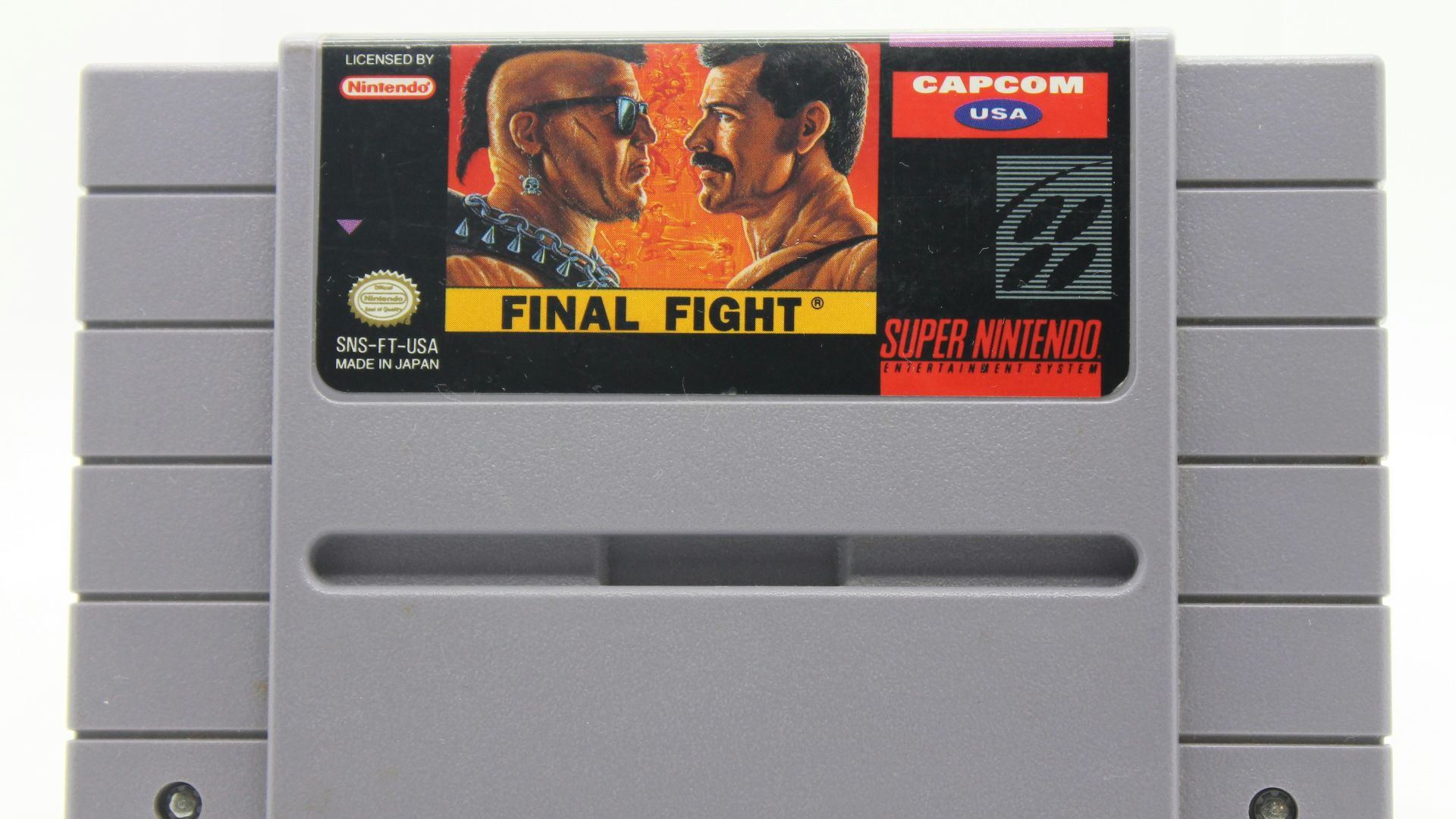
8. Marvel vs. Capcom 2
The roster stands out for its size and crossover appeal. Characters from different universes interact seamlessly in fast-paced matches. The variety allows for creative team compositions. It remains one of the most flexible lineups in the genre. This flexibility supports both casual fun and competitive depth.

9. Soulcalibur VI
Weapon-based combat gives each fighter a clear identity and playstyle. The mix of returning characters and newcomers keeps things balanced. Distinct weapon systems add depth to matchups. This approach ensures variety without confusion, turning each encounter into something visually and mechanically unique.
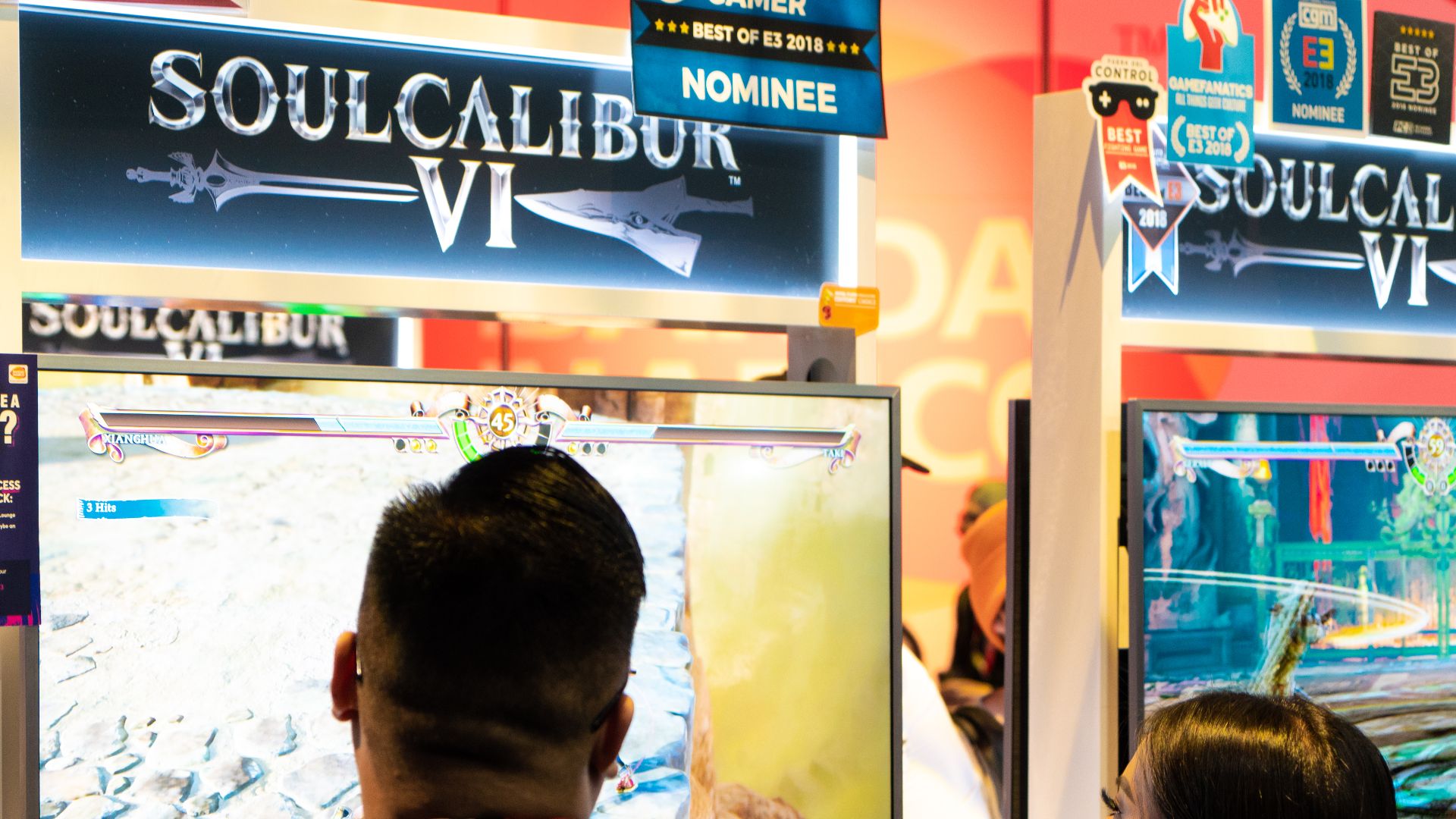 Sergey Galyonkin from Raleigh, USA on Wikimedia
10. BlazBlue: Central Fiction
This lineup is known for its complexity and unconventional mechanics. Many fighters introduce systems that challenge standard fighting game expectations. This encourages creativity in both strategy and execution. It’s especially appealing for players who enjoy depth, as the learning curve rewards long-term commitment.

1. Street Fighter V (Launch Version)
The initial lineup felt limited and left out many fan-favorite characters. This made the experience seem incomplete at release. The lack of variety affected long-term engagement and required updates to meet expectations. Early impressions were heavily shaped by this limitation.
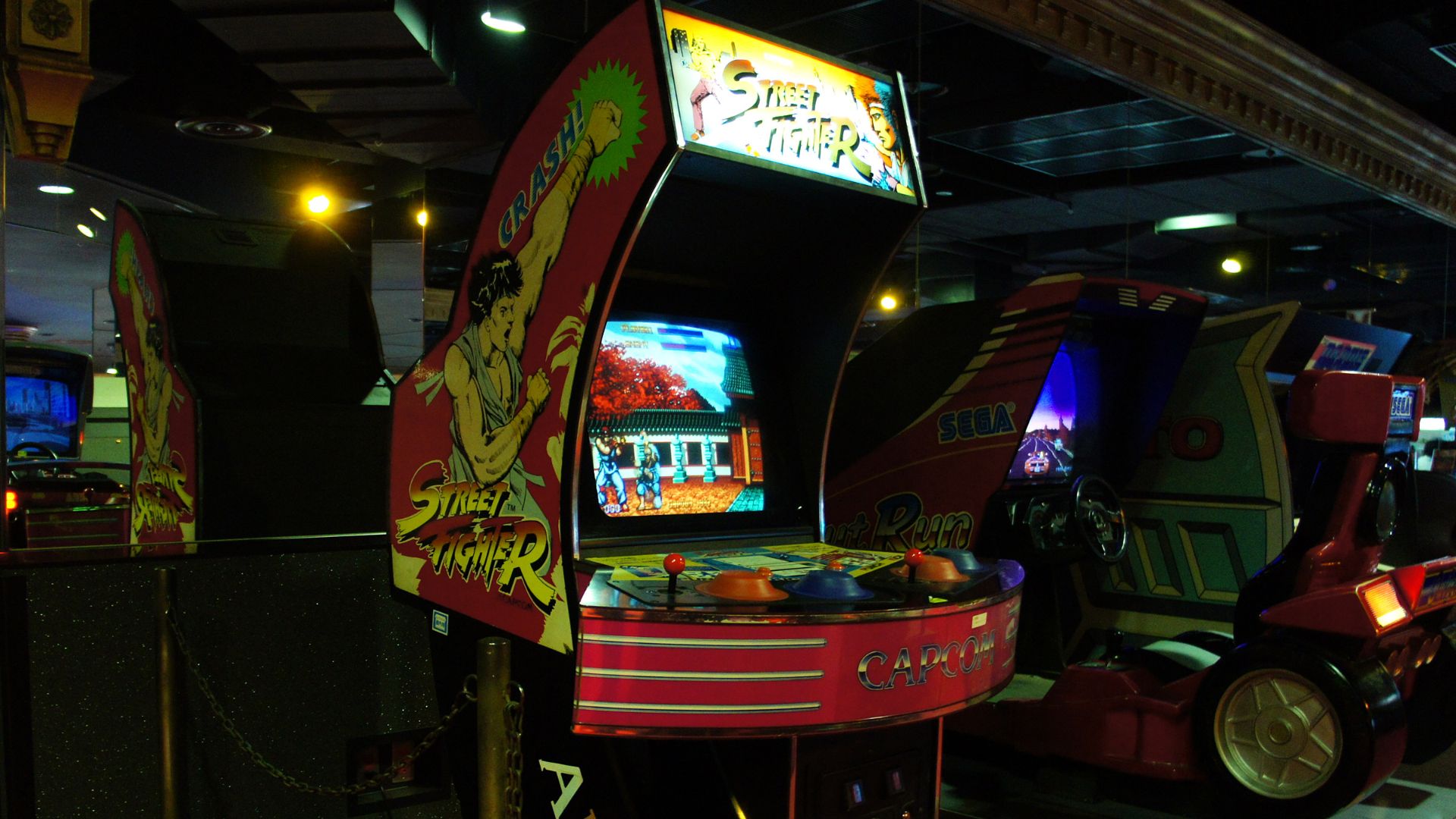
2. Marvel vs. Capcom: Infinite
The character selection drew criticism for missing several popular figures. It didn’t match the diversity seen in earlier entries. Some choices felt repetitive or uninspired, and this impacted its overall reception among fans. The visual presentation of characters also didn’t help its case.
 © 2011 Marvel Entertainment/CAPCOM on Wikimedia
3. Mortal Kombat vs. DC Universe
The crossover concept resulted in a more restricted roster than expected. Some fighters lacked depth compared to standalone entries. The balance between the two universes felt uneven. This limited its appeal over time. It struggled to satisfy fans of either franchise fully.
4. Dead or Alive 6
The lineup didn’t evolve much from previous versions, leading to a sense of familiarity without innovation. Several characters played similarly, reducing variety.
 Shuichi Aizawa (switchstyle) on Wikimedia
5. Street Fighter X Tekken
Despite having a sizable cast, many fighters felt too similar in execution. The overlap in playstyles reduced the sense of uniqueness.
6. Tekken 4
Changes to the roster and gameplay direction created a less cohesive experience. Some fan-favorite characters were removed or altered significantly. This affected how players connected with the lineup.
7. Virtua Fighter 5 (Base Version)
The original release featured a smaller cast with limited stylistic diversity. While technically sound, the gameplay lacked variation across fighters. This made matches feel repetitive over time.
 istolethetv from Hong Kong, China on Wikimedia
8. Samurai Shodown (2019 Launch)
This reboot introduced well-designed characters, but in a limited number. Players expected a broader selection at launch. The smaller roster reduced matchup variety.
 mikemol (Michael Mol) on Wikimedia
9. Injustice: Gods Among Us (Base Roster)
The initial lineup offered some strong characters but lacked overall balance. Certain fighters felt underdeveloped compared to others. This created inconsistencies in gameplay.
 Glenn Carstens-Peters on Unsplash
10. PlayStation All-Stars Battle Royale
The concept brought together recognizable characters, but the selection felt uneven. Some choices didn’t resonate as strongly with players. The roster lacked cohesion compared to similar crossover titles.