
When Updates Stop Being Just Updates
Most patch notes are easy to ignore. You skim them, maybe notice a bug fix or a small tweak, and move on without thinking twice. But every so often, an update lands that feels bigger than the game itself, something that shifts how people play, argue, or even talk about it. These moments spill out of patch logs and into forums, memes, group chats, and sometimes entire communities splitting over a single change. It’s not just about mechanics at that point, it’s about identity, time invested, and what people thought they understood about the game. Here are 20 updates that stopped being technical and turned into events people still remember.
 Muhammad Faiz Zulkeflee on Unsplash
1. World of Warcraft – Cataclysm World Overhaul
Blizzard didn’t just add content, it permanently replaced the original 2004–2006 world. Zones like The Barrens were split in two, Thousand Needles flooded, and questing was rewritten to be faster and more linear. For longtime players, it felt like an entire version of the game had been erased rather than updated.
 commons.wikimedia.org on Google
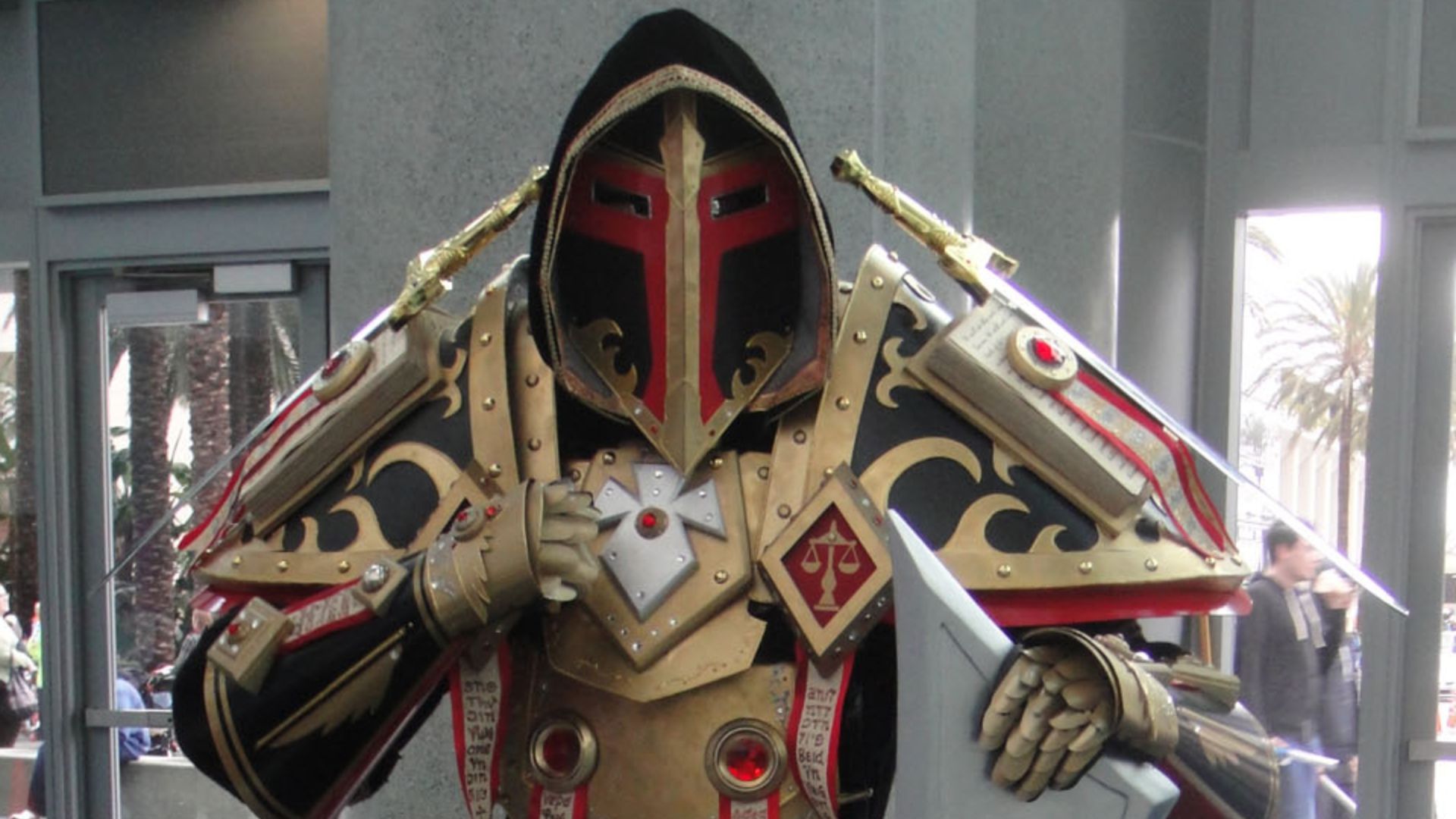
2. Fortnite – Chapter 2 Map Reset
Epic Games literally shut the game off, replacing it with a black hole screen for nearly two days. When it came back, the entire map, loot pool, and progression system had been reset. It turned a patch into a global live event that even non-players were watching.
 commons.wikimedia.org on Google
3. League of Legends – Summoner’s Rift Update
Riot rebuilt Summoner’s Rift from the ground up, updating textures, jungle layouts, and visual clarity. Camps were repositioned, jungle timers changed, and warding habits had to be relearned. It marked a clear dividing line between early League and its modern form.
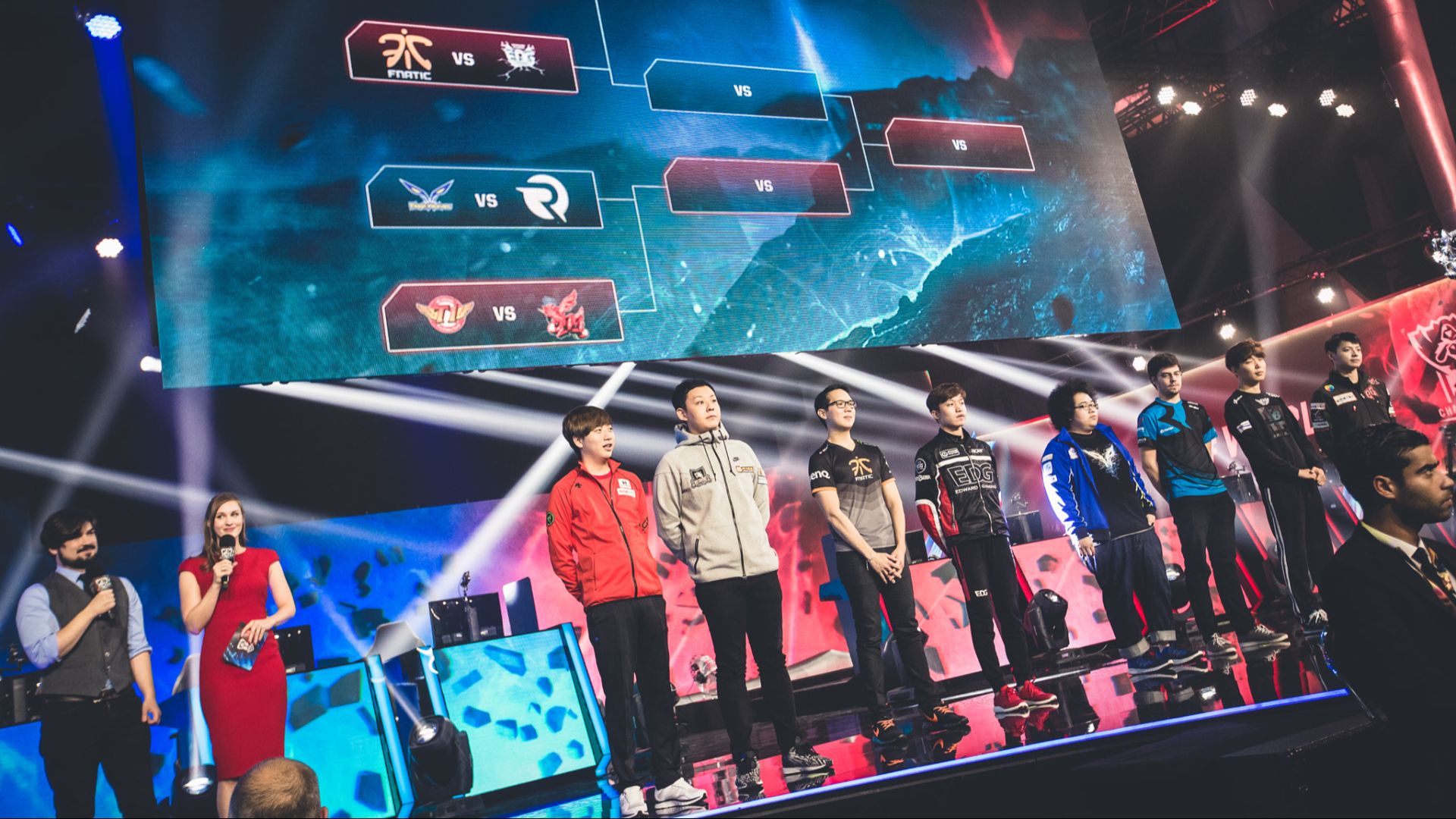
4. Destiny 2 – Sunsetting Gear
Bungie capped the power level of older weapons, making large portions of the loot pool unusable in endgame content. Players lost access to gear they had spent hundreds of hours grinding. The backlash was strong enough that Bungie eventually reversed the system.
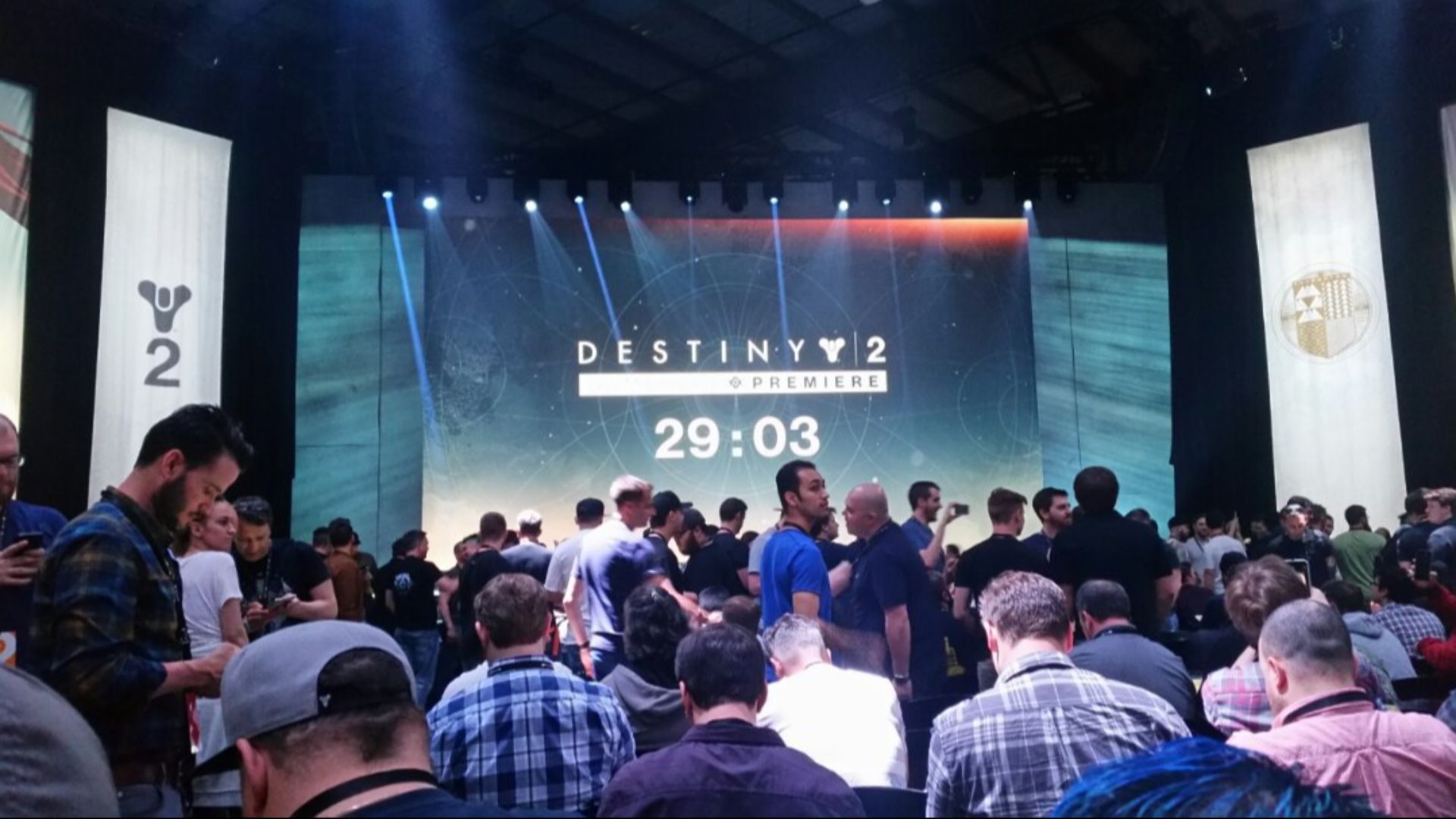
5. Minecraft – Combat Update (1.9)
Mojang introduced attack cooldowns, shields, and sweeping edge mechanics, replacing the rapid-click combat style. PvP became slower and more timing-based, which split the community. Many servers stayed on version 1.8 permanently to avoid the change.
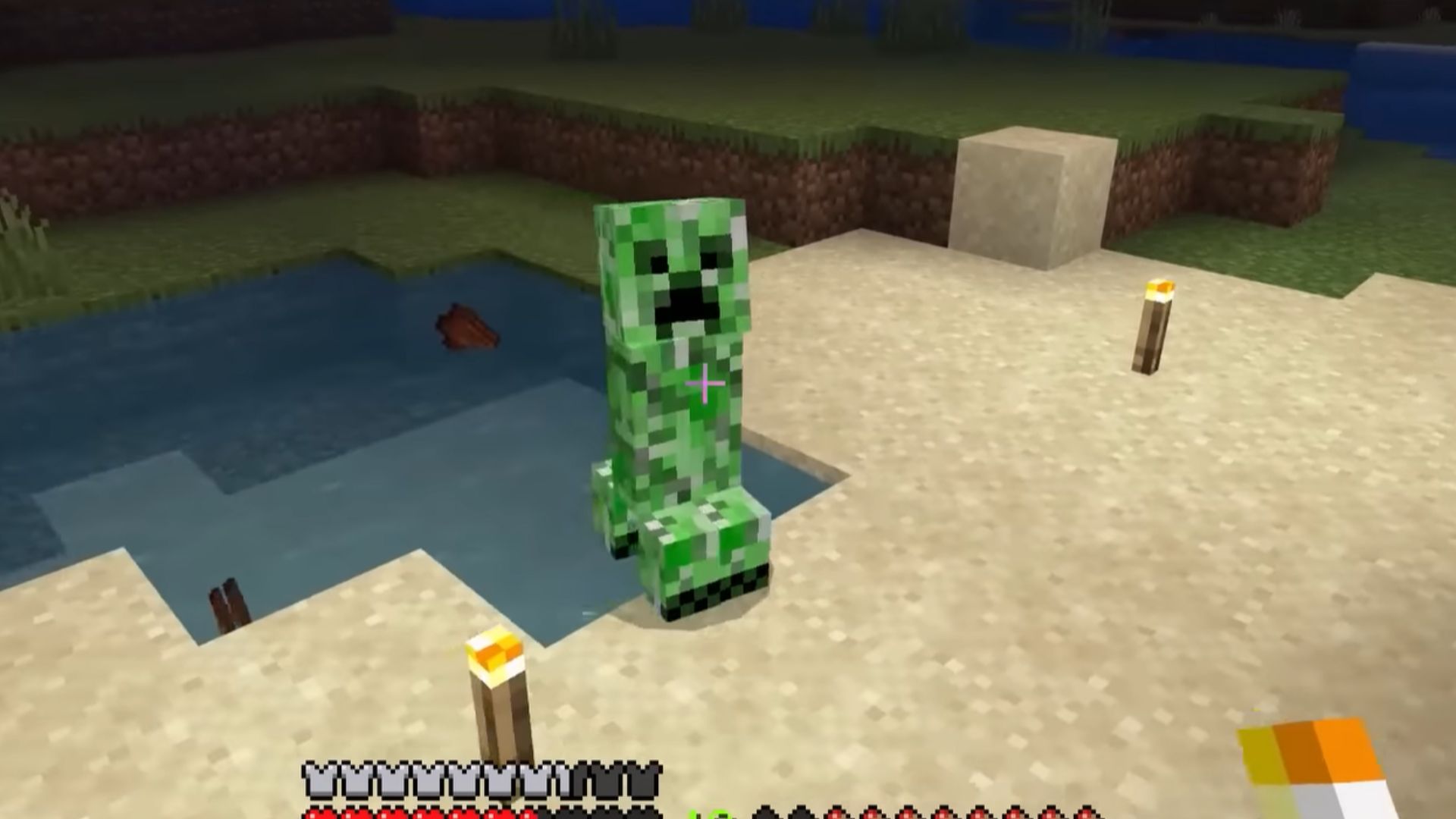
6. Overwatch – Role Queue
Blizzard locked teams into a 2-2-2 composition of tanks, damage, and supports. It eliminated chaotic team comps but also removed flexibility players had relied on. Queue times shifted dramatically, especially for damage roles, reshaping how people played daily.
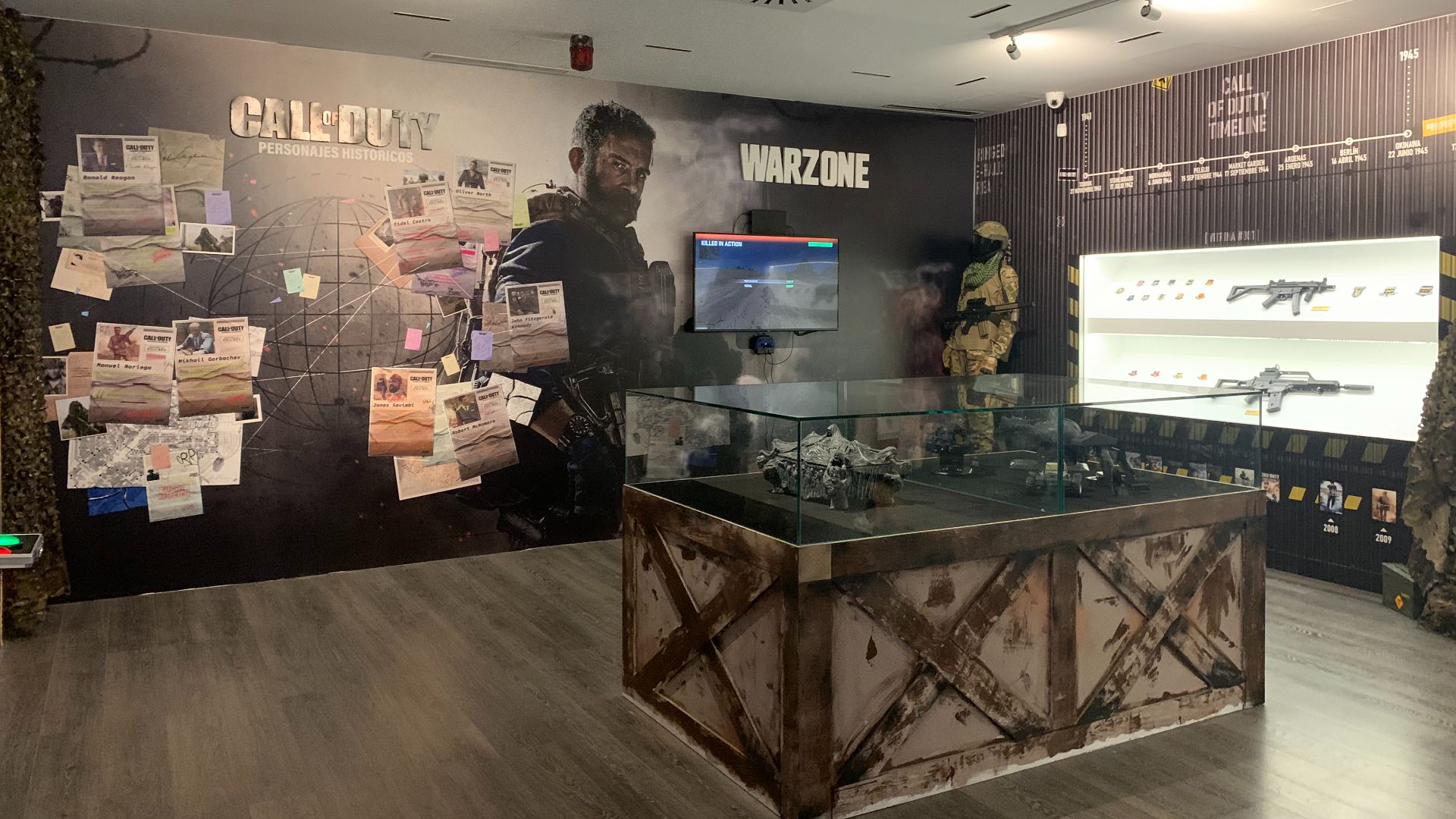
7. Call of Duty: Warzone – DMR Meta Patch
A Cold War integration patch made the DMR 14 massively overpowered, with extremely fast time-to-kill. For weeks, nearly every match revolved around the same weapon. The delayed nerf turned it into one of the most complained-about metas in Warzone history.
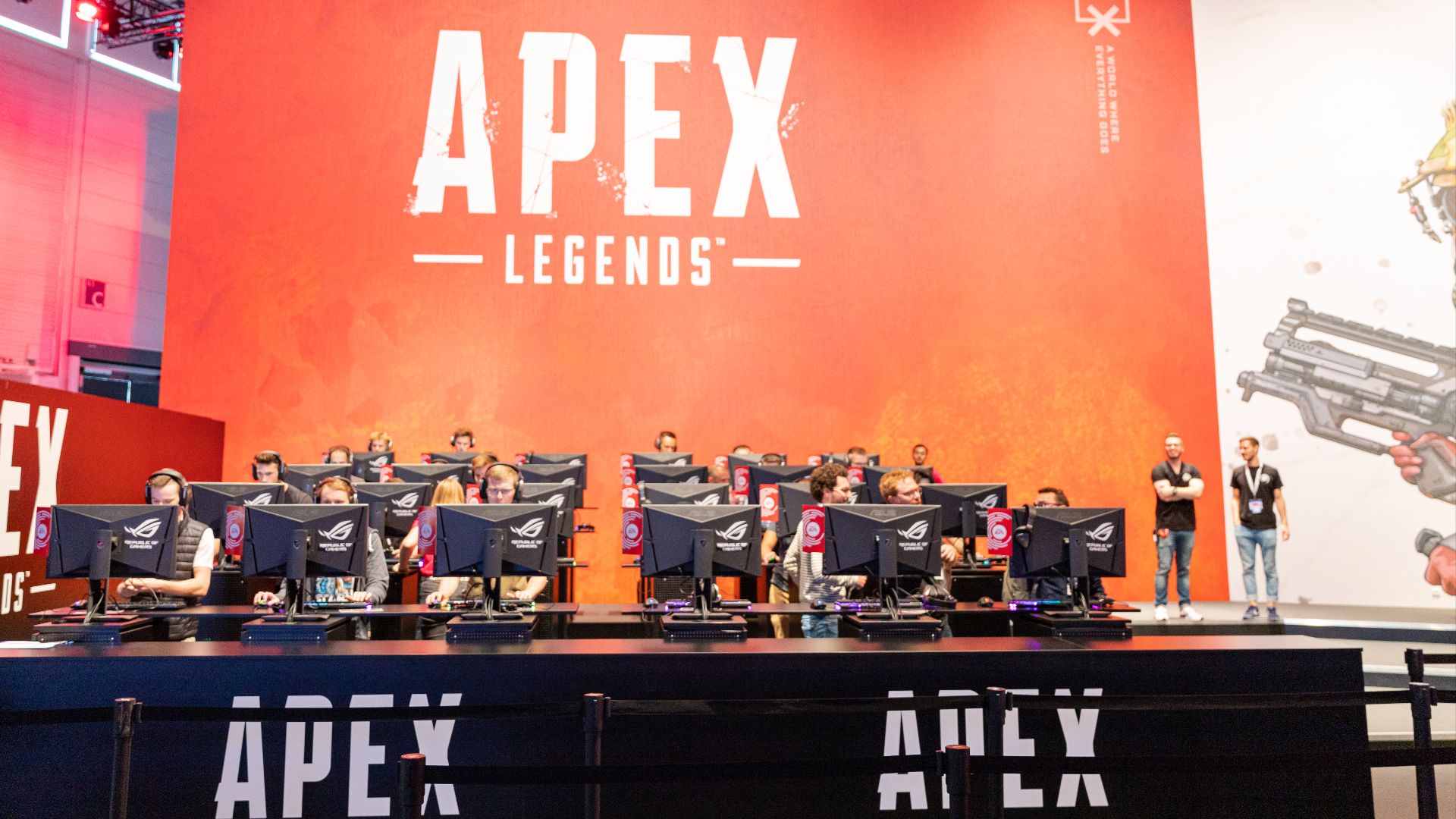
8. Apex Legends – Armor System Changes
Respawn replaced standard armor spawns with Evo Shields that upgraded through damage dealt. This shifted the game toward more aggressive play and reduced reliance on loot luck. It permanently changed pacing and how early fights were approached.
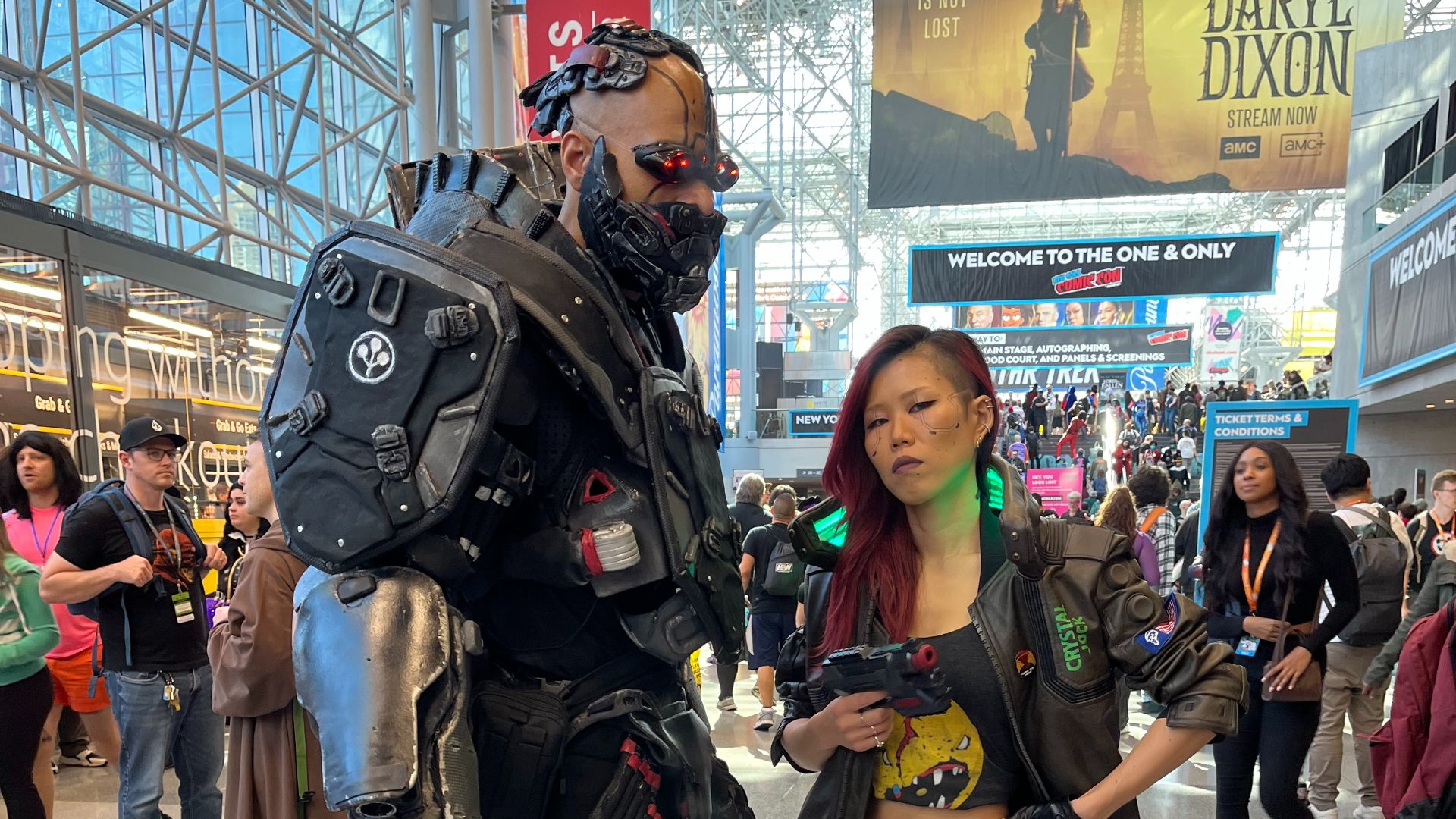
9. Cyberpunk 2077 – 2.0 Overhaul
CD Projekt Red overhauled core systems, including skill trees, cyberware limits, police AI, and vehicle combat. The update fundamentally changed progression and how builds worked. It reframed the game as something closer to its original promise.
10. The Sims 4 – Infants Update
Maxis added a full infant life stage, complete with new animations, needs, and interactions. It filled a gap that had existed since the game’s 2014 launch. The update reshaped how players structured families and long-term gameplay.
 włodi from London, UK on Wikimedia
11. Pokémon GO – Remote Raid Nerf
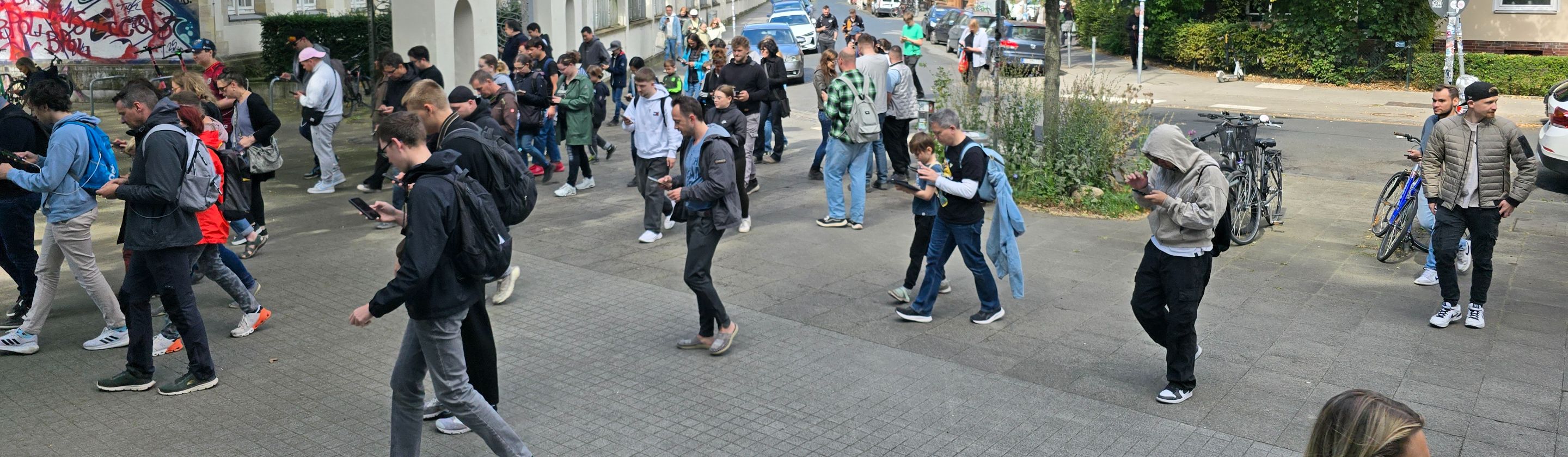
Niantic increased the cost of remote raid passes and limited their daily use. Remote raiding had become a core feature during the pandemic, allowing global participation. The change triggered organized boycotts and community protests.
12. Halo: Combat Evolved – Pistol Balancing
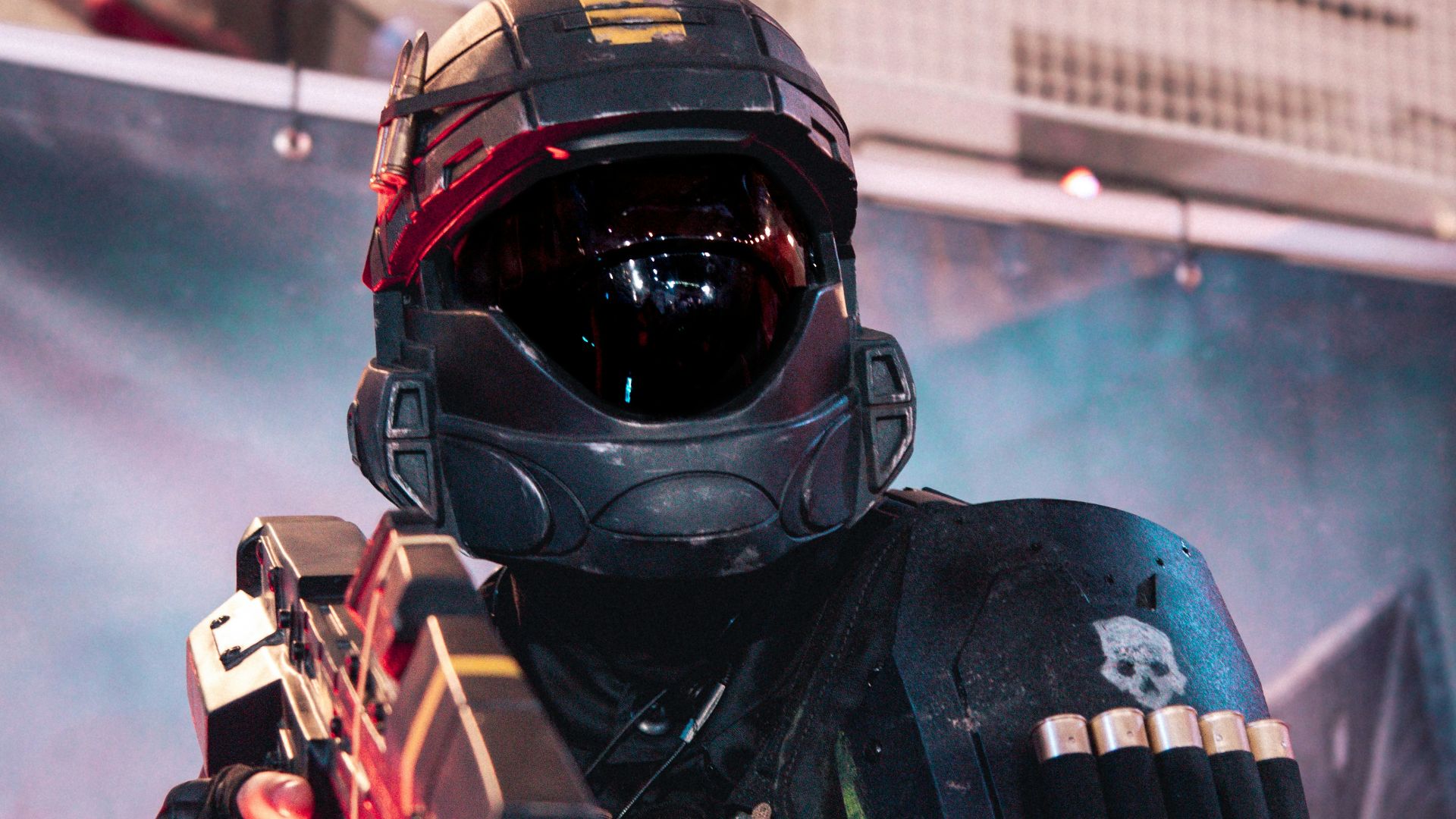
Bungie adjusted weapon balance, including nerfing the Battle Rifle’s effectiveness at range and fixing exploits like button glitches. It altered competitive play that had already been deeply internalized by players. The update showed how even small changes could disrupt an established meta.
 Caroline Eymond Laritaz on Unsplash
13. Grand Theft Auto Online – Economy Adjustments
Rockstar increased cooldowns and reduced payouts for the most efficient solo heist in the game. The update slowed down one of the most popular money-making methods. It shifted players back toward longer, more grind-heavy activities.
14. Rainbow Six Siege – Operator Reworks
Ubisoft reworked operators like Tachanka, turning him from a stationary turret character into a mobile area-denial operator. These changes didn’t just tweak abilities, they rewrote how entire roles functioned. Players had to relearn strategies built over years.
 TomClancyRainbowSix on Wikimedia
15. Diablo III – Loot 2.0
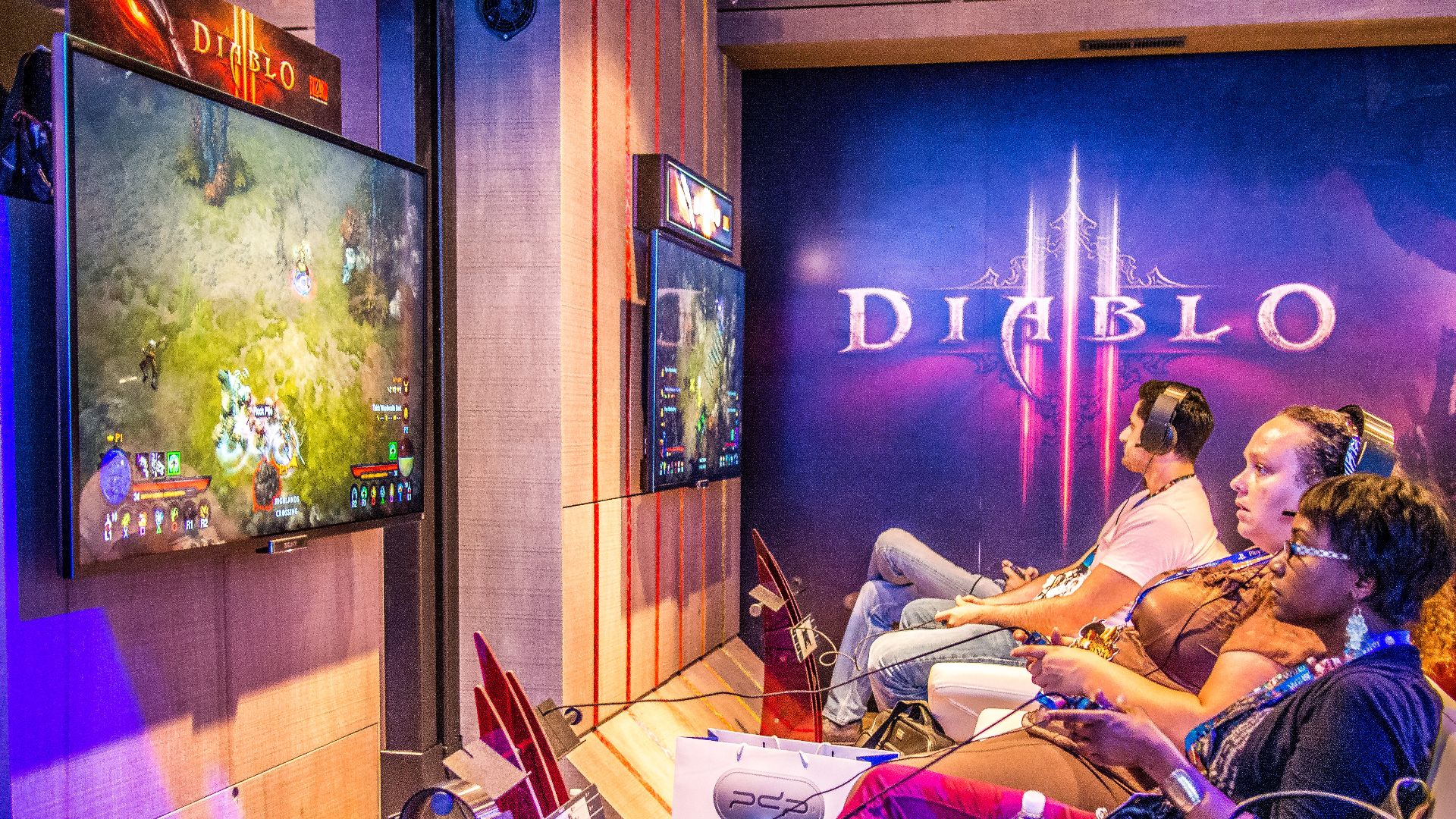
Blizzard removed the auction house and reworked loot drops to be more relevant to the player’s class. Legendary items became more common and meaningful. The patch transformed the game from a grind-heavy economy into a more rewarding loot system.
 commons.wikimedia.org on Google
16. Valorant – Chamber Nerf
Riot significantly reduced Chamber’s teleport range and slowed his abilities, breaking his dominance in competitive play. He had been a near-mandatory pick in pro matches. The patch forced a complete reset of team compositions.
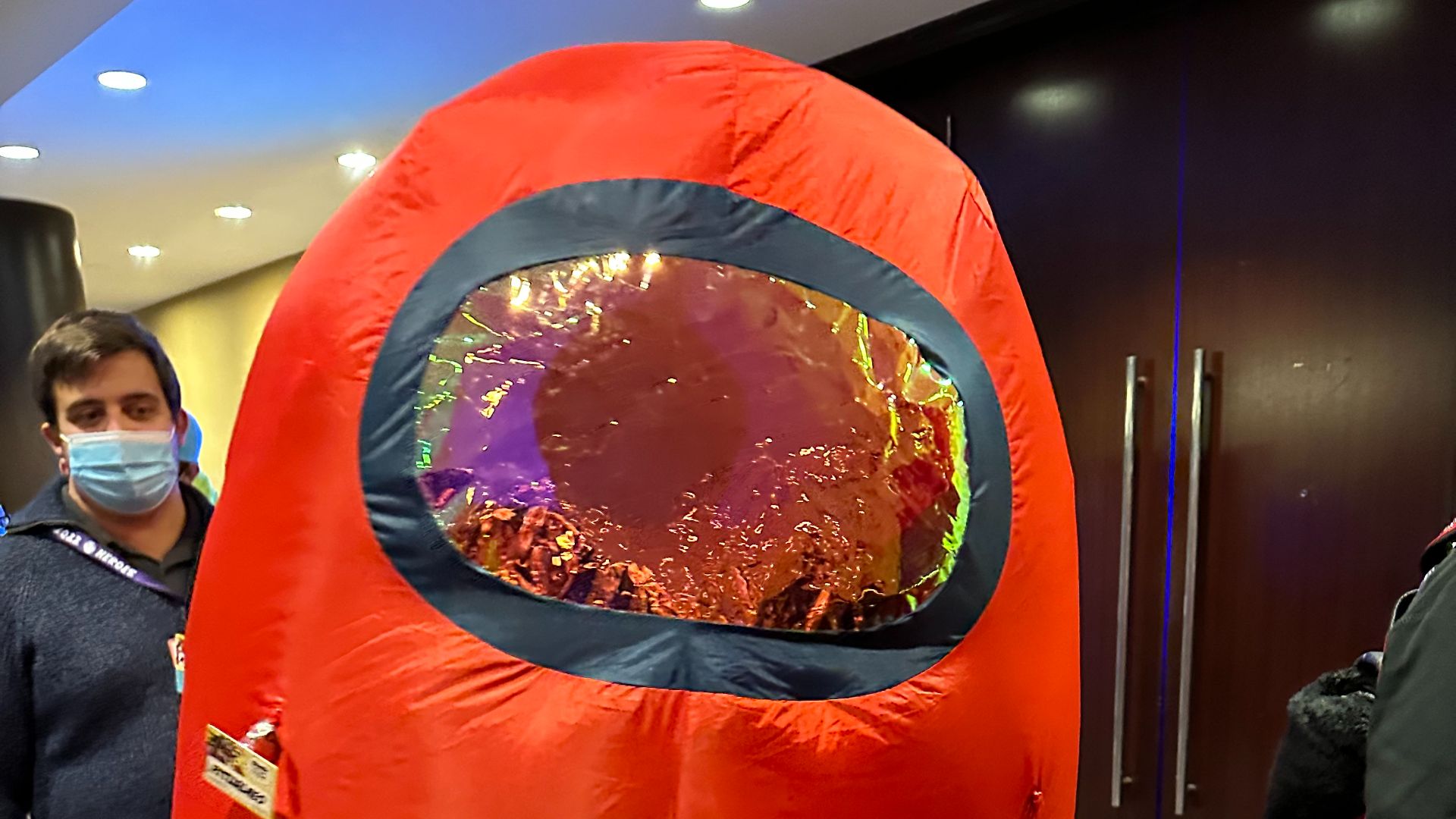
17. Among Us – Account System Update
Innersloth added accounts, reporting systems, and moderation tools after the game’s sudden popularity spike. It introduced structure to a game that had been largely unregulated. The update was necessary to handle scale, but changed the feel of public lobbies.
 commons.wikimedia.org on Google
18. Elden Ring – Early Boss Nerfs
FromSoftware reduced the difficulty of Starscourge Radahn shortly after launch, lowering his damage and hitbox sizes. Players who had struggled through the original version saw it as a significant shift in design philosophy. The boss was later partially rebalanced again after backlash.

19. Final Fantasy XIV – A Realm Reborn Reset
Square Enix shut down the original game and relaunched it with rebuilt systems, story, and world design. The new version replaced nearly every core mechanic from the failed 1.0 release. It became one of the most successful turnarounds in gaming.
20. No Man’s Sky – Foundation Update
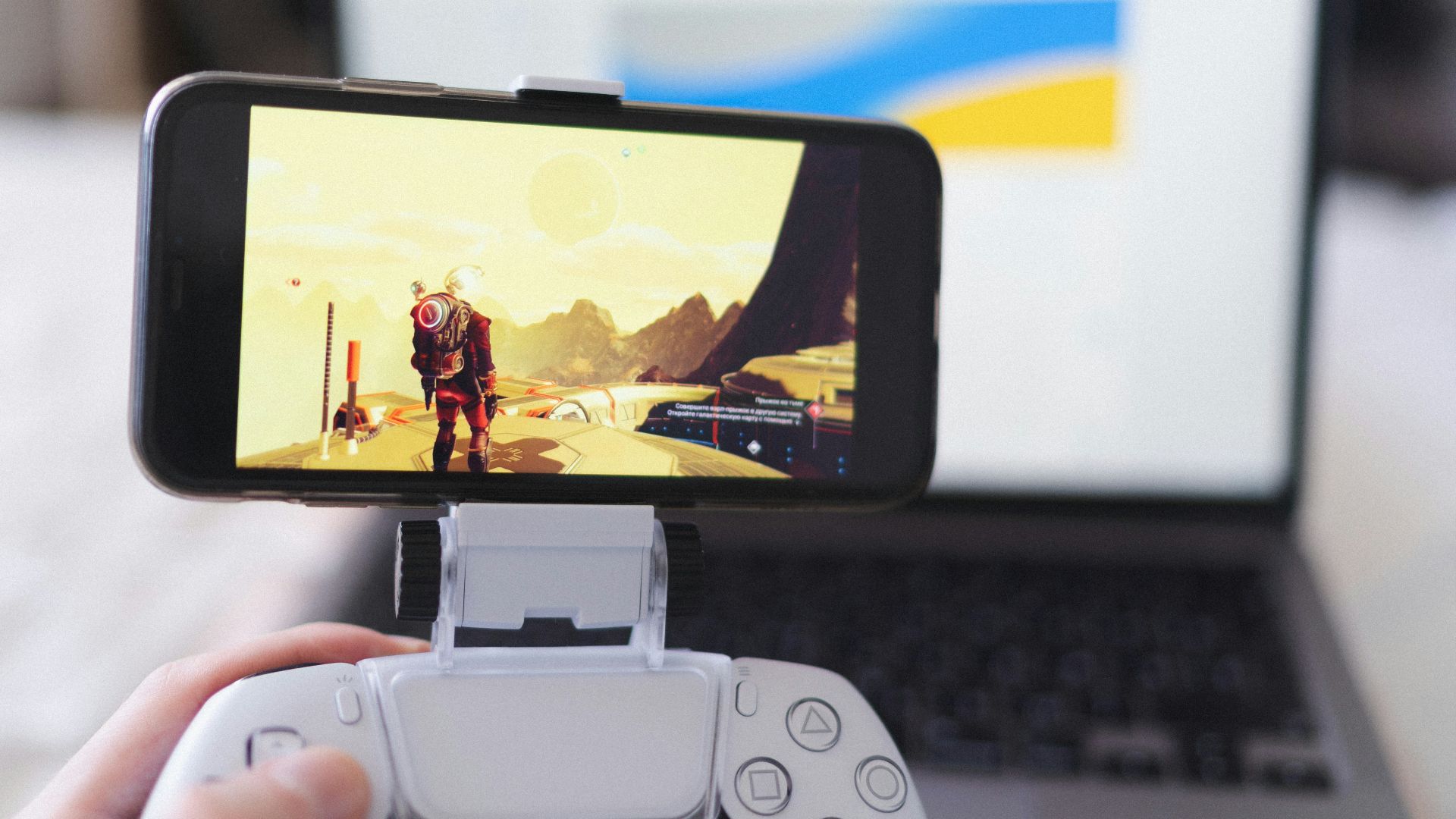
Hello Games introduced base building and core systems missing at launch. It marked the beginning of a long process of rebuilding trust. The update reframed the game from disappointment to ongoing project.





.jpg)
.jpg)
.jpg)