A Language Only Gamers Know
What's your DPS? Do you like PvP or PvE games more? Have you ever played an MMORPG? If you're not a gamer, you're probably scratching your head at all those acronyms, except maybe the last one. Don't blame yourself for not understanding the gaming lingo; it can be pretty tricky to grasp. But if you don't want to let your team down when they're counting on you and shouting bizarre acronyms in your ear (or in the chat), you'll want to make sure you're familiar with these 20 abbreviations.
1. DPS: Damage Per Second
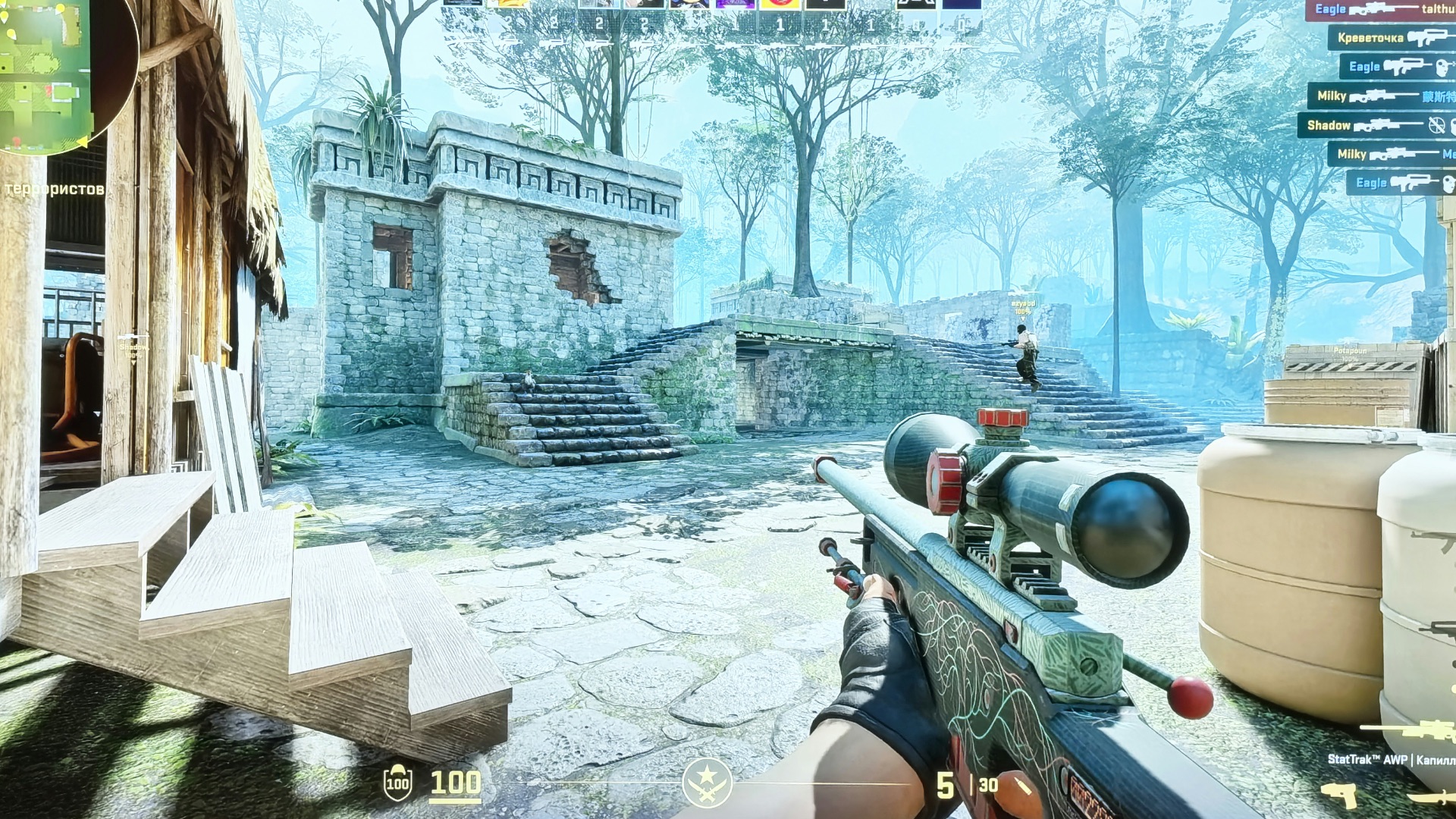
DPS technically measures how much damage something can deliver each second, whether a weapon or a character's ability, but gamers also tend to use the term to describe damage-focused characters themselves. In an MMO, for example, someone might tell you the group needs "another DPS" rather than saying it needs another damage dealer.
2. DOT: Damage Over Time
A DOT is an attack or effect that continues dealing damage after the initial hit. That means, instead of taking all the damage at once, the target steadily loses health for several seconds. You'll often hear RPG and MMO players talk about "stacking DOTs," too, especially when multiple effects can run simultaneously.

3. HOT: Heal Over Time
The opposite of a DOT is a HOT, which is an ability that restores health gradually. Healers often apply these effects before heavy incoming damage so the recovery is already underway when players start getting hit. Outside gaming, saying someone needs a HOT would probably produce a very different interpretation... or might just get you some confused looks.
4. CC: Crowd Control
CC refers to abilities that temporarily restrict what opponents can do through effects such as stunning, freezing, silencing, slowing, or putting them to sleep. When someone complains about "too much CC," it's usually because they're frustrated about spending half the fight being unable to move or attack.
5. RNG: Random Number Generator
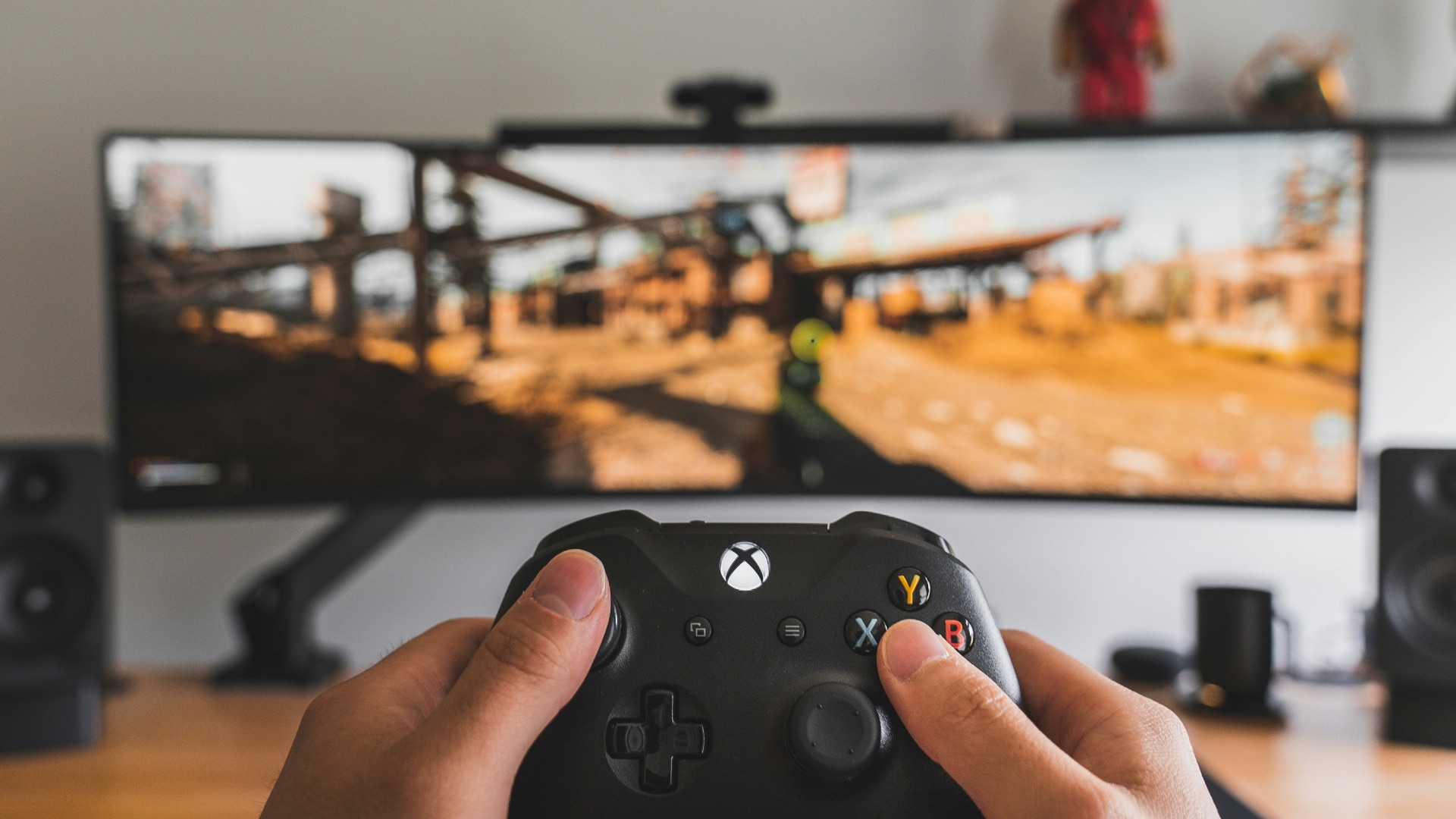
Few acronyms can provoke gamer frustration as quickly as RNG. An RNG, as you might have already guessed, refers to randomized outcomes, whether that's item drops, critical hits, procedural events, or that rare reward finally appearing. When someone blames "bad RNG," they're essentially saying the game's random systems aren't too great, and they didn't get lucky with it.

6. AOE: Area of Effect
An AOE attack is one that affects a designated area, making it especially useful against a group of enemies you're trying to target rather than just one bad guy. AOEs have a pretty wide range: explosions, ground hazards, and other wide-reaching attacks all fall into this category. You might sometimes hear your teammates shout for you to "get out of the AOE" before the attack happens.
7. NPC: Non-Player Character
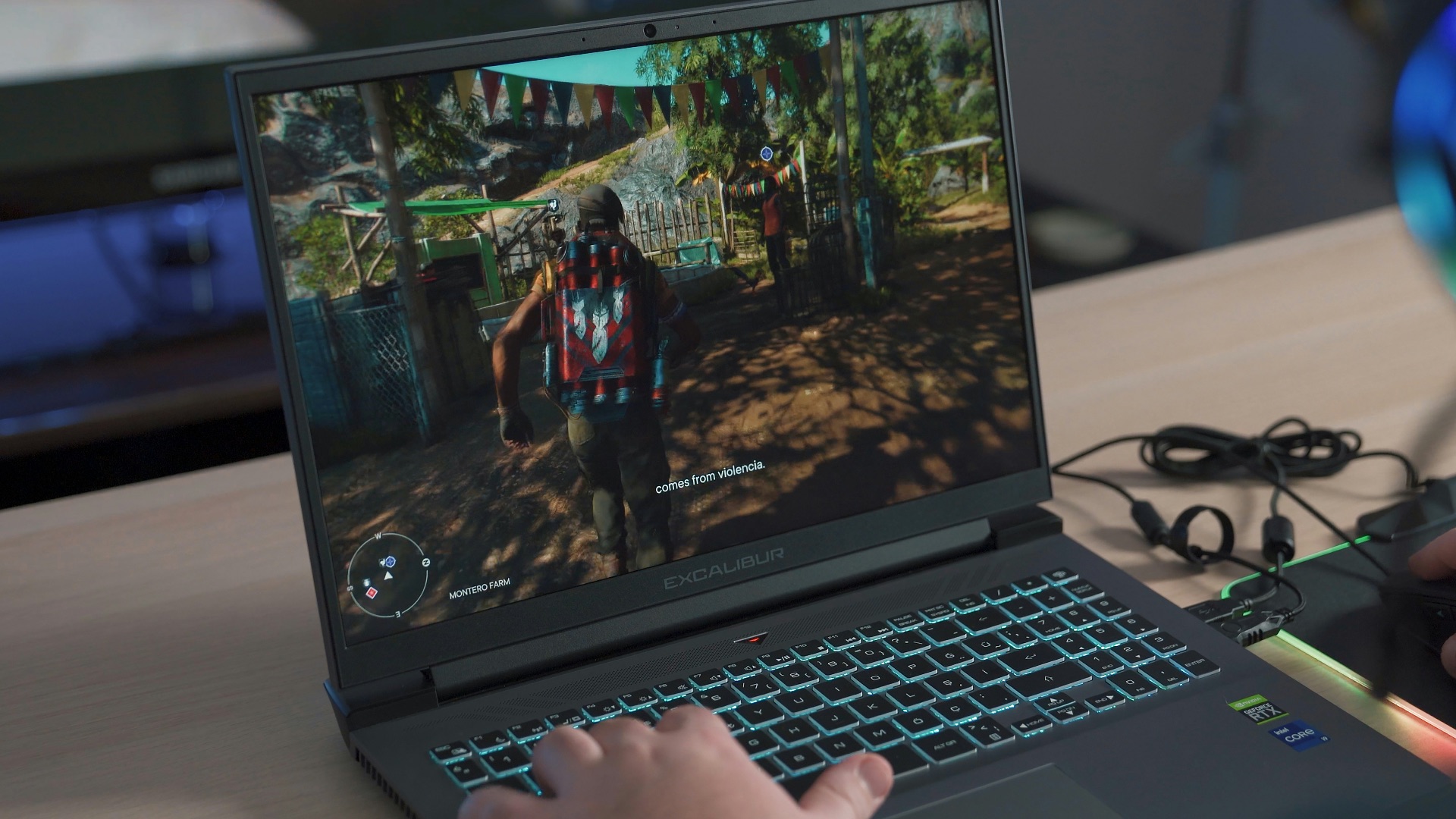
You probably already know what an NPC is: a non-player character. Basically, any character that's controlled by the game than by another human player is essentially an NPC. The term has become popular enough outside gaming that people sometimes jokingly use it to describe someone behaving in a way that lacks personality, or that's too predictable.
8. PK: Player Killing
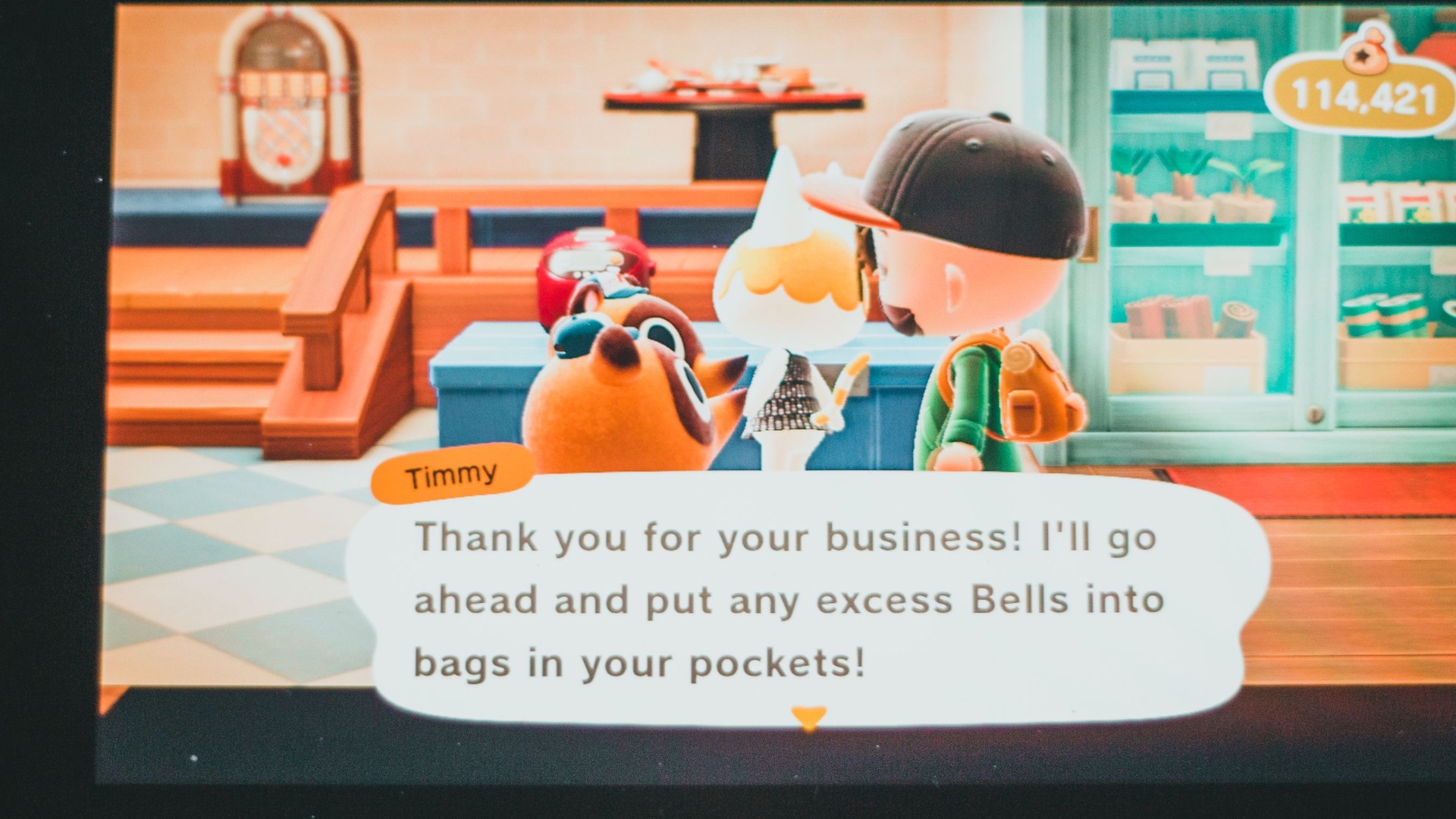
PK refers to attacking and defeating another human-controlled character, particularly in games where it isn't required. The term was made especially prominent in older MMORPGs because some titles allowed players to hunt one another freely in certain areas. A "PKer," therefore, isn't necessarily following a quest objective and may simply be looking for other players to fight.
9. PvP: Player Versus Player
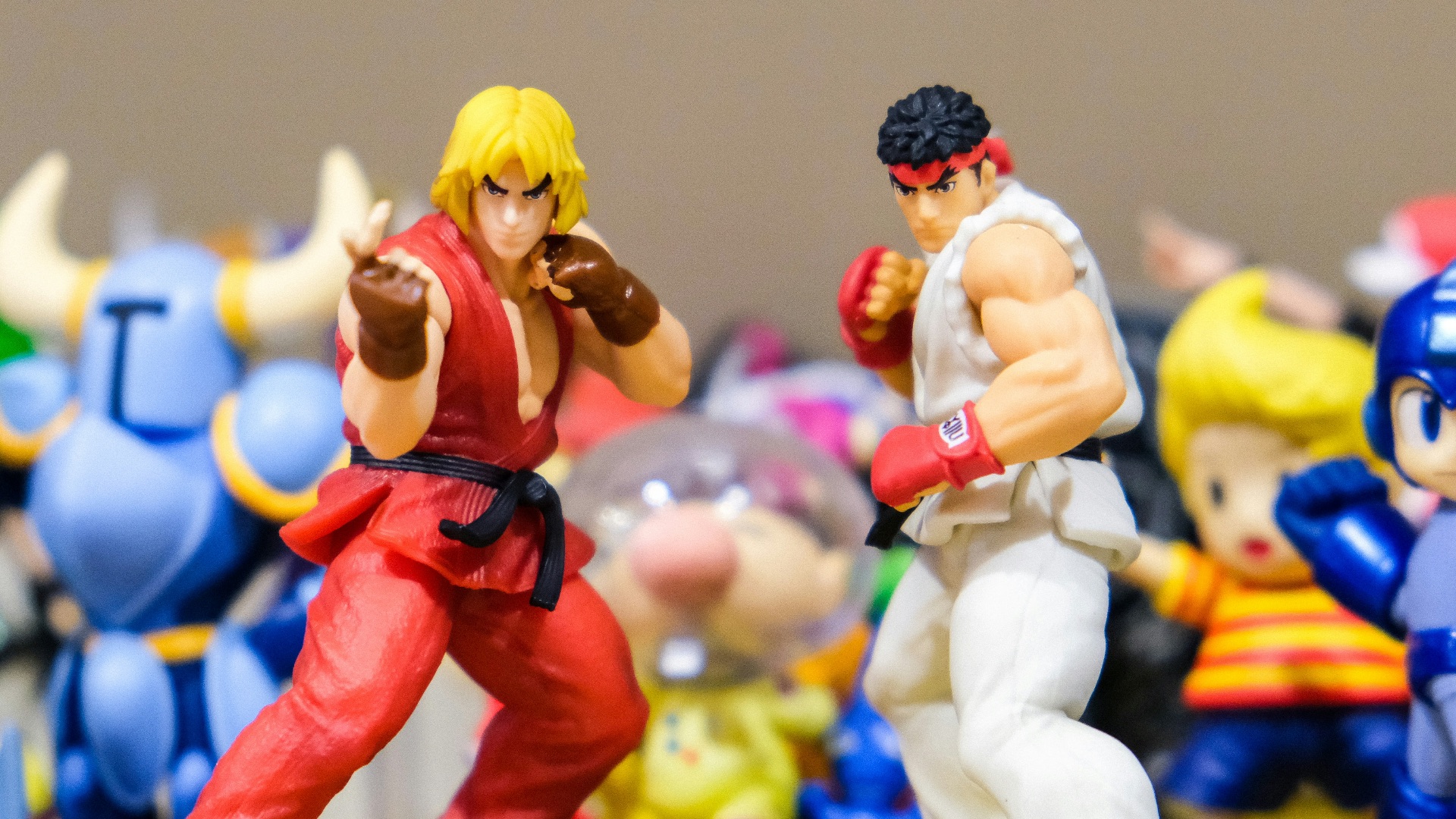
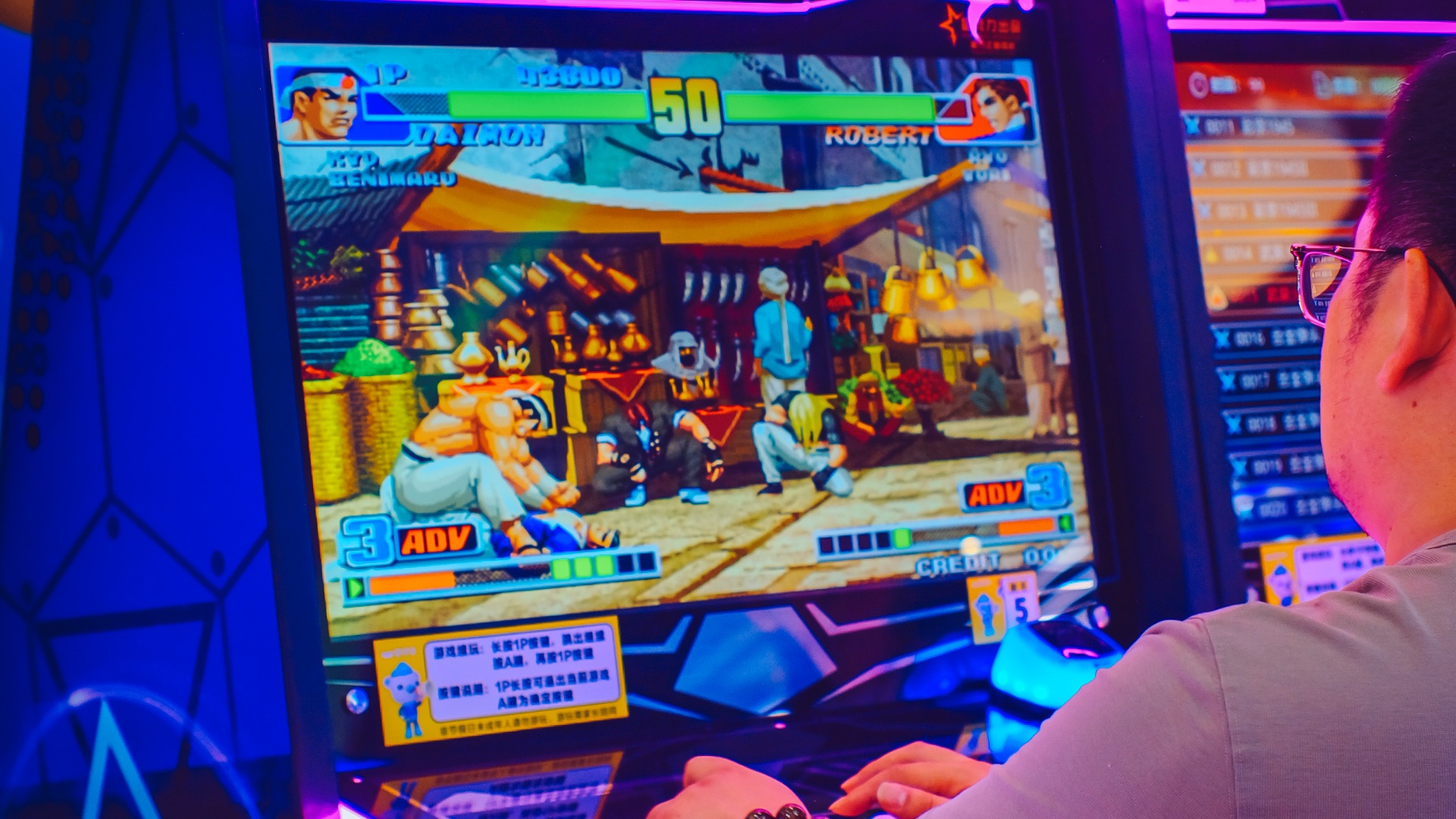
This is another acronym you probably already know. PvP is when two human players fight against one another instead of against computer-controlled opponents; multiplayer fighting games are where you'll see this set-up the most. Depending on the game, switching from PvP to PvE (or vice versa) can require vastly different equipment, strategies, and character builds.
10. PvE: Player Versus Environment
While PvP involves two human players, PvE is a type of gameplay where players primarily battle computer-controlled enemies and overcome challenges created by the game itself; games like Super Mario Bros. are a great example of PvE. If someone is mainly a PvE player, they're more interested in fighting in-game monsters than other human-controlled players.

11. MMO: Massively Multiplayer Online
If you're only familiar with MMORPG (more on that next), you might be asking: what is an MMO? Well, simply put, it's an online game that's built to support large numbers of players within the same world or interconnected environment. The acronym often gets attached to several more specific genres, which is why you'll also encounter combinations such as, you guessed it, MMORPG.
12. MMORPG: Massively Multiplayer Online Role-Playing Game
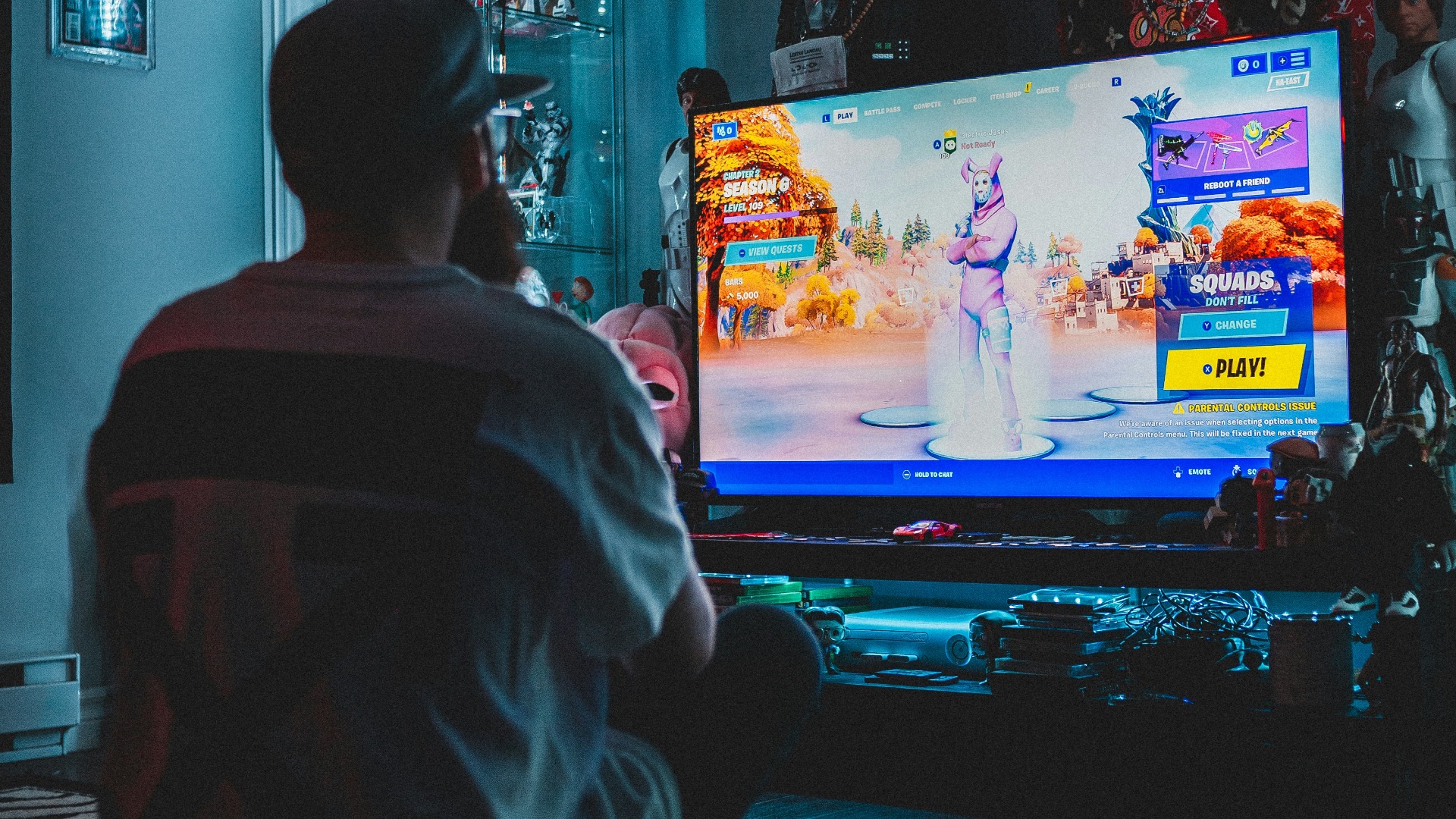
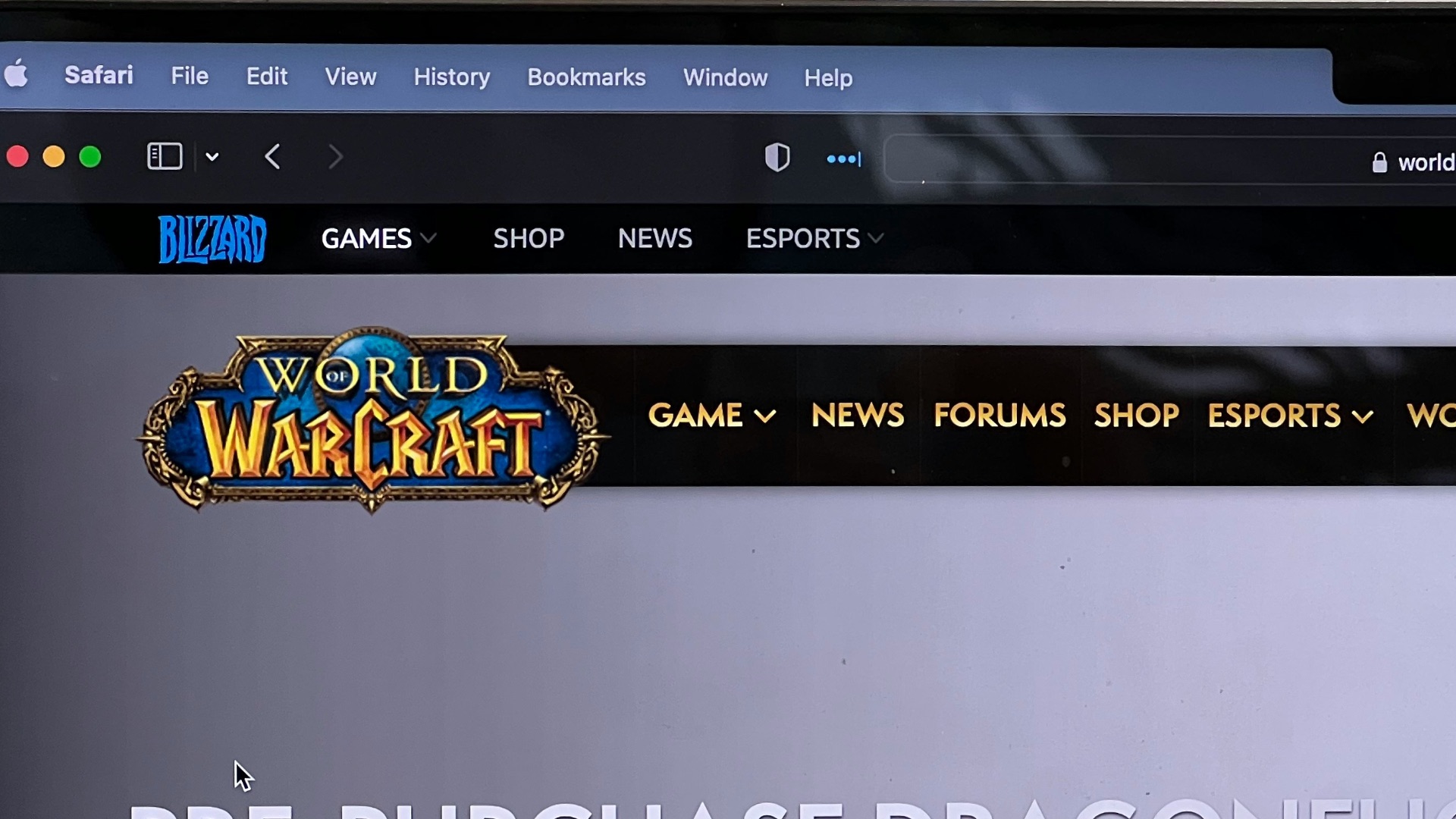
If you've ever played World of Warcraft or Final Fantasy, you've played an MMORPG. Basically, these are games that put you in the life of a fictional character, hence "role-playing game." In MMORPGs, you're usually tasked with creating a character, gaining levels, collecting equipment, completing quests, and interacting with large communities of other players.
 Oberon Copeland @veryinformed.com on Unsplash
13. RTS: Real-Time Strategy
RTS games require players to manage units, resources, construction, and combat while everything unfolds continuously. Success, after all, often depends on making several decisions in rapid succession while keeping track of multiple areas at once. If you're a longtime gamer, you'll likely associate the acronym with classics such as StarCraft, Warcraft, and Command & Conquer.
14. TTK: Time to Kill
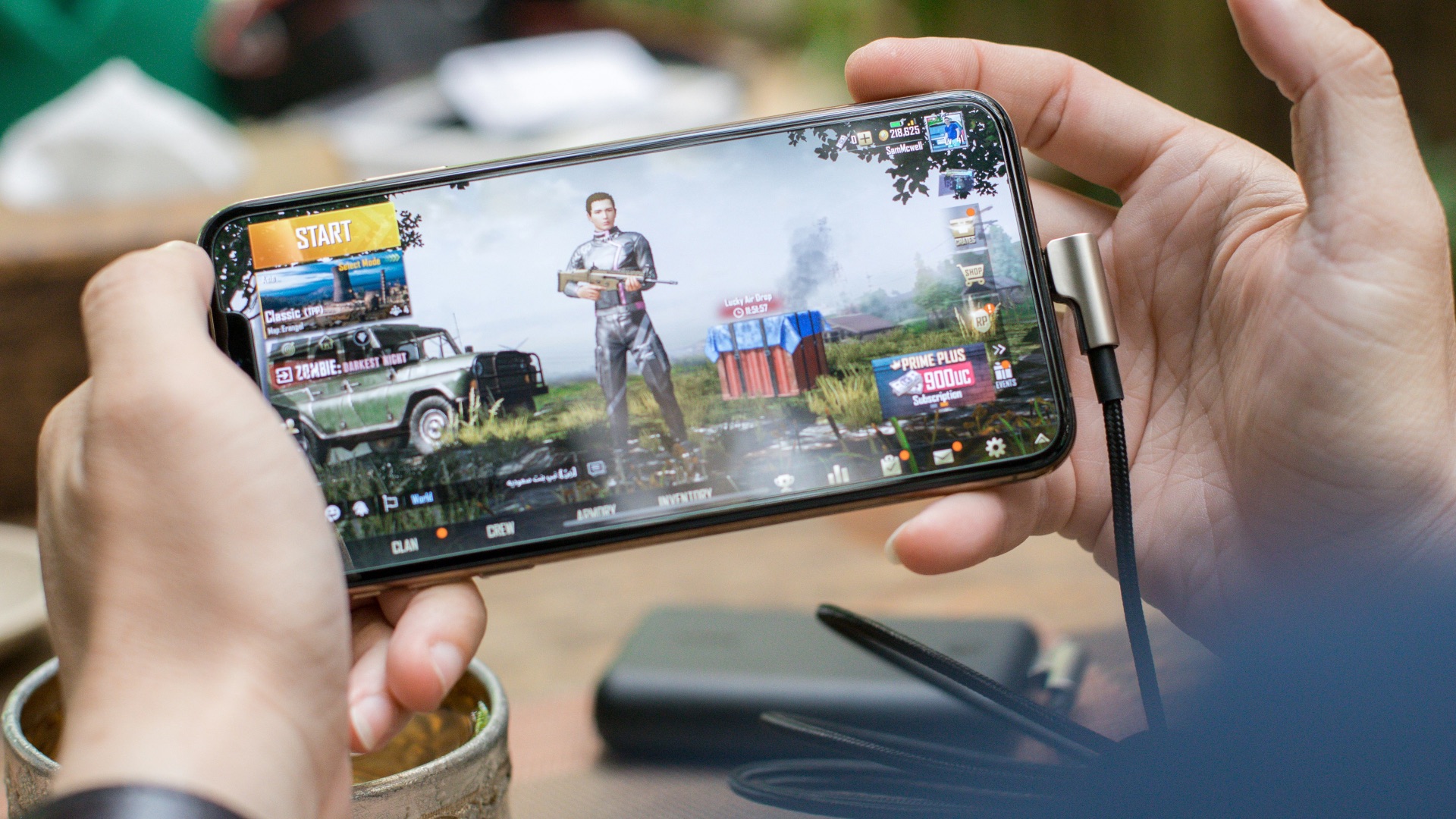
TTK measures how long it takes to eliminate an opponent, so it's kind of self-explanatory. In shooter games, players pay close attention to TTK because several factors can drastically change how quickly fights end. A "fast TTK," for example, means players can go from full health to defeated in a very short period.
15. ADS: Aim Down Sights
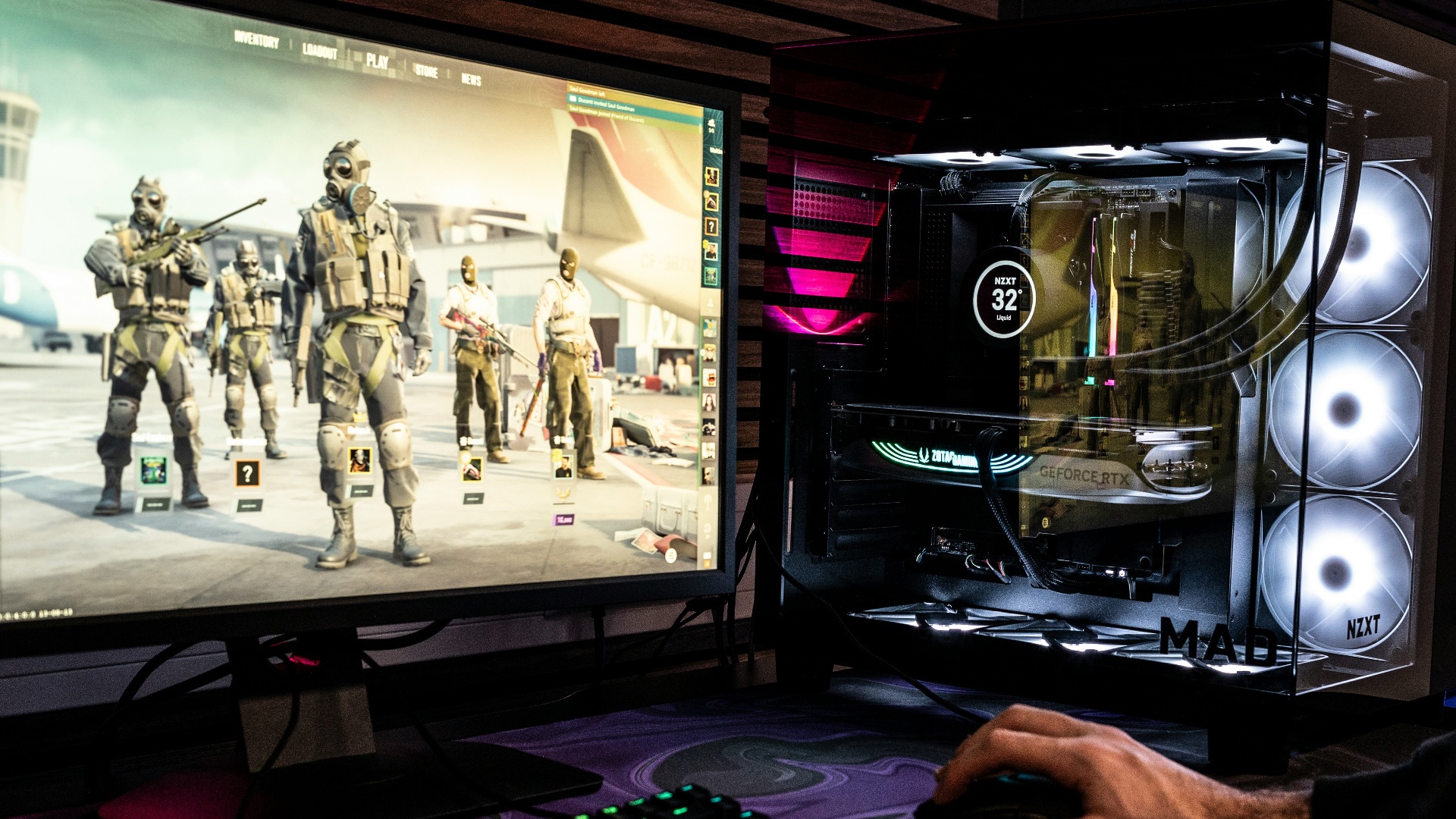
In shooters, ADS means raising a weapon and aiming through its sights or optic instead of firing from the default position. This is because doing so can typically improve your accuracy—though it may slow your movement or field of view. Players often compare a weapon's "ADS speed" to decide whether it's suitable enough for close-range play.
16. FOV: Field of View
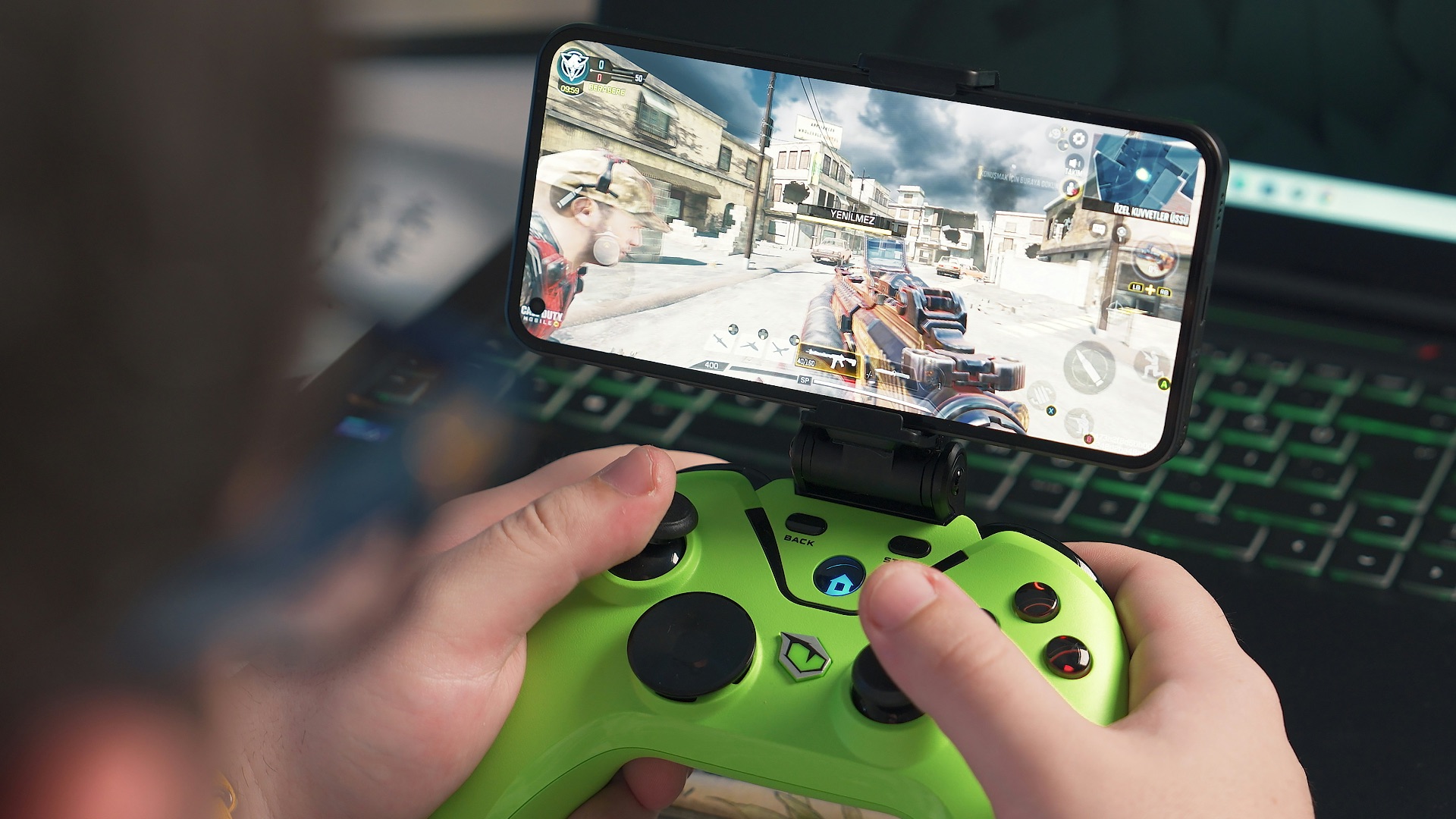
You know POV means point of view, so FOV is pretty self-explanatory: it refers to how much of the game world you can see on screen at once. While raising your FOV can provide greater peripheral awareness, extremely high settings may distort objects near the edges of the display. PC players in particular have spent years debating preferred FOV settings for shooters, racing games, and first-person adventures.
17. QTE: Quick Time Event
You know those scenes that frequently show up during cutscenes or at the start or end of dramatic fights? A QTE requires you to press a particular button or perform an input shortly after an on-screen prompt appears. Some players enjoy the added interaction, but QTEs can be annoying if you'd rather watch the scene without needing to suddenly mash a button.
18. AFK: Away from Keyboard
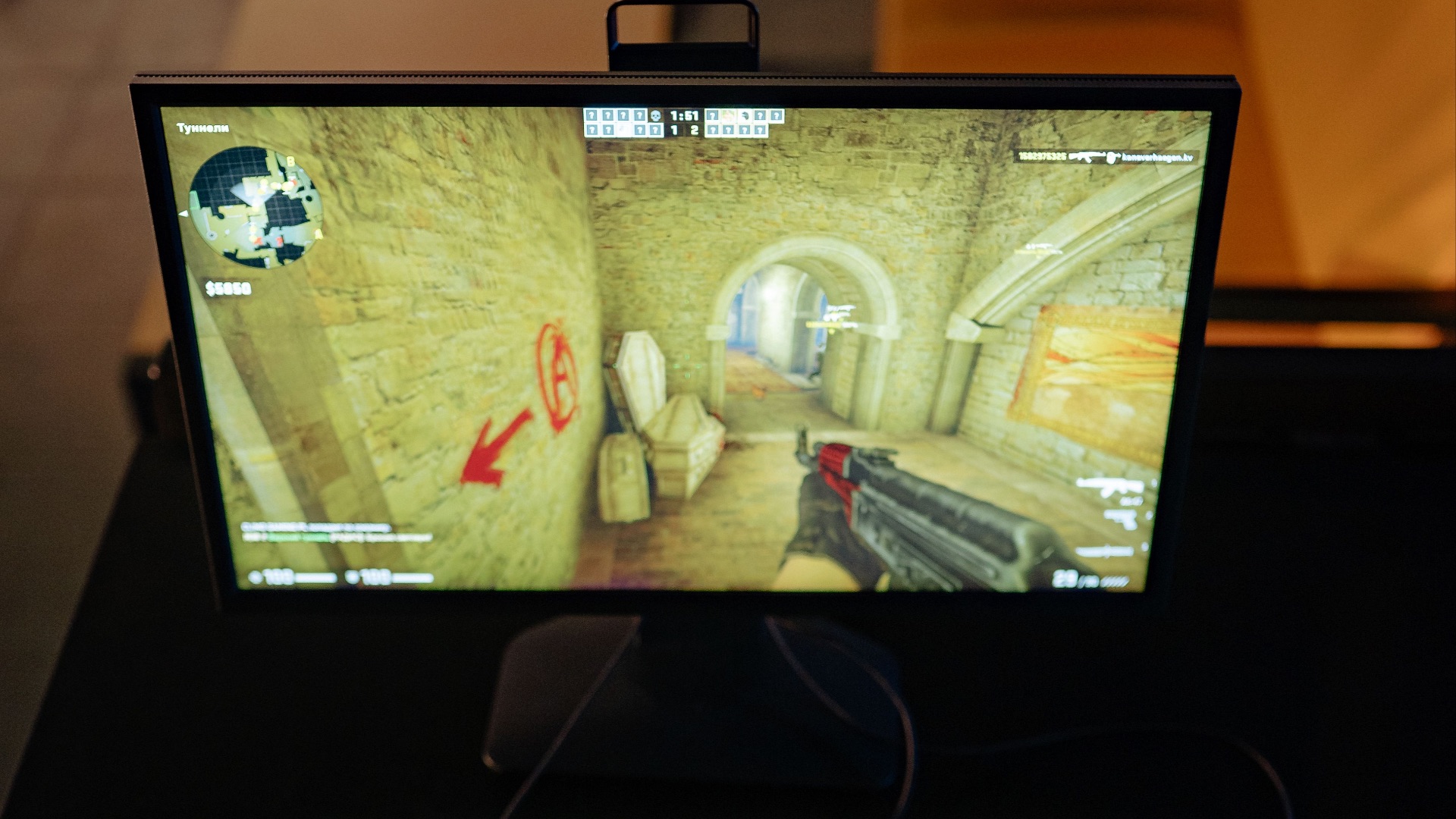
You don't need to be a gamer to know what AFK means. In fact, if you're an office worker, you probably already know it means "away from keyboard." Saying you're AFK means you temporarily can't respond, and in team-based games, an unexpected AFK teammate could make the difference between a win and a loss.
 Christian Wiediger on Unsplash
19. LFG: Looking for Group
Younger generations might think LFG means something completely different, but in the gaming community, it's often used when someone needs more players for multiplayer activity. Before modern matchmaking systems became widespread, players used to flood chat channels with LFG messages so they could form their own groups.

20. GGWP: Good Game, Well Played
You might say "GG" after a match, but GGWP takes it a bit further and acknowledges that the match was well-played. It's a great acronym to use if you want to maintain good relations between you and your temporary opponents! You don't, after all, want to be that bitter, sore loser...