The Wrong Name Ended Up on the Plaque
Most invention stories are reduced to a single name and moment, which means someone else's work usually disappears from the account. Patent offices and one persuasive businessman have decided whose name stuck to a piece of technology as often as wartime secrecy has. A court or a historian corrected some of these cases decades later. Others never got corrected, and the wrong name is still the one people remember. Here's 20 cases where the person credited with a piece of technology wasn't the one who built it first.
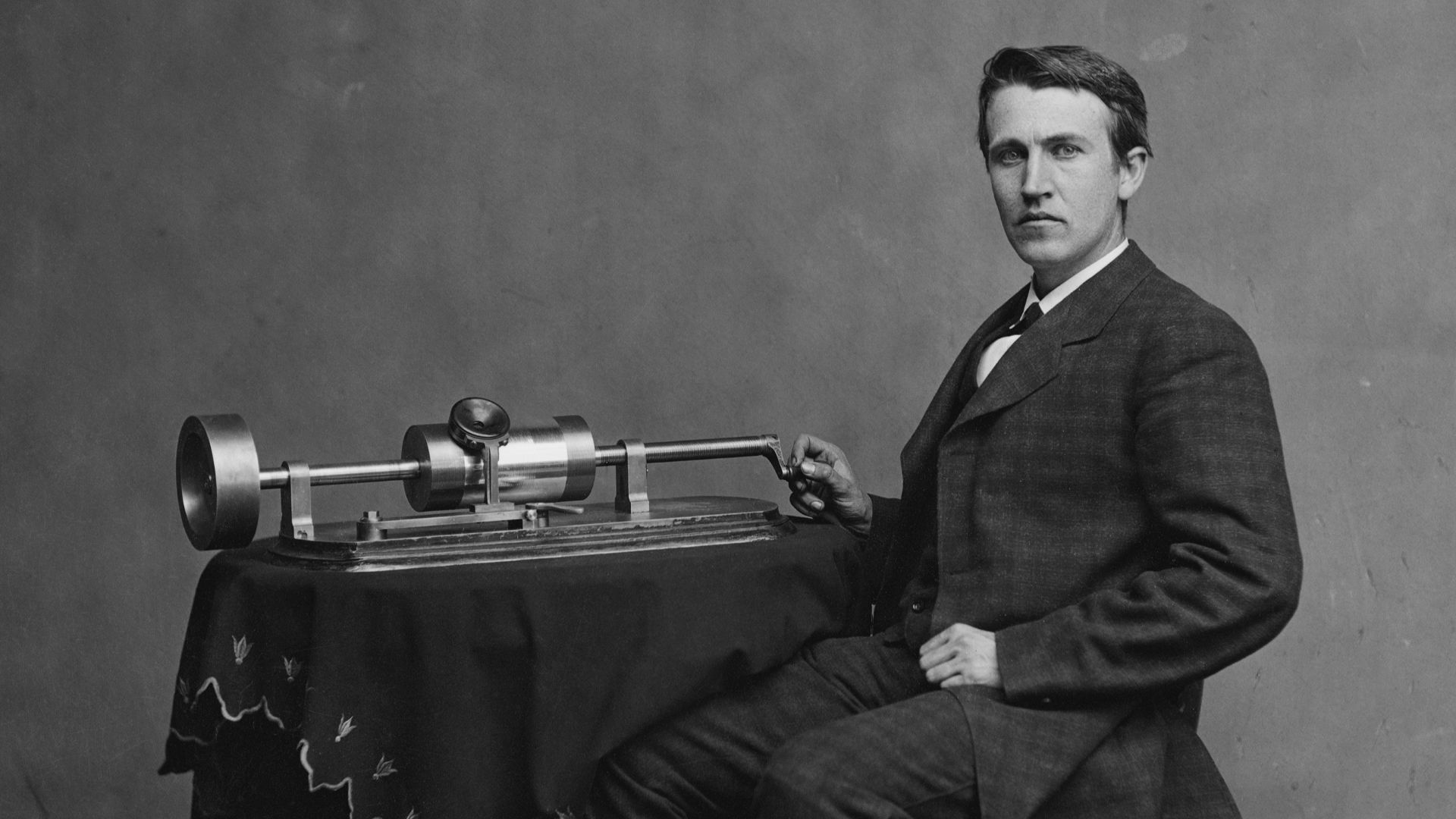 Levin C. Handy (per http://hdl.loc.gov/loc.pnp/cwpbh.04326) on Wikimedia
1. The Telephone
Alexander Graham Bell is the name in the history books, but Italian inventor Antonio Meucci had built and demonstrated a working voice-transmitting device more than a decade earlier. Meucci couldn't afford to renew the patent caveat protecting his design, and Bell's lawyers filed first. In 2002 the U.S. House formally recognized Meucci's contributions, though Bell's patent still stands.
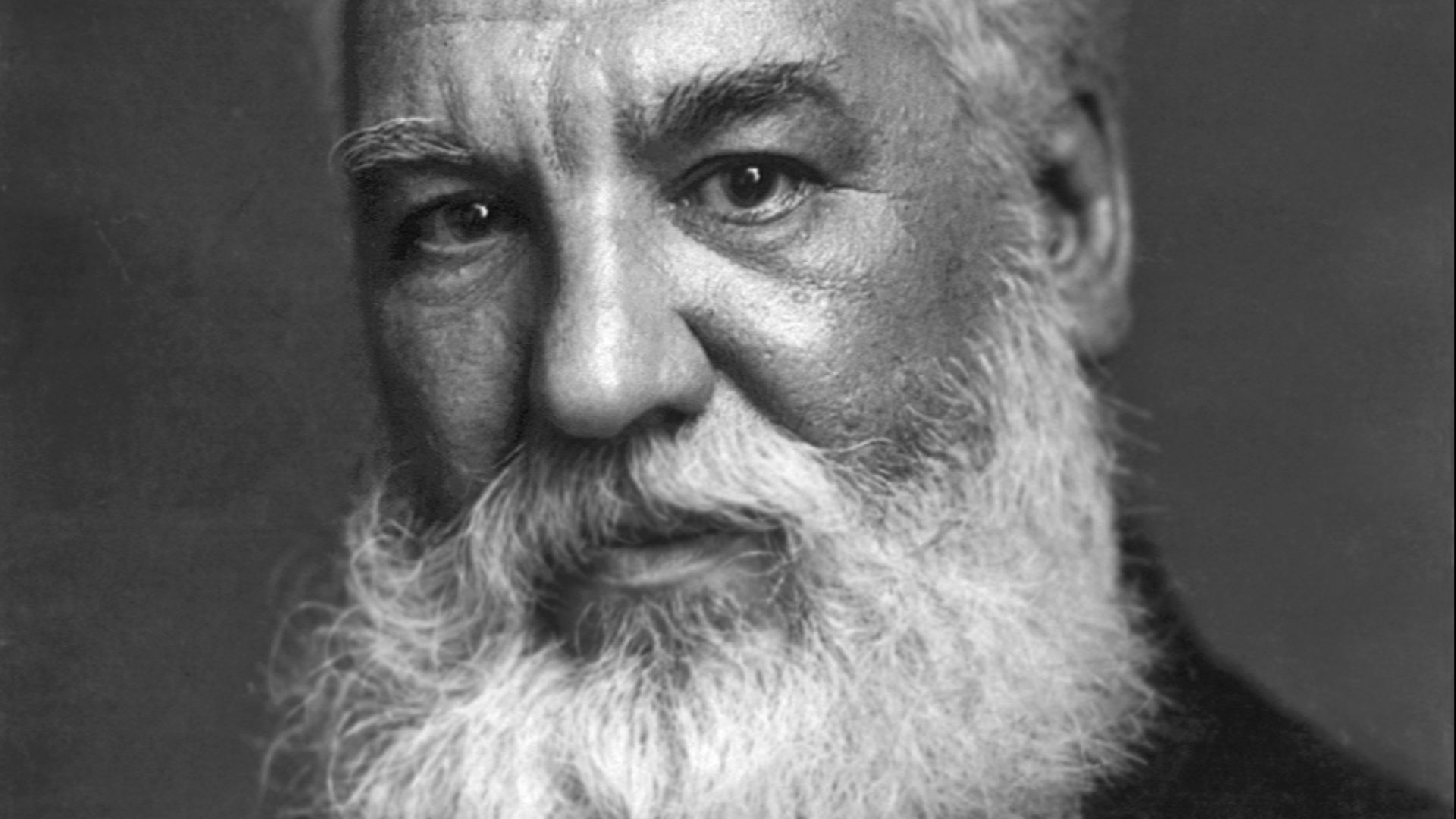 Unknown authorUnknown author on Wikimedia
2. Radio
Guglielmo Marconi is still credited with inventing radio, but in 1943 the U.S. Supreme Court invalidated his key patent, ruling that the same ideas had already appeared in earlier patents by Nikola Tesla, Oliver Lodge, and John Stone. The ruling came months after Tesla died broke and forgotten. Marconi's reputation as radio's inventor barely changed.
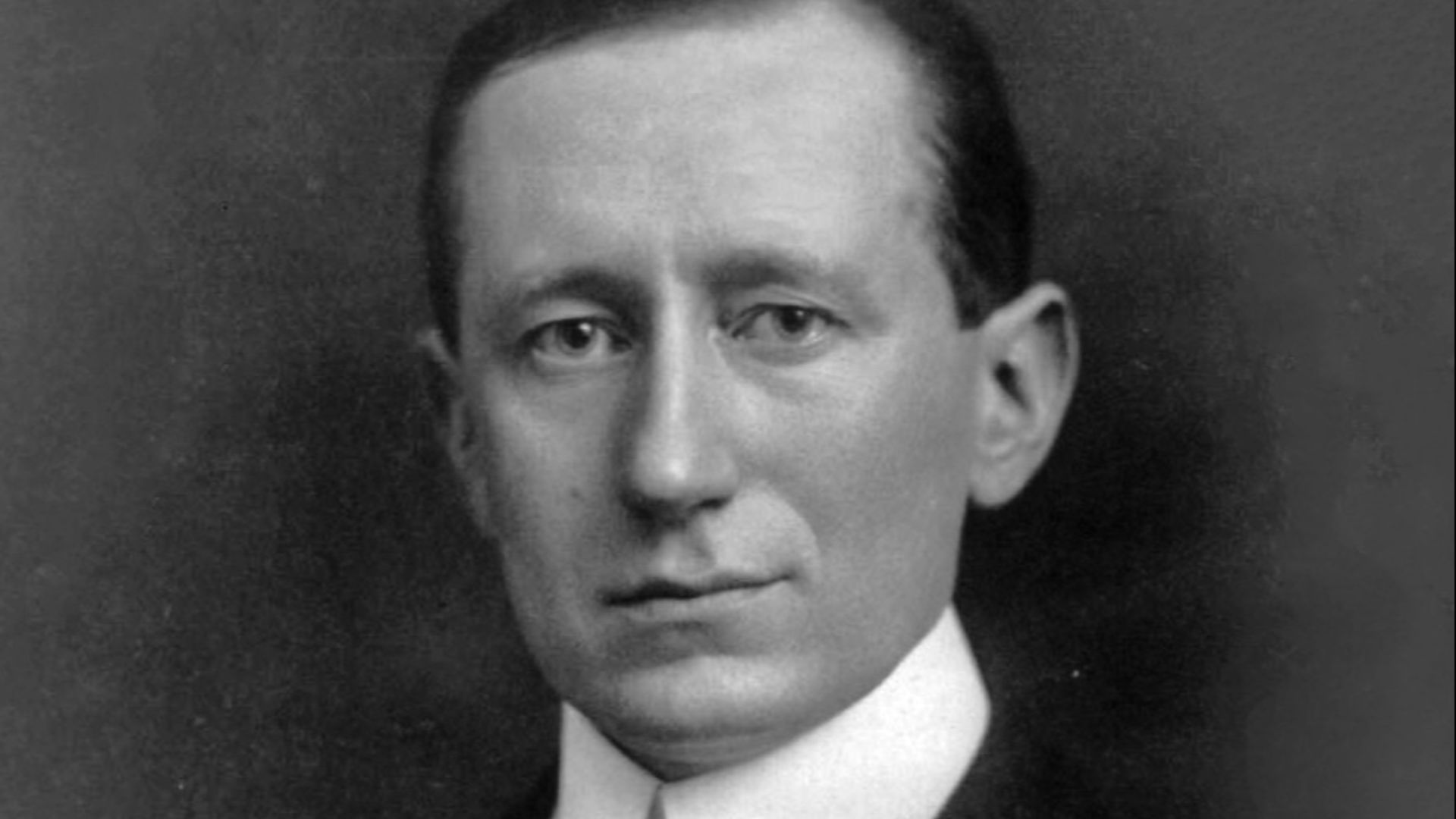
3. The Light Bulb
Thomas Edison gets the credit, but British chemist Joseph Swan had a working incandescent bulb years before Edison patented his own. Edison's patent held up in the U.S., while Swan's earlier work forced Edison's company to merge with Swan's just to operate in Britain.
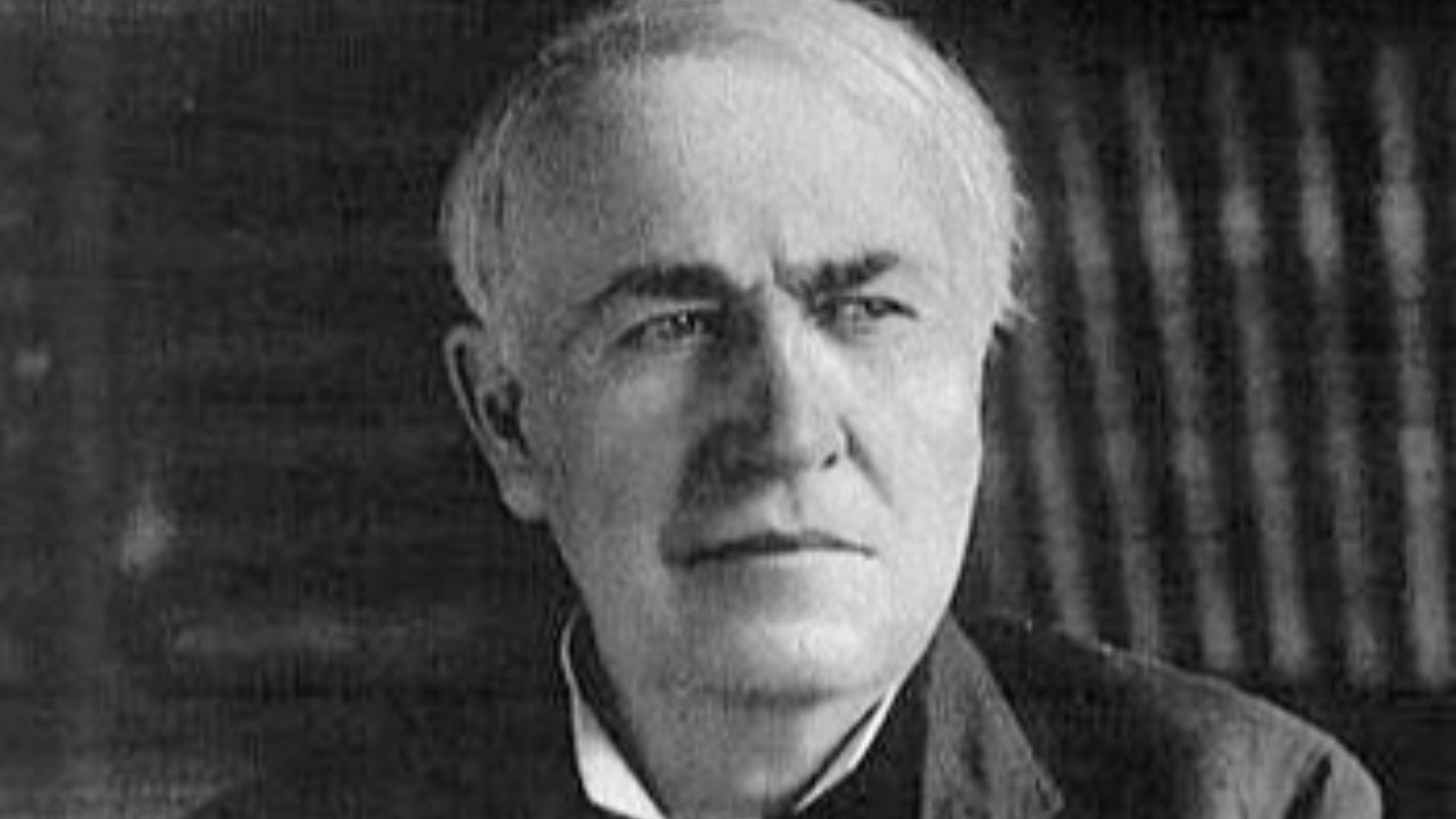 Unknown authorUnknown author on Wikimedia
4. The Telegraph Relay
Samuel Morse is remembered as the telegraph's father, but the relay that made long-distance transmission possible was built years earlier by physicist Joseph Henry, who shared the design freely without patenting it. Morse patented a system built on that principle and defended it in court, with Henry testifying against him.
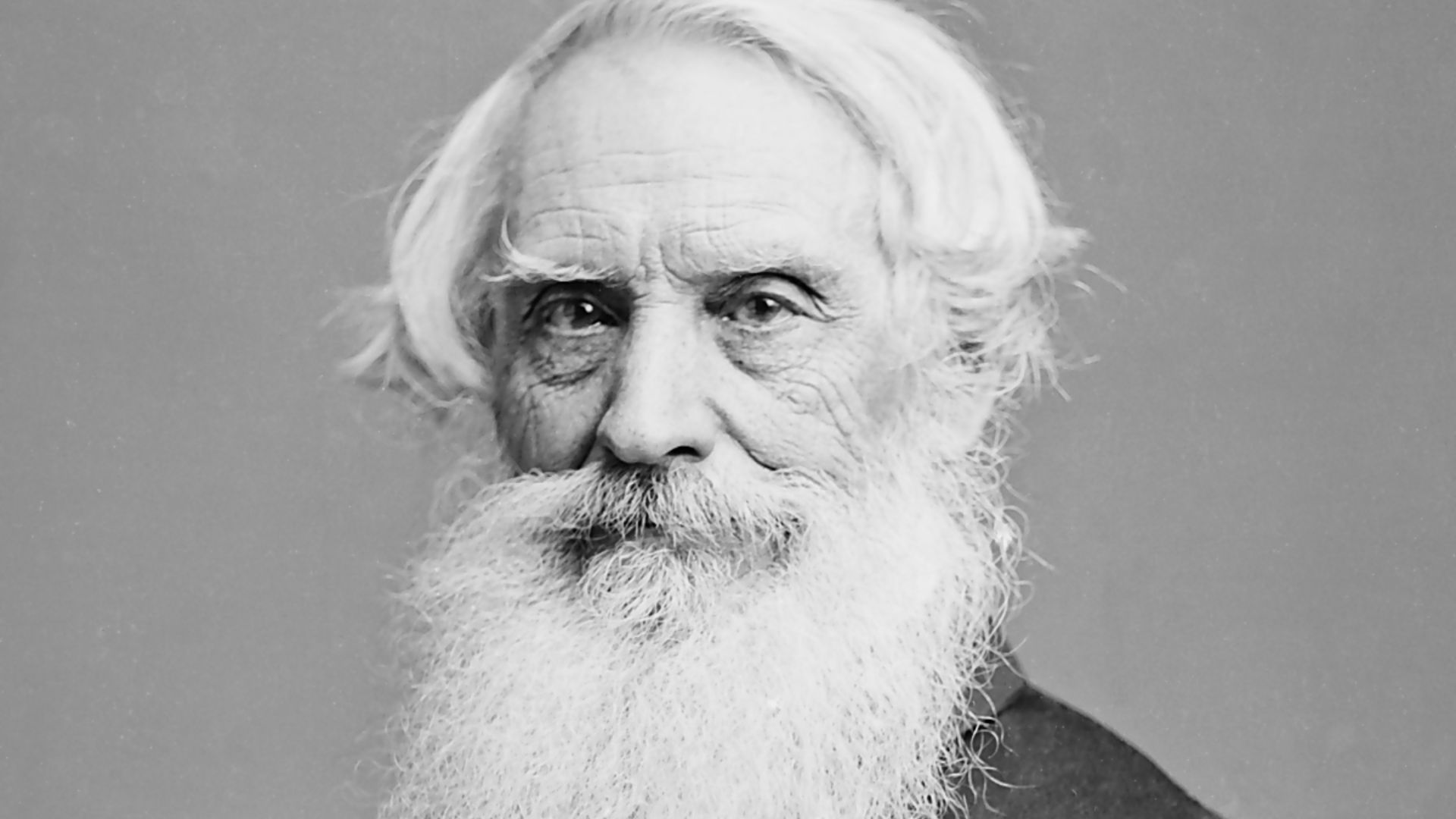 Mathew Benjamin Brady on Wikimedia
5. Television
RCA spent years promoting engineer Vladimir Zworykin as television's inventor, while a Utah teenager named Philo Farnsworth had already filed a working patent at nineteen. RCA tried to prove Zworykin got there first, but Farnsworth's old teacher produced a sketch he'd drawn years earlier. RCA ended up paying the fees it had fought so hard to avoid.
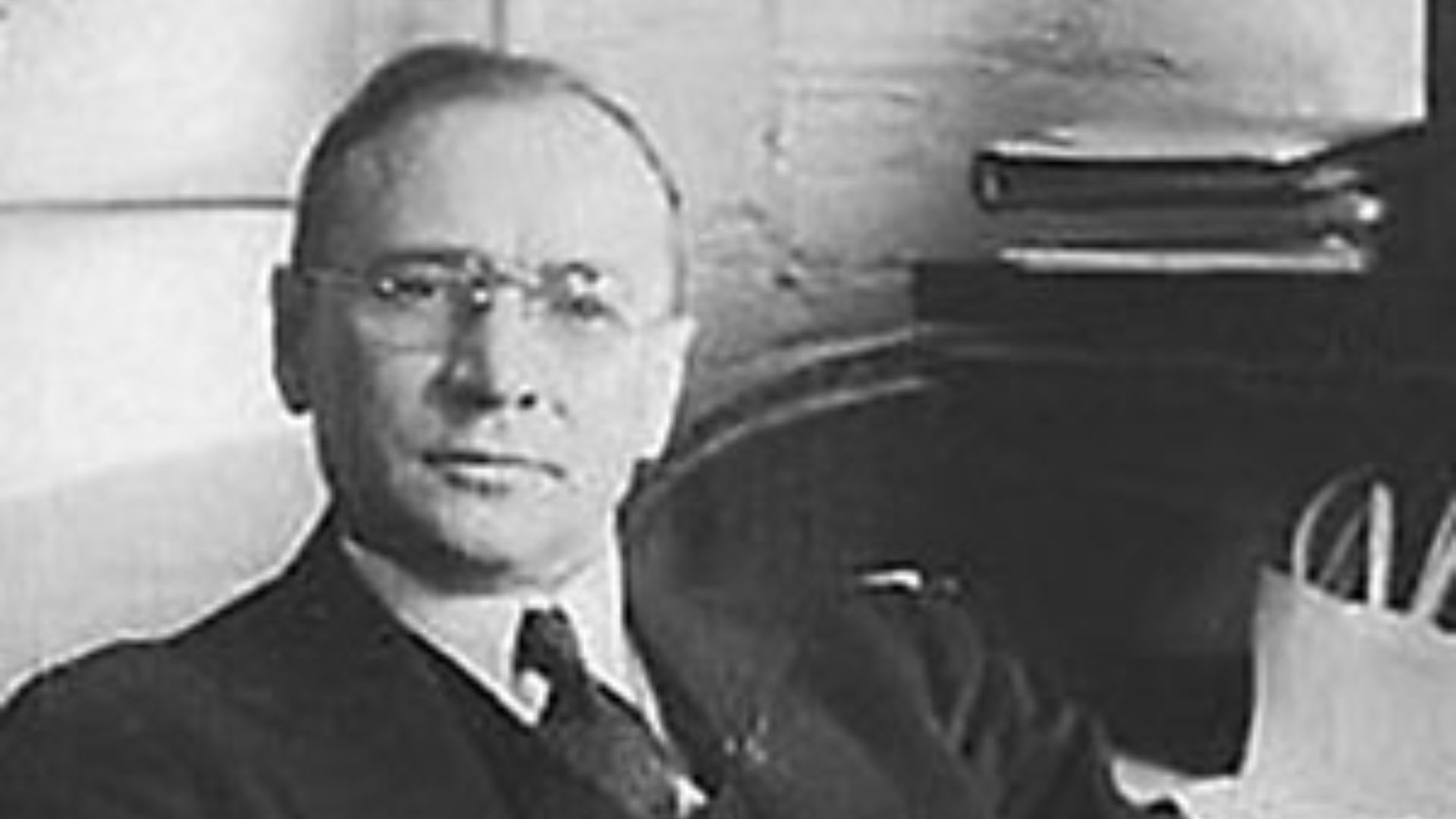 Unknown authorUnknown author on Wikimedia
6. Vulcanized Rubber
Charles Goodyear discovered vulcanization, but before he could patent it in Britain, English inventor Thomas Hancock filed first using samples of Goodyear's own rubber. Hancock's earlier filing meant Goodyear never collected a cent in the U.K. Goodyear died in debt despite the fortune his invention made for others.
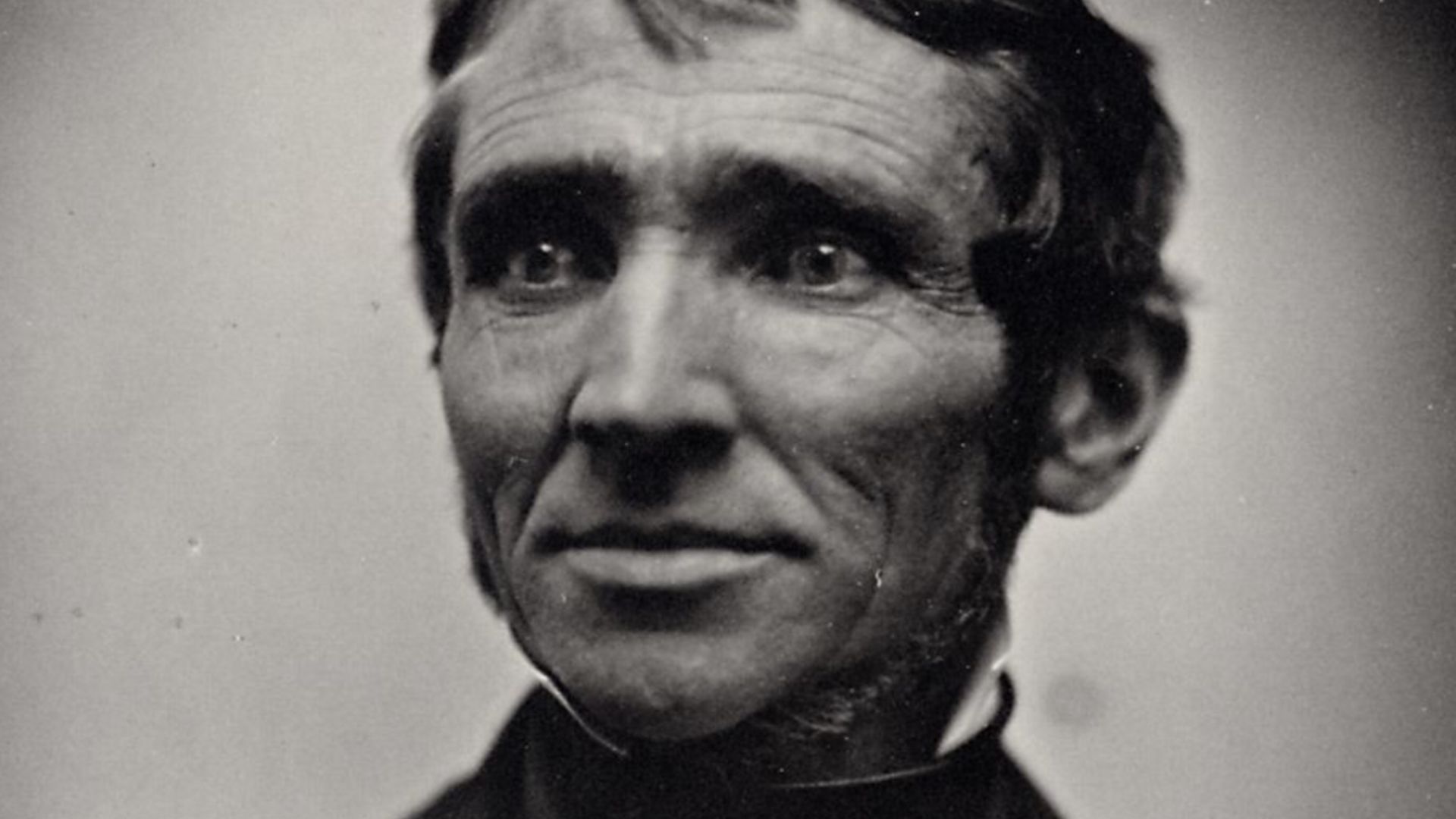 Southworth & Hawes on Wikimedia
7. FM Radio
Edwin Armstrong invented FM radio, delivering dramatically clearer sound than the AM standard RCA had built its empire on. When RCA's David Sarnoff failed to buy him out, RCA spent years fighting Armstrong's patents in court and lobbying to limit FM's growth. Worn down by legal costs, Armstrong took his own life in 1954, and FM only fully took off after his death.
8. The Laser
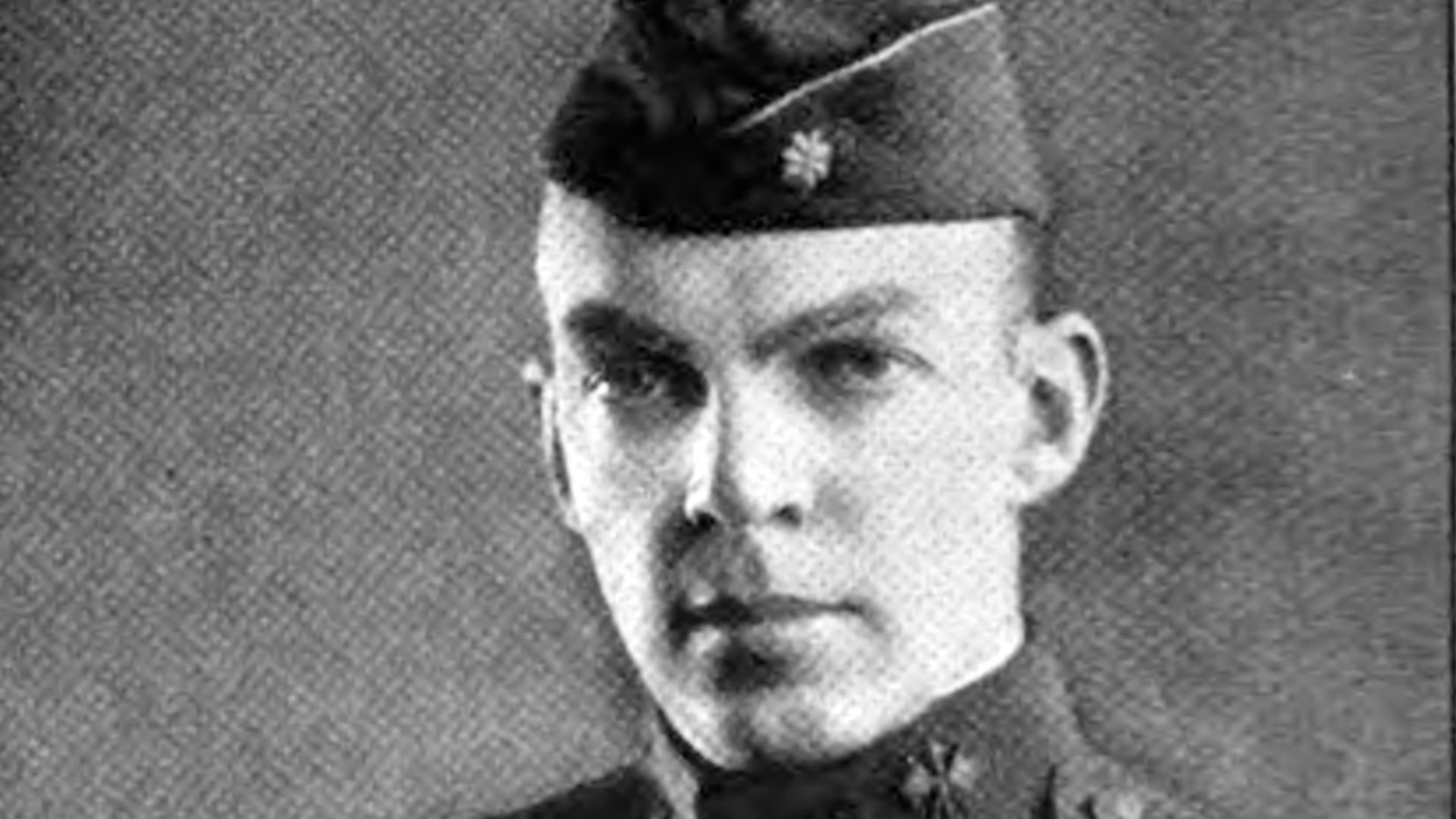
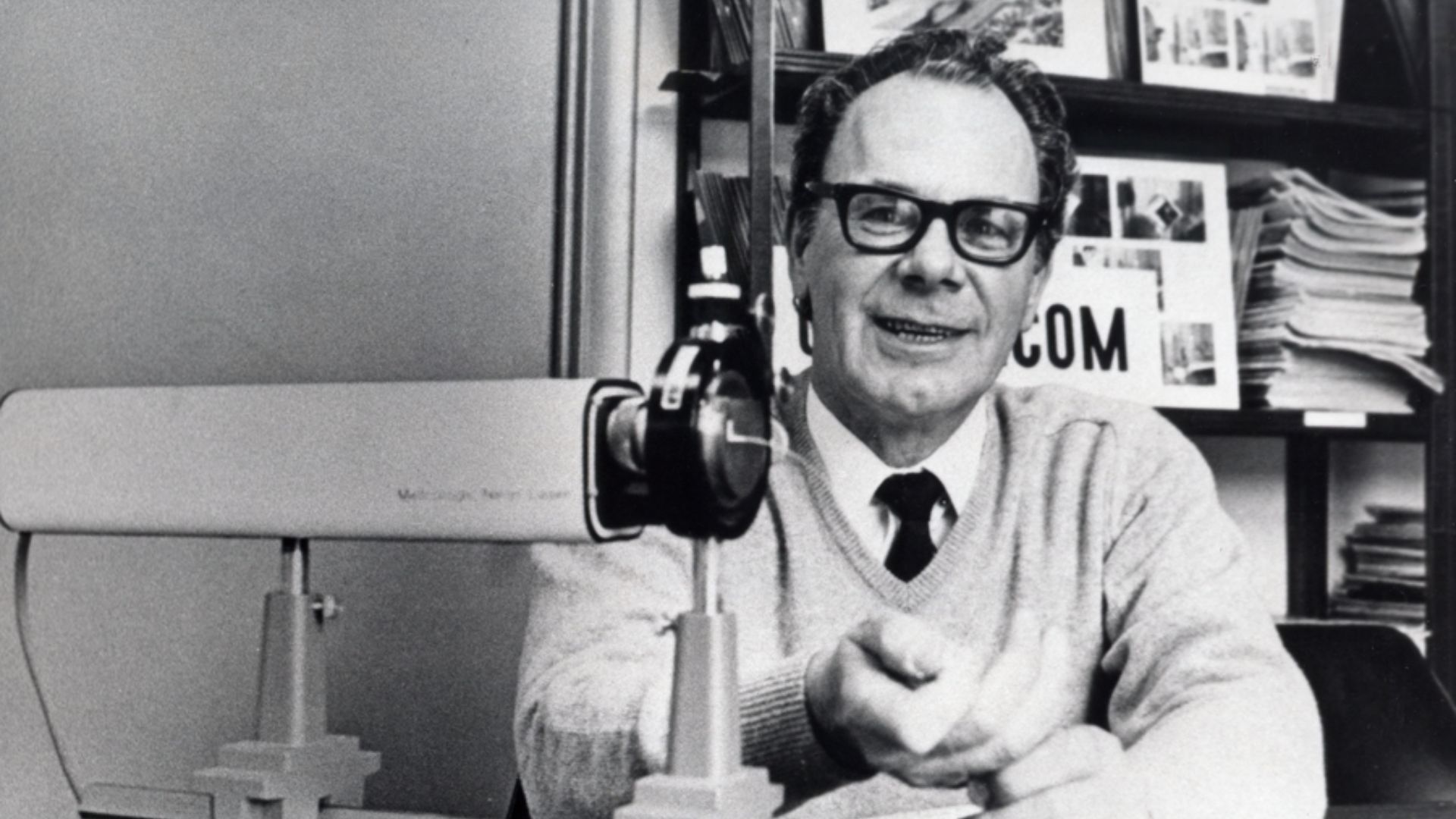
Gordon Gould conceived the laser as a grad student in 1957 and had his notebook notarized, but mistakenly believed he needed a working model before filing a patent. By 1959, Charles Townes and Arthur Schawlow had already filed and secured it. Gould spent nearly thirty years in court before finally winning key patents in the late 1970s.
 Unknown authorUnknown author on Wikimedia
9. Frequency Hopping
Hedy Lamarr and composer George Antheil patented a frequency-hopping system in 1942 meant to keep radio-guided torpedoes from being jammed. The Navy shelved it for years before adopting a version, without paying or crediting Lamarr. It later became the foundation for Wi-Fi, Bluetooth, and GPS, decades after her patent expired.
 Employee(s) of MGM on Wikimedia
10. The Electronic Digital Computer
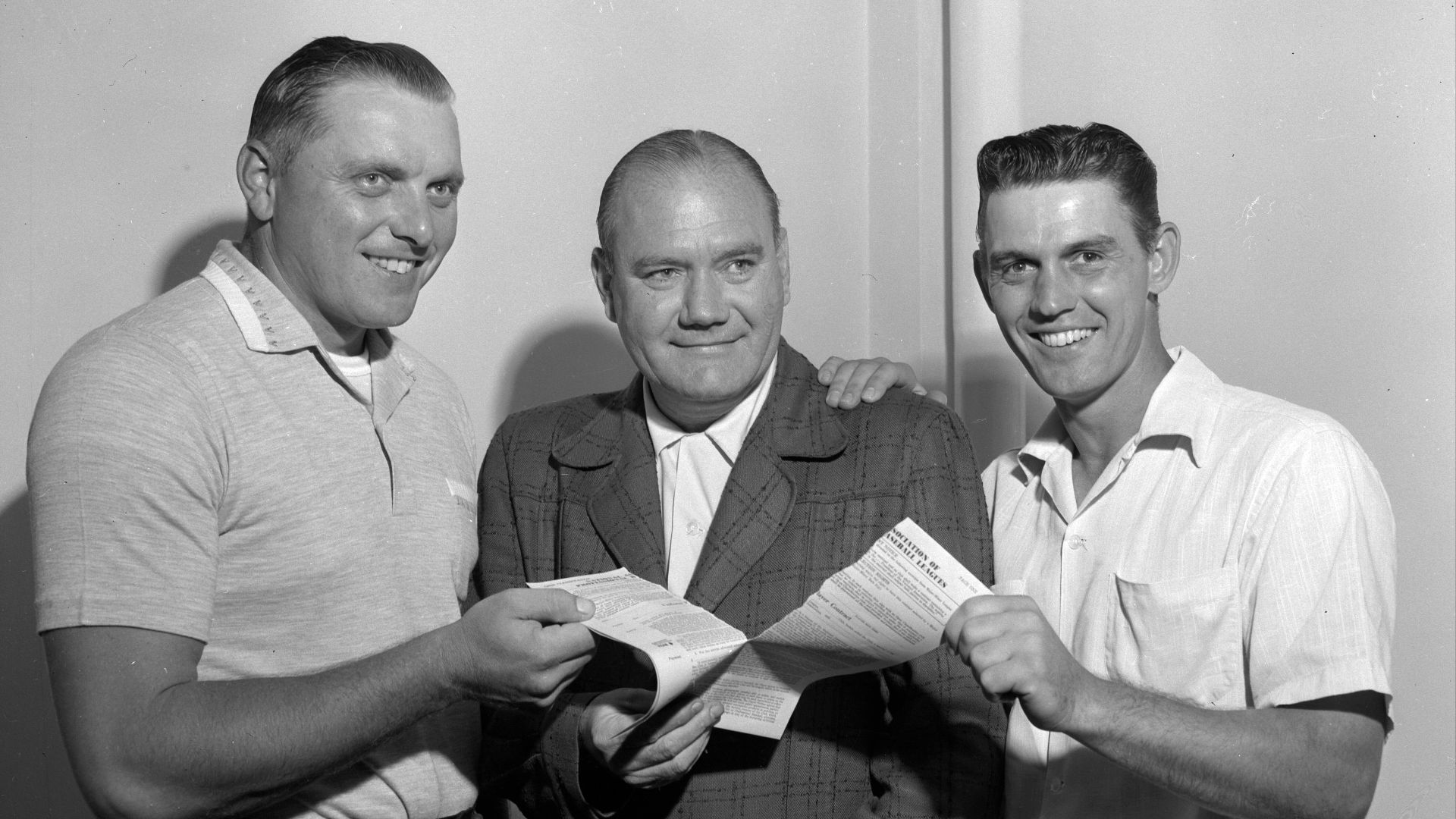
ENIAC was taught for decades as the first electronic digital computer, and creators John Mauchly and J. Presper Eckert held the patent. In 1973 a federal court ruled Mauchly had drawn on ideas seen during a 1941 visit to physicist John Atanasoff's lab, and invalidated the patent entirely. Atanasoff was finally recognized as the machine's true originator.
 Los Angeles Times on Wikimedia
11. The Transistor
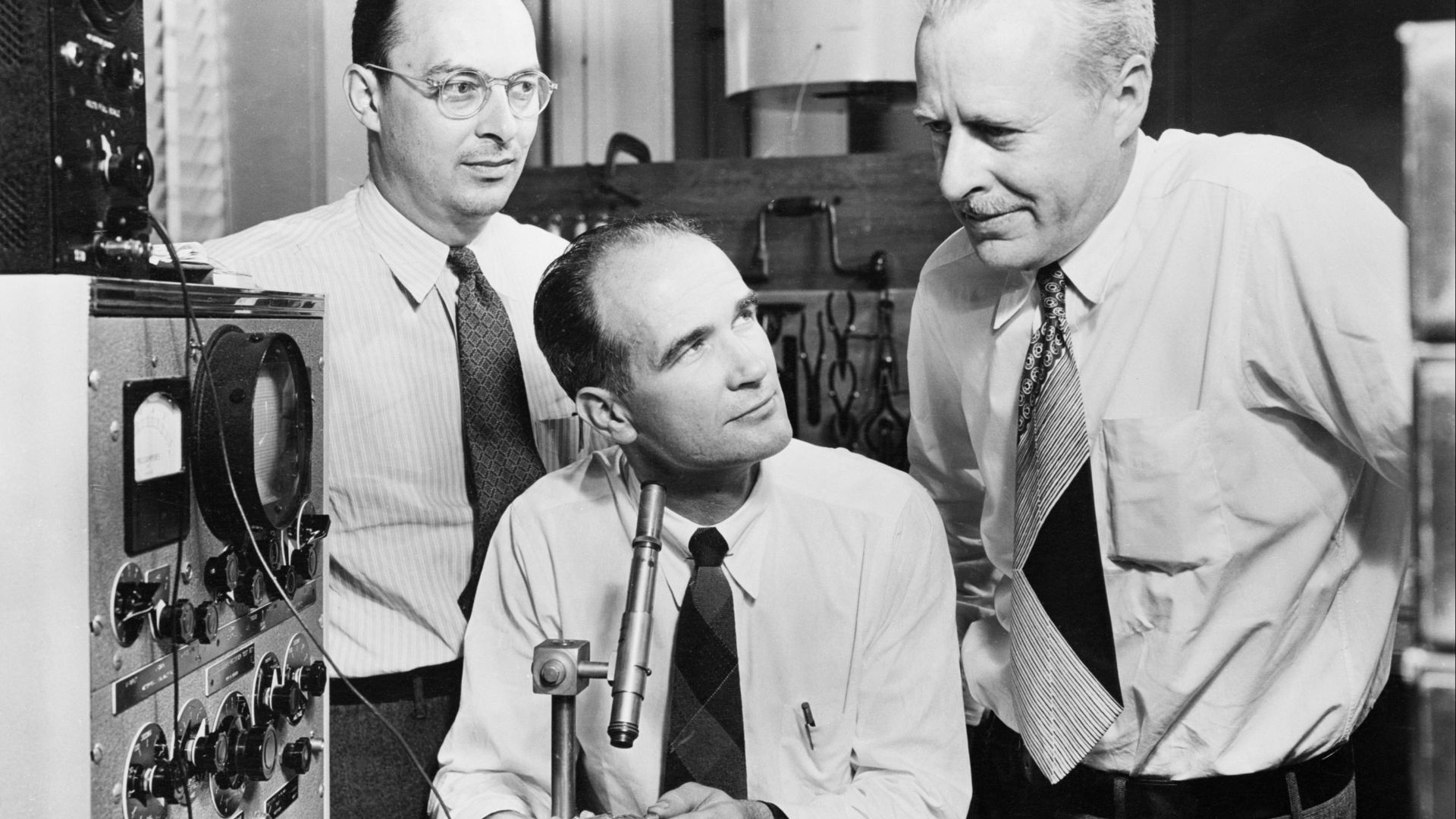
The point-contact transistor was invented at Bell Labs by John Bardeen and Walter Brattain, whose names alone are on the original patent. Their supervisor, William Shockley, felt sidelined and quickly built a competing design, positioning himself in the press as its true inventor. All three eventually shared a Nobel Prize, but Shockley's version dominated public memory for years.
12. The Computer Mouse
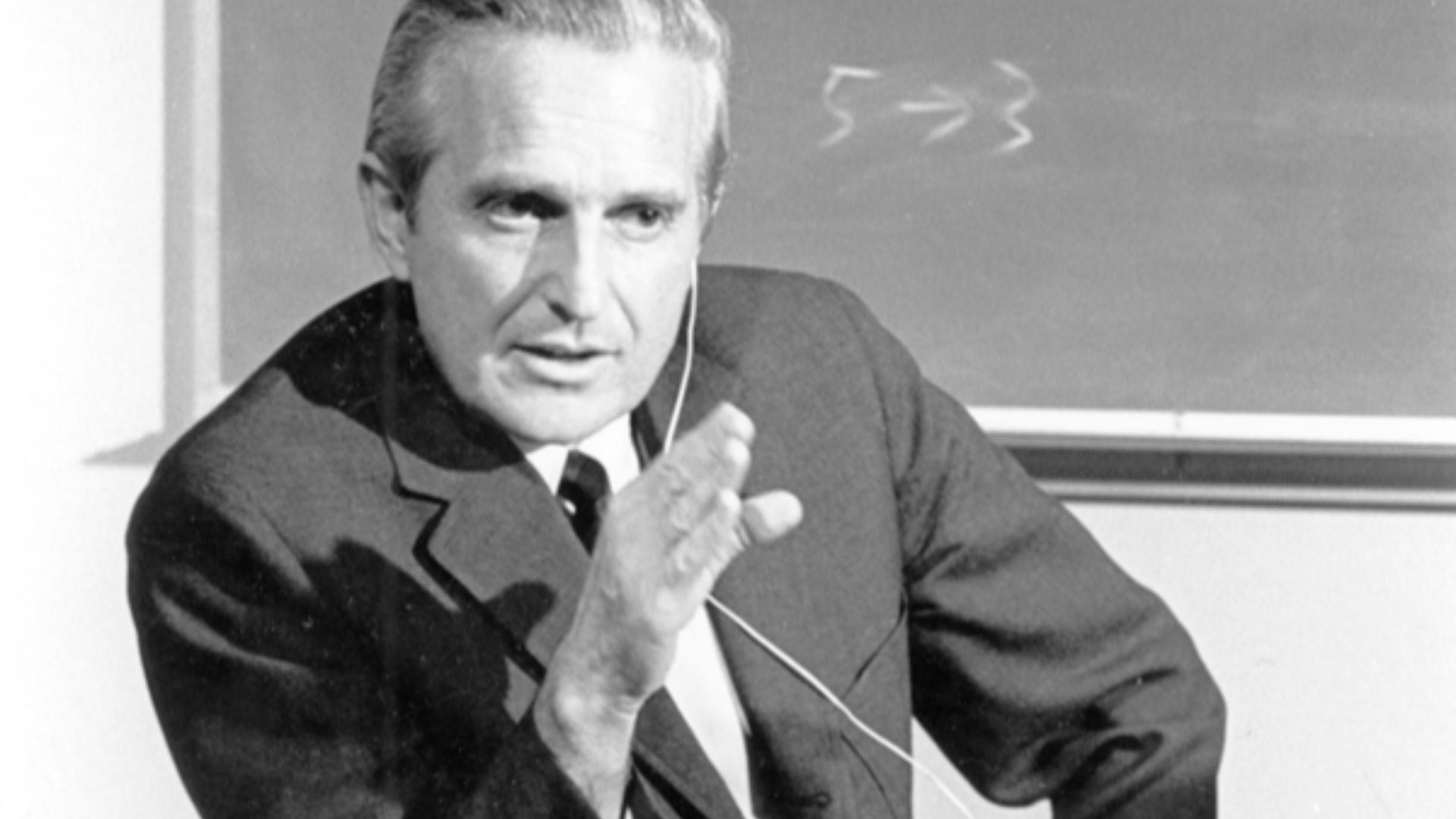
Douglas Engelbart invented the computer mouse in 1964 and patented it in 1970. That patent expired in 1987, right as personal computers were becoming a household fixture, meaning Engelbart earned almost nothing as his invention became standard equipment on nearly every desk in the country.
 SRI International on Wikimedia
13. The Graphical User Interface
Researchers at Xerox PARC spent the 1970s developing windows, icons, and a pointer-based interface years ahead of anyone else. Apple engineers, including Steve Jobs, toured the lab in 1979 and folded many of those ideas into the Macintosh years later. Xerox got Apple stock for the visit, but never captured the value of what its own researchers built.
 Matthew Yohe (talk) on Wikimedia
14. The Home Video Game Console
Ralph Baer designed the Magnavox Odyssey, the first home video game console, including a simple electronic tennis game. Atari's Nolan Bushnell saw a demo of that same game in 1972, and months later Atari released Pong, built on a strikingly similar concept. Magnavox sued and won, and Atari paid to license the idea it was accused of copying.
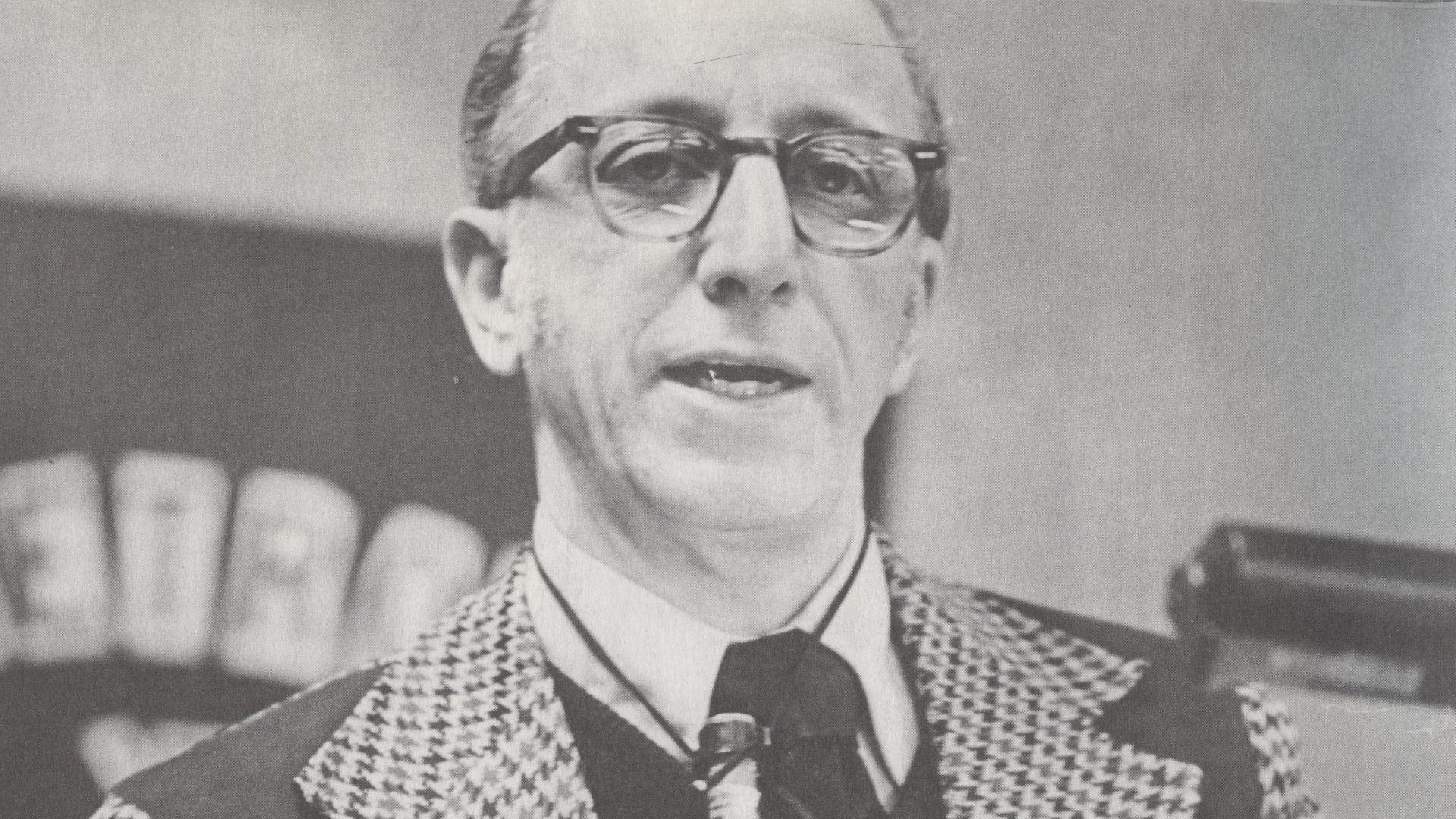 Electronic Engineering Times Liane Enkelis (Photography) on Wikimedia
15. The Windshield Wiper
Mary Anderson patented a hand-operated windshield wiper in 1903 and tried to sell the idea to manufacturers, all of whom turned her down. Automakers began building similar systems within about a decade, and by the time her patent expired in 1920, wipers were standard nearly everywhere. She never earned a cent from any of it.
 Unknown authorUnknown author on Wikimedia
16. The Programmable Electronic Computer
British engineer Tommy Flowers built Colossus, the first programmable electronic computer, to help crack German codes in World War II. Because the project was classified, his work stayed hidden for decades, and Americans building ENIAC got credited as computing pioneers instead. Colossus wasn't declassified until the 1970s, long after the story had already been written without him.
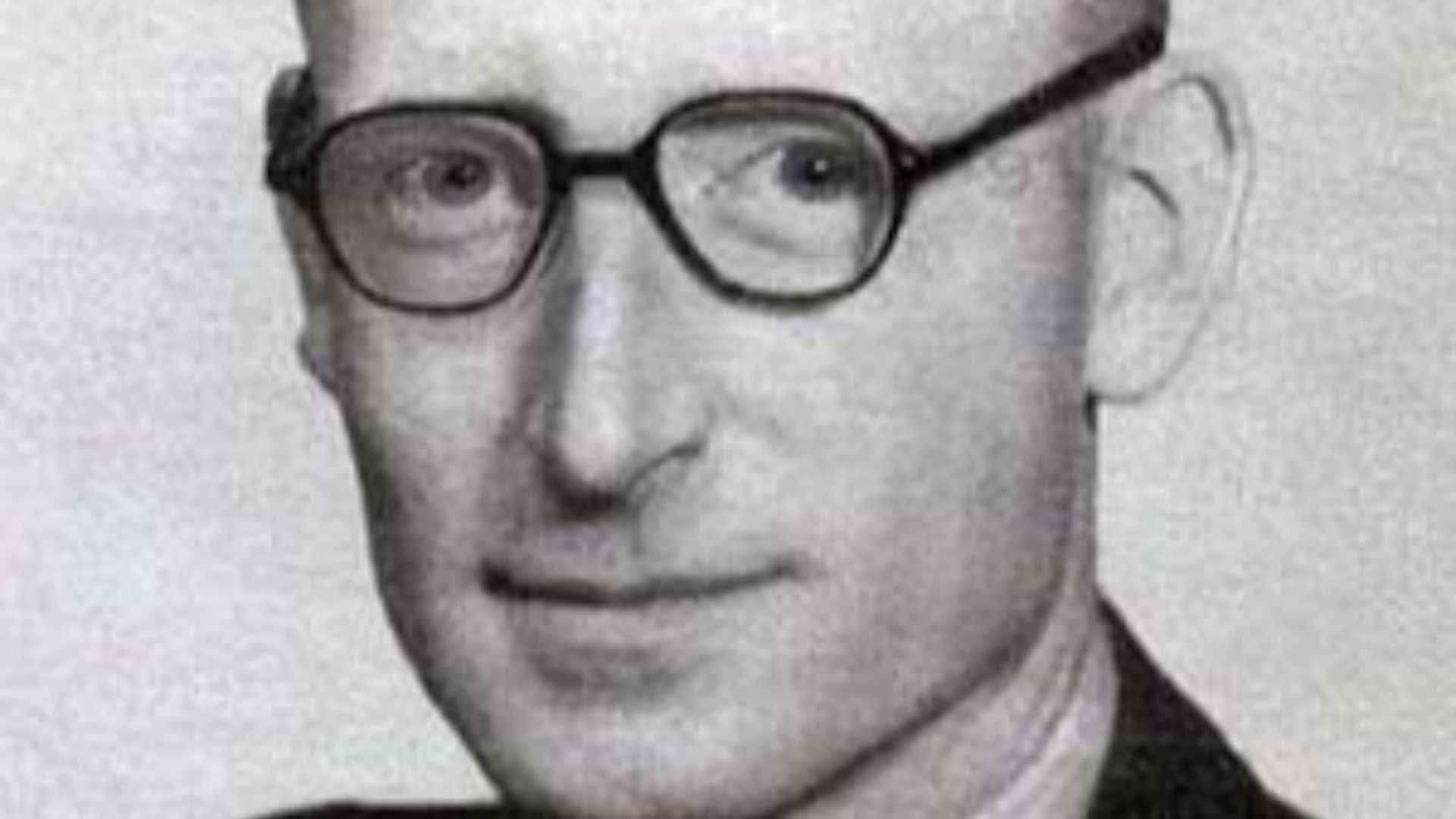
17. The Sewing Machine
Elias Howe patented a working lockstitch sewing machine in 1846, years before Isaac Singer built the machine that made sewing machines a household name. Singer's mechanisms were close enough to Howe's patent that Howe sued and eventually won royalties on every machine Singer sold. Singer still became the household name, while Howe spent years in court just getting paid.
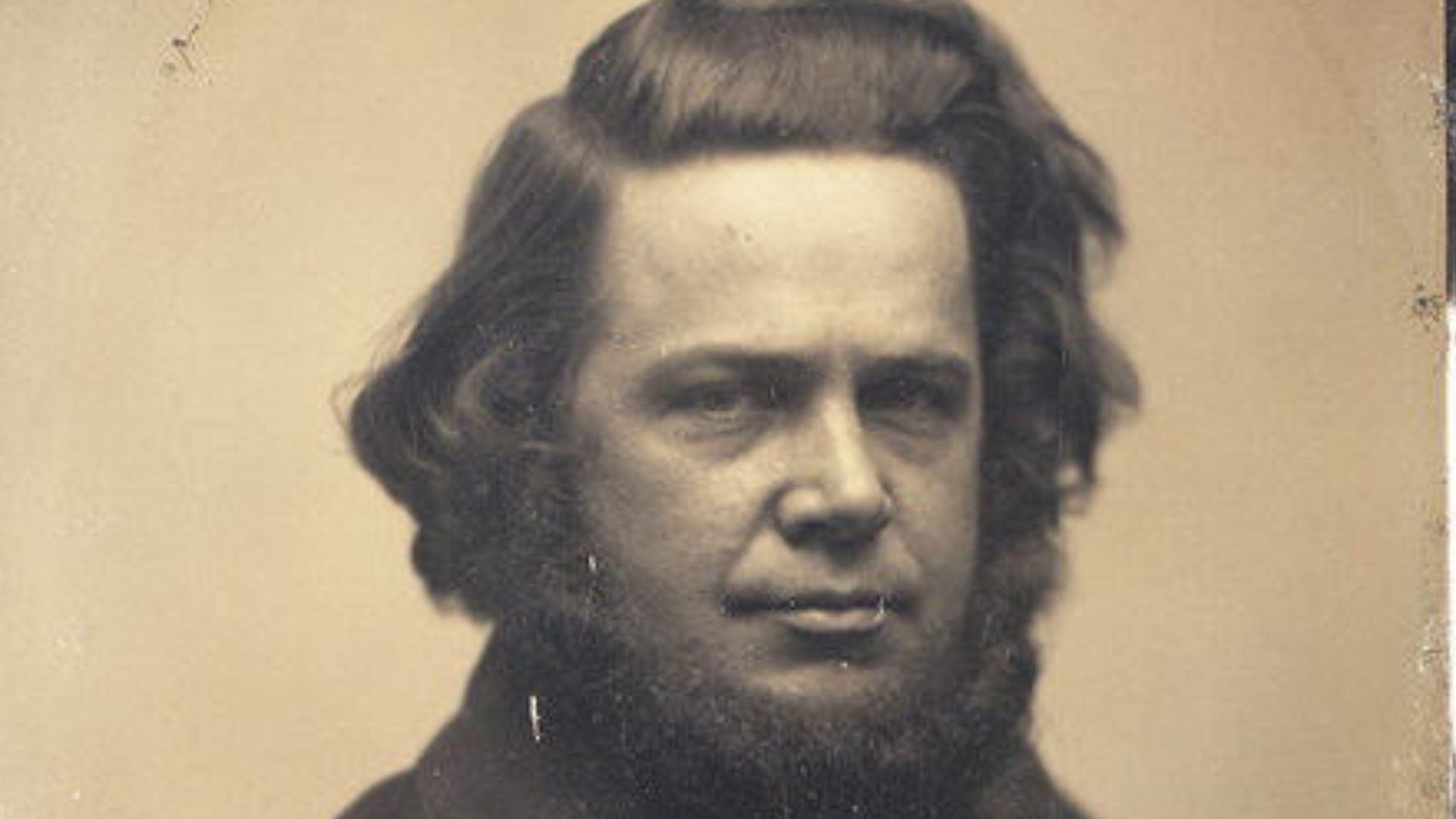 Southwarth and Hawes on Wikimedia
18. The Microprocessor
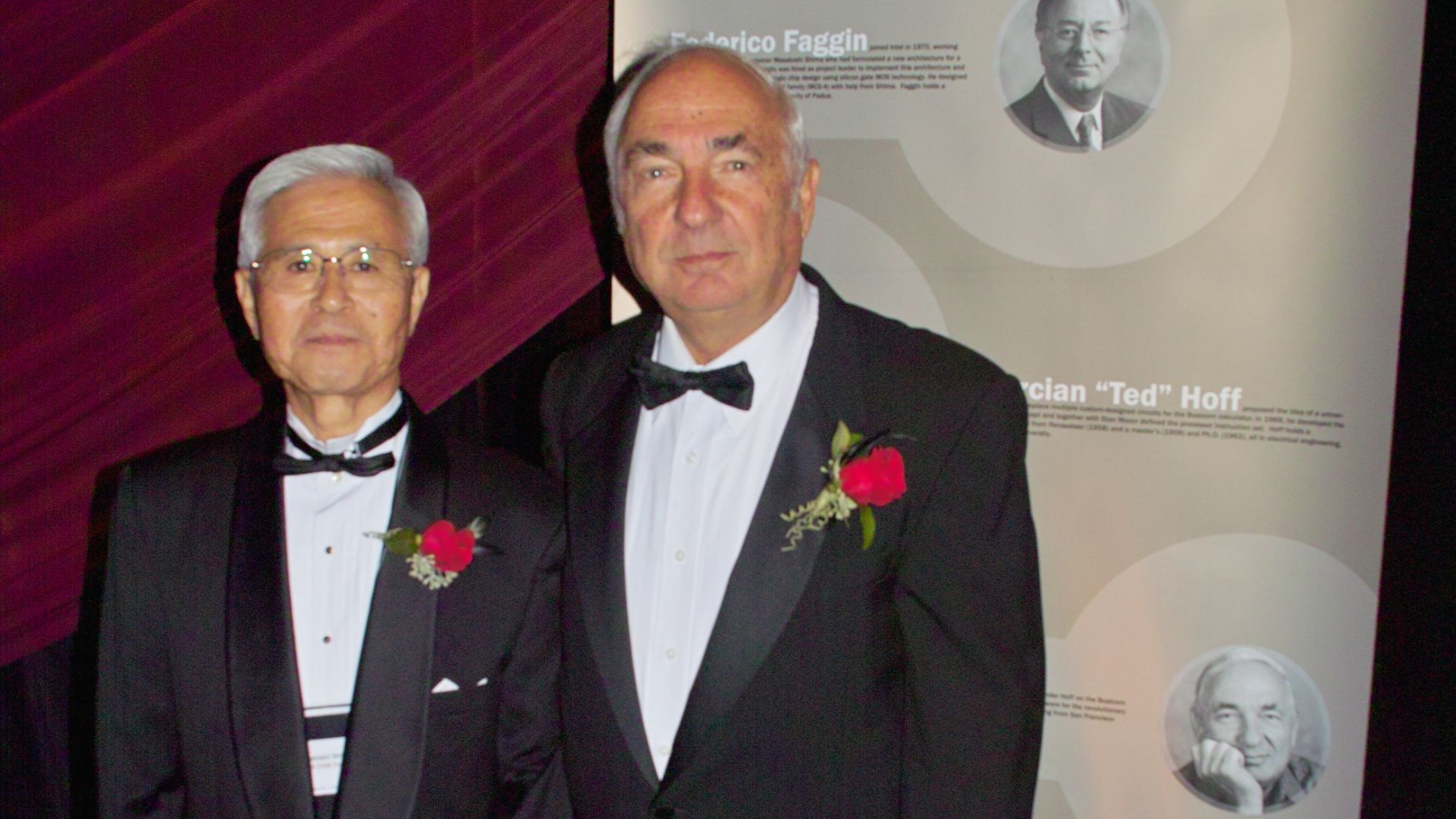
Masatoshi Shima, an engineer at the Japanese company Busicom, worked directly on the architecture of the Intel 4004, the first commercial microprocessor. When Intel patented the chip, only its own employees, Ted Hoff, Stanley Mazor, and Federico Faggin, were named as inventors. Shima's contribution went unrecognized in the U.S. for decades, even as the chip he'd helped design reshaped the entire tech industry.
19. The Assembly Line
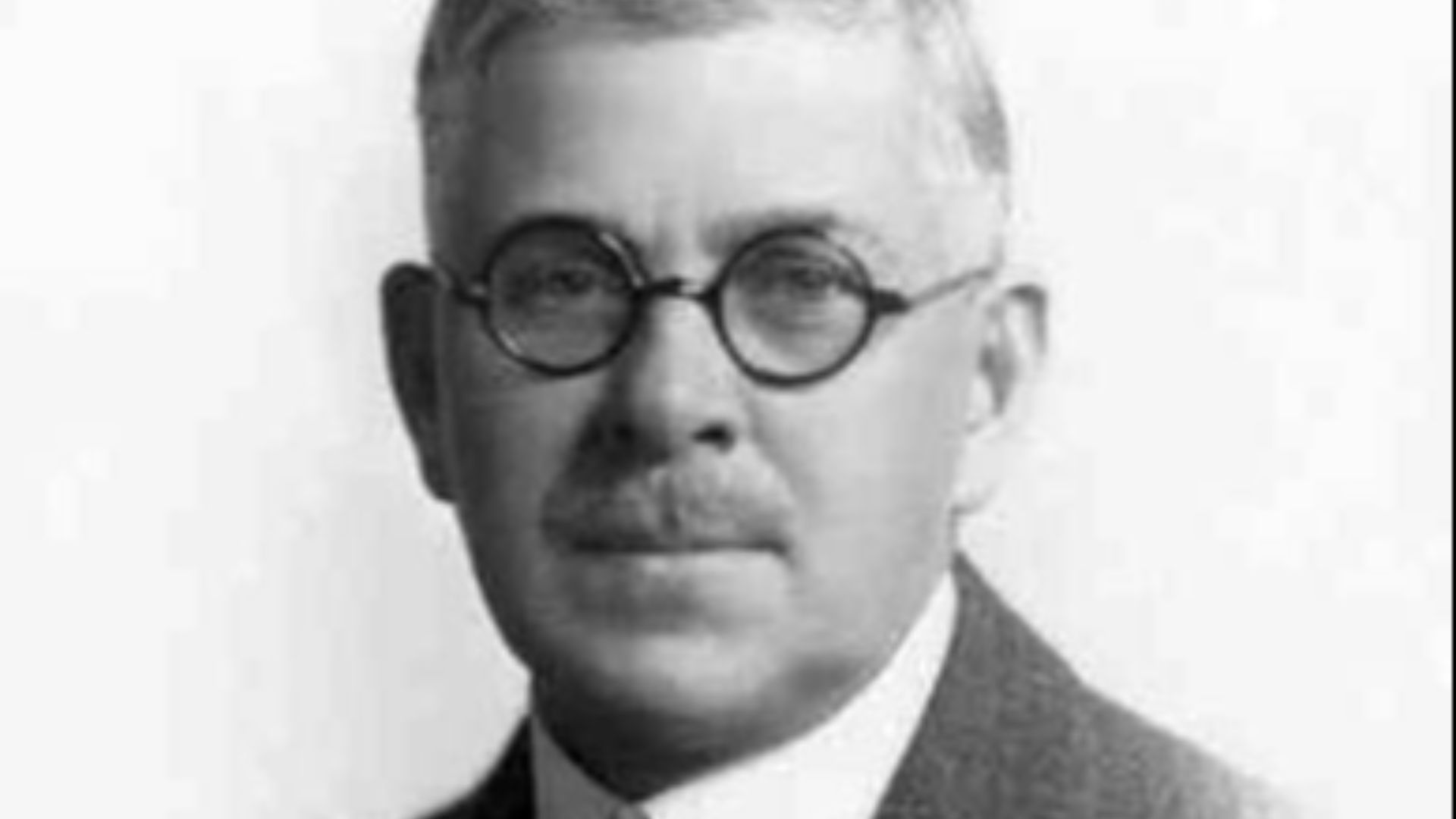
Ransom Olds set up a stationary assembly line at his Oldsmobile factory in 1901, years before Henry Ford's moving assembly line made Ford famous for the idea. Ford's version was faster and more influential, the one that ended up in every textbook, while Olds rarely gets a mention.
 Unknown authorUnknown author on Wikimedia
20. The Motion Picture Camera
French inventor Louis Le Prince built a working motion picture camera and filmed moving footage in 1888, years before Thomas Edison filed his own patent. Weeks before Le Prince could publicly demonstrate his work in New York, he boarded a train in France and was never seen again. Edison went on to be credited as the camera's inventor, and Le Prince's disappearance was never solved.