 Ana Nascimento/ABr. on Wikimedia
Remember when the first thing you did after getting home from school was log into MSN Messenger and see which of your friends were online? A time when we still handed out emails as forms of contact, not phone numbers? Or maybe you skipped the chatting stuff and jumped straight into playing Club Penguin, customizing your MySpace profile, or updating your Facebook statuses until it was juust right ("Christy is: crying about math homework"). Whatever your routine was, one thing's for sure: the internet was a very different place back then.
For millennials who grew up during the 1990s and 2000s, going online was a very different experience than what it's like now. The internet in that era was exciting, though at times frustrating and painfully slow. We also weren't as dependent on it as we probably are now. Case in point: the boom of AI. Feeling nostalgic? Let's take a trip down memory lane.
The Then
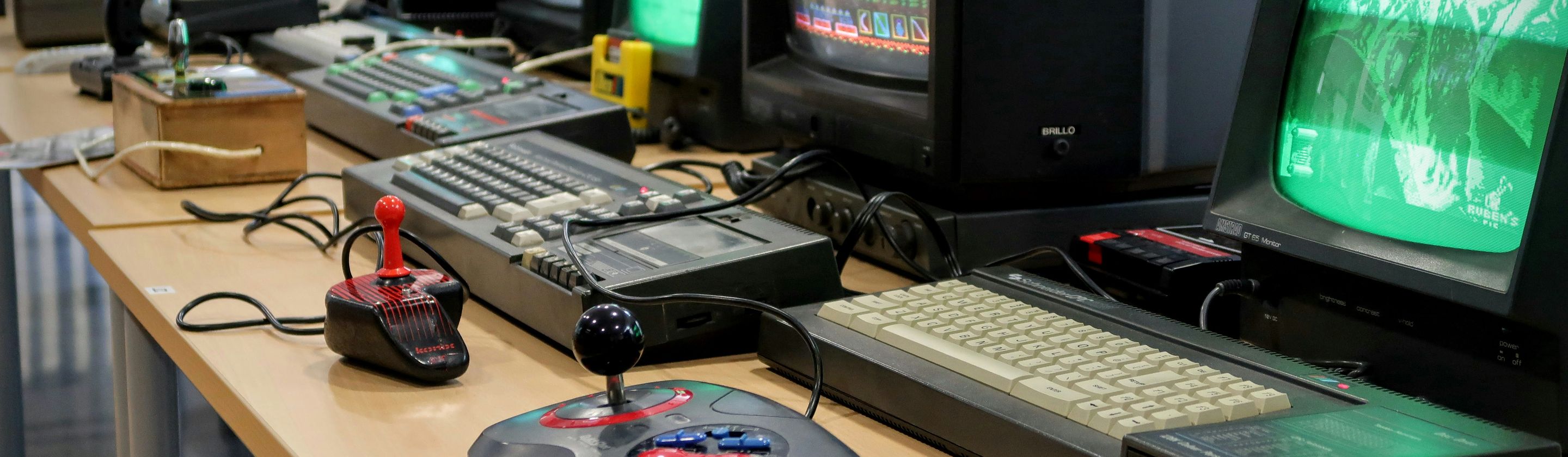
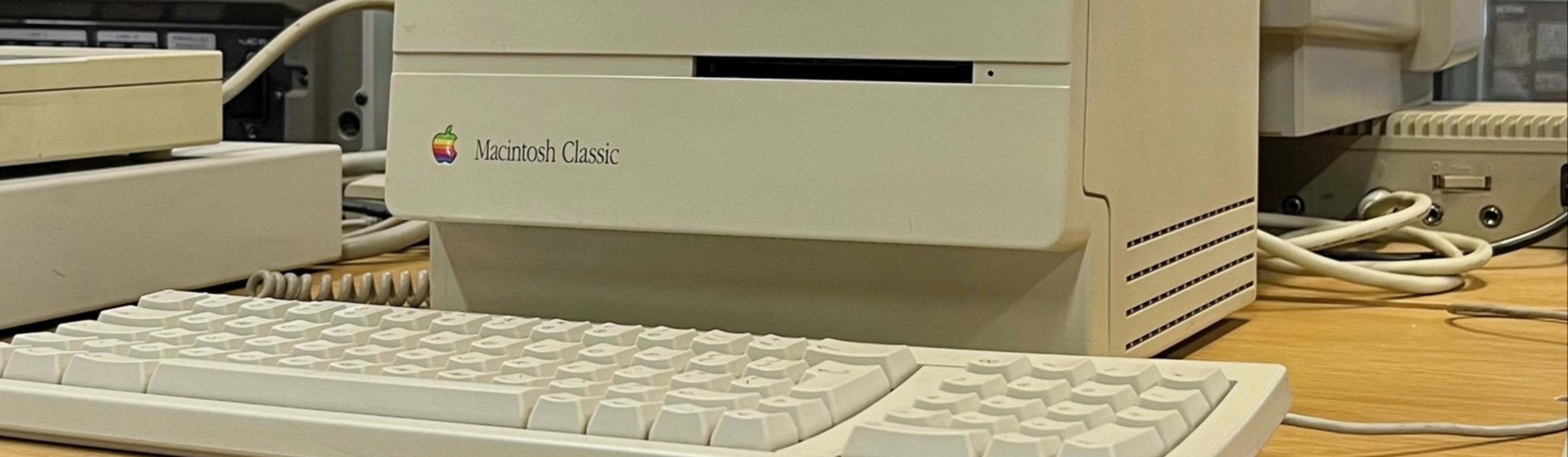
Long before smartphones became commonplace, using the internet to go online was, for lack of better words, complicated. Most of us probably remember the period of sharing the same family computer with your siblings or having to disconnect when someone needed the phone line. Of course, once it was finally our turn, we made good use of our time (did we ever), but still, it took some work to wrestle that opportunity into our hands.
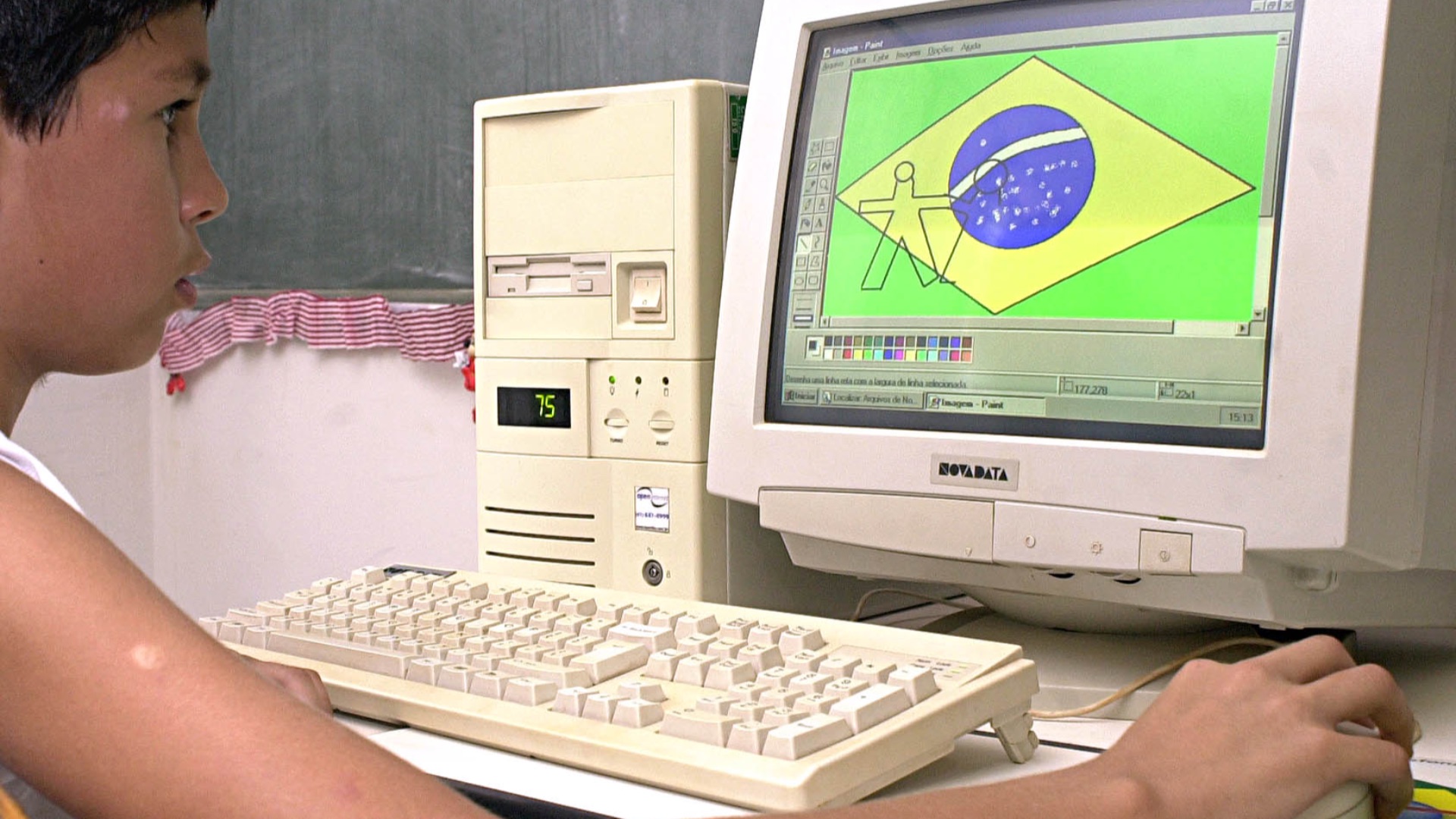
Back then, the platforms themselves were also much simpler. Whereas nowadays you might argue with strangers on a Reddit thread or cancel people on X/Twitter, the younger us was surfing MySpace or writing depressing lyrics on our MSN Messenger display names. And if you weren't trying to establish your coolness, you were probably on feeding your Neopet or adopting another puffle on Club Penguin. Heck, you might have even been channeling your inner artist on Microsoft Paint! See what we mean by much simpler?
Perhaps the biggest difference, though, was how easily you could leave everything behind once you logged off. Unless you had a phone, which was rare (and ever rarer was a phone plan with text messaging included), your friends generally couldn't reach you until you signed back into MSN or answered your home phone. That was the norm, though; you'd simply catch up the next time you saw everyone at school, anyway.
The Now
The internet didn't transform overnight, of course, but the arrival and widespread adoption of smartphones would fundamentally change how people went online. Instead of waiting for your turn on a shared computer, you could check your messages, browse websites, and access social media from the device that fit right in your pocket. How revolutionary!
As people started getting easier access to the World Wide Web, though, social media became far more prevalent. No longer were you just chatting on MSN or changing your MySpace wallpaper—you were consuming content from an endless collection of strangers. You sought likes, follows, comments. You had to establish your coolness even more rigorously than before, and all because now everyone was online.
And then we reached a point where we could no longer avoid the internet altogether. The technology kept rapidly expanding, and now, without it, we wouldn't be able to manage our bank accounts, schedule appointments, or communicate with pretty much everyone. Alas, the era where going online was a simple, simple thing was gone, having spiraled into something we can't separate ourselves from, even if we logged off.
The Internet of Tomorrow
And just when it seemed like the internet couldn't become any more integrated into our lives, then came artificial intelligence. Just 10 years ago we probably could never imagine such a future, and yet, here we are: instead of searching through websites for answers or writing emails by hand, we can now ask AI chatbots to explain complicated topics and generate an endless list of "creative" ideas. Need a digital friend or partner? Yep—some people even use AI for that, too.
What happened? In such a short time, we've gone from doodling on Microsoft Paint, trolling (read: making friends) on Club Penguin, and editing Instagram photos ourselves to letting AI produce pretty much everything for us. What happened to the era we grew up on? What happened to the then where we weren't so dependent on the internet and AI to shape our experiences? Is this how it'll continue, with us becoming more and more reliant on tools like AI to curate everything instead of just letting ourselves learn and explore, just like the old times?
Whether we like it or not, the old internet is gone. As much as you reminisce about the internet of the early 2000s, we won't ever get it back. And though there's plenty to appreciate about current advancements, perhaps what millennials miss most isn't any particular nostalgic platform, but the experience of enjoying the internet without so many strings attached.