
Are You Really Human?
"Are you sure you're human?" the screen asks. Yes, you say, punching in the stupid, warped Captcha they've thrown at you. You're okay with the ones that just need you to tick off a box, but you really only have so much patience for selecting every bike or bridge from those tiny squares. So why do websites keep using them, and are they actually necessary? Here's why we can't stand Captchas, even if they make the internet safer.
 Mover of molehills on Wikimedia
1. Always Pop Up at the Worst Times
Trying to beat the concert ticket madness? Well, nothing's more annoying than being interrupted by a CAPTCHA right as you're about to pay. That extra verification step can instantly throw you off your game! It's especially frustrating when it costs you the thing you were hoping to get.

2. The Images Are Sometimes Impossible to Identify
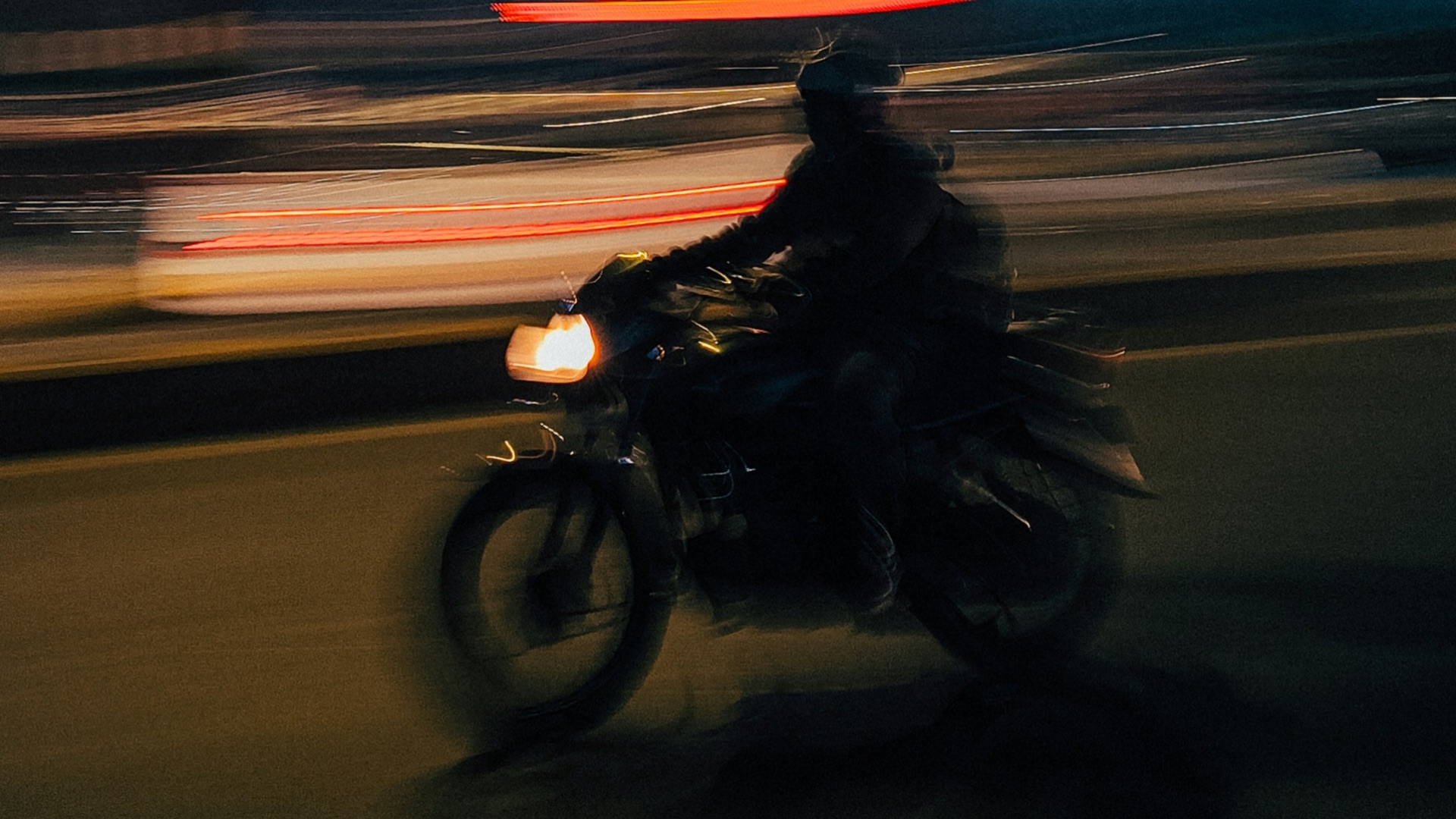
Ah, yes. Select all the motorcycles, the instruction says. You could do that, if only it weren't for the blurry images where you can barely distinguish the objects. Despite how advanced technology has gotten, do Captchas really still need to include such tiny, grainy photographs that drive you up the wall even more?
3. You Never Know If You Should Select the Entire Object
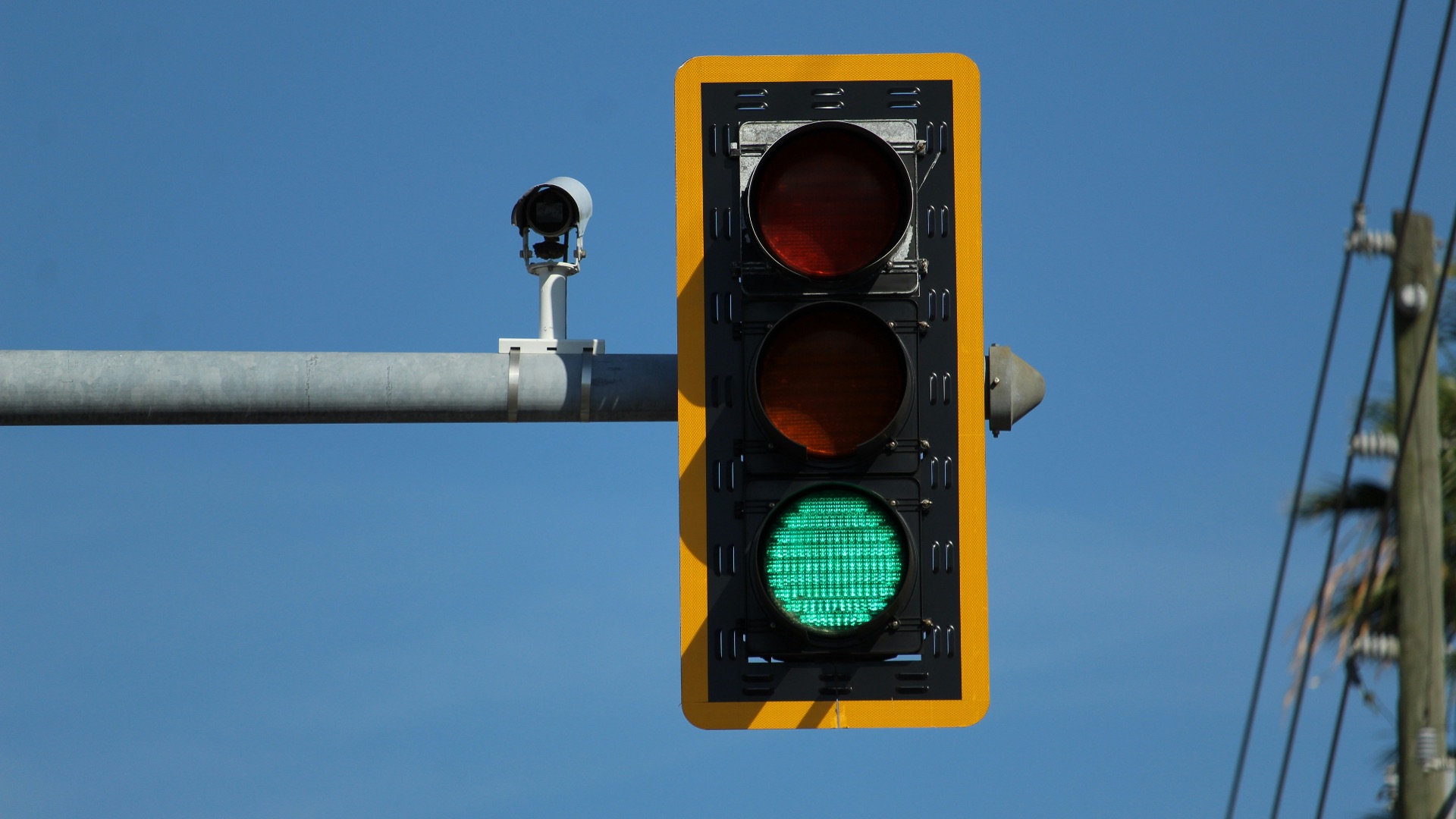
Picture this: you're asked to identify every square containing a traffic light, but one tiny part of it extends into another square. Do you select that square, too? Or does it technically not count? It's these ambiguous instructions that always leave you second-guessing.
4. Sometimes You Have to Complete Multiple Challenges
Great! You've gotten past the Captcha! Guess what, though—there's another one. You thought successfully identifying every crosswalk would be enough to prove you're human? Nope. By the third round of identifying cats and buses, you've probably already given up.
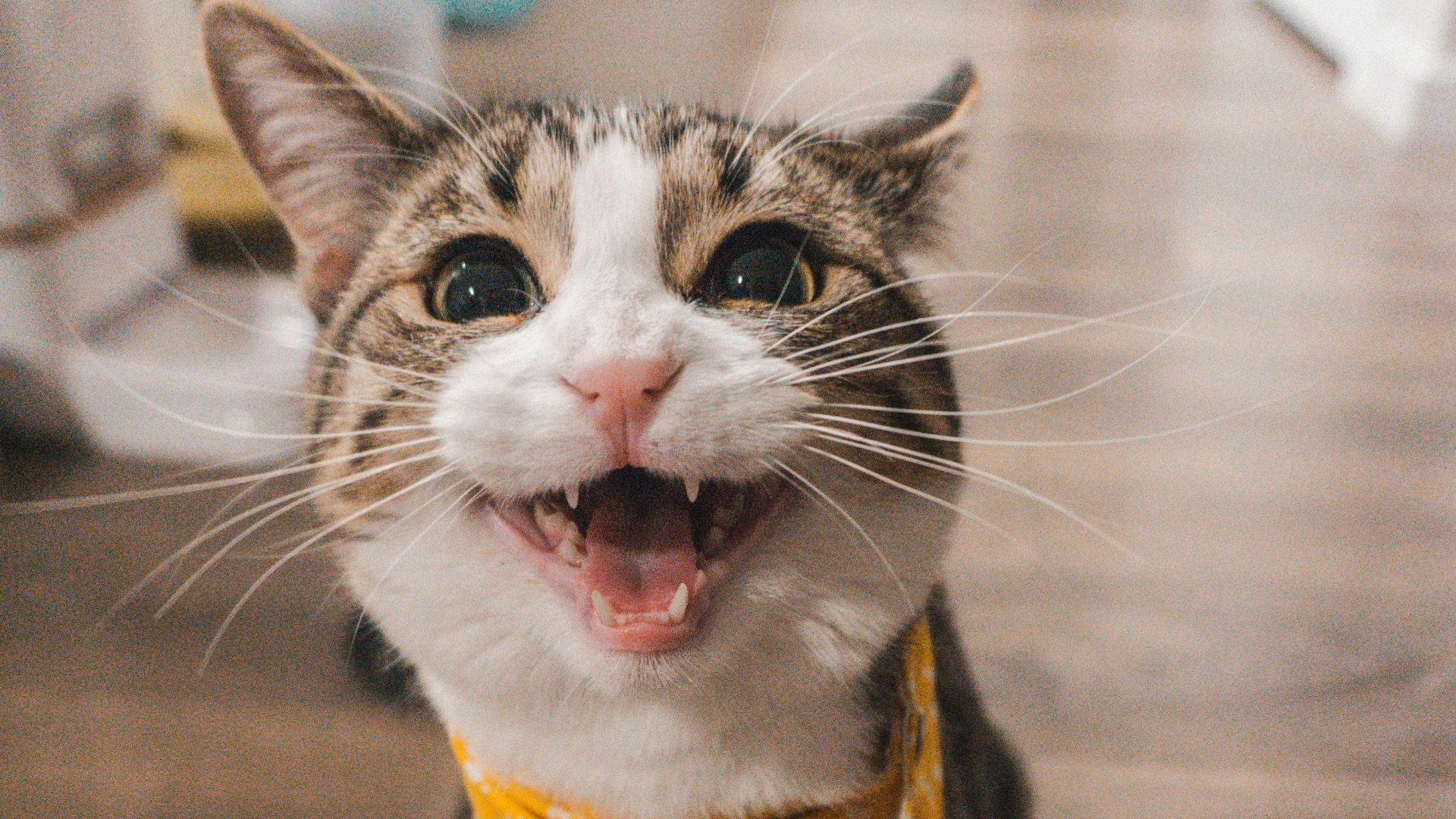
5. The Distorted Letters Are Nearly Impossible to Read
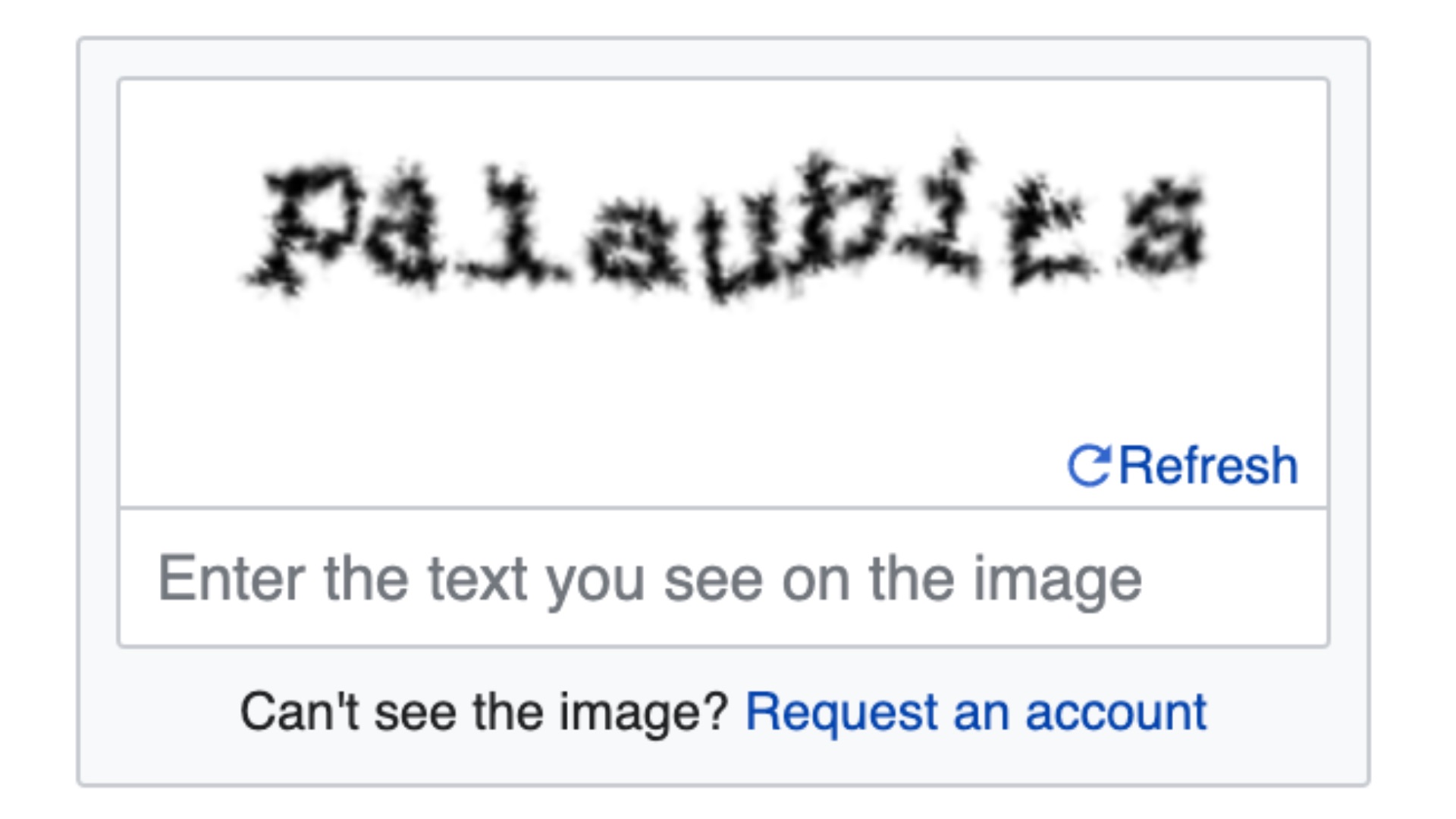
It's not just the blurry images you have to deal with. In fact, older-style Captchas often display severely distorted letters and numbers, or ones covered with distracting lines. Unsurprisingly, this makes them almost indistinguishable, and you're always trying to decide whether you're looking at a zero or the letter O.
6. Don't Always Work Properly on Mobile Devices
Trying to verify your humanity on a phone? Tough luck. From small selection boxes to challenges that don't fit properly on a tinier screen, you'd be much better off waiting until you can get to an actual computer to log in. It's even worse when you keep accidentally tapping the wrong thing, and you're deemed a bot.

7. Getting Rejected When You Know You're Right
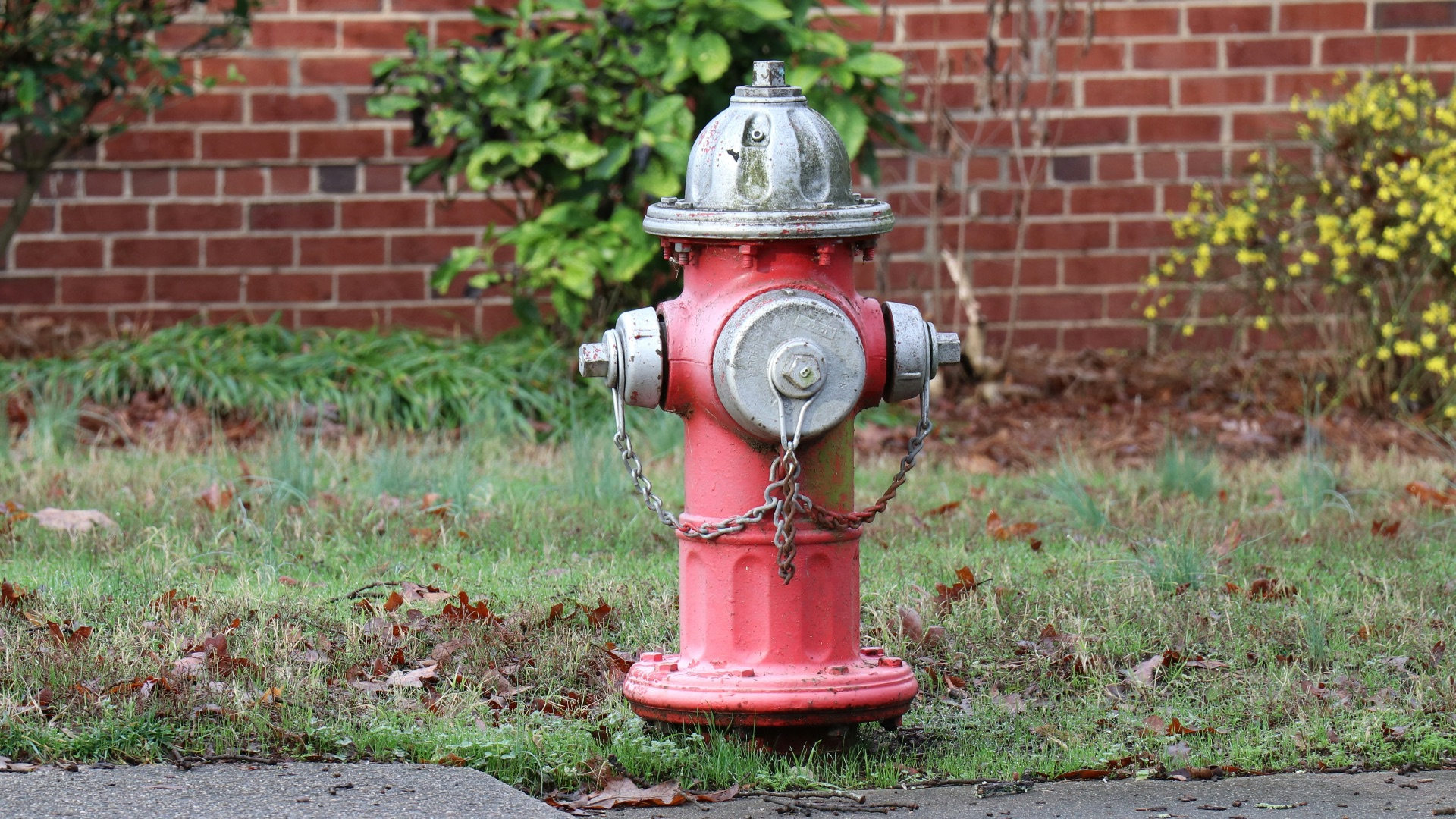
"You're a bot," the screen says. Well, maybe not in so few words, but you get the point. You know you're human, of course, but how are you supposed to prove it when you just can't read the warped code or make out the blurry photos? Even when you're absolutely sure you selected every fire hydrant, the system demands that you try again.
8. Not Always Accessible
For people with visual impairments, motor difficulties, or certain cognitive disabilities, Captchas are more than a temporary pain to deal with. Sure, some systems offer audio alternatives, but even those can be difficult to understand. What gives?
9. They Sometimes Make You Start Over
Imagine spending several minutes going through three stages of Captchas, only to realize that your verification failed because you weren't fast enough. What does that mean? Yep—you've got to start all over again. Are you sure you're human?
10. Make You Question Your Own Abilities
At the end of it, you're questioning your own sanity, too. After all, it's kinda embarrassing to struggle with a task that's supposedly designed to ensure you're not a bot. If you've made more than several attempts and only continued to fail, of course, you're going to wonder if you're just not smart enough.
Despite all these frustrations, Captchas aren't there for nothing. They do keep the bots away, at the very least! Here are other ways they're inherently useful:

1. Prevent Automated Account Creation
Without verification systems, just think of all the bot accounts that could be created! Well, not that this doesn't already still happen, but without Captchas requiring additional checks, there would be even more fake accounts on websites and social media platforms.
2. Reduce Spam
Ever opened up a comment section only to discover dozens of bot messages and suspicious links? Yeah, well, if you don't want that, then Captchas are needed to help website owners limit spam submissions. That way, at least you can be sure you're arguing with another human.
3. Add Protection Against Automated Login Attacks
Cybercriminals sometimes use automated tools to test stolen usernames and passwords, too, which means Captchas can interrupt these attempts by requiring additional verification. They're not a replacement, of course—you should still set strong passwords or turn on multifactor authentication—but they provide another useful obstacle against automated attacks.
4. Keep Online Ticket Sales Fairer
Without Captchas, you probably could've snagged those tickets to Taylor Swift, but all the scalpers probably would've sold out the stadium before it was your turn. Popular concerts and sporting events, therefore, benefit from having extra verification to shut down automated purchasing programs and suspicious activity.
5. Protect Websites from Excessive Traffic
What else do Captchas do? Block excessive traffic. Automated requests can overwhelm websites, particularly when large numbers arrive within a short period, so that extra bit of verification can reduce unwanted bots before they consume additional server resources.
 Startup Stock Photos on Pexels
6. Make Online Polls Harder to Manipulate
Think about how unreliable online polls and voting-based contests would be if bots could submit hundreds or thousands of responses! By including Captchas, only humans can influence the results. Of course, that still doesn't guarantee that every submission comes from a different person...
7. Keep Unwanted Submissions Out
More than just keeping spam comments out, Captchas also kick out unwanted submissions, such as for contact forms, registration pages, and appointment request systems. Businesses don't want to waste time reviewing non-human requests, after all!

8. Prevent Inventory Hoarding
To ensure limited-stock products aren't hoarded by bots in large quantities (similar to concert tickets), Captchas are also used as an extra step so ordinary shoppers can access them. While scalpers may still find ways around these defenses, verification measures can nonetheless reduce their efforts.

9. Some Captcha Systems Have Helped Digitize Written Text
Interestingly, certain Captcha systems have contributed to projects beyond website security: earlier versions asked users to decipher words from scanned materials, helping verify text that, back then, was hard for software to interpret. By combining human responses with automated processing, these systems have done a lot more than just perform security checks.
10. Modern Captchas Can Be Less Disruptive
Thankfully, Captchas have gotten less disruptive nowadays. Some modern systems evaluate using browser activity, which means you might not get a challenge at all. This risk-based approach has led to fewer verification checks for ordinary users, though websites can still investigate automated activity closely.