20 Creepy Things Smart Home Devices Can Do Without You Realizing
Your House Might Know More About You Than You Think
Smart home devices are supposed to make life easier, whether they're adjusting your thermostat, answering questions, or turning off the lights when you're feeling lazy. However, some of these gadgets collect far more information than you might expect, often while you're going about your day. From tracking when you leave the house to recording conversations you never meant to share, certain features can feel surprisingly invasive. Before you get too comfortable with all that convenience, here are 20 things your smart home technology might be doing without you knowing.
1. Recording Conversations You Didn't Mean to Share
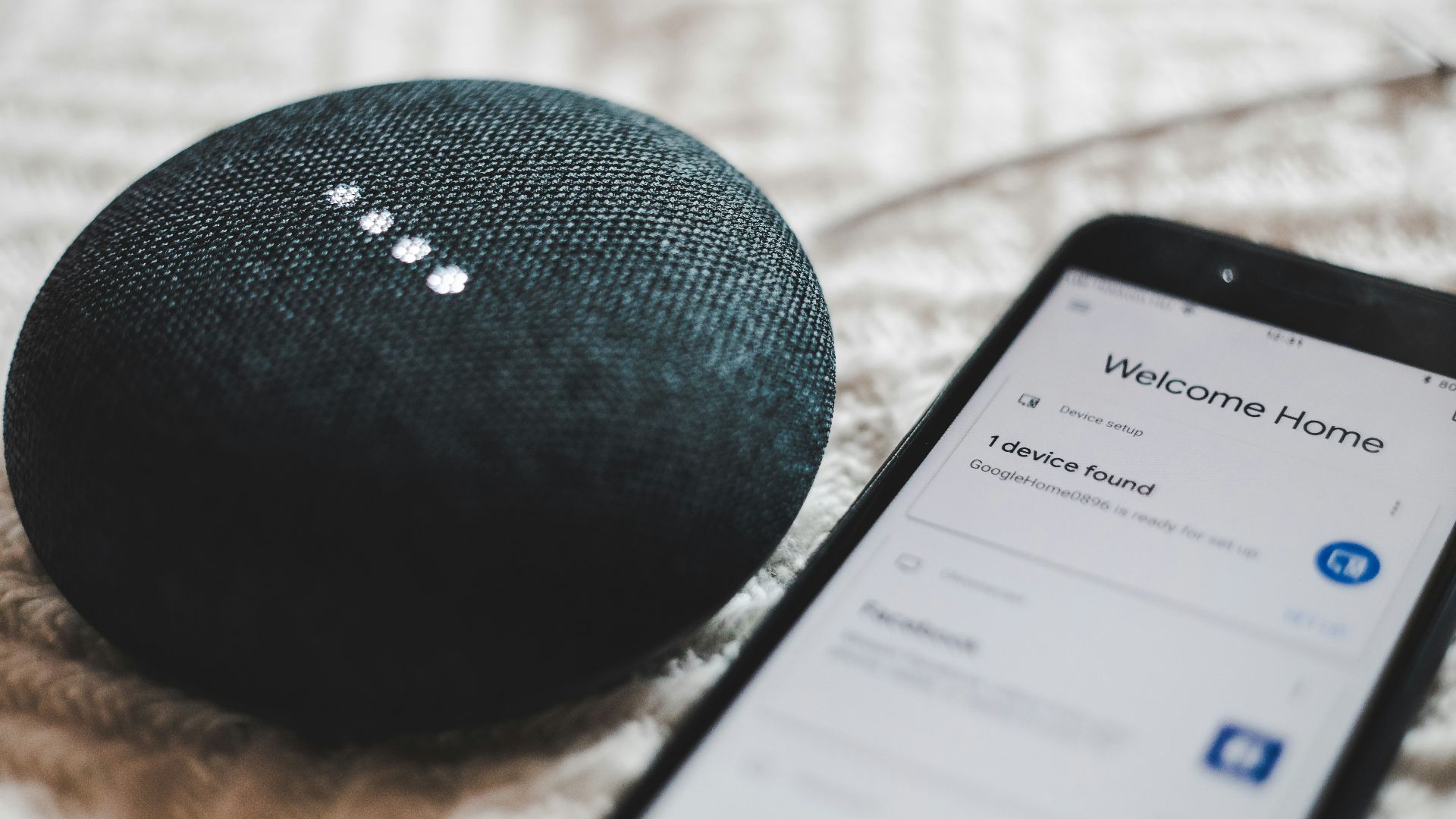
Smart speakers are designed to recognize specific wake words, but they sometimes mistake ordinary conversations for commands. When this happens, the device may start recording and processing audio even though nobody intentionally activated it. Depending on your privacy settings, those accidental recordings could remain in your account's voice history.
2. Figuring Out When You're Home Alone
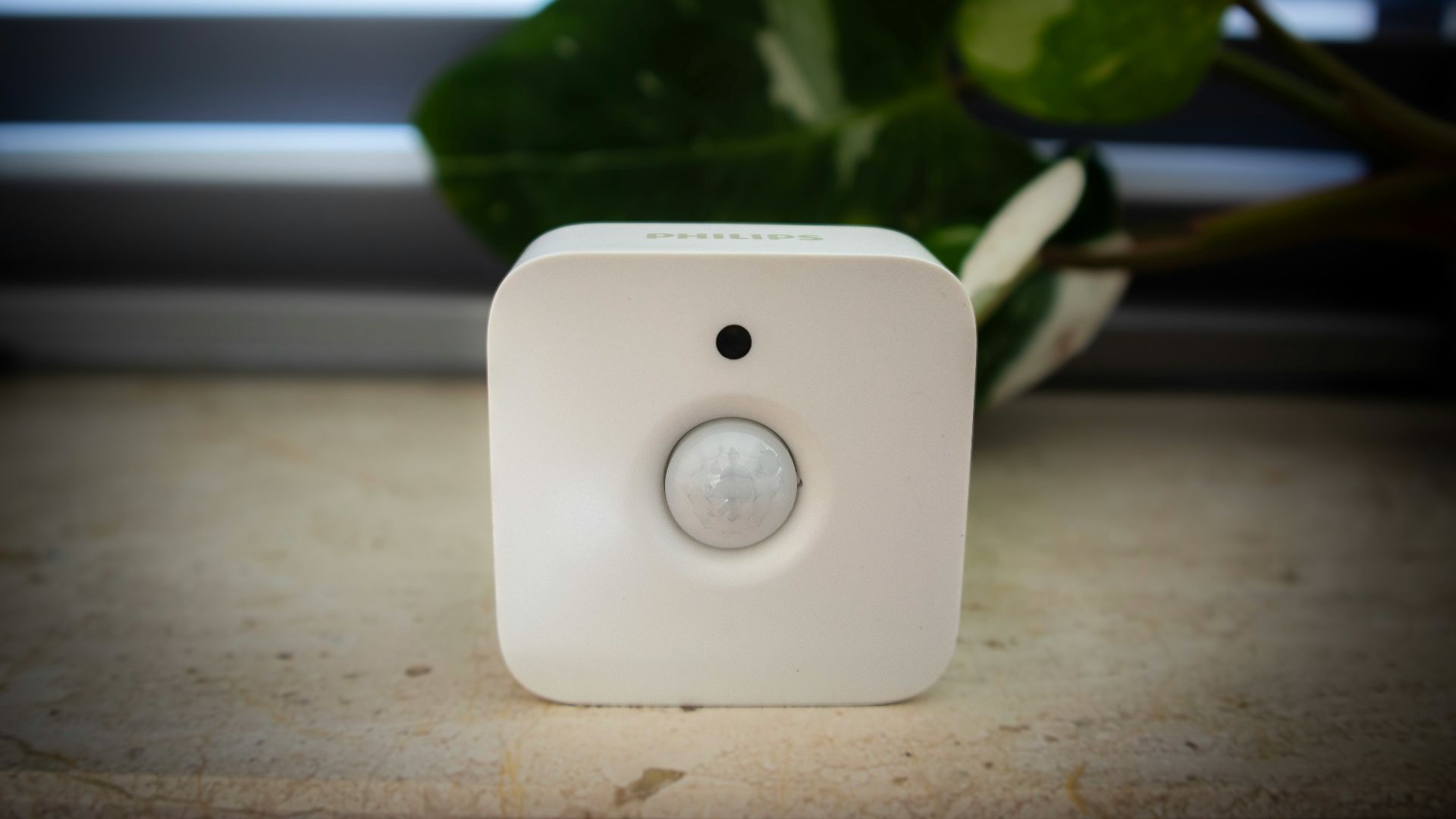
Some smart home systems can tell whether someone's home by monitoring motion sensors, connected devices, and phone locations. Over time, this information can reveal when you're usually alone or when everyone is out. While it's helpful for automating lights and security systems, it also creates a detailed record of your daily movements.

3. Keeping Track of Your Sleeping Habits
Your bedroom might be collecting information about your sleep without you ever wearing a fitness tracker. Some smart speakers and sleep monitors use sensors to detect movement and breathing patterns overnight. They can estimate when you fall asleep, how restless you are, and when you wake up, which is quite a lot for a gadget on your nightstand to know.

4. Recognizing Who's Standing at Your Front Door
Modern video doorbells can do much more than notify you when someone's outside. Certain models offer facial recognition features that identify regular visitors using previously captured images. Depending on the settings, information about those visitors may be stored for future identification.
5. Remembering Every Time You Open Your Front Door
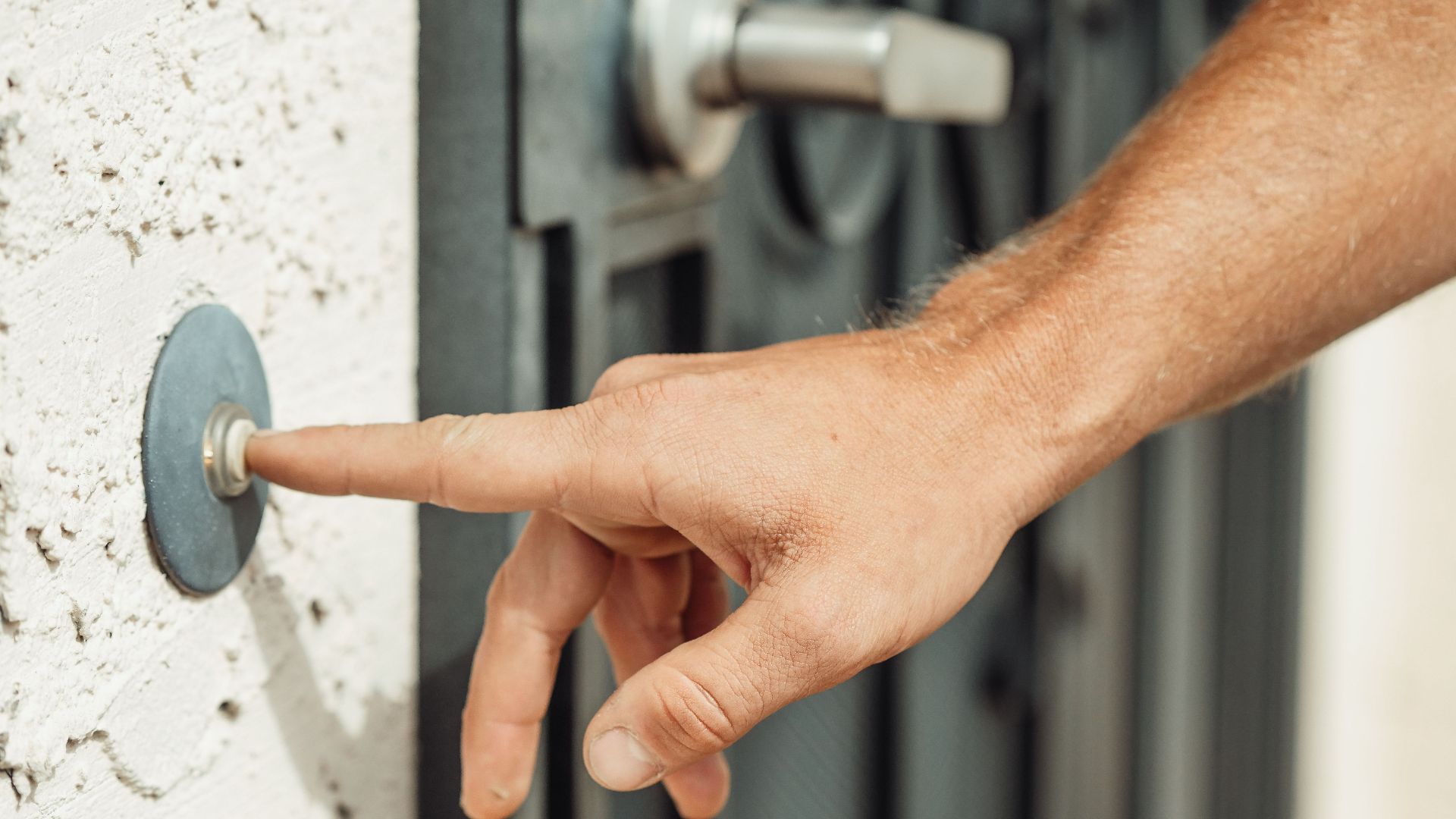
A smart lock can keep a detailed history of when your door was locked or unlocked. If household members have individual access codes, some systems can even identify who entered and when. That's useful when you're checking whether the kids got home, although it also means your comings and goings are being documented.
6. Learning Your Daily Routine From Your Lights
You probably don't think twice about turning on your kitchen lights every morning, but your smart home system might notice the pattern. Connected lighting platforms can track usage and use those habits to suggest automations. Eventually, your lights could help predict your usual bedtime or when you typically leave the house.

7. Sending Information to Companies You've Never Heard Of
Buying a smart home device doesn't necessarily mean you're sharing information with only one company. Depending on the product, your data may also be processed by cloud providers, analytics services, or third-party partners. These relationships aren't always obvious during setup, so it's worth checking where your information actually goes.
8. Detecting Movement Without Using a Camera
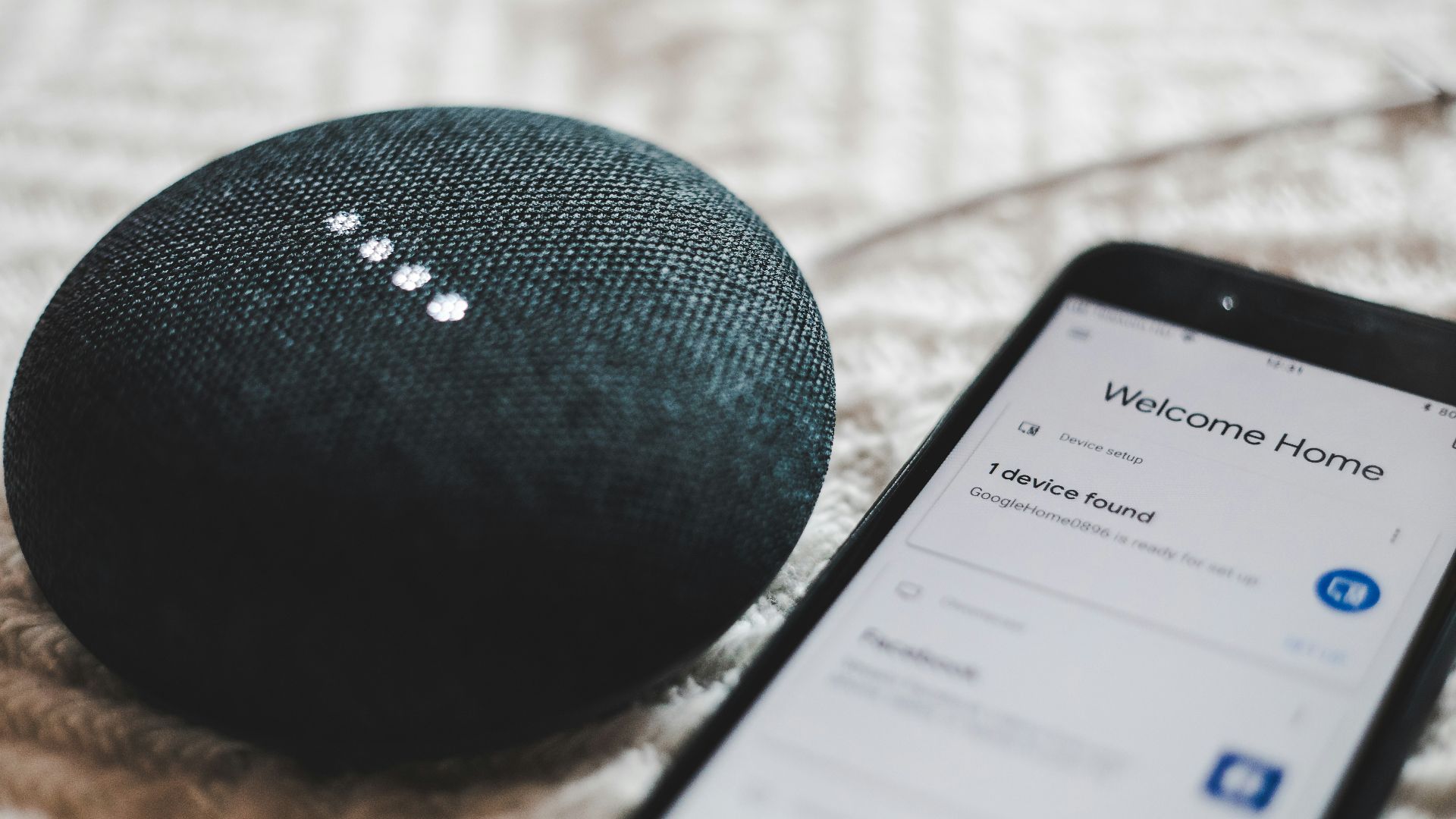
Not every smart device needs a camera to figure out whether someone's nearby. Certain smart speakers use ultrasound signals to detect movement, allowing them to trigger routines when someone enters or leaves a room. You might not even realize your speaker is detecting your presence, although the feature doesn't require it to record conversations.
9. Sharing Your Camera With Other Household Accounts
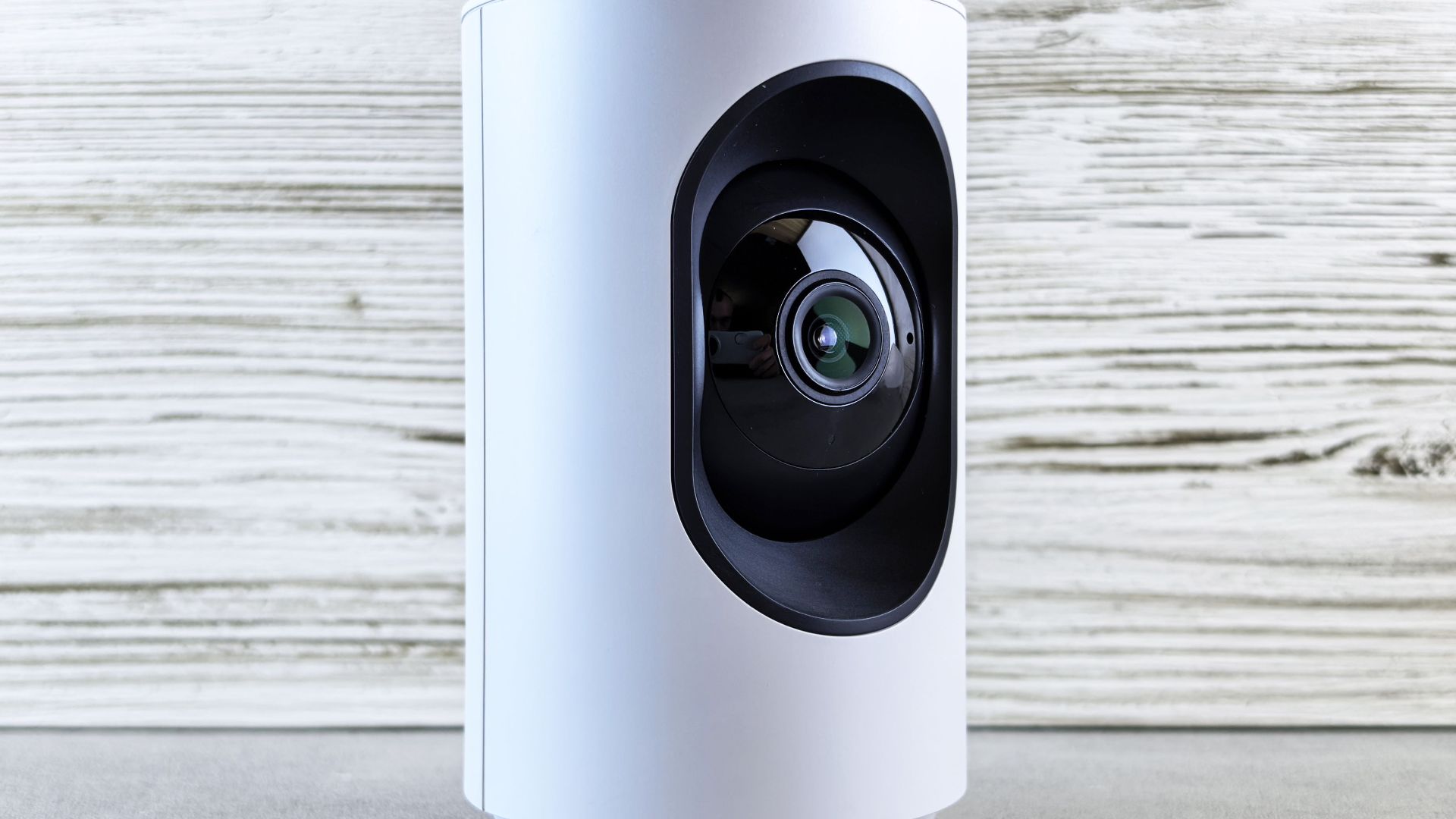
Installing an indoor security camera doesn't mean you're necessarily the only person who can see its footage. Some systems let additional household members or authorized users view live feeds and recordings remotely. If you've forgotten who has access, someone you previously invited might still be able to see what's happening inside your home.
10. Changing Your Home's Settings Without Being Asked
Some smart home platforms can act on learned routines instead of waiting for direct commands. For example, Alexa's Hunches feature can automatically turn off compatible lights when it thinks you've left, depending on your settings. These automations are meant to be helpful, but it's worth knowing which ones you've allowed to operate on their own.

11. Knowing Exactly What You're Watching on TV
Some smart TVs can recognize the shows, movies, and advertisements on their screens through automatic content recognition technology. Depending on your settings, this can happen even when you're watching something through an external device. Companies may then use that viewing information to personalize ads, which might make you reconsider your next late-night reality TV marathon.

12. Keeping Old Security Footage in the Cloud
Deleting a video from your camera app doesn't always mean every copy disappears immediately. Some security services retain footage in cloud storage according to their backup systems and data retention policies. Recordings may remain stored for a while, so it's worth checking what deleting them actually involves.

13. Letting Hackers Speak Through Your Cameras
Some internet-connected security cameras have built-in speakers that let you communicate with people at home. Unfortunately, hackers who gain access to a vulnerable camera or account may be able to use that feature themselves. The Federal Trade Commission has documented cases of hackers speaking to and harassing families through compromised Ring cameras, proving this isn't just a frightening possibility.

14. Knowing When You're Using Certain Appliances
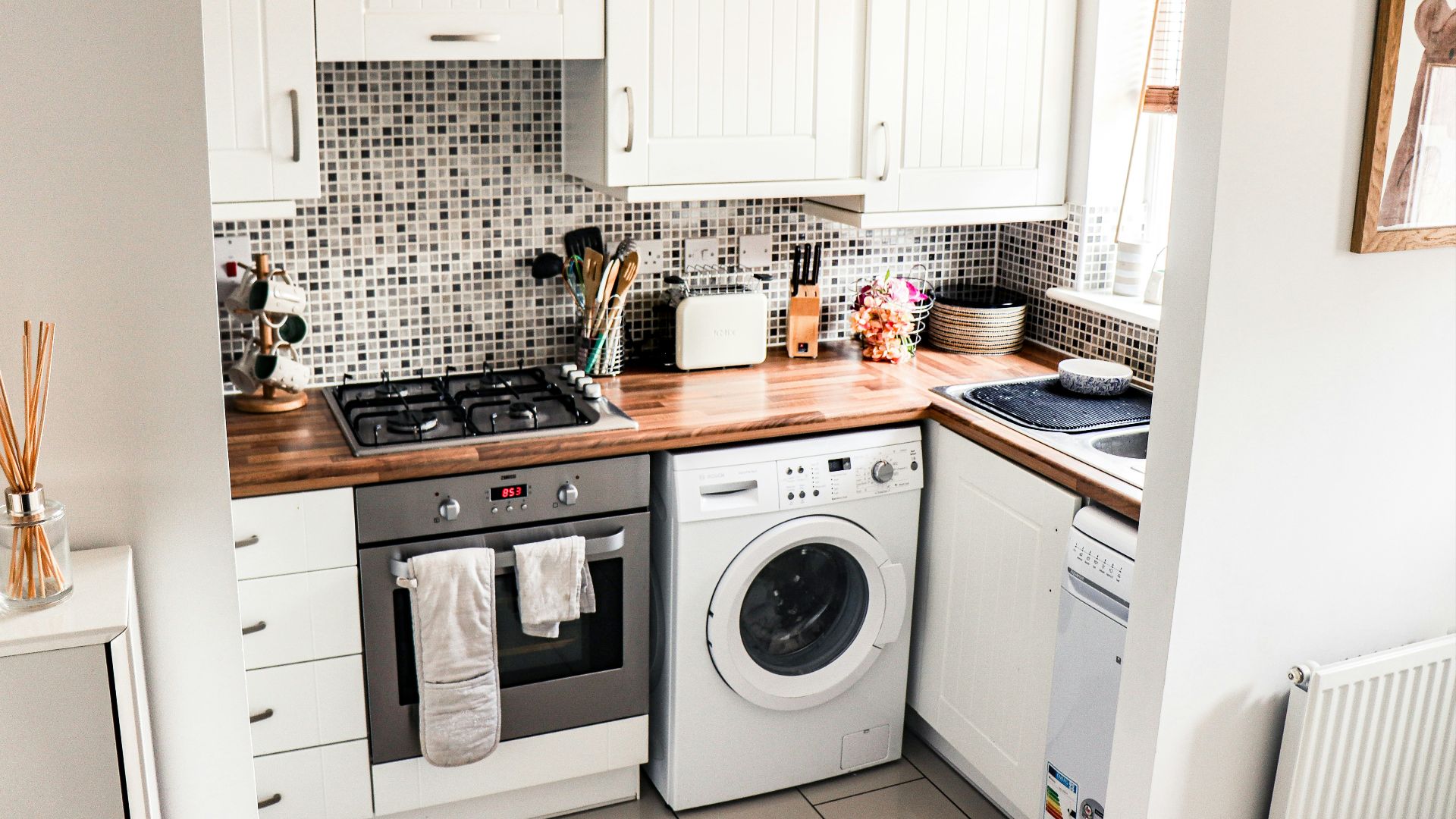
Smart plugs and connected appliances can track when electrical devices are switched on or off, sometimes recording their energy consumption, too. That information could reveal when you usually make coffee, do laundry, or use certain electronics. While these features help you monitor electricity usage, they can also create surprisingly detailed records of your household activities.
15. Mapping the Layout of Your Home
Your robot vacuum might know more about your floor plan than some of your friends do. Certain models use cameras, lasers, and mapping software to create detailed layouts of your rooms for more efficient cleaning. Depending on the product, those maps may also be stored in an app or uploaded to cloud services.

16. Accessing Your Private Videos Through Company Employees
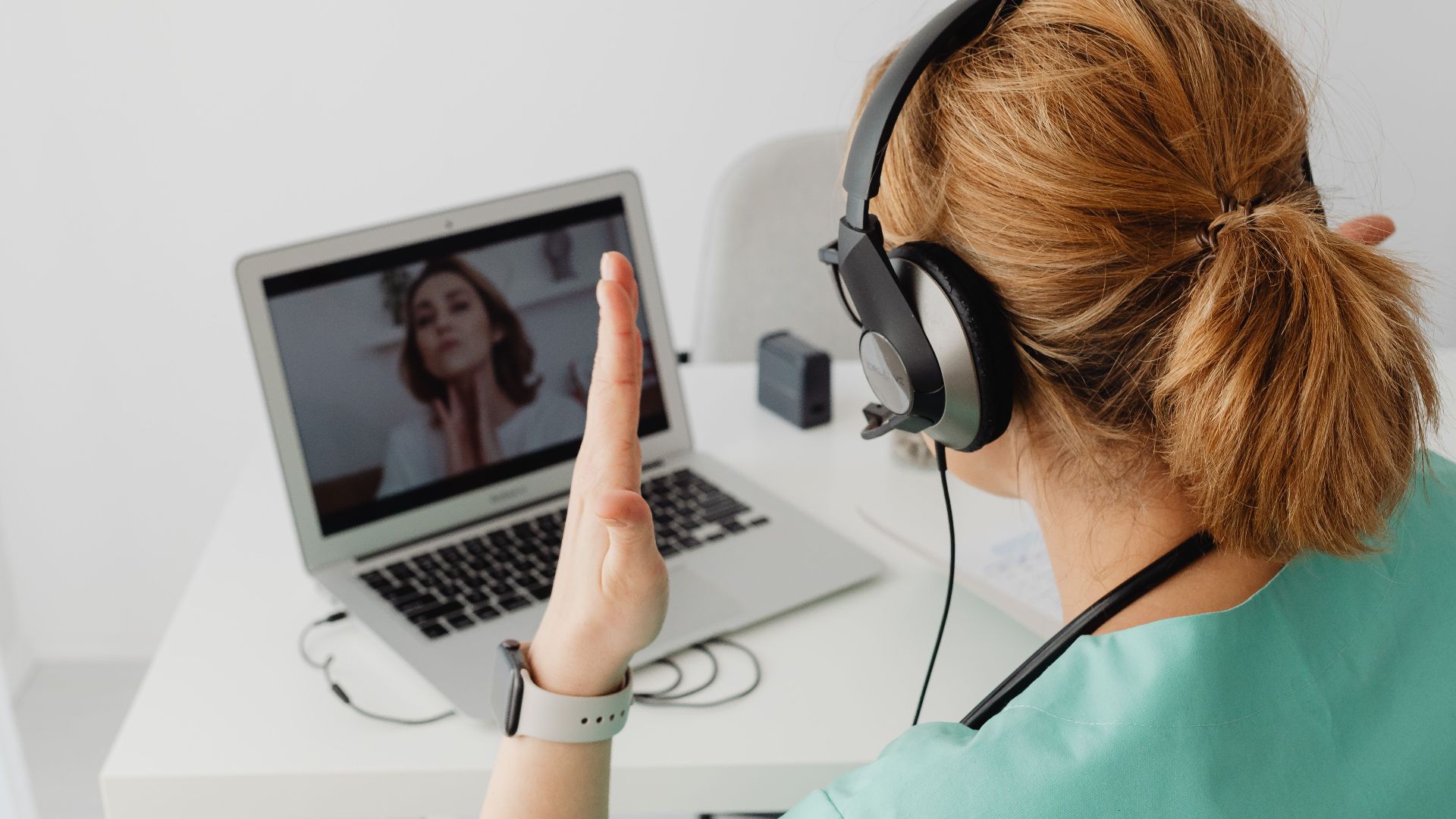
Most people worry about strangers hacking their security cameras, but employee access has also raised serious privacy concerns. In 2023, the Federal Trade Commission accused Ring of giving employees and contractors excessive access to private customer recordings, including footage from bedrooms and bathrooms. Ring subsequently agreed to a settlement involving privacy and security safeguards.
 https://kaboompics.com/ on Pexels
17. Identifying Your Voice Among Other People
Some smart assistants can recognize individual voices to provide personalized responses. Depending on how they're configured, these systems can distinguish between household members rather than treating everyone the same. It's convenient when you want your own music recommendations, but it also means your device may be processing information about who's speaking.

18. Tracking Your Location Through Companion Apps
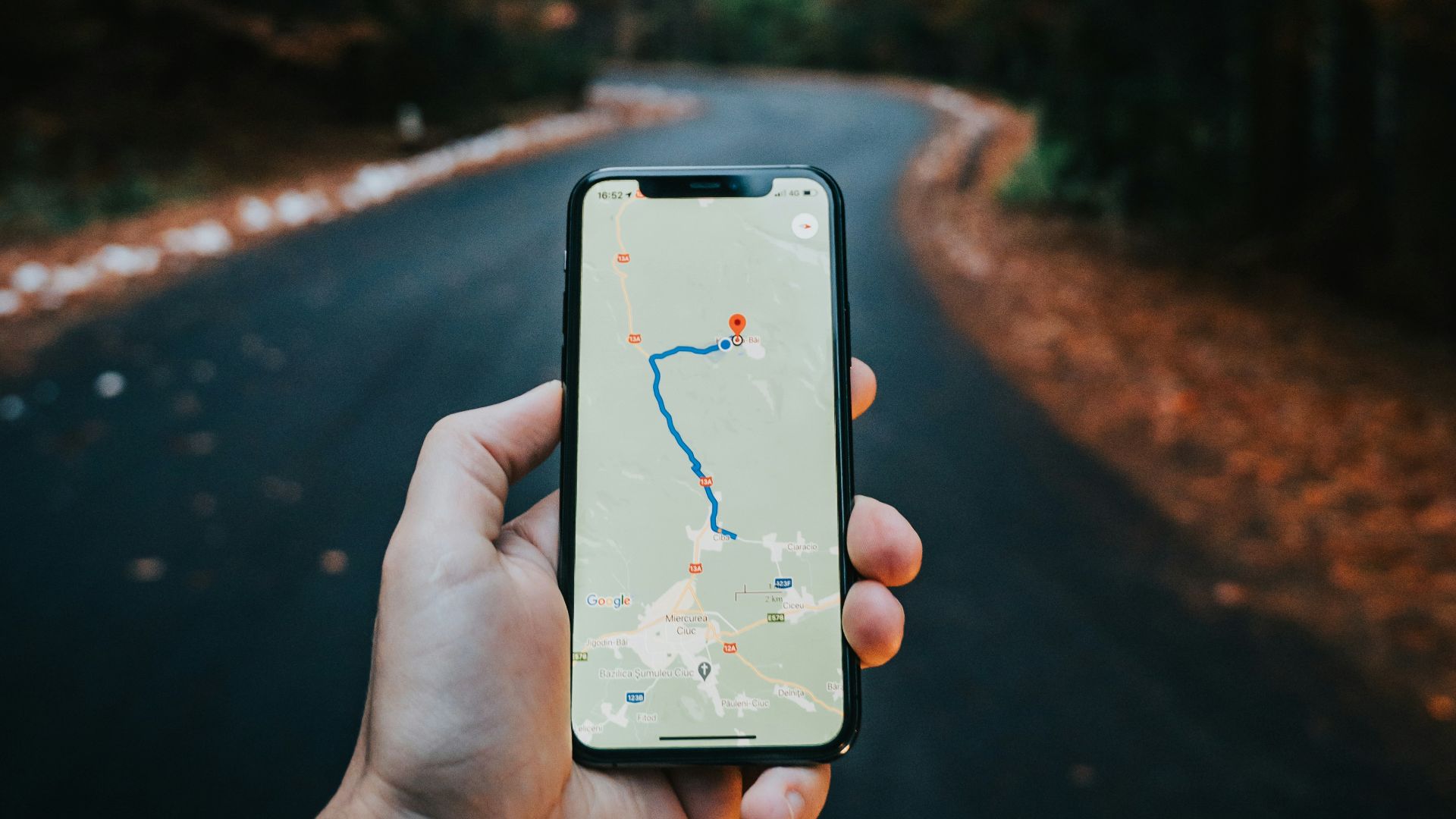
Your living room speaker might not have GPS, but its companion app on your phone could still request location access. Some smart home platforms use this permission to trigger routines when you arrive home or leave. Depending on your settings, location information may be processed even when you're not actively using the app.
19. Continuing to Connect After You've Stopped Using Them
Unplugging a smart home gadget and putting it away doesn't necessarily remove it from your online account. Device records, connected services, and previously collected information may remain associated with your profile until you remove them. This is especially important when selling or giving away equipment, since forgetting to reset it could leave personal information or account access behind.
20. Revealing More About Your Life When Devices Work Together
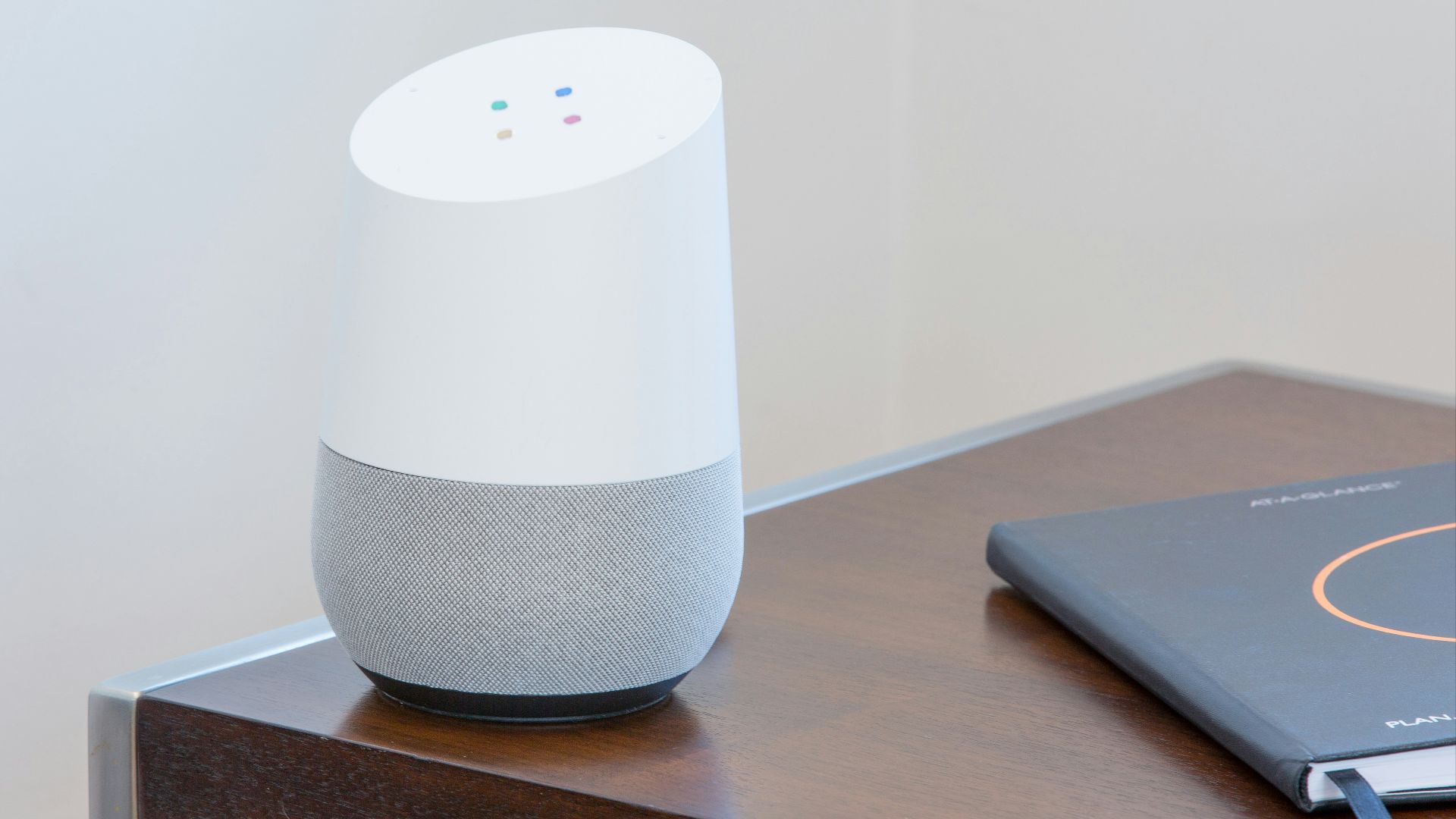
One smart home device might collect relatively little information, but several connected gadgets can reveal much more. Data from your thermostat, lights, security sensors, and speakers could help a platform estimate when you're sleeping, entertaining guests, or away. Not every service combines information this way, but the possibility increases as you add more devices. Before long, your smart home could know far more about your routine than you ever intended to share.