 Yiannis2002 on WikimediaWhere were you when P.T. first arrived in 2014? All it took was a single hallway and a radio to turn into one of gaming's most terrifying experiences. Hideo Kojima's playable teaser for the canceled Silent Hills proved what the franchise had spent its life proving—psychological horror didn't need monsters or complicated combat to leave you wishing you’d left the lights on. Sometimes, walking through the same house in a never-ending loop was more than enough.
But as quickly as it appeared, P.T. was soon gone from the PlayStation 4 after Konami canceled it in 2015. Worse, and even more tragically, P.T. was also removed from the PlayStation Store, leaving developers scrambling to recreate its success. Plenty of indie horror games borrowed its atmosphere, but few understood why the original worked. Then two copycats popped up that changed everything.
The Horror Game That Changed the Game (Literally)
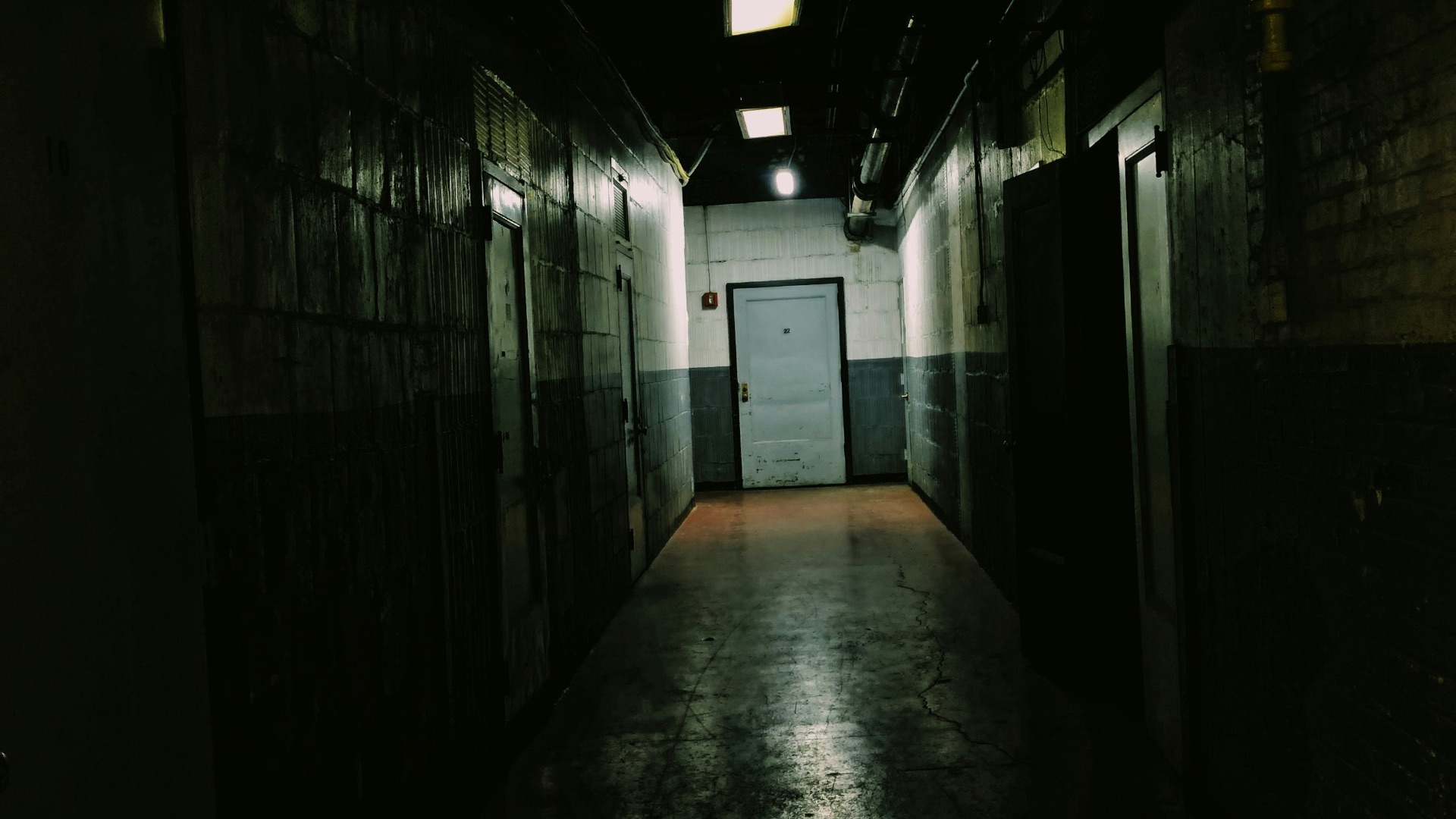
What made P.T. so memorable wasn't what happened, but the anticipation of what might happen next. There’s nothing worse than fearing what’s in the dark, and this nightmarish game gave you a thousand different things to fear. Suddenly, a radio broadcast, a bathroom door, and a horrifying, one-eyed Lisa were enough to make even experienced horror fans reluctant to keep walking the corridor.
Instead of relying on traditional gameplay objectives, Kojima forced players to examine their surroundings and experiment with seemingly insignificant details. Sometimes, progress required noticing something that had changed since the previous loop, while other puzzles demanded nothing more than patience. The lack of obvious instructions didn’t help the terror, either; you could spend an uncomfortable amount of time wondering whether you'd missed something important or were about to encounter another jump scare.
The teaser's cancellation only strengthened its reputation, especially because there was no official replacement waiting around the corner. Well, that, and there was nothing like it available. That is until SadSquare Studio's Visage, which received its full release in 2020, demonstrated that recreating P.T. required more than borrowing its recognizable setting.
Visage Understood What Made P.T. Terrifying
The similarities are obvious almost immediately, and it doesn’t much more than exploring the enormous suburban house in Visage to spot them. Like P.T., the game transforms an otherwise ordinary home into somewhere you desperately want out of, despite having no exit. Familiar rooms become threatening, doors behave unpredictably, and “harmless” noises encourage you to watch your back with every step.
However, Visage brought several mechanics that distinguish it from Kojima's comparatively short experience, including a sanity system affected by darkness. Staying near functioning lights helps preserve your character's stability, while candles, lighters, and even medication are valuable survival tools. Unfortunately, lights can break without warning, and next thing you know, you’re just as scared as your character.
The game's interconnected chapters also provide something P.T. never had the opportunity to explore: multiple disturbing stories within the same property. Lucy's chapter introduces unsettling childhood imagery and supernatural encounters, while Dolores's uses mirrors to transport you into weird environments. Rakan's chapter has its own charm as well, introducing hospital sequences and more direct threats. The bottom line? The horror isn't limited.
But perhaps Visage's greatest achievement is its ability to make you distrust the very spots you've already explored. You might return to a familiar bedroom only to discover something has moved. You could find that an ordinary passage leads somewhere completely unexpected. Much like P.T., the game makes careful observation essential, and forcing yourself to pay attention in a nightmare is a horror all its own.
Even Its Biggest Rival Couldn't Quite Match It
Now, Visage isn't the only game you should turn to if you desperately miss P.T. Bloodious Games' MADiSON, released in 2022, sticks you inside a disturbing house filled with mysteries and complicated puzzles, too. Its biggest gimmick involves using an instant camera to uncover hidden information, trigger events, and solve challenges that wouldn't be possible through your eyes alone.
Interestingly, fans are still torn about which one deserves the most praise. Some players frequently compliment MADiSON for its more approachable puzzles, while others argue that Visage creates a more oppressive atmosphere. Both deliver memorable scares, although MADiSON tends to favor more immediate shocks, whereas Visage often allows its unsettling environment to do the work.
That distinction matters. P.T. wasn't interested in making you comfortable or explaining how its mysteries worked. Visage follows a similarly unforgiving philosophy, even if its cumbersome inventory system and occasionally obscure puzzles make progressing more frustrating than anything else. There's certainly an argument that MADiSON offers the more polished experience, but that alone doesn't recreate the dread that made Kojima's teaser unforgettable.
Ultimately, neither perfectly captures everything that made P.T. such a phenomenon. Nevertheless, Visage comes closest to preserving the original's defining strength: the terrifying possibility that an ordinary house might change the moment you stop paying attention. For anyone who remembers hesitating before turning another corner in P.T., SadSquare Studio's nightmare remains one of the most convincing ways to recapture that horrific magic.