The Experiment Is Already Running
Every generation grows up with things the one before it could barely have imagined, but technology is now changing childhood in ways that go far beyond screens. New medical treatments are giving children opportunities that would have been impossible just a few years ago, while advances in artificial intelligence are changing how they learn and interact with the world. Some of these changes are already happening, and others are closer than most people realize. Here are 20 childhood experiences that technology could transform beyond recognition.
1. Being Bored
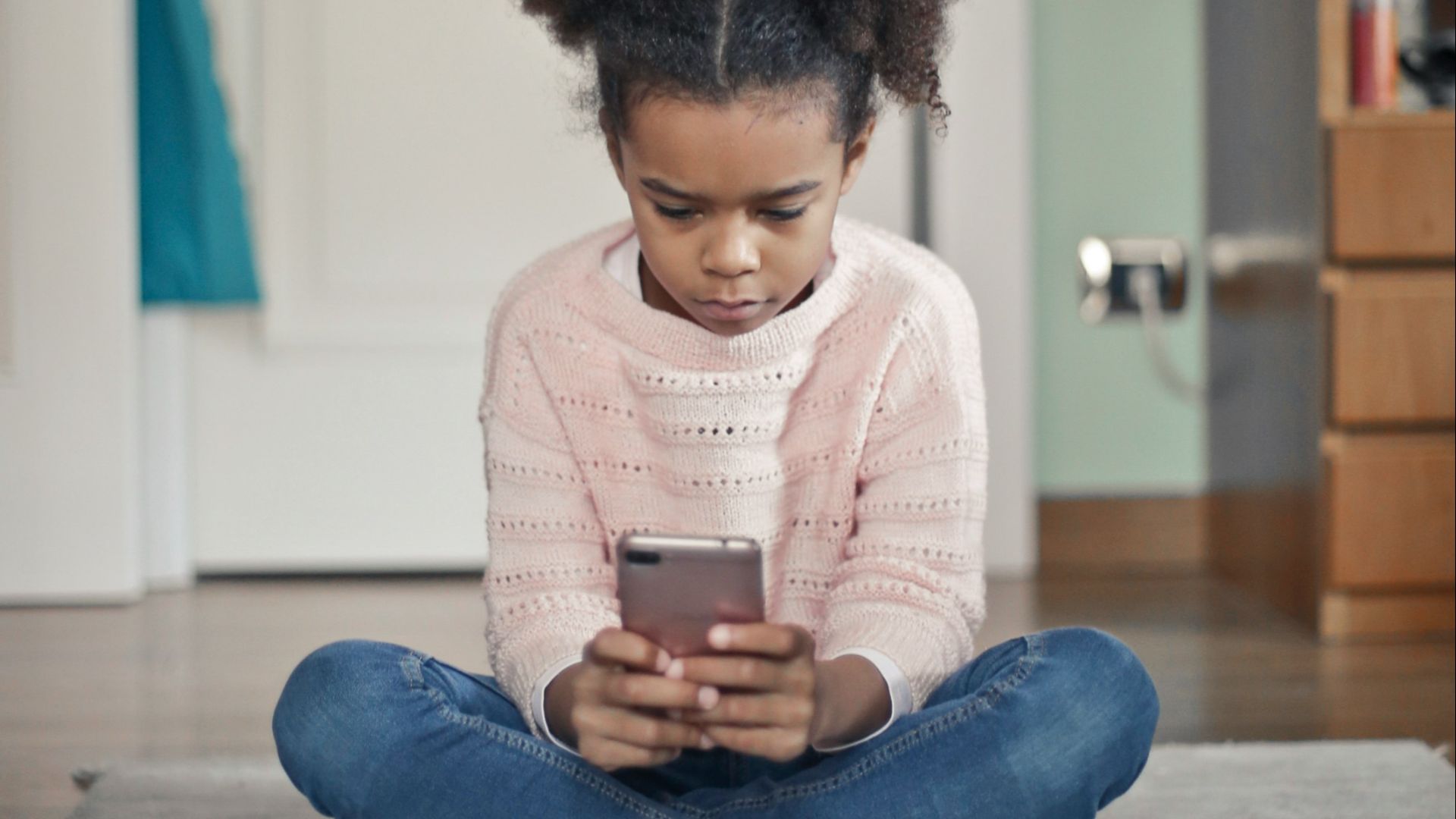
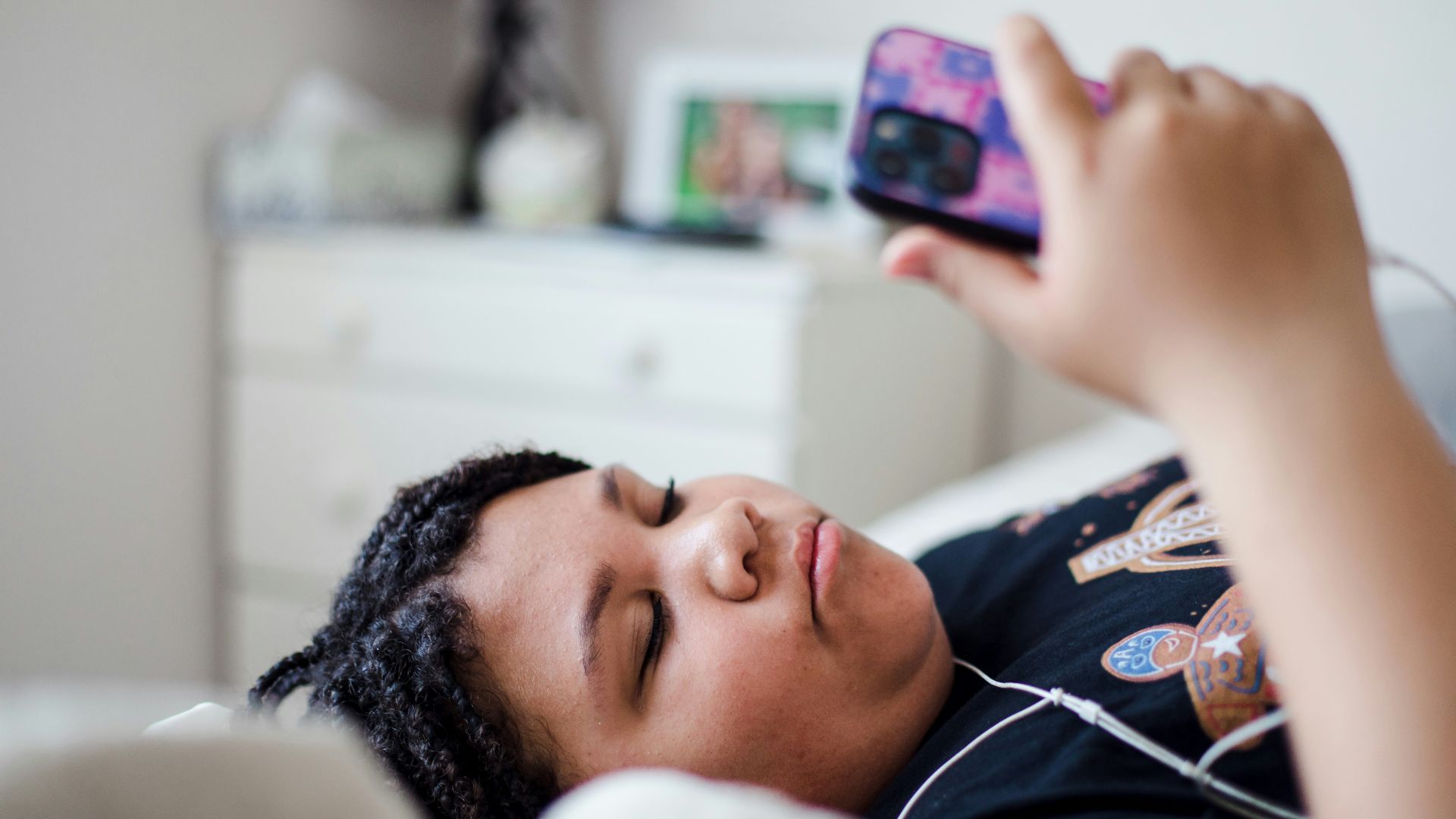
Boredom was the default state of a long afternoon, and it's the thing most reliably gone. A phone removes the pause between wanting something to happen and something happening. Research on what that does to creativity is thin and heavily contested, so nobody can tell you yet what the cost is. The empty afternoon has already stopped being standard.
 Chidera Faustina Okeke on Unsplash
2. Learning To Drive
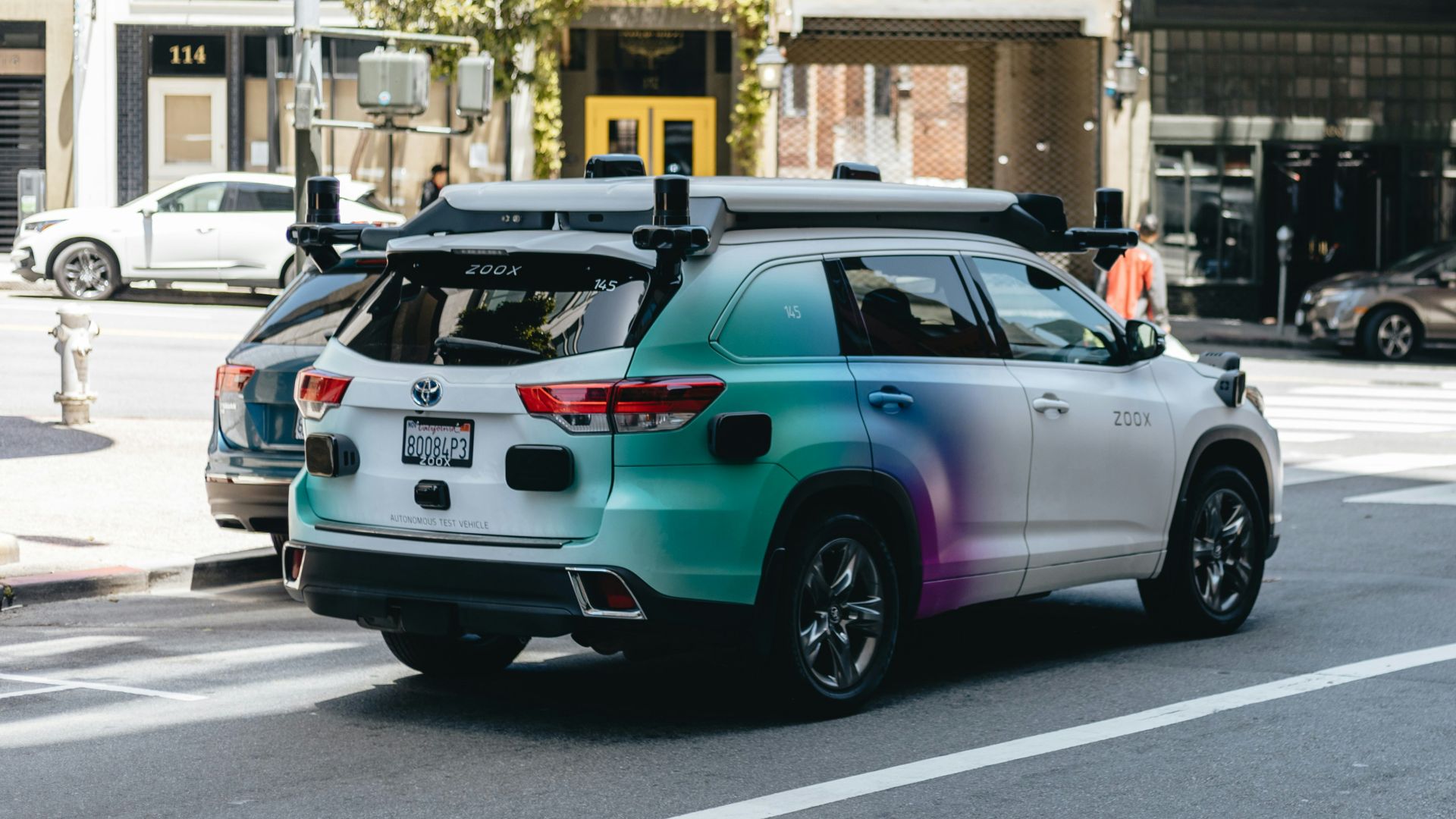
Getting a driver's licence has long been a major milestone for teenagers, bringing the freedom to go places without asking their parents for a ride. But driverless taxis are starting to change that. In some American cities, young people can already use them to visit friends or get around town without anyone behind the wheel. Learning to drive might still matter, but it may no longer be the ticket to independence it once was.
3. Homework
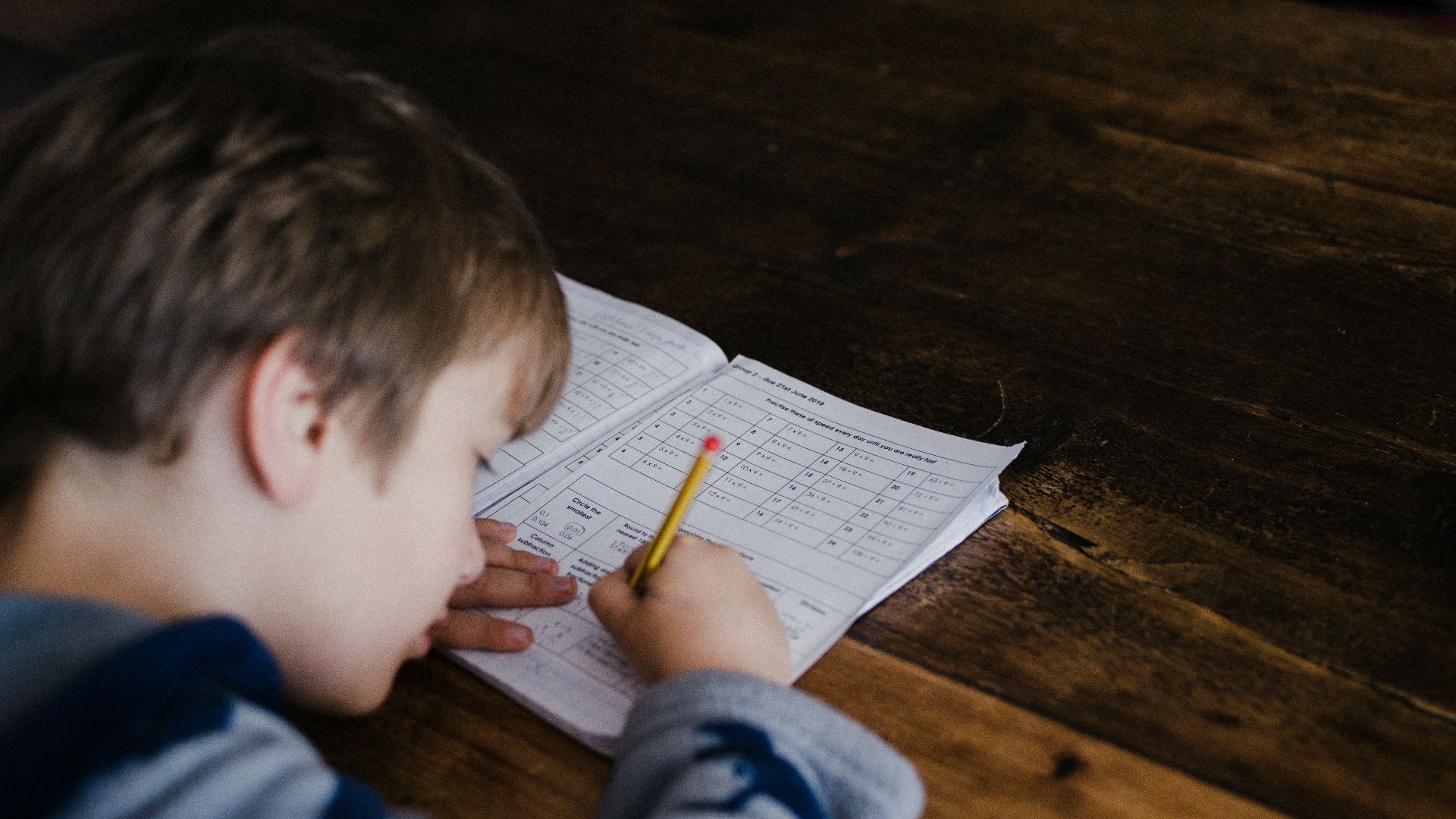
Any written assignment that can be done at a kitchen table can be done by a chatbot in about a minute. Schools have swung between banning the tools and teaching with them, and nobody has settled it. A lot of teachers have responded by moving assessment back into the room where they can watch it happen.
4. Walking Anywhere On Your Own
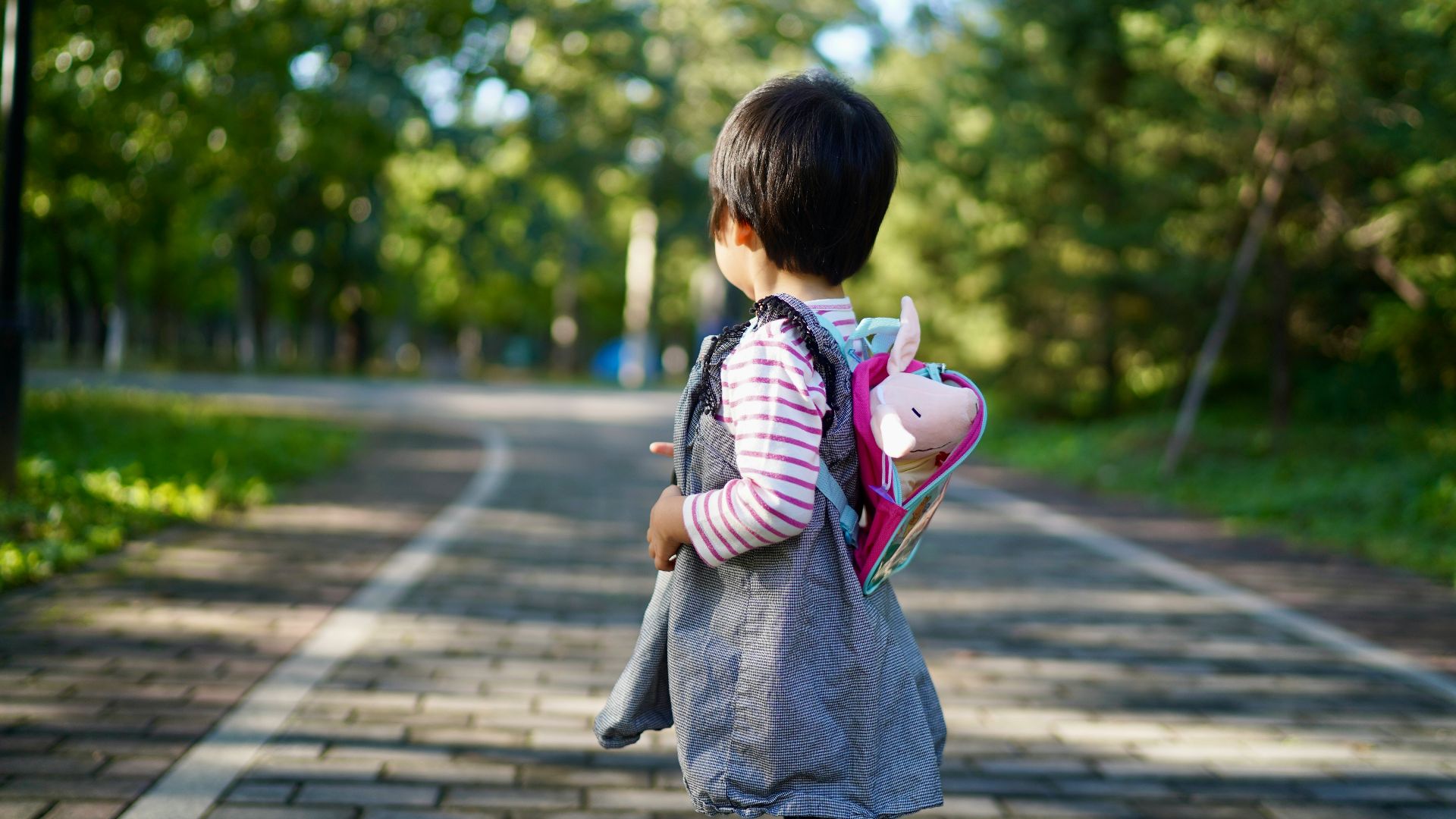
A child's first trip to the shop alone used to mean trusting them to get there and back safely without knowing exactly where they were. Now, smartwatches let parents follow their location in real time, while tracking tags tucked into schoolbags offer extra reassurance. Children still get a taste of independence, but parents no longer have to wonder where they are.
5. Having Type 1 Diabetes
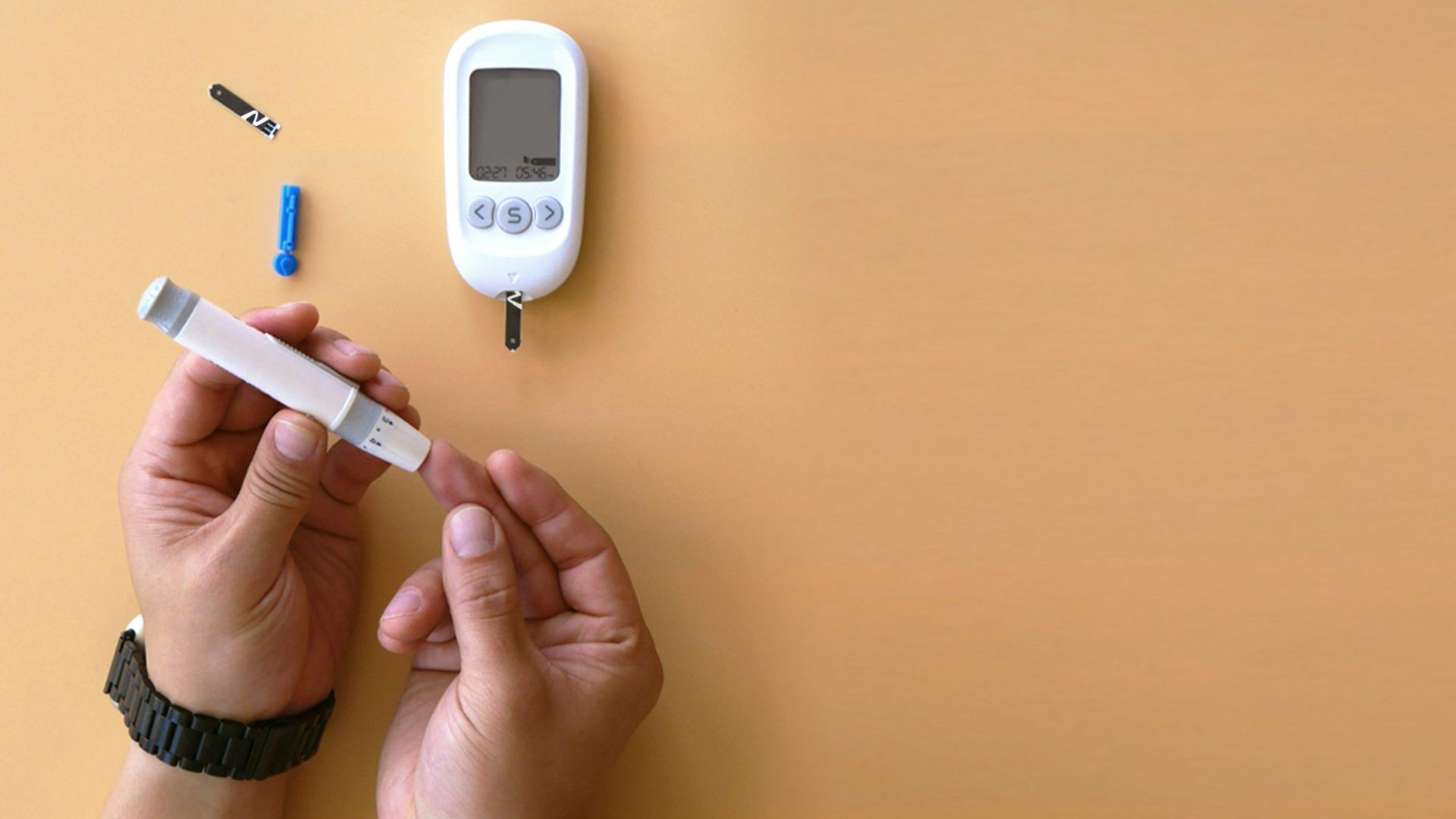
Managing a diabetic child meant finger pricks through the night and arithmetic at every meal. Closed-loop systems pair a continuous glucose monitor with a pump that adjusts insulin by itself, and they're approved and in routine paediatric use. Parents can follow the numbers on a phone from another building. The condition hasn't gone anywhere, though what it does to a child's day is unrecognisable from twenty years ago.
6. Human Teachers
One-on-one tutoring can make a huge difference, but most families can't afford it. In Nigeria, a six-week after-school program gave students access to an AI chatbot with teachers supervising. World Bank researchers reported improvements comparable to nearly two years of typical learning, with girls making particularly strong gains.

7. Getting Lost
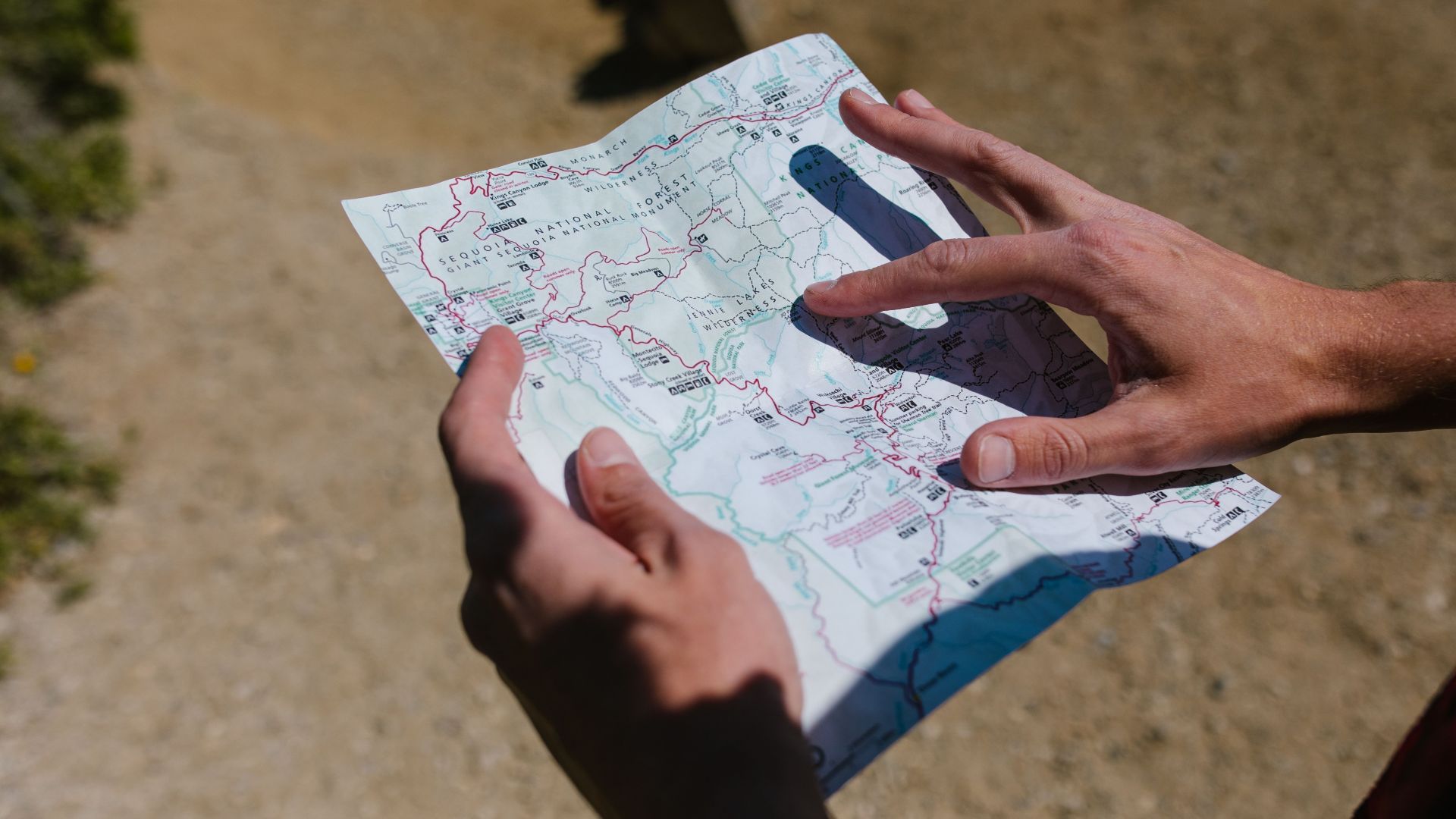
Being lost is something you now have to arrange deliberately. Research on London taxi drivers who'd memorised the city found measurable differences in the hippocampus. Whether it generalises to a generation with satnav in their pocket is unknown. Children raised on turn-by-turn directions aren't building that map of their own town, and nobody practises asking a stranger for directions either.
8. Pocket Money In Cash
Pocket money used to mean a handful of coins that children could count, save, or spend at the corner shop. Now, many parents transfer allowances straight to prepaid cards, with apps that let them set spending limits and see where the money goes. It's convenient, but it also means children are growing up without much experience handling cash. The familiar lesson of watching your last few coins disappear is becoming a thing of the past.

9. Handwriting
Cursive dropped out of the American common standards and has been reinstated by individual states piecemeal, so whether a child learns it depends on where they live. Print handwriting is holding on better, though the sheer volume of it falls every year that assessment moves onto screens. Reading a grandparent's handwriting is already a problem for plenty of teenagers.

10. The Imaginary Friend
Children have always invented companions, and the invention is being outsourced. A chatbot companion answers back, remembers what you told it last week and never tires of the game. Age controls and crisis routing were added to several of these products only after harm had been reported.
11. Learning A Foreign Language
Apple and Samsung have both built live translation into ordinary earbuds, and Google got there first. It lags by a few seconds and degrades badly in a noisy room. The demonstrations tend to leave that part out. A child who grows up assuming the earbuds will cope has a weaker reason to sit through years of grammar.
12. Telling The Time On A Clock Face
Schools in the UK reported swapping the analogue clocks in exam halls for digital ones, because pupils were struggling to read the old sort under pressure. A clock face is an arbitrary interface, learned by generations for want of an alternative. Phones and watches removed the reason to bother. It survives mainly as something adults test children on.
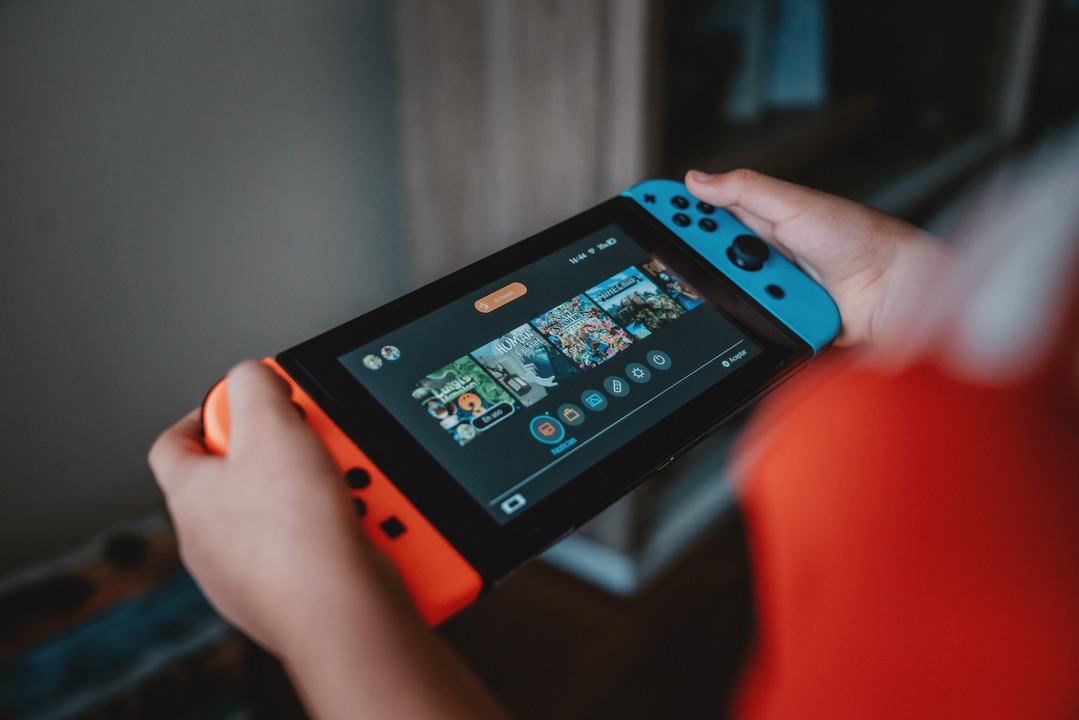
 Marian Florinel Condruz on Pexels
13. Family Photographs
Phone cameras composite a single image out of several frames, and Google's Best Take will lift a face from one shot into another so that nobody is blinking. The photograph is then of a moment that didn't happen. Nobody objects, because the alternative is a picture where your sister has her eyes shut. The feature ships switched on, so most people doing it never decided to.

14. The Sick Day Off School
The day off with a temperature meant a sofa and nothing much expected of you. The remote learning infrastructure built in 2020 never got dismantled, so plenty of schools can now put a mildly ill child into a lesson from bed. Schools that count a logged-in pupil as present have an obvious reason to offer it. The properly unwell still get left alone, though the threshold has moved.
15. Making Friends Who Live Nearby
Proximity decided your friendships, because it decided who you could reach. A ten-year-old's closest friendships can now be with people on three continents, maintained inside a game. The local gang on bikes hasn't gone. It's competing with something more reliably available, and parents have far less sight of who their children are talking to than they did a generation ago.

16. Learning An Instrument
The weekly half hour with a teacher who could hear what you were doing wrong was the only way in for about a century. Apps now listen through a phone microphone and correct your fingering as you play, for a fraction of what a teacher costs. YouTube covers the rest, badly and for nothing. No app has yet replicated the adult who could tell you hadn’t practised.
17. Doing Chores
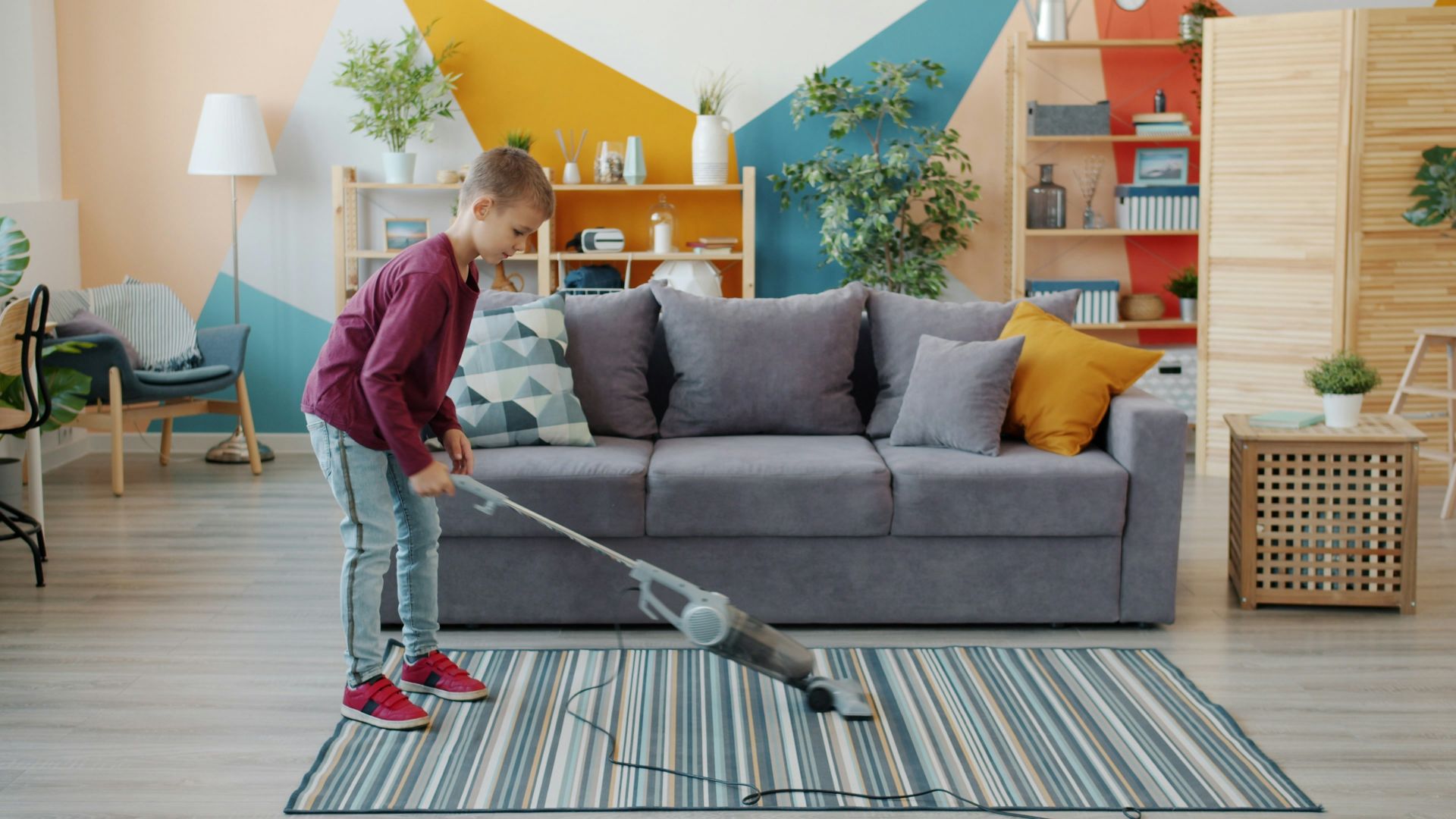
Taking the bins out was standard childhood labour, allocated on a rota nobody had agreed to. Robot vacuums handle the floors and the weekly shop gets delivered. The jobs left over are mostly tidying your own things, which nobody can really call a contribution. Parents still complain about having to ask twice.
18. The Report Card
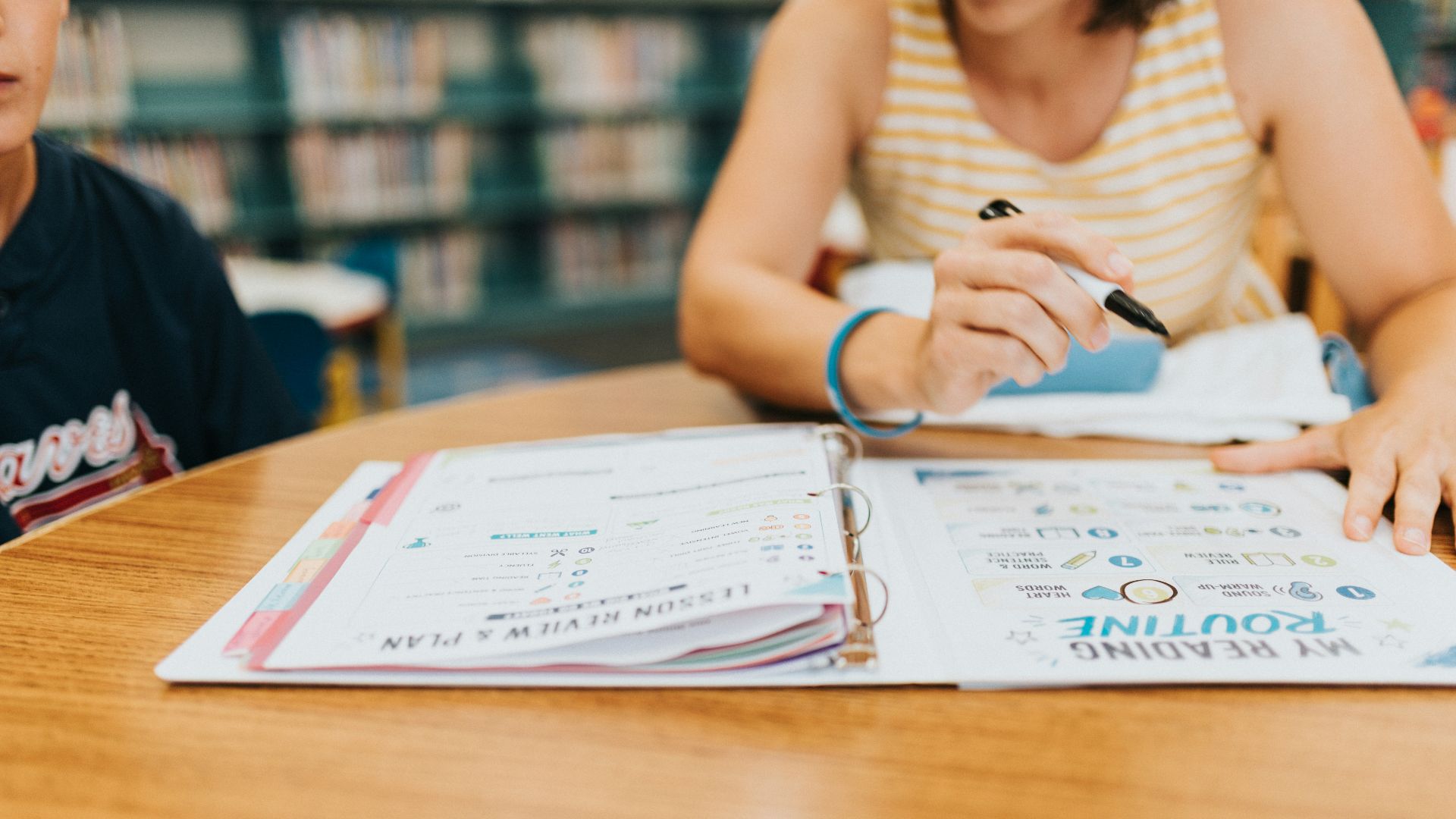
The end-of-term envelope was a single reckoning with a few weeks of deniability built in. Parent portals publish marks as they're entered, so a bad test is known at home before the child walks through the door. The conversation that happened three times a year now happens whenever a teacher updates a spreadsheet.
19. Calling A Friend’s House
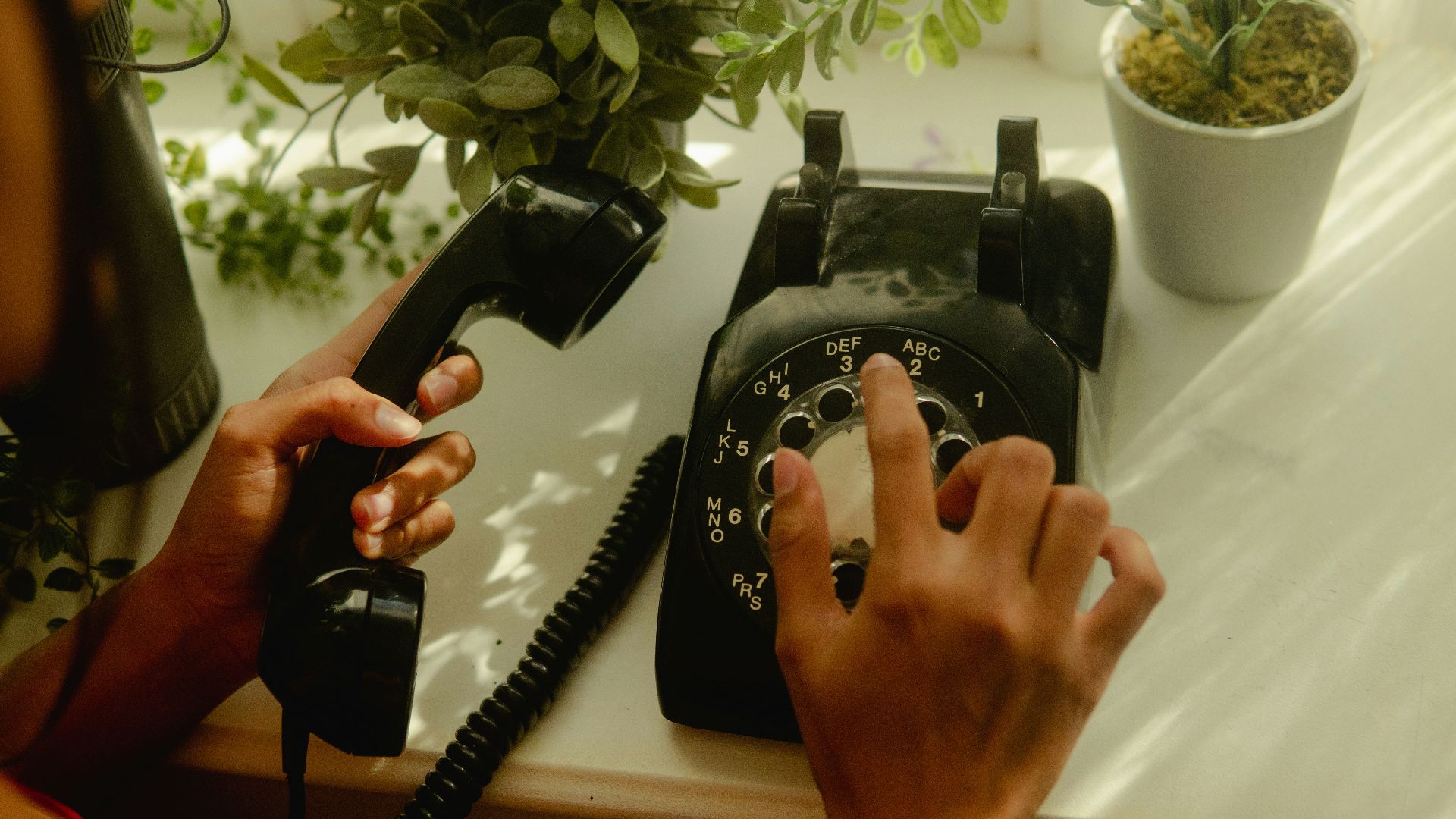
Reaching a friend meant dialling a landline and getting whoever picked up, usually their mother. You learned to introduce yourself to an adult and ask for someone by name, under mild duress. Children message each other directly now and the parent never features at all. An unexpected phone call is something a fair number of teenagers will actively avoid.
20. Getting Your First Phone
Australia's under-16 social media ban took effect on 10 December 2025, covering Instagram, TikTok and the other major platforms. Companies have to verify age through selfies or ID uploads, with fines reaching A$49.5 million for getting it wrong. Several other governments are watching how it goes. The unsupervised phone handed over at eleven is on its way out either way.