
Supervision Stopped Having A Headcount
Supervision used to depend on how many adults were around. Phones and tracking technology changed that, making it possible to keep an eye on children even when they're miles away. Childhood has gradually become more monitored. Parents bought devices for peace of mind, and schools introduced rules to avoid liability. Each change seemed reasonable on its own. Together, they've made it harder for children to do ordinary things without someone checking in. Here are 20 things the next generation may never do entirely on their own.

1. Sign Up For Anything
Ofcom began enforcing the Online Safety Act's age checks in July 2025, ending the era of ticking a box to confirm your age. The intent is reasonable enough, since the old system verified nothing. A child's face or a parent's card is now the key to the internet, and each use leaves a record.
2. Search For Something Embarrassing
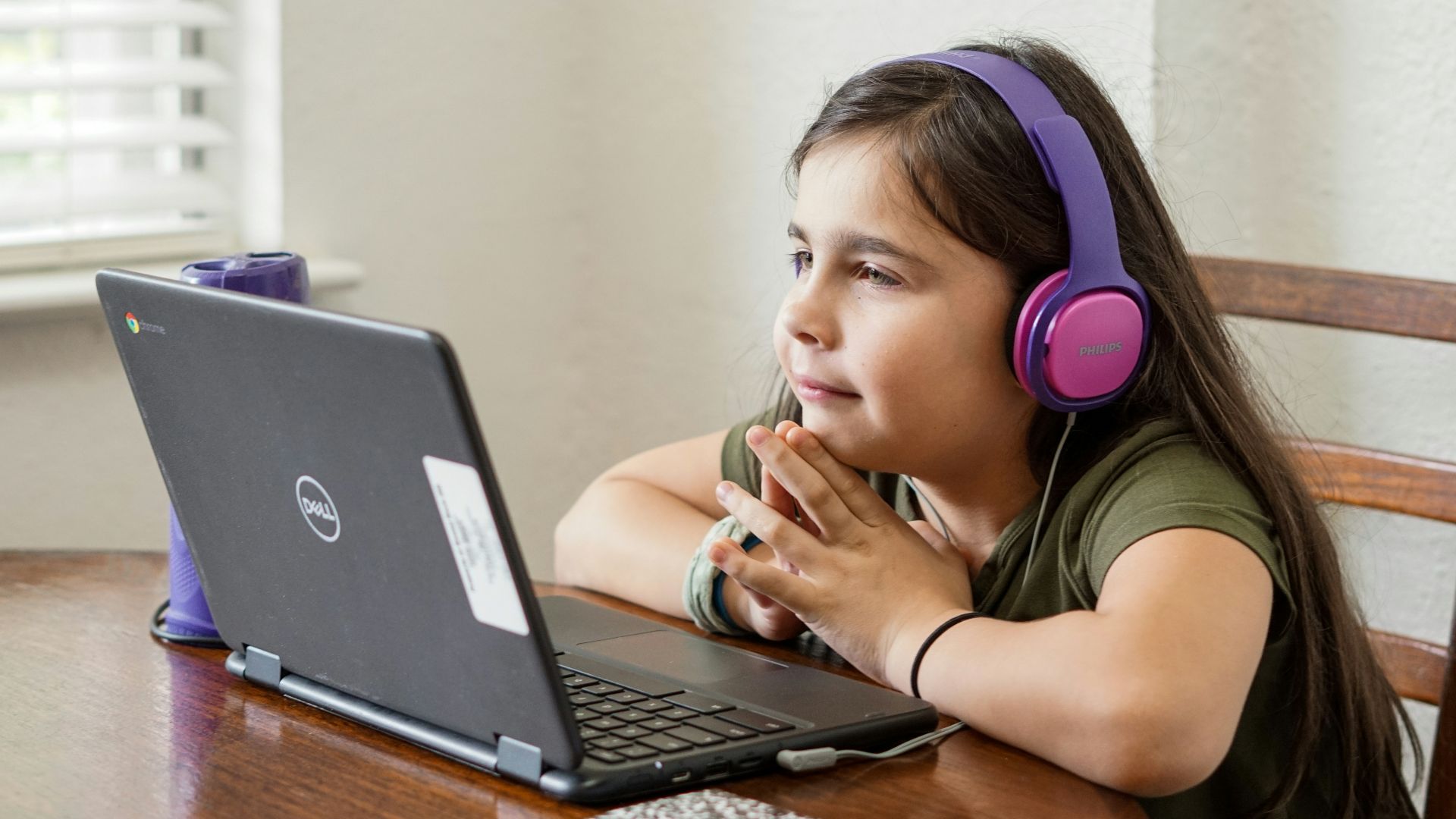
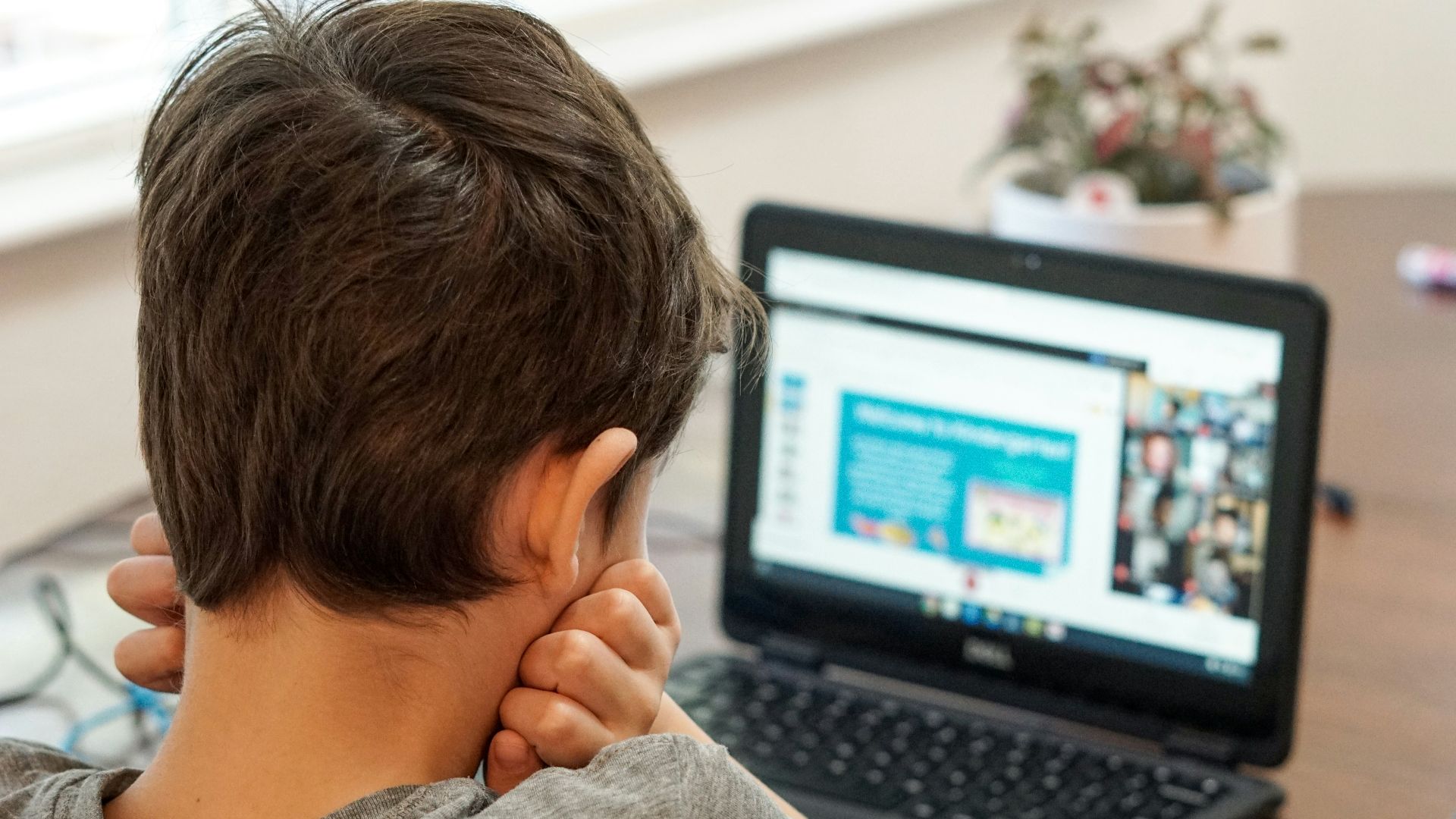
Monitoring software on American school laptops reads searches and writing all day, on the reasoning that warning signs often appear in what a student types first. That sometimes works. An Associated Press investigation found a student who had stopped looking up health questions, expecting to be called to the office about them.
3. Write A Story With A Dark Bit In It
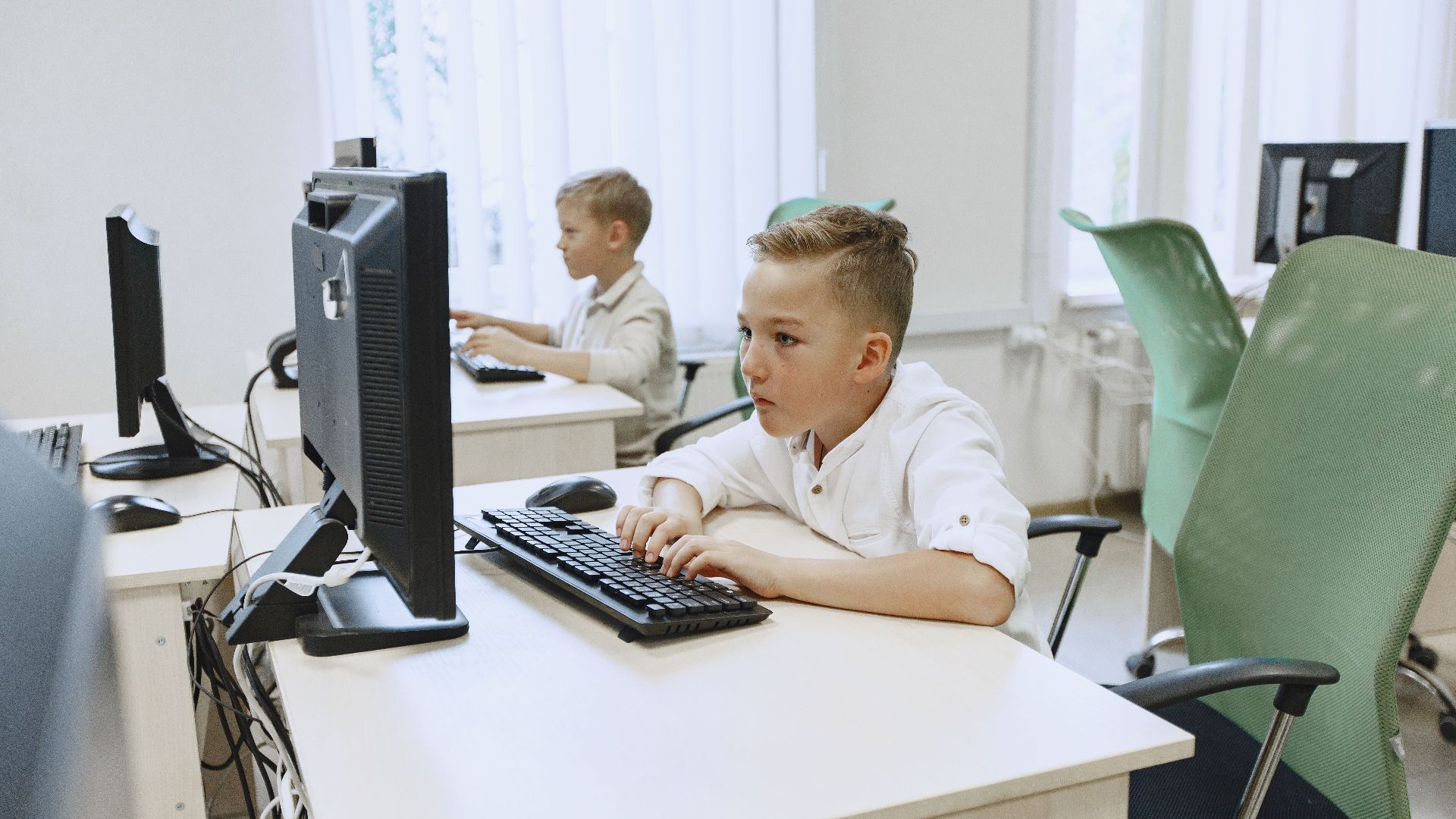
The same systems scan written work for signs of bullying or self-harm and pass screenshots to reviewers. Flagging fiction is a known weakness, and reporters found alerts set off by a short story with mildly violent imagery. A RAND review in 2023 found scant evidence either way on whether the tools reduce harm.

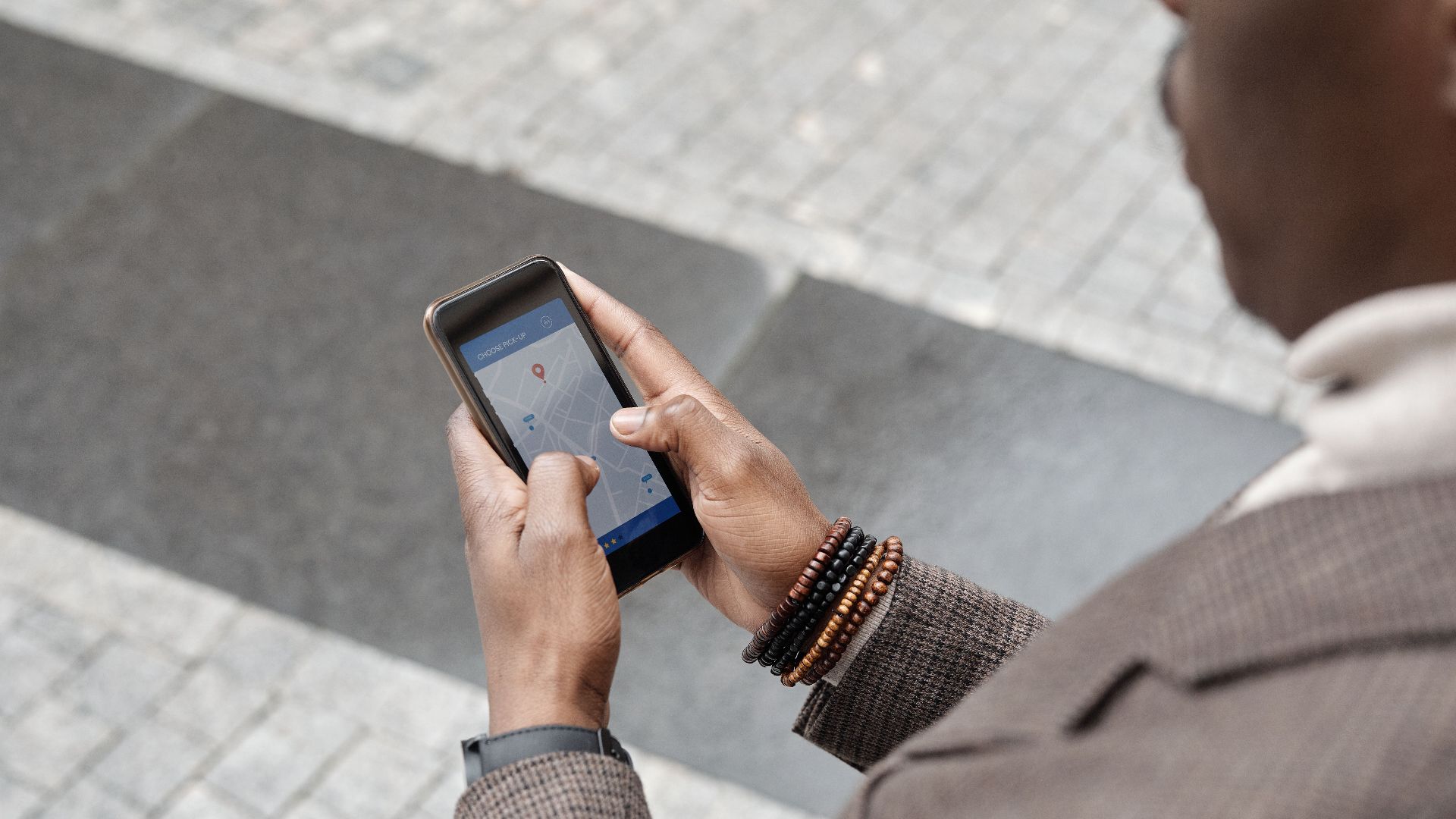
4. Keep Their Location To Themselves
Life360 passed 50 million monthly users in 2023 and estimates one in nine American families uses it. Its geofencing feature automatically tells parents when their children arrive or leave somewhere. The CEO calls that giving teenagers independence, despite the fact that they're still being tracked wherever they go.
5. Swim Without A Camera Watching
Lynxight uses pool cameras to detect possible drownings and alert lifeguards through their smartwatches. Operating in nine countries, it addresses a real danger, since drowning is often silent and easy to miss. But the same system also counts swimmers, tracks where they gather and records every alert.

6. Sit An Exam Unobserved
Remote proctoring software watches students through webcams and flags suspicious behavior, sometimes including simply looking away to think. It became common during the pandemic and remains in use for online exams. Students can now take tests from home, but even an empty room doesn't mean they're unobserved.
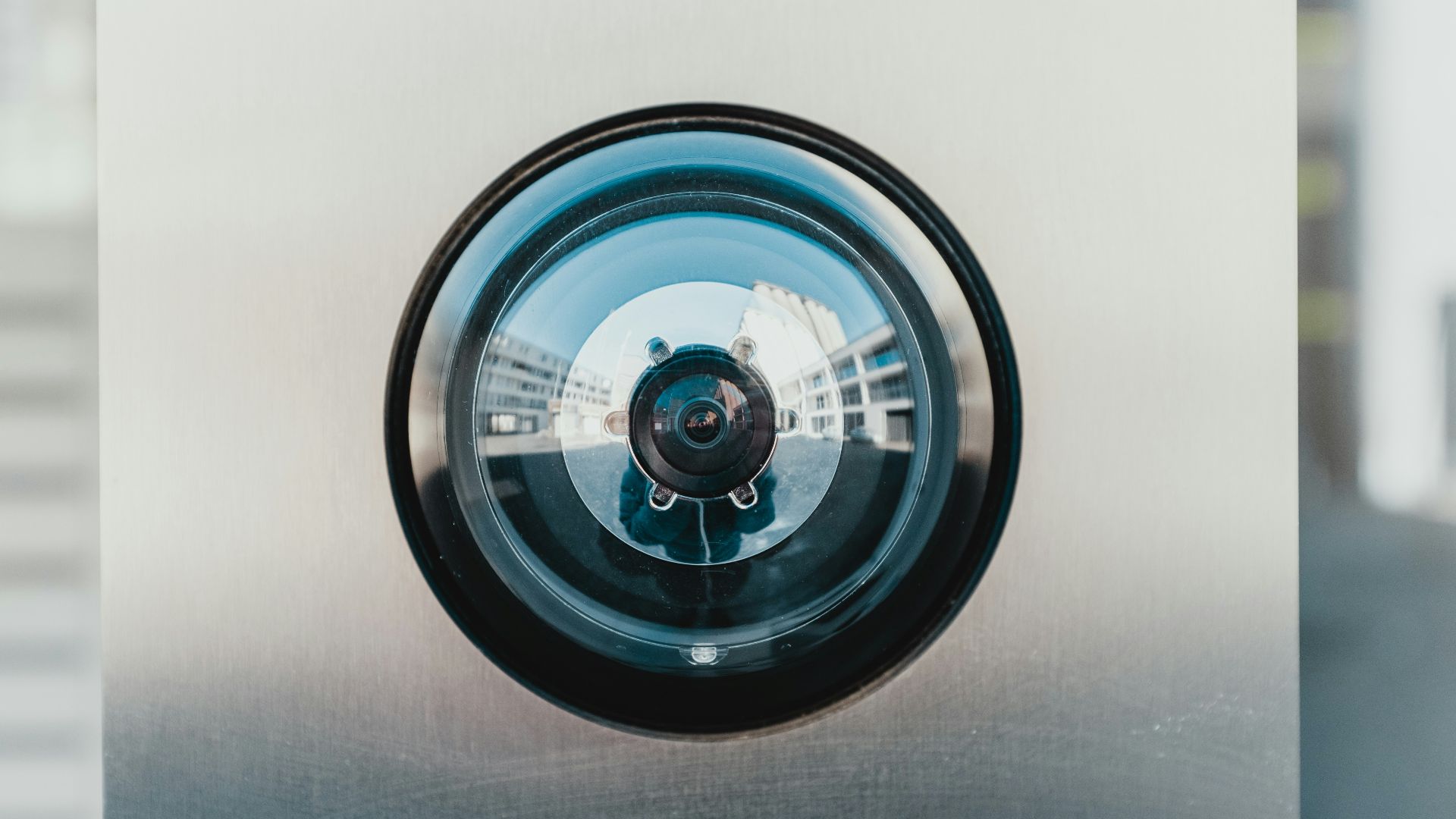
7. Answer The Front Door
Video doorbells let parents see who's at the door and decide whether to answer, even when they're away. Children once had to judge whether it was safe to open the door themselves. Now that decision often comes through a parent's phone, leaving them fewer chances to make the call on their own.
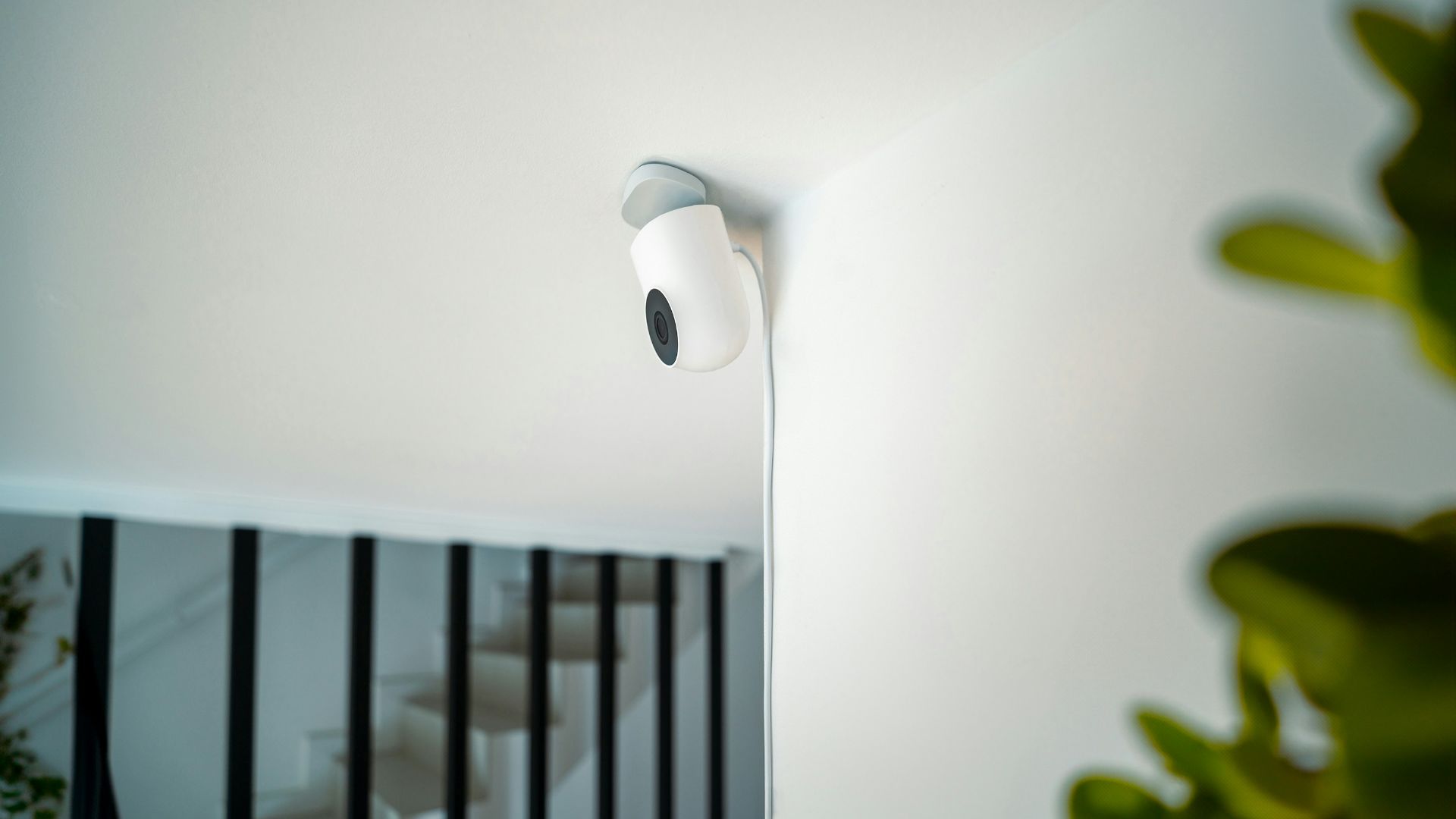
8. Be Home Alone Without A Camera In The Room
Indoor cameras were originally marketed for security and watching pets, but many now monitor living rooms. Being home alone once meant proving you could manage without an adult checking in. Cameras remove much of that independence. Children still learn to follow the rules, but get fewer chances to show they can be trusted without supervision.
9. Get Into A Stadium
Facial recognition is spreading through stadiums because it can move crowds through gates faster than ticket scanners. The convenience is real, especially when queues stretch into the rain. A child attending a match may now have their face checked against a stored image, leaving a digital record of what used to be an ordinary outing.

10. Learn To Drive Without Being Scored
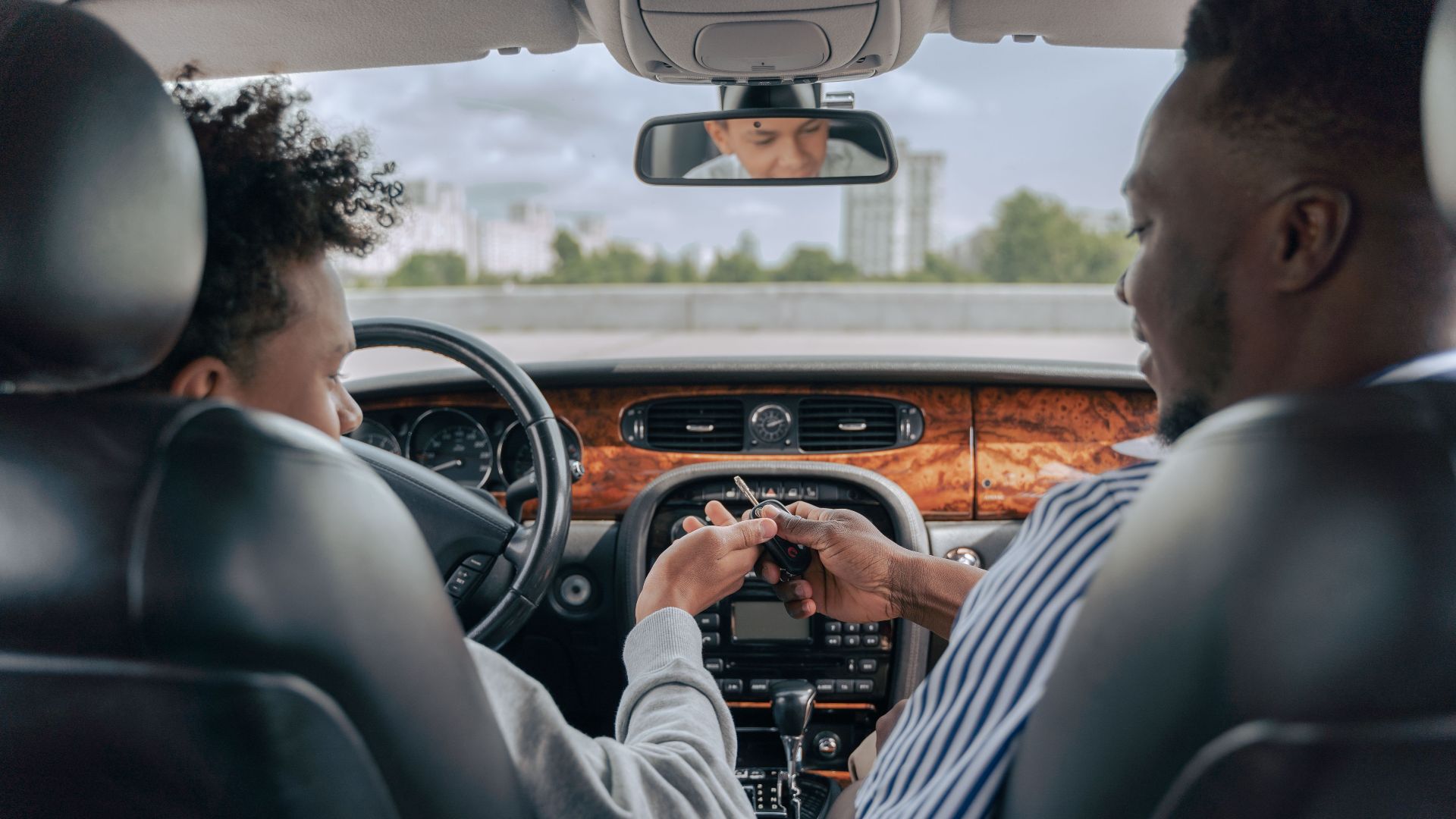
Telematics apps track braking and phone use, with some insurers using that data to set premiums for young drivers. The discounts can make opting out expensive. Learning to drive once meant making mistakes for a few months without every one of them affecting your insurance.
11. Pass Through An Airport
Biometric boarding increasingly replaces document checks with facial scans, sometimes including children. Unaccompanied minors already travel under close supervision, but facial recognition adds another layer of tracking. Opting out may be possible, though the process isn't always straightforward.

12. See A Doctor In Confidence
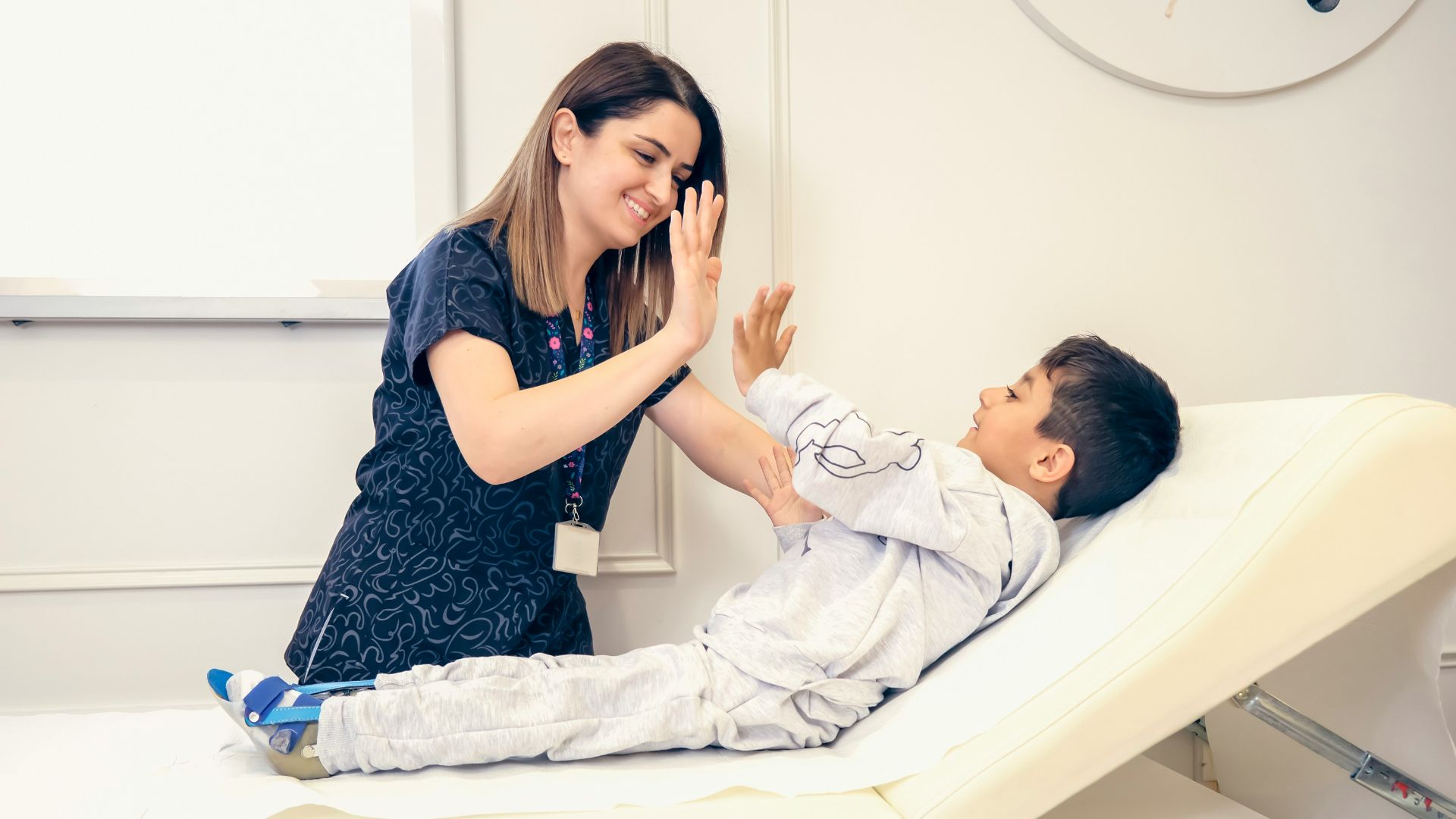
Patient portals often give parents access to medical records, even as teenagers begin wanting private conversations with doctors. Healthcare providers have introduced privacy controls, but they vary widely. Some teenagers simply assume everything they say will reach home and hold back.
 Ortopediatri Çocuk Ortopedi Akademisi on Unsplash
13. Have An Unlogged Conversation On A School Laptop
Gaggle monitors around six million students, while GoGuardian reports reaching roughly 27 million. These systems can identify students needing help, but they also collect sensitive information. One Washington district released nearly 3,500 documents containing unredacted student information in response to a records request.
14. Sleep Without It Being Measured
Sleep-tracking wearables turn every night into data that parents can review. Since teenagers often get too little sleep, the information can be useful. But it also means a late bedtime becomes something to explain the next morning, complete with a chart.

15. Choose What To Watch
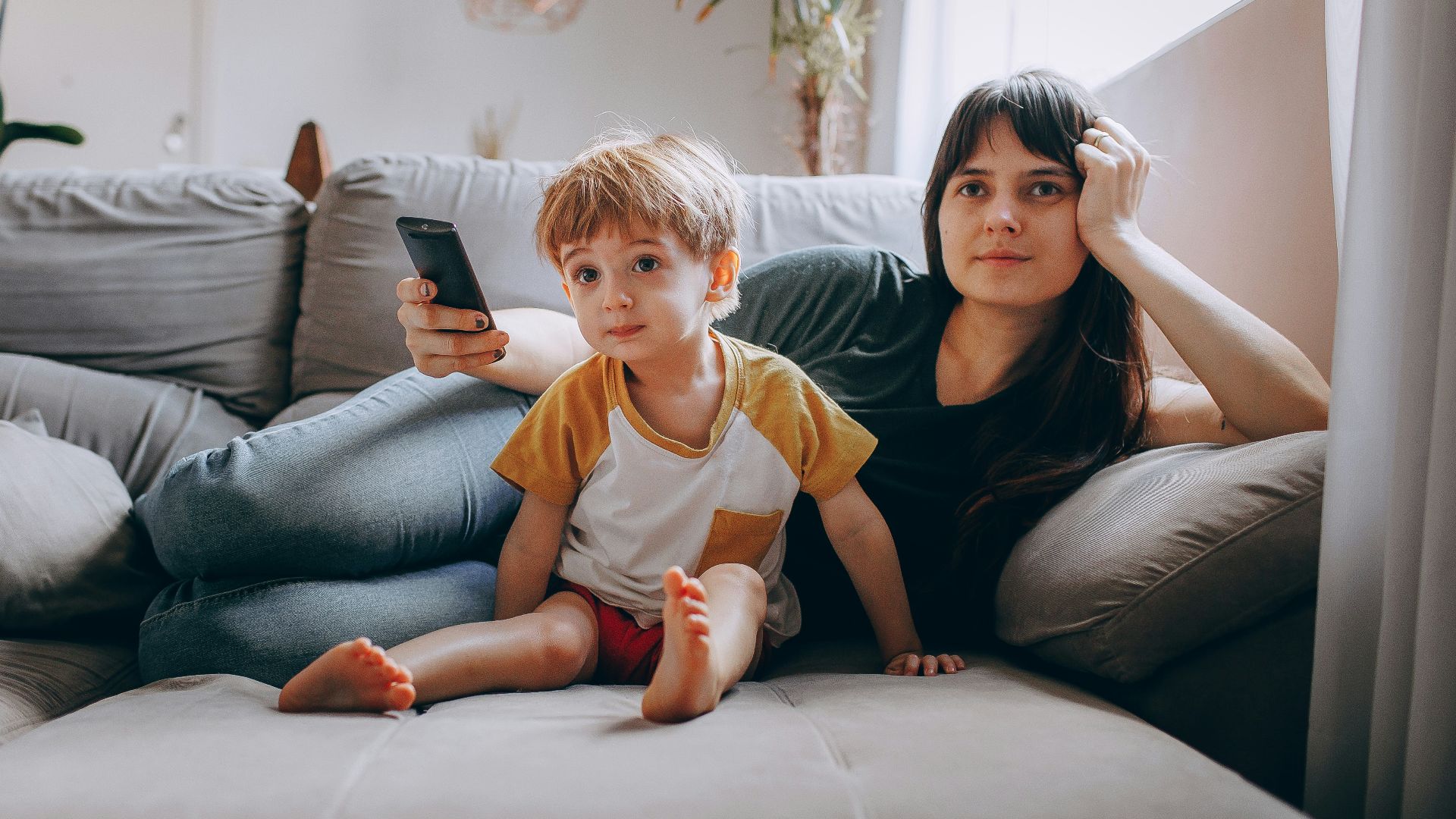
Children's streaming profiles filter out age-inappropriate content, something most parents appreciate. But recommendation algorithms also decide what appears next, narrowing the choices without anyone noticing. Discovering an unexpected film or show becomes less likely when everything is selected for you.
16. Walk Into A Shop Unrecognized
Some retailers use facial recognition to identify suspected shoplifters, and children can be scanned alongside adults. The technology is often less accurate with younger faces, making mistaken identification a concern. Shoppers may not even realize the cameras are doing more than recording.

17. Cross A Road Without A Car Noticing
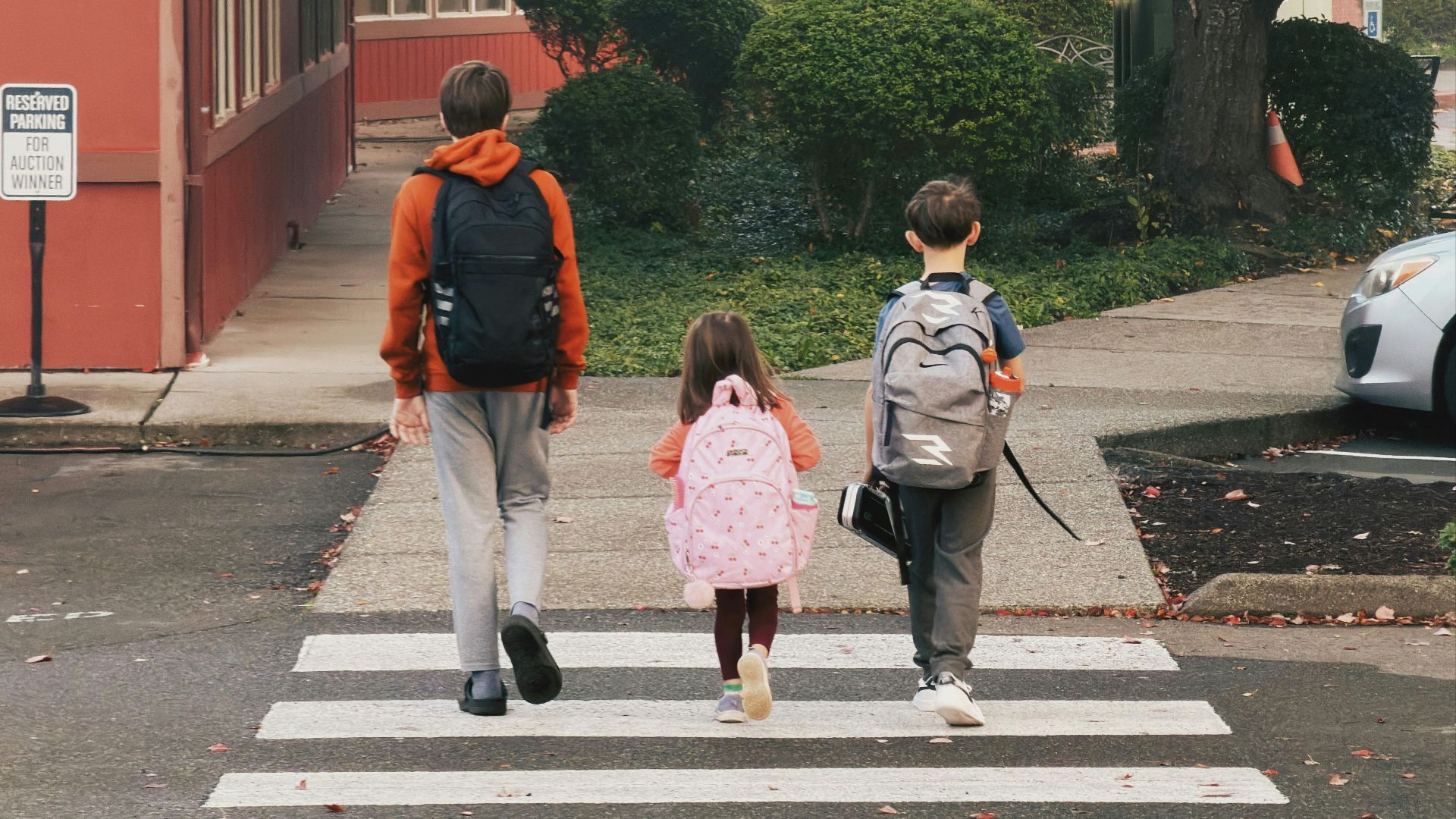
Many newer cars can detect pedestrians and brake automatically, offering valuable protection for children crossing roads. But older vehicles lack those systems, and the technology isn't foolproof. Learning to judge approaching traffic remains essential, even when cars are getting better at watching for people.
18. Use A School Bathroom
Schools increasingly install vape detectors in bathrooms, sometimes alongside digital hall passes that record who left class and when. The sensors address a genuine problem, but the combined systems can also help identify who was nearby. Even a bathroom visit can leave a digital record.

19. Make A Mistake That Fades
Digital monitoring creates records that can outlast the childhood mistakes behind them. A suspicious search at thirteen might remain stored years later, depending on the system's retention rules. Most families have little idea how long that information stays on file.

20. Take A Photo That Stays Private
Phone photo apps can recognize faces and automatically back up pictures to cloud accounts managed by parents. An image might be uploaded before a child has even decided whether to keep it. Settings can prevent this, but they're easy to overlook.