Can You Believe Everything You See?
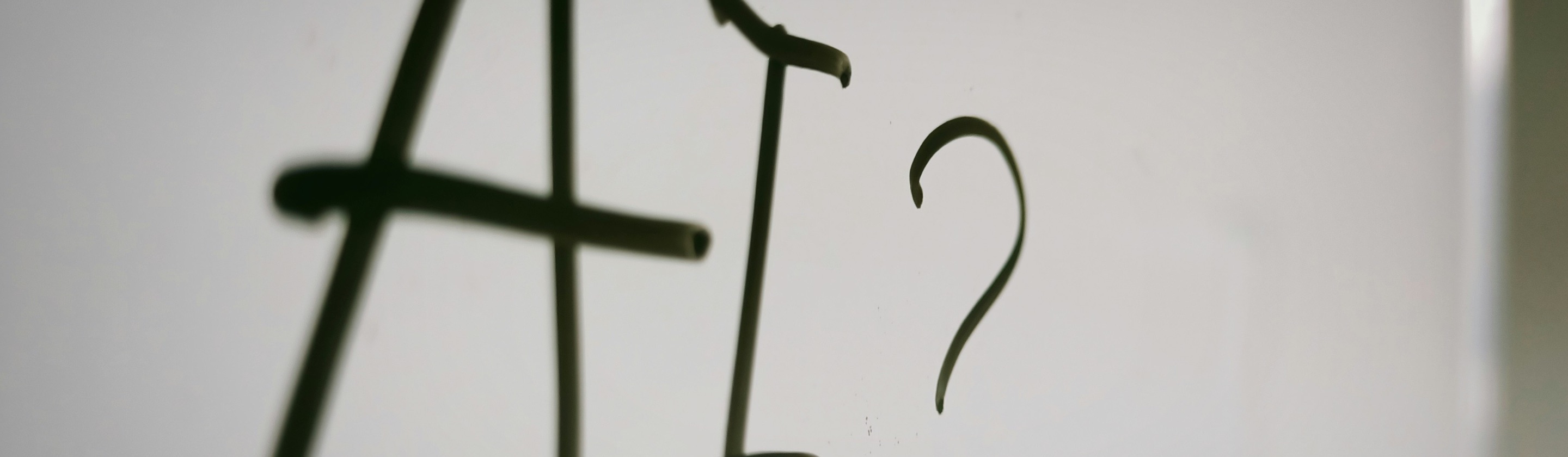
Twenty years ago, you could only dream of the kind of reality we live in today. And while the rise of AI has certainly made life easier in some ways, such as automating tedious tasks, it's also introduced a lot of not-so-great parts. Now, you'd have to triple-check a source, learn AI tells in writing, and scrutinize photos and artworks with a keen eye. After all, you can never know if what you're seeing is actually real anymore—other than, of course, the obvious glitches.
 Stable Diffusion prompted by Mikko Paananen on Wikimedia
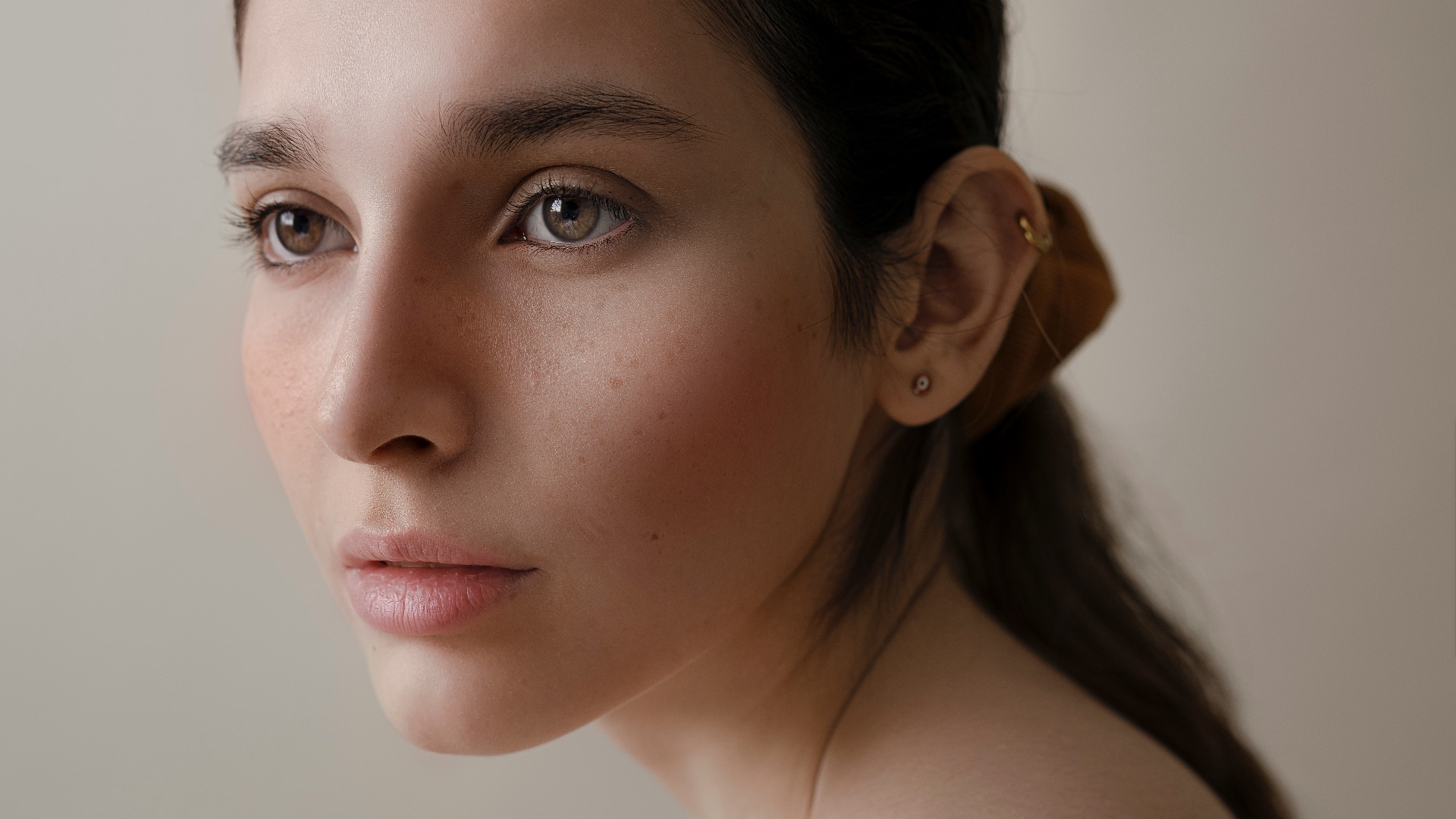
1. Photos of People Who Don't Exist
That attractive model you just followed on Instagram? They might not be real. Yep, you read that right—they could've been simply generated by AI. In fact, unless you know how to tell apart generated photos from pictures of real skin, you can easily be deceived. It doesn't help that AI will only get better as it learns.
2. Someone's Voice
You've probably already heard of those scams where people have received phone calls that sounded eerily like someone they knew. Heck, the familiar voice might even come with very, very convincing photos and videos! Unfortunately, voice-cloning technology can imitate a person's accent and cadence extremely well, just by using a small sample of their recorded voice.
3. Videos of People Saying Things They Never Said
Ever come across a video of a political figure saying something totally out of character? Well, you should listen to your gut: they probably didn't. AI-generated deepfake videos, just like photos, can be done extremely realistically, and without further research, you might be easily deceived.
4. Handwritten Notes
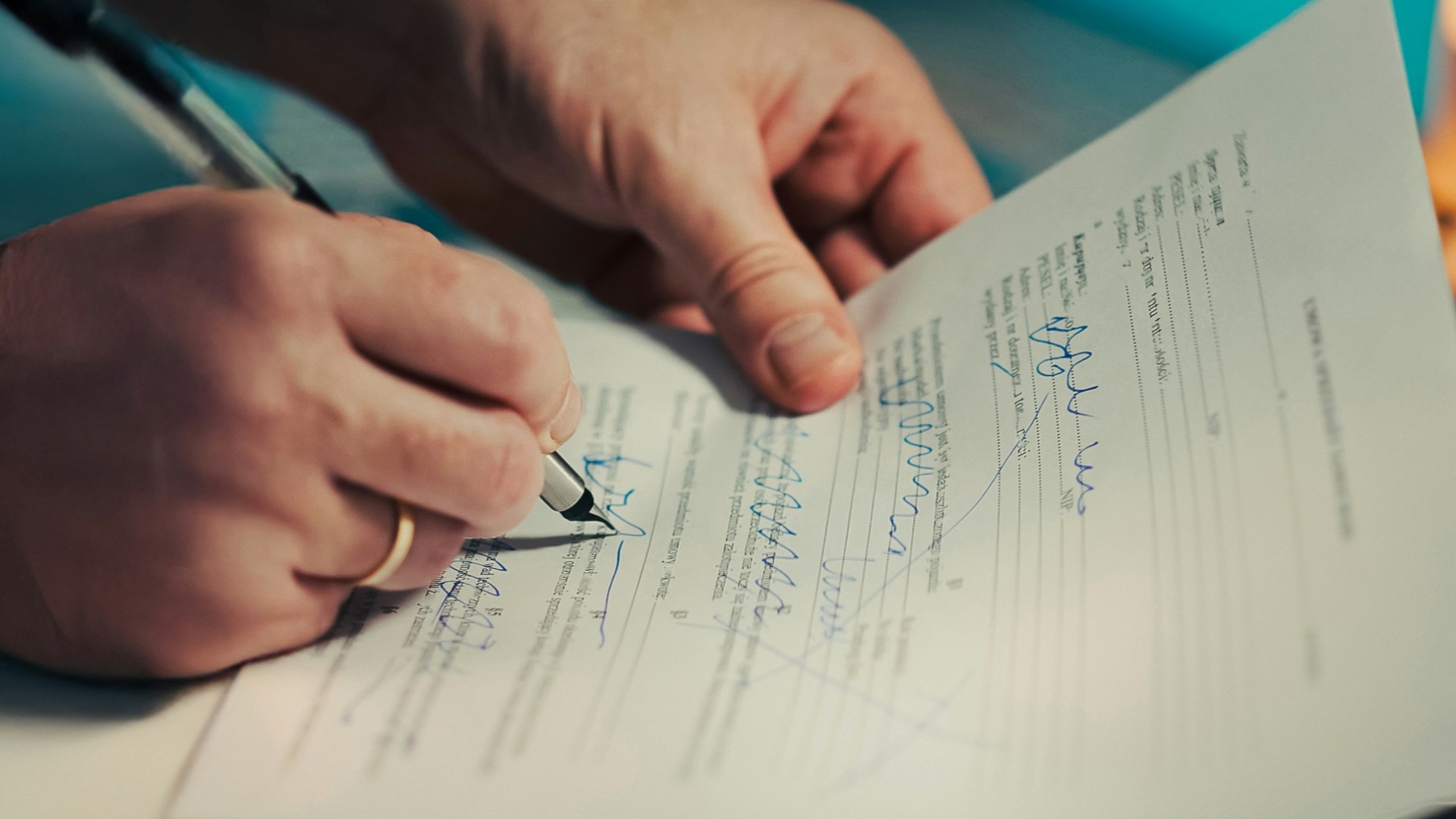
Remember when someone could guarantee their authenticity by handwriting their username on a piece of paper? Now, you can just get AI-assisted image generators to fake one. What's more, AI can even create realistic letters, complete with the same quirks of the person it's supposed to mimic! Talk about creepy.
5. Entire Songs
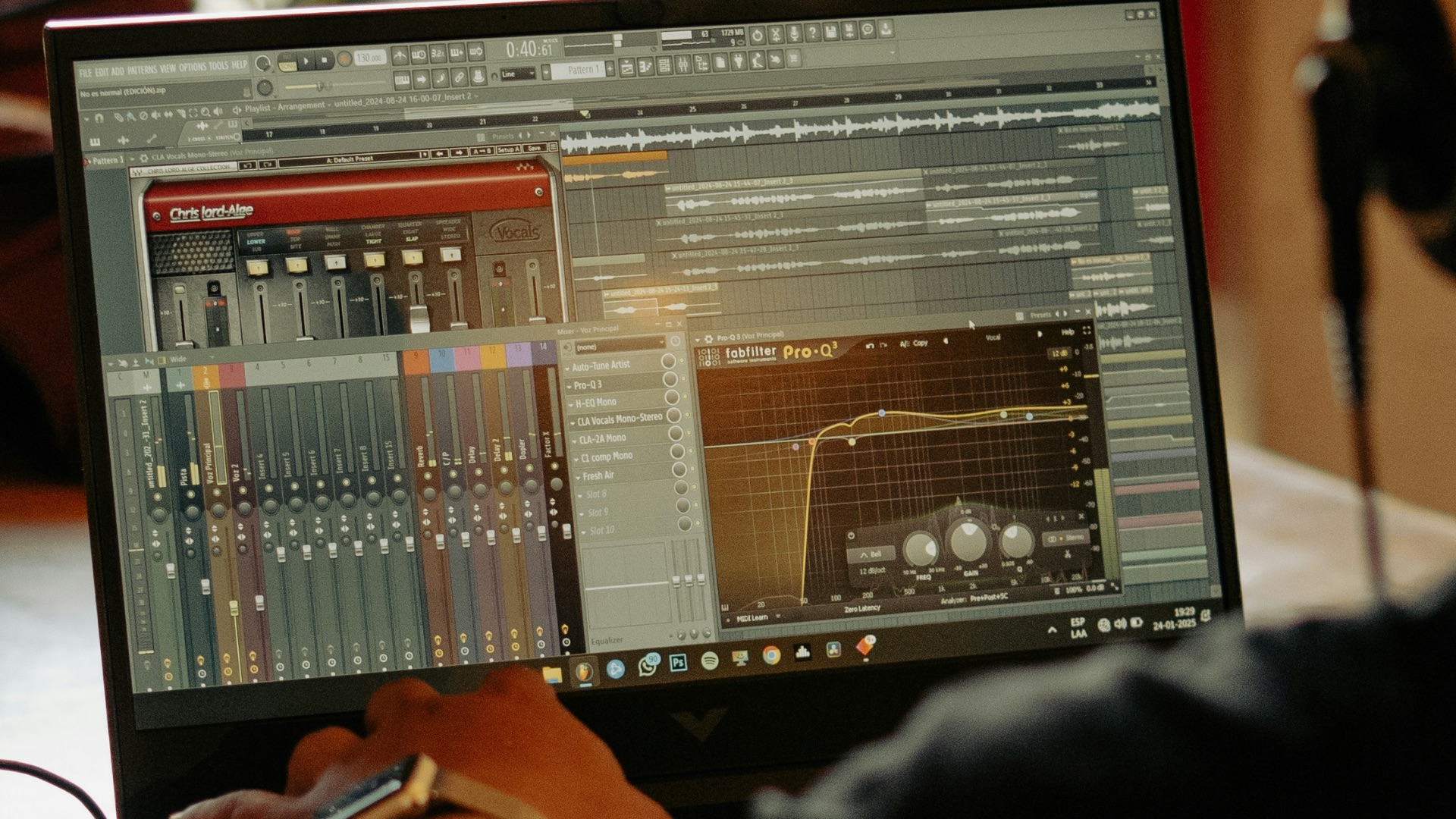
Discovered a new song? Watch out—if you can't find a lot of info about the artist, they might not be a real person. In fact, it's not just the voice you're hearing that could've been faked, but everything from the melody to the lyrics could've been entirely generated. Some tools can even copy certain musical styles or vocal characteristics!
 Gustavo Alejandro Espinosa Reyes on Unsplash
6. Customer Reviews
Those glowing five-star reviews on that item you want? It'll do you well to sift through them, and even better if you read the bad ones first. Many companies (especially inauthentic ones) can simply use AI to generate believable testimonials, even if said experiences don't exist.

7. Video Calls
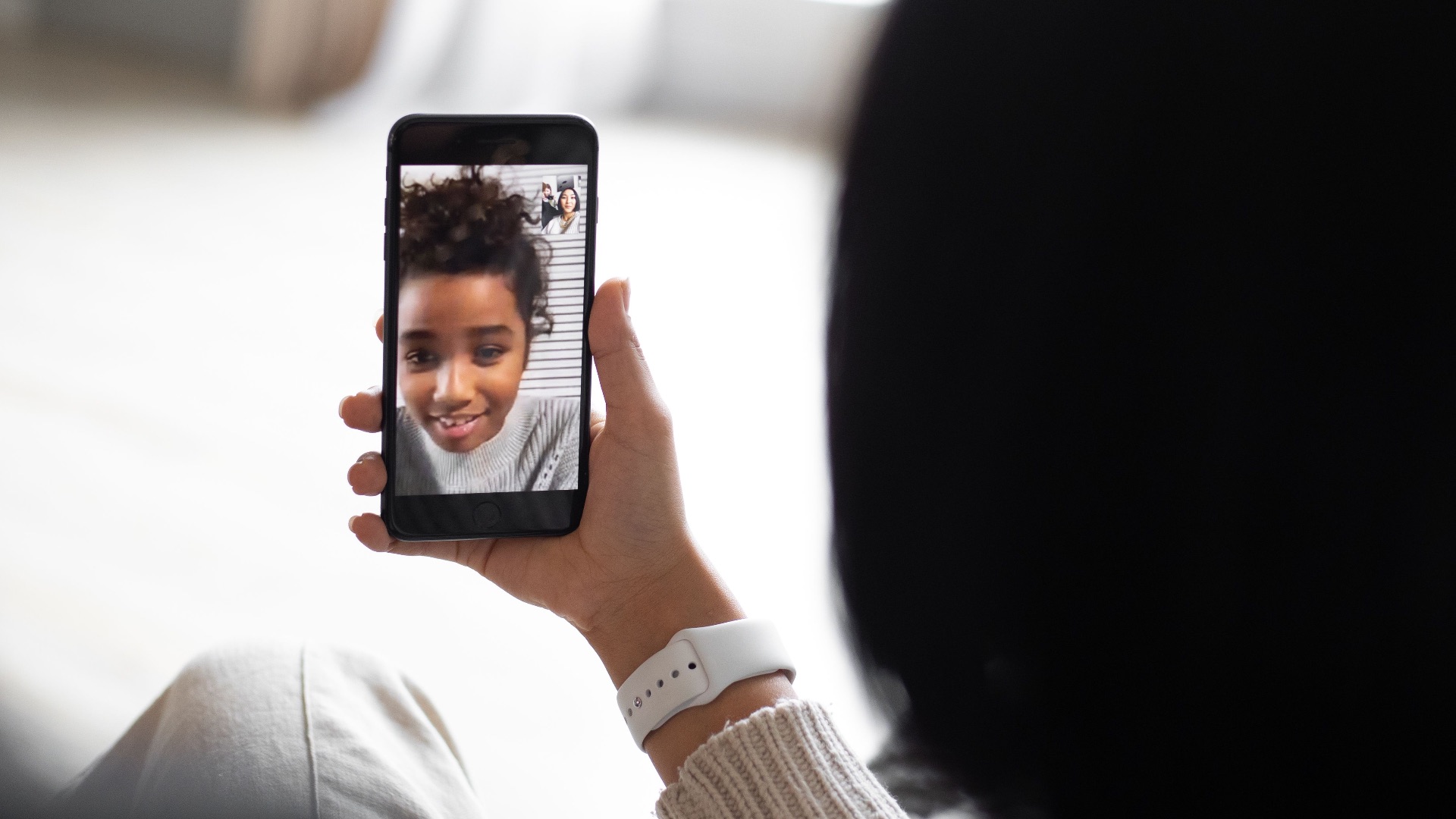
FaceTiming your best friend? Be wary. If they're the ones calling you and they sound urgent or ask you for odd favors, it's probably not actually them, even if it looks and sounds exactly like them. Advanced face-swapping and real-time deepfake technology can completely alter someone's appearance during a live conversation, so be careful!
8. News Articles
That headline might sound crazy, but even if it comes from a reputable source, you should still take the news with a grain of salt. You probably don’t need us to tell you that generative AI can produce entire articles, and the slop content can, sadly, mimic journalistic writing. Always, always double- and triple-check.
9. Historical Photos
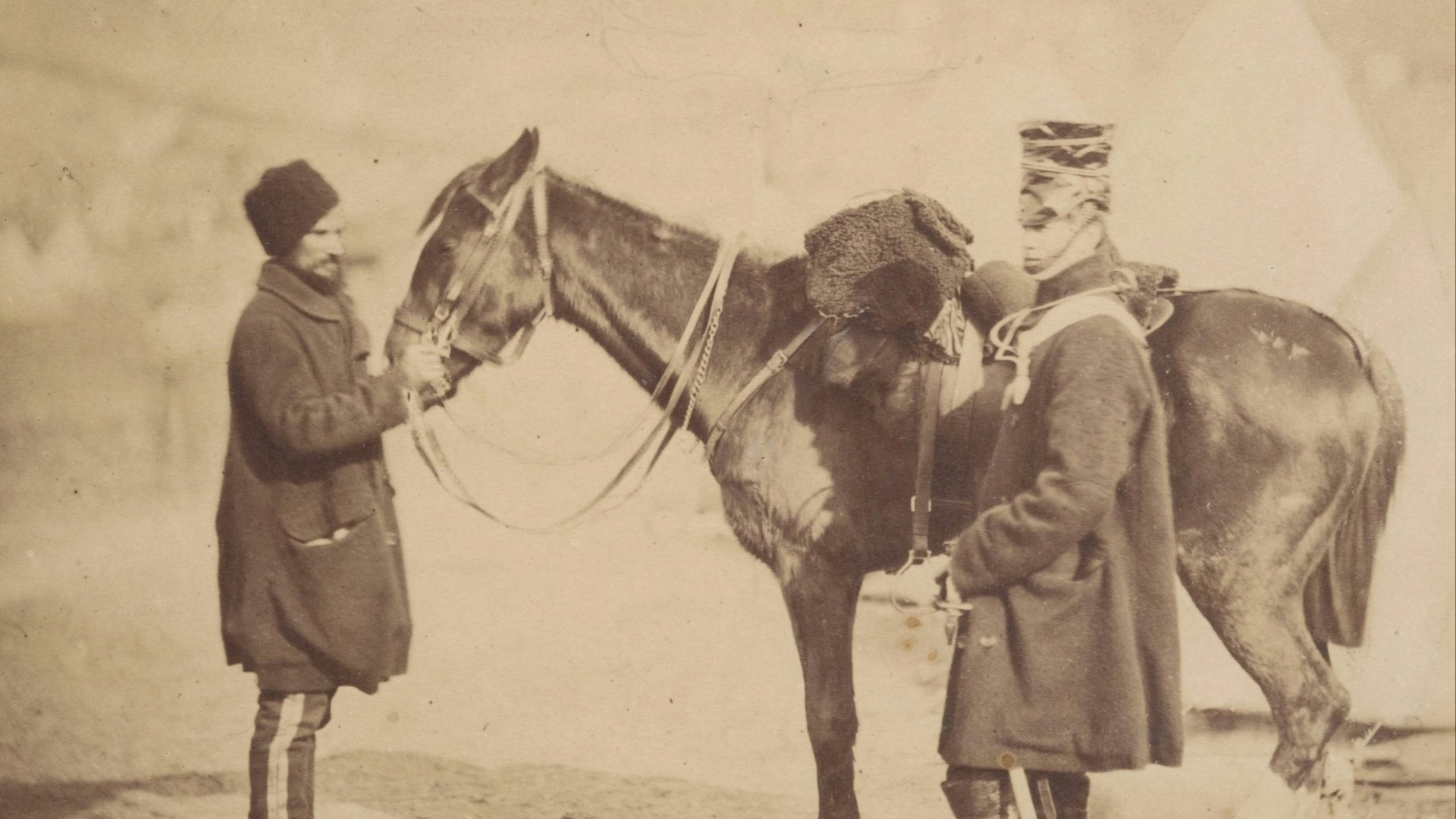
"This is what New York City looked like in the 1800s!" Is it really, though? Even if it appears to be a rare photograph from a century ago, it’s more likely that someone created it yesterday, all with the help of AI. After all, it’s not hard to generate all the visual characteristics of older photography, so don’t trust everything you see.
 The Metropolitan Museum of Art on Unsplash
10. Essays & Manuscripts
AI can not only generate college essays (causing headaches for many, many professors), but it can also create pages and pages of pure slop. That new book you grabbed from the library? If it was published after the introduction of AI, you really never know if the author used some part of an LLM to help them piece it all together. It just takes the right prompts.
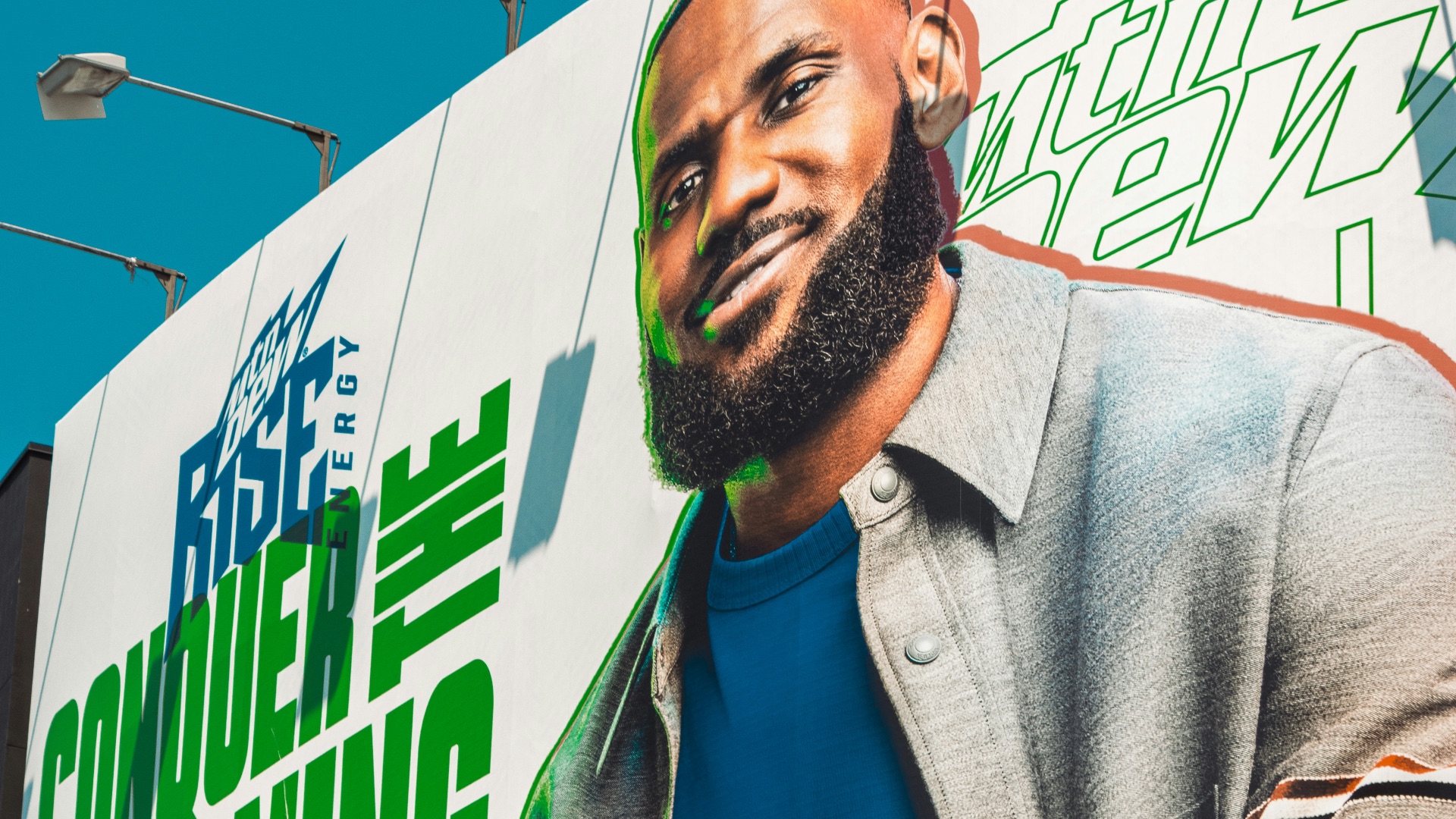
11. Celebrity Endorsements
Hey, Ariana Grande said she approved of this really obscure brand no one knows of! Of course you have to buy it, right? Well, not so fast—just because your favorite celebrity appears in an advertisement doesn't mean they actually promoted that product. If AI can generate realistic-looking historical photographs, you can bet it can create fabricated endorsements, too.
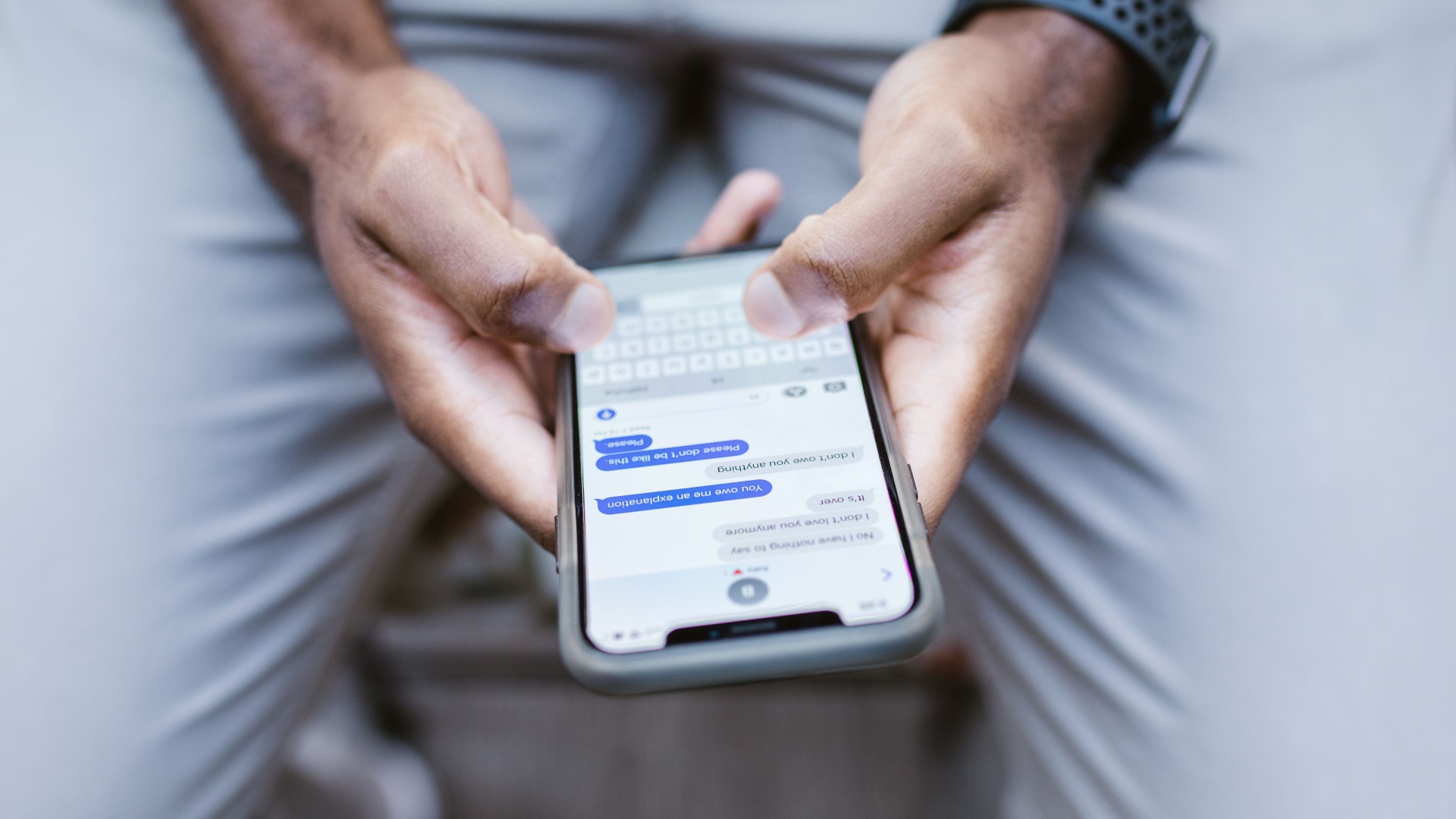
12. Screenshots of Text Conversations
Even your screenshots aren’t safe! If you come across photos of two people messaging each other, AI might have made up the entire convo. Why use AI, you might ask? Some might do this to spread rumors, create false accusations, or make it look like a person admitted to something they never said.
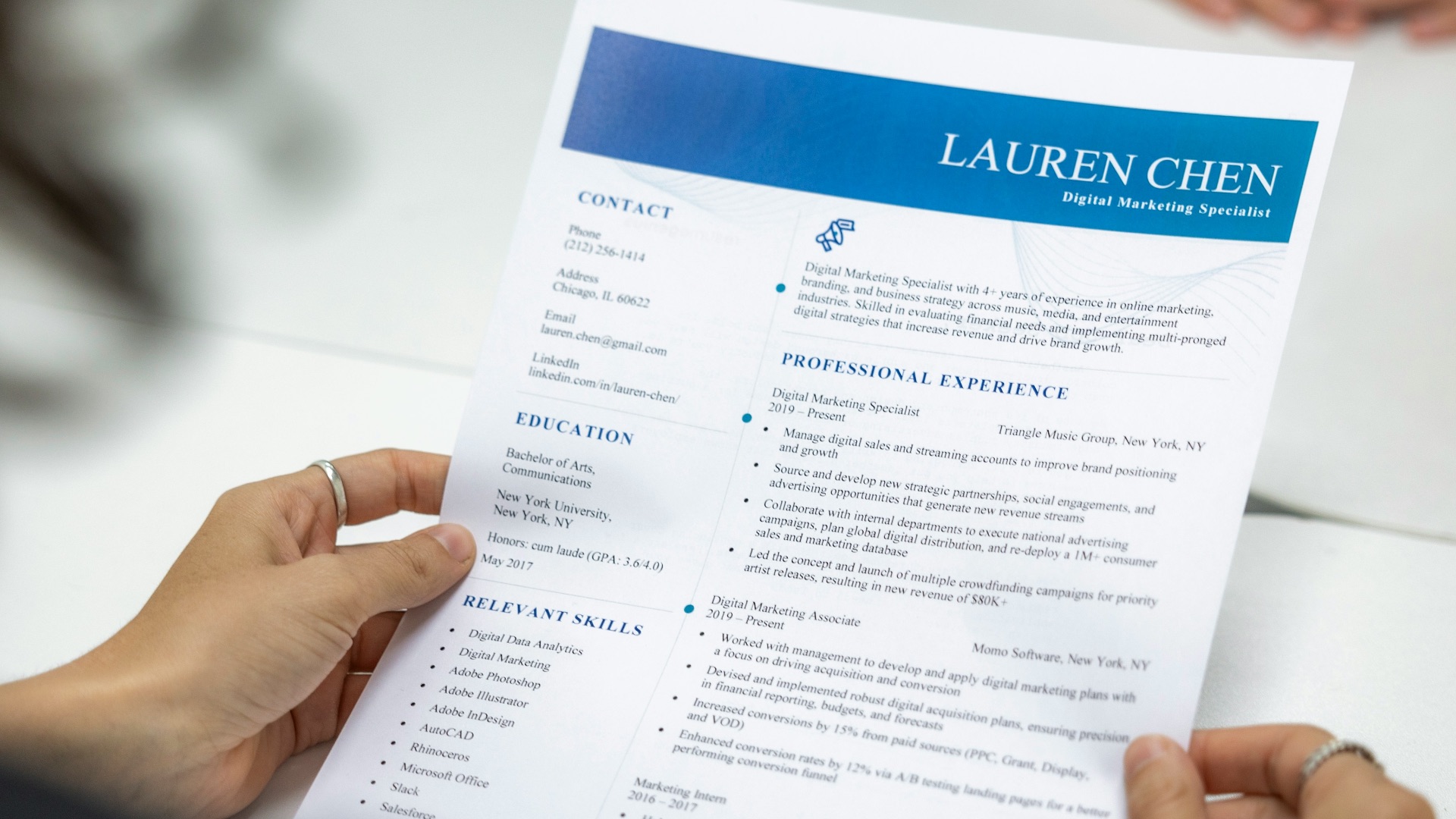
13. Resumes and Job Applications
It’s not just the teachers out there who have had it with AI slop. Employers, too, have increasingly had to deal with impressive applications that turn out to be false. After all, all that’s needed to do is tell AI to create detailed resumes and cover letters, and it can spit out anything you want. And while it’s not always dishonest to use AI to improve an application, you should never invent qualifications or experiences.
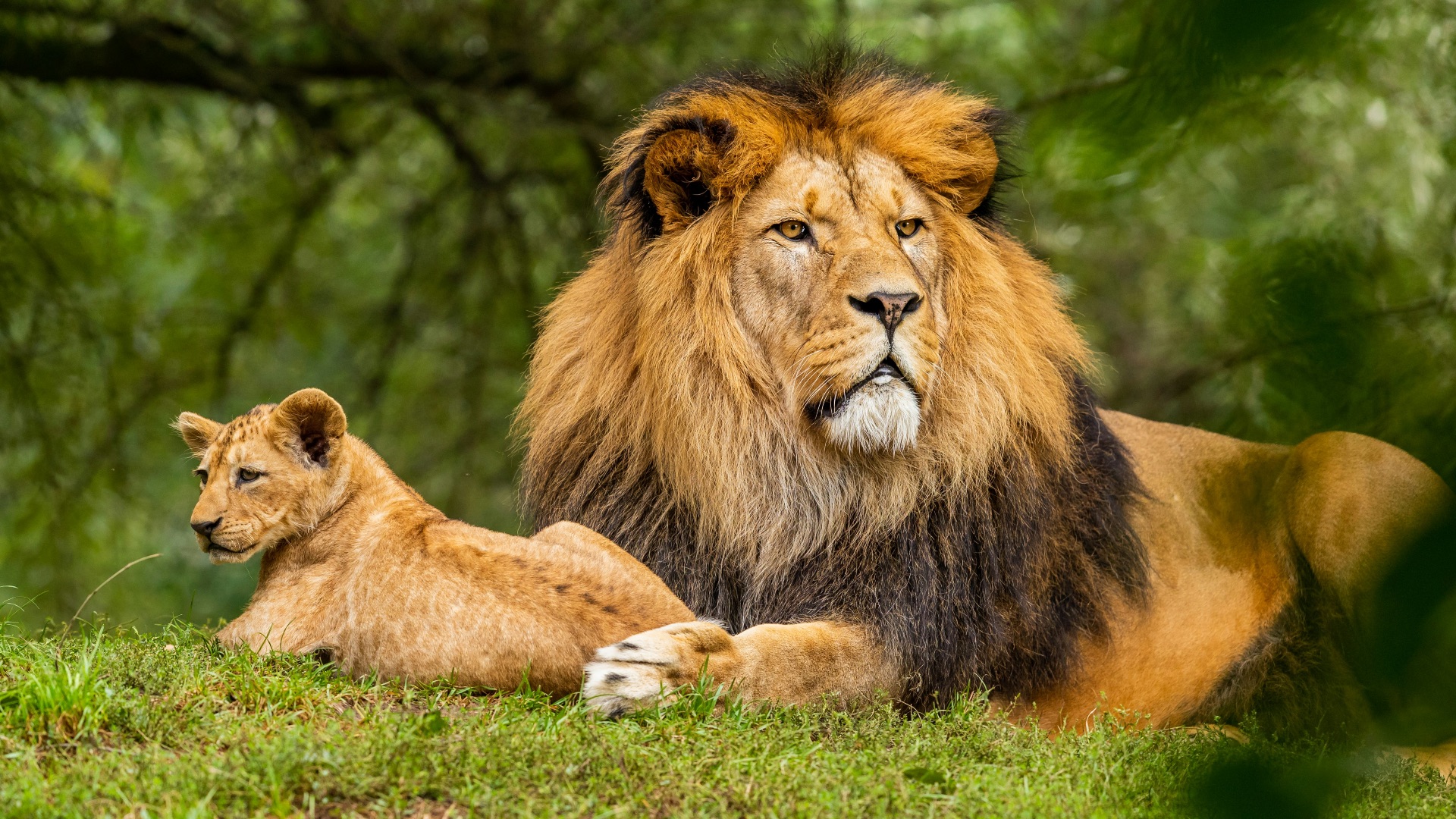
14. Wildlife Photos & Videos
If you’re chronically online enough, you’ve probably seen pretty bizarre wildlife videos out there, like the boar wearing a lion mask. Whatever it is you discover on social media, don’t be fooled. They might resemble nature, but it’s more likely that they're artificial.
15. Academic Research Papers
Even scientific-looking documents aren't immune to AI-generated misinformation! That’s right—before you cite a newer paper as a source, you might want to do some extra verification. LLMs can produce pretty convincing papers, but if you look closer, you might find that everything was purely hallucinated.
16. Paintings and Artwork
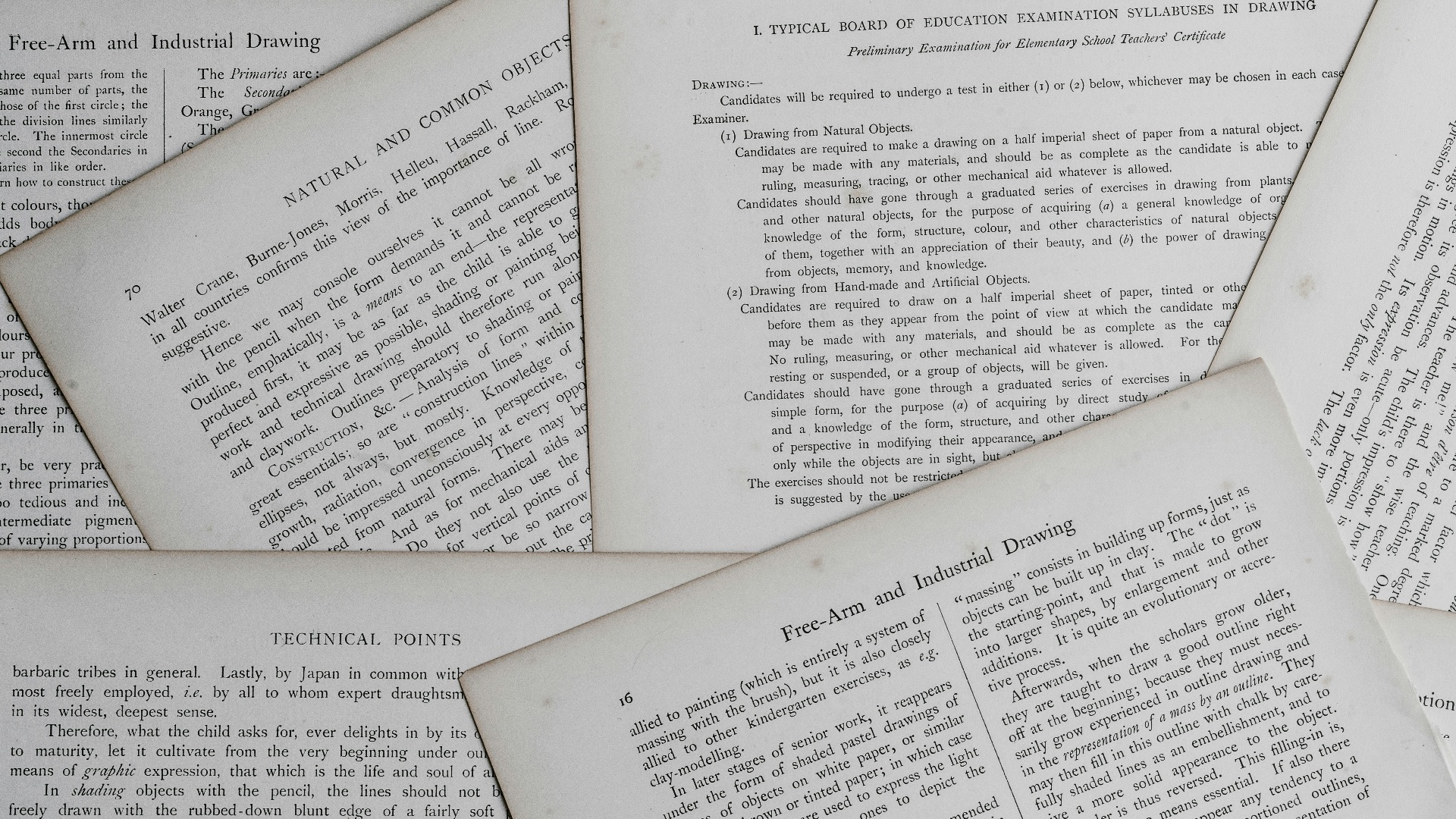
There was a time when all art you saw online was drawn by an actual artist, but now? AI could’ve made it. Heck, some “artists” may even go so far as to generate fake screenshots to “prove” they actually drew something! Again, don’t be fooled. If something feels off about the art or the artist, you’re probably right.
17. Social Media Influencers
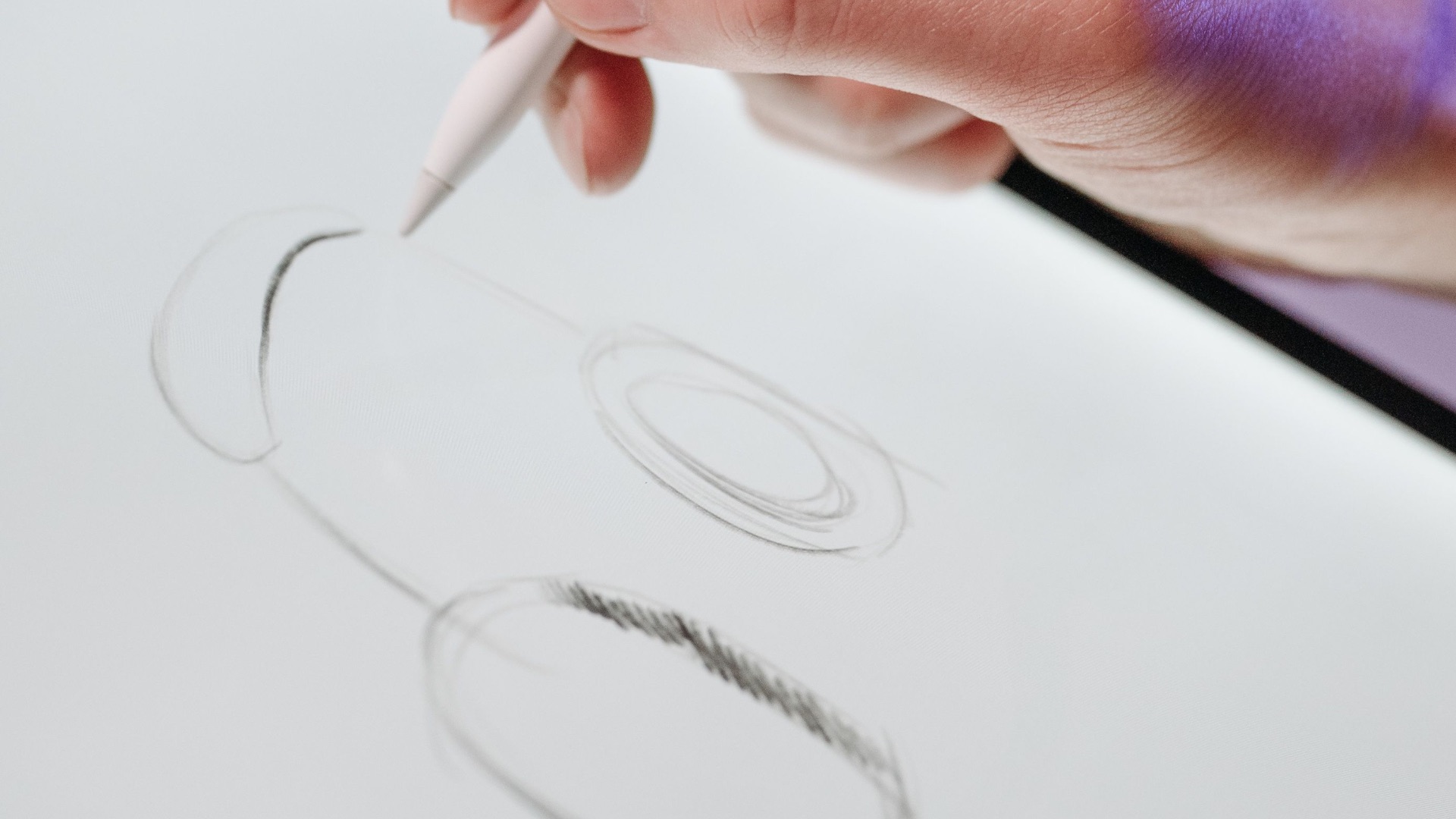
From Instagram models to that funny person you followed back on X/Twitter, you should know that they might not be real people. AI-generated virtual personalities can do a heck of a lot to maintain their fabricated presence, so don't fall for their carefully manipulated content.
 Connor Scott McManus on Pexels
18. Movie Scenes and Trailers
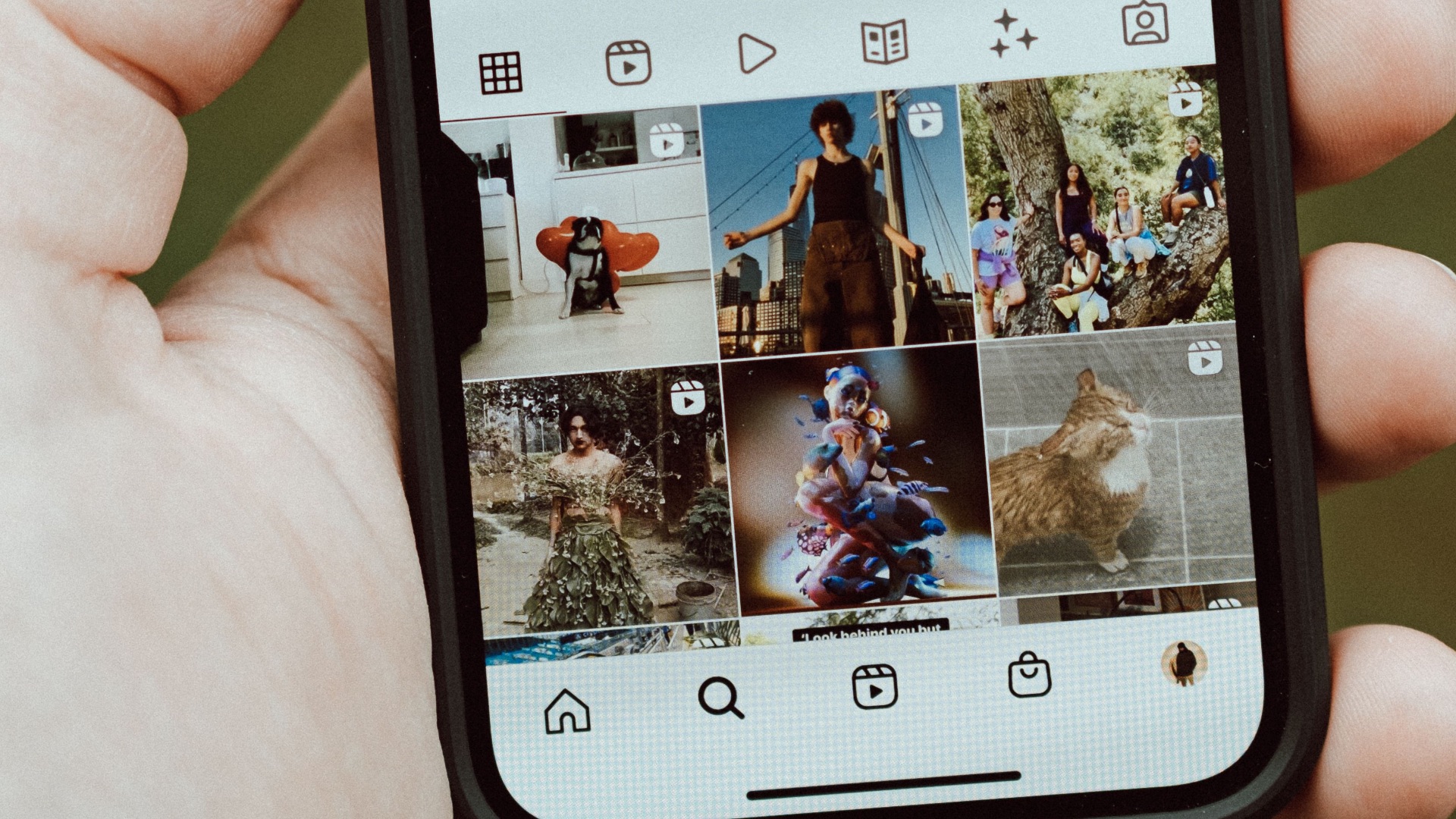
You no longer need a production crew, actors, and physical sets to create gorgeous cinematography anymore. Just like music, writing, and art, AI can take on pretty much any role you want, including creating fictional characters and generating elaborate environments. If you're a film buff, sorry.
19. Product Photos
As we've said, companies can use AI to create glowing reviews to boost their sales, but more than that, they can create fake product photos. Those pretty pictures of the merchandise in attractive settings? It's probably not real. Be careful where you spend your money.

20. Online Identities
It's not just influencers—even the person you've been chatting with for weeks might not be who they claim to be, if they even exist at all. By enlisting AI's help, someone could construct an entire fictional identity, complete with realistic photos and voice recordings. The internet can be a dangerous place, so always be on guard!