Noise-cancelling headphones have gone from a nice-to-have gadget to an everyday staple for a lot of people. If you’ve ever tried to read, work, or relax while the bus rumbles or someone takes a call on speaker, you already understand the appeal. Still, the price jump from basic headphones to quality noise-cancelling models can feel steep.
The real question isn’t whether noise-cancelling works; it’s whether it’s worth paying extra to fit with your current lifestyle. Your commute, your workspace, your sensitivity to noise, and even how you listen to music all affect the value. Let’s break it down in a practical way, so you end up with a clear-cut decision.
What You’re Really Paying For
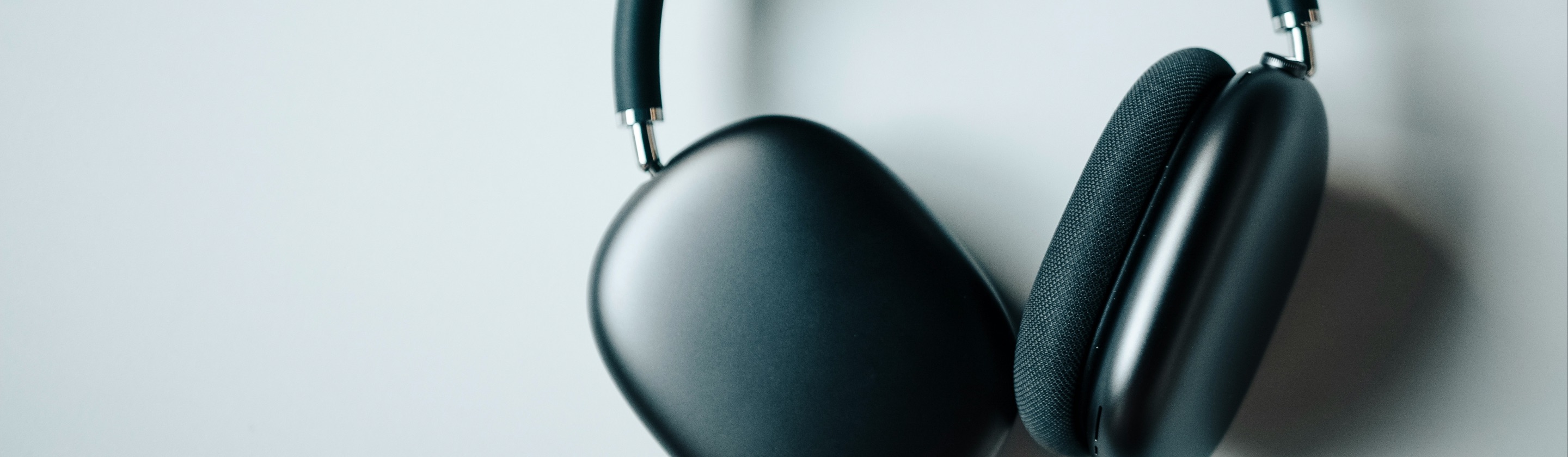
Active noise-cancelling (ANC) isn’t just a fancy switch that makes sound disappear. The headphones use microphones to pick up outside noise, then generate an opposite signal to reduce what reaches your ears. That engineering costs money, and it’s why ANC models typically sit higher on the price ladder than standard headphones.
Performance can vary a lot between budget and premium sets, especially in how they deal with low-frequency sounds like engines, air conditioners, and crowded transit. Higher-end models often handle these consistently without adding hiss or pressure that distracts you, but if you’re expecting total silence, you might be disappointed. Sudden, random noises and people talking can still be difficult to completely erase.
Beyond ANC itself, you’re often paying for better overall design. Comfort matters, because the best noise reduction won’t help if you can’t stand wearing the headphones for an hour. Premium options also tend to include stronger build quality, plusher ear muffs, and more reliable controls, and it's these upgrades you'll notice most if you're wearing your pair every day.
The Clear Win with Noise Cancellation
Travel is where ANC earns its reputation quickly, especially on planes and trains. The steady roar of engines is exactly the kind of noise ANC reduces well, which can make long trips less tiring. Even if you’re not playing music, lowering that background sound can make it easier to rest or focus on a book.
Open offices and shared living spaces are another strong case, but with a small caveat. ANC is great for ongoing hums and distant chatter, but, as we've mentioned, it’s not perfect against sharp, sudden sounds like a construction drill or loud voices. That said, pairing ANC with a snug fit and a low volume can still make work sessions feel less interrupted, and that alone can justify the cost for some people.
If you’re someone who cranks the volume up just to compete with your environment, ANC can be surprisingly helpful for hearing comfort. With less outside noise, you can listen at lower levels without feeling like you’re missing detail. That also means it's better for your ear health in the long run.
The Downsides People Don’t Mention Enough
Not everyone likes the sensation of noise-cancelling, though, and it’s worth taking seriously. Some people feel a mild pressure, while others notice a faint background hiss in quieter rooms. These effects may even sometimes induce certain uncomfortable sensations, like nausea, dizziness, or disorientation, but these symptoms usually aren't directly (or completely) triggered by ANC.
Battery dependence is another practical drawback, particularly for wireless ANC models. Bluetooth options, convenient as they are, may have shorter playback times than what fits your lifestyle and use case, but at least they're usually quick to charge up. If you want something that works no matter what, basic wired headphones can be simpler.
Price also buys features you may not need, and that’s where the “worth it” question gets tricky. Transparency modes, adaptive ANC, non-staticky microphones, and app-based sound profiles are useful for some listeners but might be irrelevant for others. Paying extra for a big feature list can feel satisfying, like you're getting bang for your buck, but you’ll usually only appreciate what you actually use.
How to Decide Without Regret
So, are noise-cancelling headphones worth the splurge? It'll help to break it down. Start by thinking about where you’ll wear them most, because that usually determines value faster. If you’re usually in quiet places, ANC may feel like an expensive gadget you'll rarely need. On the other hand, if you’re routinely around traffic or busy rooms, you’ll likely notice the benefit immediately and repeatedly.
Next, treat comfort and fit as non-negotiable, even if you’re focused on sound quality. If the ear cups pinch or the headband creates a sore spot, you’ll avoid wearing them, and then even having the best specs in the world won’t matter. If you can demo them, try them on for a longer session so you get a better idea of how they'll fit.
Finally, set a budget based on what you’re replacing and what you expect to gain. Mid-range noise-cancelling headphones are often the sweet spot, delivering strong everyday ANC and solid audio without costing an arm and a leg. If you live in loud environments or travel constantly, premium models can be worth it; but if your needs are occasional, you’ll probably be happier saving money and choosing a well-reviewed midrange pair. The key is choosing what's right for you.