Tangible Pieces Of Gaming History
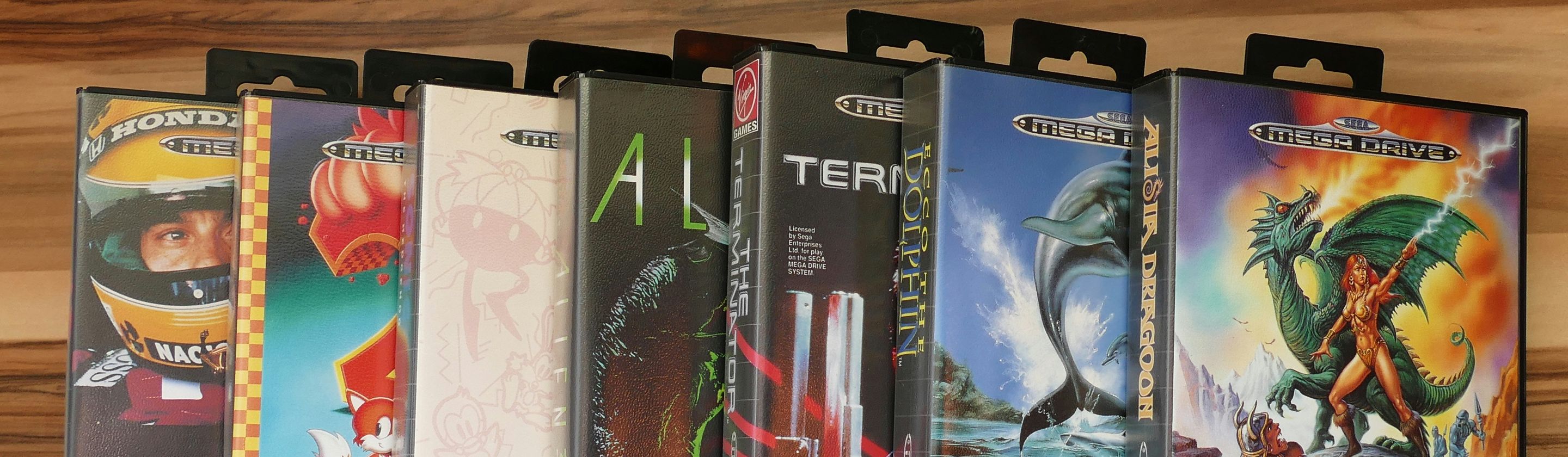
Video games might exist digitally, but the memories attached to them often feel physical. Collectibles give those experiences a real-world anchor, whether they remind you of a favorite console era, a late-night multiplayer session, or a story that stuck with you long after the big boss was defeated. Some collectibles are rare, some are sentimental, and others are just fun to look at. Here are 20 video game collectibles every gamer should own.

1. Original Retro Consoles
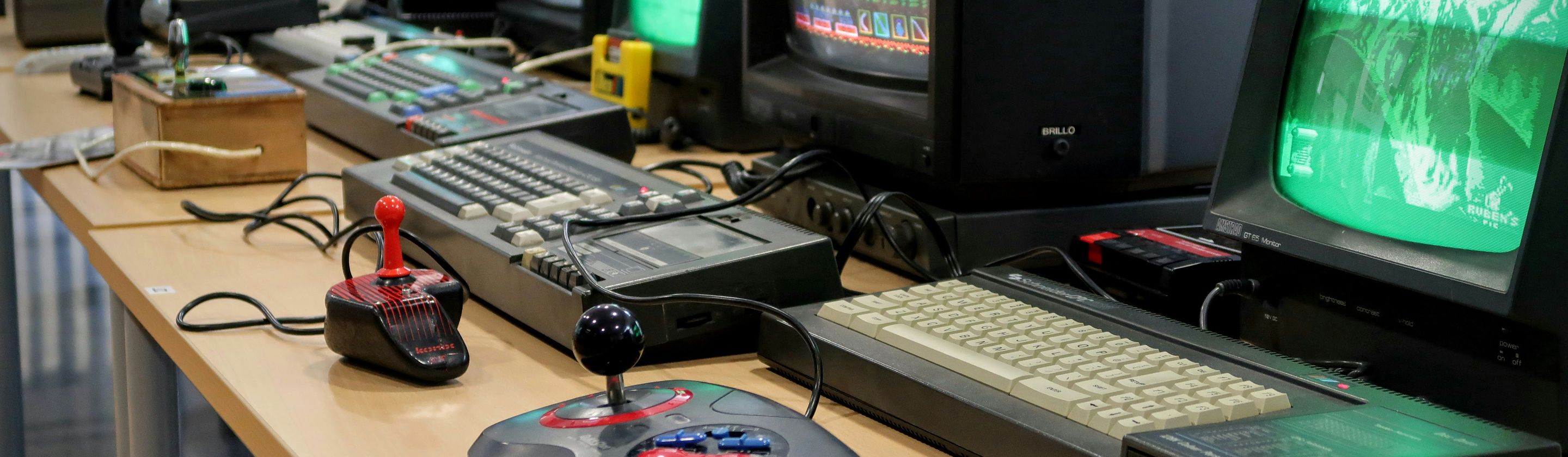
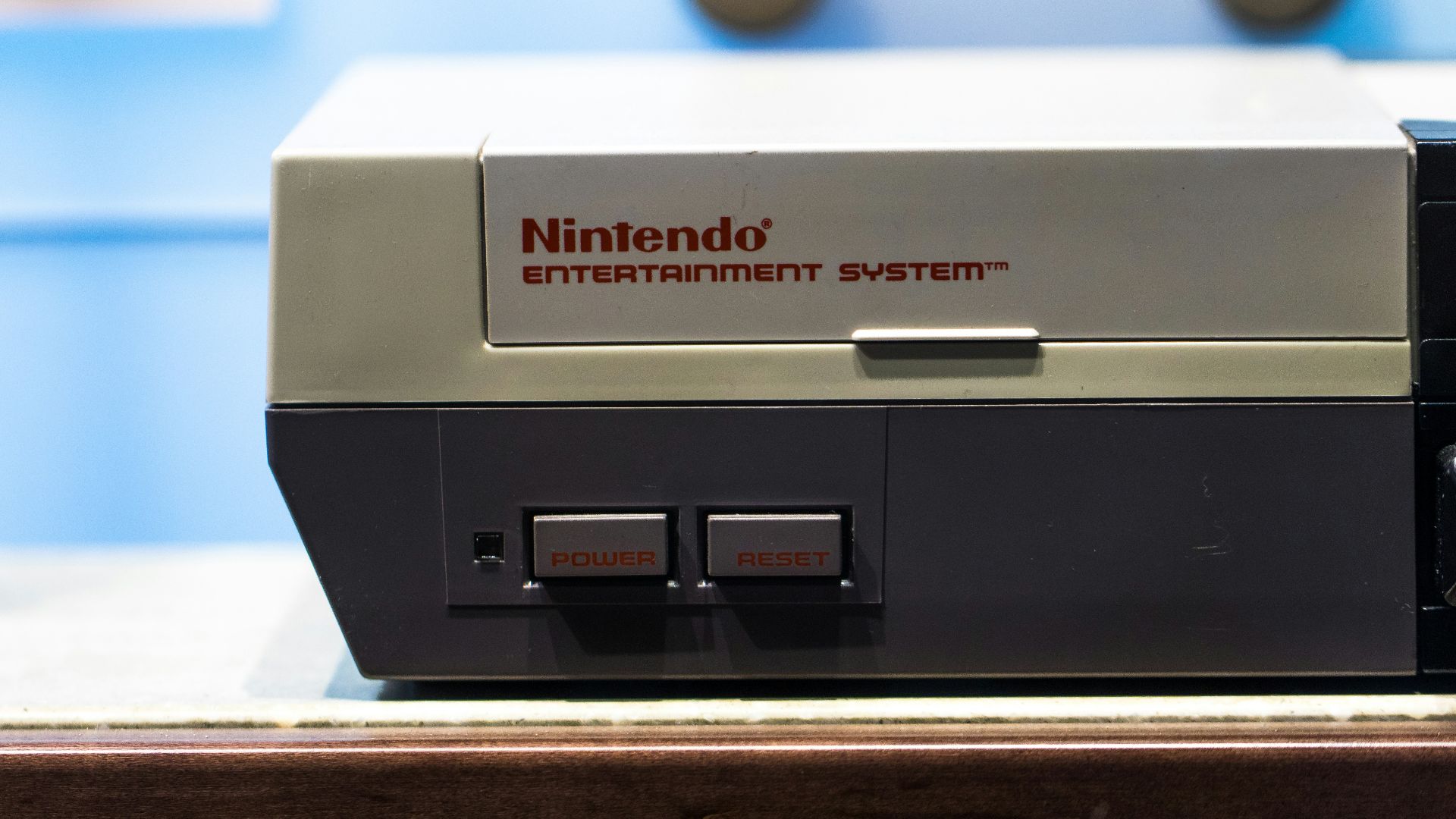
Owning an original NES, Sega Genesis, or PlayStation feels like holding a working piece of gaming history. Playing games on their original hardware brings back details, like controller resistance and startup sounds. These systems also reflect major shifts in how games were designed and marketed. Even seeing one powered on can trigger instant nostalgia.
2. Physical Game Cartridges And Discs
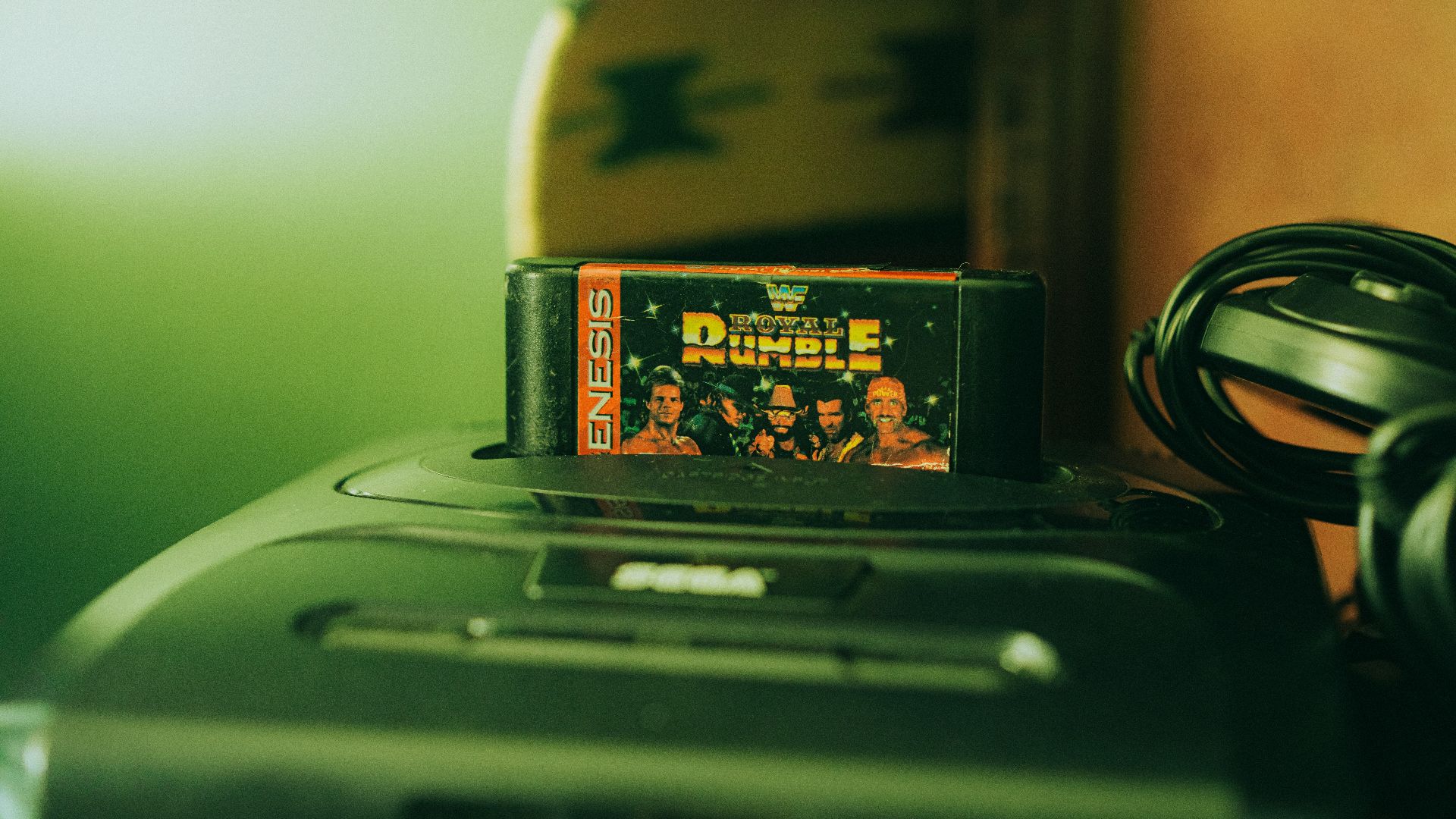
There’s something deeply satisfying about holding a cartridge or snapping a disc into place. Physical copies represent an era before constant updates and digital storefronts reshaped how games were delivered. Manuals, cover art, and packaging added personality that’s mostly extinct now. Many collectors enjoy the ritual as much as the game itself.
3. Limited Edition Consoles
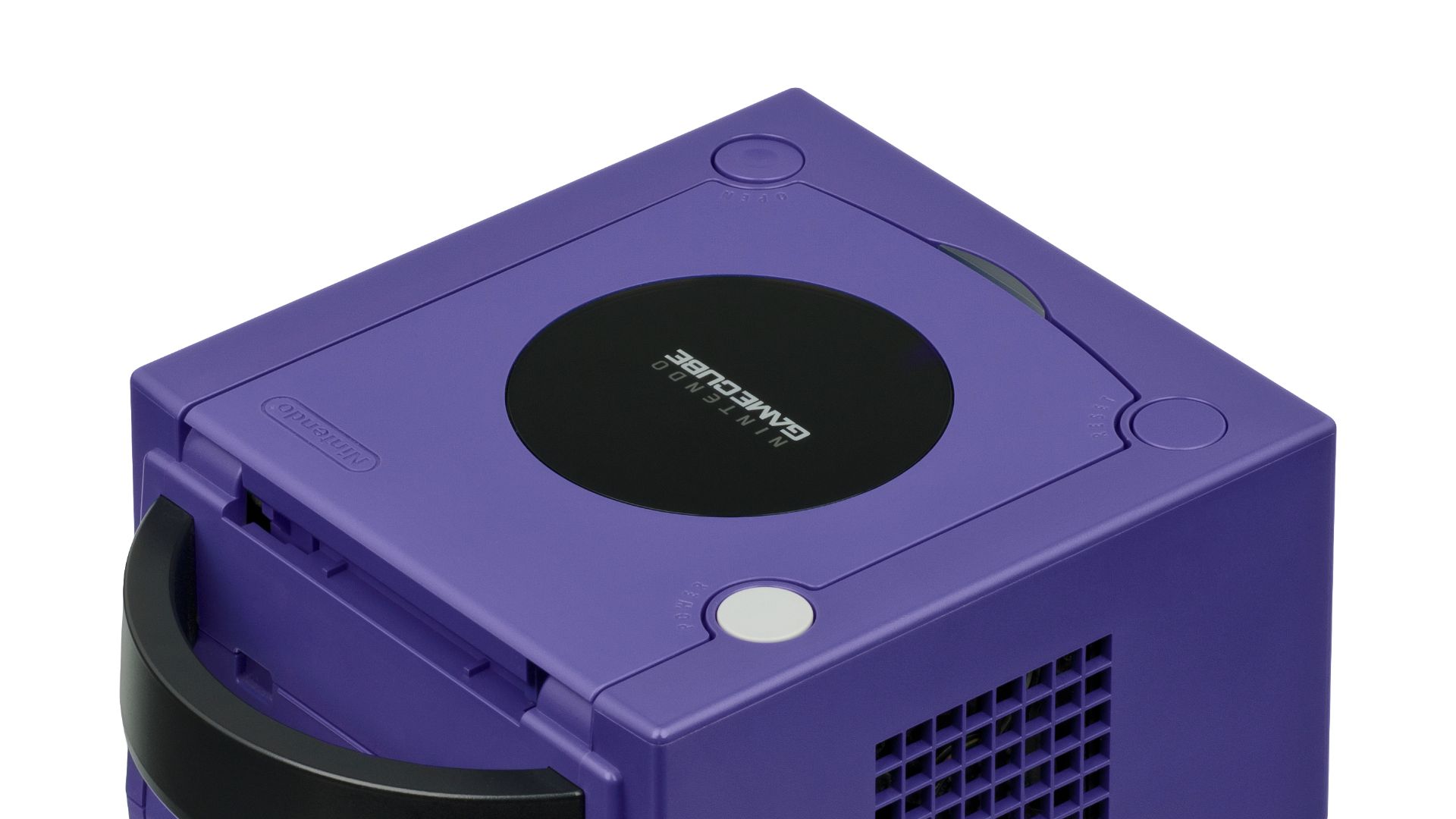
Special edition consoles celebrate major releases and milestones in gaming history. Unique colors, logos, and designs immediately make them stand out. Even years later, they act as visual time capsules tied to specific moments. They’re often conversation starters even for people who don’t actively collect games.
4. Vintage Strategy Guides
Before online walkthroughs, strategy guides were how players survived difficult games. They’re filled with maps, tips, artwork, and sometimes wonderfully outdated advice. Flipping through one feels like stepping into a slower, more deliberate era of gaming. They also show how developers expected players to engage with challenges.
5. Collector’s Edition Game Boxes
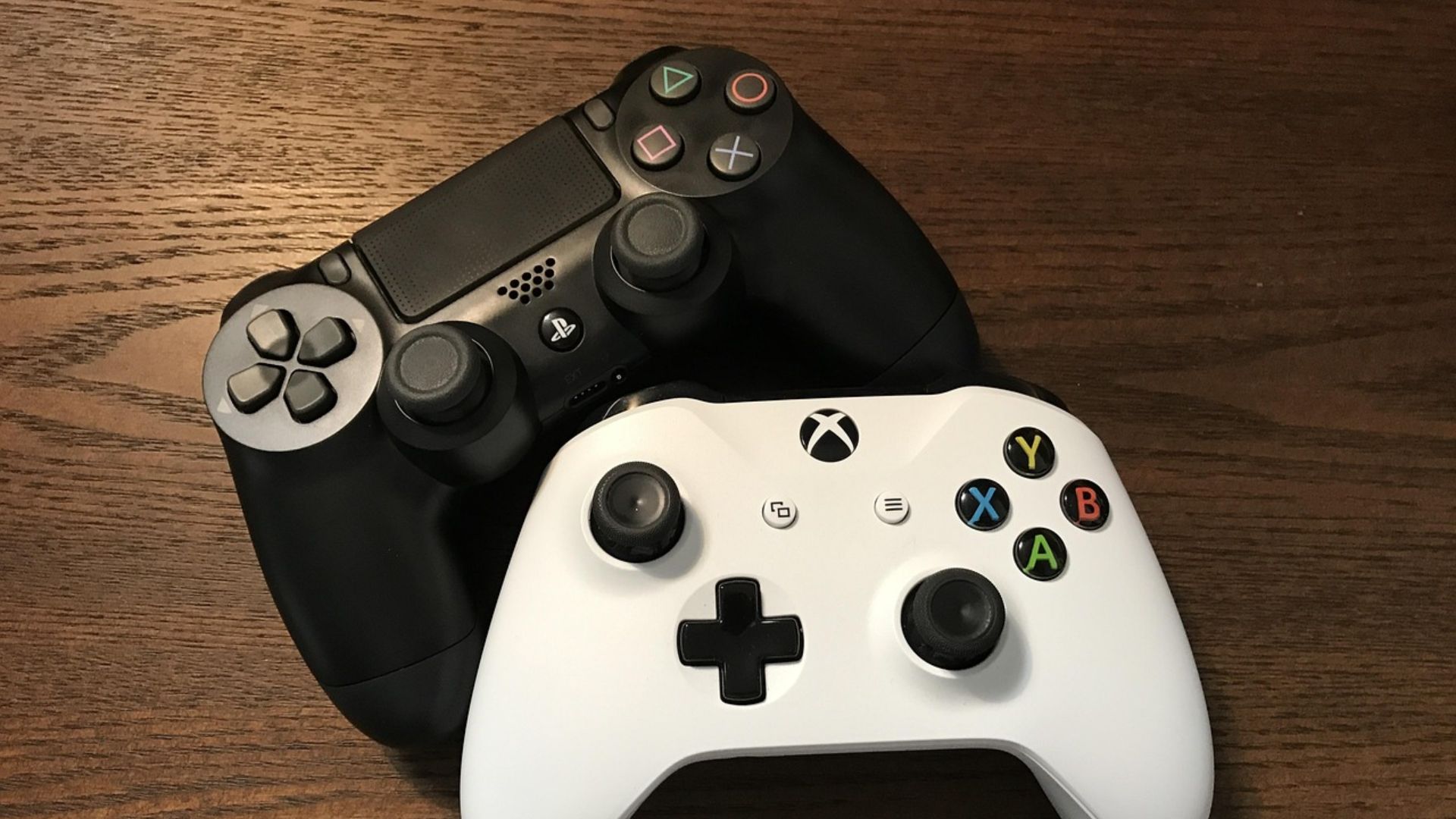
Collector’s editions were designed to feel special from the moment you opened them. Art books, statues, soundtracks, and bonus items turned releases into major gaming events. Even when the game itself ages, the presentation often still holds up. Many collectors keep these boxes long after selling the game.
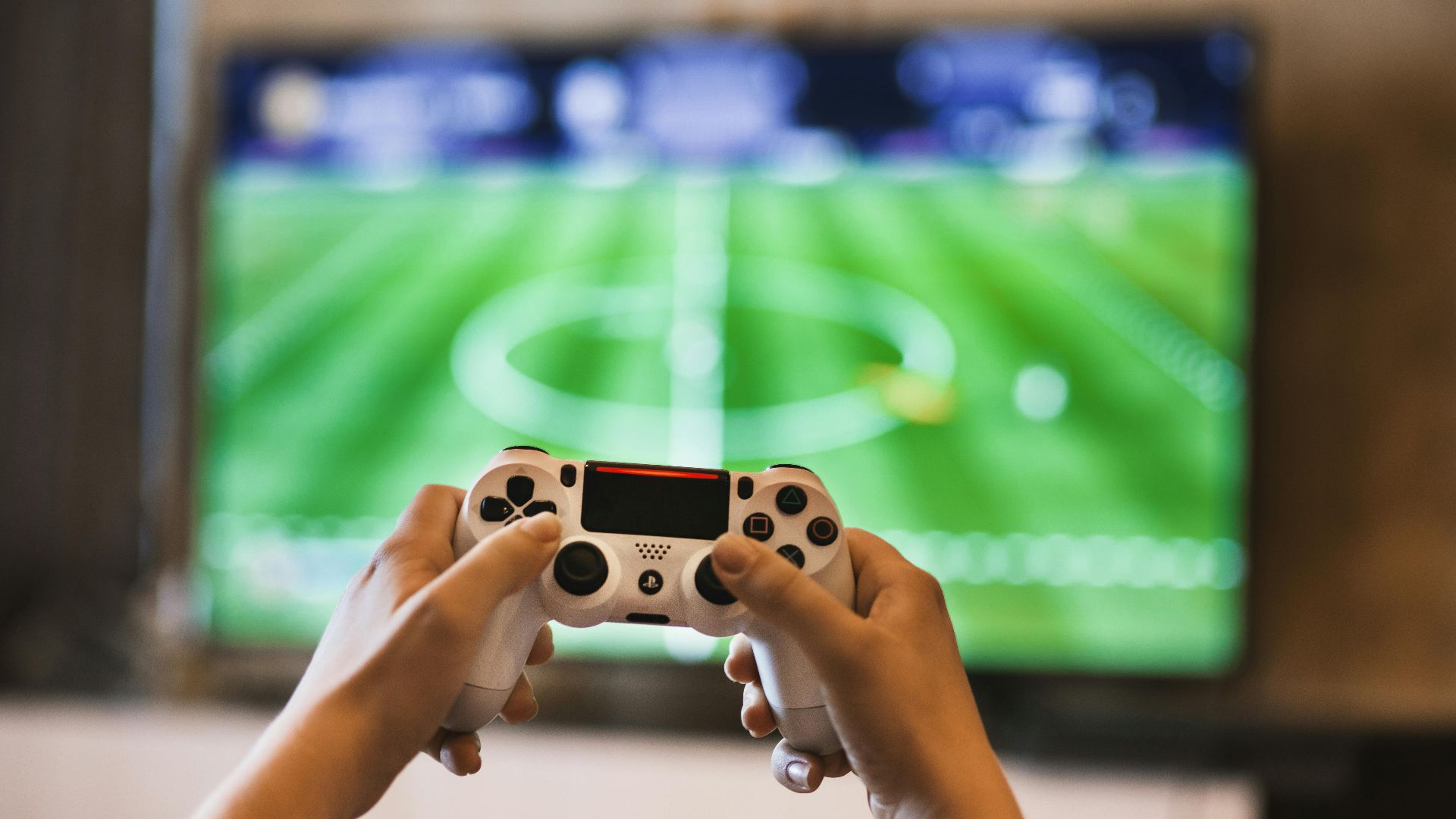
6. Iconic Controllers
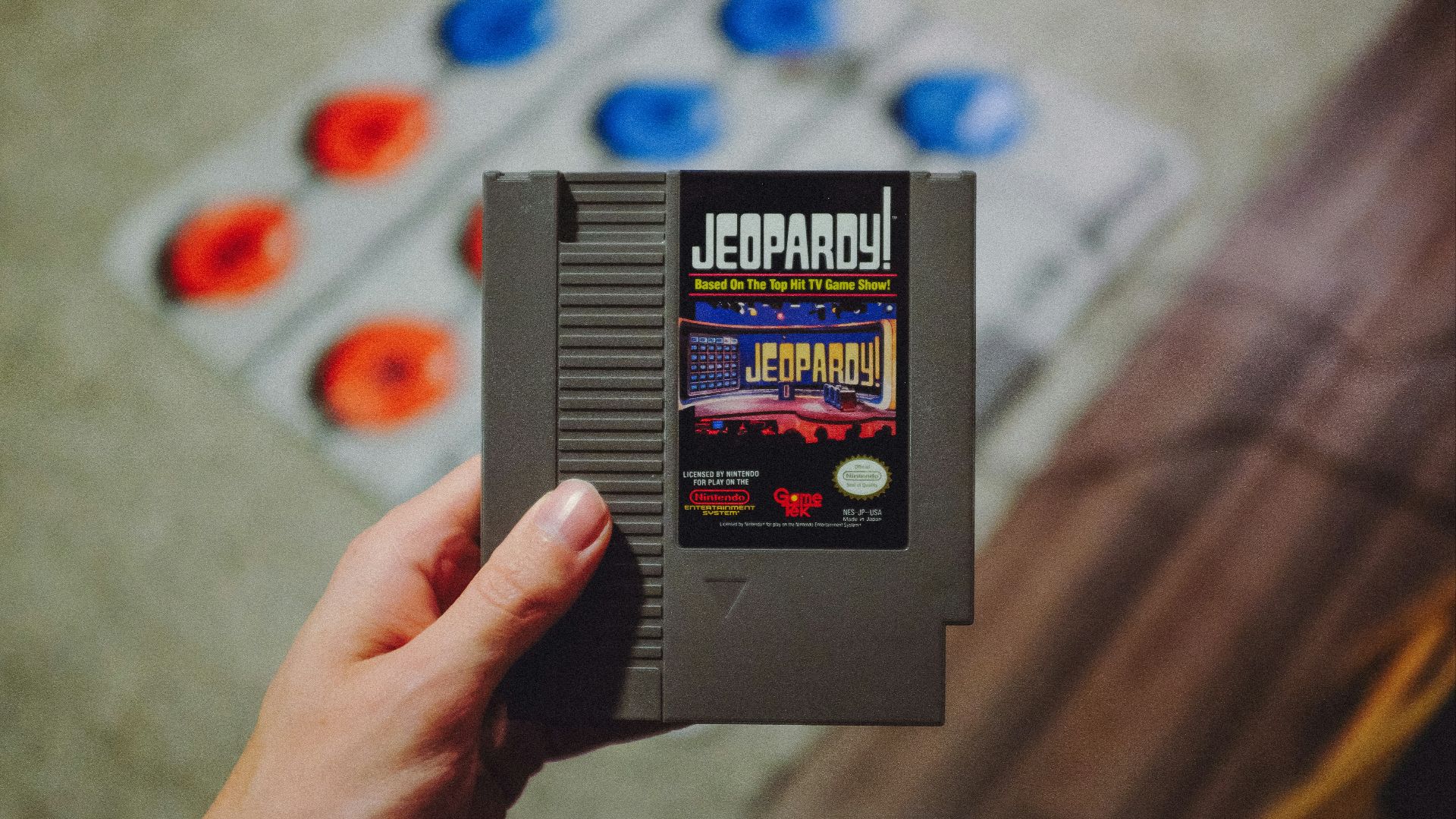
Controllers reflect how games were meant to be played at the time. The NES rectangle, DualShock, and original Xbox controller each represent different philosophies. Holding them reminds you how control schemes evolved alongside gaming hardware and software. They’re functional design artifacts, not just accessories.
7. Official Game Soundtracks
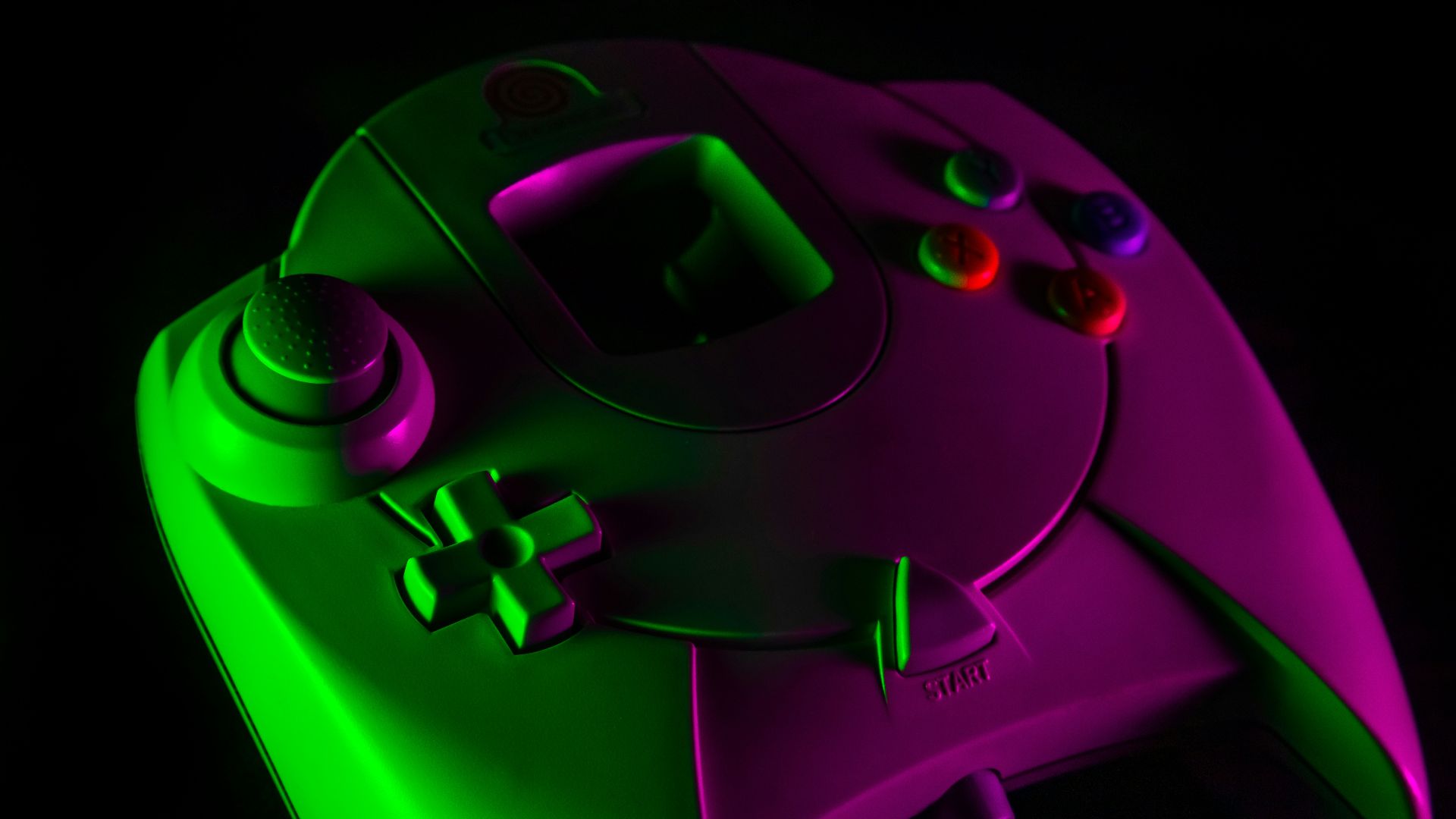
Video game music has earned serious respect over the years. Physical soundtracks let fans enjoy familiar scores outside of gameplay. Listening without the pressure of a level can reveal details you missed before. Many releases are limited, which adds to their appeal as collectibles.
8. Franchise Art Books
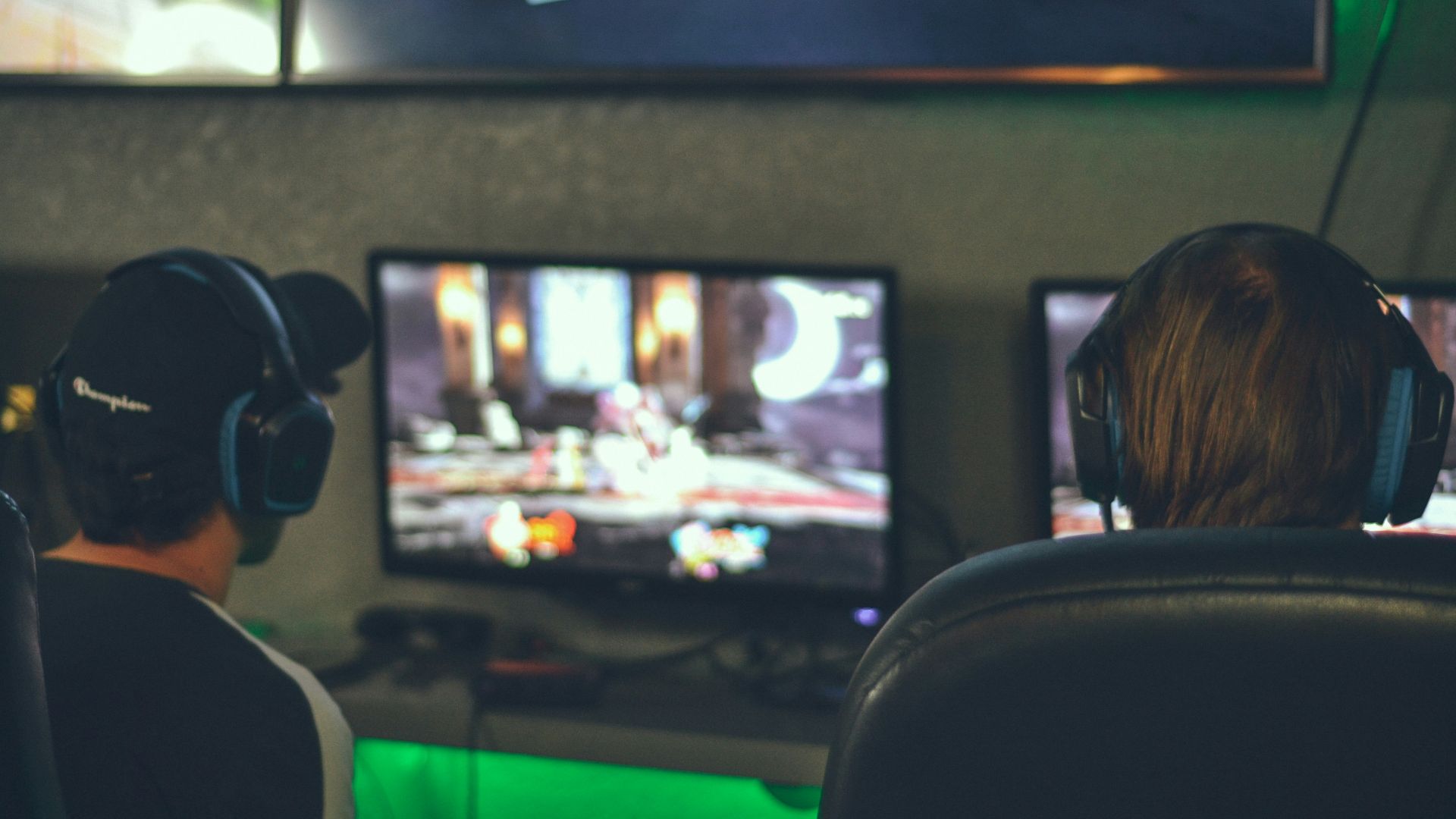
Art books showcase concepts that never made it into the final game. They reveal early character designs, unused environments, and stylistic experiments. For many fans, they deepen their appreciation for the creative process. These books can even feel more intimate than the finished product.

9. Retro Gaming Magazines
Old gaming magazines capture how games were discussed at launch. Reviews, previews, and ads feel frozen in time. They also show how expectations and hype cycles have changed. Reading them now feels like peeking into gaming’s past conversations.
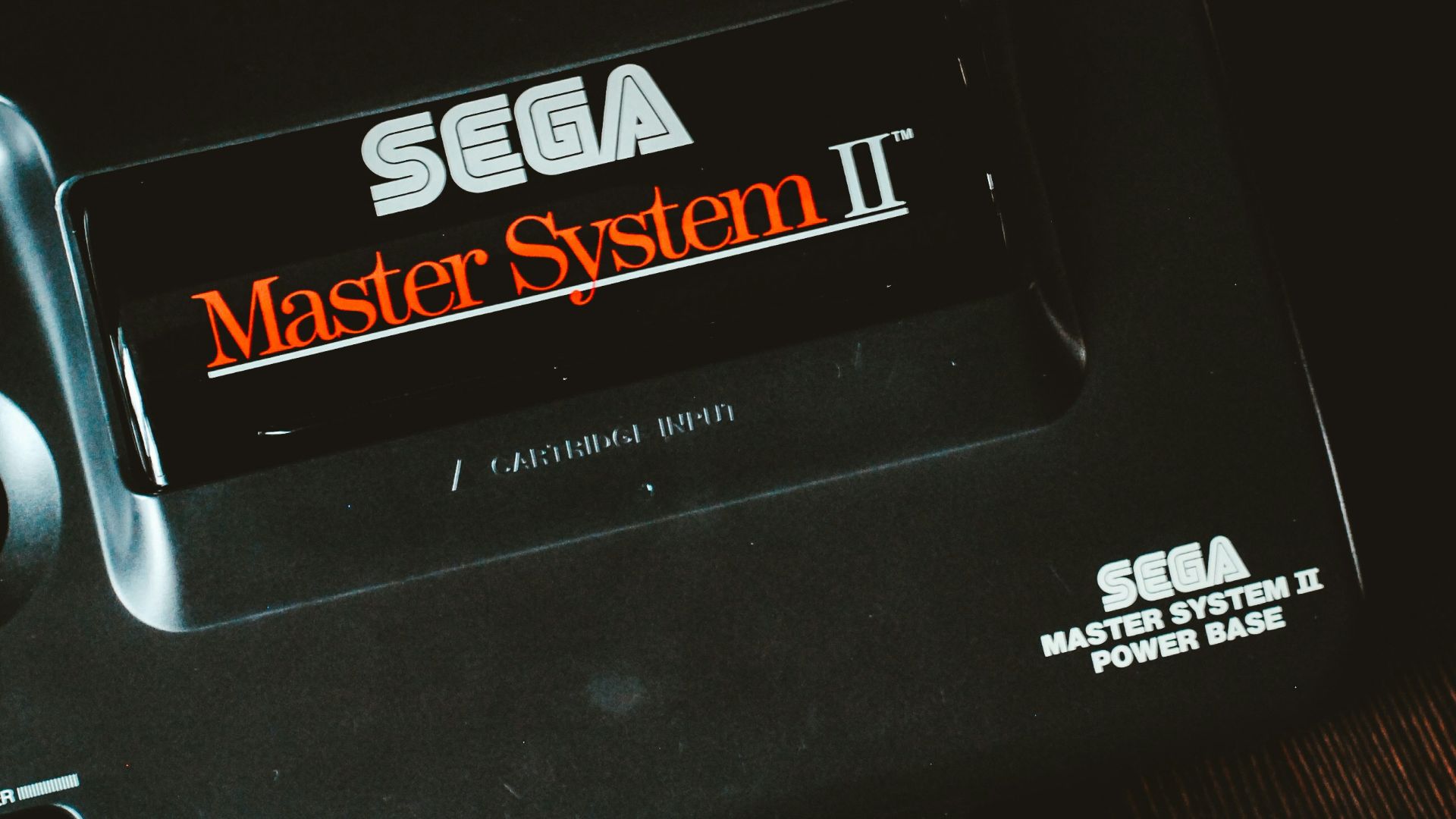
10. Character Figures And Statues
Figures bring favorite characters into one's home. Some are small and playful, while others are detailed display pieces. They let fans celebrate characters outside the screen. A good figure can instantly define the vibe of a gaming shelf.
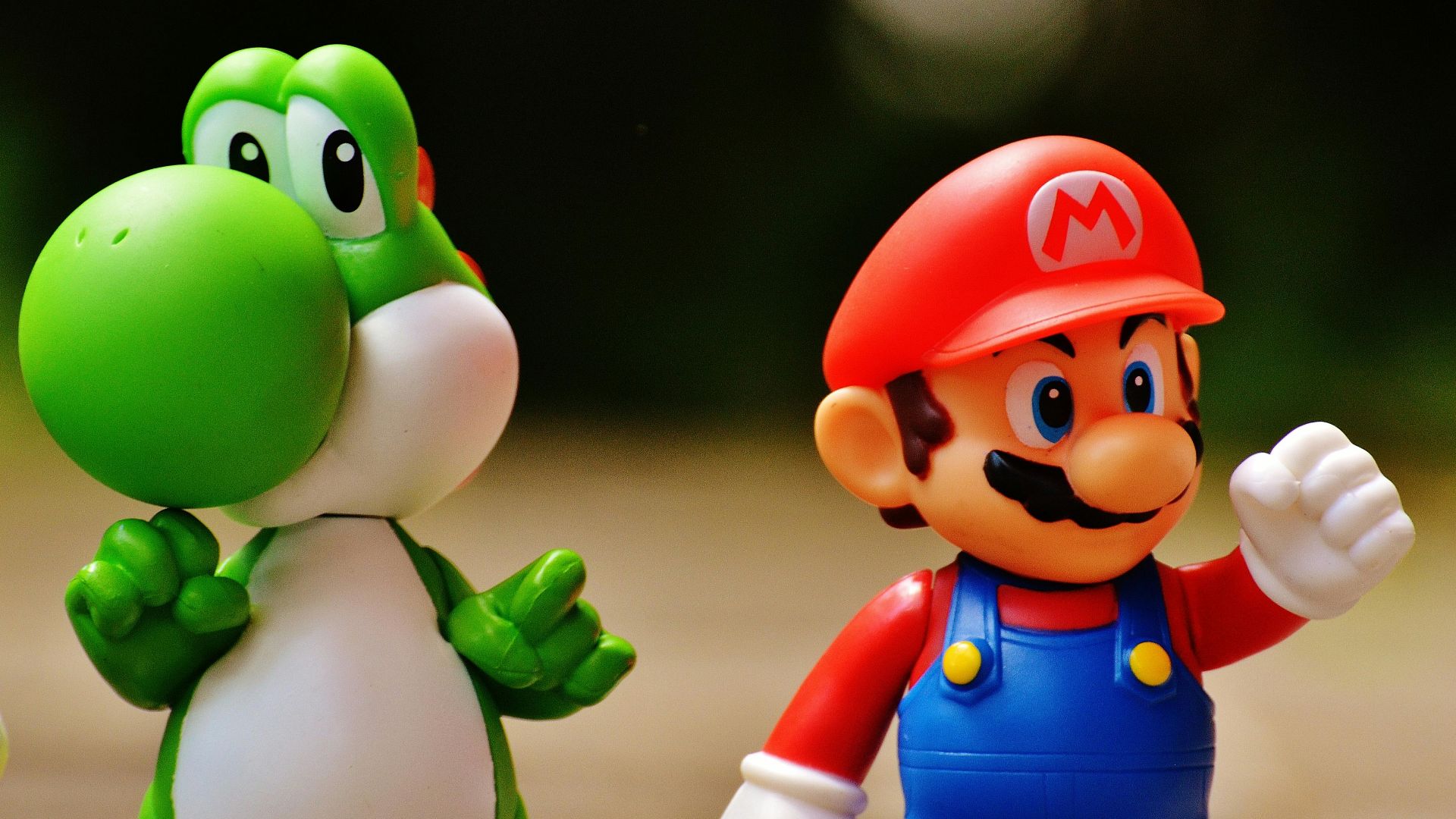
11. Steelbook Game Cases
Steelbooks give physical games a premium feel. Their artwork is often exclusive and more visually striking than standard cases. Many collectors display them front-facing like miniature posters.
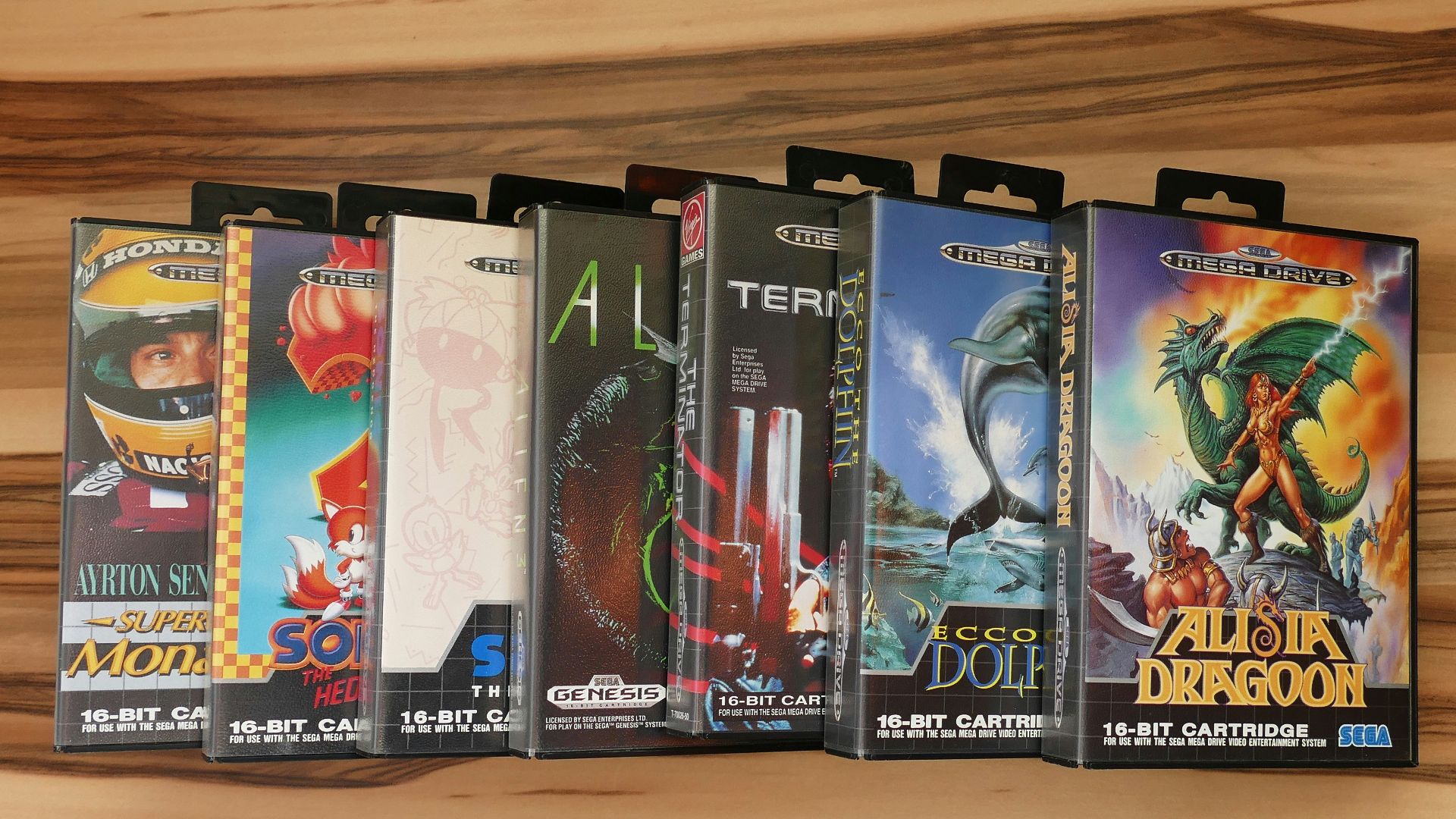
12. Signed Developer Memorabilia
Autographed items connect games to the people who made them. A signed box, poster, or manual adds a personal layer of history. These pieces often come from conventions or launch events. They turn mass-produced items into one-of-a-kind keepsakes.
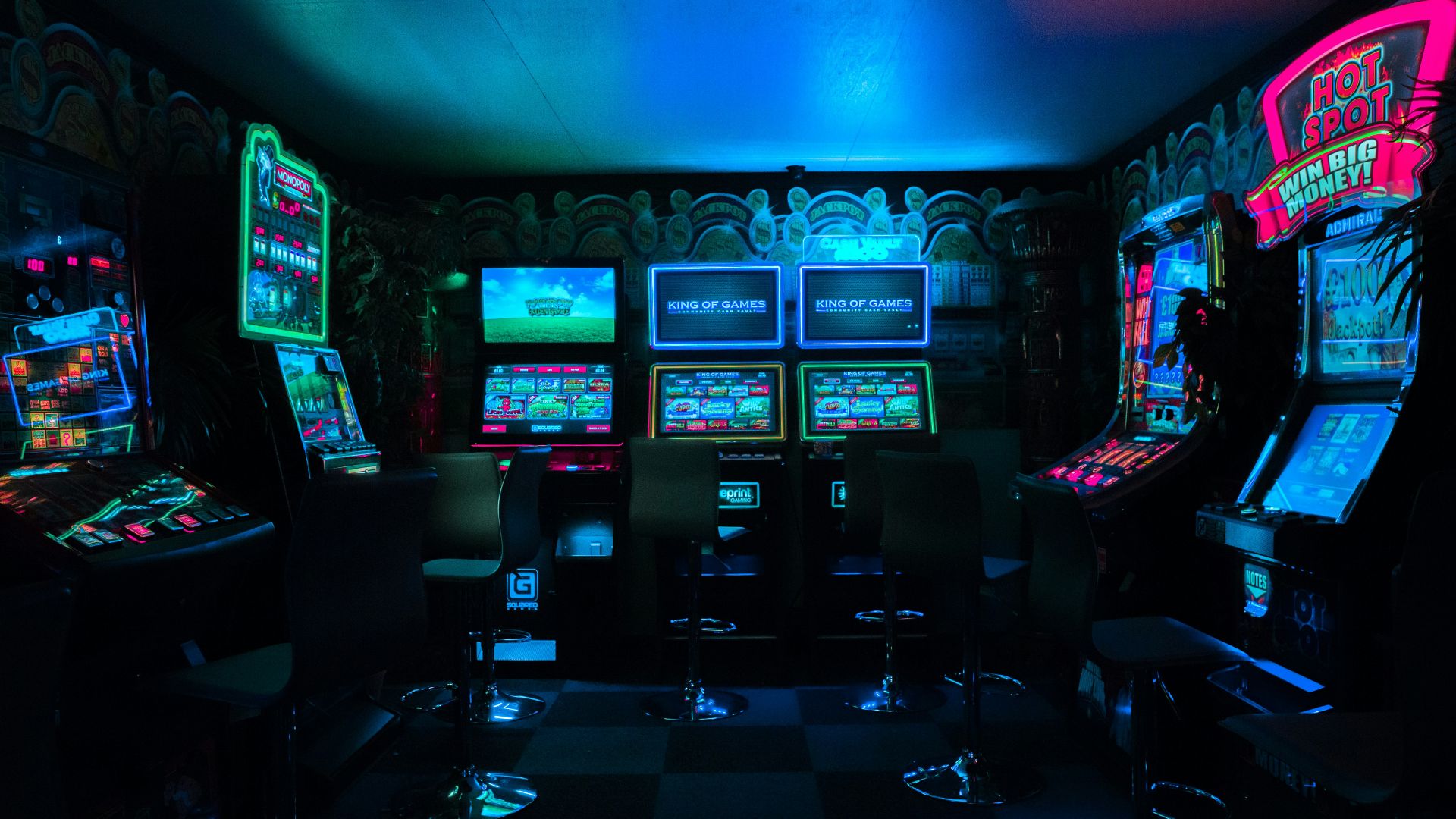
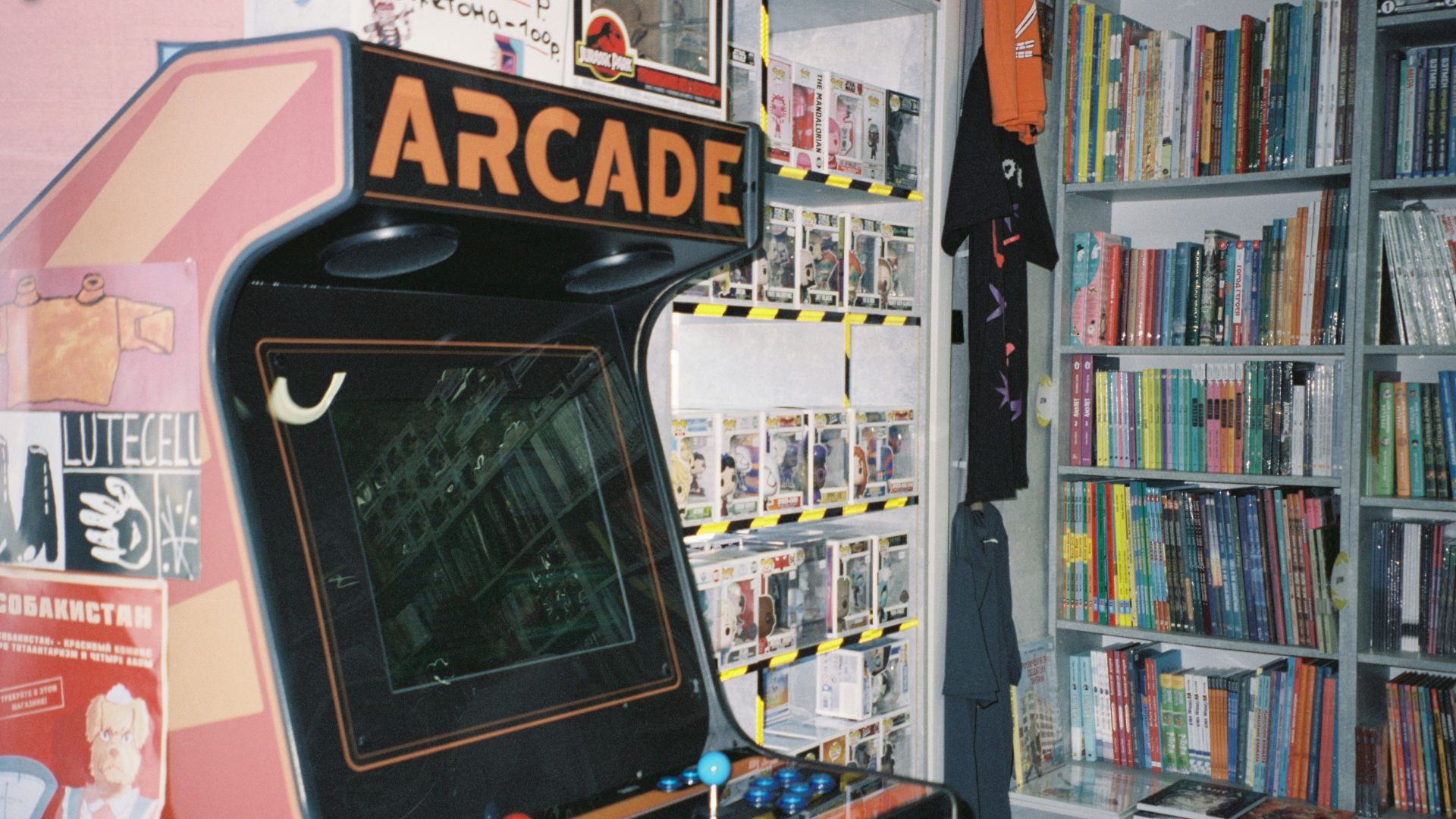
13. Arcade Cabinets Or Bartop Machines
Arcade machines are icons of gaming culture. Full-size cabinets or bartop versions recreate the classic experience at home. The physical controls and cabinet art are a huge part of the charm. They remind players that games were once social, noisy, public events.
14. Original Game Maps
Some games included physical maps of their worlds. These items let fans explore environments outside the game itself. They’re especially popular for RPGs and open-world titles, and many collectors frame them as artwork.
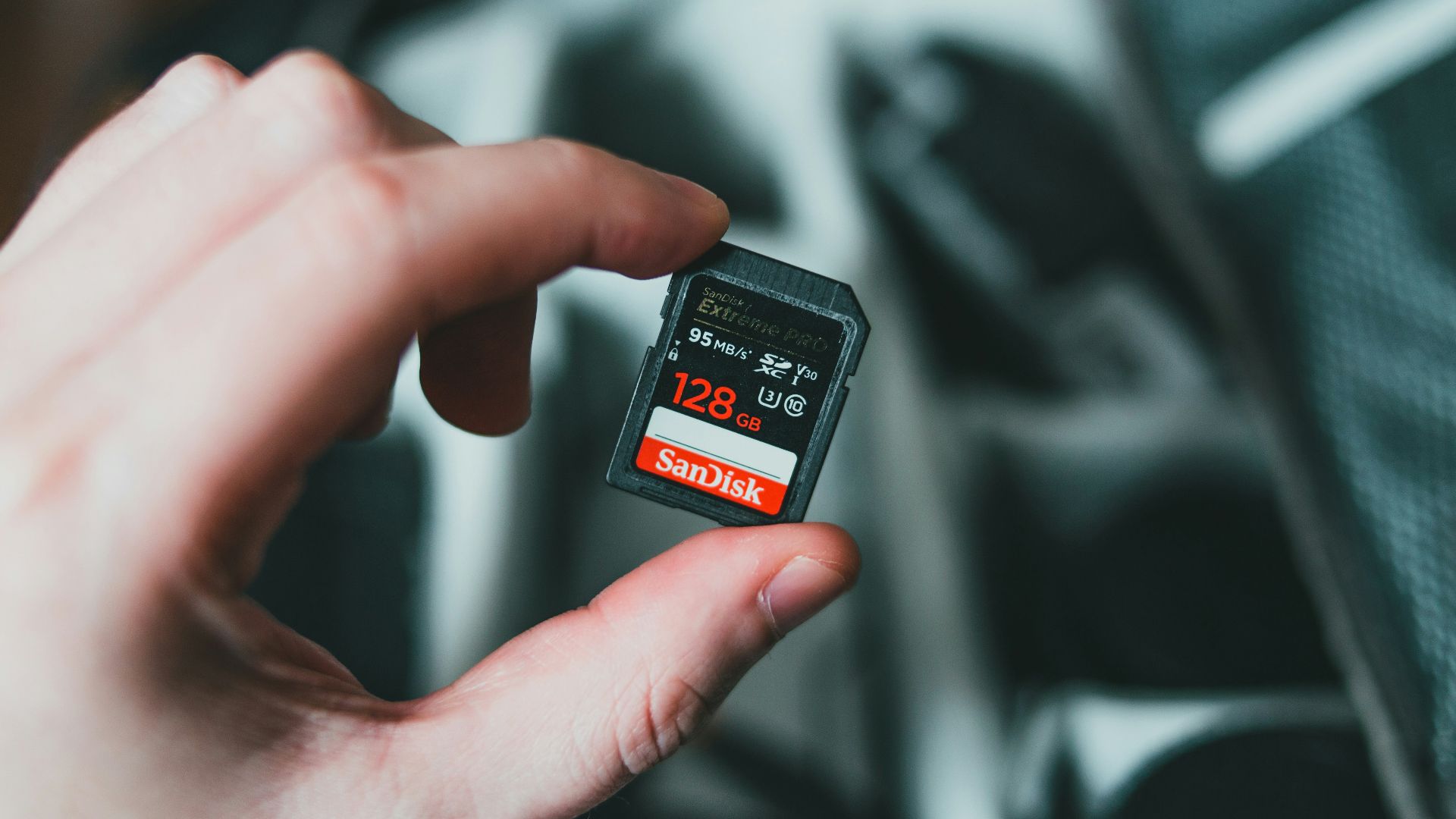
15. Memory Cards And Storage Media
Memory cards may seem mundane, but they hold personal gaming history. Old save files represent completed journeys and unfinished stories. They’re physical proof of time invested. Revisiting them can feel surprisingly emotional.
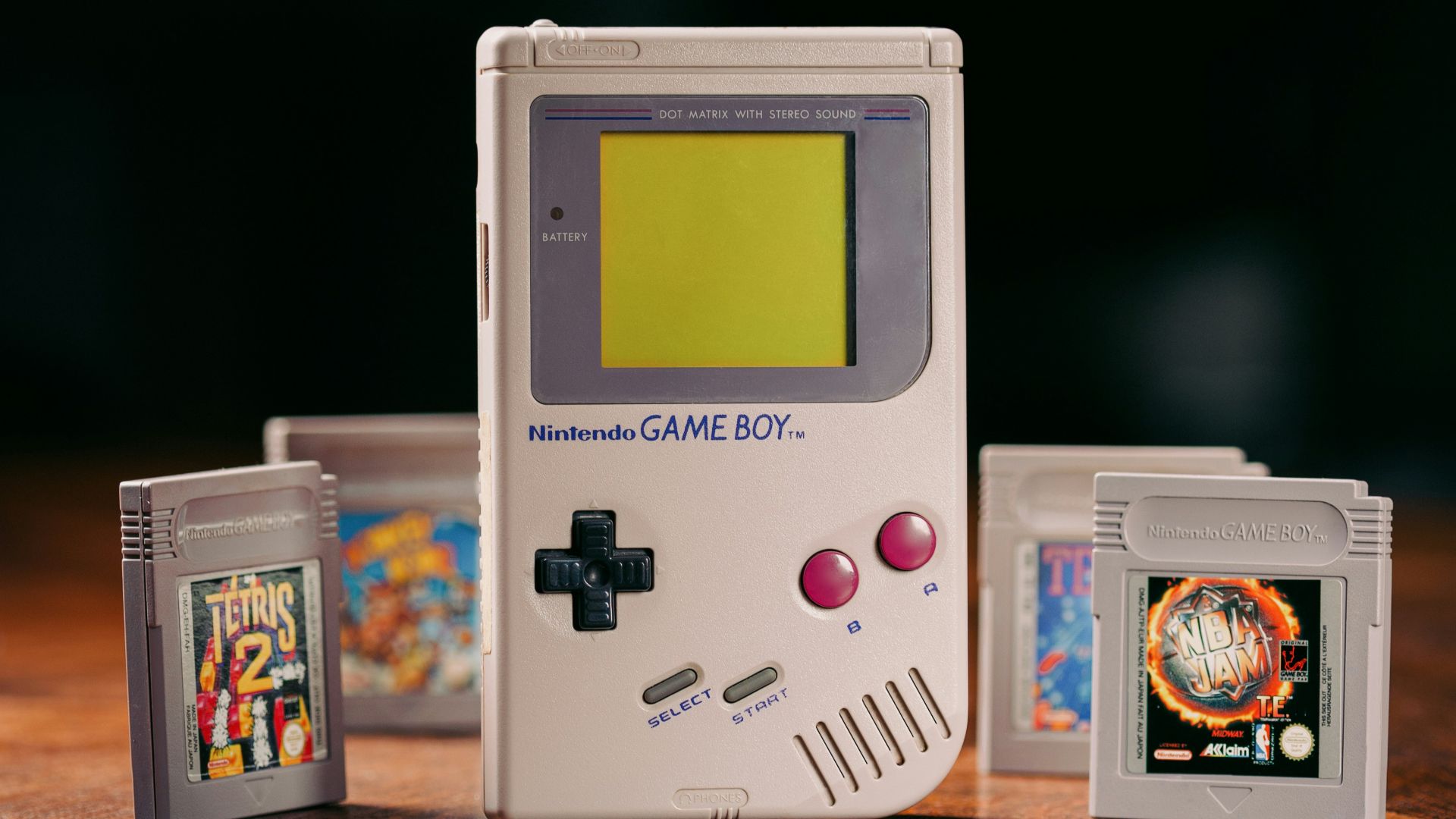
16. Handheld Gaming Systems
Handheld consoles changed how and where people played games. Systems like the Game Boy, PSP, and Nintendo DS defined portable gaming. Their limitations pushed creative design choices. They also carry strong personal nostalgia for many players.
17. Press Kits
Press kits were sent to the media before a game launched. They often include unique assets never sold publicly. Owning one feels like having behind-the-scenes access. These kits offer a rare glimpse into how games were originally presented.
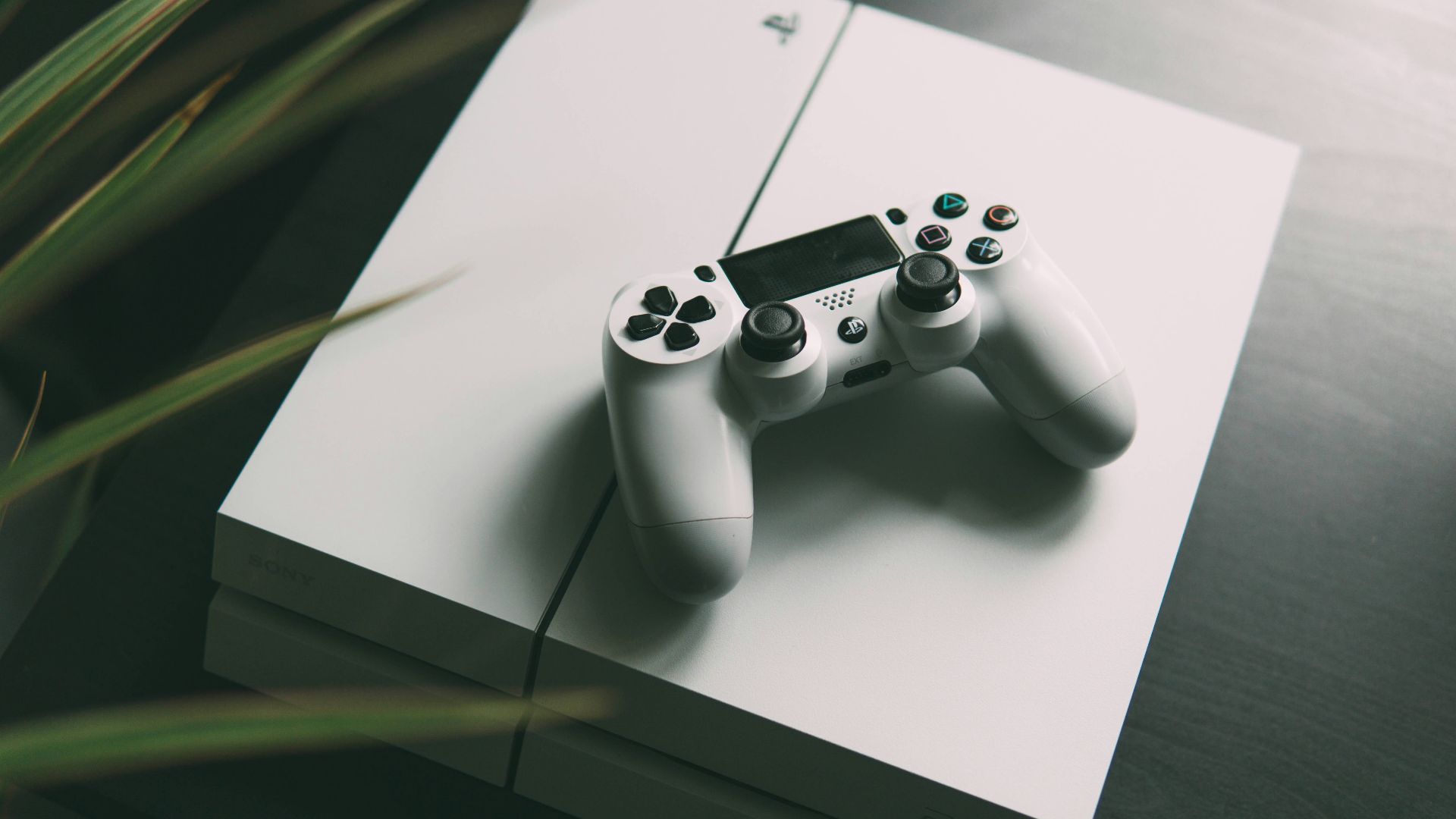 Nikita Kachanovsky on Unsplash
18. Anniversary Re-Release Collections
Anniversary collections bundle classic games with modern enhancements. They often include bonus content, galleries, or archival material. These releases celebrate longevity and influence. They’re great entry points for new players and longtime fans alike.
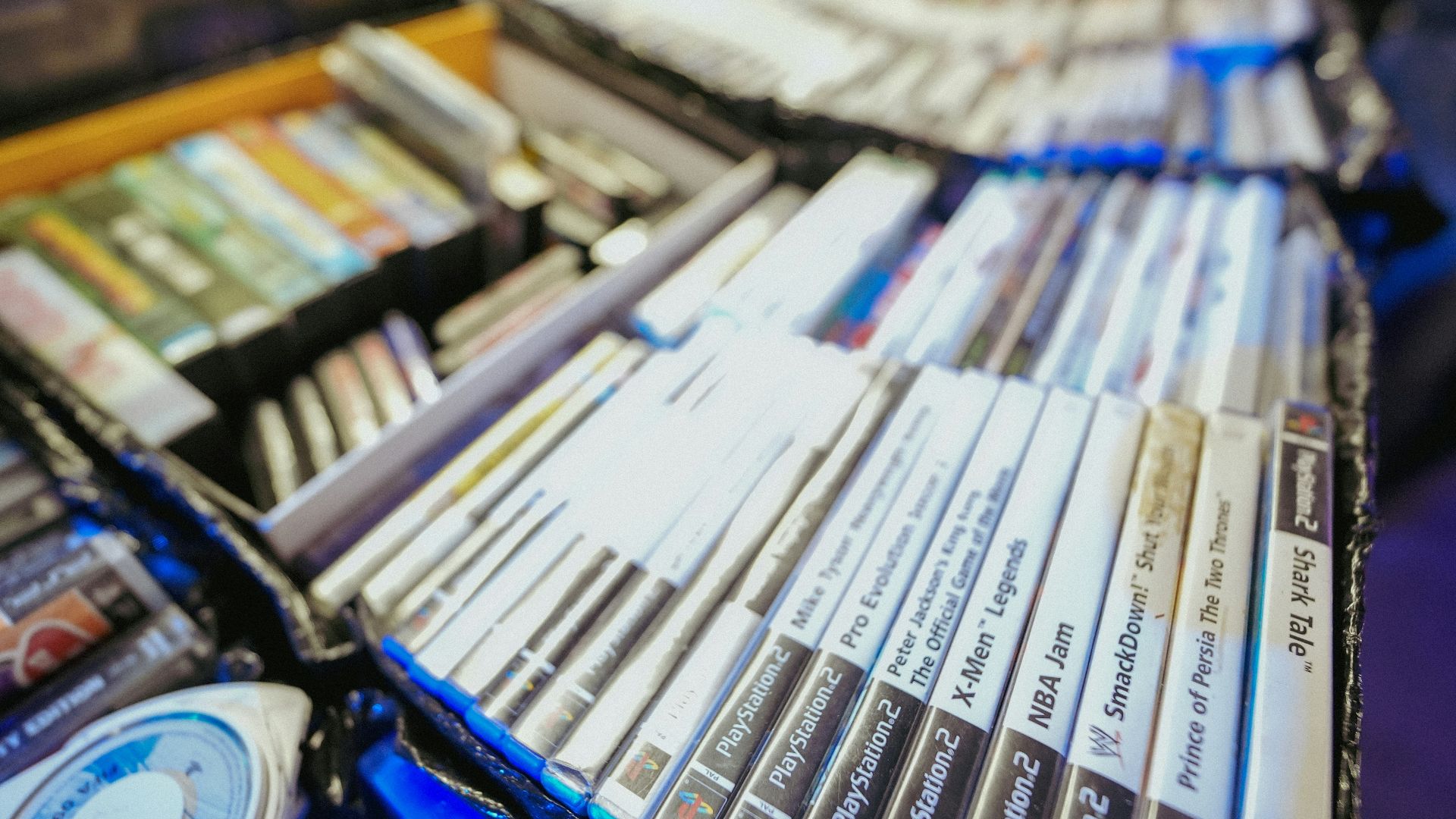
19. Official Promotional Merchandise
Shirts, posters, and launch items capture the excitement around a video game release. Many were only available briefly, adding to their appeal. Years later, they become time capsules of gaming culture.
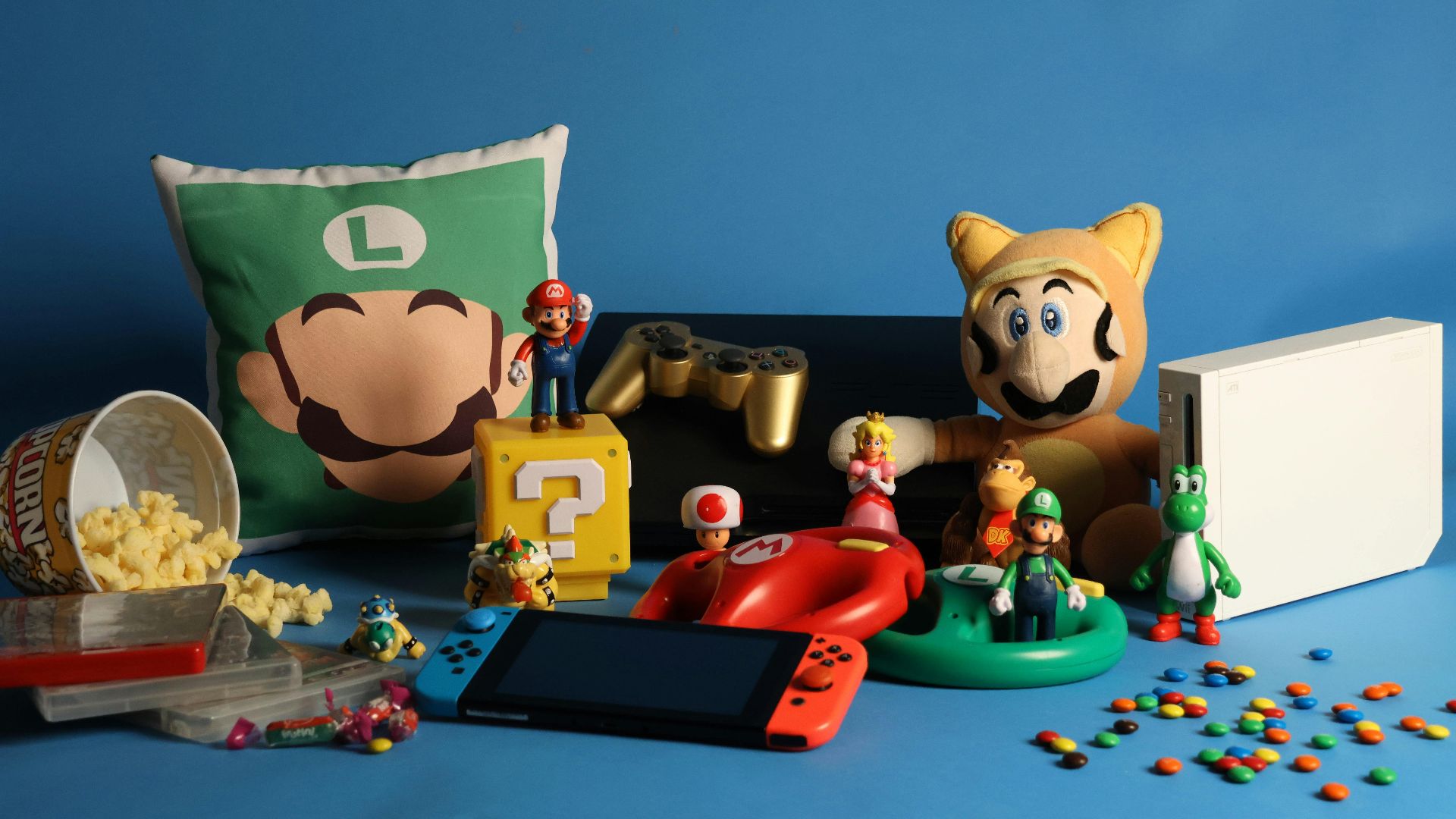
20. A Dedicated Display Shelf
A proper display brings a collection together. Shelving lets you organize items in a way that tells your gaming story. Lighting and spacing can elevate even modest collections, and presentation often matters just as much as the collectibles themselves.