
Trust Is Built On Release Day
A few years ago, you could see a studio logo, assume a basic level of care, and plan your weekend around launch without second-guessing it. Now trust looks like restraint, waiting for performance breakdowns, scanning reviews for “bricked,” “crashing,” and “unplayable,” and bracing for the familiar statement that begins with “we hear you.” None of this is about demanding perfection, because even great studios miss sometimes, and plenty of players will forgive rough edges when the game’s clearly made with love. Here are ten studios that taught fans to keep receipts, and ten that still make release day feel like an actual celebration.

1. CD Projekt RED
Cyberpunk 2077’s launch became the modern parable about ambition outrunning reality, especially on last-gen consoles where performance issues were widely reported. The fact that it escalated into refunds and a temporary removal from a major digital storefront turned it from a bad launch into a public spectacle. Even after years of updates, that early memory still sits in the room whenever the studio announces something new.
 Sergey Galyonkin from Raleigh, USA on Wikimedia
2. Blizzard Entertainment
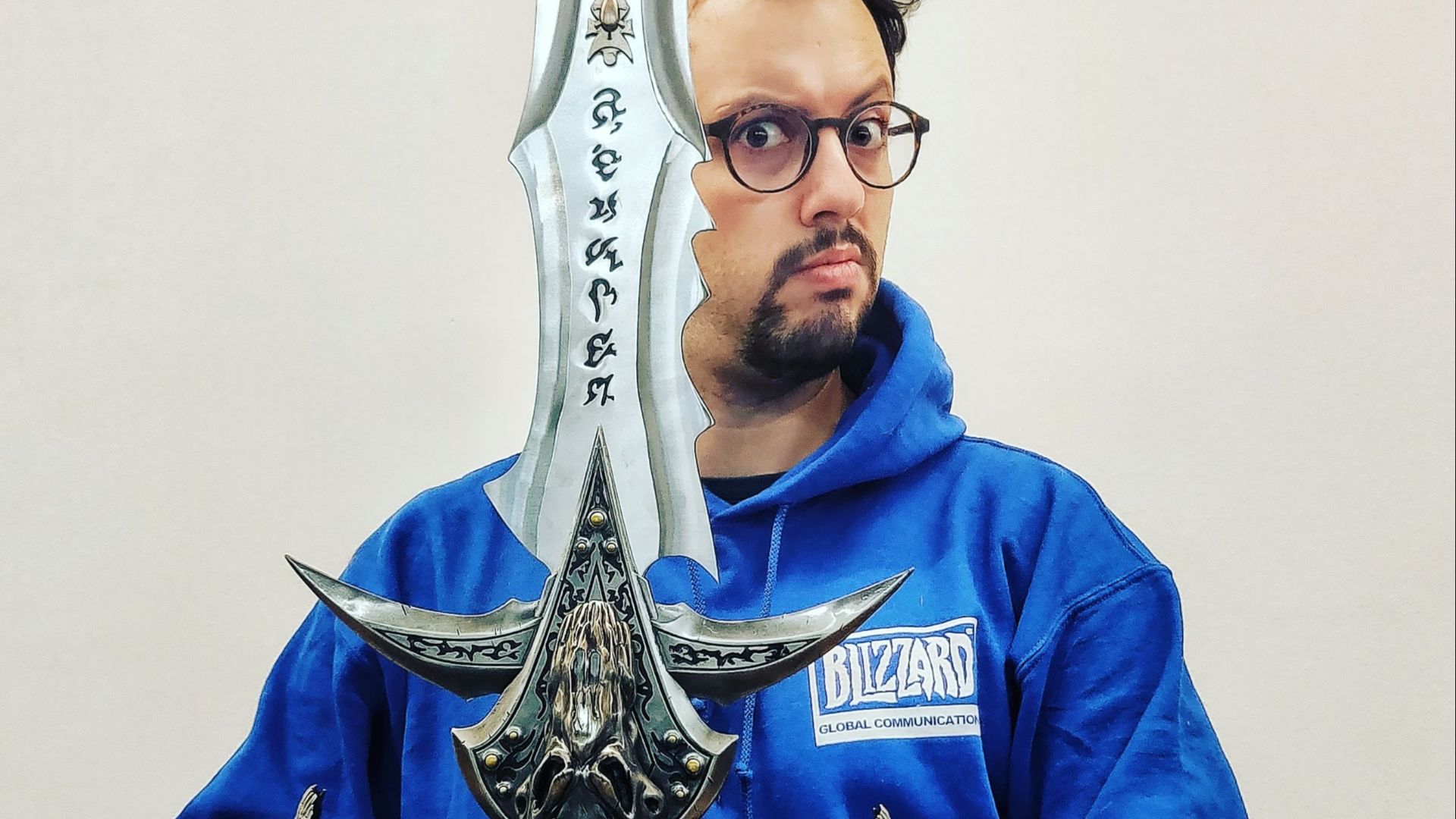
For many fans, the trust fracture wasn’t just about design choices or monetization debates, it was about the company itself. Publicly reported allegations and lawsuits about workplace culture changed the way people talked about Blizzard in the same breath as their games. When a studio’s name starts feeling heavy, excitement gets complicated fast.
3. BioWare
BioWare earned its reputation on character-driven RPGs that made players care, then spent years trying to rediscover that footing under modern pressure. Anthem landing poorly, followed by the cancellation of its planned overhaul, taught fans that even big names can ship a gorgeous promise with shaky foundations.
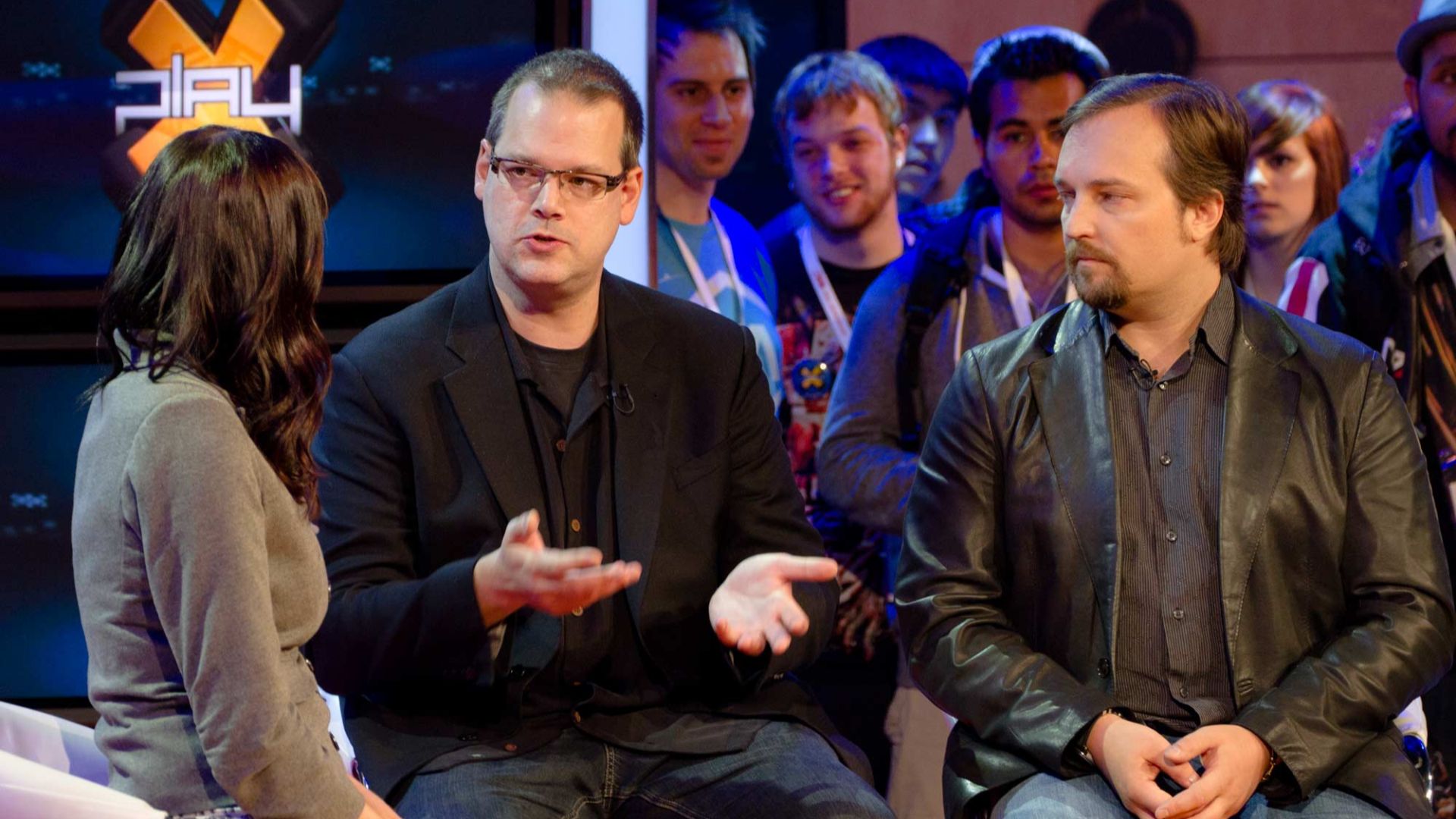 Photo is by Richard Cabrera on Wikimedia
4. Bethesda Game Studios
Bethesda’s open worlds have always come with a certain brand of chaos, the kind players used to shrug off as “Bethesda stuff.” Fallout 76 pushed that tolerance to the limit, and the collector’s edition controversy around the Power Armor Edition bag made it feel like more than a buggy launch.

5. Ubisoft
Ubisoft has released plenty of good games, yet it’s also become known for uneven execution and a churn that can make big releases feel strangely similar. Reports over the years about workplace misconduct and internal turmoil added another layer of discomfort that bleeds into how people receive new announcements.
6. Bungie
Bungie can still create moments that feel electric, especially in Destiny’s best raids and story peaks, yet the studio has also been associated with turbulence that fans can sense from the outside. Layoffs and restructuring become scary when your favorite game is built around long-term investment, seasons, and ongoing support.
 Youbettaredneckognize on Wikimedia
7. 343 Industries
Halo is a franchise with mythic weight, so every stumble lands louder than it would elsewhere. Reports of leadership changes and broader Microsoft layoffs around the Halo ecosystem contributed to the sense that the series has been searching for steady direction. When a studio feels like it’s constantly recalibrating, fans stop expecting confidence and start expecting fixes.
8. DICE
Battlefield launches used to feel like big public events, the kind that pulled entire friend groups back together. Battlefield 2042’s rocky release and the long process of reworking core systems made players feel like they paid for early access to a repair project. Trust erodes when “wait a year” becomes the unofficial recommendation.
 The original uploader was StGerner at German Wikipedia. on Wikimedia
9. Rockstar Games
Rockstar’s mainline games still carry a gravitational pull, which is exactly why the GTA Trilogy remaster issues hit so hard. When a release tied to such beloved classics arrives looking undercooked, it feels like a studio letting its own legacy slide. Fans can forgive a lot, yet they rarely forgive the sense that nobody cared.

10. Volition
Volition’s situation is more painful than scandalous, since it’s about a studio losing its footing and then losing its doors. The Saints Row reboot failed to win over a lot of longtime fans, and the eventual closure of the studio made the whole era feel final. Trust becomes irrelevant when the relationship ends, yet the disappointment still lingers.
Some studios lose goodwill in dramatic moments, and others earn loyalty quietly, release after release, by doing the unglamorous work of finishing what they start. Here are ten that earned the fandom's respect.

1. FromSoftware
FromSoftware built trust through consistency and conviction, shipping games that feel intentional even when they’re punishing. Elden Ring landing as a critical and commercial phenomenon reinforced the belief that the studio understands its audience and respects their time. When a FromSoftware game drops, fans expect difficulty, mystery, and craftsmanship, not chaos.

2. Nintendo EPD
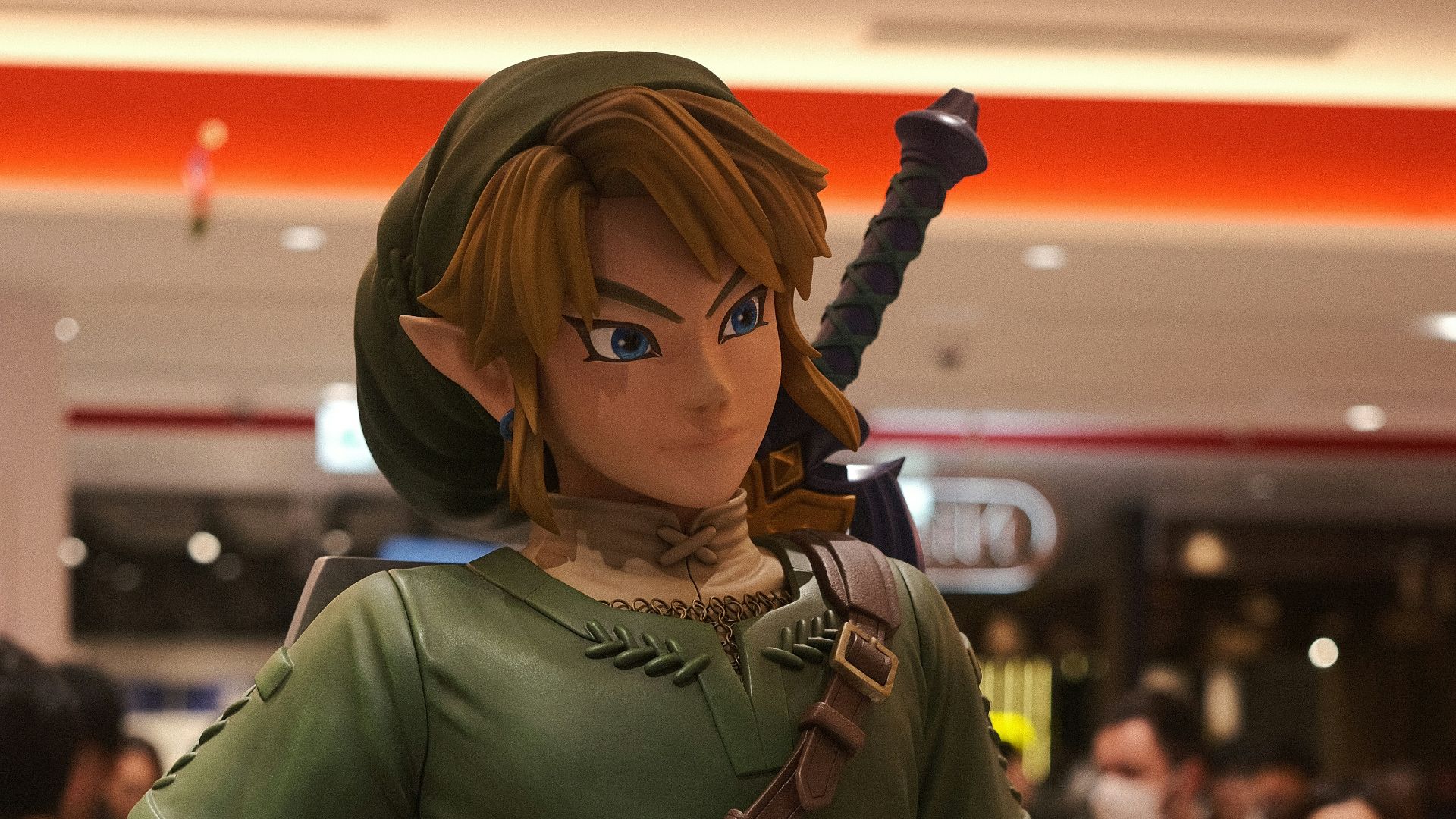
Nintendo’s first-party teams have a reputation for polish that feels almost old-fashioned, like someone spent months arguing over jump timing and menu friction. The Legend of Zelda: Tears of the Kingdom arrived with systems deep enough to keep people experimenting for weeks, and it ran with a steadiness that made the ambition feel safe.
3. Insomniac Games
Insomniac has the comforting energy of a studio that knows how to ship, then ship again, without acting like each release is a miracle. Their Spider-Man games, along with other recent projects, have shown strong pacing, smooth traversal, and a level of finish that makes you relax. Even when the story is not your favorite flavor, the product tends to feel complete.
4. Larian Studios
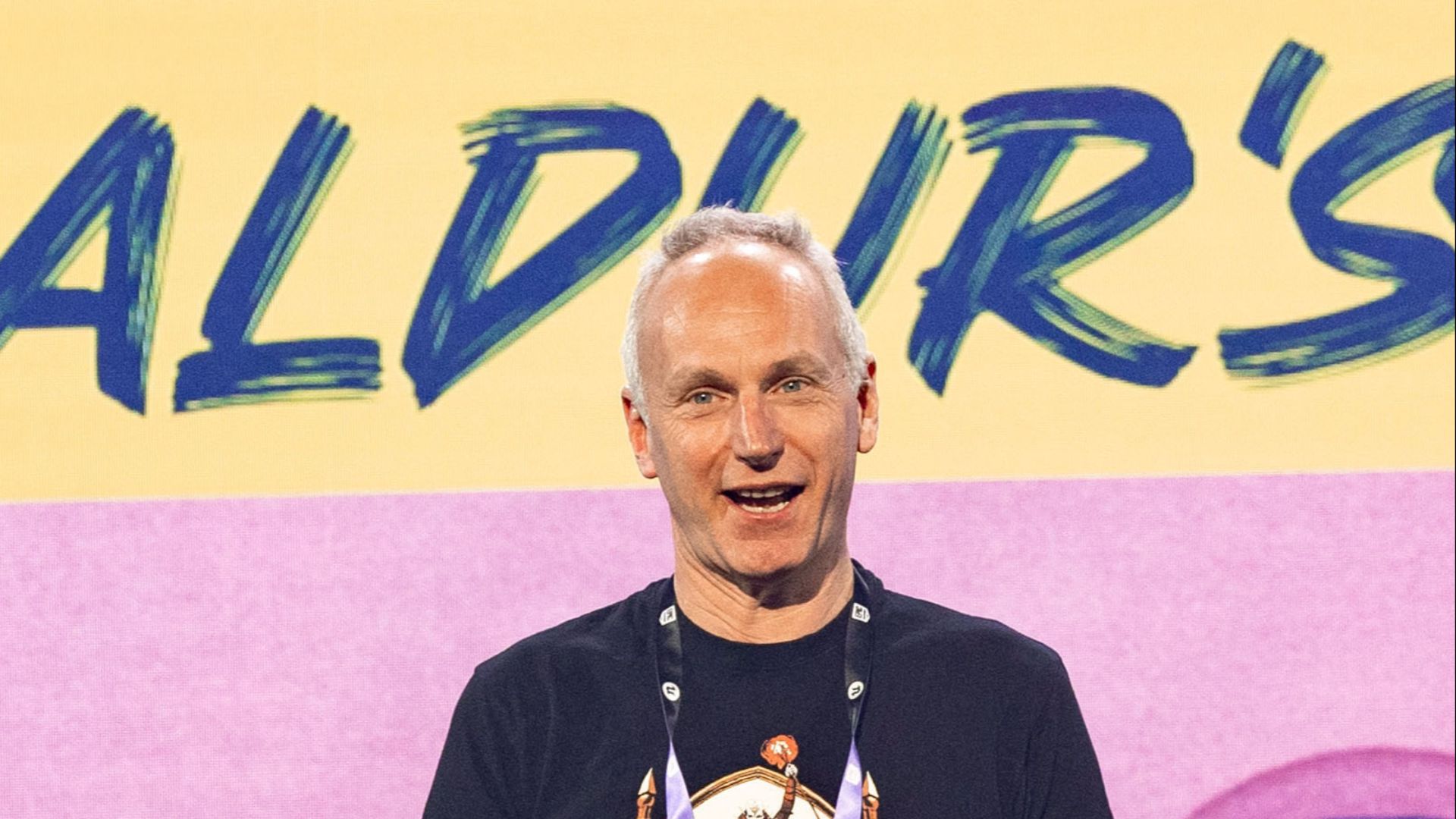
Larian earned a lot of goodwill by proving that a huge RPG can launch with depth, personality, and real systemic freedom. Baldur’s Gate 3 didn’t just succeed, it became a reference point for how responsive a game can feel to player choice. Trust follows when a studio seems to care about the player experience more than the release window.
5. Remedy Entertainment
Remedy’s games feel like they come from a studio with a clear voice, and that voice is weird in a satisfying way. Alan Wake 2 reinforced Remedy’s reputation for atmosphere and storytelling that doesn’t play it safe. Fans show up because they expect a distinct experience, not a trend-chasing copy.
 commons.wikimedia.org on Google
6. Supergiant Games
Supergiant is the studio people mention when they want to talk about craft, not scale. Hades felt tight, responsive, and surprisingly warm, the kind of game where even repeated runs feel deliberate rather than padded. That consistency builds trust because it suggests the studio knows when to stop polishing, and also when to keep going.

7. Santa Monica Studio
Santa Monica Studio has become synonymous with blockbuster quality that still feels human, like the team sweated the small beats as much as the spectacle. God of War Ragnarök landed with the confidence of a studio that understands its tools and its characters. Players trust the studio because it tends to ship games that feel finished, not merely launched.
 Bob Bekian from Thousand Oaks Ca., USA on Wikimedia
8. Naughty Dog
Naughty Dog releases don’t always please everyone, yet they rarely feel sloppy. The studio’s work is known for animation detail, audio design, and environments that feel lived-in, like someone cared about the texture of a wall you’ll only see for ten seconds.

9. RGG Studio
RGG Studio has built a loyal audience by being reliable in the best way, delivering games that feel packed with side stories, mini-games, and oddly sincere emotion. The Like a Dragon series tends to arrive with a clear identity and a satisfying amount of content. Fans trust it because it feels like the studio knows exactly what it is making, and it makes it on purpose.

10. Obsidian Entertainment
Obsidian is often associated with smart writing and RPG systems that respect player choice, even when budgets aren’t astronomical. The studio’s best work has a specific tone, like a table full of designers argued passionately about consequences and then actually implemented them.