Why Making Games Still Needs People
AI can accelerate pipelines, fill in busywork, and help teams iterate faster—but it can’t take over the deeply human parts of building a game from scratch. Game development is a long chain of judgment calls where taste, accountability, and communication matter as much as technical execution. When it comes to building games, these are the things people should still be doing themselves, even with the best tools on their desks.

1. A Clear Creative Vision
A project needs someone to decide what it’s trying to be and what it refuses to be. AI can generate options, but it won’t commit to a direction and defend it when the build gets messy. People are the ones who set the tone, the priorities, and the boundaries that keep the game coherent.
2. Knowing Which Ideas to Cut
The hardest decisions often involve removing features you secretly love. AI can flag scope risk, but it can’t weigh team morale, marketing realities, and player expectations all at once with real accountability.
3. Accountability for Design Tradeoffs
Every mechanic has a cost, whether it’s complexity, balance risk, or production time. AI may recommend a path, but it won’t own the fallout if the choice backfires in playtests or launches badly. A human lead has to make the call and stand behind it.

4. The Taste Behind Moment-to-Moment Feel
Great control and camera feel come from tiny adjustments that are hard to justify in neat points. Though AI helps you search through parameters, it won’t sense the exact difference between “fine” and “delightful” in a player’s hands. That final polish still comes from experienced judgment and obsessive testing.

5. A Team’s Shared Language
Studios succeed when people understand each other quickly and precisely. AI can summarize discussions—it doesn’t build the trust and shorthand that lets a team move at full speed. You create alignment through conversations, not documentation.
6. Productive Conflict and Healthy Debate
Good games often emerge from respectful disagreement where assumptions get challenged. AI merely presents the pros and cons; it can’t replace the human skill of arguing without turning it personal. Healthy debates benefit an entire game, and most importantly, the relationships behind it.
7. Leadership That Protects the Team
Schedules slip. Priorities change. Somebody has to shield developers from chaos. AI can track tasks, but it won’t notice burnout early or negotiate expectations with empathy and firmness.

8. Ethical Choices About Player Impact
Monetization and engagement systems can cross lines if nobody draws them. Sure, AI can optimize metrics, but that doesn’t mean it’ll reliably choose what’s respectful to players—especially when incentives get tempting.

9. Crafting a Distinct Art Direction
A recognizable style depends on deliberate rules about language, color, readability, and mood. AI only produces assets. People, on the other hand, protect a cohesive aesthetic across hundreds of decisions. Art direction is taste with a backbone, and it’s not something AI can replace.
10. Narrative Voice and Thematic Intent
Stories land because the creators mean something specific! It’s fine to use AI for drafting dialogue, so long as we understand it doesn’t have lived priorities. A narrative team should be the only ones who decide what the game actually says.

11. Humor That Fits the Studio’s Personality
Comedy in games is risky because tone can collapse fast—and only beloved developers know how to toe the line. If you’re lucky, AI can spit out a joke; it can’t come close to replicating humor or the creativity behind solid humor. A writer’s room keeps humor sharp without making it feel random or forced.
 trenchophotography on Unsplash
12. Level Design That Teaches Without Lecturing
Great levels guide the player through pacing, clarity, and surprise in ways that feel natural. You only refine levels by watching humans play, then adjusting with intent. AI proposes the layouts, but it won’t reliably anticipate how real players misread spaces or get distracted by shiny objects.
13. Building Systems That Interlock Cleanly
Complex games rely on mechanics that cooperate instead of fighting each other. That kind of cohesion comes from careful architecture and deep domain knowledge. Though AI generates system ideas, it won’t guarantee proper interactions or long-term progression.
14. Choosing What “Quality” Means
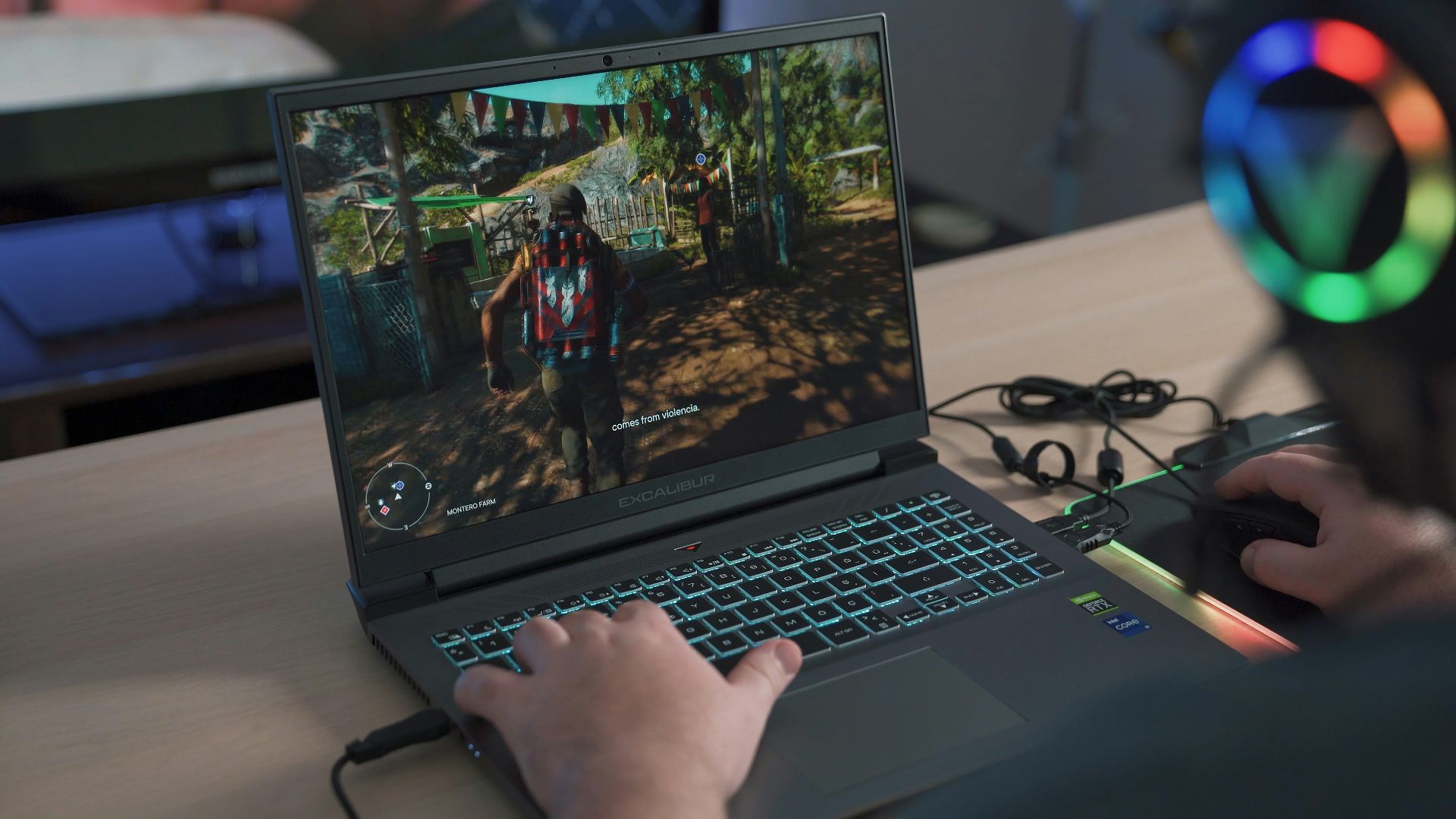
Every project has to define what a good build looks like, including what imperfections are acceptable. It’s perfectly fine to comb for bugs with AI. The buck stops when you need to decide whether a minor glitch is charming, tolerable, or a brand-damaging disaster. Only developers set standards that match the game’s promise!

15. The Human Instinct for Player Frustration
Developers fix issues best when they empathize with the player’s experience. People can measure deaths and churn, but frustration has a texture that metrics just don’t capture. AI won’t feel the specific irritation of a slow menu, unclear objective, or unfair hitbox.
16. Collaboration Across Disciplines
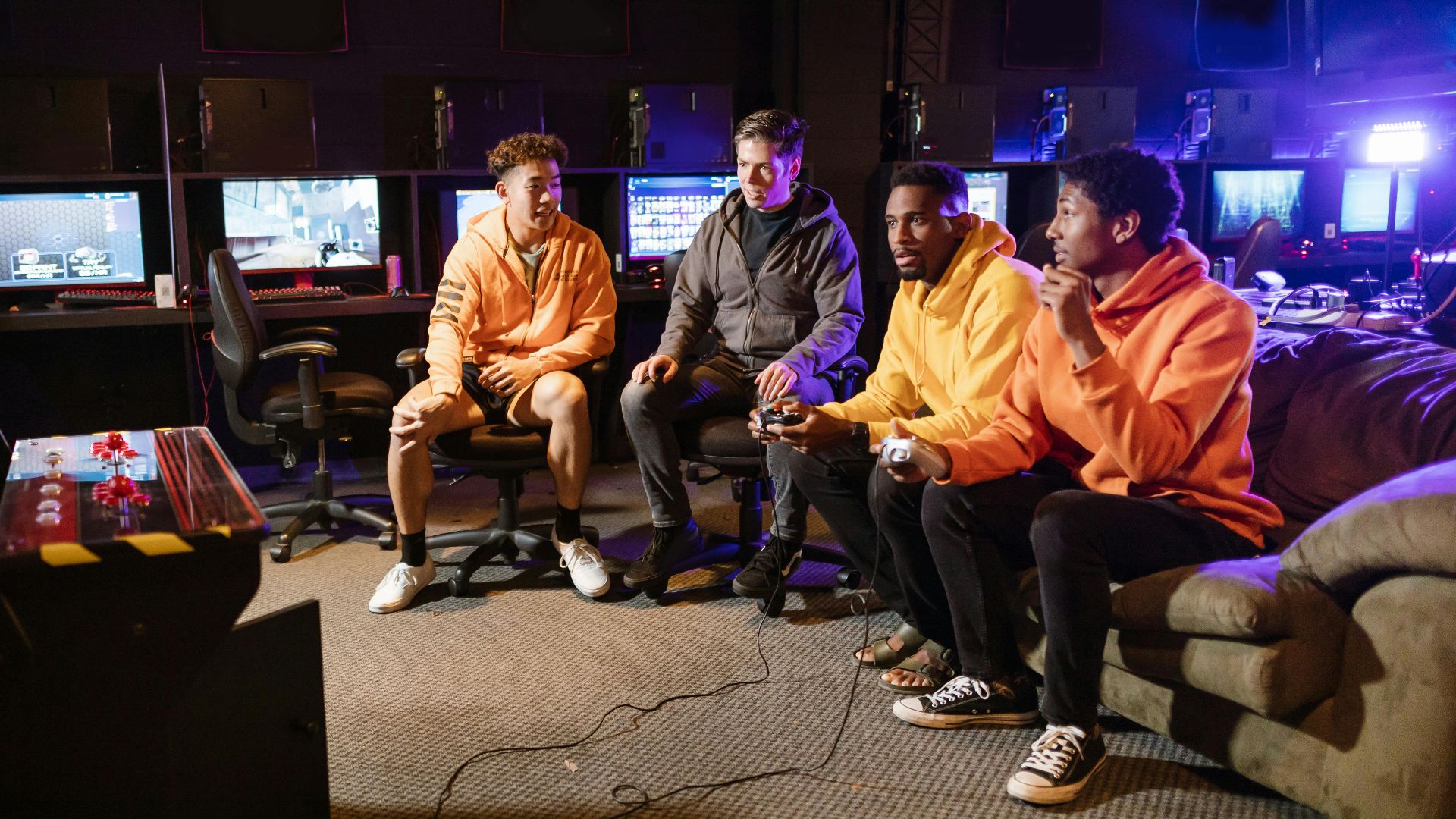
Cross-functional work succeeds because humans interpret nuance and intent. Everything from audio, art, design, engineering, and production constantly involves compromises. AI doesn’t replace the real-time negotiation that keeps everyone moving toward the same outcome.
17. The Courage to Take Creative Risks
Sometimes the right move is choosing an approach that looks weird on paper. AI tends to favor what resembles past success, especially when it’s trained on existing patterns. But a human team decides when to be bold and how to accept uncertainty.
18. Community Stewardship
Players don’t just want patches; they want to feel heard and respected. AI doesn’t really help with that. It only processes feedback—it won’t build genuine goodwill through transparency or consistent follow-through.

19. Studio Culture and Identity
Only the best developers build a studio identity by how they treat people and what they choose to celebrate. A team’s culture shapes what it ships and how it survives setbacks. AI will never be able to replicate that sense of belonging.
20. Final Approval With Real Responsibility
At some point, someone has to say, “This is the version we love,” knowing it affects careers and players. That last decision remains human because the accountability is human, too. AI can take a backseat on those choices.
 Enrique Guzmán Egas on Unsplash