It’s Cool, But It Might Not Be For Everyone
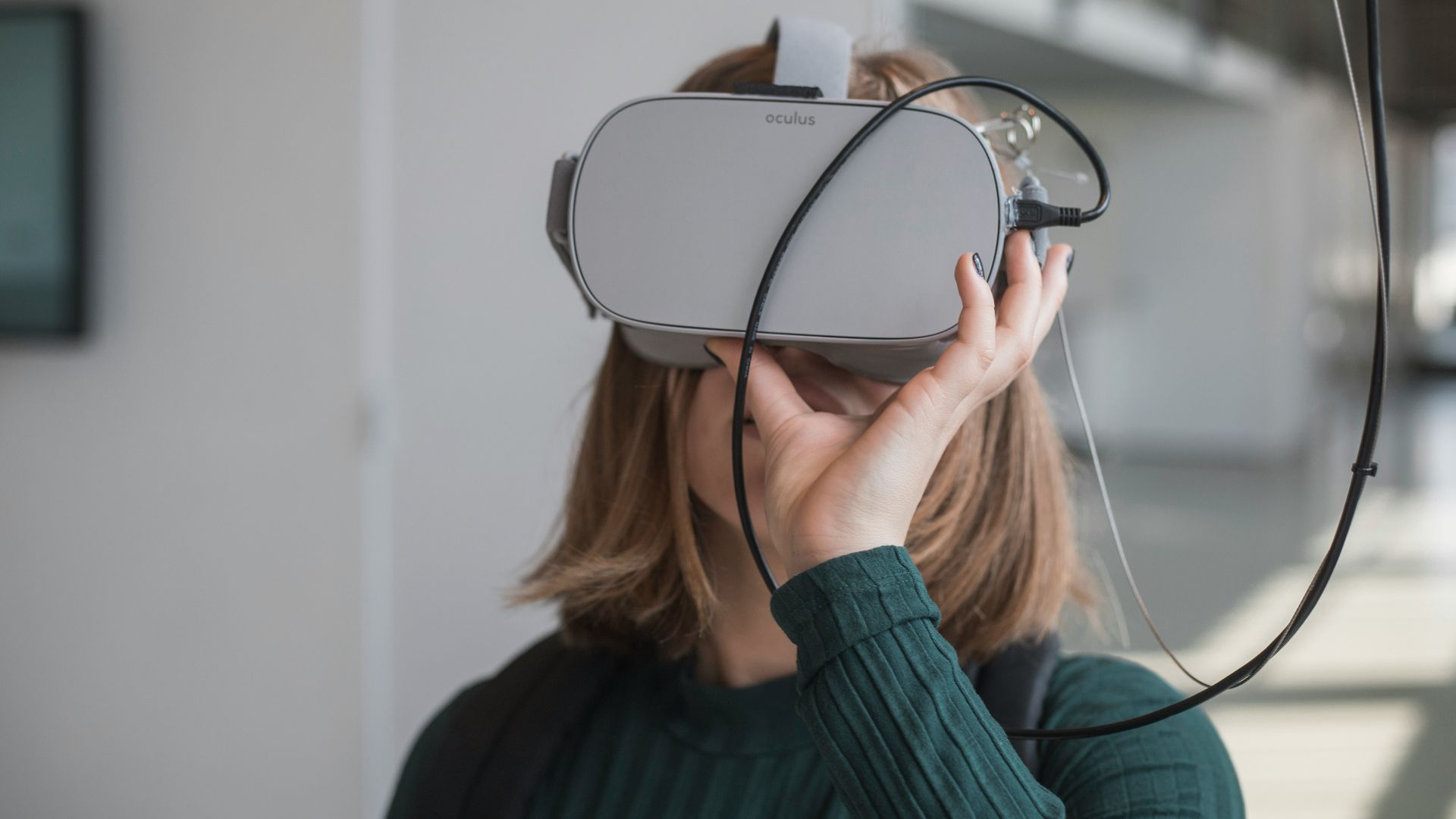
Virtual reality can make games and experiences more personal because you’re not just watching a screen; you’re participating with your whole body. The best VR moments are surprisingly intuitive once you get past the first setup, and they can be wildly different from what you’re used to on a TV or monitor. While it can be a lot of fun, there are still plenty of downsides that you may have to contend with.
1. Total Immersion
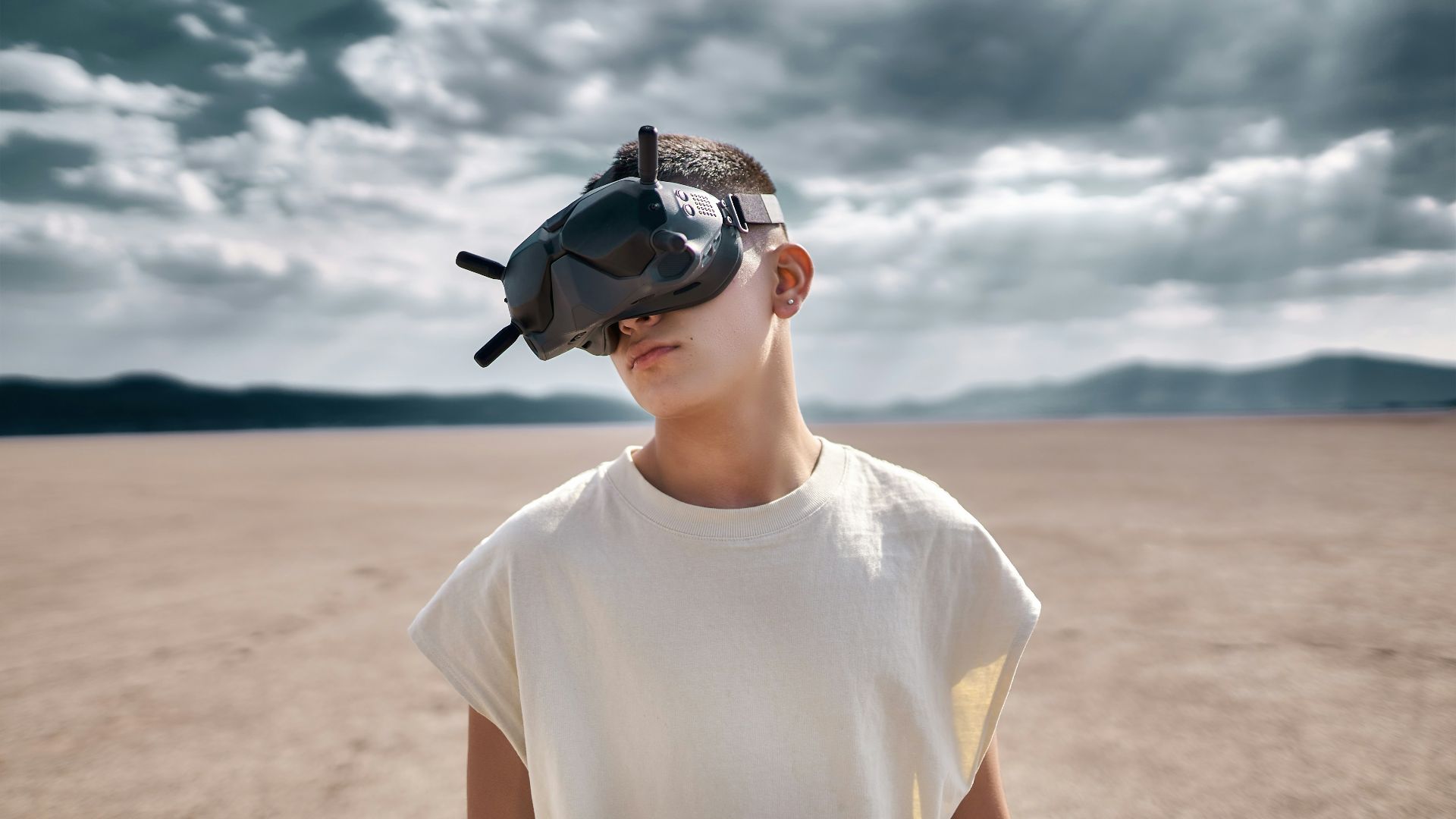
VR pulls your attention in fast because your view follows your head, and your hands are part of the action. That extra focus can make simple tasks more engaging, from aiming to dodging to exploring. It really does feel like you’re in an entirely new world.
2. Natural Interaction
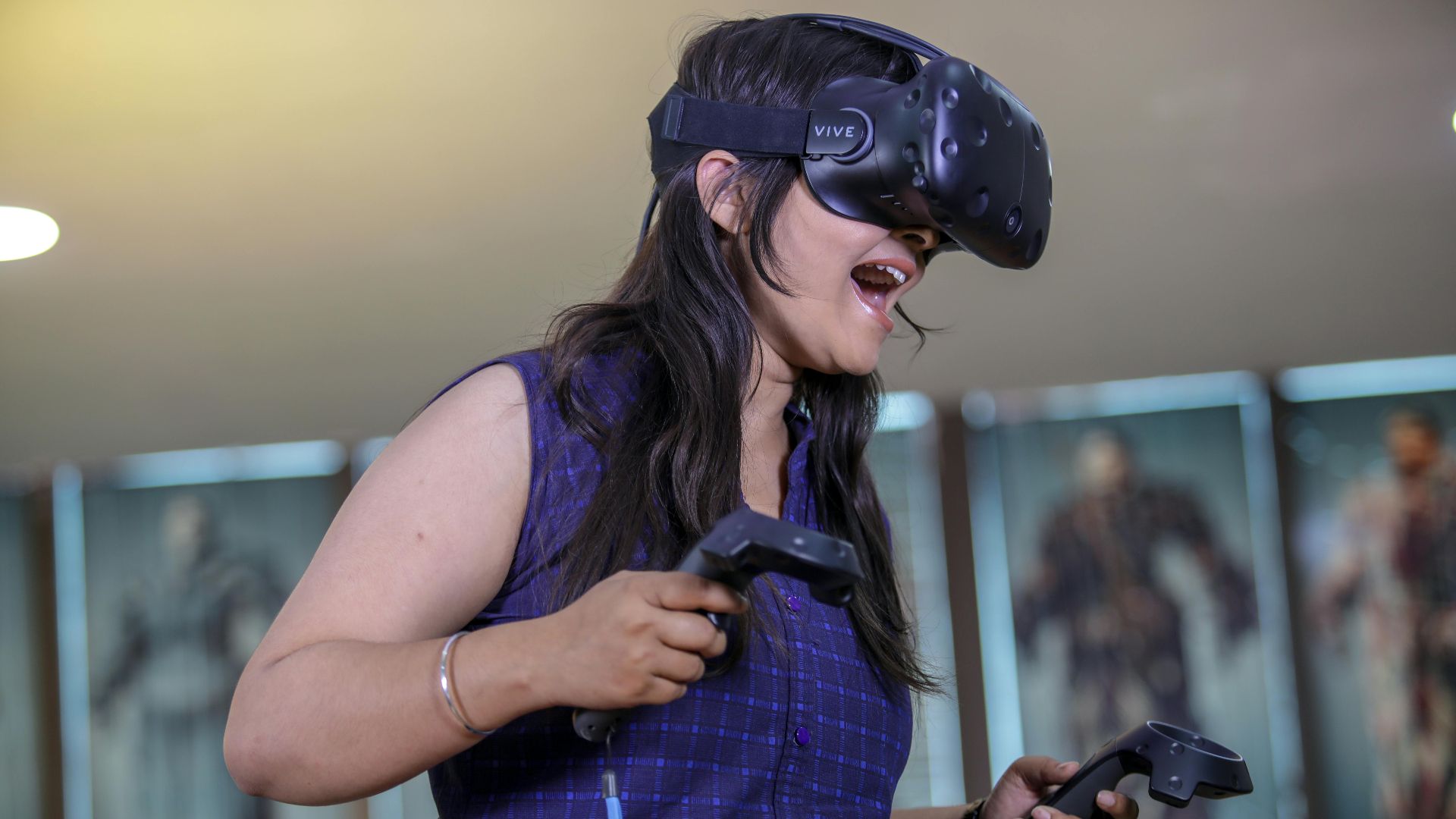
Instead of memorizing button combos, you can point, grab, and move in ways that make sense right away. Motion controllers make actions like reloading, throwing, or drawing a bow more intentional.
3. Real Sense of Scale
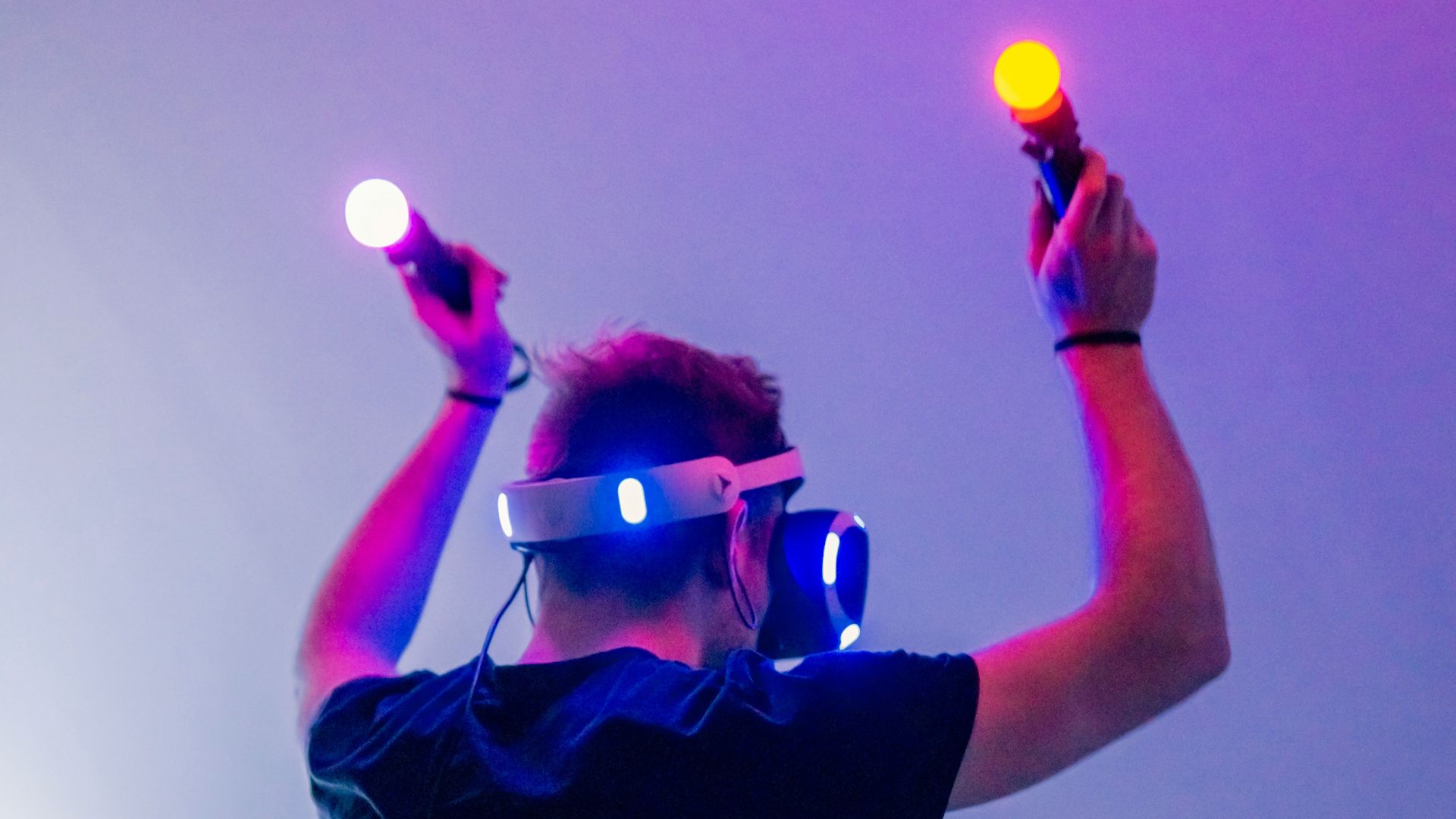
Standing next to a towering robot or looking down from a high ledge lands differently in VR. Your brain processes size and distance more directly, making worlds feel more believable. Even calm scenes can impress you with the detailing.
4. Movement Feels Better
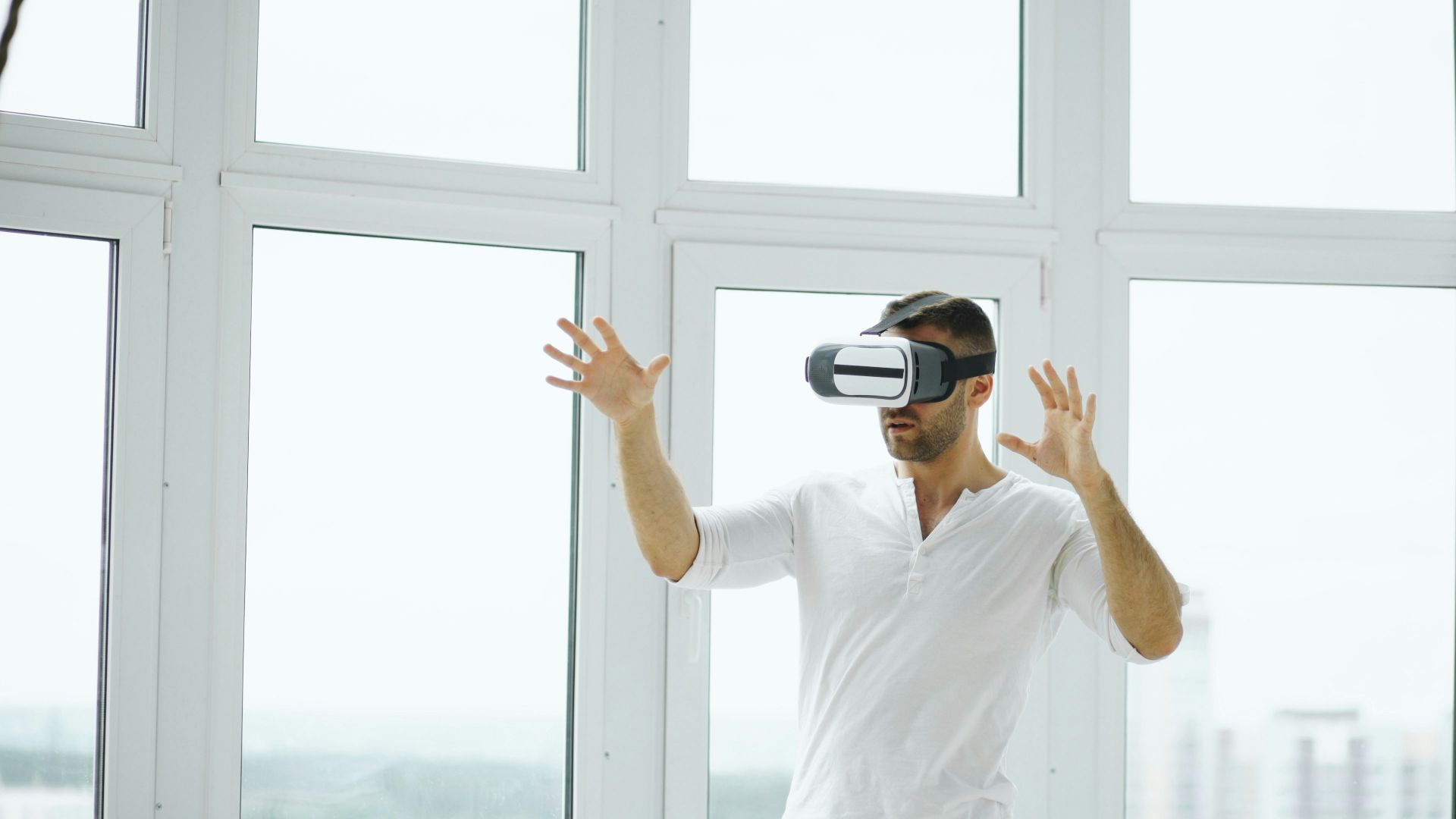
Many VR games are designed around physical motion, so your body gets involved in the experience. That can make gameplay more active, even when you’re playing something casual. If you’ve been stuck in chair-only gaming for years, VR can be a nice change.
5. Social VR Is Legit
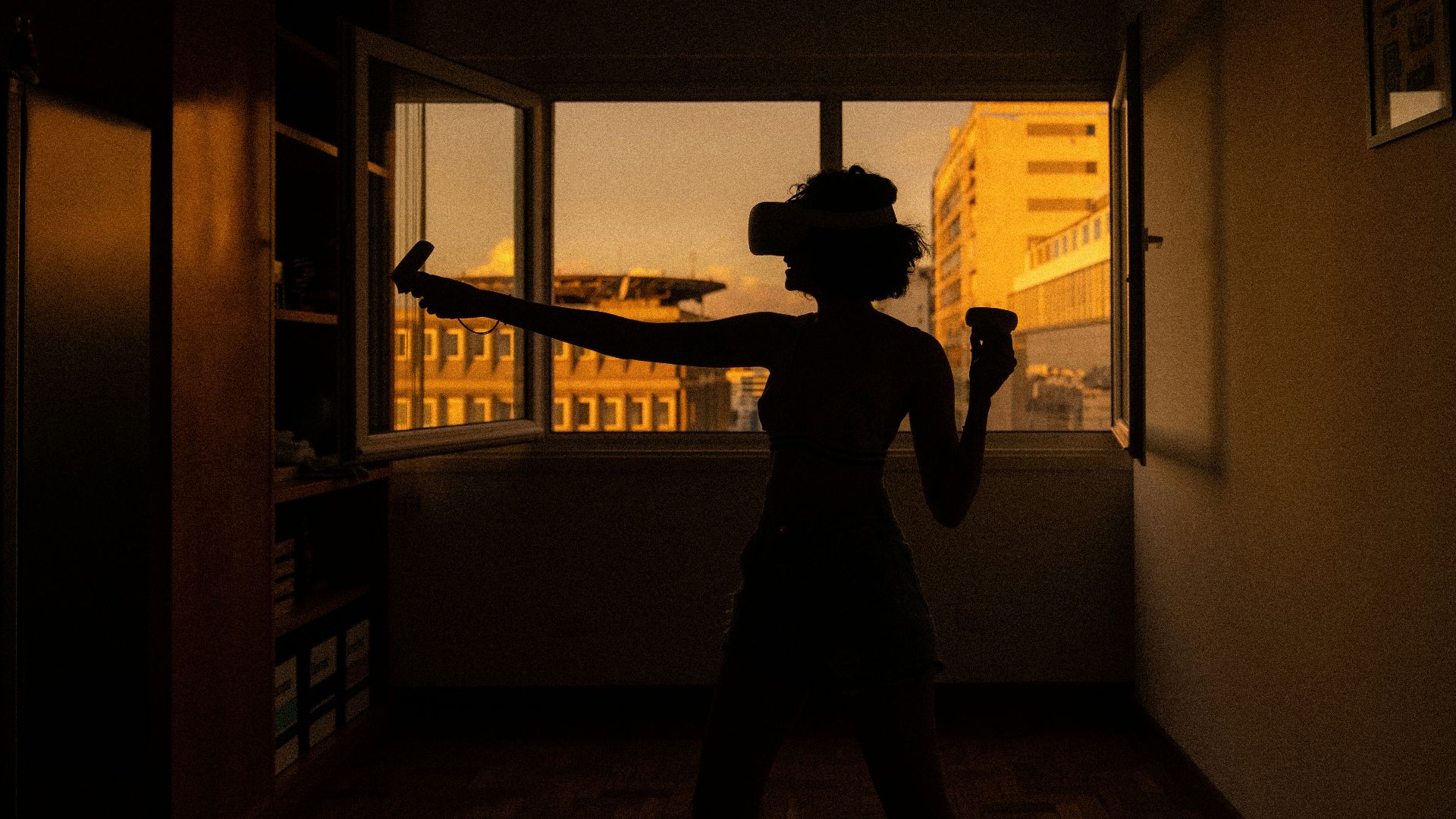
Hanging out in VR can seem surprisingly natural once you find the right app or game. Voice chat, plus body language and gestures, can make conversations smoother than you might expect. You can play, watch, or just talk, and it doesn’t have to be awkward.
6. Unique Game Design
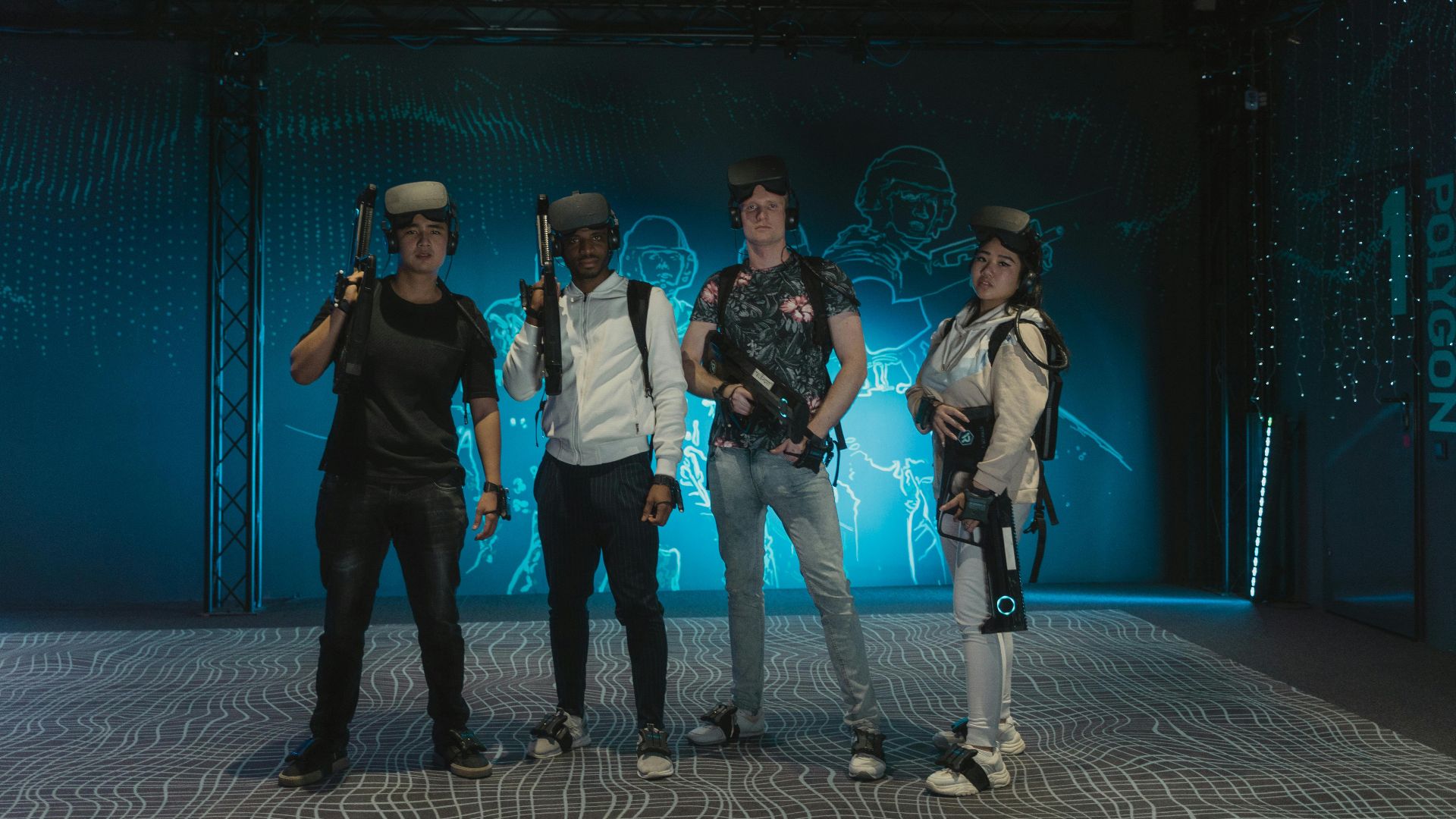
Developers can build mechanics that don’t translate well to flat screens, like hand-based puzzles or room-scale stealth. They can also create tension around where you look and how you move through a space.
7. Creative Apps Rule
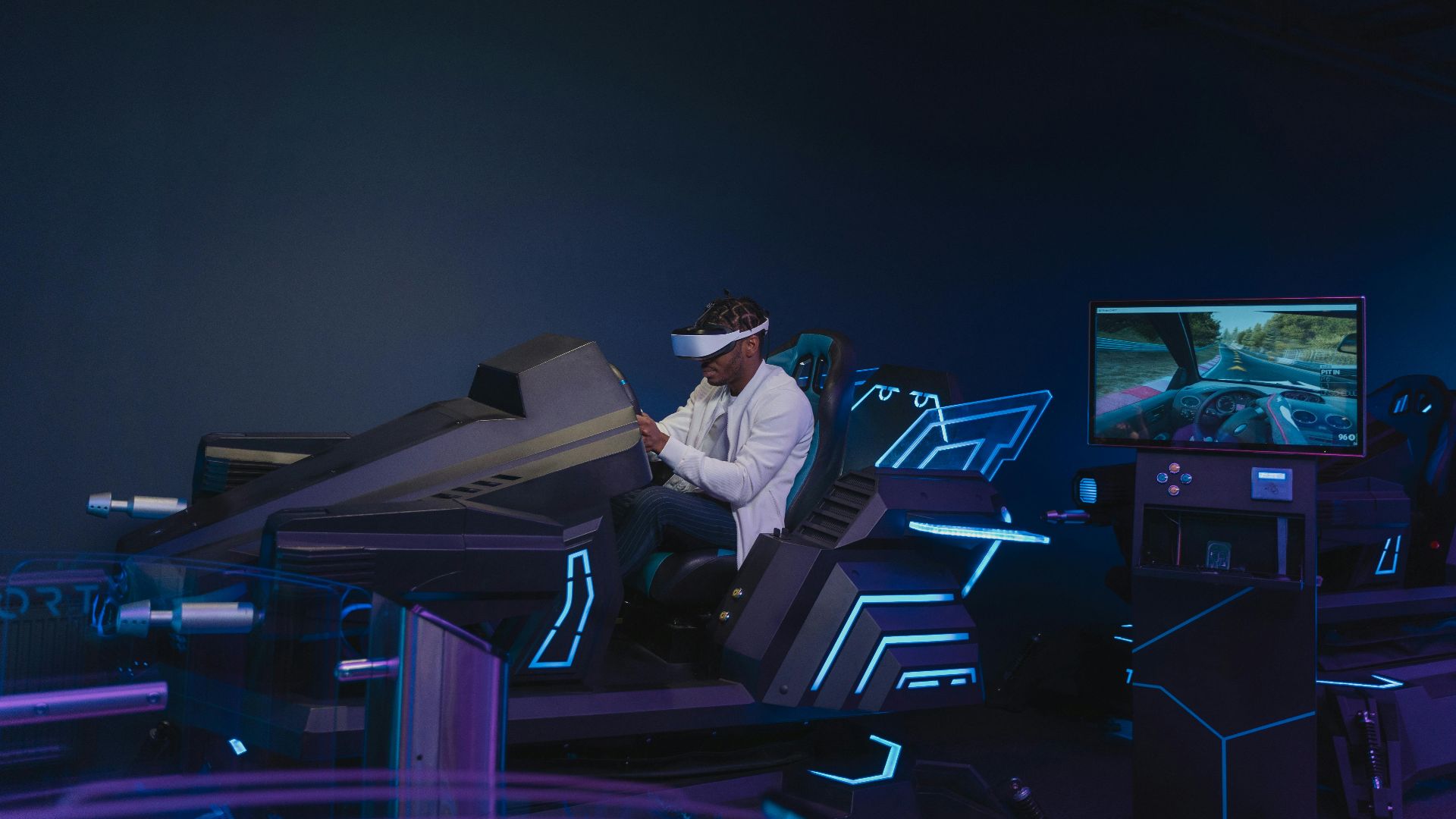
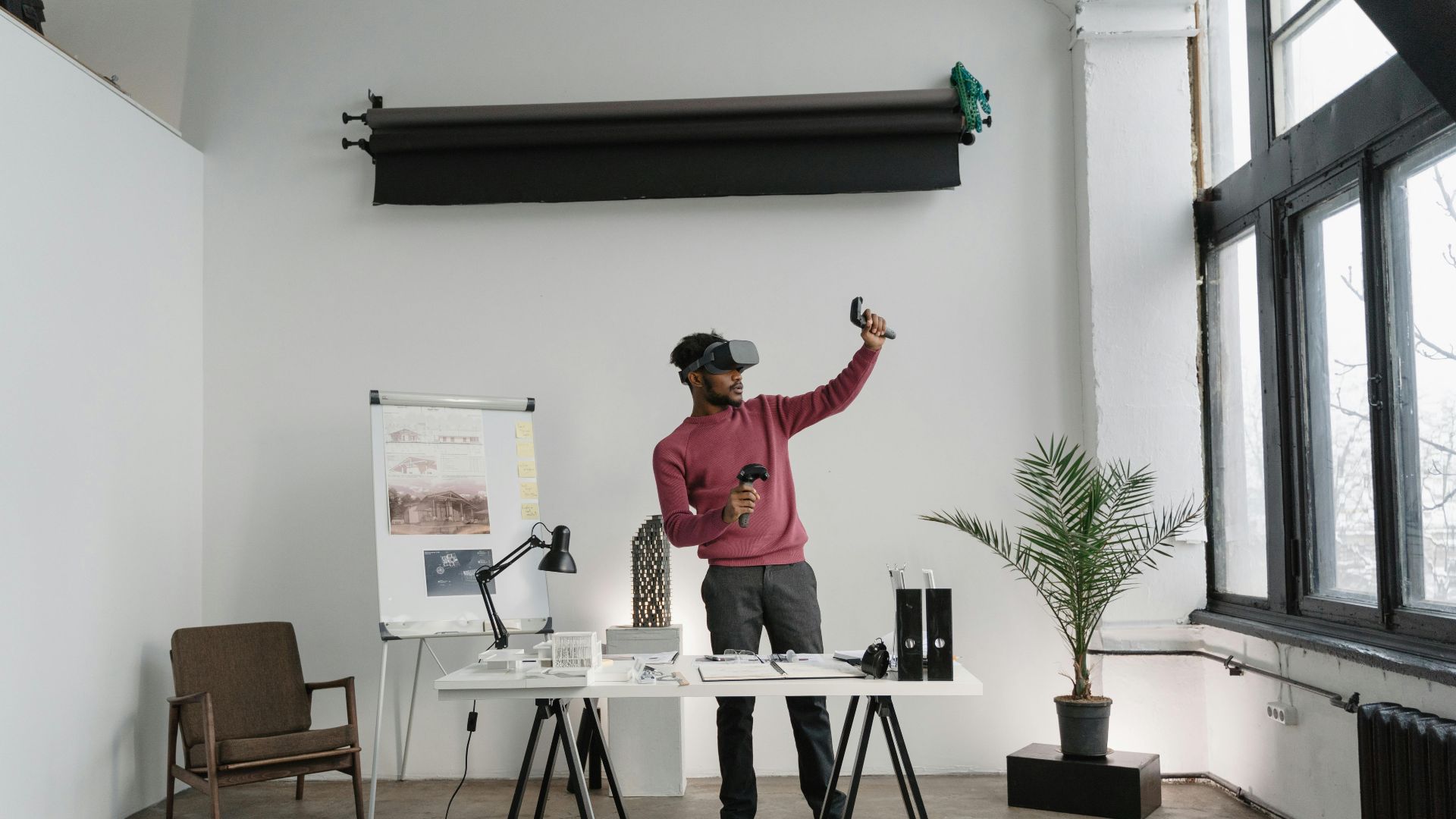
You can paint in 3D, sculpt shapes, or block out simple scenes with your hands. Even if you don’t consider yourself “artistic,” the tools make experimenting low-pressure. It’s a satisfying way to make something you can walk around and inspect.
8. Great for Fitness
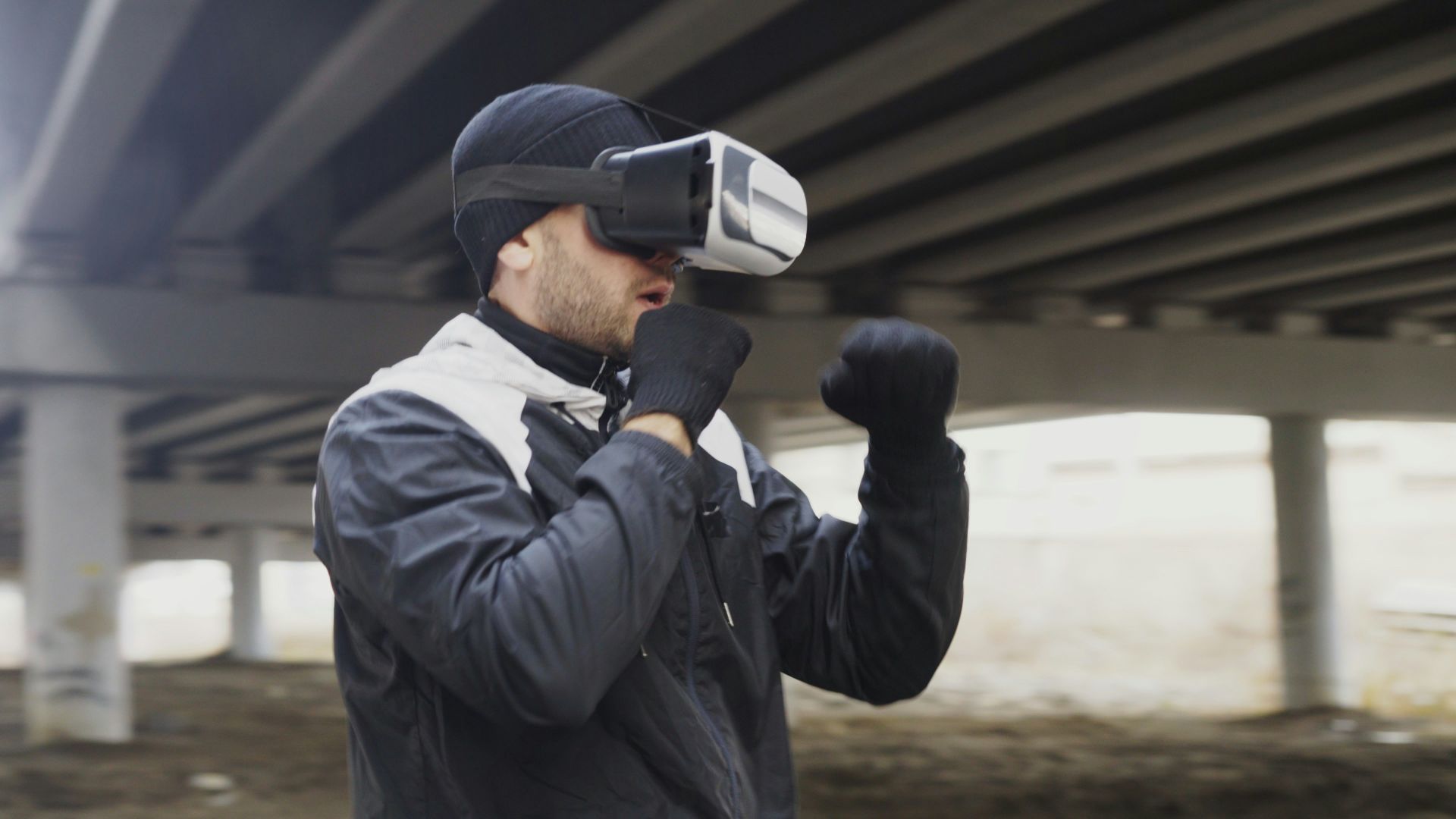
Rhythm games, boxing workouts, and active adventures can get your heart rate up quickly. Since you’re focused on the activity, exercise can be easier to stick with. This makes working out much more fun as well!
9. Useful Beyond Games
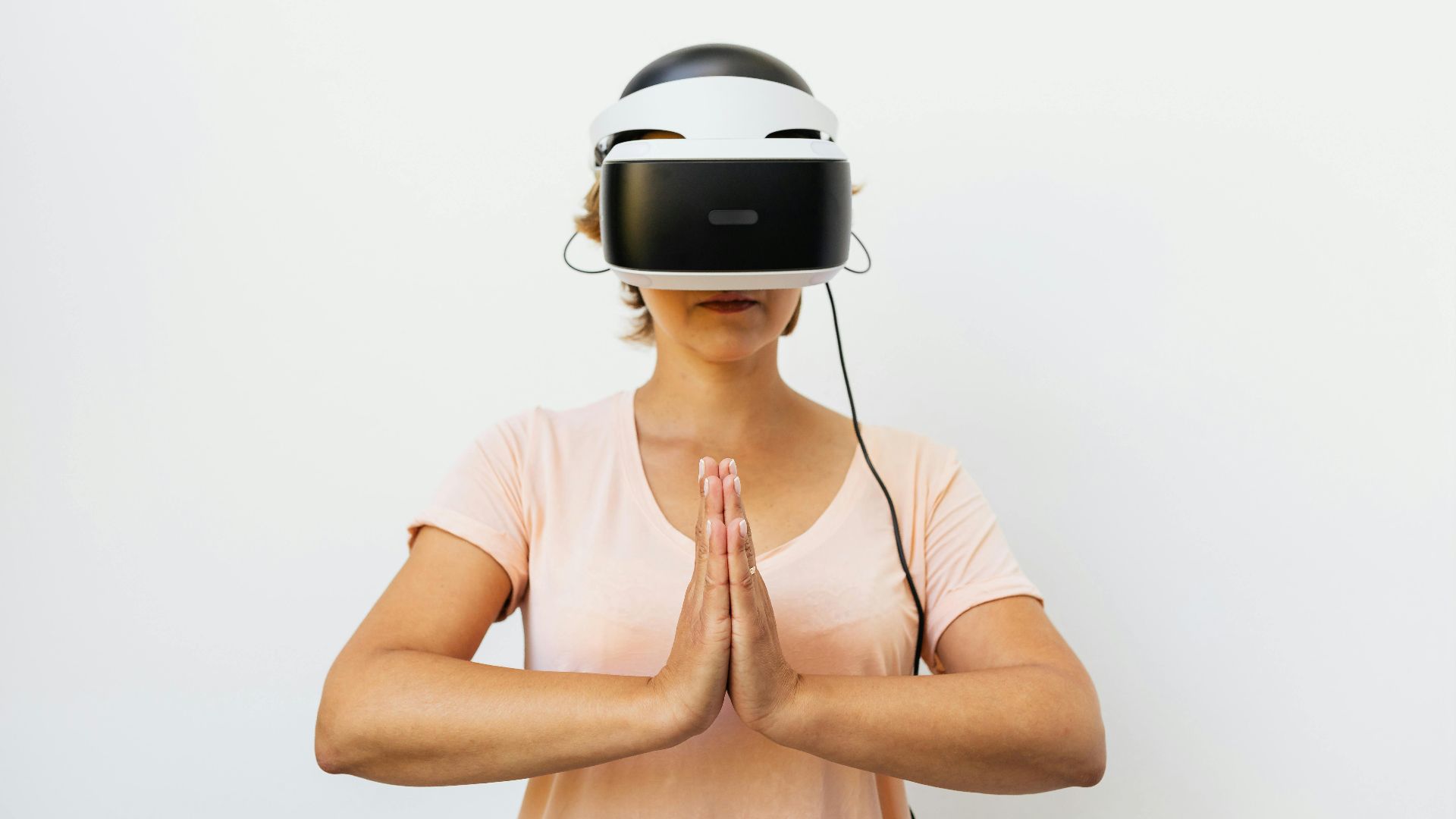
You’ll find apps for meditation, language practice, guided lessons, and even simple productivity tools. Some experiences even let you rehearse skills in a controlled setting, making the software more applicable to more than just one area of your life.
10. Tech Keeps Improving
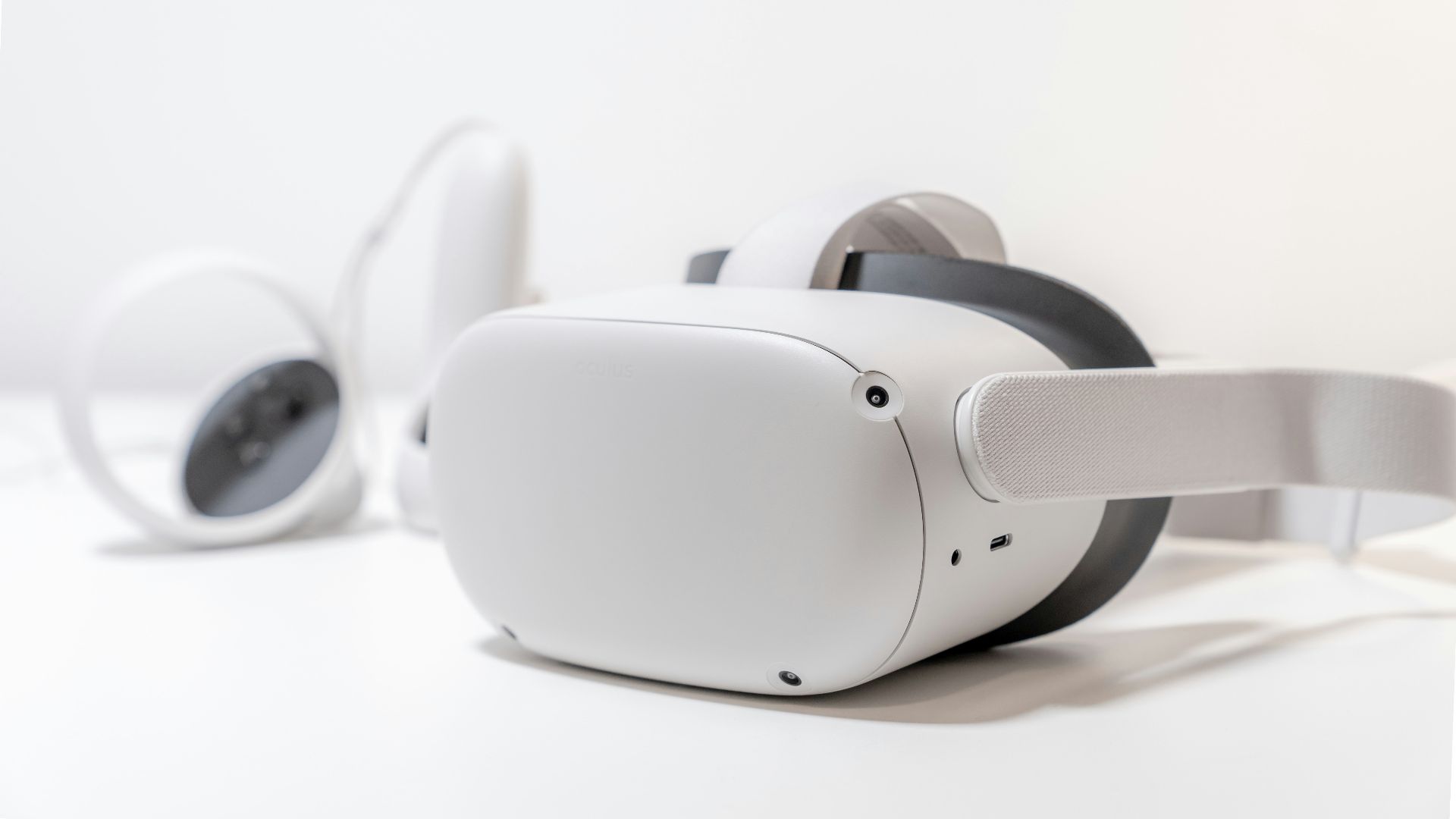
Newer headsets are getting clearer displays, better tracking, and more comfortable designs. Software libraries are growing too, so you’ve got more options than ever. If you try VR again after a long break, you might be surprised by how smooth it’s gotten.
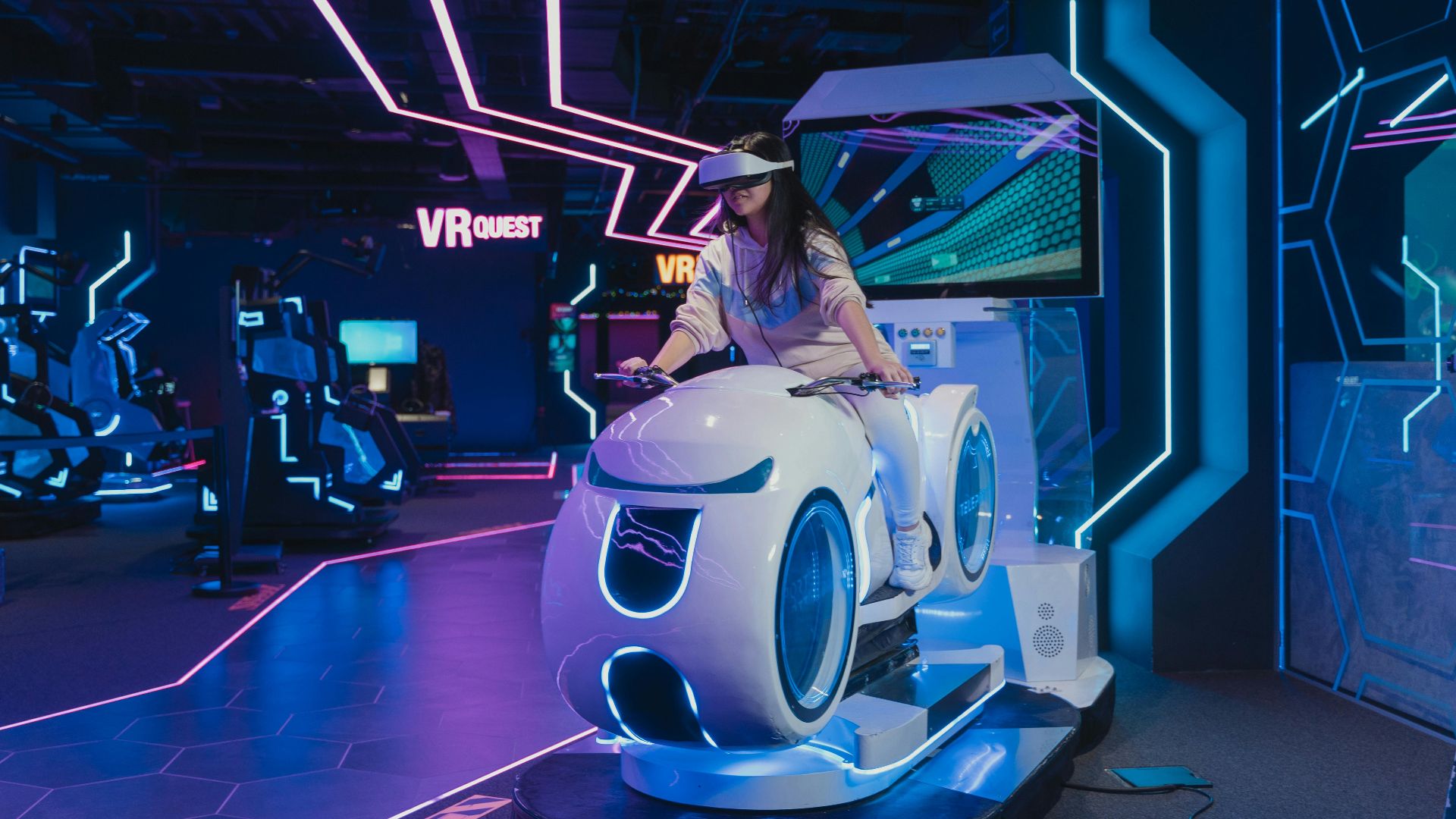
1. Motion Sickness Happens
Some people feel woozy fast, especially with smooth movement or turning. Even when settings help, your body might still disagree with what your eyes are seeing. If you get nauseous, it can ruin the session and make you hesitant to put the headset back on.
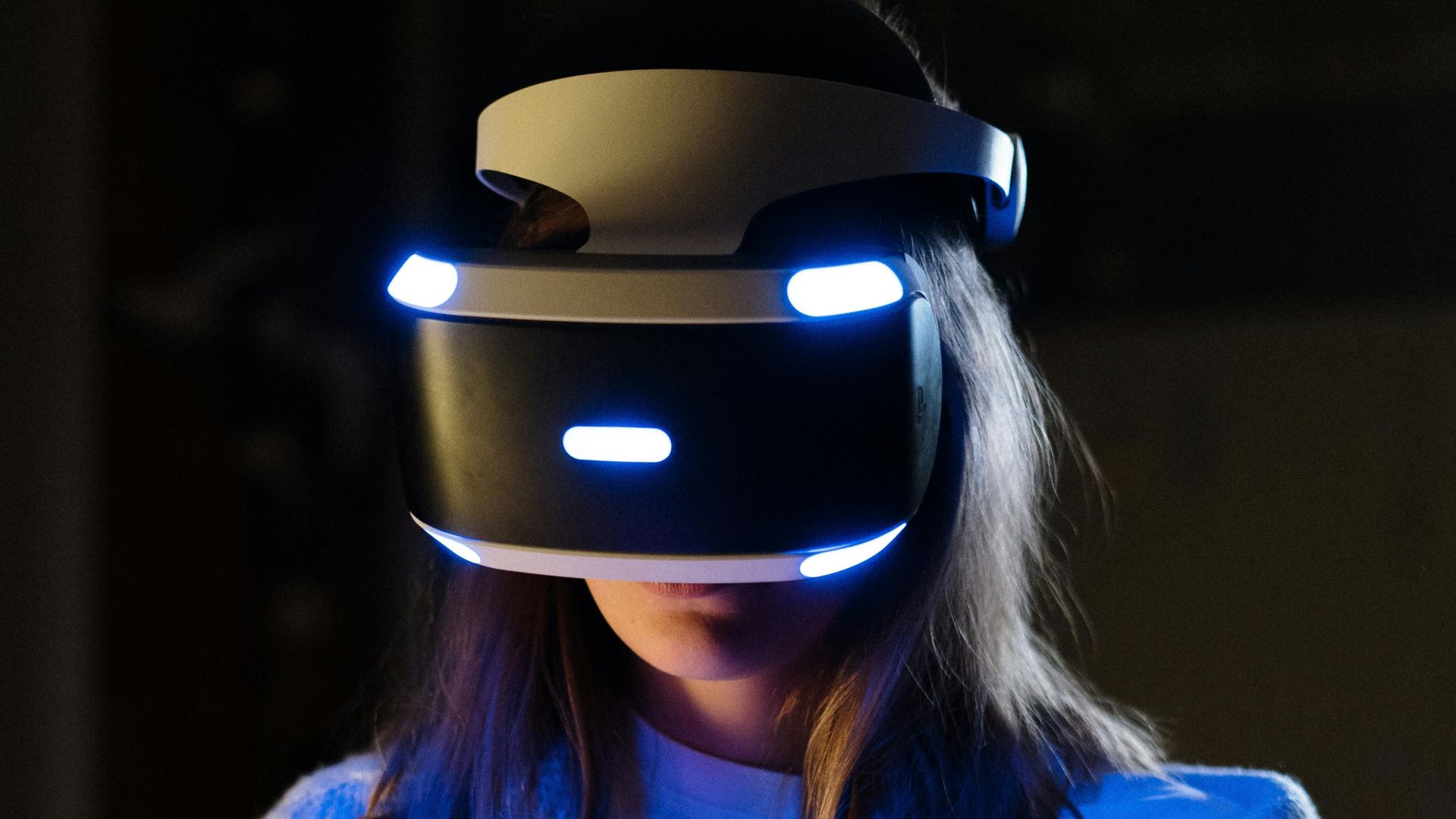
2. Setup Can Be Annoying
Getting everything running smoothly sometimes takes more effort than you want after a long day. Updates, guardian boundaries, and controller pairing can cause roadblocks before you even start gaming.
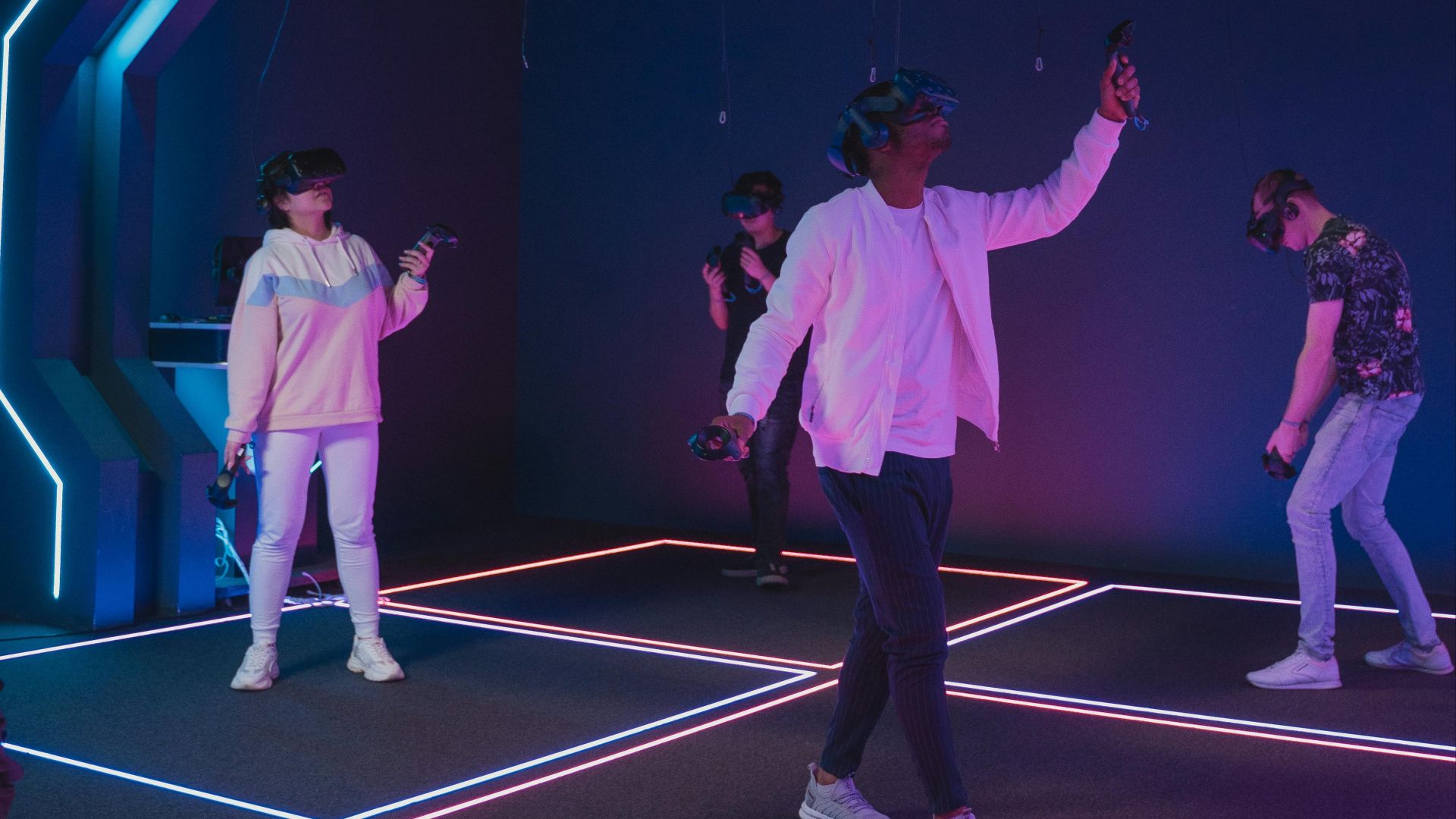
3. You Need Space
Room-scale VR works best when you’ve got clear floor space and safe boundaries. If you live in a small place, you might be constantly moving chairs or worrying about bumping something. That extra hassle can make quick play sessions feel less practical.
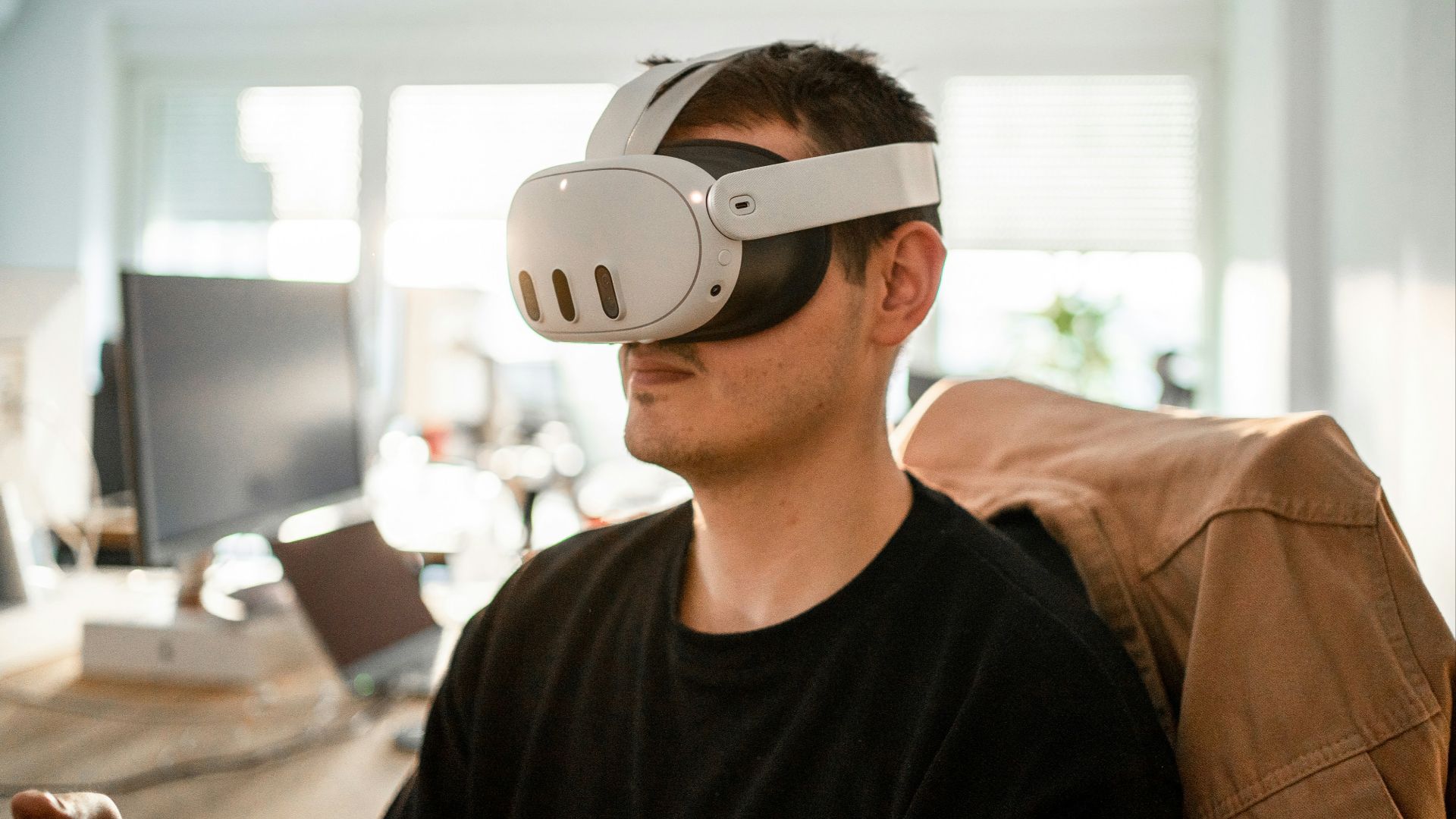
4. Headsets Get Uncomfortable
Even good headsets can start to feel heavy or sweaty after a while. Pressure on your face, heat buildup, and glasses fit issues can all chip away at the experience. If you’re adjusting straps more than playing, it’s hard to stay immersed.
5. The Graphics Vary
VR visuals can look softer or blurrier than what you’re used to on a TV or monitor. Some games also trade detail for performance, so motion stays smooth. If sharp graphics are a big deal for you, VR might feel like a step back.
6. It Can Be Expensive
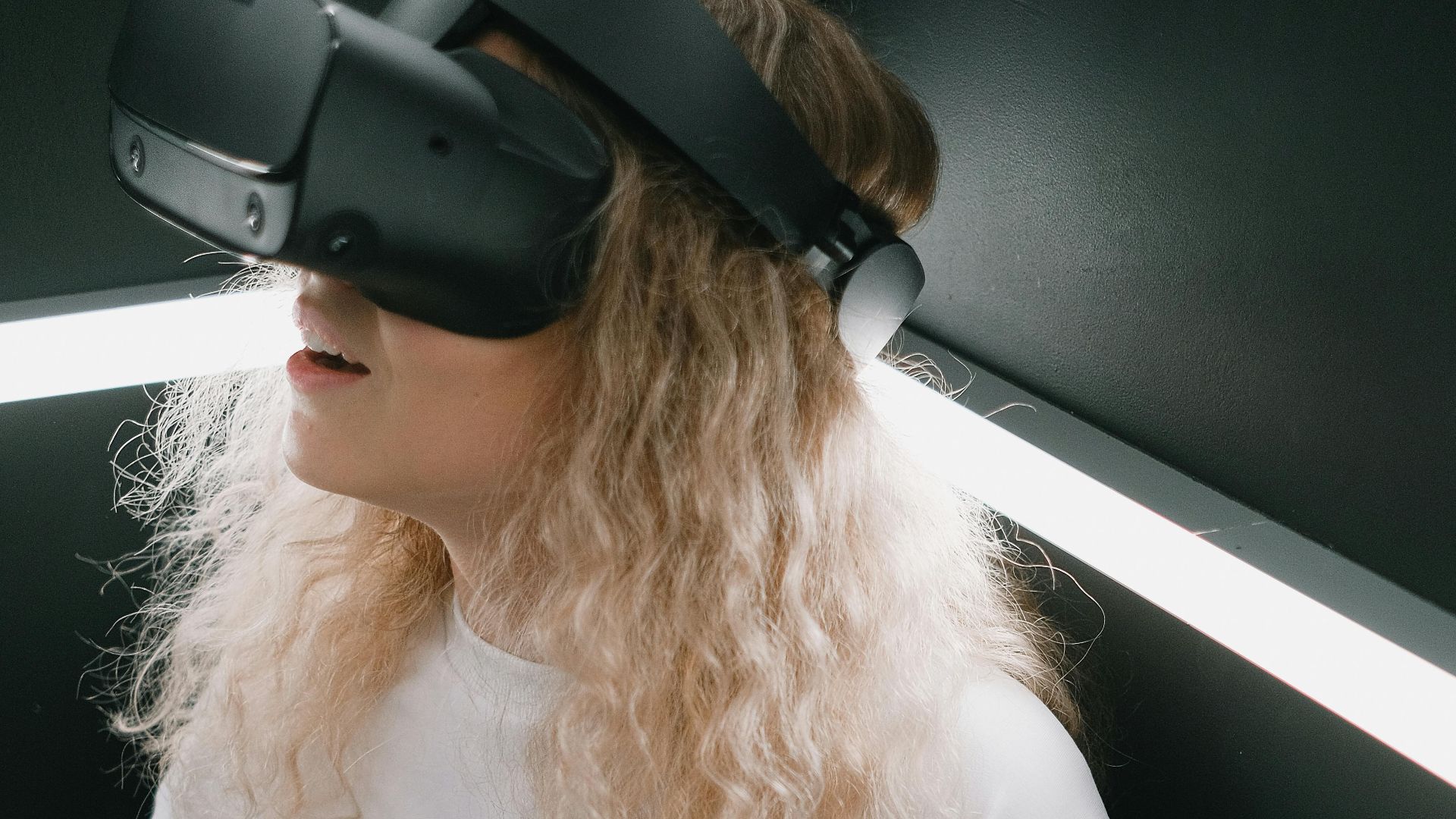
Buying a headset is only part of the cost, since accessories and upgraded straps can add up. If you need a powerful PC, that’s an even bigger investment. For some people, the price doesn’t match how often they actually use it.
7. Games Are Hit-or-Miss
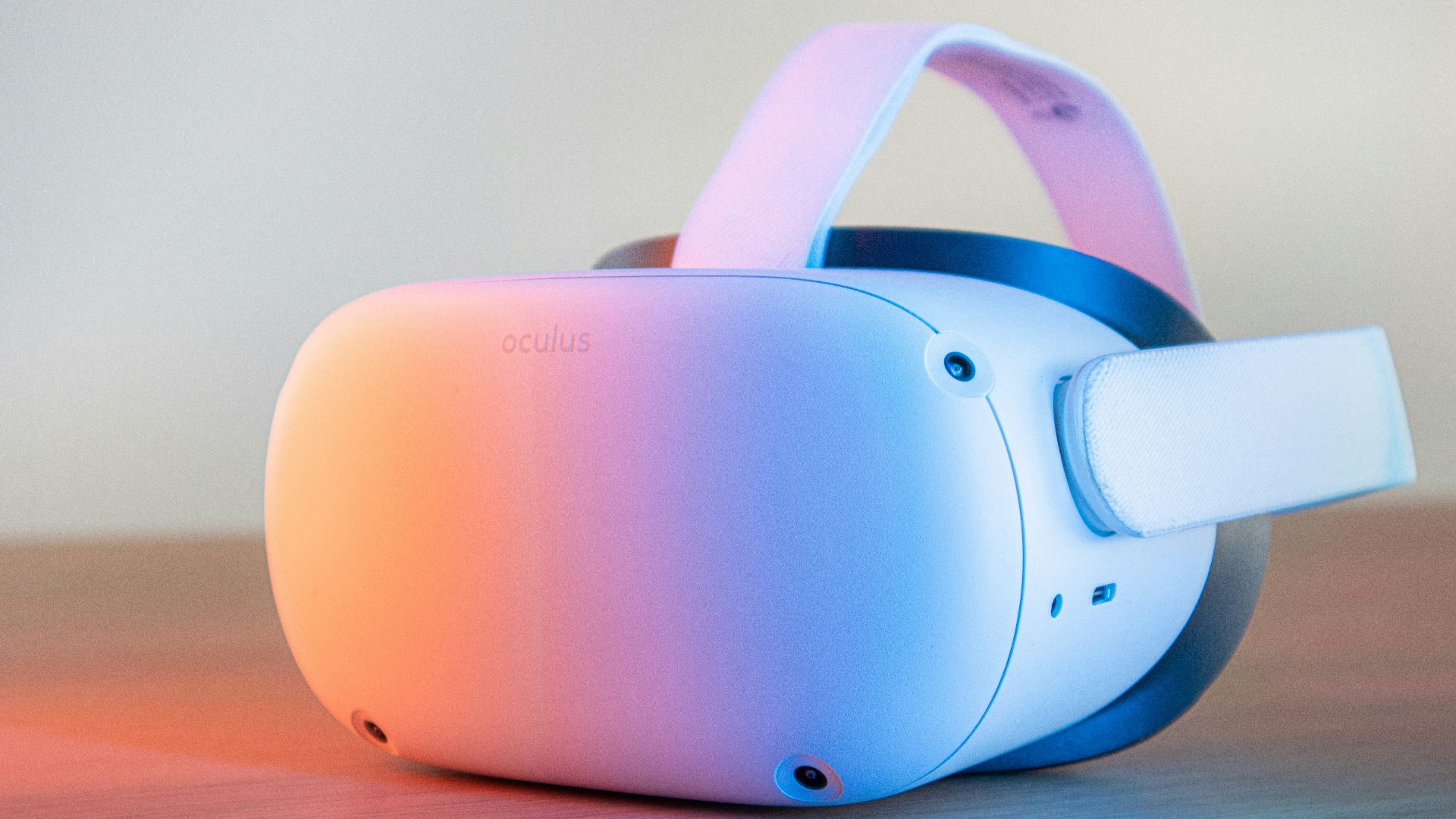
There are great VR titles, but there’s also plenty of less-than-favorable content. You might find a few favorites and then struggle to discover new ones that feel worth your time. When the library doesn’t match your tastes, VR can sit unused.
8. You’re Cut Off
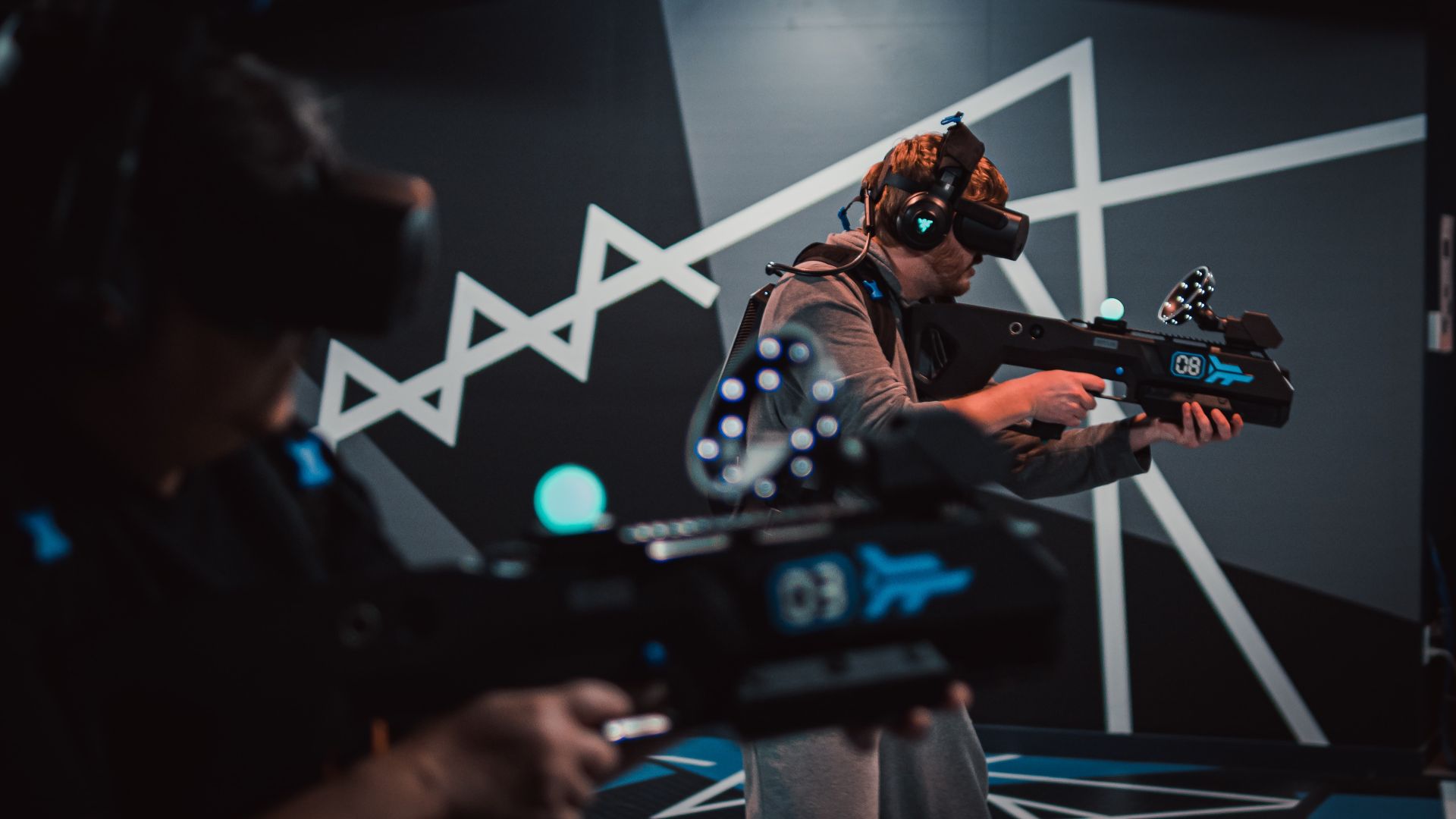
Wearing a headset means you can’t easily see your room, phone, or other people around you. That isolation can feel awkward if you share space with family or roommates. If you like being aware of your surroundings, this software feels inconvenient.
9. Long Sessions Are Tough
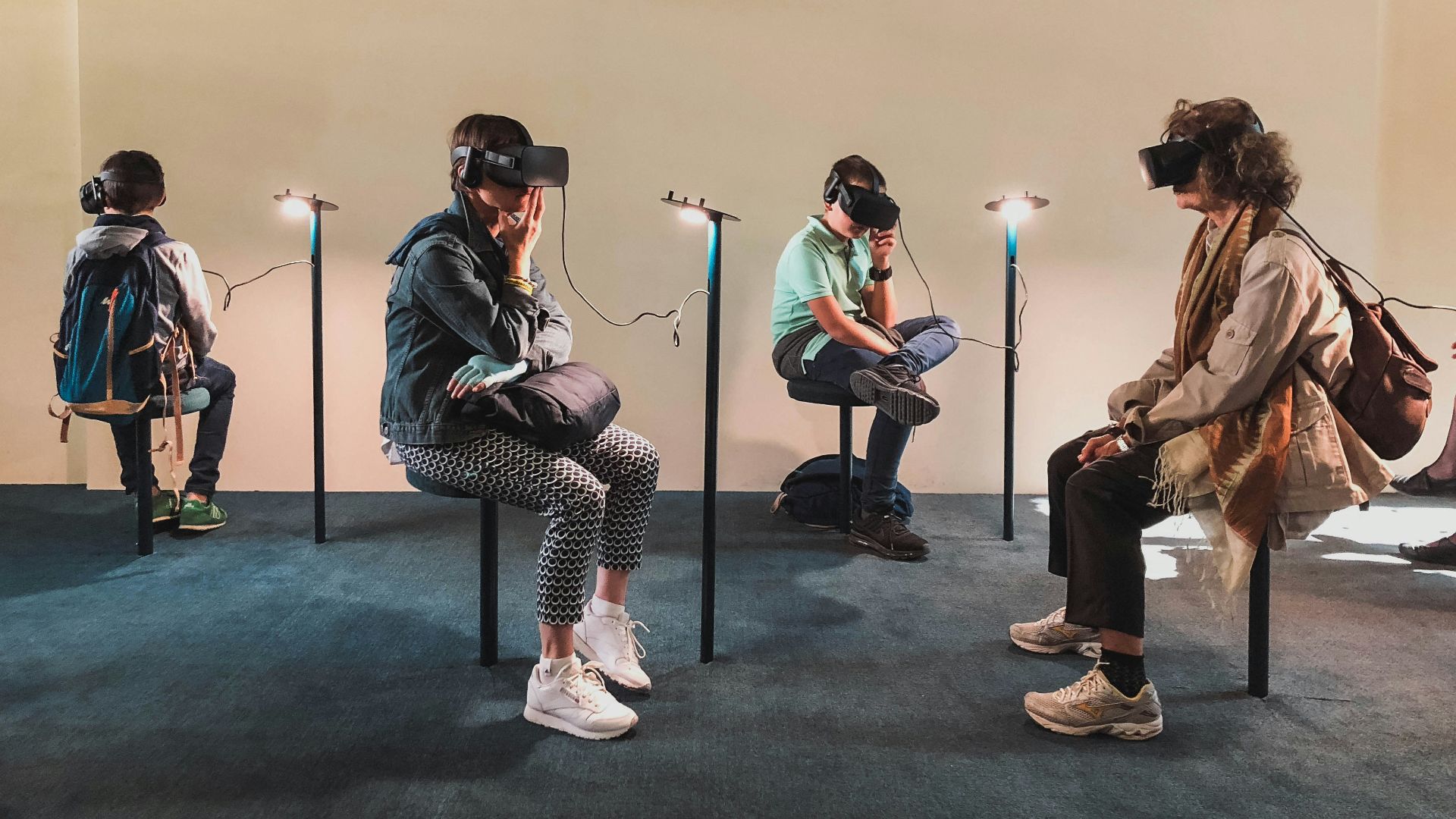
VR can be physically tiring, even with games that aren’t intense. Standing, moving, and focusing your eyes on a close display can wear you down faster than expected. If you want to relax for hours, traditional gaming might be easier.
10. It’s Not Plug-and-Play
Even when VR works well, it often needs occasional recalibration, battery charging, or software tweaks. Some apps require specific settings to run comfortably, and it can take time to find what fits you. If you prefer simple, consistent gaming, VR may feel like extra work.