
Separating Old Fears From Modern Reality
Video games have been blamed for everything from laziness to social collapse, often without much evidence to back it up. Many of these assumptions were formed decades ago and stuck around long after games themselves changed. Research on gaming has grown more nuanced, and so has the medium. What’s often labeled as “bad” usually depends on context, moderation, and how games are actually used. Here are 20 myths about why playing video games is bad for you.

1. Video Games Automatically Rot Your Brain
This idea refuses to die, but it doesn’t hold up. Many games require problem-solving, pattern recognition, and quick decision-making. Strategy, puzzle, and simulation games actively engage cognitive skills. Brain activity isn’t reduced just because the activity is digital. In some cases, players even show improved mental flexibility over time.

2. Gamers Are Lazy By Nature
Playing games doesn’t magically erase motivation. Plenty of people who game regularly also work full-time jobs, study, or train athletically. Laziness is about behavior patterns, not hobbies. Gaming is often how people recharge. Rest and recovery can actually support productivity rather than undermine it.

3. Video Games Ruin Attention Spans
Some games actually demand sustained focus for long periods. Managing resources, tracking objectives, and reacting to changing conditions can sharpen attention. Research shows mixed results, not universal harm. Context and balance matter more than blanket claims. The type of game played makes a significant difference here.

4. Gaming Is Pure Escapism
Escapism isn’t inherently negative. People use books, movies, and music for the same reason. Games can offer stress relief, creative expression, or social connection. Avoiding reality entirely is the issue, not enjoying fictional worlds. Short mental breaks often help people return to real tasks refreshed.

5. Video Games Make People Violent
This myth has been studied extensively. Large-scale research hasn’t found a clear causal link between video games and violent behavior. Aggression is influenced by many factors, including environment and upbringing. Games alone aren’t the trigger they’re often made out to be.

6. Gaming Is A Waste Of Time
Time spent enjoying something meaningful to you isn’t automatically wasted. Many games teach skills like teamwork, planning, and adaptability. Entertainment doesn’t need to justify itself with productivity metrics. Not every activity needs an outcome to be worthwhile.
 Glenn Carstens-Peters on Unsplash
7. Gamers Lack Social Skills
Online and local multiplayer games are deeply social. Players communicate, collaborate, and build long-term friendships. Social interaction just looks different in digital spaces, and for some people, it’s actually easier. These environments can be especially helpful for shy or neurodivergent players.

8. Video Games Replace Real Relationships
Gaming doesn’t exist in a vacuum. Many people play with friends, partners, or family members. Games can complement relationships rather than replace them. Shared hobbies often strengthen social bonds.

9. All Games Are Mindless
Games vary widely in depth and complexity. Some involve narrative choices, moral dilemmas, or intricate systems. Writing off an entire medium ignores how broad it’s become. The same logic would dismiss all books because some are shallow.
10. Video Games Are Only For Kids
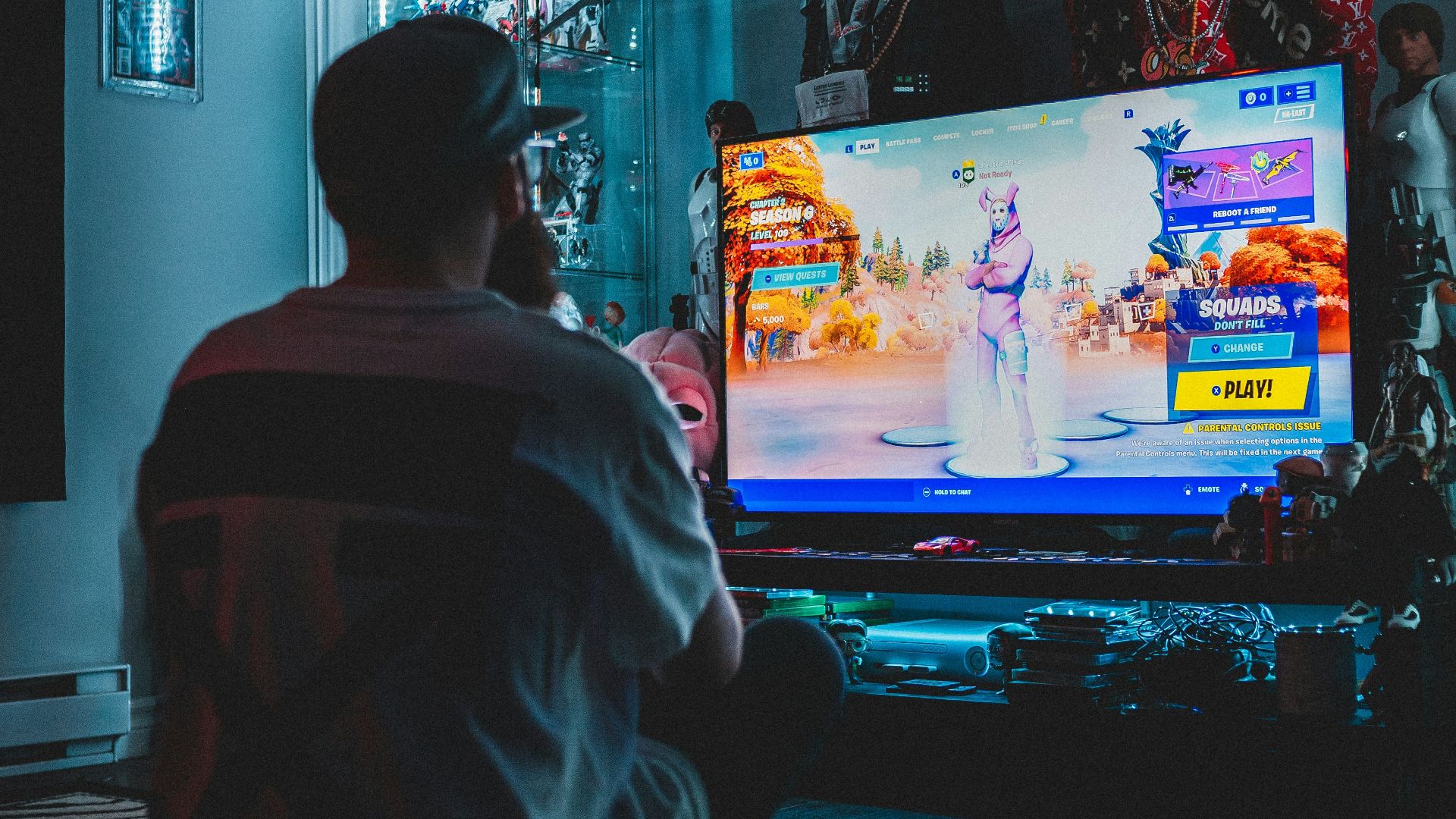
The average gamer is well into adulthood. Games have grown alongside the people who played them decades ago. Many titles are clearly designed for mature audiences, and age shouldn’t determine whether a hobby is valid.

11. Gaming Causes Social Isolation
Isolation usually comes from broader life circumstances. For many players, games are a way to stay connected. Online communities can be especially valuable for people with limited offline access. The issue is imbalance, not participation.

12. Video Games Destroy Physical Health
Sedentary behavior can be unhealthy, but that’s true of many activities. Gaming itself isn’t uniquely harmful. Plenty of players balance gaming with exercise and movement. Some games even encourage physical activity.

13. Gaming Lowers Emotional Intelligence
Many games require understanding characters, motivations, and consequences. Narrative-driven games often explore empathy and emotional decision-making. Emotional intelligence isn’t limited to face-to-face interaction; it can actually be practiced in many forms.

14. Video Games Are Addictive By Default
Enjoyment doesn’t equal addiction. Problematic gaming exists, but it affects a minority of players. Most people self-regulate without issue. Addiction depends on patterns, not the medium itself.

15. Gaming Encourages Poor Sleep Habits
Late nights aren’t exclusive to gaming. People stay up to watch TV, work, or scroll social media, too. Sleep issues usually come from poor boundaries. Blaming games ignores the larger habits at play.
16. Video Games Make You Unproductive
Productivity isn’t about eliminating leisure. Breaks improve focus and prevent burnout, meaning that gaming can be a healthy way to reset mentally. Overworking tends to cause more problems than rest.

17. Gamers Avoid Responsibility
This stereotype ignores reality. Many gamers manage careers, families, and obligations. Playing video games doesn’t erase accountability. It’s simply one activity among many.

18. Video Games Reduce Creativity
Many games actively encourage creative thinking. Players design strategies, solve problems, or even build worlds. Modding and sandbox games are especially creativity-driven. Creativity doesn’t disappear just because the medium is interactive.

19. Gaming Is A Lonely Hobby
Gaming can be solo, but it often isn’t. Voice chat, cooperative play, and shared experiences are common. Even single-player games spark discussion and community. Loneliness depends on context, not the controller.

20. Playing Video Games Is Inherently Bad For You
There are very few single behaviors that are universally harmful in moderation. Video games are tools for entertainment, connection, and challenge. Like anything else, balance is key. The myth persists because nuance is less catchy than fear, and many refuse to engage with the activity to learn more about it.