When The Movement Got Commercialized
Geek culture used to feel like a scavenger hunt. You found things through a friend’s burned CD, a beat-up paperback with a cracked spine, a message board that looked like it hadn’t been updated since dial-up, and somehow that made each hobby feel earned. Now a lot of it arrives the way fast food arrives: perfectly engineered, aggressively available, and accompanied by a marketing campaign that tells you exactly how to feel about it. Plenty of great work still gets made, yet the surrounding culture often feels less like a messy clubhouse and more like a shopping mall. These are 20 ways the soul leaked out of geek culture, one corporate decision and one social incentive at a time.
1. The Hobby Became A Brand Identity
When liking a thing turns into being a type of person, the stakes get weirdly high. Suddenly a movie release feels like a referendum on your worth, and disagreement gets treated like betrayal. The culture shifts from curiosity to loyalty tests.
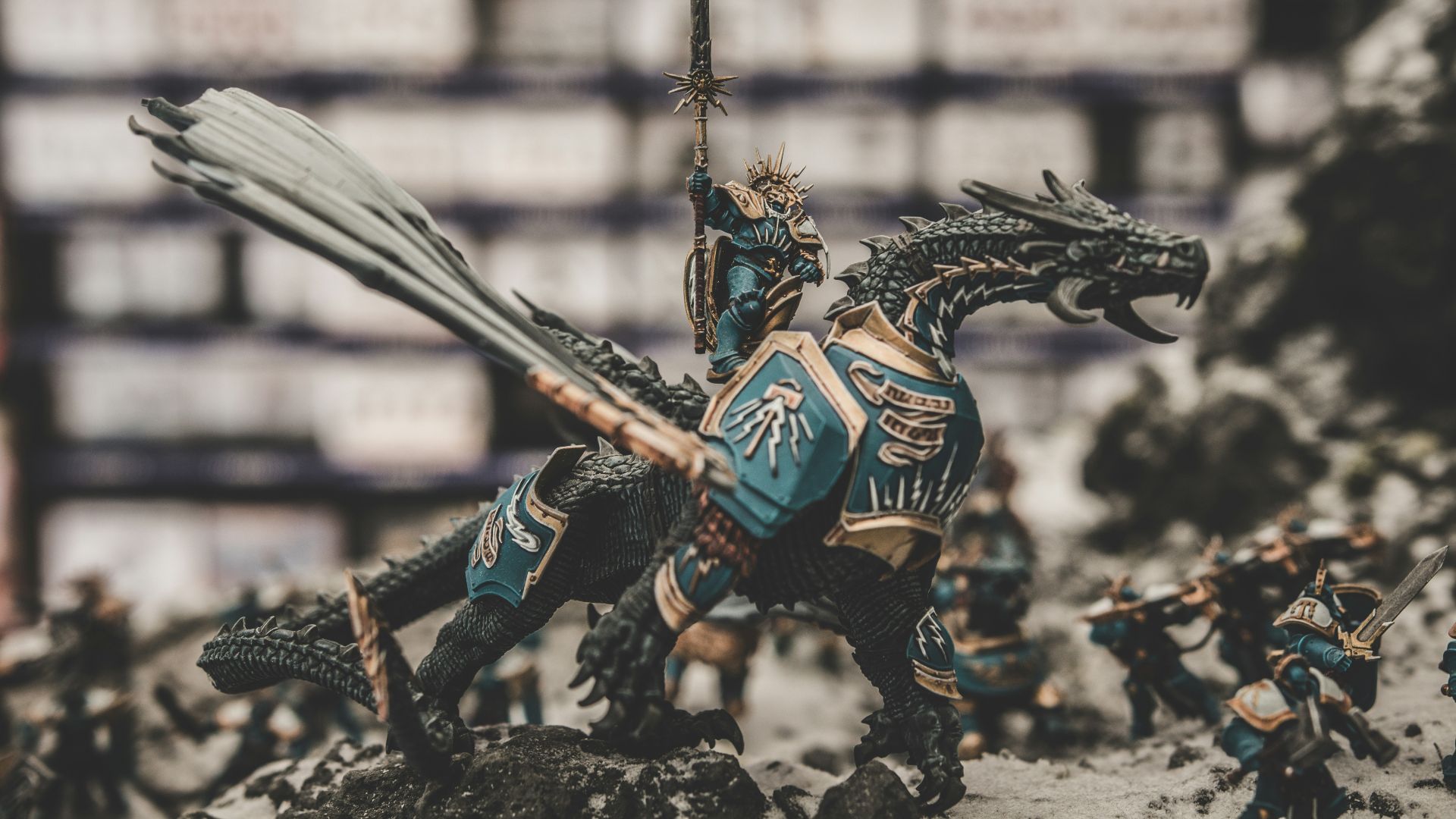
2. Everything Got Designed For “The Fandom”
A lot of stories now get built by reverse-engineering what a loud corner of the internet wants to applaud. That can produce comforting moments, yet it also flattens surprise, because the safest choice is always the one that already has merchandise. Creativity starts negotiating with expectations before it even writes the first scene.
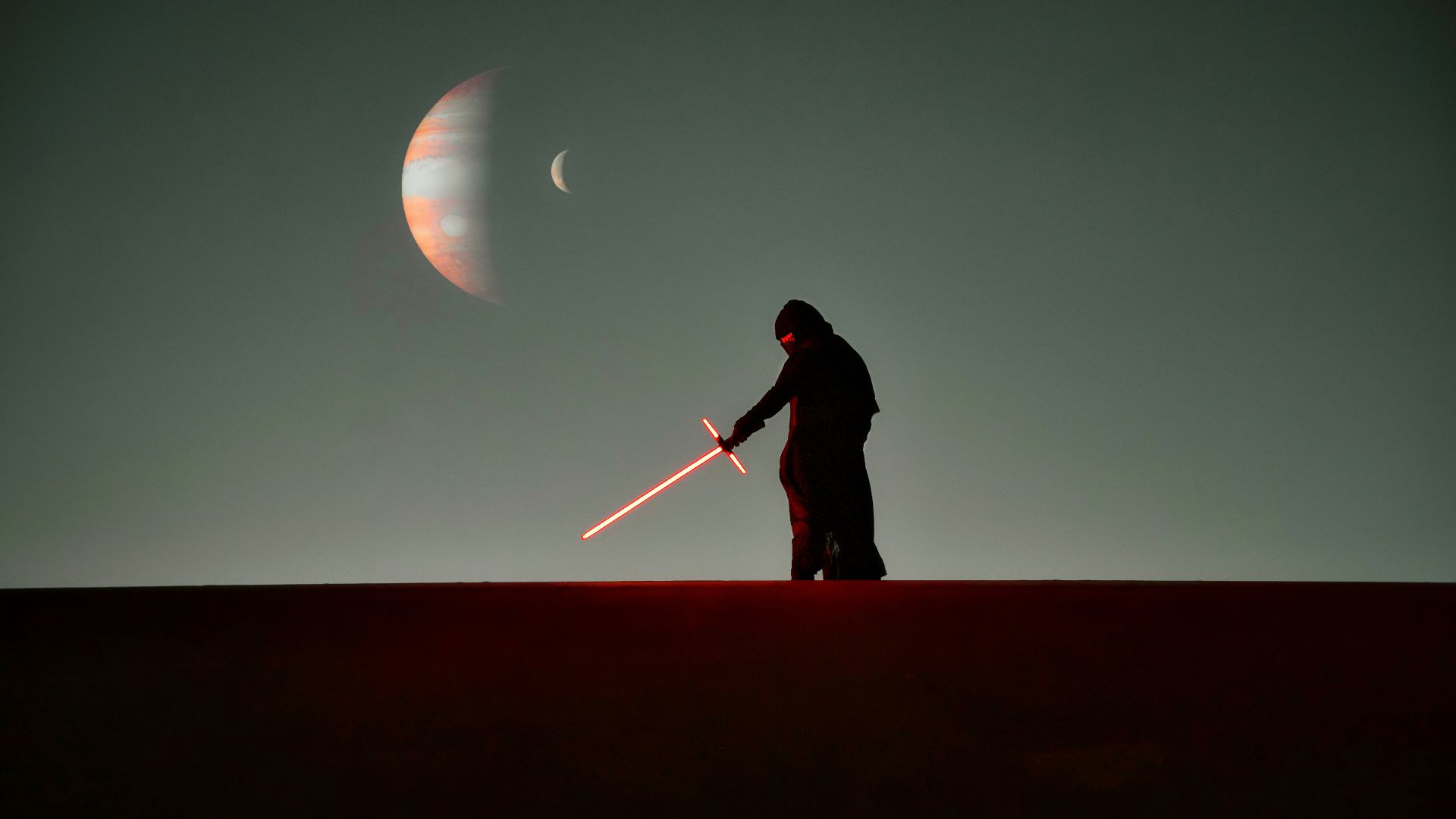
3. Endless Reboots Crowded Out New Myths
Reboots can be fun, and they can also become the default when studios want guaranteed recognition. When the same characters keep getting recycled, the culture starts living on nostalgia instead of invention. The imagination shrinks to whatever already tested well.
4. Lore Became A Substitute For Story
Deep canon used to be dessert, something you chased because you loved the meal. Now lore sometimes shows up as the meal itself, stacked high like trivia Jenga. The result is a lot of content that feels like homework with special effects.
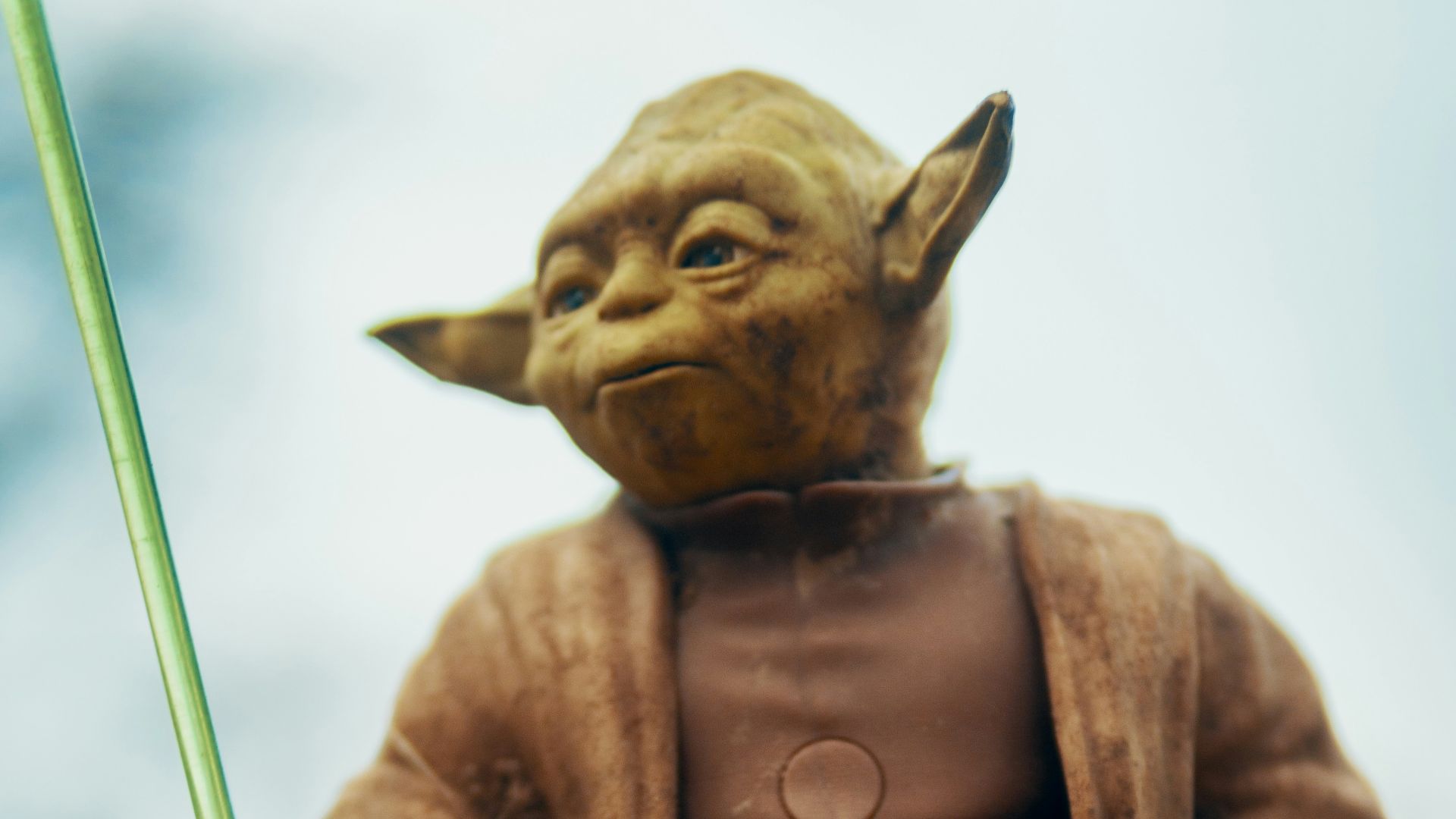
5. Gatekeeping Turned Into A Performance
Gatekeeping used to happen quietly in small circles, and it was already ugly then. Social media turned it into a sport, where people posture as arbiters of the “real” version of a hobby. The goal shifts from loving a thing to policing who is allowed to love it.
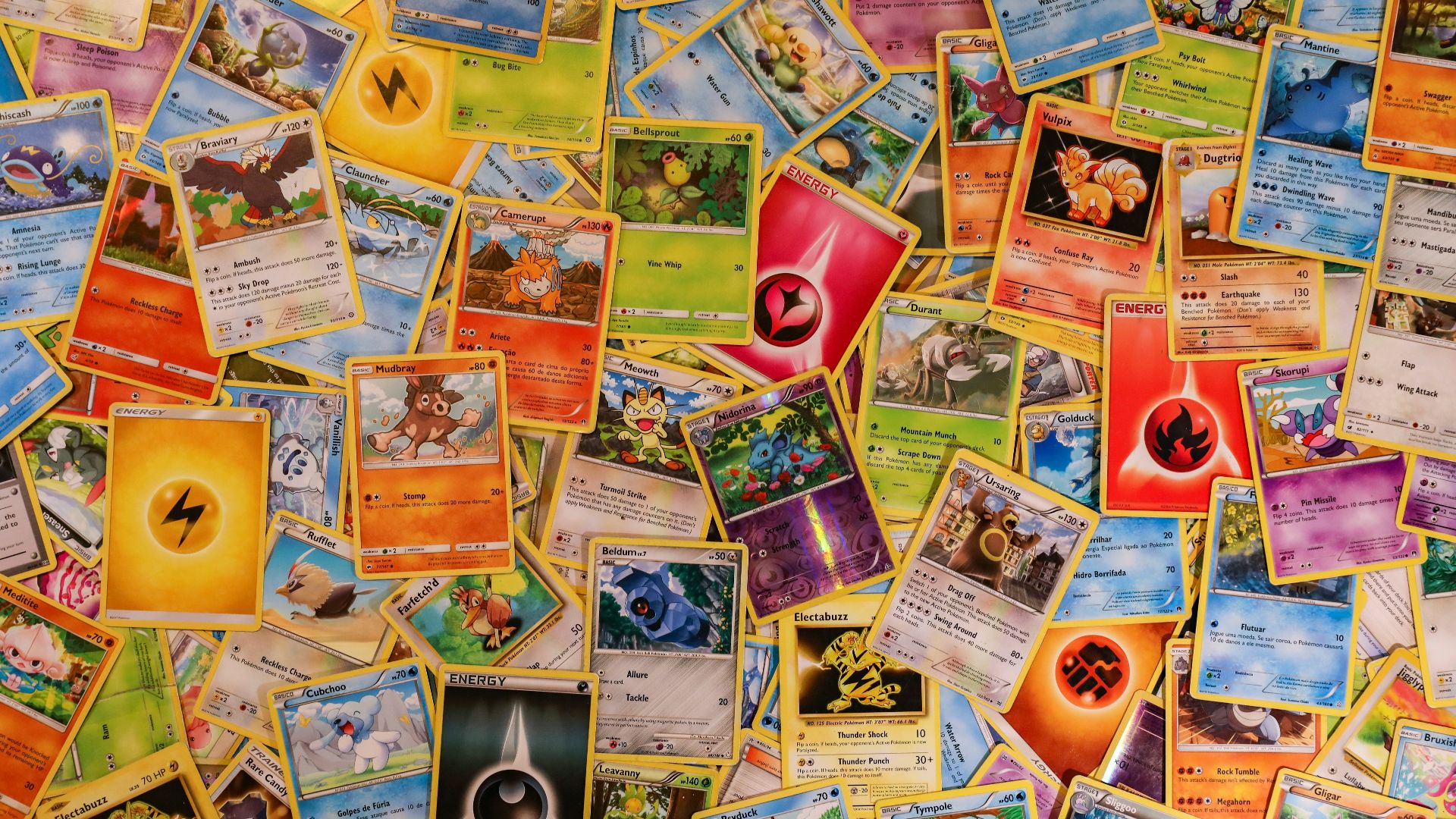
6. “Fake Geek” Panic Became A Business Model
There’s money in making people feel insecure, and geek culture has been farmed for that insecurity. You can sell courses, channels, and outrage by convincing everyone they’re surrounded by poseurs. The paranoia becomes a product you subscribe to.
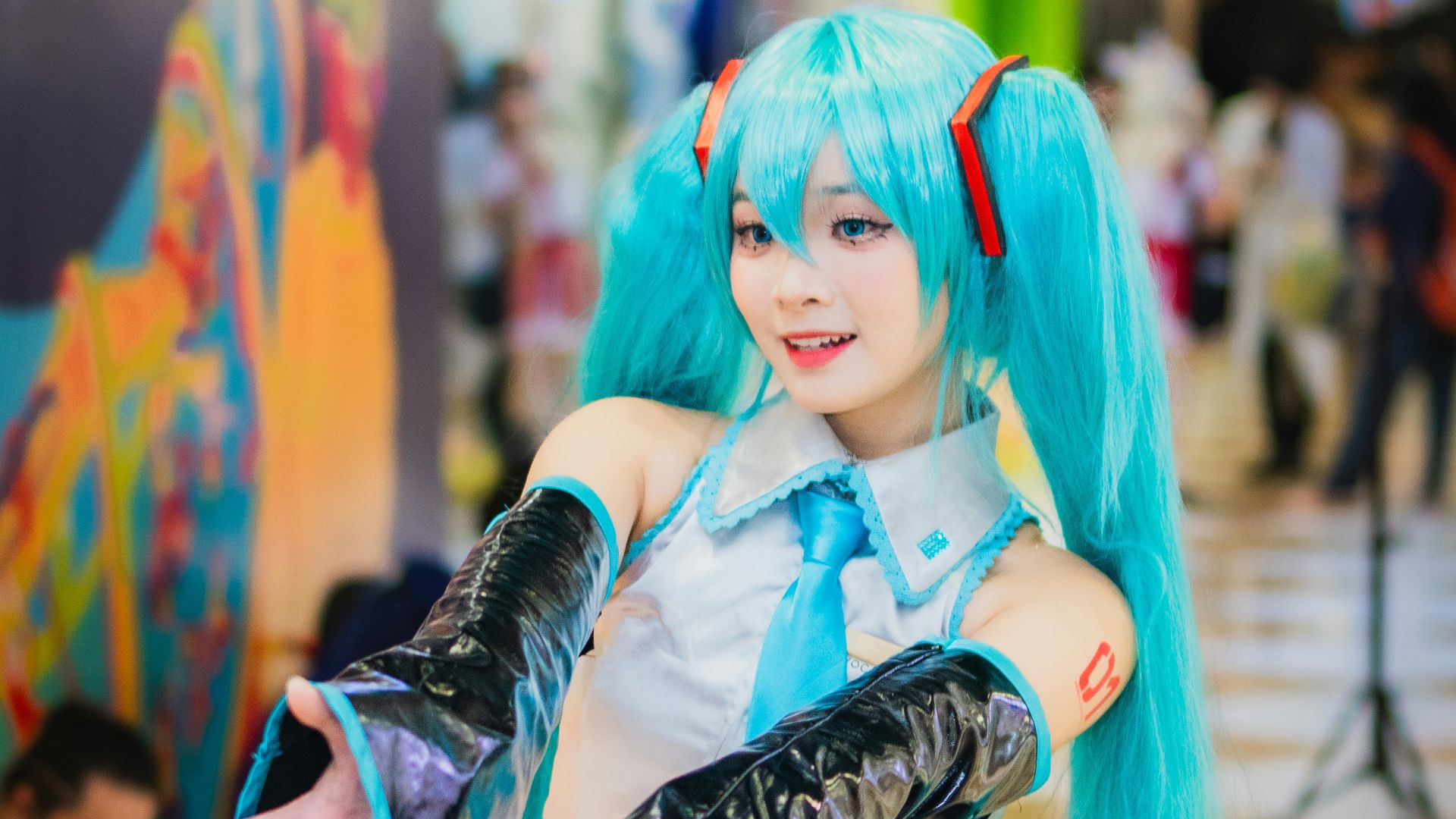
7. Algorithms Rewarded Rage Over Joy
Rage keeps people watching, clicking, and sharing, so rage gets promoted. That pressure nudges creators and fans toward hotter takes and harsher language, even when they started out just wanting to nerd out. Over time, the culture forgets how to be casually delighted.
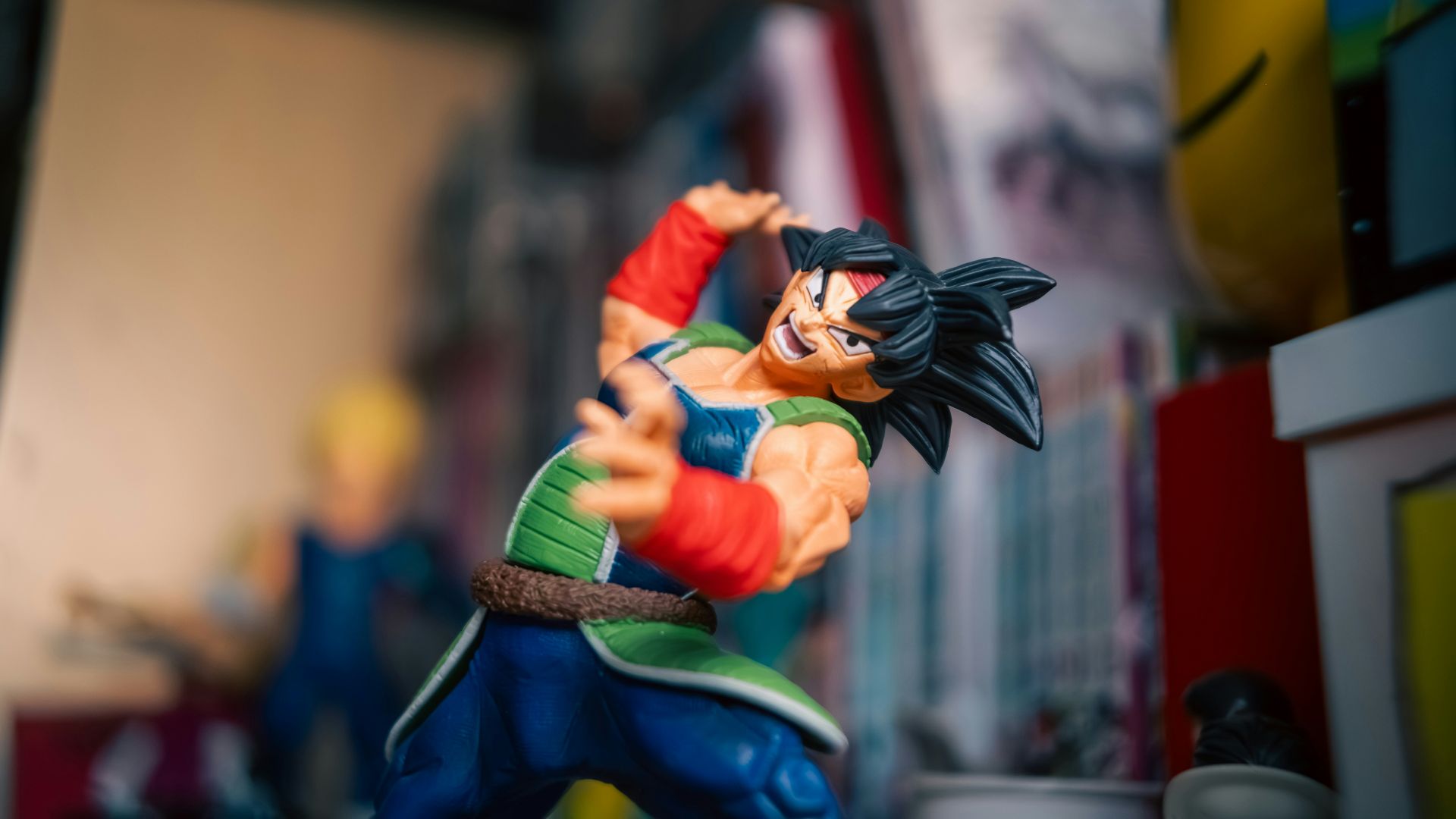
8. The Convention Floor Turned Into An Ad
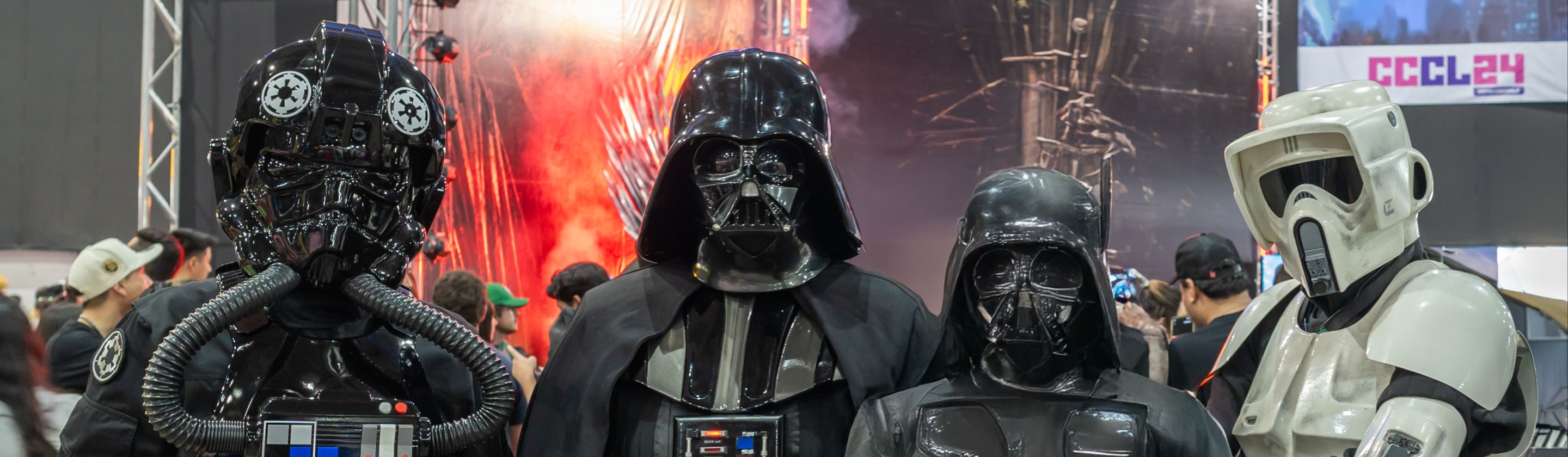
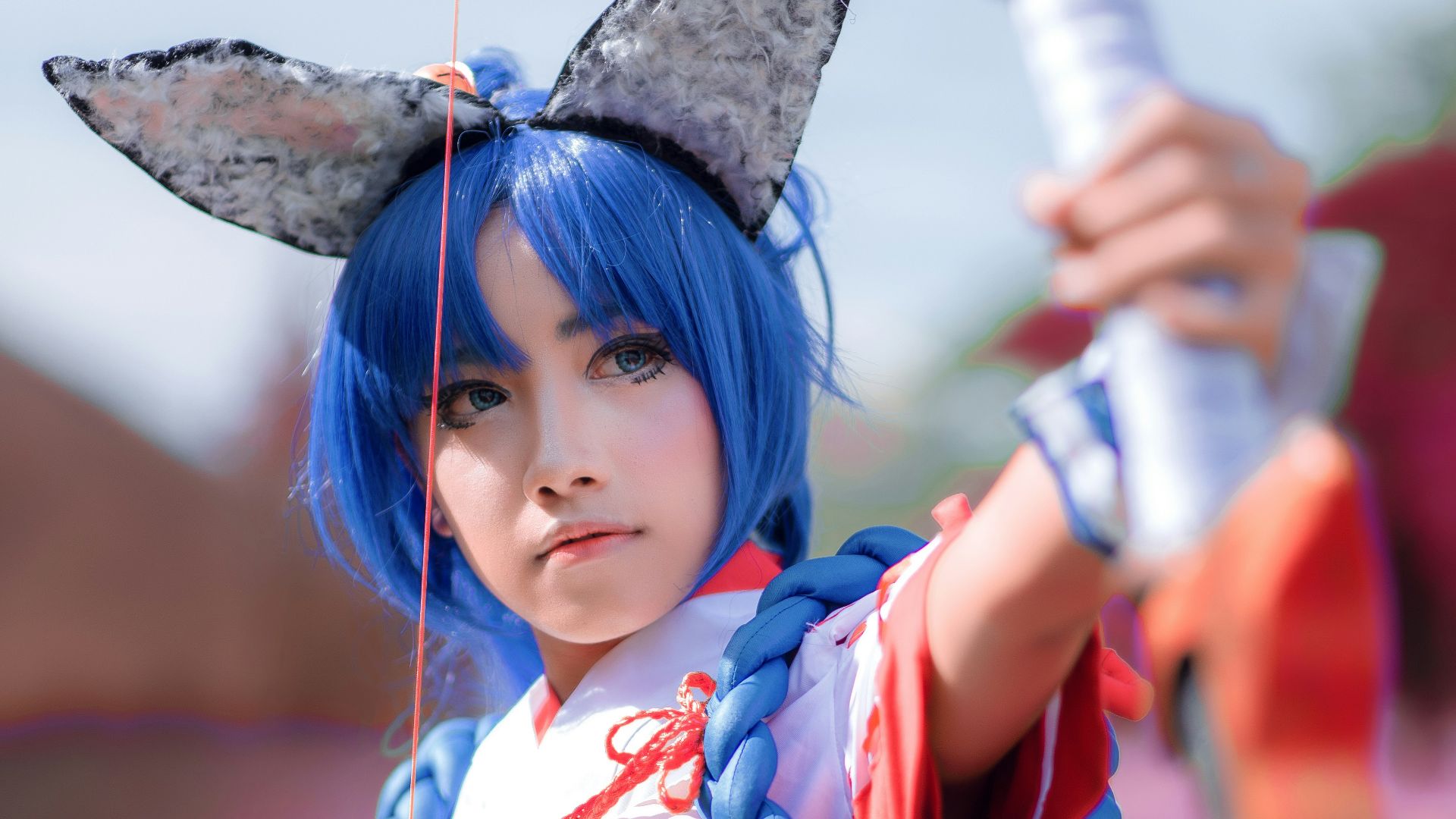
Conventions used to feel like odd little pilgrimages where the weirdness was the point. Now many big ones feel like a branded maze designed to move you past sponsored booths and paid experiences. You still see great cosplays, yet the air often smells like marketing strategy.
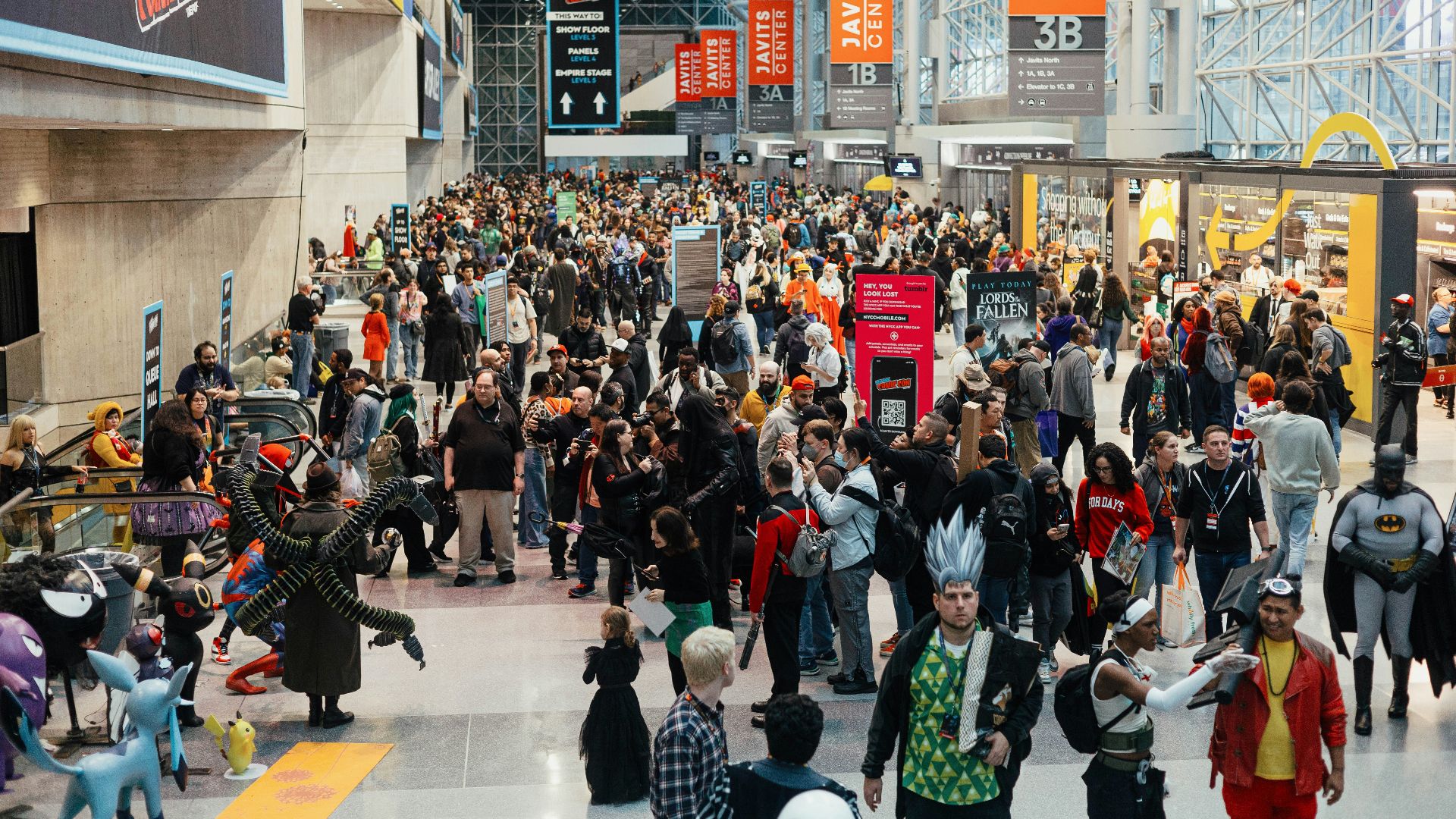
9. Collecting Replaced Making
Buying things is easier than learning a skill, and the culture got very good at selling that shortcut. A wall of pristine boxes can start standing in for creativity, community, and time spent building something. The hobby becomes ownership instead of participation.
10. Merch Got Louder Than The Work
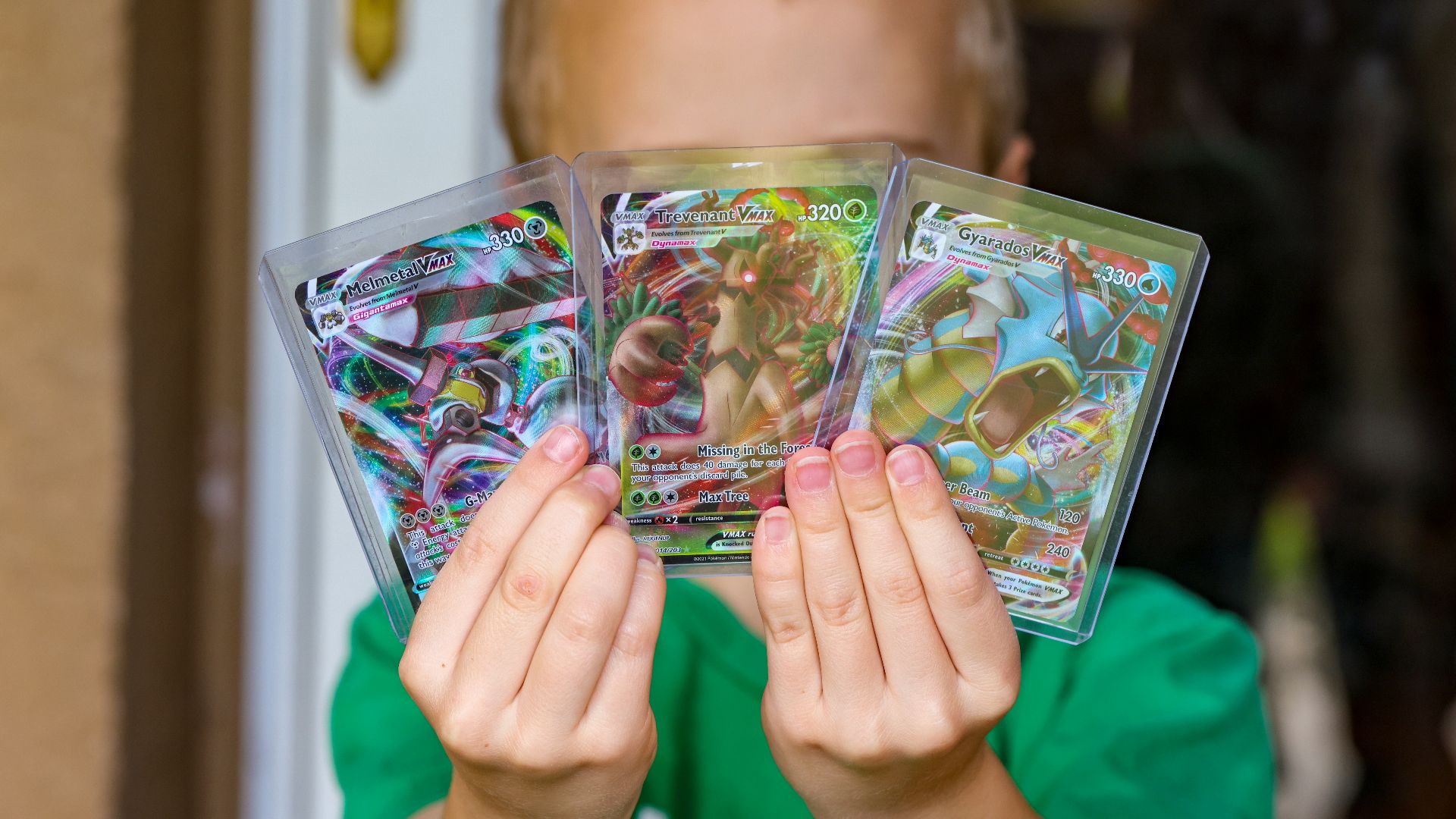
There was a time when merchandise followed love, like a souvenir after a great trip. Now the merch sometimes arrives first, practically daring the story to catch up. When the product line leads, the art starts feeling like packaging.

11. “Content” Flattened Everything
Calling everything content makes it sound like it’s all the same kind of thing, just different flavors in a feed. A thoughtful game, a rushed spin-off, and a cynical reaction video all get poured into the same scroll. The culture loses its ability to treat craft like craft.
 Joshua Rawson-Harris on Unsplash
12. Speed Beat Savoring
Release cycles got faster, and the conversation got shorter. People sprint through a season in a weekend, post a hot take, and move on before anything can sink in. What used to be a slow-burn obsession becomes a quick hit.
13. Communities Got Replaced By Audiences
Message boards and local groups were messy, yet they were built for back-and-forth. Now a lot of fandom is built around personalities broadcasting to followers, which changes the vibe from hanging out to consuming. You stop being a member and become a metric.
14. Parasocial Drama Became The Main Plot
When creators become celebrities, their lives start competing with their work. The culture gets pulled into feuds, subtweets, and loyalty campaigns that have nothing to do with the actual hobby. The emotional energy gets spent on people instead of art.
15. Criticism Turned Into A Personality Type
Criticism is healthy, and it keeps art honest. The problem starts when negativity becomes the whole brand, the default posture, the only way to sound smart. At that point, enjoying something gets treated like naïveté.
16. Representation Became A Talking Point
More people deserve to see themselves in stories, and that should be normal, not a headline. The soul drain happens when representation gets treated like a shield for weak writing or a target for culture-war grandstanding. Real inclusion works best when it’s integrated with care, not weaponized.
17. “Canon” Wars Started Eating The Room
People used to argue about favorite characters and move on. Now canon disputes can become months-long identity fights where the point is winning, not understanding. The hobby stops being play and starts feeling like litigation.
18. Fandom Metrics Became A Measure Of Worth
Views, likes, and follower counts seeped into everything, including fan art and fanfiction. When numbers become the scoreboard, people start creating for applause instead of expression. The culture quietly teaches you to chase approval rather than joy.

19. The Weird Edges Got Sanded Off
Big budgets want broad appeal, and broad appeal often means fewer risks. Strange endings, niche humor, and challenging ideas get softened so nobody storms out. The result is a lot of polished work that feels oddly safe.
20. Nostalgia Became A Trap
Nostalgia is lovely in small doses, like a song that takes you back. When it becomes the core fuel, the culture starts living in reruns, always reaching for the familiar instead of the next great obsession. Eventually the past stops being a foundation and becomes a ceiling.