The “Serious” Side Isn’t Always Serious
Intense, “pro” gamers can create effortless hit combos, but onlookers tend to miss the hard work that comes with this overconfidence. A lot of what you’re seeing is routine, repetition, and a few unglamorous habits they don’t post about. Behind the clips and confident talk, there’s plenty of trial and error, small optimizations, and the occasional meltdown. If you’ve ever wondered what’s really going on behind the grind, here are the little truths that tend to stay off the highlight reel.
1. They Lose Plenty
Even the scariest players rack up losses, and sometimes they lose badly. They just don’t treat a loss as proof they’re awful, so they queue again without spiraling. If you only watched their best moments, you’d never guess how often they get humbled. Remember, losing is the only way you learn!

2. Warmups Matter
A lot of “natural talent” comes after a 10 to 20-minute warm-up that nobody talks about. Some aim trainers, others run quick drills, and plenty just play a low-stakes mode first. Skipping the warmup usually shows up in the first match.
3. They Copy Settings
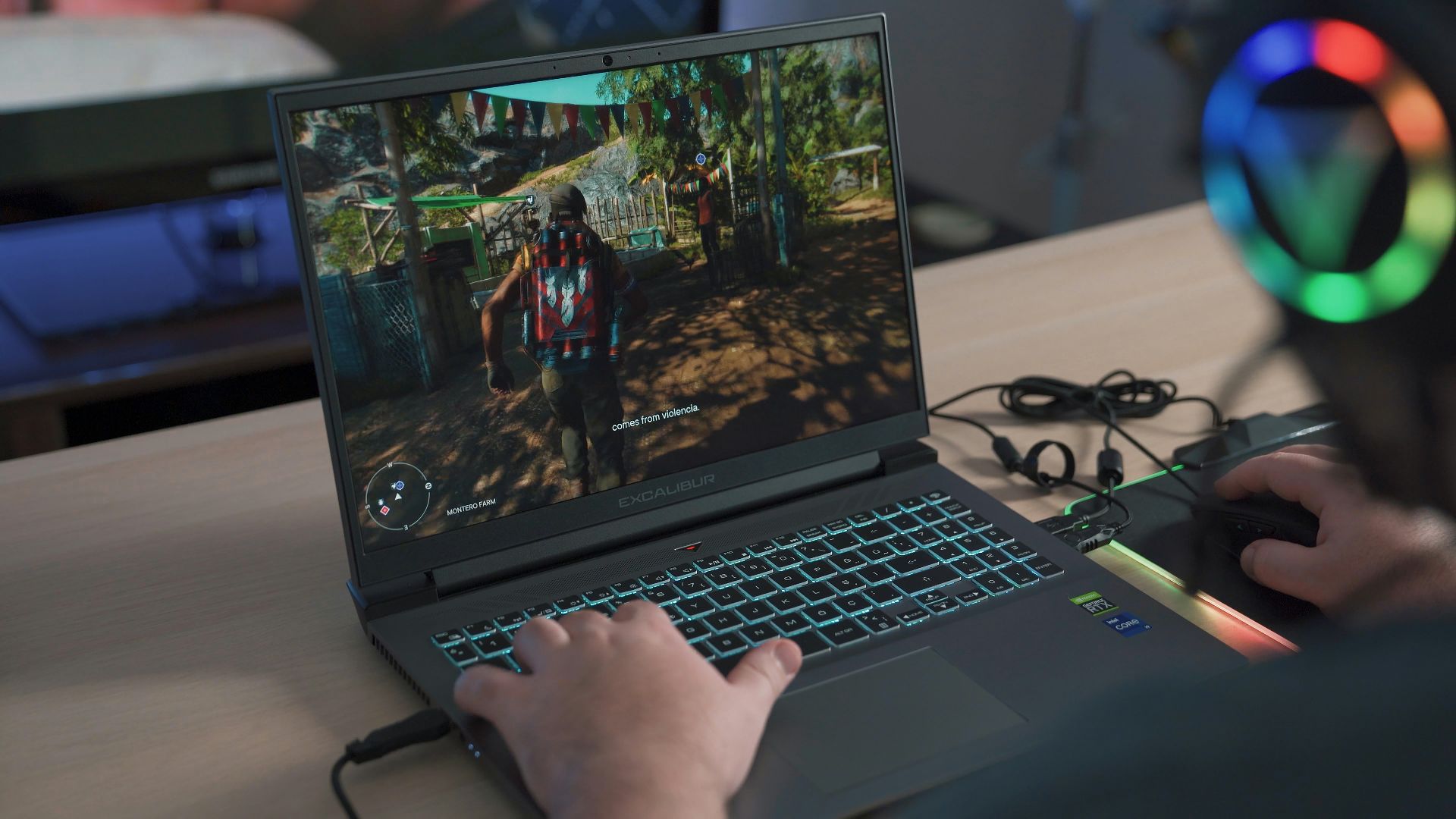
Many intense players borrow sensitivity, keybinds, and video settings from someone they look up to. Afterwards, they test it, tweak it, and then create something that works best for them. If you’re struggling, copying a strong baseline can save you a ton of time.

4. Comfort Beats Flash
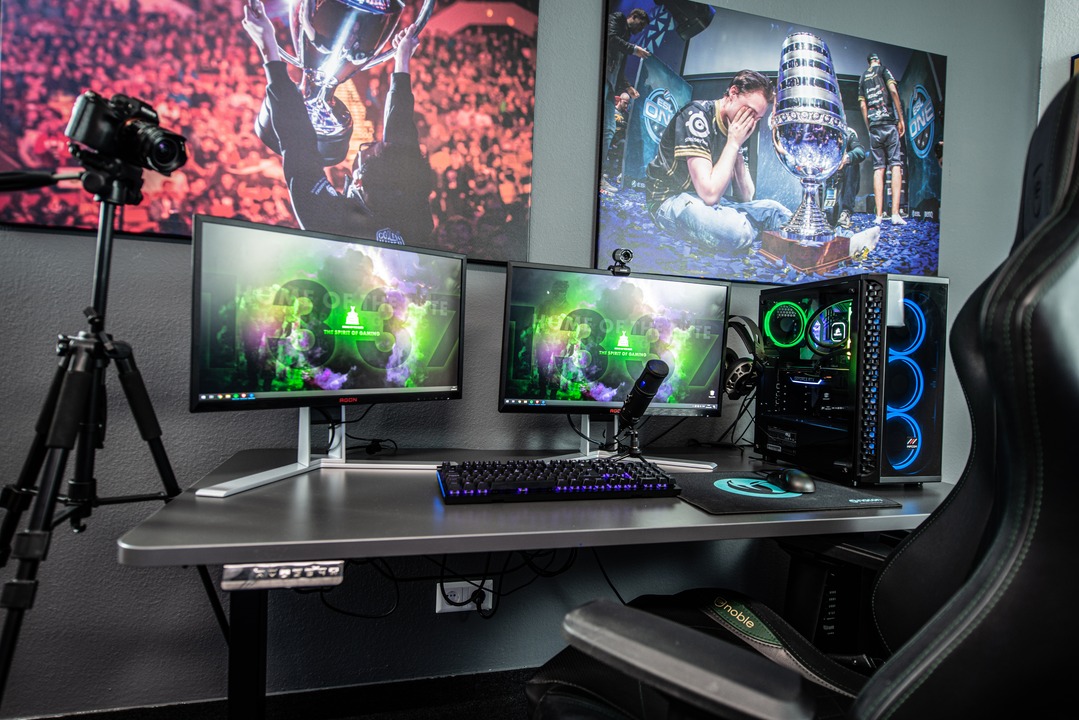
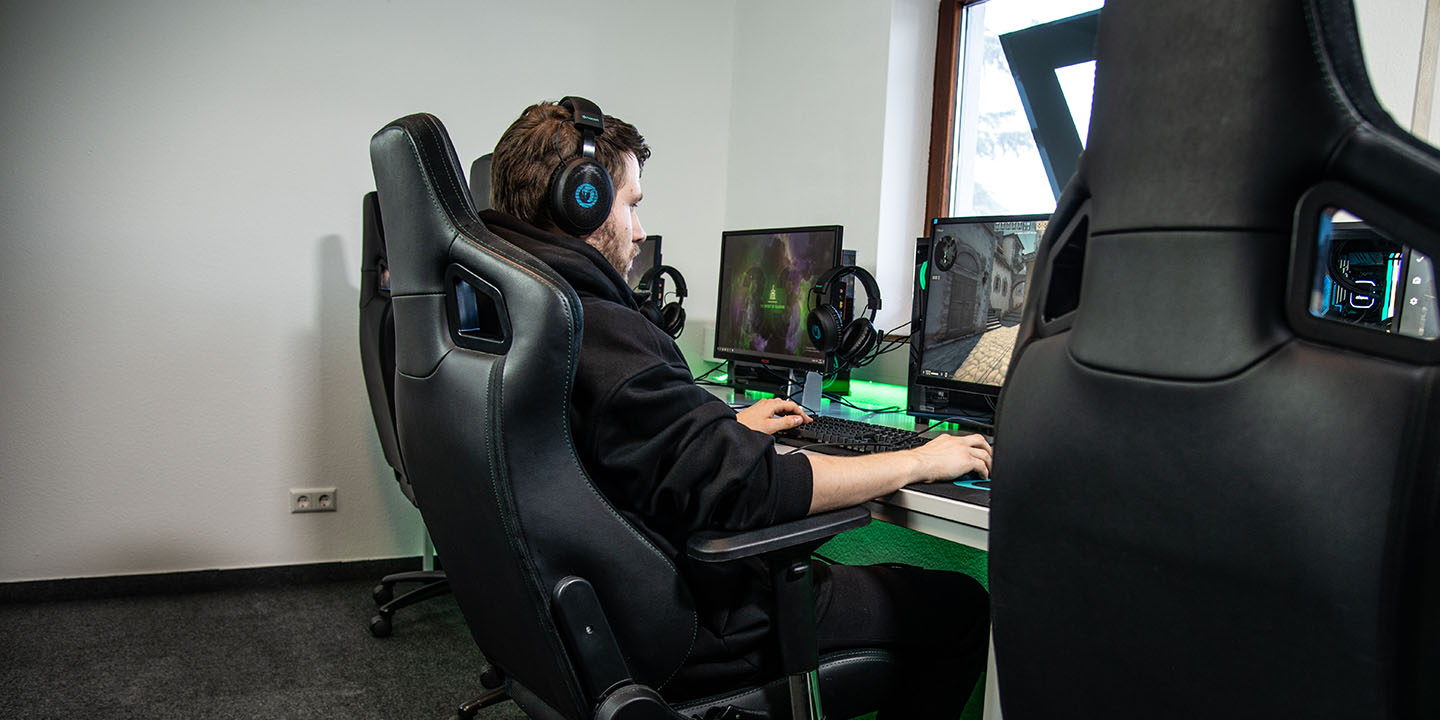
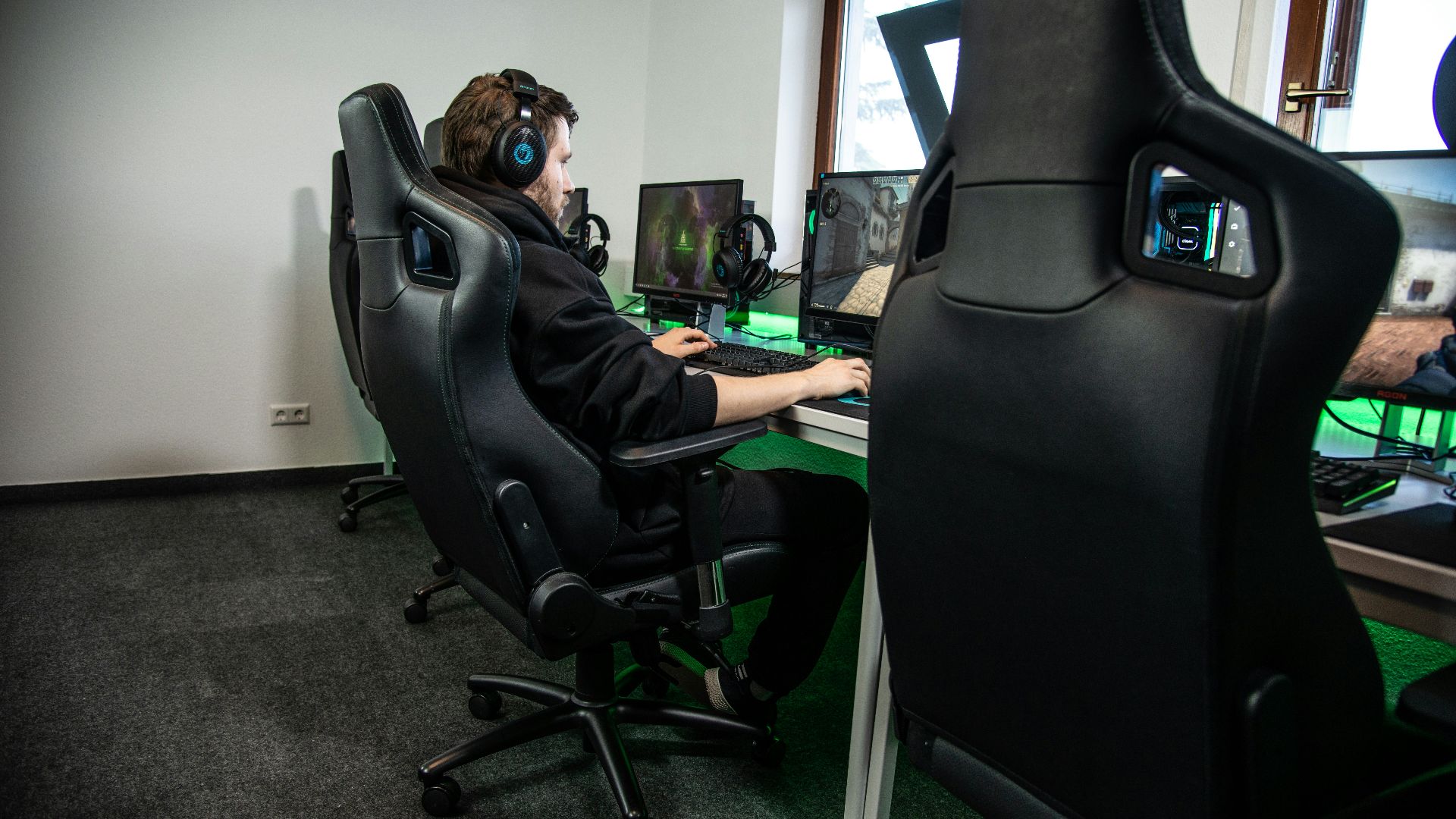
They’ll choose a boring chair, a simple mouse, and a clean desk over something that only looks cool. Ergonomics and consistency matter when you’re playing a lot. The “setup tour” version often leaves out the practical choices.
5. They Study Patch Notes
Balance changes, map tweaks, and weapon adjustments can shift the whole game overnight, even if it doesn’t seem like much to the rest of us. Strong players keep up because guessing wrong costs rank. If someone suddenly feels unstoppable, they might just understand the new meta faster.

6. VOD Review Is Real
Some of them rewatch matches, even the ones they win. They’re looking for wasted movement, bad timing, and missed information. It’s not glamorous, but it’s a fast way to fix repeated mistakes. It’s that kind of dedication that separates the experts from the pros.

7. Tilt Is Common
Getting frustrated happens to everyone, including the calm-looking players. The difference is that experienced grinders notice tilt sooner and manage it better. They might take a break, swap roles, or stop queuing before they throw away hours.

8. They Dodge Distractions
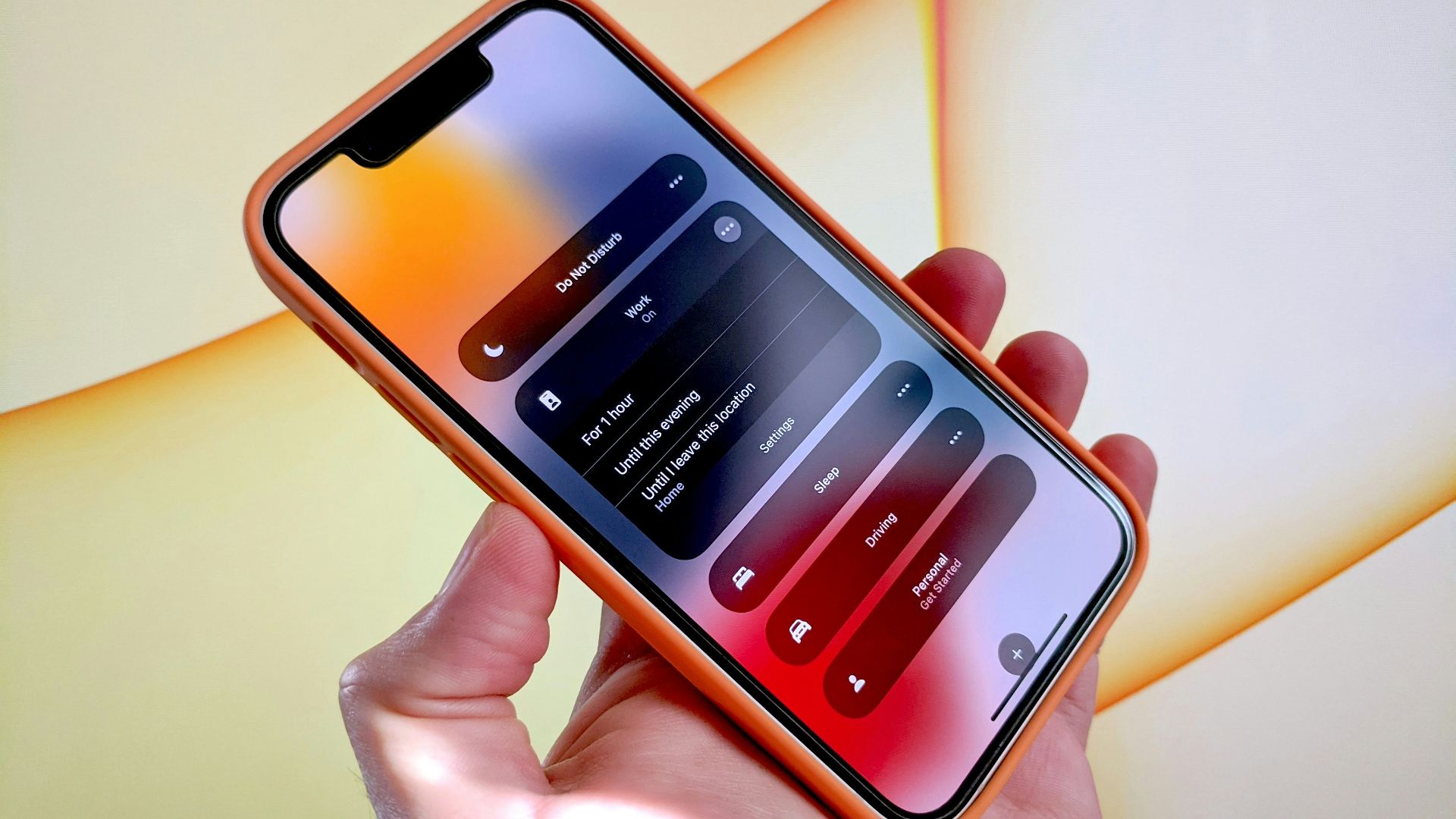
A lot of great improvement comes from plain old boring discipline. Notifications get muted, background videos get turned off, and “one quick scroll” gets avoided. Focus is a competitive advantage, even if it means missing a text every so often.
9. Mechanics Aren’t Everything
You can have great aim and still lose because your decisions are messy. Positioning, timing, and awareness often matter more than flashy plays. Plenty of top players win by being consistent, not dramatic.
10. Communication Is Practiced
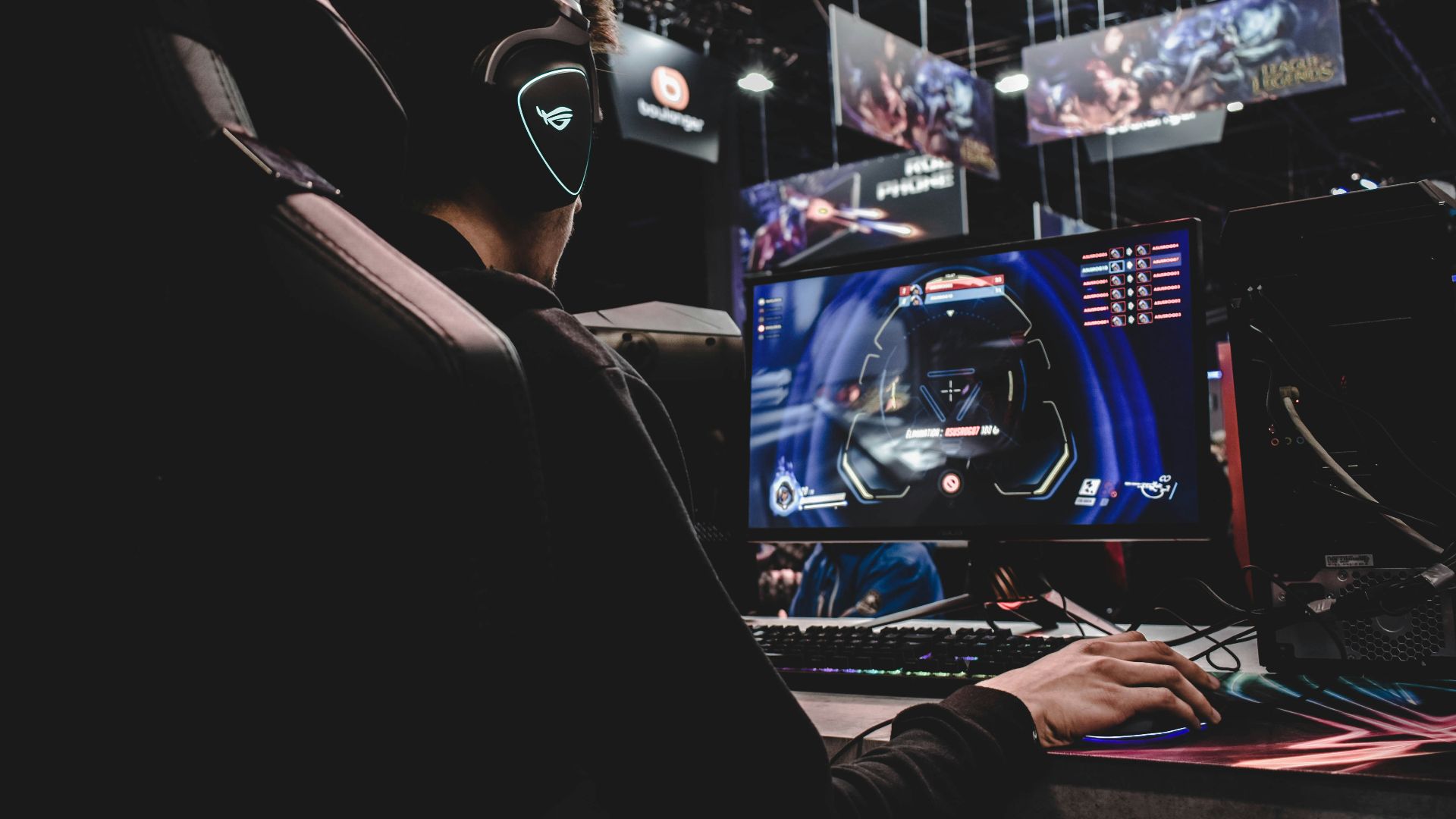
Good callouts usually aren’t random, and they’re not always natural. Players build a habit of sharing useful info quickly and keeping it simple. Even if it's a rough go overall, teams definitely perform better if communication is clear.
 Volodymyr Hryshchenko on Unsplash
11. They Blame Themselves
Yes, teammates can be frustrating, but strong players still look for what they could’ve done differently. They focus on controllable choices, not perfect circumstances. That simple change in mindset adds up over time and helps them improve faster.

12. They Use “Boring” Tactics
Safe plays win a lot of matches, even if they look dull. Playing angles, holding positions, and waiting for mistakes can be more effective than constant aggression. The wild clips are fun, but steady habits earn real results.

13. They Track Small Goals
Many grinders don’t just chase rank; they chase specific improvements. They might focus on crosshair placement, fewer deaths, better utility usage, or tighter rotations. Small goals feel way less overwhelming and produce cleaner progress.

14. They Take Breaks
Serious players rest more than you’d expect, especially during long sessions. Fatigue makes reactions slower and decisions worse, even if you feel fine. A short reset can do wonders for long-term gameplay.

15. They Manage Their Hands
Wrist pain and hand strain are common when you play as hard and as often as these pros do. Stretching, adjusting posture, and changing grip are practical habits, not optional extras. If someone stays consistent for years, they’re probably spending just as much time doing preventative work for their body.

16. They Practice Tedious Skills
Movement drills, recoil control, and map knowledge can feel repetitive. Still, those basics create the foundation for everything else. It’s similar to realizing someone has lost weight or put on muscle. You might not see the hard work, but you’ll notice the results.

17. They Know Matchmaking Is Messy
Rank isn’t a perfect measurement, and matchmaking doesn’t always create fair games. Strong players accept the chaos and play the hand they’re dealt. Complaining might feel good, but it rarely leads to improvement.

18. They Spend Money
Headsets, mice, controllers, pads, monitors, and subscriptions add up fast. Even budget-focused players often invest over time because comfort and reliability matter. The hobby can be expensive if you go all-in.

19. They Protect Their Confidence
A lot of intense gamers curate what they watch, read, and listen to before playing. They avoid doom-scrolling, trash talk that gets in their head, and anything that wrecks their focus. Confidence isn’t constant, so they work hard to maintain it on their own terms.

20. They’re Not Always Having Fun
Grinding can feel satisfying, but it can also feel like work. Some sessions are about progress, not enjoyment, and that’s a real tradeoff. If you want to stay happy long-term, you need to balance improvement with actually enjoying the game.