Convenience Came With a Cost
Technology promised to make life easier, faster, and more efficient, and in many ways it delivered on that promise. What often gets overlooked, though, is how many trade-offs came along for the ride, quietly reshaping our habits, attention, and expectations in ways we didn’t fully anticipate. Technology isn’t going anywhere, and it’s worth acknowledging the ways it’s made everyday life more complicated rather than better. Here are 20 ways it has made our lives worse.
1. It Shortened Our Attention Spans
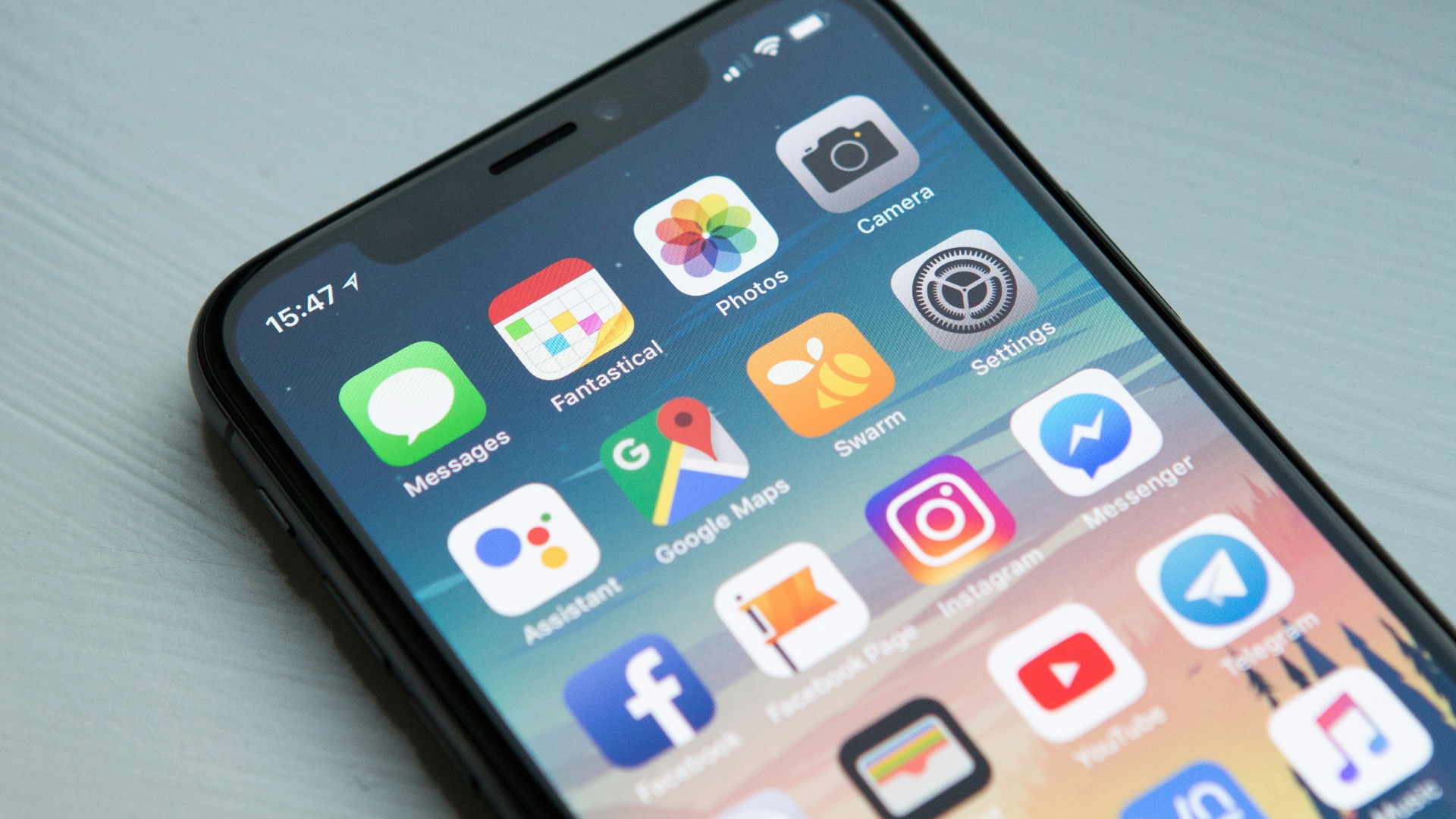
Constant notifications, endless scrolling, and rapid-fire content have trained us to expect stimulation at all times. Sitting with a single task now feels harder than it used to, even when we want to focus. Over time, that mental fragmentation can make deep concentration feel almost uncomfortable.

2. It Made Us More Distracted While Driving
Phones turned cars into moving distraction zones, even for people who swear they never text behind the wheel. A quick glance at a screen can pull attention away at exactly the wrong moment. The danger isn’t just obvious misuse, but how normalized that divided focus has become.

3. It Blurred the Line Between Work and Home
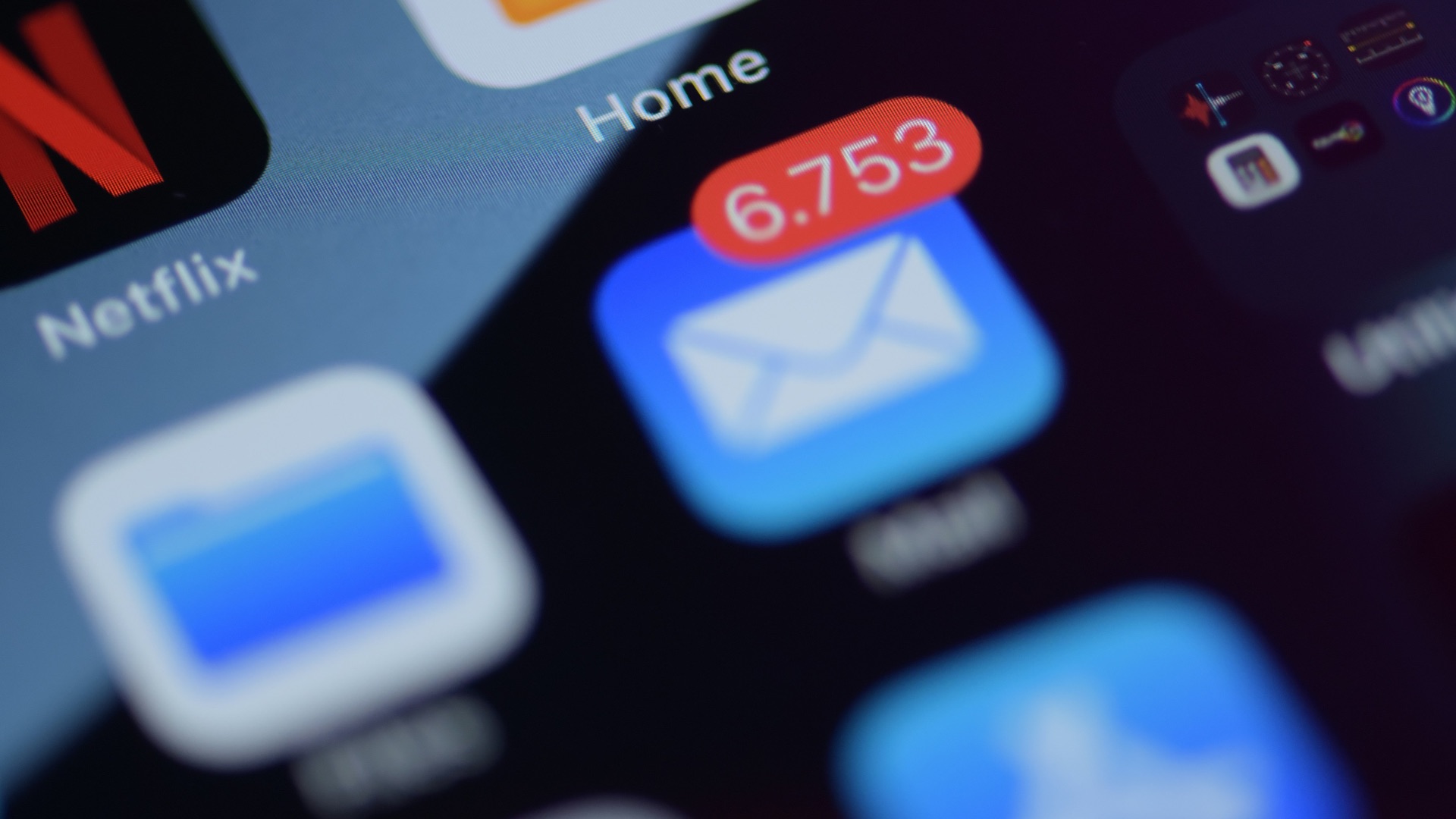
Technology made remote work possible, but it also made work feel ever-present. Emails, messages, and notifications don’t respect evenings or weekends unless you actively force them to. As a result, truly unplugging now takes effort instead of happening naturally.
4. It Encouraged Constant Comparison
Social media highlights everyone else’s best moments while quietly hiding the context behind them. Scrolling through curated lives can make your own feel lacking by comparison, even when nothing is actually wrong. That steady drip of comparison can chip away at contentment over time.

5. It Reduced Face-to-Face Interaction
Messaging apps make communication easy, but they’ve also replaced many in-person conversations. Tone, nuance, and body language often get lost in translation. Over time, that shift can make real-world interactions feel more awkward than they should.

6. It Made Information Overwhelming
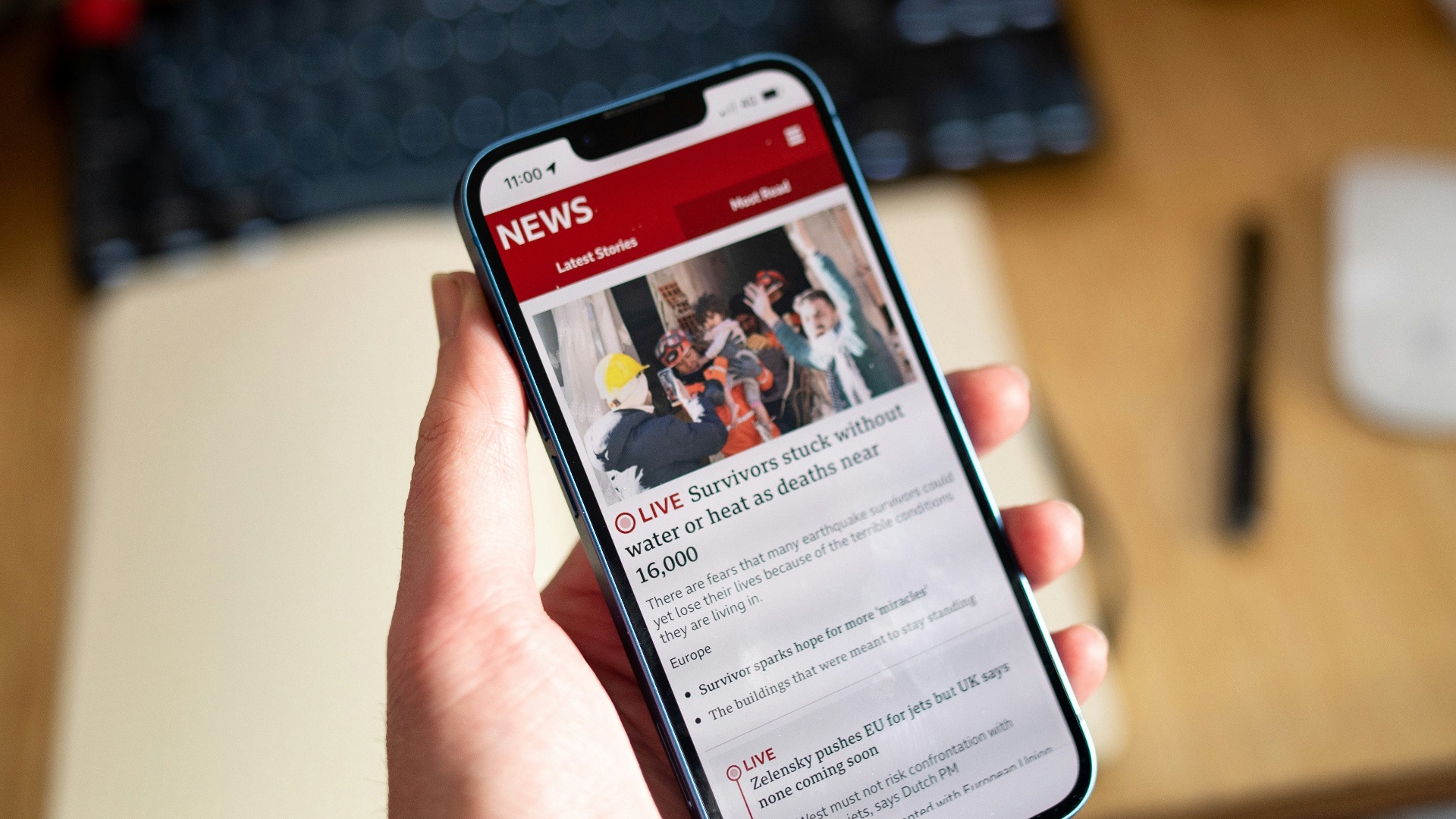
Having access to unlimited information sounds empowering until you realize how much mental energy it takes to process it all. News updates, opinions, alerts, and notifications stack up faster than anyone can reasonably absorb, which makes staying “informed” feel like a full-time job. Instead of clarity, you often end up with fatigue and the nagging sense that you’re always behind.
7. It Disrupted Sleep Patterns
Technology has made it even harder to fall asleep at bedtime. Late-night scrolling, blue light exposure, and the urge to check one last thing all interfere with the body’s natural wind-down process. Even when you get enough hours of sleep, the quality often suffers in ways that add up over time.

8. It Weakened Our Sense of Privacy
So much of modern life now leaves a digital trail that’s easy to forget about until something goes wrong. Apps quietly collect data about habits, locations, and preferences, often in exchange for convenience we barely notice anymore. That loss of privacy doesn’t happen all at once, which is exactly why it’s so easy to accept.

9. It Encouraged Multitasking
Technology makes it feel normal, even impressive, to juggle multiple things at once. In reality, constantly switching between tasks fragments attention and increases mental strain, even when productivity appears higher on the surface. Over time, that scattered focus makes it harder to feel fully engaged in anything.

10. It Changed How We Learn
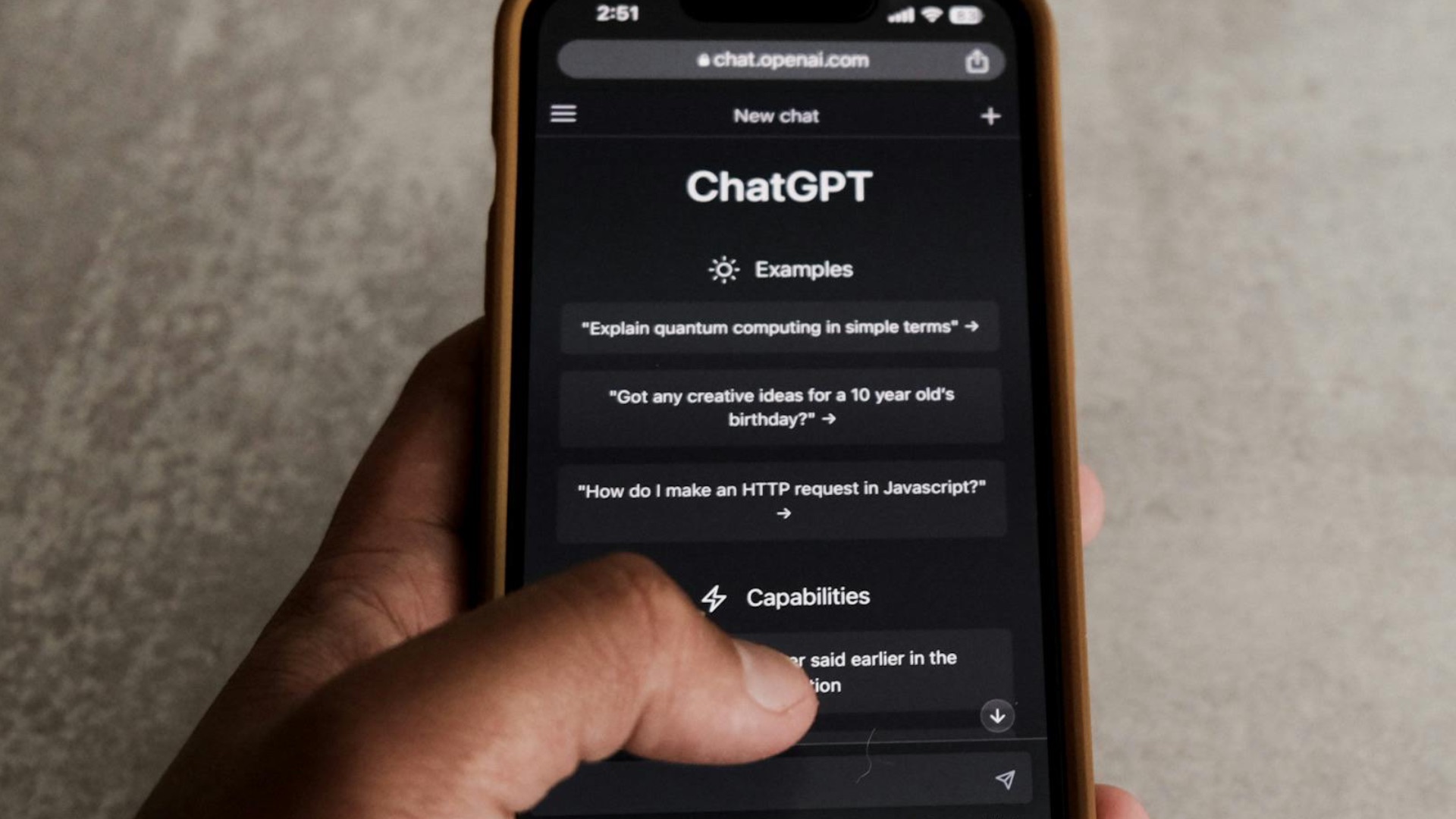
Technology, and especially AI-powered tools, have made information faster to access but easier to skim past without really absorbing. When answers are generated instantly, there’s less incentive to struggle with a problem, follow a line of reasoning, or sit with confusion long enough for real understanding to form. Over time, learning can shift from building knowledge to simply retrieving it, which feels efficient in the moment but often leaves gaps underneath.
11. It Changed How We Argue
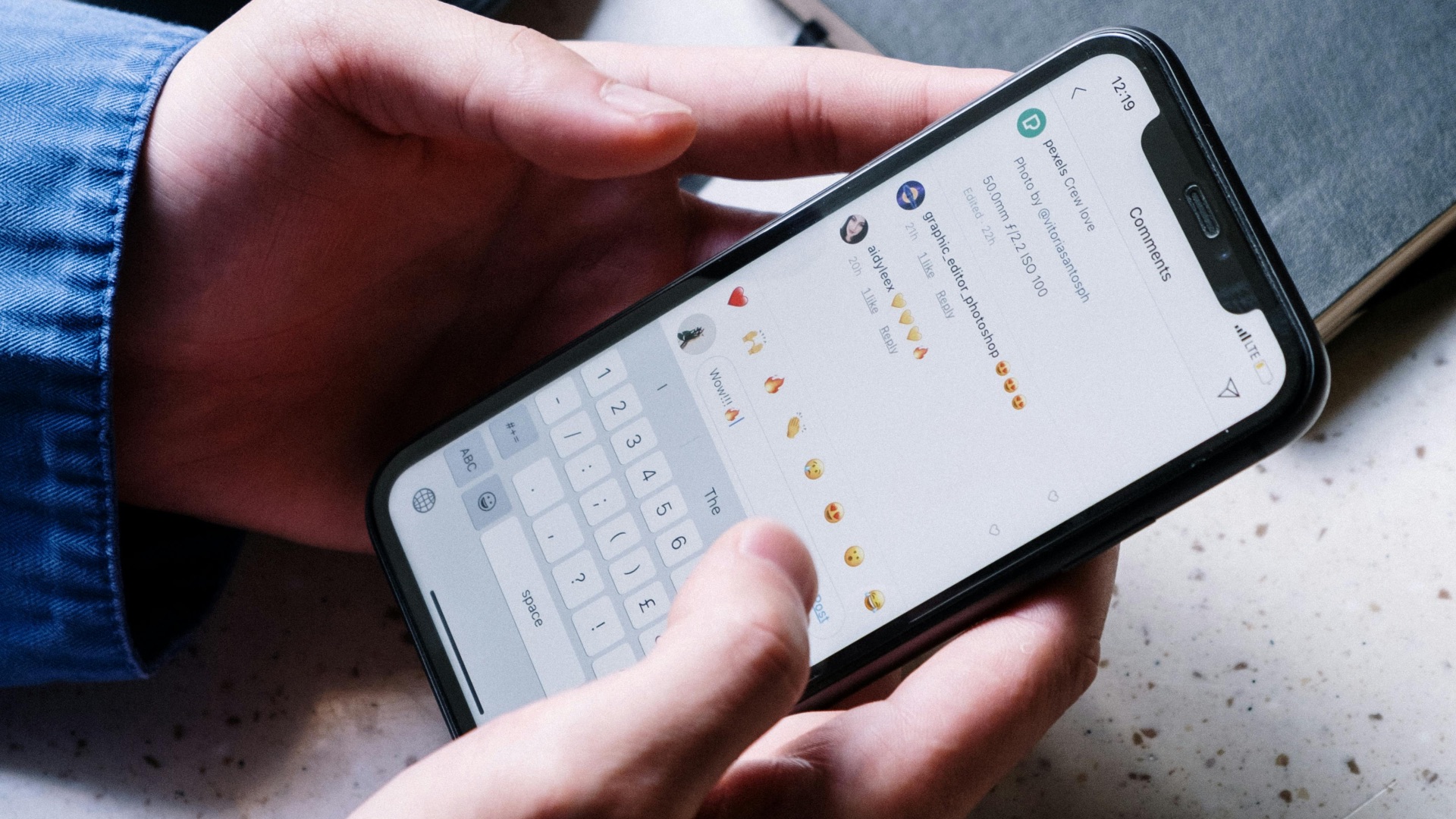
Online platforms reward speed and volume rather than thoughtfulness. Nuance gets lost as complex ideas are flattened into headlines, posts, or comment threads designed to provoke reaction. As a result, disagreement often becomes louder while understanding quietly slips away.
12. It Increased Social Pressure
Being constantly reachable has created an unspoken expectation that replies should be fast and consistent. When someone doesn’t respond right away, it can feel personal even when it isn’t. That low-level pressure adds stress to conversations that were once simple and forgiving.

13. It Made News Feel Constantly Urgent
Breaking news alerts blur the line between truly important events and things that can wait. The nervous system stays in a state of alert because everything arrives with the same sense of immediacy. Over time, that constant urgency can lead to burnout or emotional numbness.
14. It Encouraged Shallow Consumption
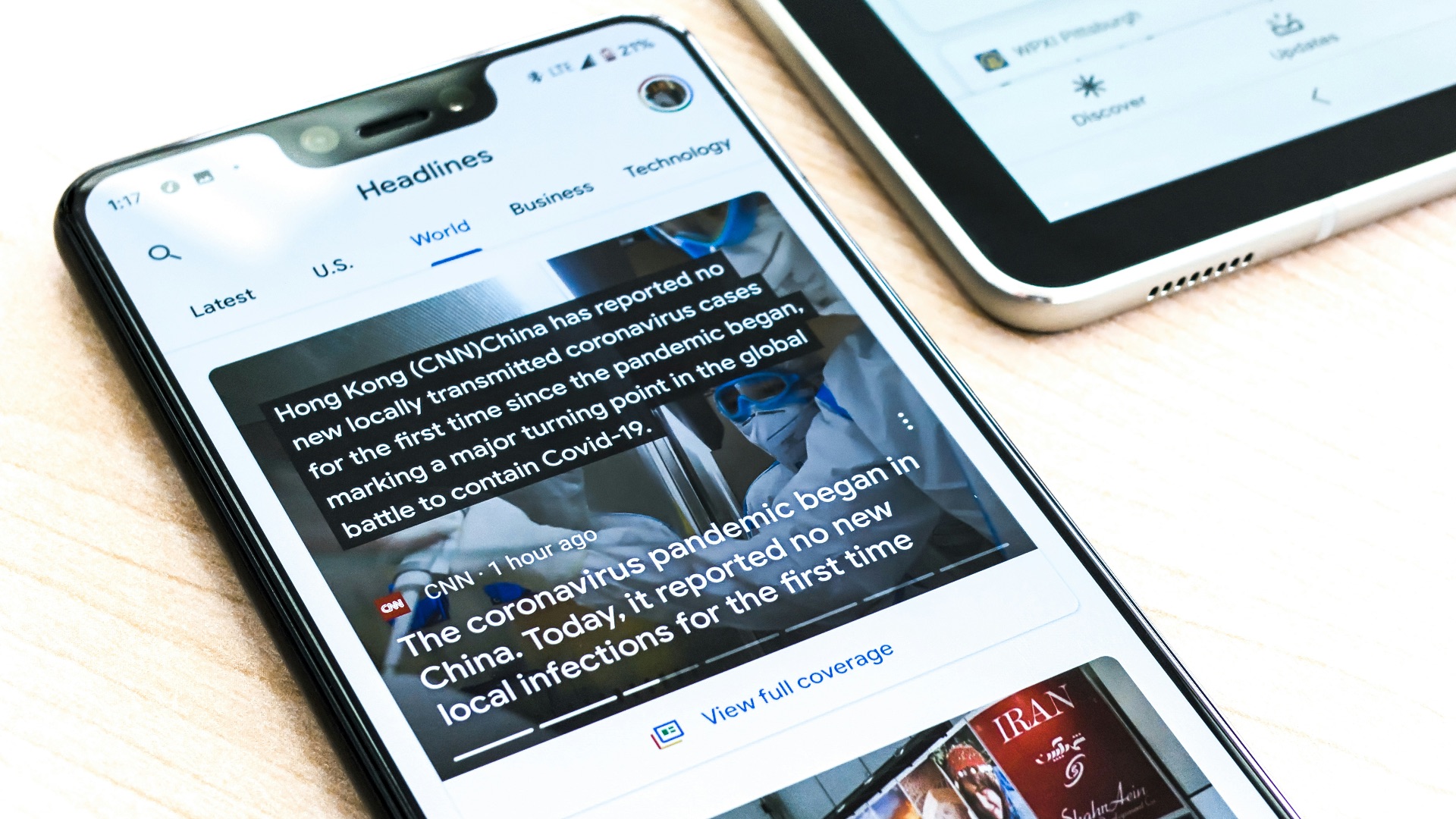
Algorithms are designed to keep attention, not deepen understanding. That often means shorter, simpler, and more repetitive content rises to the top while thoughtful material struggles to compete. Consuming information becomes easier, but learning from it becomes harder.
15. It Reduced Patience
On-demand services have reshaped expectations around waiting. When answers, entertainment, and deliveries arrive instantly, even small delays feel frustrating. Patience slowly becomes a skill you have to relearn rather than a natural part of life.
16. It Made Alone Time Harder to Protect
Being physically alone no longer guarantees mental space. Messages, notifications, and updates have a way of following you wherever you go, which can interrupt solitude. This means you'll now have to manually shut off everything instead of it happening by default.

17. It Encouraged Overdocumentation
Experiences are increasingly filtered through cameras and screens before they’re fully lived; you're often filming a concert instead of just enjoying the moment and the feeling of being present. Overdocumentation also means every aspect of your life seems to be broadcast to the world.

18. It Turned Opinions Into Performances
Sharing thoughts online often feels like stepping onto a stage rather than into a conversation. Reactions, likes, and engagement start shaping how opinions are expressed. Authentic reflection can get crowded out by the urge to be seen or validated.
19. It Made It Harder to Disconnect
Technology is designed to keep pulling attention back, even when you’re trying to rest. Breaks often involve switching platforms instead of actually unplugging. Stepping away now requires conscious effort rather than happening naturally.
 mikoto.raw Photographer on Pexels
20. It Raised Expectations Without Reducing Stress
Technology promised efficiency, yet life often feels busier than ever. Tasks multiply alongside the tools meant to manage them, creating a sense of constant upkeep. Instead of removing pressure, technology often just rearranges it.