
Platform Etiquette People Enforce Anyway
Posting looks casual on the surface, but every major platform has a set of norms that act like rules, even when nobody calls them that. You feel them when a post flops for no obvious reason, when the comments get weirdly hostile, or when the same idea performs well in one app and dies instantly in another. A lot of these rules are practical. People want context quickly, they want posts formatted for the way they scroll, and they don’t want to do extra work to understand what you meant. Other rules are social. They’re about credit, tone, and not using a public feed as a substitute for private communication. None of this is written into the platform’s terms of service, but it shapes what gets shared, what gets ignored, and what earns trust over time. Here are 20 unspoken rules of posting that people understand, even if they pretend they don’t.
1. On Instagram, The First Slide Does The Work
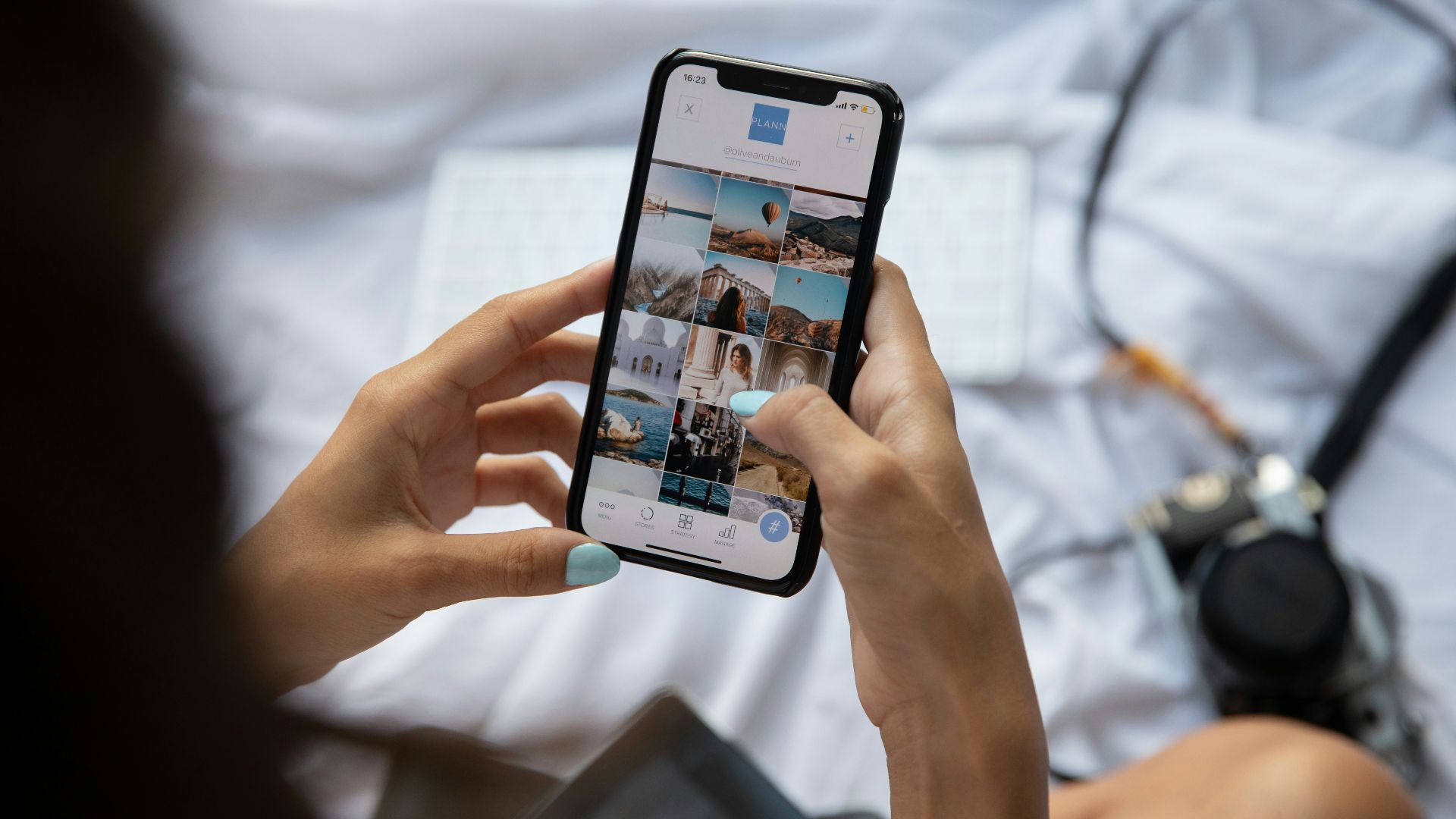
Carousels live or die on slide one because that’s the only part most people see before deciding to swipe. If the first image is cluttered, vague, or low-effort, the rest of your post might as well not exist. The hidden rule is simple: make slide one readable and instantly clear, then let the later slides do the deeper storytelling.
2. On Reddit, Lurk Before You Post
Reddit communities are picky because each one is its own little culture with its own standards. If you don’t read a few top posts first, you’ll miss obvious expectations like how much detail to include, whether jokes are tolerated, and what gets downvoted on sight. The fastest way to get ignored is to post like you’re on another app and act surprised when people react accordingly.
 Priscilla Du Preez 🇨🇦 on Unsplash
3. On TikTok, Show The Point Early
TikTok is built for instant decisions, so the audience expects the payoff fast. That doesn’t mean everything has to be loud or frantic, but it does mean you can’t hide the reason to keep watching behind a long introduction. Even educational videos tend to perform better when the core result is visible early and the explanation follows.
4. On LinkedIn, Don’t Hide The Ask
LinkedIn posts often have a purpose, even when they’re personal. If you’re hiring, sharing a resource, asking for referrals, or making an announcement, say it clearly and early. If you bury the point under a long preamble, people assume you’re selling something indirectly and they’ll scroll past to protect their time.
5. On X, Put The Take In The First Line
X rewards speed and punchiness, and it punishes slow ramps. If the first line isn’t the takeaway, many people won’t click to expand or follow a thread. The implied rule is that you earn attention first, then you add nuance for the people who want it.
6. On Facebook Groups, Follow The Template
A lot of groups have informal formatting rules that function like a checklist. People expect location, budget, constraints, and clear questions because they don’t want to play detective in the comments. If you ignore the template, you look like you didn’t respect the group, and the group responds by not helping.
7. On YouTube, The Packaging Has To Match
Titles and thumbnails are promises, and viewers keep receipts. If the thumbnail suggests one thing and the video delivers something else, people drop off early, and that hurts the video’s performance. The social rule is trust: deliver what you implied, or viewers will assume you’re always exaggerating.
8. On Instagram Stories, Sound Is Optional
A lot of people watch stories with sound off, especially in public or at work. If your story is mostly talking and you didn’t add captions or clear on-screen text, you’re asking viewers to do extra work. The rule is accessibility, even if nobody calls it that.
 Connor Scott McManus on Pexels
9. On X, Quote-Posting Is Commentary
A quote-post is rarely read as neutral sharing. Even a mild reaction can feel like you’re putting someone on display, especially if you have more followers than they do. If you want to share without adding heat, a plain repost communicates a different intention than a quote-post with a wink.

10. On TikTok, Don’t Stall With A Long Setup
Long intros feel like you’re padding, avoiding the point, or trying to trick people into watching longer than they wanted to. If context is necessary, it has to be efficient and tied to what’s happening on screen. The audience is willing to follow a story, but they need proof early that there is a story worth following.

11. On Reddit, Search First
Many subreddits treat repeat questions as clutter because they’ve answered them a hundred times. If the answer is in the sidebar, FAQ, or last week’s thread, people will tell you, sometimes rudely. The unspoken rule is that you do a little homework before you ask strangers for their time.

12. On LinkedIn, Keep The Tone Controlled
LinkedIn has a narrower emotional range than most social apps because it’s tied to reputation and work relationships. People will tolerate vulnerability, but messy conflict, vague drama, or public feuds usually backfire. The rule is simple: even when the post is personal, the tone is expected to be steady.

13. On Facebook, Add Context When You Share
A share with no caption often looks like clutter because it gives the reader no reason to care. One sentence about why you’re sharing changes the whole experience and makes it feel like a recommendation instead of a dump. On Facebook especially, context is the difference between engagement and being ignored.

14. On YouTube, Give A Roadmap Early
Viewers commit to YouTube videos differently than they commit to short-form content. They want to know what’s coming and how long it will take to get there. A quick preview of sections or outcomes early on reduces drop-off and keeps people watching because it feels organized and respectful.

15. On Instagram, Don’t Over-Tag For Reach
Random tags to big accounts, brands, or strangers read as attention-grabbing. People can tell when a tag is relevant versus when it’s bait. The rule is that tags should help the post find its right audience, not help you borrow someone else’s.

16. On X, Don’t Start A Thread Without A Reason
Threads ask for extra attention, and readers want to know why they should care. If the first post doesn’t justify the format, people get annoyed because it feels like you’re stretching one point into ten. The rule is that the format needs to earn itself.

17. On TikTok, On-Screen Text Should Carry The Basics
Even if you speak clearly, viewers may be watching quietly, distracted, or in a noisy place. On-screen text that summarizes the key idea makes the video easier to follow and more likely to be shared. It’s not about aesthetics, it’s about removing friction.
18. On LinkedIn, Don’t Try To Dunk On People
Snark plays differently when everyone’s real name and job are attached. Even if the audience agrees with you, dunking can make you look risky, petty, or hard to work with. The rule is not that you can’t criticize, it’s that you can’t turn criticism into entertainment without consequences.

19. On Reddit, Screenshots Need A Clear Explanation
Dropping a screenshot with no context forces the whole thread to guess what they’re supposed to notice. A short explanation of what’s going on and what you want feedback on keeps the comments useful. The rule is that clarity gets rewarded, and confusion gets downvoted.
20. On Any Platform, Don’t Make The Audience Do Your Work
If you ask for recommendations, advice, or help, include constraints like budget, location, and what you’ve already tried. If you’re venting, make it clear whether you want solutions or just space to talk. The core rule is respect: people will engage, but they don’t want to be turned into unpaid customer support.