Live, Laugh...Game?
To gamers, gaming is more than just a pastime—it's a lifestyle, and like any lifestyle, it inevitably shapes the way you connect with other people. Whether you're a casual player who unwinds with a few rounds on the weekend or a dedicated gamer who logs serious hours every week, your hobby has a way of making itself known in your romantic relationships. From how you spend your time to the values you bring to a partnership, here are 20 ways being a gamer can influence your dating life.

1. Your Time Management Leaves a Lot to Be Desired
When a gaming session takes over an entire evening or stretches well past midnight, the people in your life start to feel like they're competing for your attention. Dates get rescheduled, plans fall apart, and your partner is left wondering where they actually rank on your list of priorities. Over time, that pattern does real damage to a relationship, even if it never feels like a big deal in the moment.
2. Emotional Availability Is a Constant Struggle
Spending hours in an immersive virtual world makes it surprisingly difficult to shift into a present, emotionally engaged headspace when your partner needs you. You might be physically in the room while still being mentally somewhere else entirely, which is its own kind of absence. Partners often describe feeling like they have to compete with a screen just to have a real conversation.
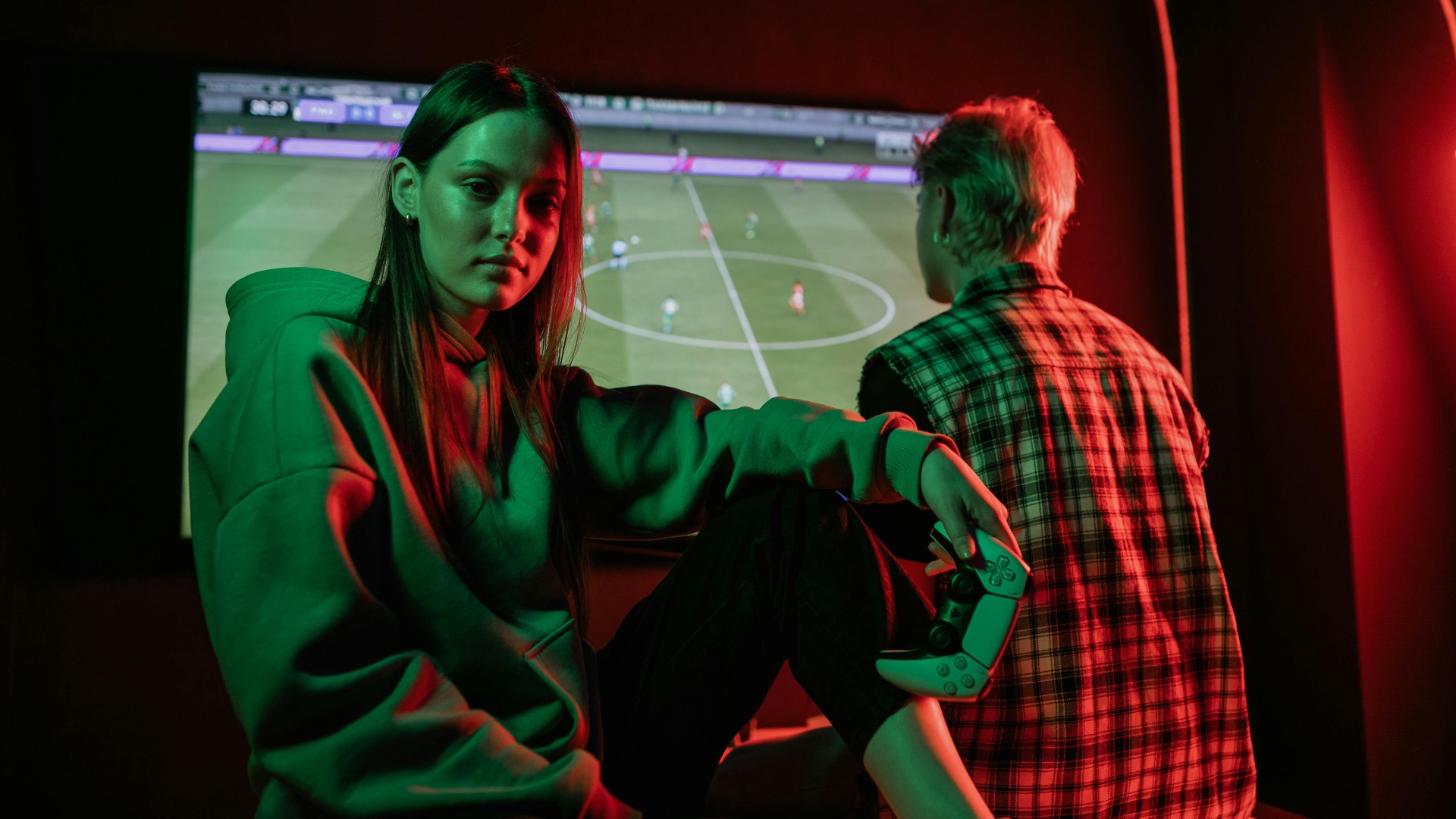
3. Your Finances Are a Recurring Source of Tension
New releases, collector's editions, hardware upgrades, subscription services, and downloadable content all add up faster than most people expect. A partner who doesn't share your hobby is unlikely to see those purchases as reasonable or necessary, and disagreements about money are one of the leading causes of relationship strain. If you're regularly prioritizing gaming expenses over shared financial goals, that's a problem worth taking seriously.

4. Spontaneity Is Basically Off the Table
Gamers who are mid-session, mid-campaign, or mid-match rarely respond well to last-minute plans, and that rigidity can make a relationship feel stifling for a more spontaneous partner. Romance tends to thrive on flexibility and surprise, neither of which fits neatly into a packed gaming schedule. If every invitation gets met with a request to wait until a save point, your partner will eventually stop asking.
 Glenn Carstens-Peters on Unsplash
5. Your Sleep Schedule Creates Real Friction
Late-night gaming sessions are common, but they become a relationship issue when they leave you exhausted, irritable, and checked out during the hours your partner actually wants to spend with you. Chronic sleep deprivation affects your mood, your patience, and your ability to be present in a relationship in ways that are easy to underestimate. A partner who keeps regular hours will only tolerate a mismatched schedule for so long.

6. Conversations Can Feel One-Sided
When gaming dominates your mental energy and your free time, it tends to dominate your conversations too, and not every partner wants to hear an in-depth breakdown of last night's session. Over time, a relationship where one person consistently steers discussions back to their own hobby starts to feel unbalanced and exhausting. Partners need to feel like their interests matter equally, and that's hard to communicate when yours takes up all the oxygen in the room.

7. Your Competitive Side Comes Out at the Wrong Times
A strong competitive drive is useful in games but genuinely counterproductive in a relationship, where the goal is supposed to be working together rather than winning. Conflict can quickly turn into a situation where you're more focused on being right than on actually resolving anything, which leaves your partner feeling unheard and worn down. Not every disagreement is a match to be won, and struggling to recognize that distinction causes lasting damage.

8. Finding Someone Compatible Becomes Unnecessarily Complicated
Wanting a partner who either games themselves or fully supports the lifestyle significantly narrows your dating pool, and the compromise required when those expectations aren't met tends to breed resentment on both sides. Someone who tolerates your hobby at the start of a relationship may feel very differently about it a year in, once they understand just how much space it actually takes up. Starting a relationship with that kind of incompatibility already present rarely ends well.
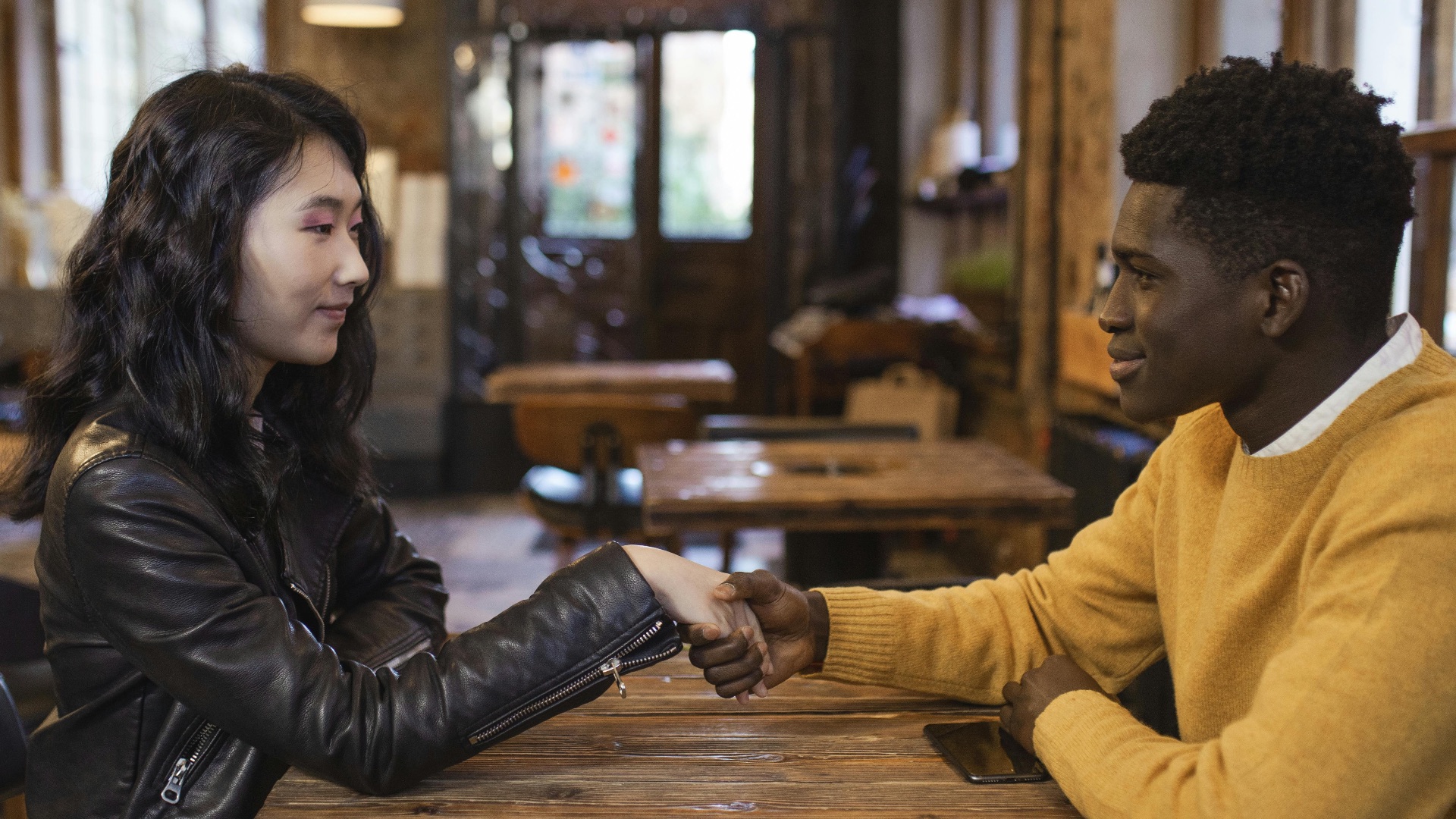
9. Your Social Life Outside Gaming Is Pretty Thin
If most of your social connections run through gaming communities, your partner may start to feel like the only real-world relationship you're investing in, which puts enormous pressure on the partnership. Healthy relationships generally benefit from both people having full, independent social lives, and leaning entirely on one person to meet all your social and emotional needs is a fast track to burnout. Expanding your world outside of gaming tends to make you a significantly better partner.

10. You Struggle to Be Fully Present
The pull of an ongoing game, a pending match, or an unfinished quest has a way of occupying mental space even when you're not actively playing. Your partner can tell when you're distracted, even if you're sitting right next to them, and that persistent half-presence erodes the sense of connection that relationships depend on. Being physically available isn't the same thing as actually being there.
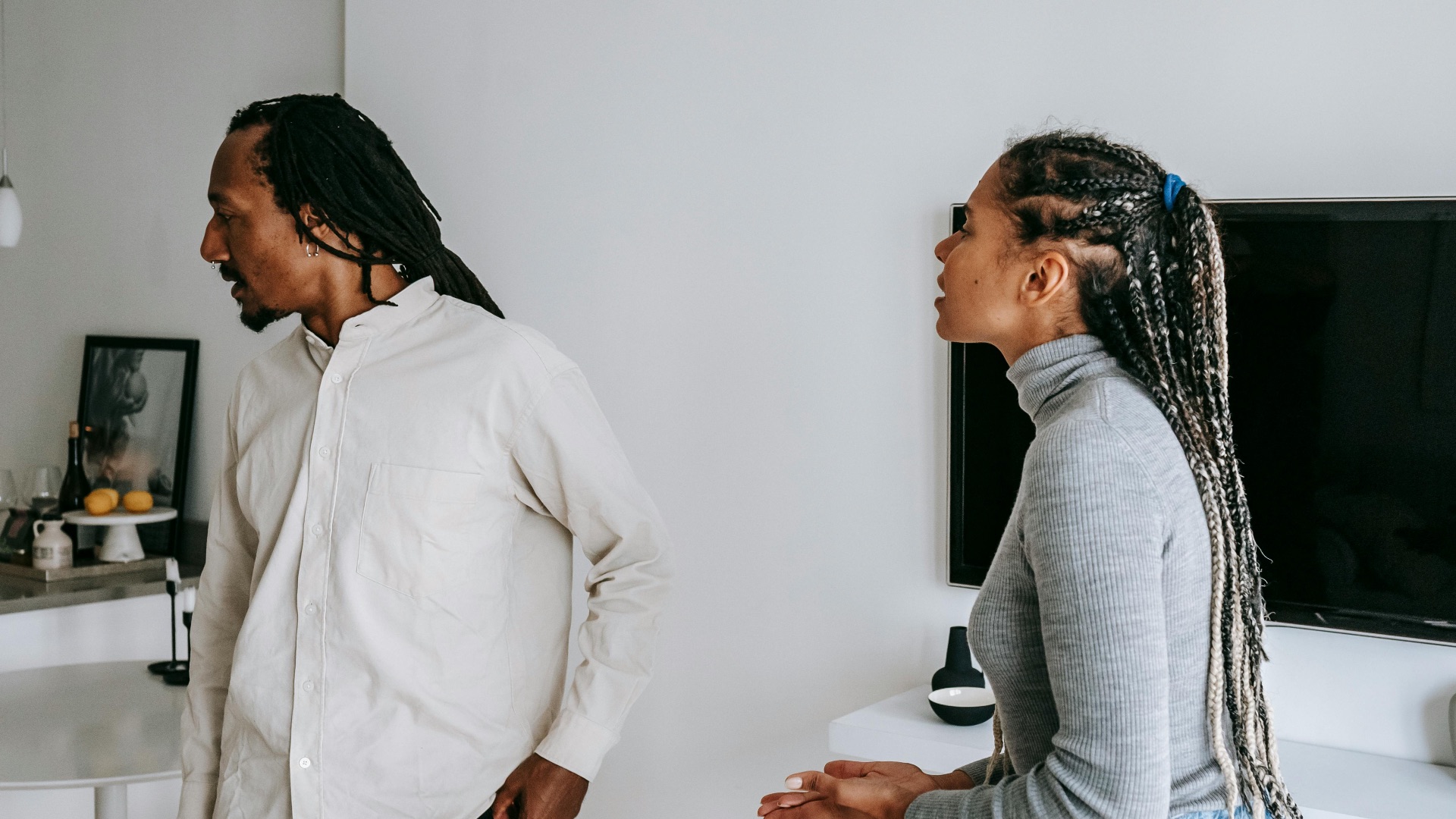
11. Intimacy Takes a Back Seat
When gaming consistently takes priority over quality time together, physical and emotional intimacy are usually the first casualties. A partner who repeatedly finds themselves being deprioritized in favor of a screen will eventually stop initiating connection altogether, and that withdrawal can hollow out a relationship before either person fully realizes what's happening. Intimacy requires consistent investment, and gaming hours are hours that aren't being spent on that.

12. Your Patience Runs Out in the Real World
Ironically, while gaming might build tolerance for in-game frustration, it can make everyday relationship friction feel disproportionately irritating by comparison. Arguments, miscommunications, and emotional conversations don't come with clear rules or a defined path to resolution, and that ambiguity tends to frustrate people who are used to structured challenges. Partners often bear the brunt of that impatience in ways that feel unfair and confusing to them.

13. First Impressions in Dating Are an Uphill Battle
Leading with gaming as a core part of your identity in a dating profile or early conversation immediately triggers assumptions in some people, regardless of whether those assumptions are fair. The stereotype of the disengaged, antisocial gamer is persistent enough that you're likely to encounter it before anyone knows anything real about you. That means you're regularly starting from a deficit and working to prove something that other people never have to address at all.
14. Shared Hobbies Are Hard to Come By
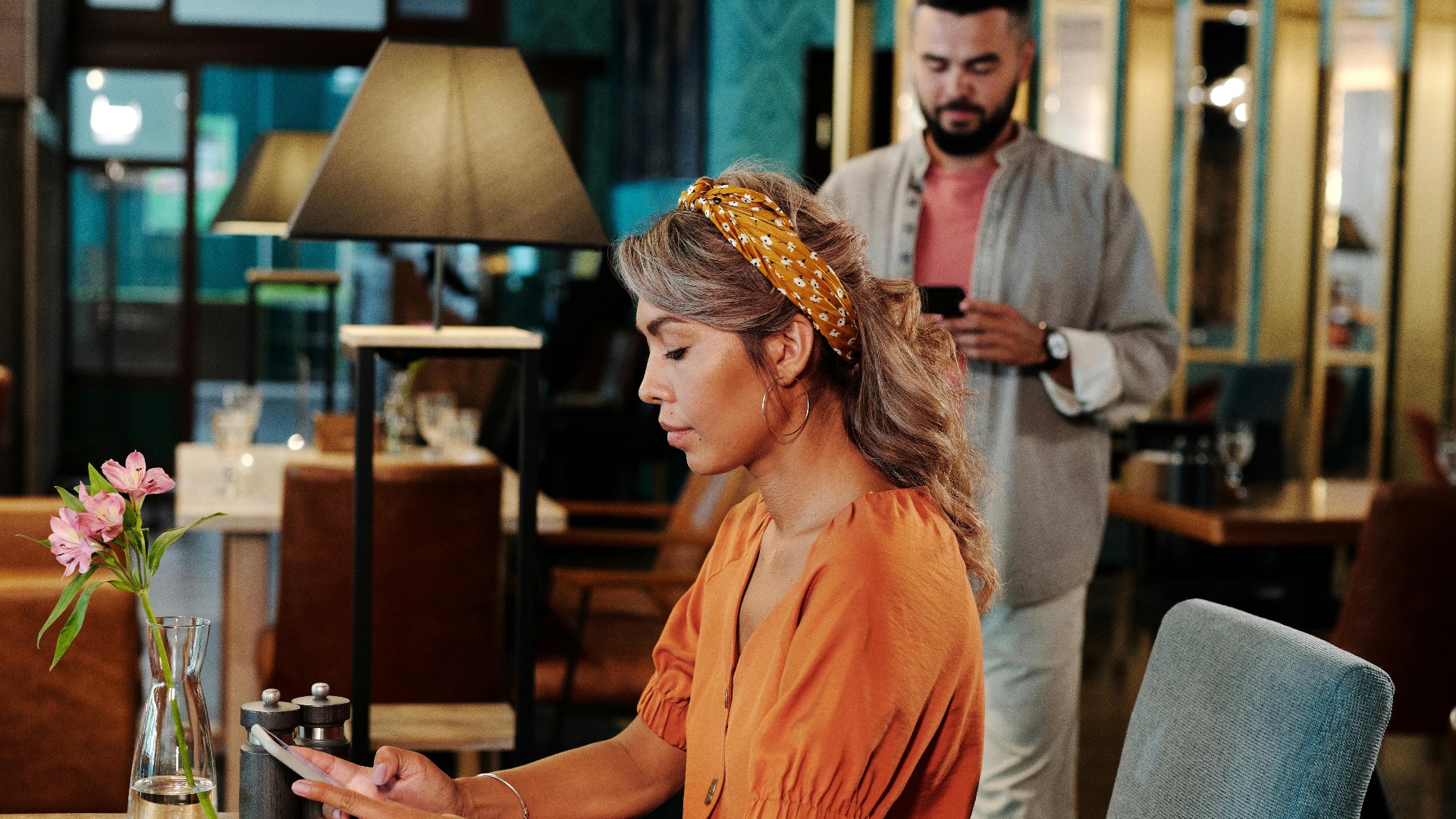
A partner who doesn't game is essentially locked out of a significant portion of your life, which makes genuine shared experiences harder to build. Relationships tend to deepen through activities that both people actually enjoy, and asking someone to sit quietly nearby while you play is not the same thing as doing something together. That gap in shared interests is minor early on but tends to grow more pronounced as time passes.
15. You're Not Great at Asking for Help
Gaming is largely a solo effort or a team effort on your own terms, and neither format really prepares you for the kind of vulnerability that comes with depending on another person. Admitting you're struggling, asking for emotional support, or letting someone take care of you can feel surprisingly uncomfortable when you're conditioned to handle everything yourself. Partners who want to feel needed often find that wall genuinely difficult to get through.

16. Boundaries Are Hard to Enforce on Yourself
Most dedicated gamers know the feeling of intending to play for an hour and looking up to find that three have passed, and that lack of self-regulation is a legitimate concern in a relationship. Repeatedly failing to follow through on time commitments erodes trust, even when the intention was there to begin with. A partner who's been told the game is getting turned off in ten minutes and then waits another hour learns pretty quickly that your word isn't always reliable.
17. Your Priorities Are Visibly Out of Order
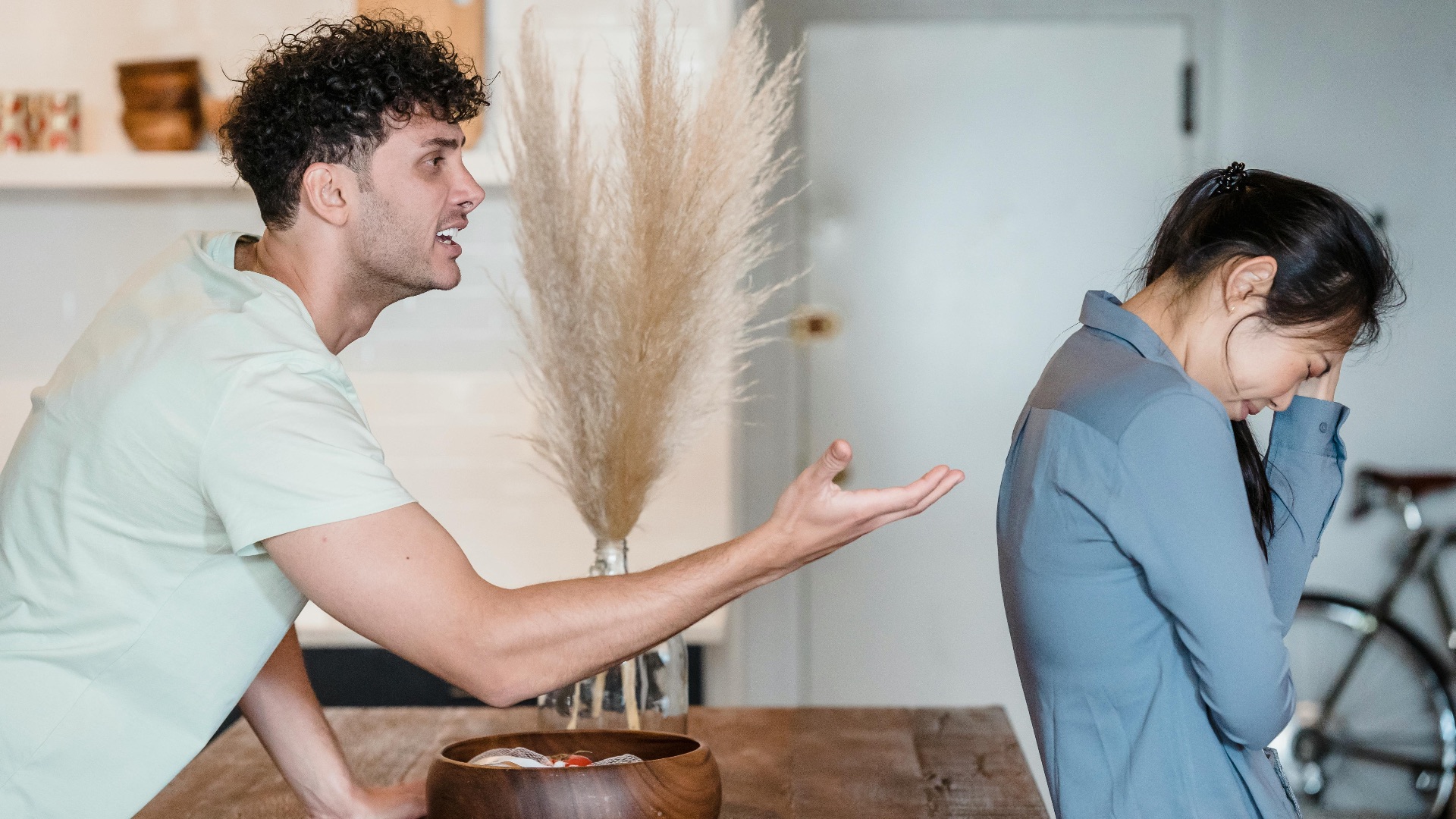
When a partner observes that you'll cancel plans with them but never miss a gaming session, the message that sends about how much they're valued is impossible to ignore. People pay attention to where your energy actually goes, not where you say it goes, and that gap between stated priorities and real behavior is one of the more painful things to witness in a relationship. Consistently choosing the game over the person eventually becomes a choice that costs you the relationship entirely.

18. Conflict Resolution Doesn't Come Naturally
Games offer clear feedback (you win, you lose, you try again), but relationship conflict is far messier and doesn't resolve cleanly or quickly. Gamers who are used to immediate results often struggle with the slow, uncomfortable work of talking things through, sitting with unresolved tension, and making genuine compromises. That avoidance of messy emotional conversations is a significant obstacle in any long-term partnership.

19. Your Living Space Reflects Your Priorities
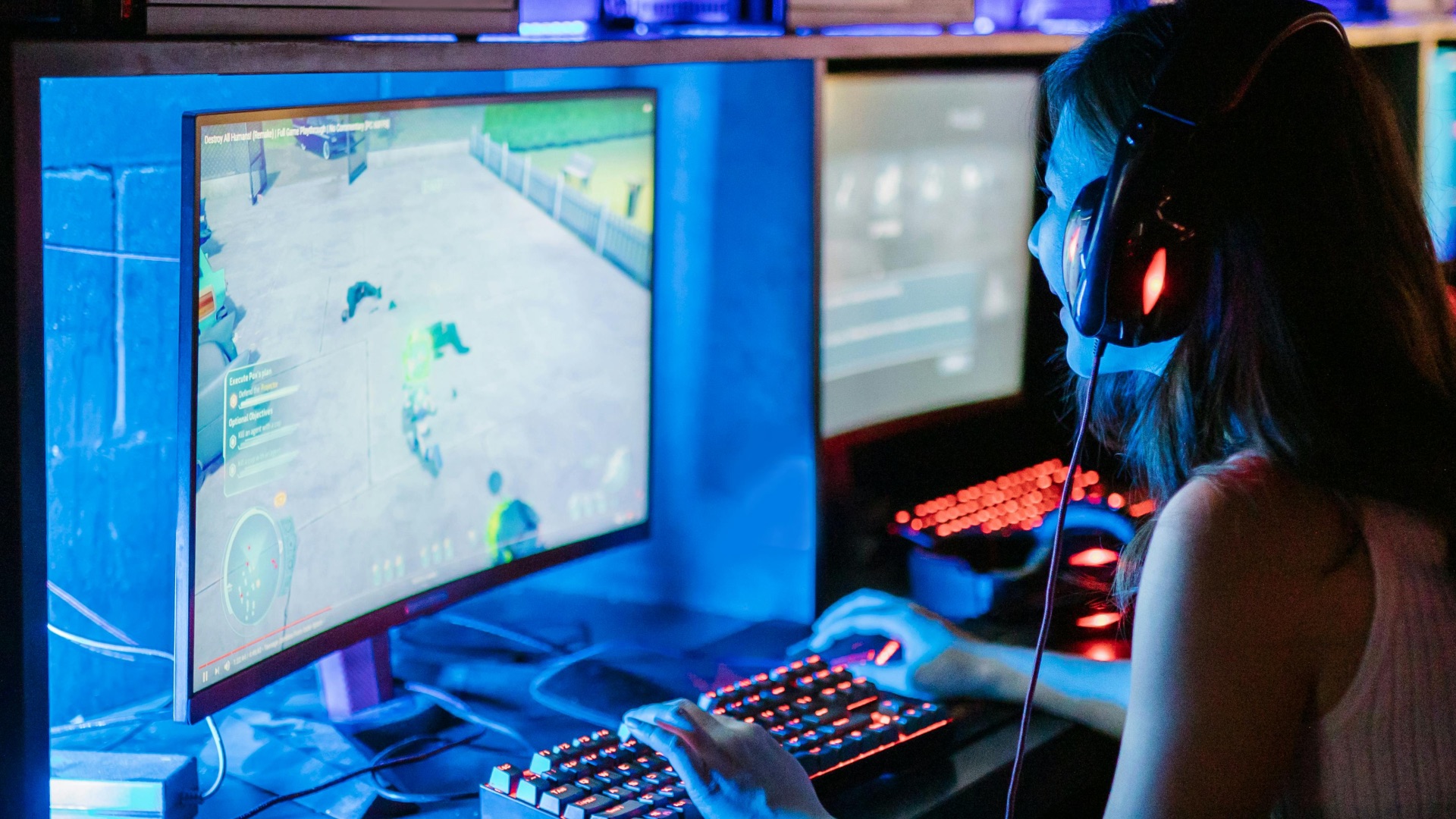
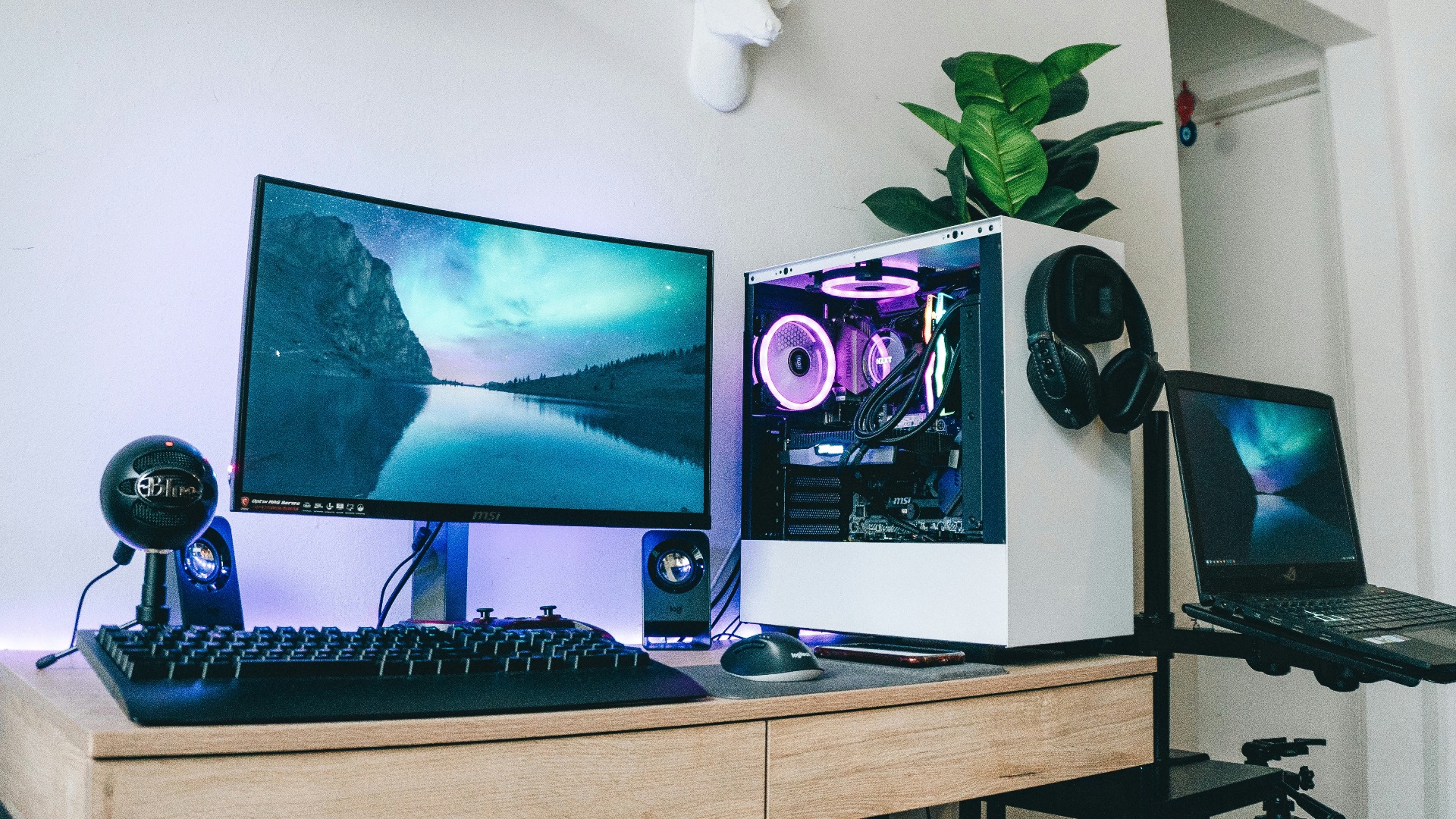
A setup built around gaming equipment, cables, screens, and accessories sends a clear message about what matters most in your home, and a partner moving into or spending time in that space may not feel especially welcome in it. Relationships require shared environments where both people feel comfortable and considered, and a room that functions primarily as a gaming den isn't always that. Small adjustments matter more than most gamers realize.
20. Long-Term Compatibility Is a Genuine Question Mark
A hobby that demands as much time, money, and mental energy as serious gaming does tends to scale with age rather than fade, which means a partner hoping you'll eventually grow out of it is likely going to be disappointed. The relationships that survive are the ones where both people are genuinely honest about what the hobby requires and what they're each willing to live with long-term. Entering a relationship without that conversation is setting both of you up for a much harder road ahead.