The Standouts And The Letdowns In Today’s VR Market
Virtual reality has finally moved beyond gimmick territory. Today’s best headsets offer sharp displays, accurate tracking, and expansive content libraries that make immersive gaming, fitness, and even productivity genuinely compelling. At the same time, plenty of devices still overpromise and underdeliver, whether because of outdated hardware, weak software ecosystems, or inflated price tags. If you’re thinking about buying a VR headset, here are 10 worth your money and 10 you’re better off skipping.
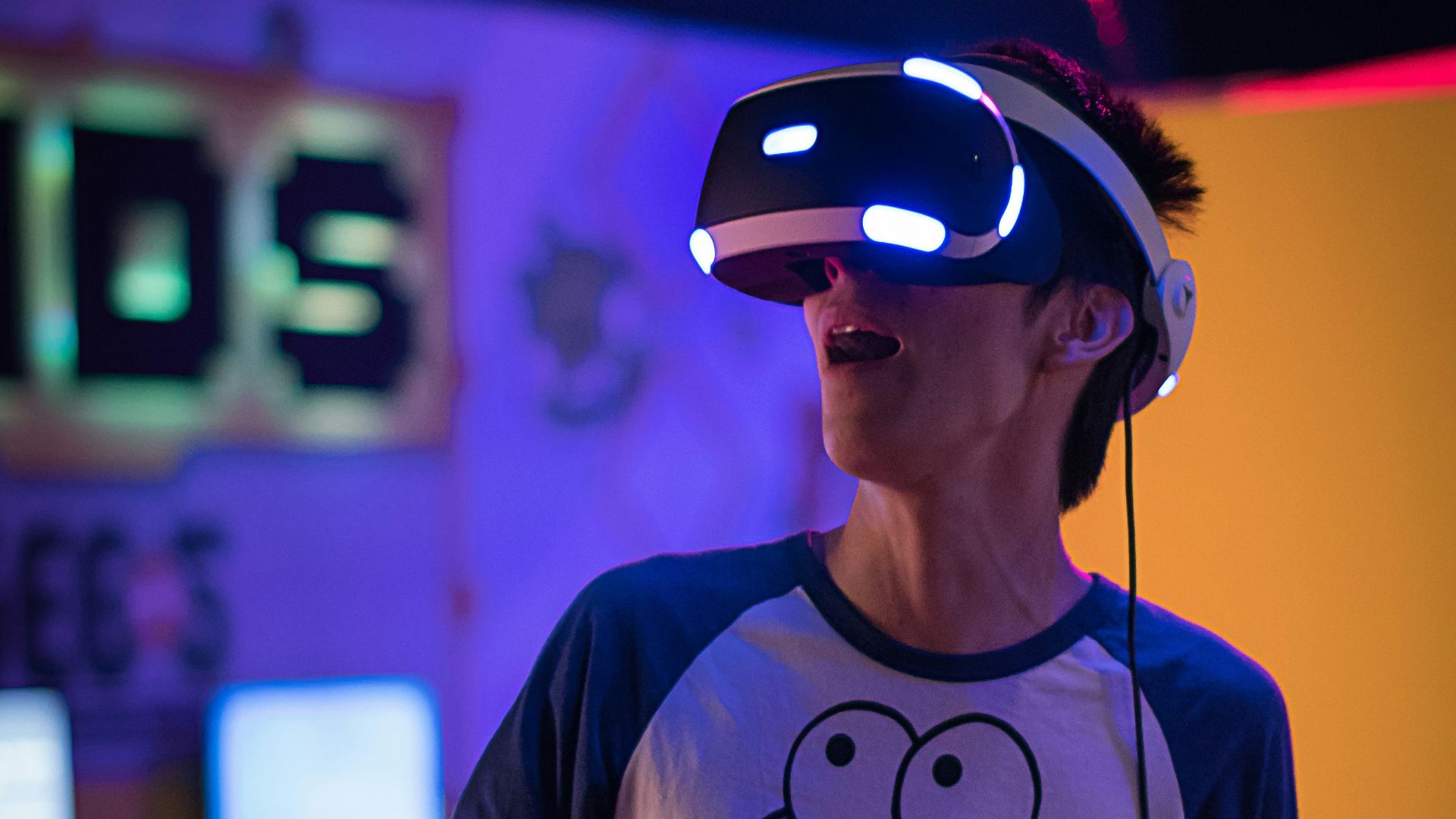
1. Meta Quest 3
The Meta Quest 3 strikes an excellent balance between power, convenience, and price. It delivers sharp visuals, strong mixed-reality passthrough, and reliable inside-out tracking without requiring a PC or console. Its massive content library makes it one of the safest and most versatile choices on the market.
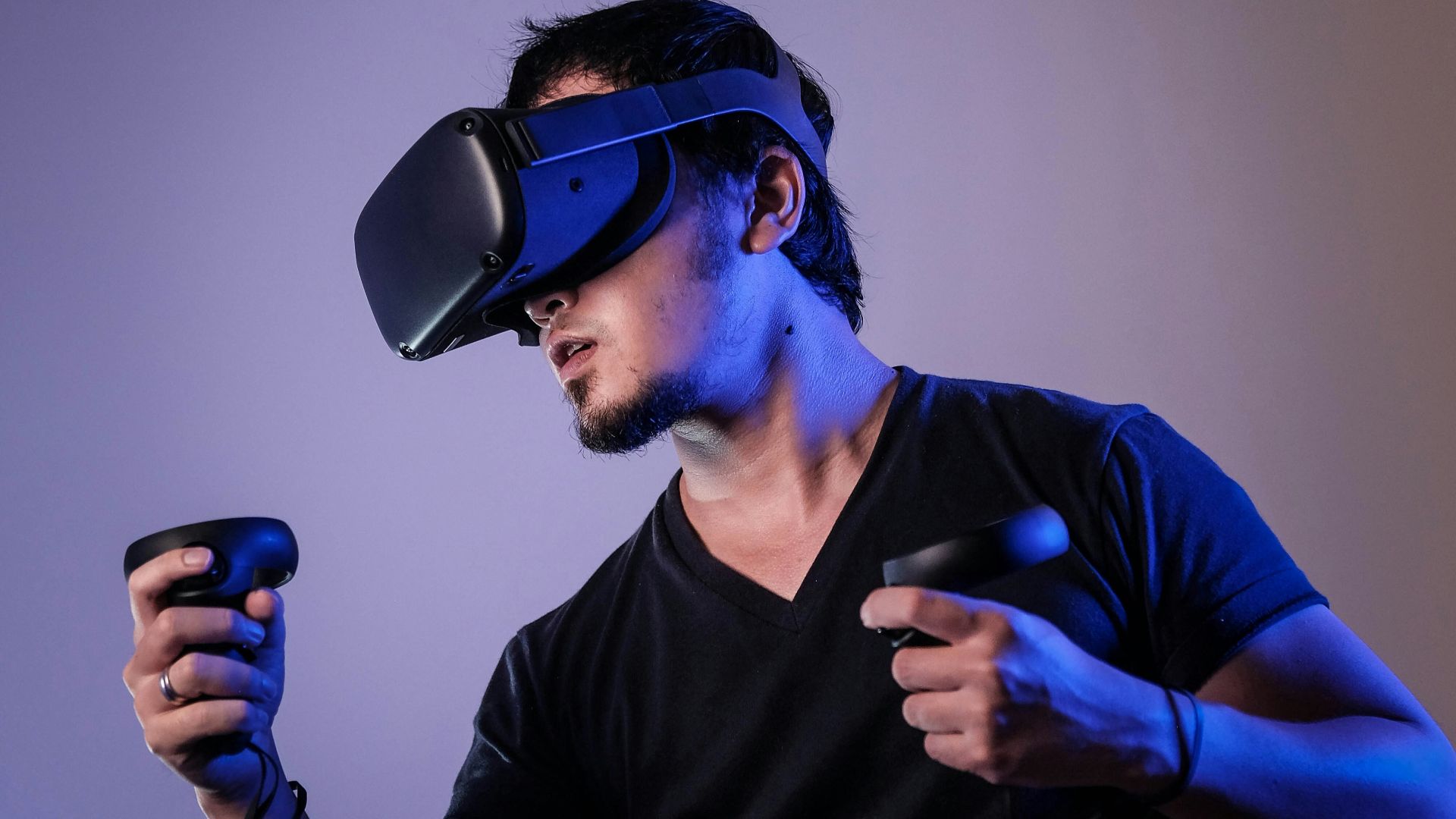
2. PlayStation VR2
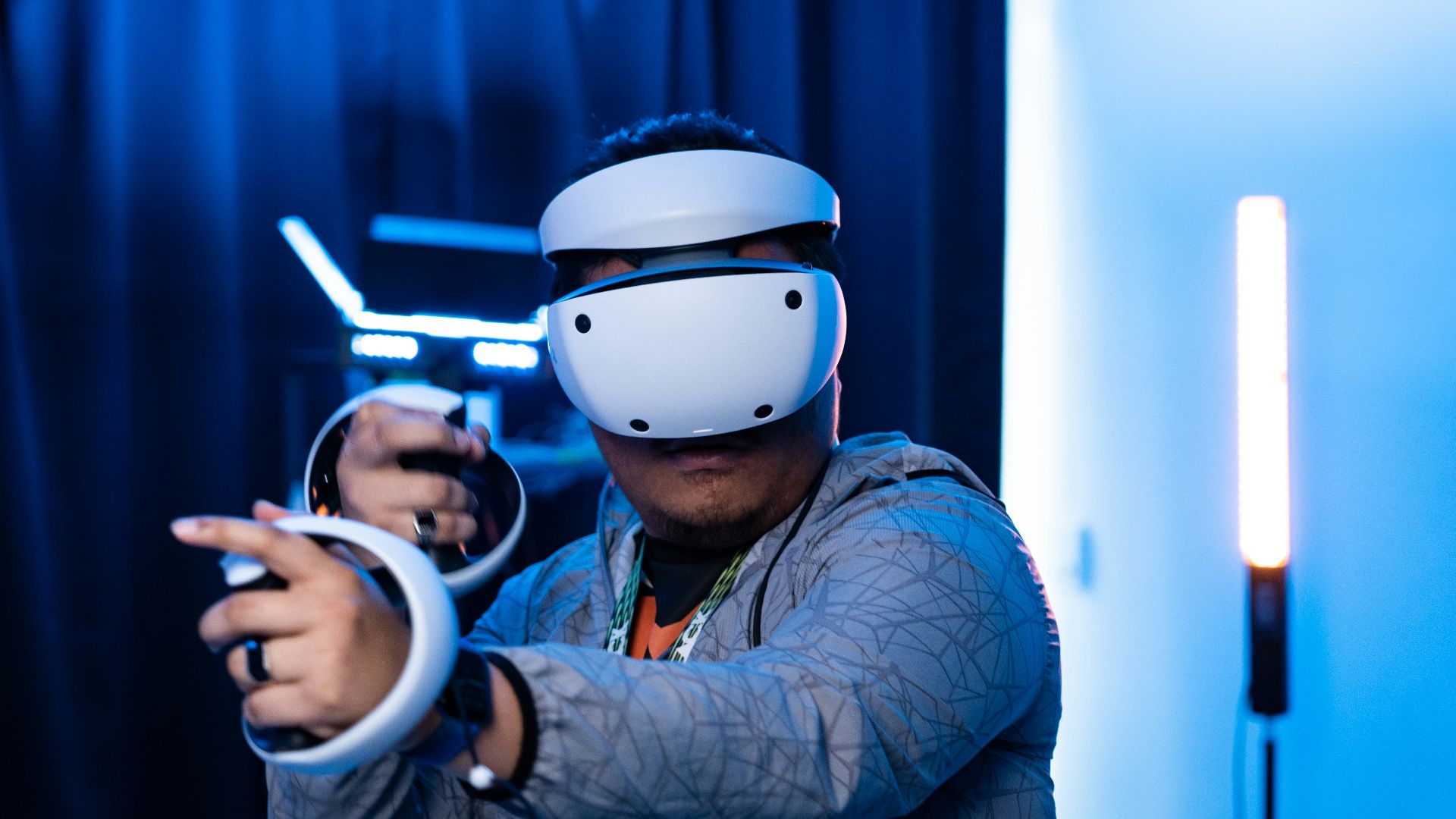
For PlayStation 5 owners, PSVR2 is one of the most polished VR experiences available. Its OLED display, eye tracking, and advanced haptics add real immersion to compatible games. While it requires a PS5, the integration is seamless and delivers premium performance.
3. Valve Index
Though it requires a gaming PC and external base stations, the Valve Index still offers exceptional tracking precision and a wide field of view. Its controllers allow individual finger tracking, which enhances realism in supported titles. For serious PC VR enthusiasts, it remains a benchmark.
4. Apple Vision Pro
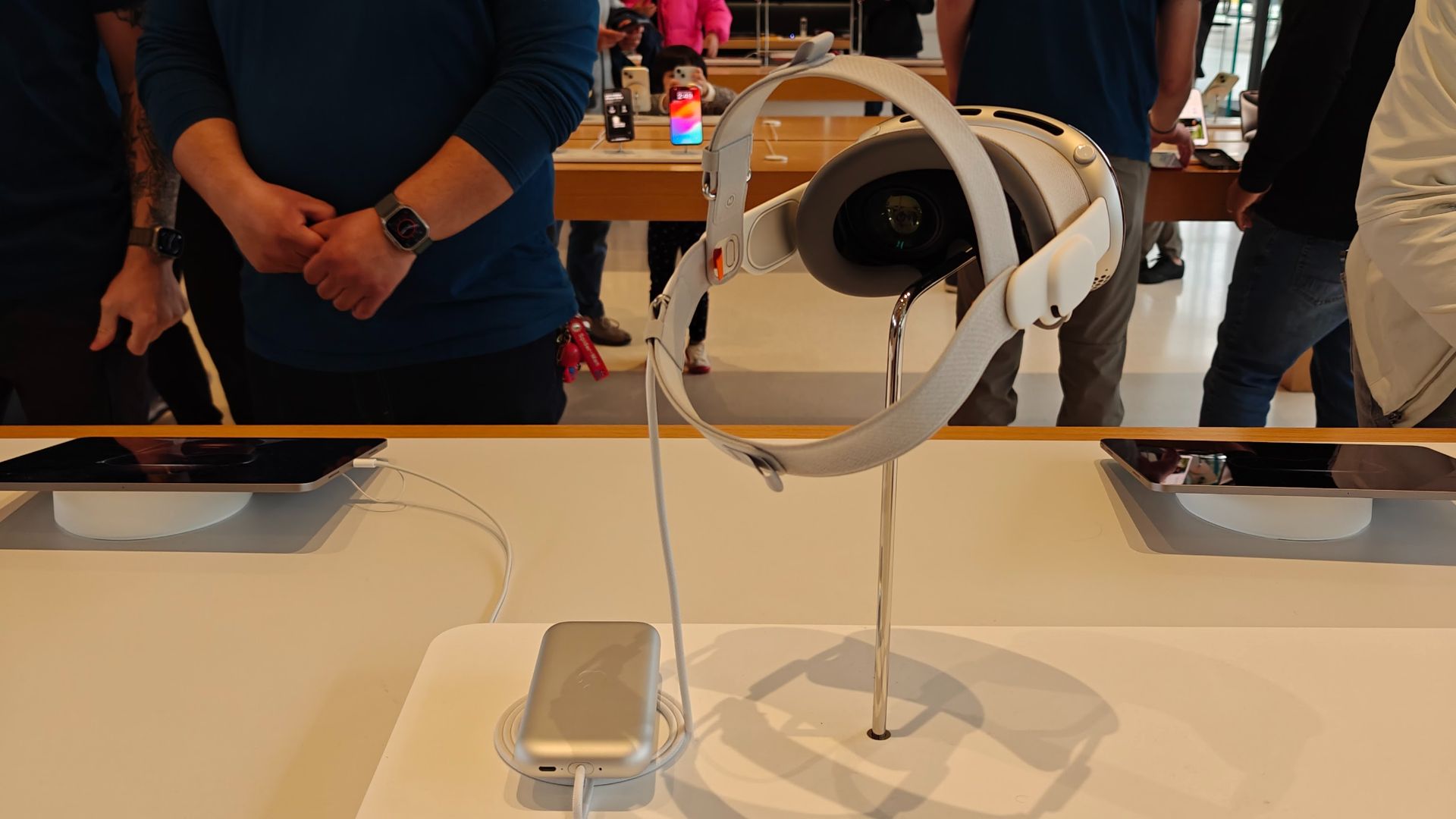
Apple’s Vision Pro is expensive, but it pushes mixed reality forward with stunning display quality and intuitive eye and hand tracking. It’s less about gaming and more about spatial computing, media consumption, and productivity. If budget isn’t a concern, it represents cutting-edge hardware.
5. HTC Vive Pro 2
The Vive Pro 2 offers extremely high resolution and strong compatibility with SteamVR content. It’s designed for users who prioritize visual clarity and already have a capable PC setup.
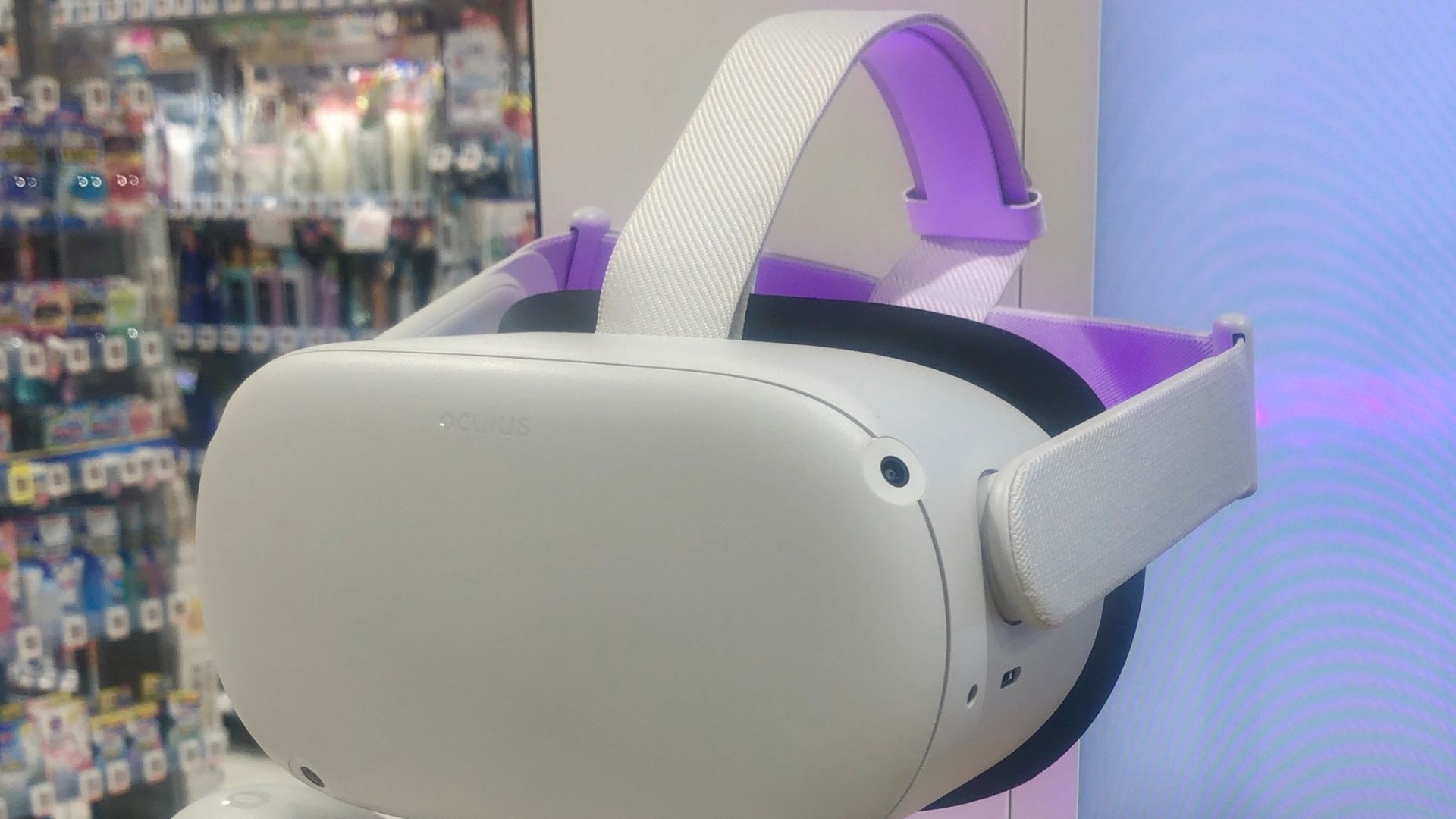
6. Meta Quest 2
Even with newer models available, the Quest 2 remains a solid budget option. It’s standalone, affordable, and supported by a huge game catalog. For newcomers who want entry-level VR without a large investment, it’s still a smart buy.
7. Pico 4
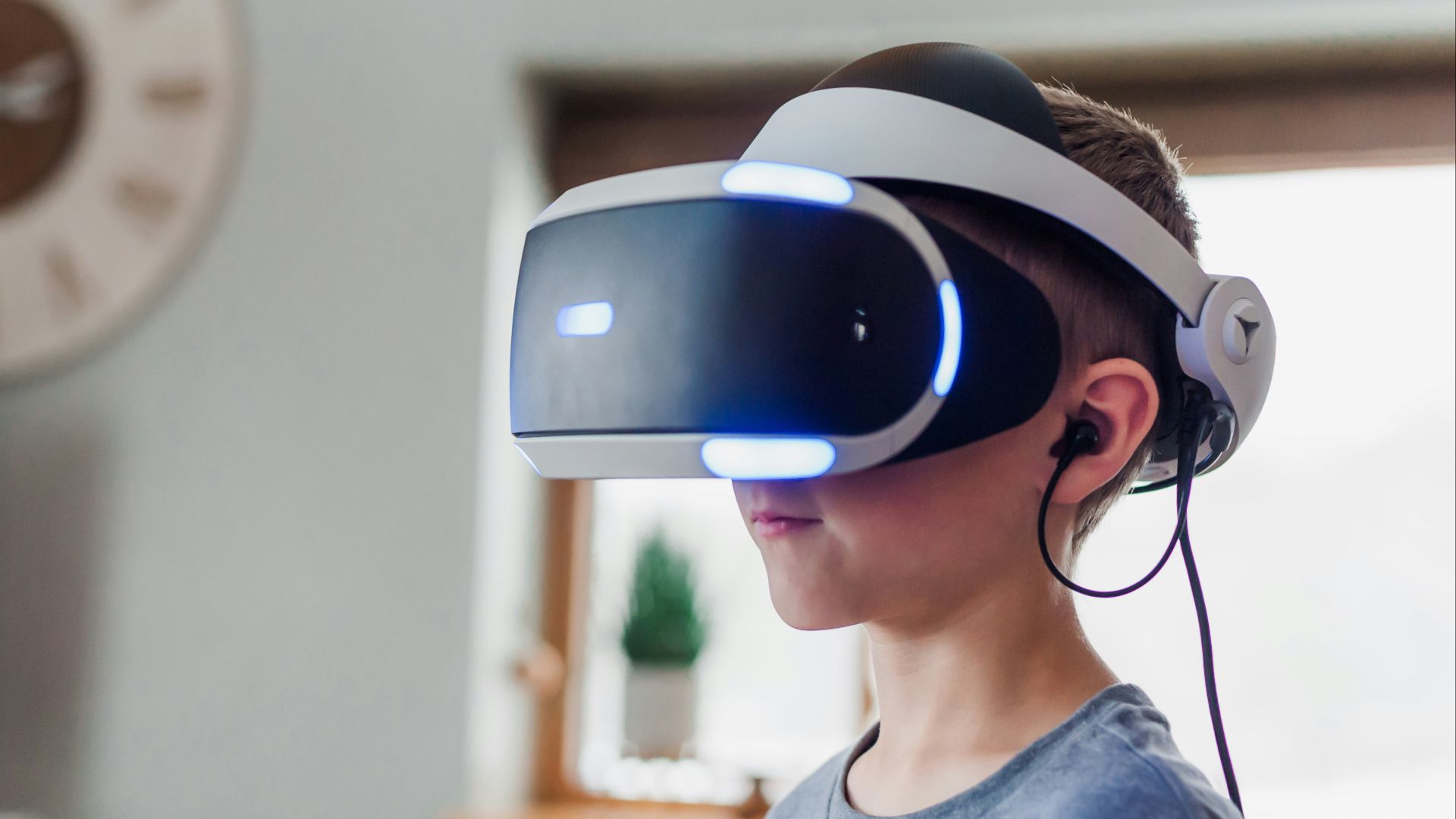
The Pico 4 provides competitive specs in a lightweight design. It offers strong visual clarity and inside-out tracking at a price that undercuts some competitors. In regions where it’s widely supported, it’s a legitimate alternative to Meta’s lineup.
 Jessica Lewis 🦋 thepaintedsquare on Unsplash
8. HP Reverb G2
Known for its sharp display resolution, the Reverb G2 is popular among flight and racing simulator fans. It requires a PC but offers strong visual performance for seated experiences. For sim-focused users, it delivers clarity where it matters most.
9. HTC Vive XR Elite
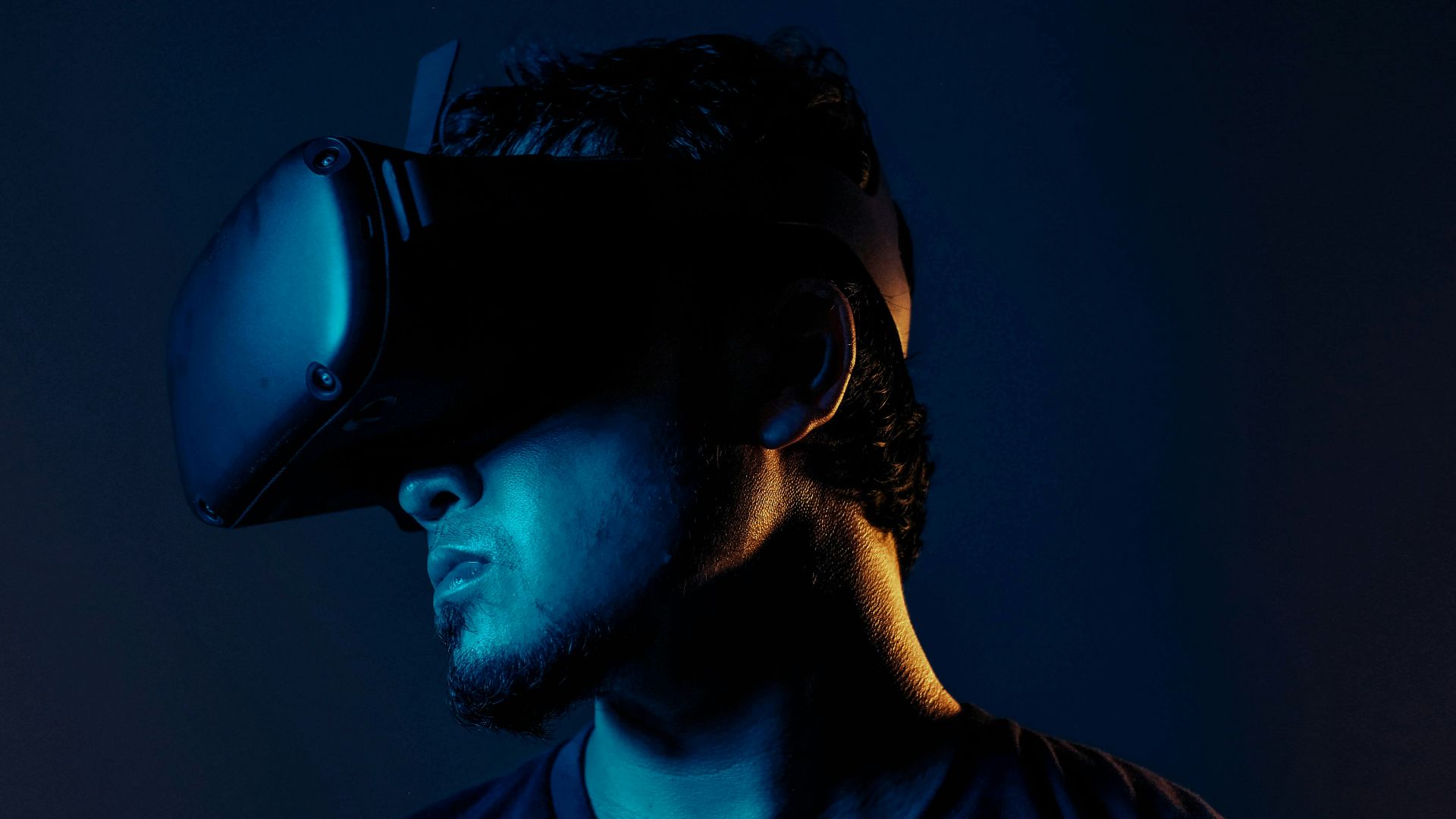
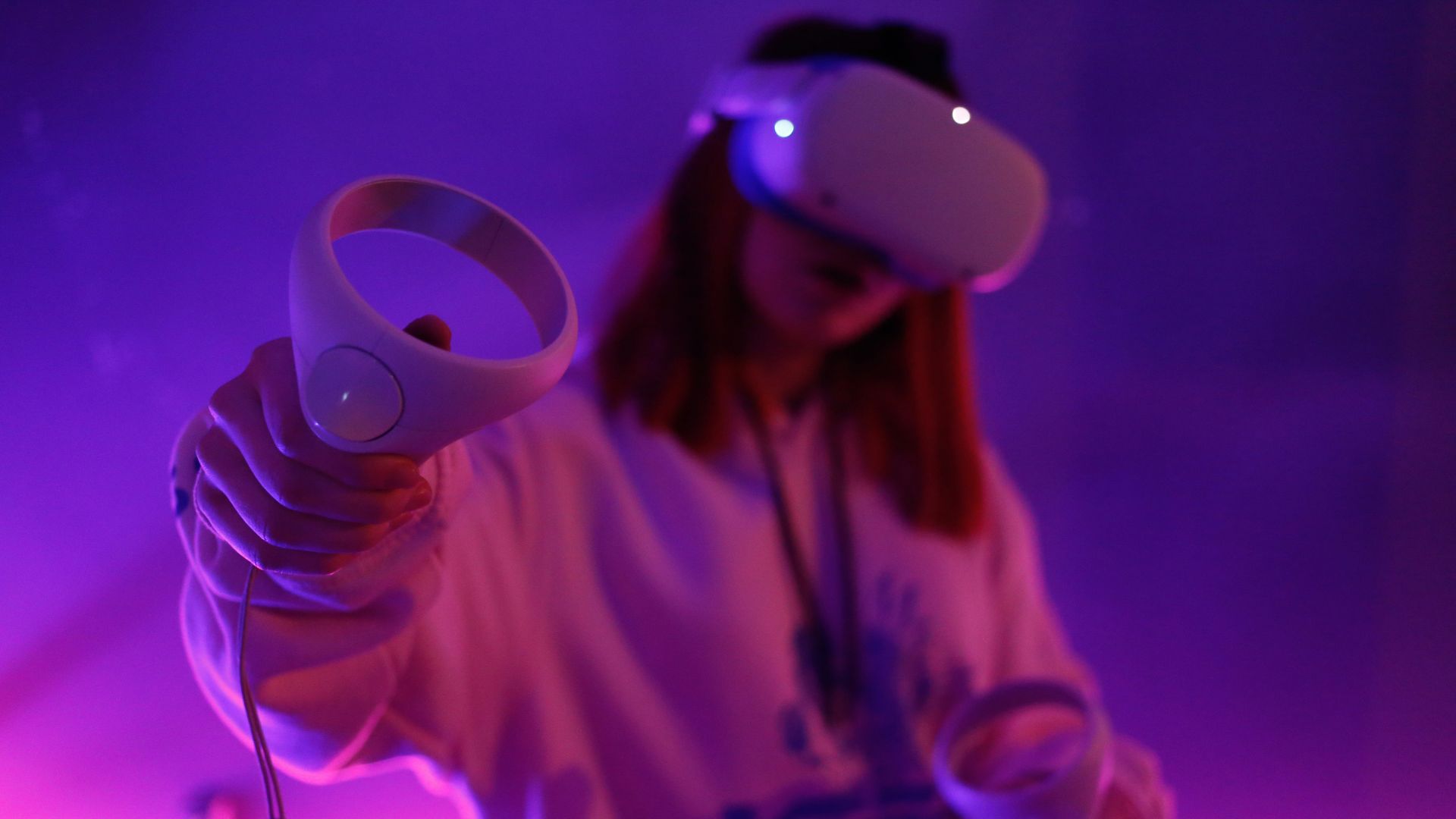
The Vive XR Elite combines standalone functionality with optional PC tethering. It’s compact, adaptable, and aimed at users who want flexibility between gaming and mixed-reality applications. While not cheap, it’s versatile.
 Adrià García Sarceda on Unsplash
10. Pimax Crystal
The Pimax Crystal targets enthusiasts who want ultra-high resolution and a wide field of view. It requires a powerful PC, but its visual sharpness is among the best currently available.

1. Generic Smartphone VR Headsets
Phone-powered VR viewers lack proper tracking and rely on outdated mobile VR apps. The experience often feels blurry and limited compared to modern standalone systems. Spending slightly more on a dedicated headset makes a dramatic difference.
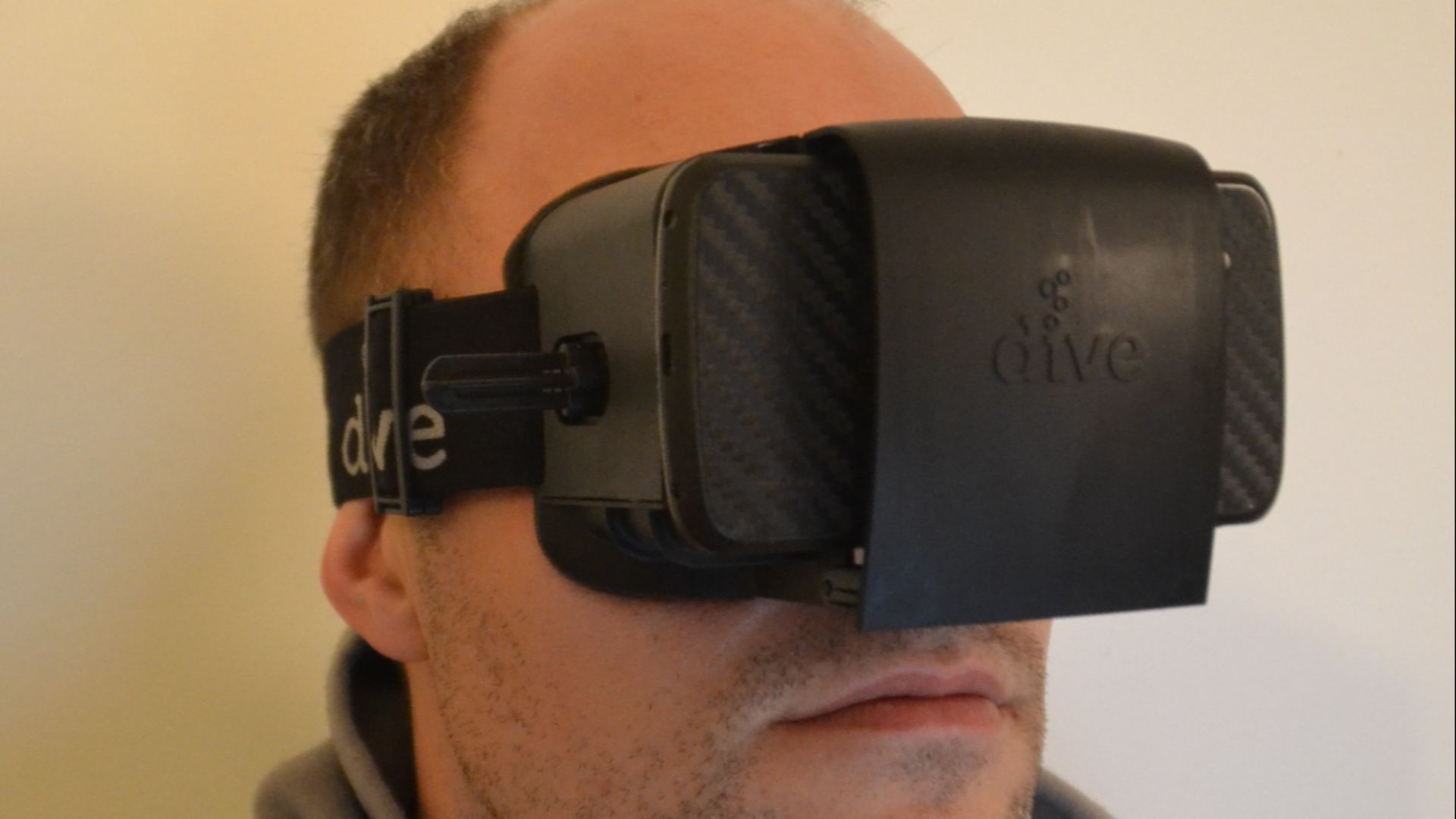
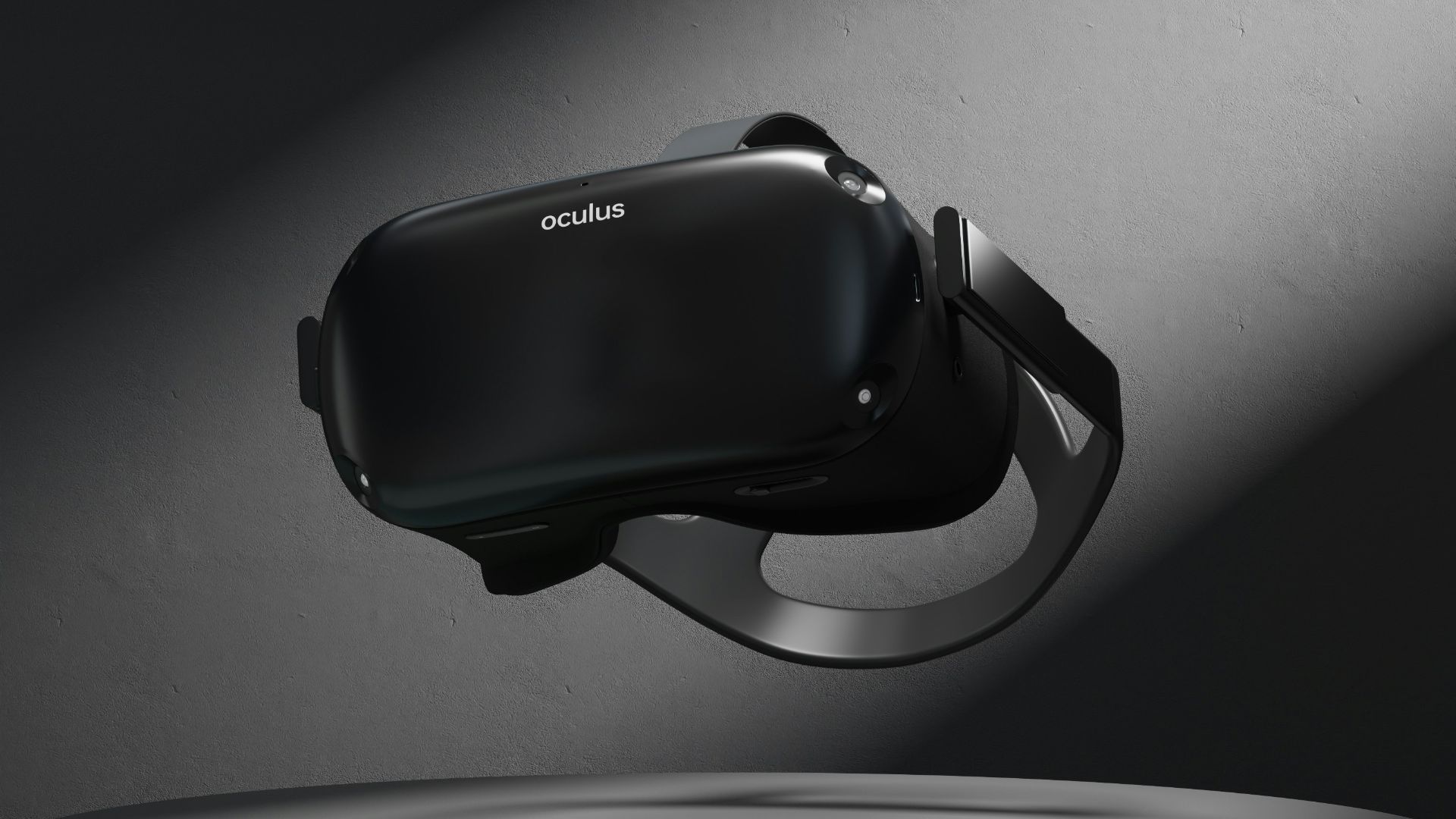
2. Oculus Rift (Original Model)
The original Rift was groundbreaking, but it’s now discontinued and unsupported. Replacement parts are difficult to find, and software updates are limited. Buying one today means investing in aging hardware.
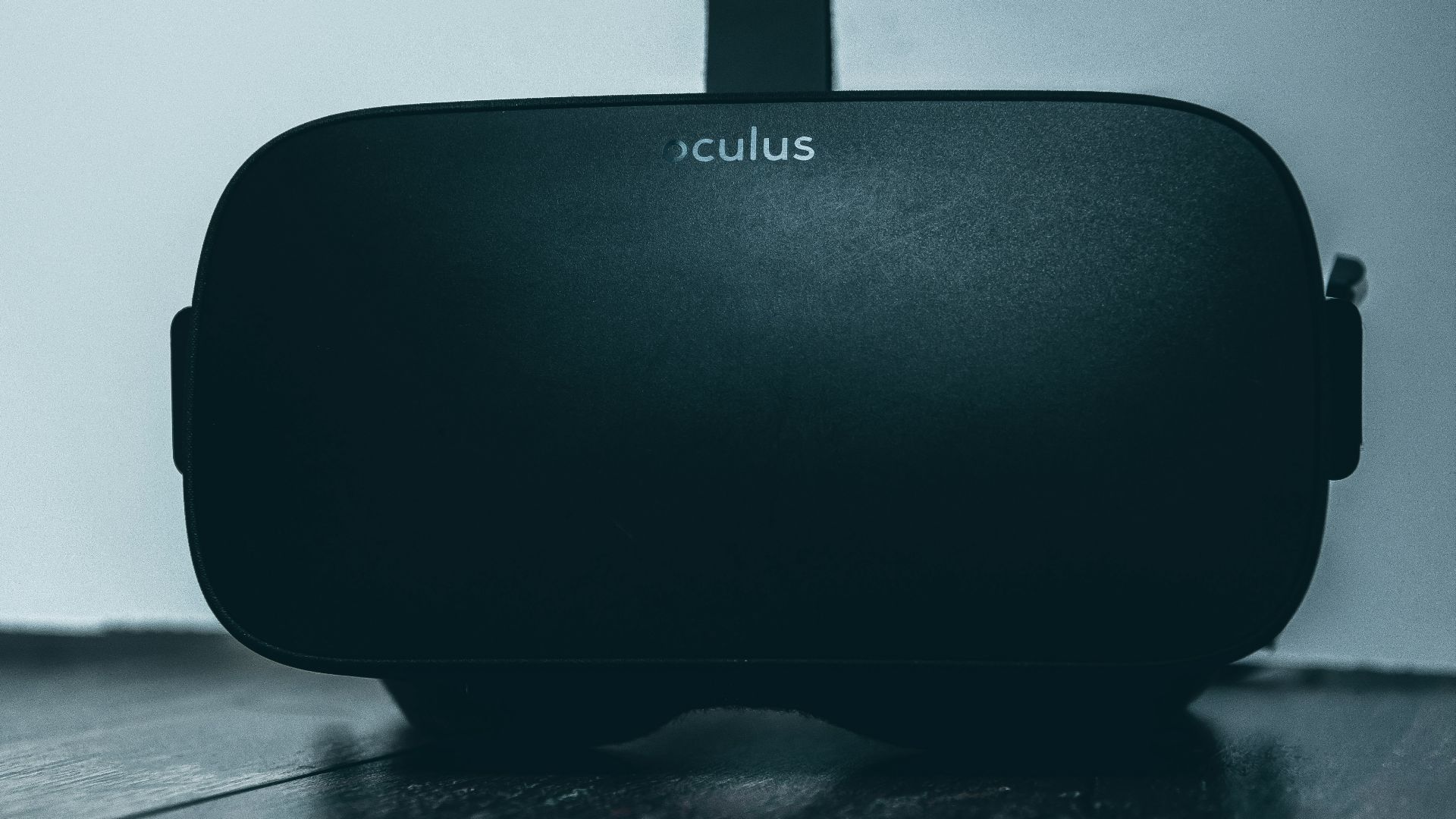
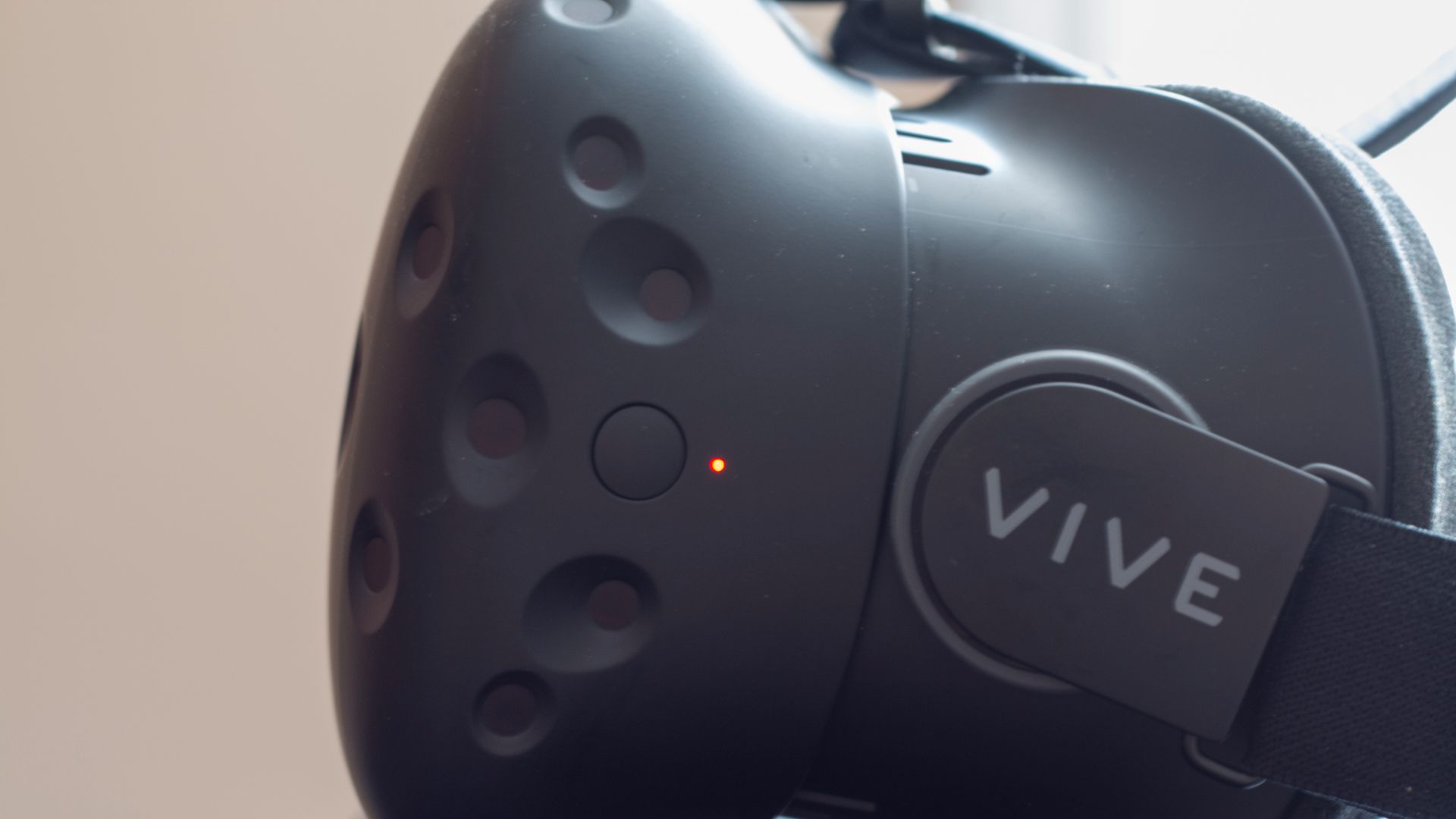
3. HTC Vive (First Generation)
The original Vive helped define room-scale VR, yet its display resolution and comfort fall short by today’s standards. Newer models provide sharper visuals and more streamlined setups. It’s better left as a collector’s piece.

4. Windows Mixed Reality Headsets (Older Models)
Many early Windows MR headsets suffer from mediocre tracking and limited ongoing support. Microsoft has stepped back from pushing the platform aggressively. As a result, the ecosystem feels stagnant.
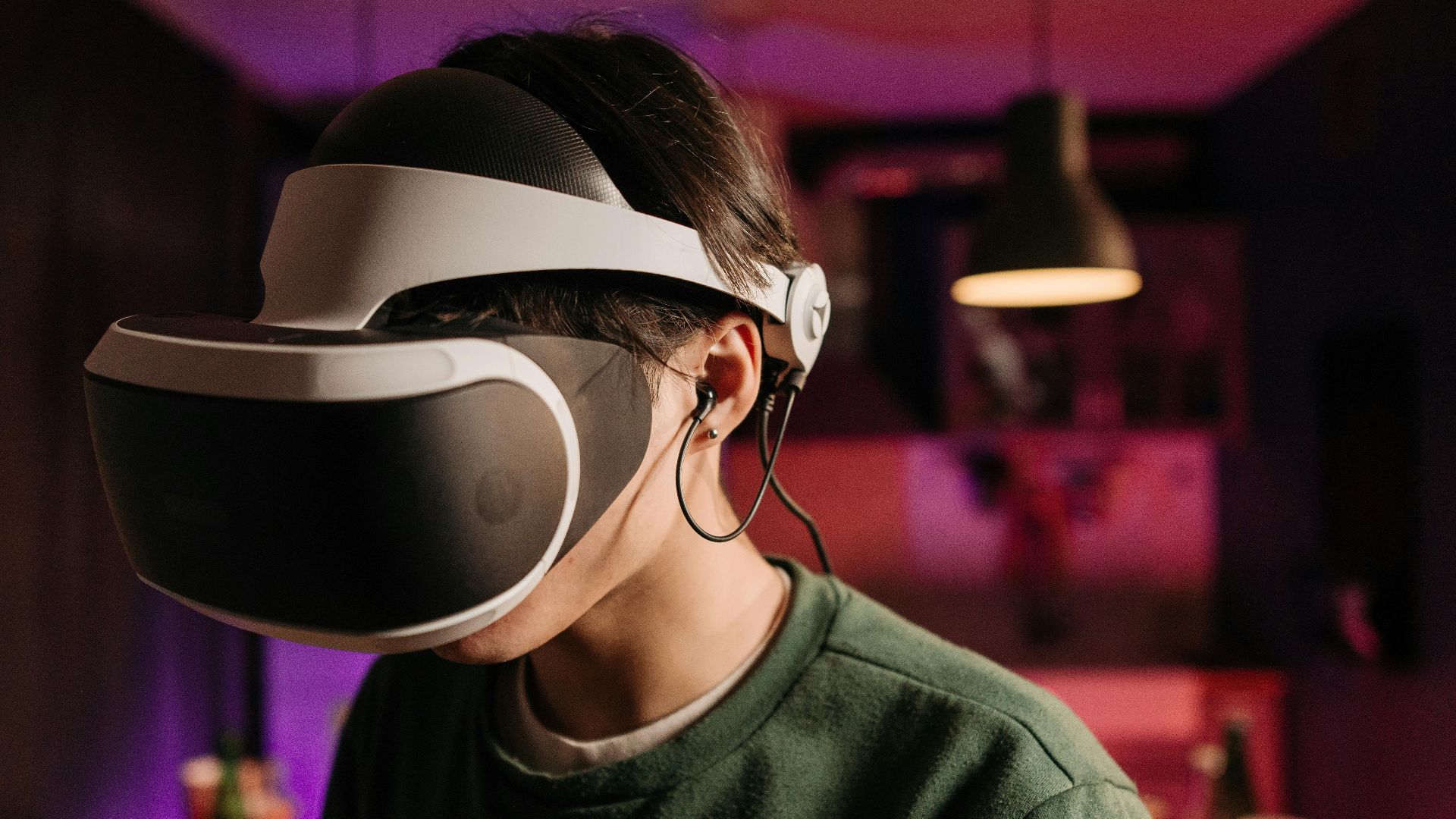
5. Google Cardboard
Google Cardboard was an innovative introduction to VR, but it was never meant for long-term immersive use. Limited interactivity and reliance on smartphones make it feel outdated today. It’s more novelty than serious VR.

6. Heavily Discounted No-Name Headsets
Unbranded VR headsets often cut corners on lenses, tracking, and comfort. They may advertise impressive specs, but performance rarely matches marketing claims.
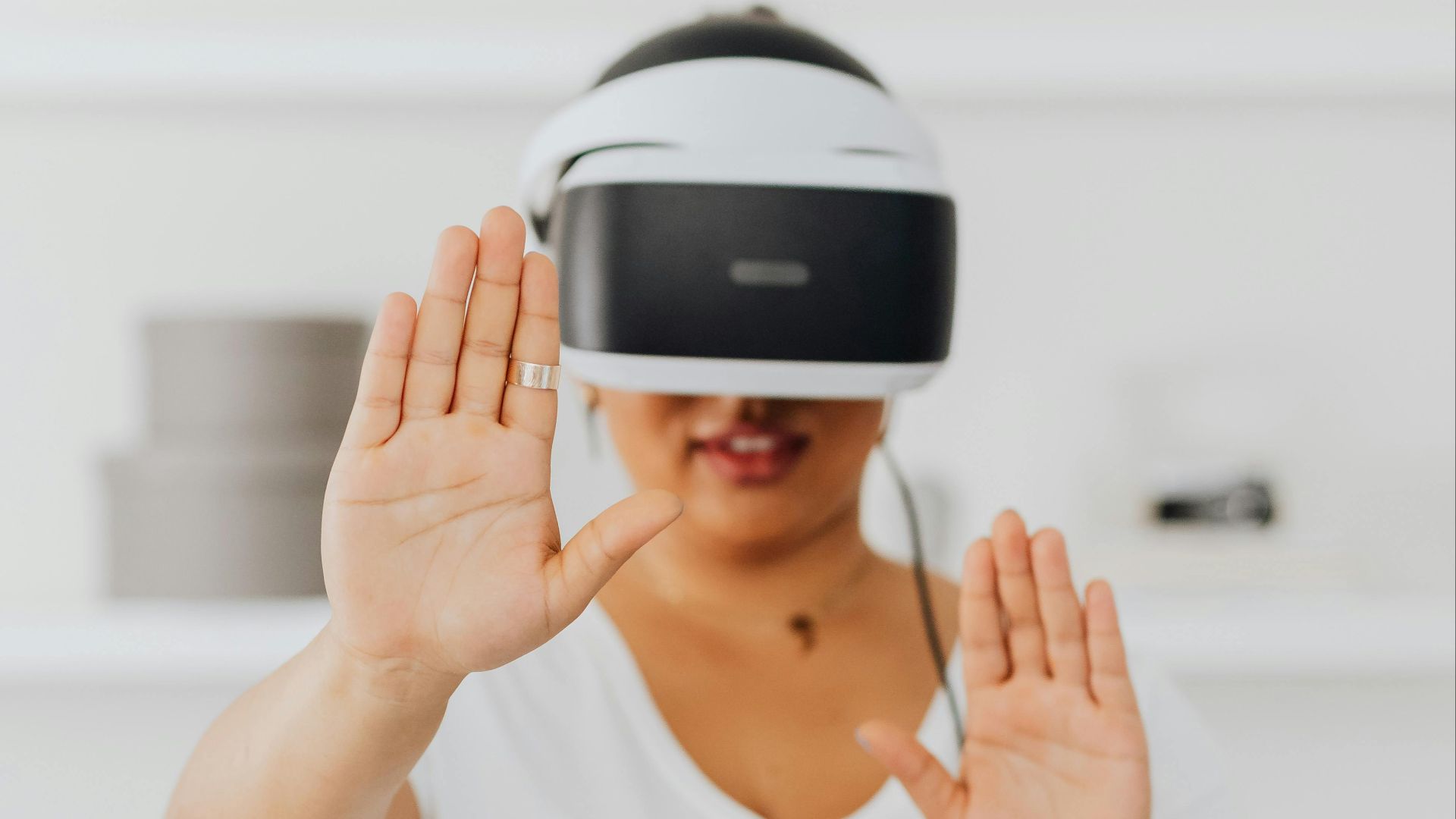
7. PlayStation VR (First Generation)
The original PSVR works only with older PlayStation hardware and uses dated tracking technology. Its lower resolution and external camera setup feel cumbersome now. The PSVR2 is a far better option for modern console VR.

8. Outdated Tethered Headsets With Proprietary Systems
Some early VR devices relied on proprietary connectors or limited compatibility. As platforms evolve, these systems can become difficult to maintain. Investing in open, well-supported ecosystems is safer. Replacement cables and adapters can be surprisingly expensive or discontinued altogether.
9. Experimental AR Glasses Marketed As Full VR
Some lightweight AR glasses are marketed as VR alternatives but don’t offer full immersive tracking. They’re better suited for media viewing than interactive gaming. Buyers expecting full VR immersion often feel disappointed. The field of view is usually narrow compared to dedicated VR headsets. While the technology is interesting, it’s not yet a true substitute for full virtual reality.
10. Extremely High-End Headsets With Minimal Content Support
A few premium headsets boast impressive specs but lack strong developer ecosystems. Without consistent software support, even powerful hardware feels underutilized. Content availability should matter just as much as raw performance. Paying a premium for features you rarely use can quickly lead to buyer’s remorse.