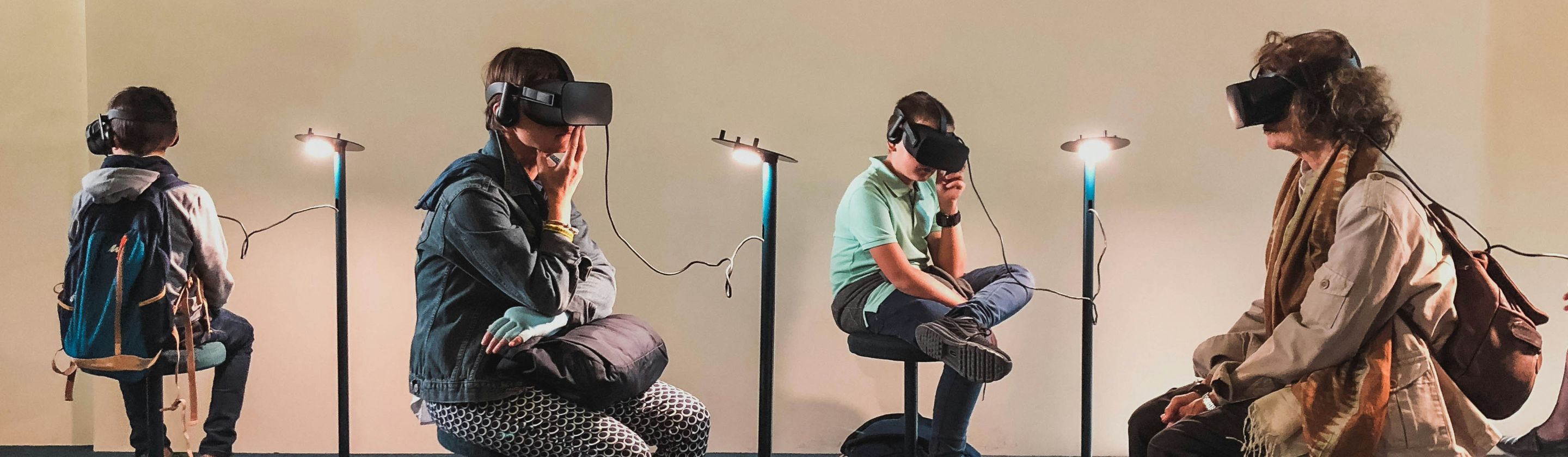
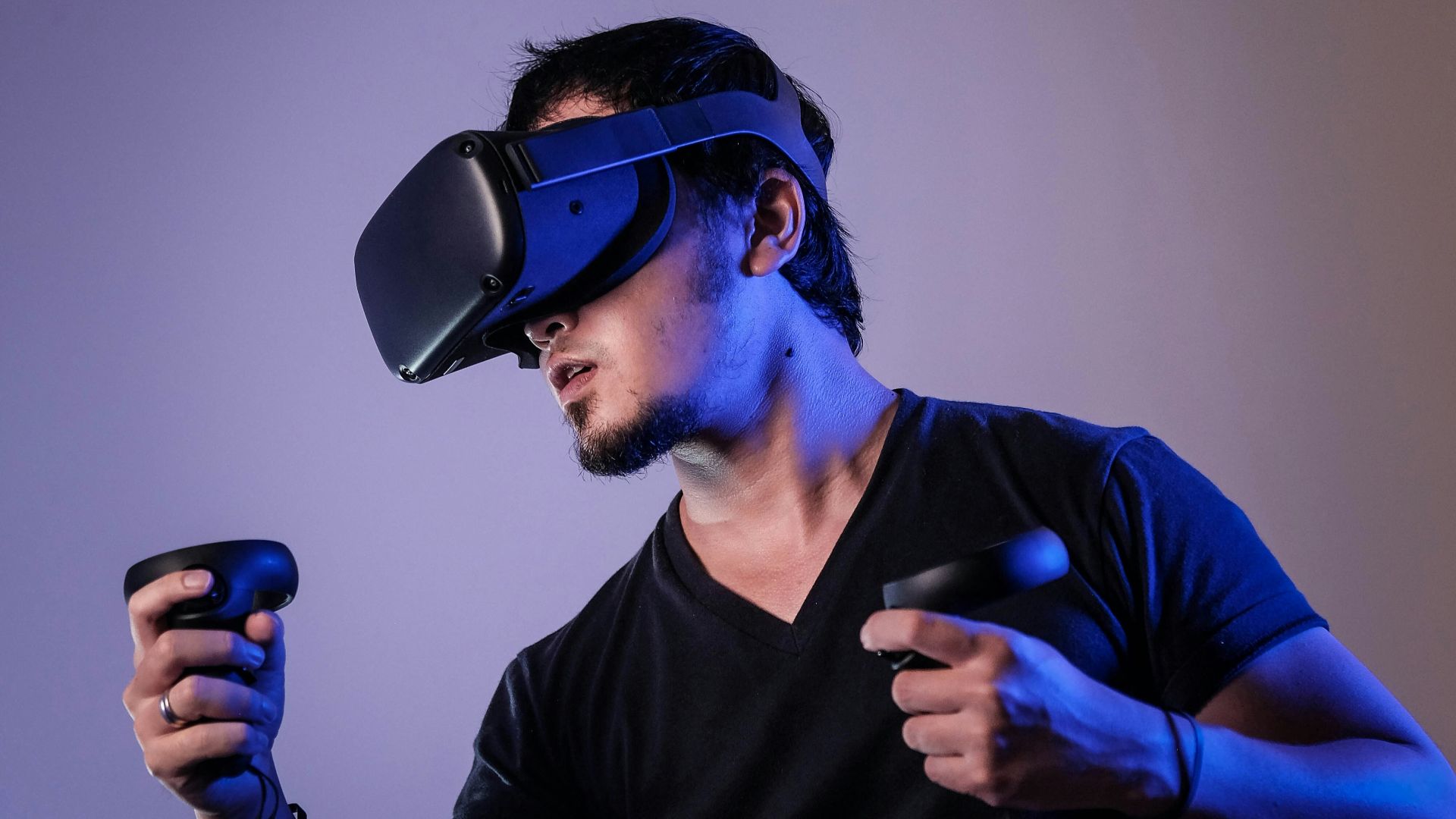
There was a moment, somewhere around 2016, when virtual reality felt genuinely inevitable. Oculus had just shipped its Rift headset to early adopters, Sony was preparing PlayStation VR for a mass-market launch, and the technology press was saturated with predictions that the living room as we knew it was about to be replaced by something immersive, spatial, and transformative. Venture capital was flowing, headset sales were climbing, and the narrative had the momentum of a foregone conclusion. A decade later, VR remains a niche product that most gamers have never seriously engaged with, and the industry is still trying to figure out why.
The honest answer is that VR failed to take over gaming for several reasons operating simultaneously, and none of them were simply technological. The hardware improved substantially over the period in question. Resolution went up, latency came down, and the cumbersome PC-tethering requirements that made early headsets such a commitment were eventually solved by standalone devices like the Meta Quest line. What didn't improve fast enough was everything surrounding the technology: the content, the ergonomics, the price, and the fundamental mismatch between how VR works and how most people actually want to play games.
The Content Problem Was Never Really Solved
A new platform lives or dies on its software, and VR's software library never developed the kind of anchor titles that drive hardware adoption. The games industry has a well-documented concept called the killer app, the single piece of software compelling enough to justify buying a new platform. The Super Nintendo had Super Mario World. The PlayStation 2 had Grand Theft Auto III. VR had Beat Saber, a genuinely excellent rhythm game that sold extremely well relative to the install base, but whose design was so platform-specific that it didn't translate into broader mainstream engagement with the medium.
The structural problem was that making a great VR game required fundamentally rethinking game design rather than porting existing approaches into a new display format. Studios that tried to translate conventional game genres into VR frequently produced experiences that were disorienting, physically uncomfortable, or simply less enjoyable than their flat-screen equivalents. The locomotion problem, how to move a player through virtual space without triggering motion sickness, never received a fully satisfying solution. Teleportation mechanics avoided nausea but broke immersion. Smooth locomotion preserved immersion but remained genuinely nauseating for a significant portion of players.
Major publishers responded to these challenges by keeping their biggest franchises off VR entirely, treating the platform as a space for experiments and spinoffs rather than mainline entries. Bethesda ported Skyrim VR, and Capcom released Resident Evil 7 with VR support, but these were adaptations of existing titles rather than experiences conceived from the ground up for the medium. The games that were designed specifically for VR, Half-Life: Alyx being the most celebrated example, demonstrated what was possible but also underscored how much investment was required to reach that standard, investment that was difficult to justify given the limited install base.
The Hardware Was Never Comfortable Enough
Even enthusiasts who loved the software found that wearing a VR headset for extended sessions remained an act of mild self-discipline. The average weight of a consumer VR headset sits between 500 and 700 grams, concentrated at the front of the face, which creates neck strain during sessions longer than an hour. Foam face gaskets retain heat and perspiration. Glasses wearers faced awkward workarounds. The setup ritual, clearing floor space, charging controllers, and adjusting fit, added friction to an activity that competing platforms had spent decades making frictionless.
These comfort problems were acknowledged by manufacturers and partially addressed in successive hardware generations, but they were never eliminated. The Meta Quest 3, released in 2023 at $499, represented a genuine leap in display quality and processing power while achieving only marginal improvements in weight and ergonomics over its predecessors. IDC reported that global AR and VR headset shipments declined by about 8.3 percent in 2023, the same year that Meta’s Reality Labs division recorded an operating loss of $16.1 billion. The investment continued; the consumer adoption did not follow at the scale that justified it.
The Market Told a Consistent Story
Sony’s PlayStation VR2, released in February 2023, offered one of the clearest indications of VR’s ceiling in the gaming market. Launching at $549 alongside a library of critically acclaimed titles, it achieved strong but relatively modest launch‑window sales, after which adoption slowed, according to industry‑analyst coverage of the platform. By contrast, the PlayStation 5 sold over 32 million units in roughly the same period of its lifecycle. Sony subsequently announced it would halt PS VR2 production temporarily to work through excess inventory, a candid acknowledgment that demand had been substantially overestimated.
The pattern held across the industry. Meta's Quest 2 achieved the highest sales of any VR headset, moving an estimated 20 million units over its lifespan, a number that sounds substantial until you compare it to the 154 million PlayStation 4 consoles sold over a comparable period. VR found an audience, but that audience had a ceiling that no amount of hardware iteration or marketing spend seemed capable of lifting.
None of this means VR is finished as a technology. Location-based entertainment, medical training, architectural visualization, and industrial simulation are all areas where immersive technology has found genuine traction. Gaming, though, has returned an unambiguous verdict. Players will tolerate a lot for a great game, but they won't reliably tolerate physical discomfort, limited content, and high prices for an experience that remains optional when a television and a controller are already sitting in the room.