The Internet Was Basically Another Place You Grew Up
Growing up online meant watching the internet change from something you visited into something that followed you everywhere. You probably remember when usernames mattered, embarrassing posts could quietly disappear, and getting computer access sometimes required negotiating with the rest of your family. The websites, technology, and social rules have changed dramatically since then, but some online experiences are permanently burned into the memories of anyone who lived through them. Here are 20 things only people who grew up online will understand.

1. Carefully Choosing an AIM Away Message
Your AIM away message couldn't just say you weren't at the computer. It needed song lyrics, dramatic punctuation, an inside joke, or something mysterious enough to make a specific person wonder whether it was about them. Changing it after an argument or crush-related development was basically a form of public communication.

2. Getting Kicked Offline When Someone Used the Phone
For households with dial-up internet, getting online could temporarily turn the family telephone into useless decoration. One incoming call or somebody picking up another receiver could ruin whatever you were doing. Hearing that connection disappear in the middle of a chat or download could be devastating.
3. Memorizing a Ridiculous Number of Usernames
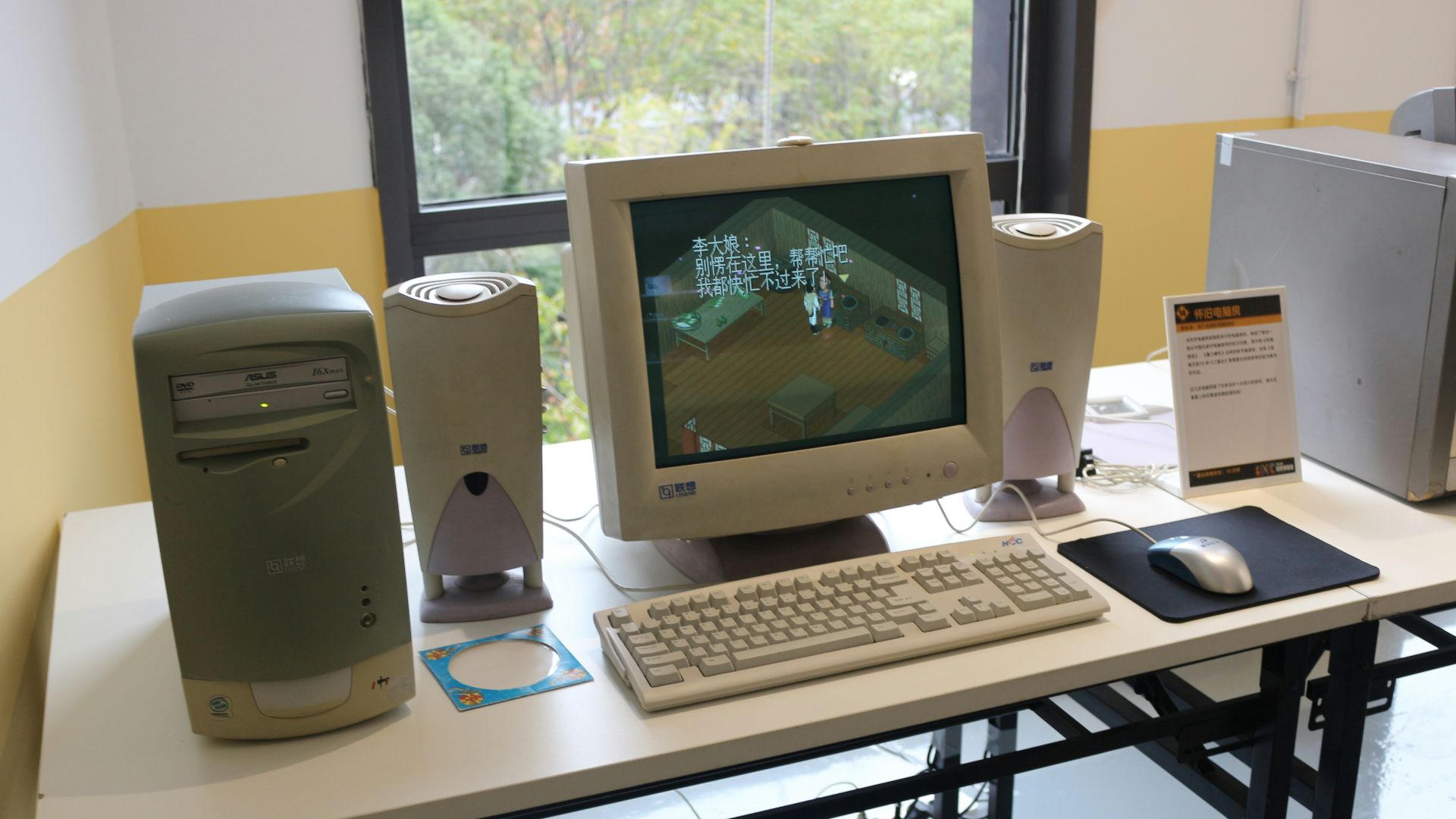
Before logging in with Google or Apple became common, nearly every website wanted its own username and password. You might've had completely different identities for forums, games, email accounts, and social networks. Back then, people miraculously remembered usernames in the same way previous generations could retain an entire address book of phone numbers in their heads.

4. Taking Your Screen Name Extremely Seriously
Choosing a screen name was a major decision when you knew it might follow you around the internet for years. Numbers, extra letters, favorite bands, birth years, and intentionally strange capitalization were everywhere. Plenty of people eventually discovered that the username they loved at 13 sounded much less impressive at 23.

5. Spending Forever Perfecting a MySpace Profile
MySpace gave teenagers an unusual amount of creative freedom, and they absolutely used it. Choosing your background, profile song, fonts, photos, and layout could take hours if you wanted everything to look right. You might've accidentally learned some basic HTML in the process without realizing you were learning anything remotely useful.
 Fred Thompson presidential campaign, 2008 on Wikimedia
6. Understanding How Serious the MySpace Top 8 Was
Putting someone in your Top 8 wasn't simply an innocent organizational choice. Friends noticed who moved up, who moved down, and who suddenly vanished altogether. Changing the order after an argument could communicate an entire conflict without anyone actually sending a message.

7. Waiting Forever for One Song to Download
Music wasn't always instantly available with a tap. Downloading a single song could take ages, especially if your connection wasn't that fast. The real disappointment came when the file finally finished and turned out to be mislabeled, corrupted, or something completely different.

8. Accidentally Downloading Something You Definitely Didn't Want
File-sharing programs weren't exactly known for making downloads predictable. A song with the right artist and title could contain practically anything once you opened it. Every download involved a little optimism and the possibility that your family computer might get a virus.
9. Being Terrified of Computer Viruses
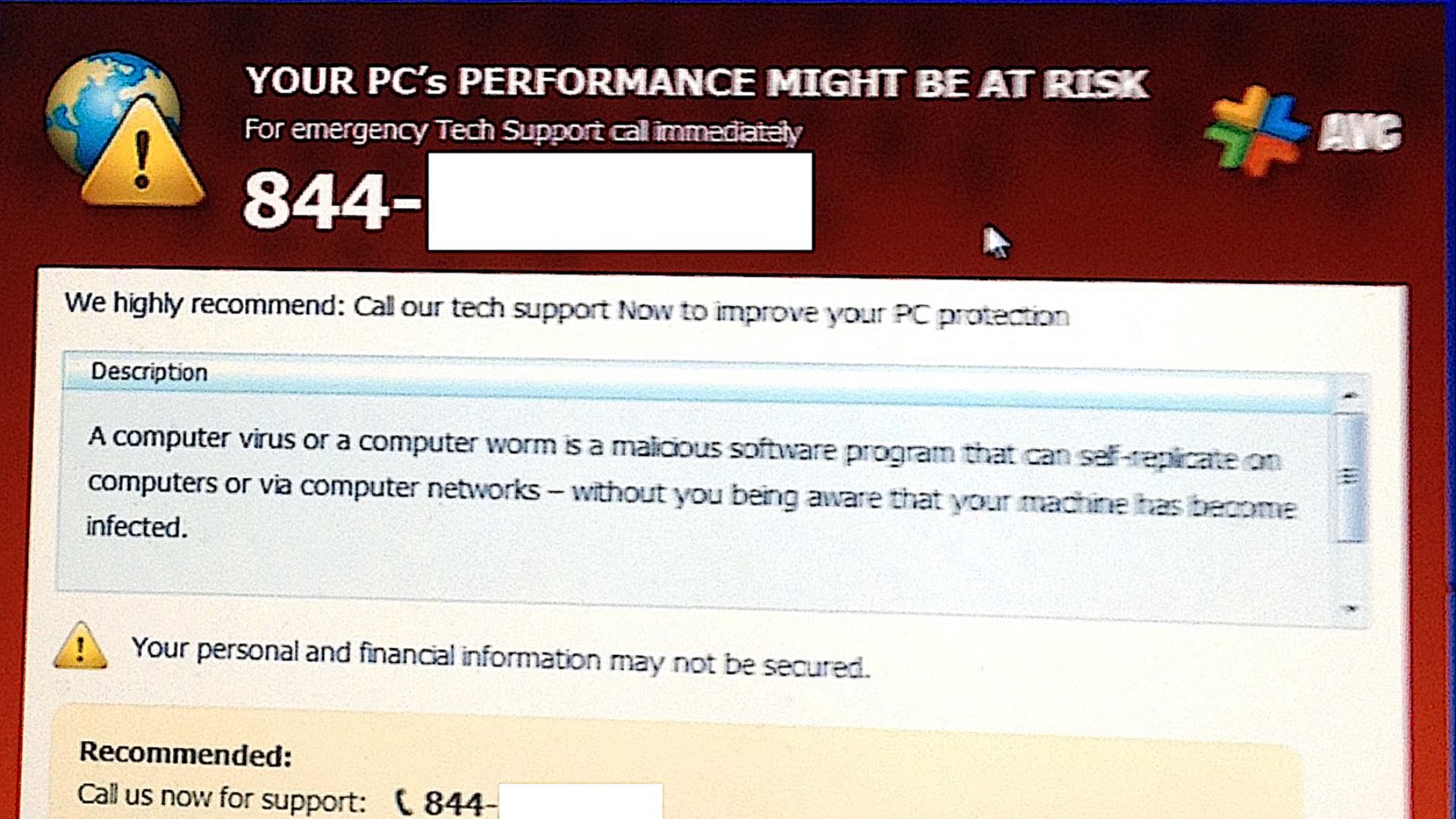
Early internet users were constantly warned that clicking the wrong link could destroy the family computer forever. Strange pop-ups, unexpected toolbars, and mysterious desktop icons seemed to appear anyway. If the computer suddenly slowed down, everyone immediately started wondering who had downloaded something suspicious.
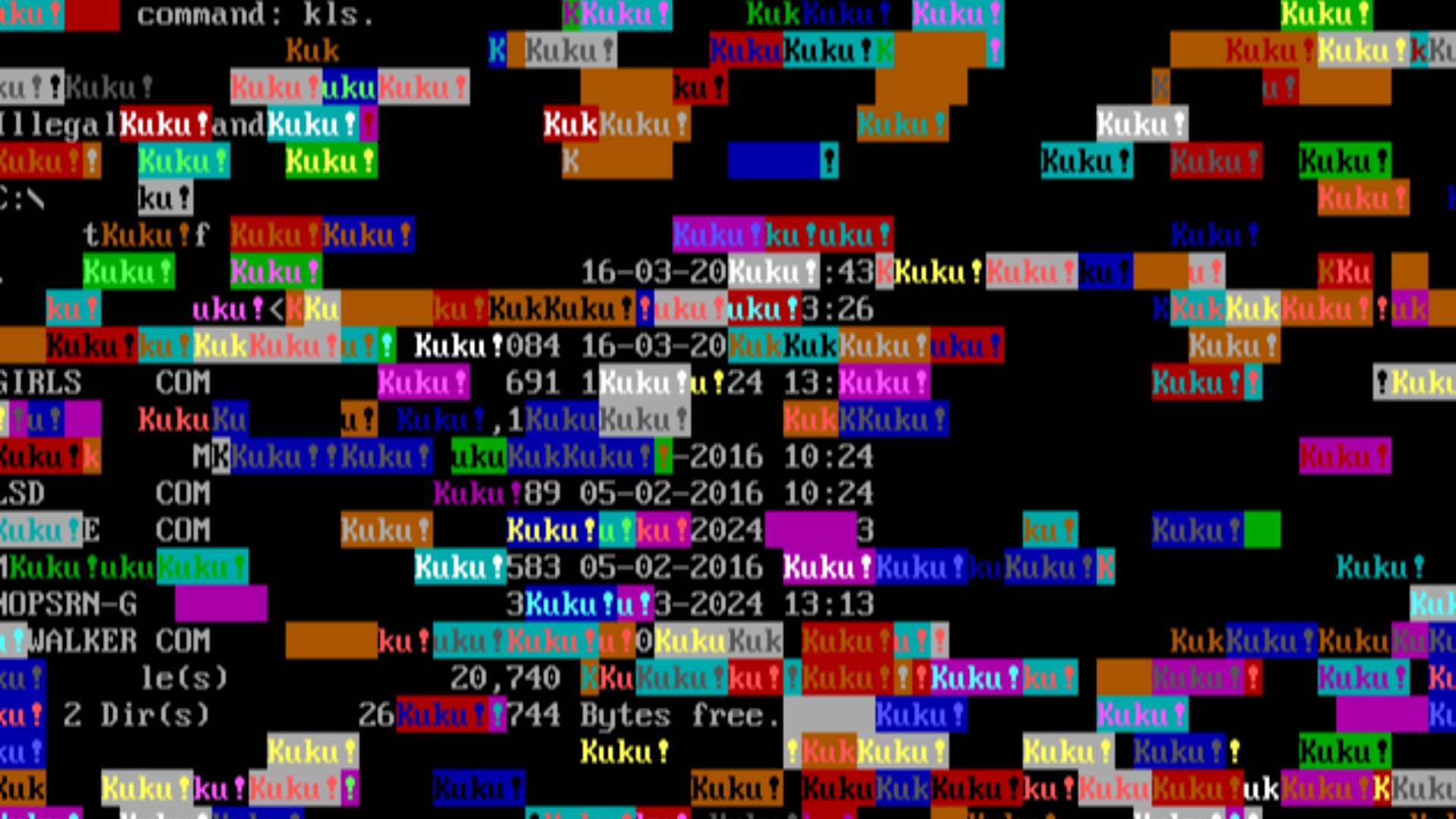
10. Living Through the Era of Aggressive Pop-Ups
Opening one webpage could sometimes produce several additional windows you never asked to see. Closing them wasn't always easy either, since another one could appear immediately afterward. Pop-up blockers eventually made browsing considerably calmer, but anyone who remembers the earlier internet knows how chaotic an ordinary website visit could become.
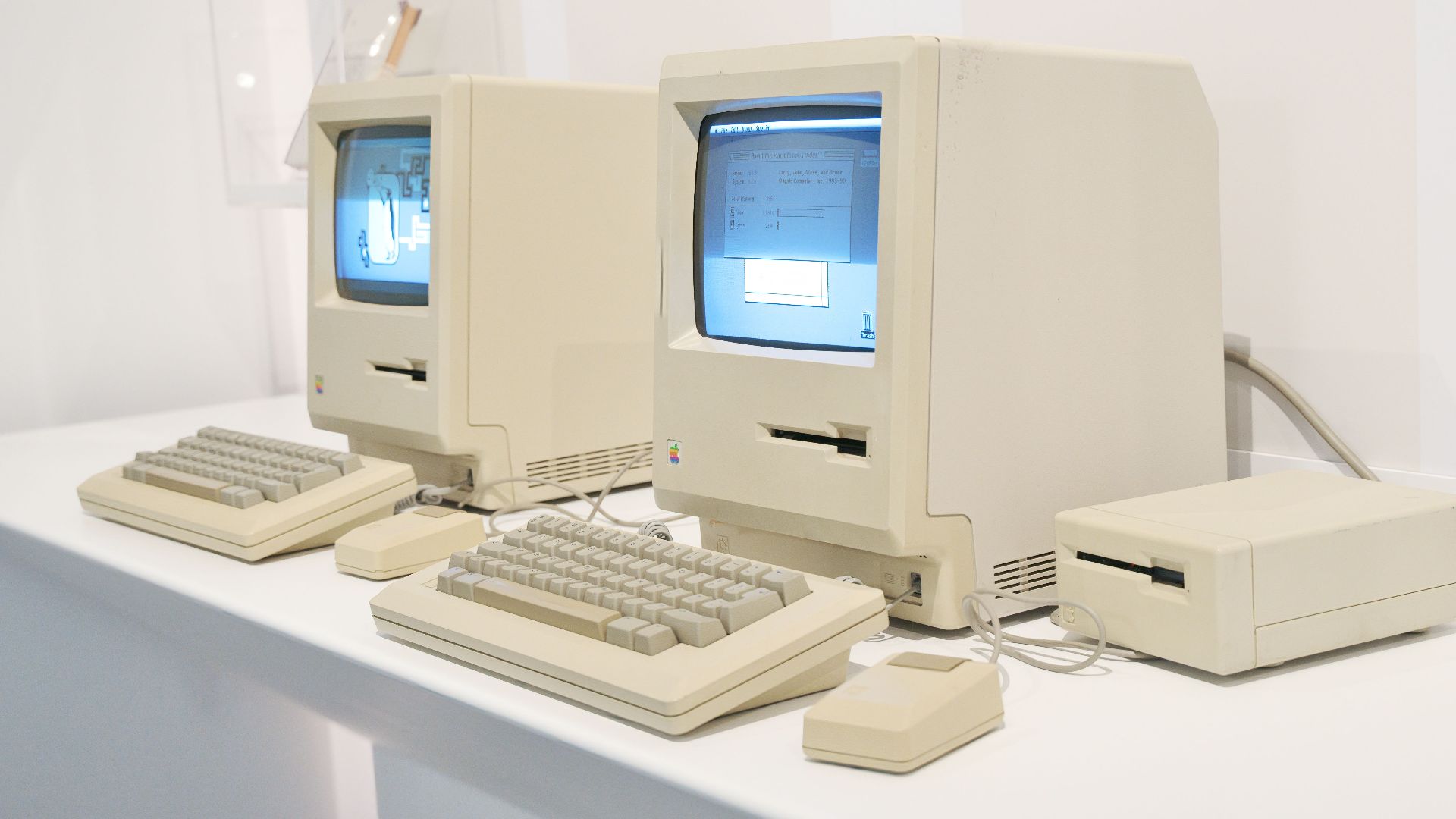
11. Asking Permission to Use the Family Computer
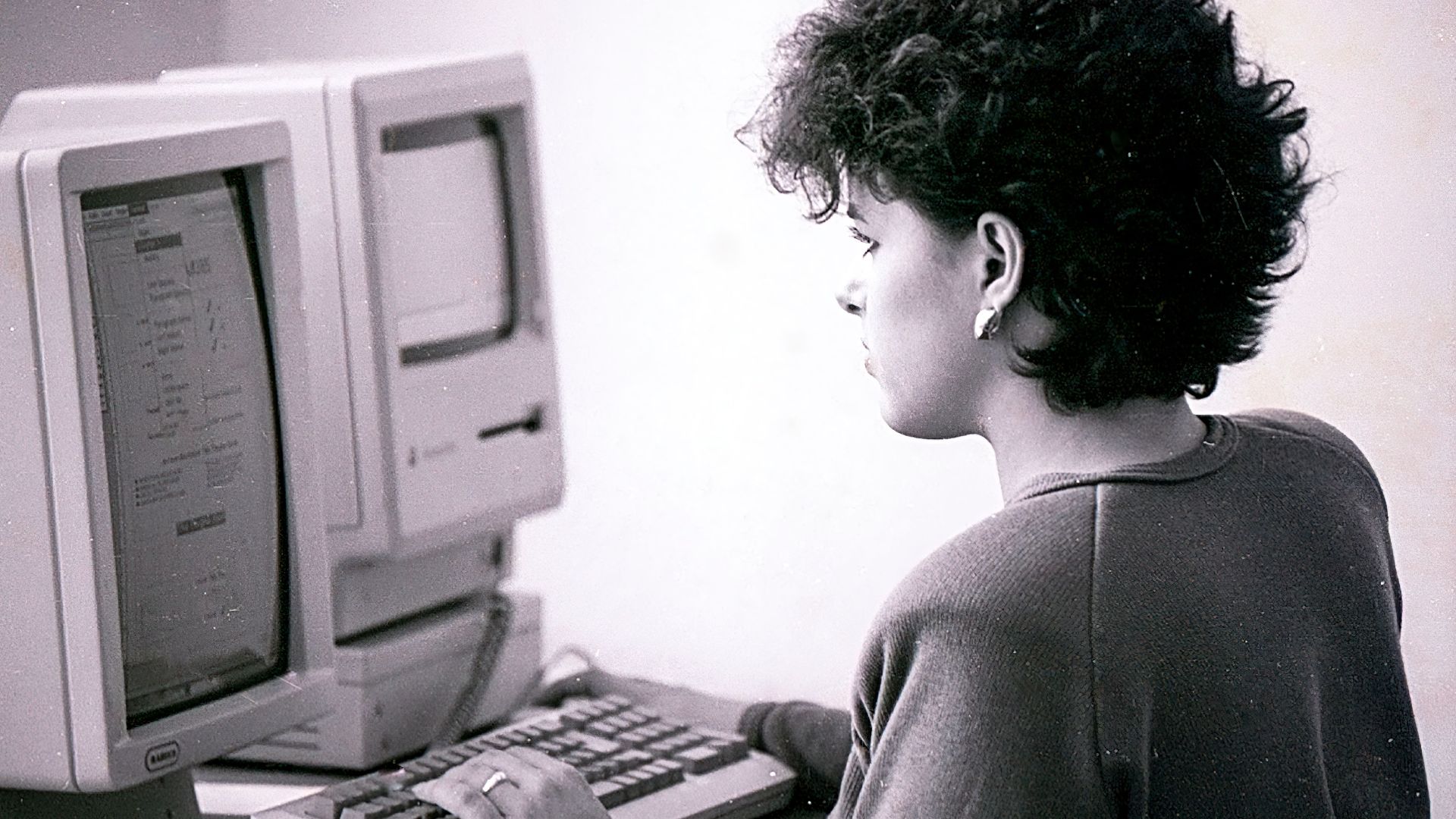
Back then, instead of everyone having their own personal device, there was usually one family computer that everyone shared. You might've had siblings waiting behind you while a parent reminded you that you'd already been online long enough. Every minute counted when your social life, games, homework, and entertainment were competing for the same machine.
12. Running Home to Check Who Was Online
Before smartphones kept everyone permanently connected, your online friends actually disappeared when you left the computer. Getting home meant opening your messenger program and immediately checking the buddy list. Seeing your crush online could suddenly make whatever else you'd planned for the evening feel far less important.
 Everaldo Coelho and YellowIcon; on Wikimedia
13. Experiencing the Emotional Damage of Someone Going Offline
Watching someone's status suddenly change while you were talking to them raised immediate questions. Did their internet disconnect, did their parents need the computer, or did they simply not want to talk anymore? There were no read receipts or typing indicators to offer clues, which left plenty of room for unnecessary teenage investigation.

14. Communicating Through Cryptic Song Lyrics
People didn't always post exactly what they were feeling. Instead, they'd choose one unusually specific line from a song and let everyone else figure it out. Friends could spend an impressive amount of time discussing whether someone's status, profile, or blog entry was secretly aimed at a particular person.

15. Having Internet Friends Nobody Offline Really Understood
Online friendships used to require much more explanation than they do today. Telling your family you regularly talked to someone you'd never met could earn some skeptical looks. For people who grew up on forums, games, fandom sites, or chat rooms, though, those friendships could feel every bit as genuine as the ones formed at school.
 Michael Davis Jr. on Wikimedia
16. Staying Up Way Too Late Because Everyone Was Online
Going to bed became much harder once you knew conversations were still happening without you. One more message could easily turn into another hour at the computer. Since phones weren't necessarily coming upstairs with you, eventually logging off actually meant accepting that you'd miss whatever happened next.

17. Learning Not to Feed the Trolls
Online arguments have existed for about as long as people have had somewhere to leave comments. Forums and message boards quickly taught users that some people weren't interested in having a reasonable discussion at all. "Don't feed the trolls" became useful advice because replying usually gave them exactly what they wanted.
18. Losing Something Forever Because You Didn't Save It
The internet didn't always save drafts automatically every few seconds. A browser crash, accidental click, or lost connection could wipe out a long forum post, email, or homework assignment instantly. After experiencing that disaster once, you learned to hit the save button with impressive frequency.
 Avidemux Wiki community on Wikimedia
19. Watching Social Media Become Less Anonymous
Early online life often involved strange usernames, avatars, and very little connection to your offline identity. Then social networks increasingly encouraged real names, recognizable photos, schools, workplaces, and entire personal histories. People who grew up during that transition got to experience both the anonymous internet and the much more public version that replaced it.

20. Realizing Your Childhood Internet Has Practically Disappeared
Many of the websites, games, programs, and online communities people once visited every day either look completely different now or no longer exist. Forums emptied, messenger services shut down, and social networks that once seemed unstoppable became digital ghost towns. Growing up online means realizing an entire version of the internet existed for a surprisingly short period, even though spending time there once felt completely normal.