Careers Technology Made Extinct
Most jobs feel permanent until they suddenly aren't. A hundred years ago, someone got paid to walk city blocks before dawn and tap on windows to wake up factory workers, back when alarm clocks were still expensive and unreliable. Someone else spent all day in a booth, plugging phone lines together by hand. Both were full careers with pensions, until something more efficient took over. Here's 20 jobs that used to matter but don't exist anymore.
 Okänd/Marinens Pressdetalj on Wikimedia
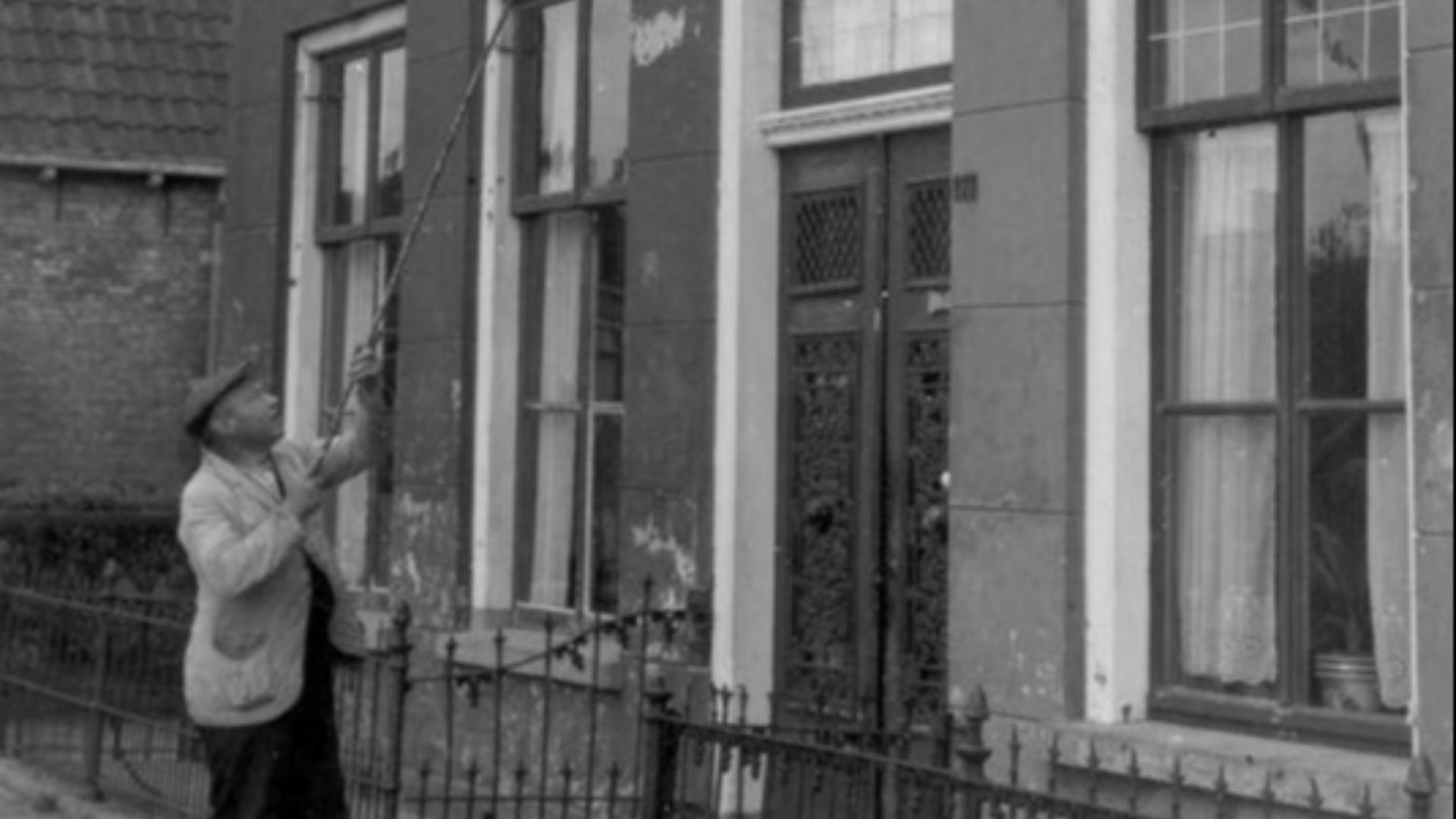
1. Knocker-Up
Before alarm clocks were affordable, mill towns across England paid someone to walk the streets before dawn and rap on bedroom windows with a long pole. The knocker-up kept a list of regular clients, and skipping a house meant someone lost a shift's pay. Cheap alarm clocks ended the trade within a couple of decades.
 Nationaal Archief (flickr.com) on Wikimedia
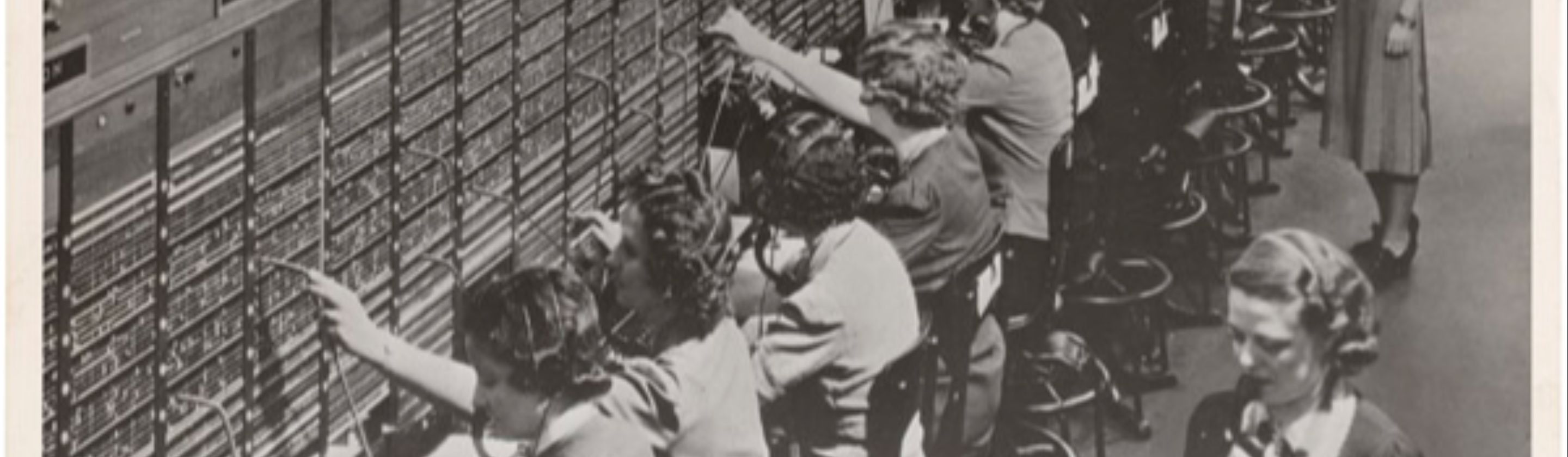
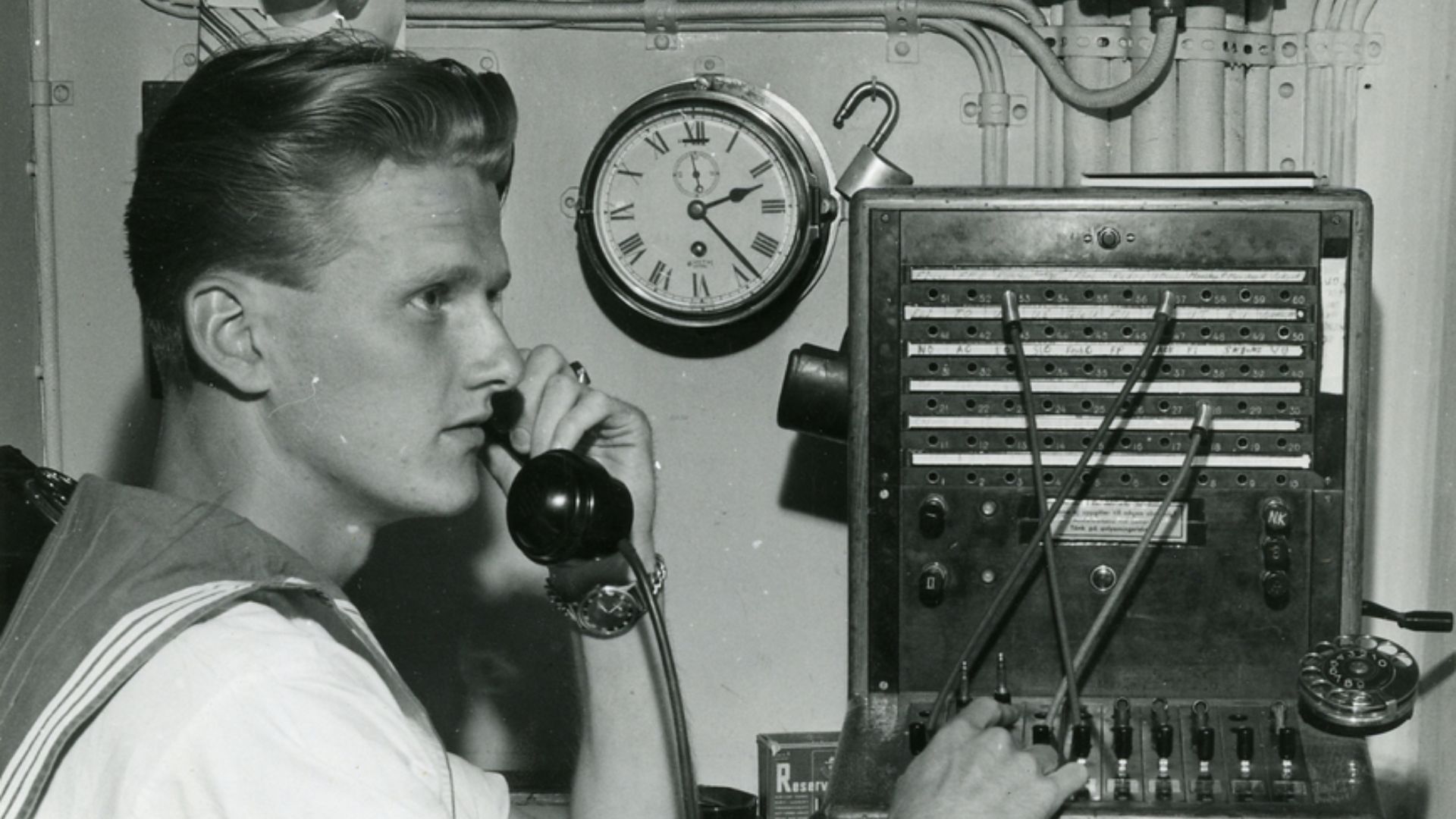
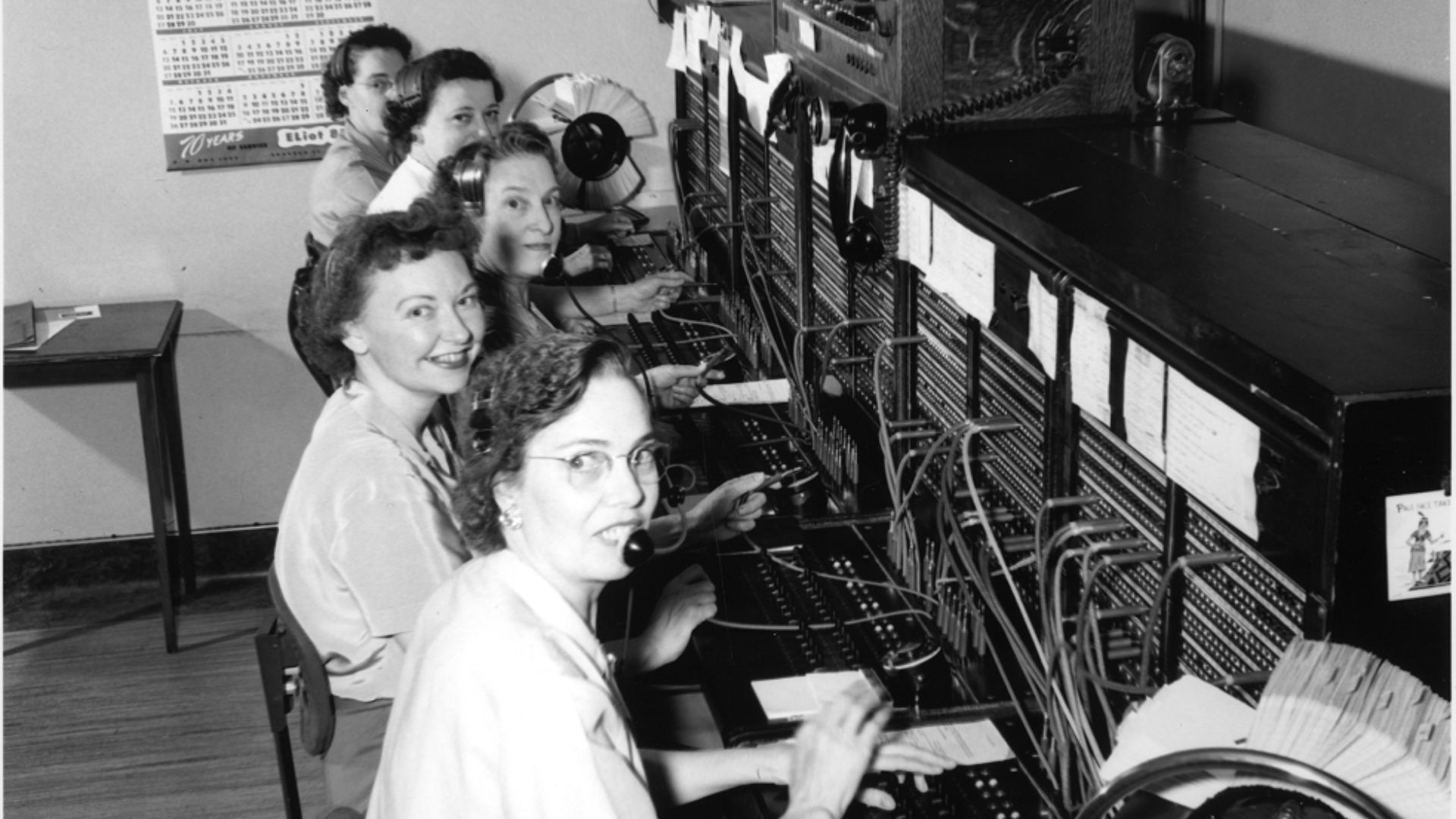
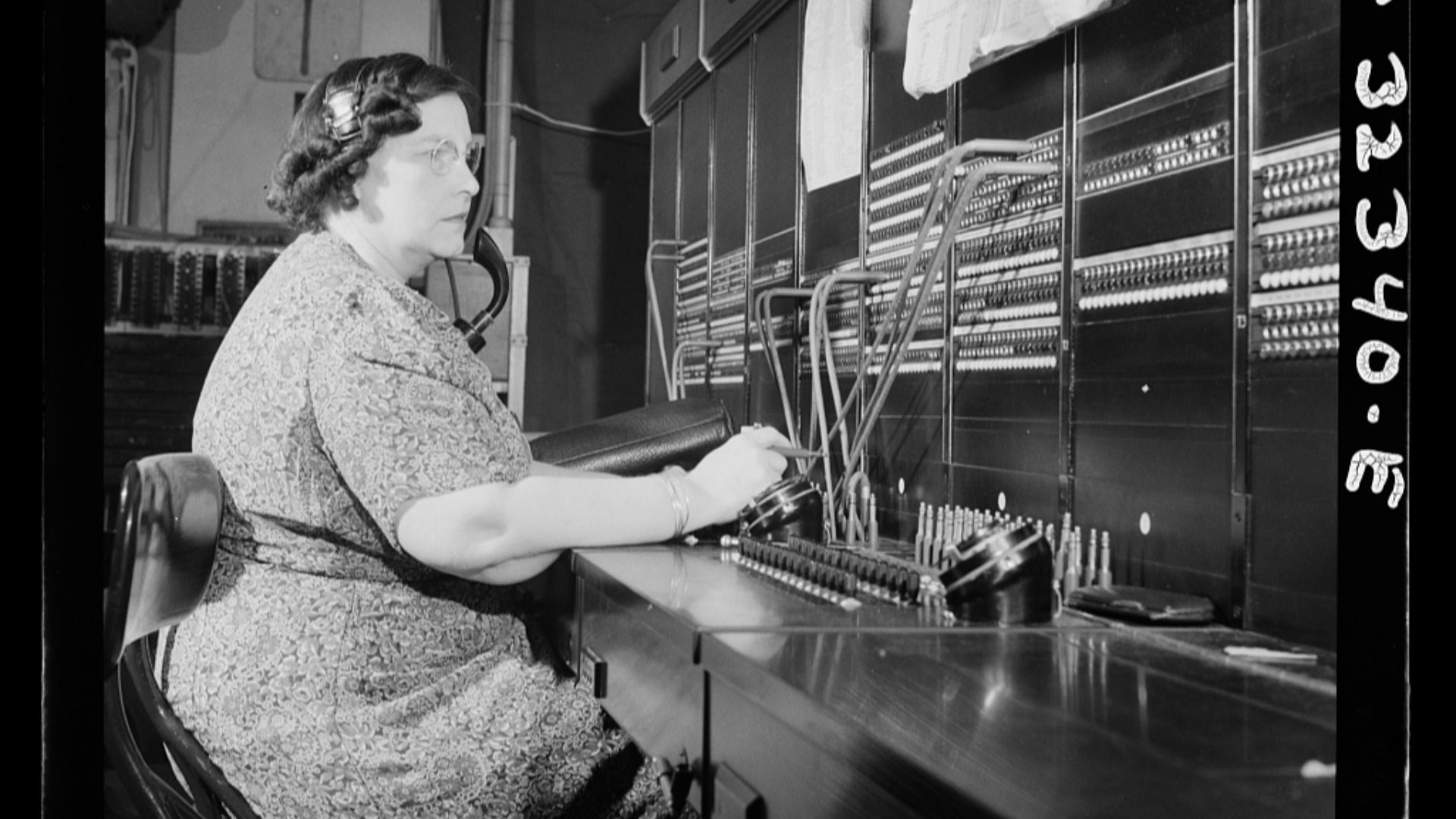
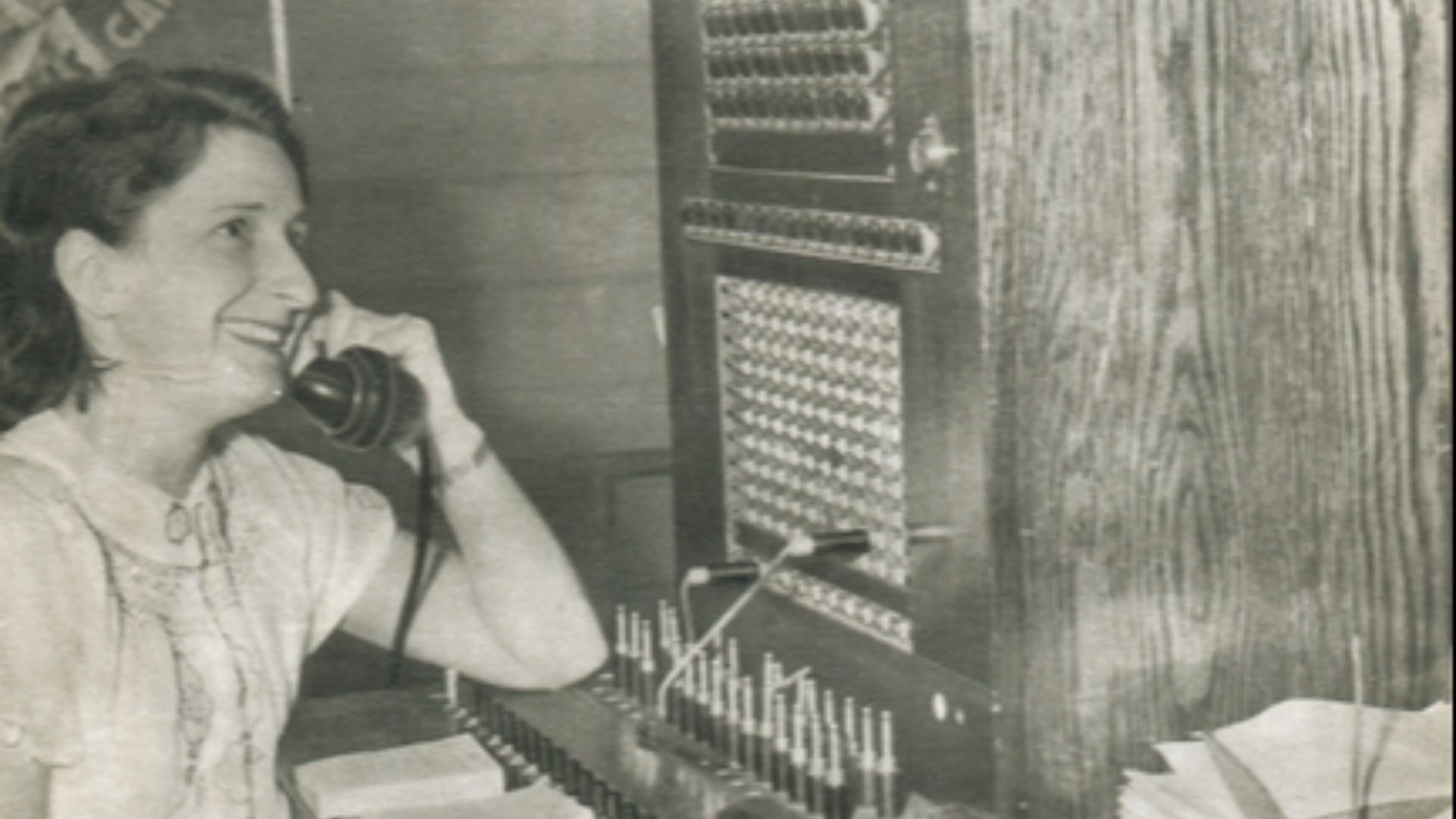
2. Switchboard Operator
Every phone call used to pass through a person sitting at a wall of plugs and cables, connecting one line to another by hand. Operators memorized regular callers by voice and often knew more town gossip than the local paper. Automatic switching systems replaced most of them by the 1980s.
 Seattle Municipal Archives from Seattle, WA on Wikimedia
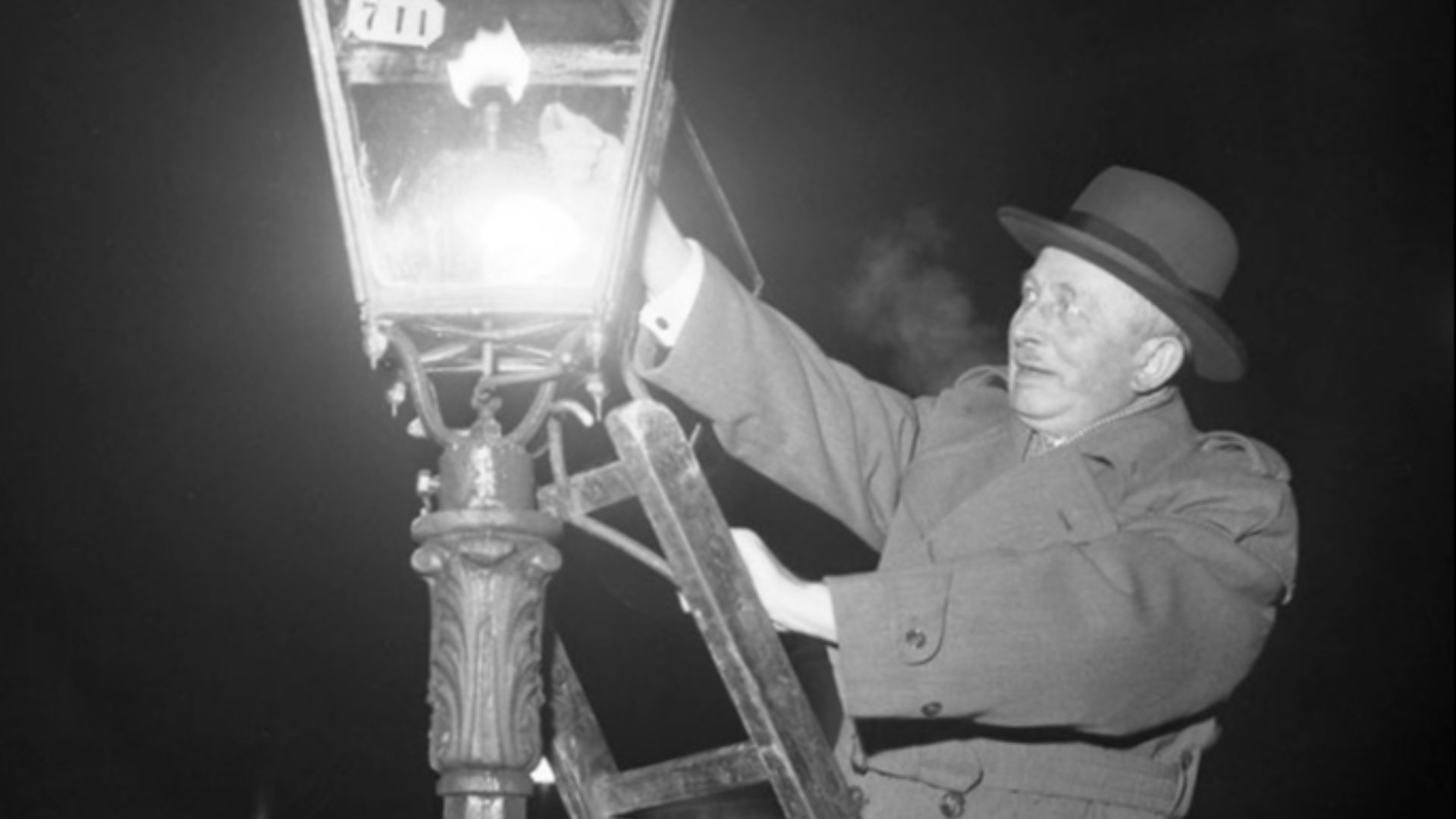
3. Lamplighter
Gas streetlights needed someone to walk the route each evening lighting them by hand, then return at dawn to put them out. Lamplighters kept the same schedule through rain and snow, carrying a long pole with a small flame on the end. Electric streetlights with automatic timers made the job pointless by the early 1900s.
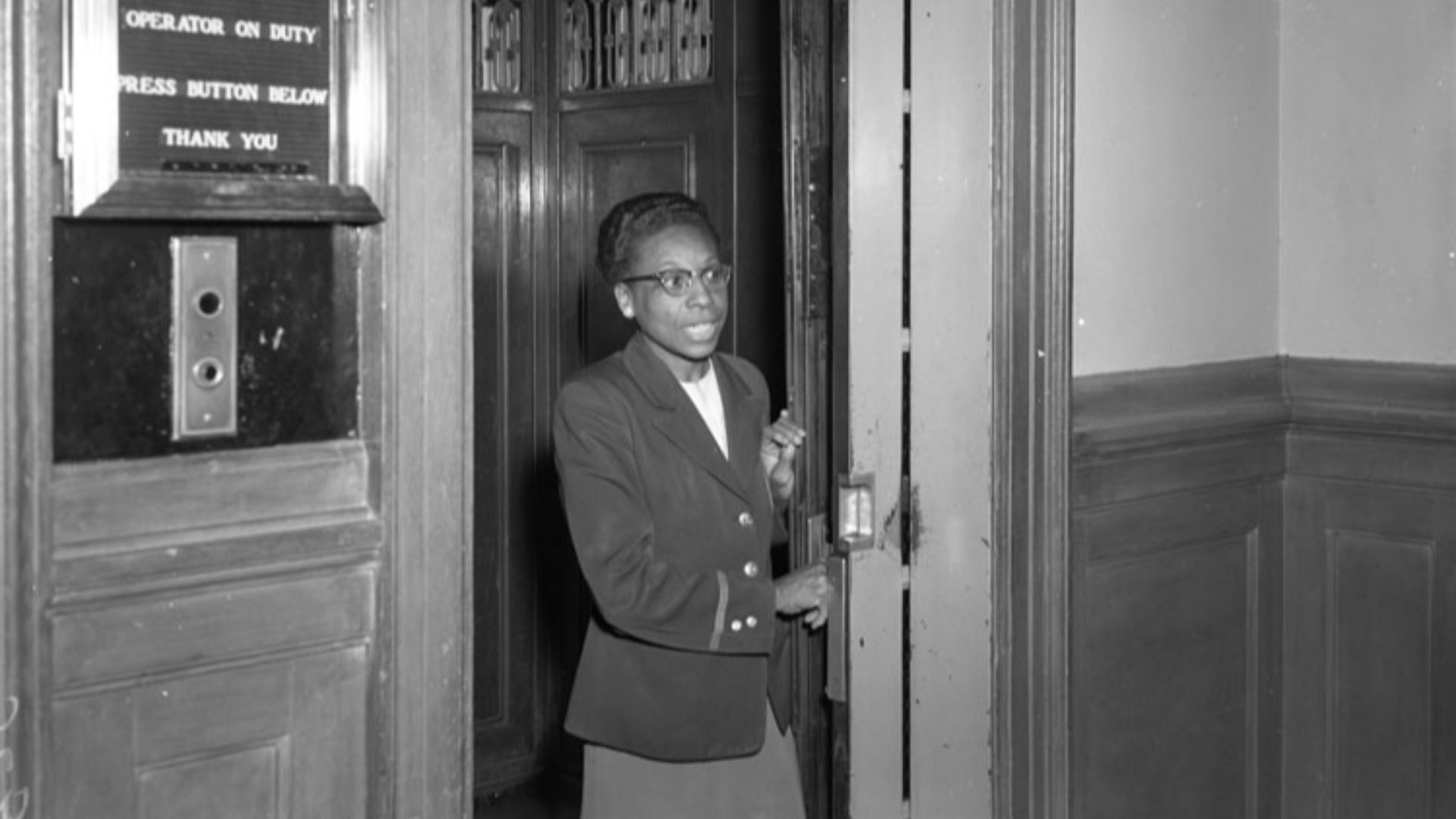
4. Elevator Operator
Early elevators needed a trained hand to work the lever and stop the car level with the floor. Riding one without an operator felt unsafe to most people well into the twentieth century. Push-button elevators changed that fast, and most operators were gone by the 1950s.
 The Library of Virginia from USA on Wikimedia
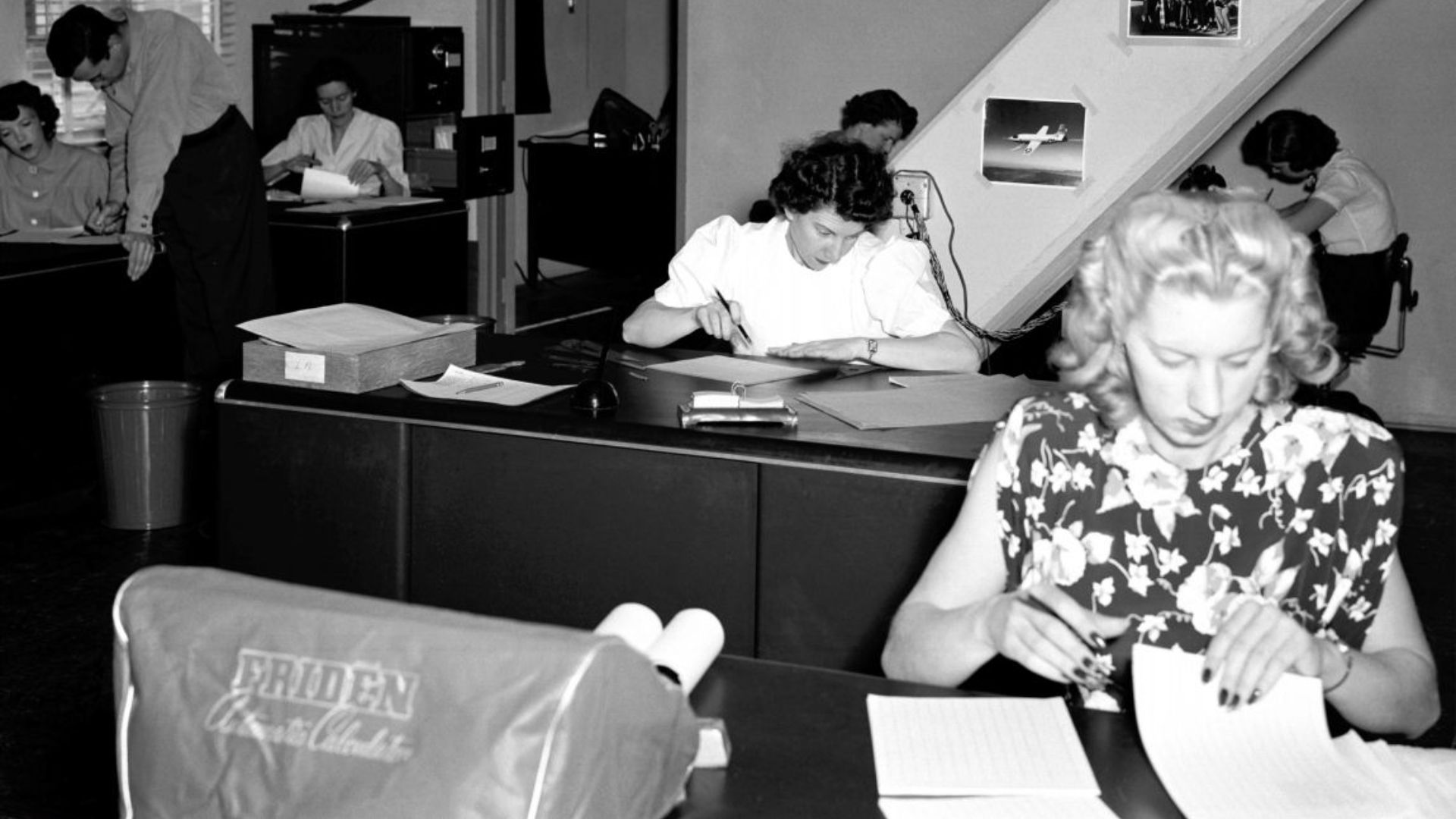
5. Human Computer
Rooms full of people, often women, once calculated trajectories and equations by hand for hours at a stretch. NASA's early space program depended on this work, and the numbers behind John Glenn's orbit were checked by hand before anyone trusted the machine's answer. Electronic computers eventually did the job faster and without the payroll.
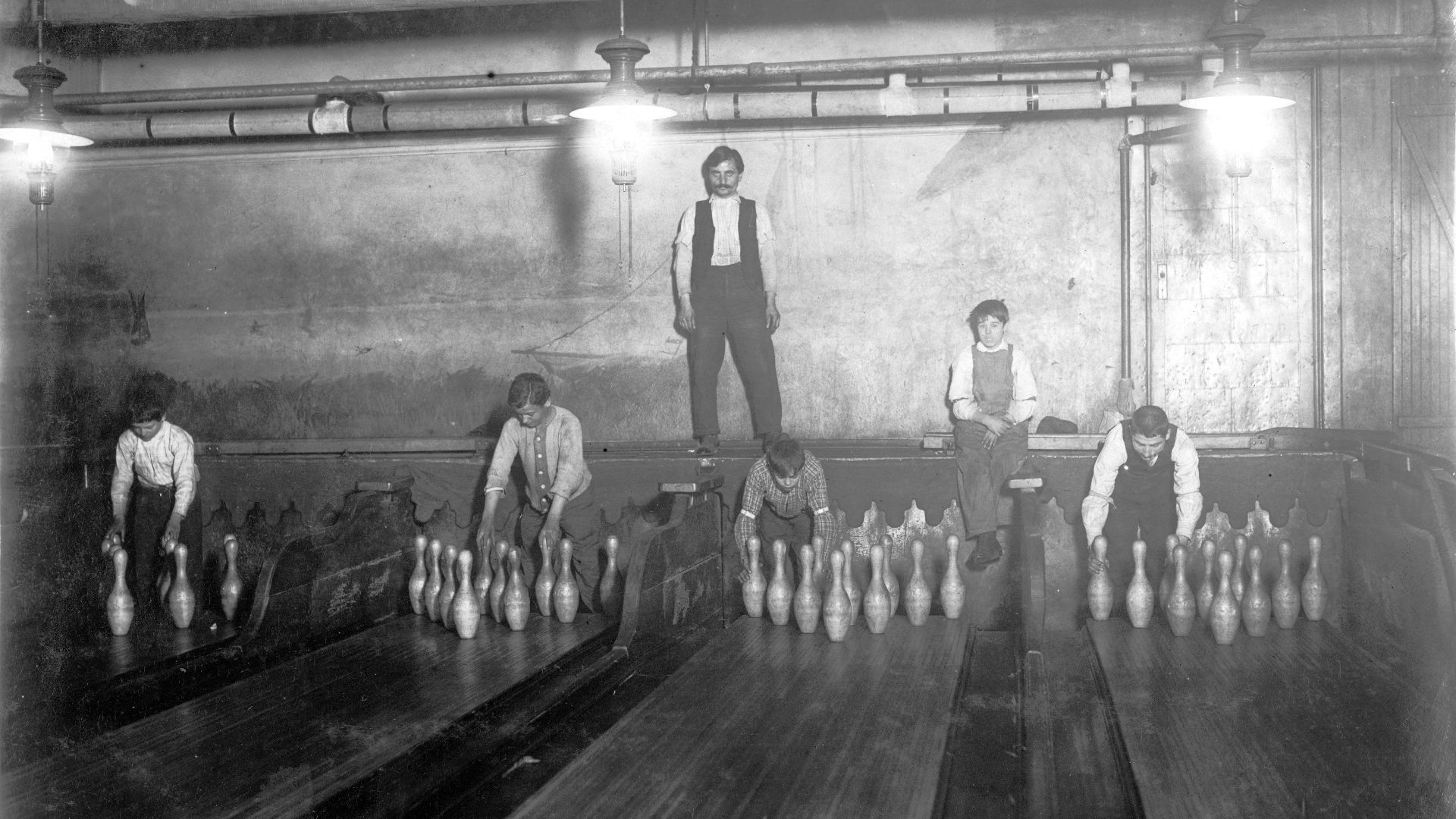
6. Bowling Pinsetter
Someone used to crouch behind the pins at every bowling alley, resetting them by hand after each frame. A slow pinsetter could hold up an entire alley on a busy night. Automatic pinsetting machines arrived in the 1950s and took over almost overnight.
 Lewis Wickes Hine, 1874-1940, photographer. on Wikimedia
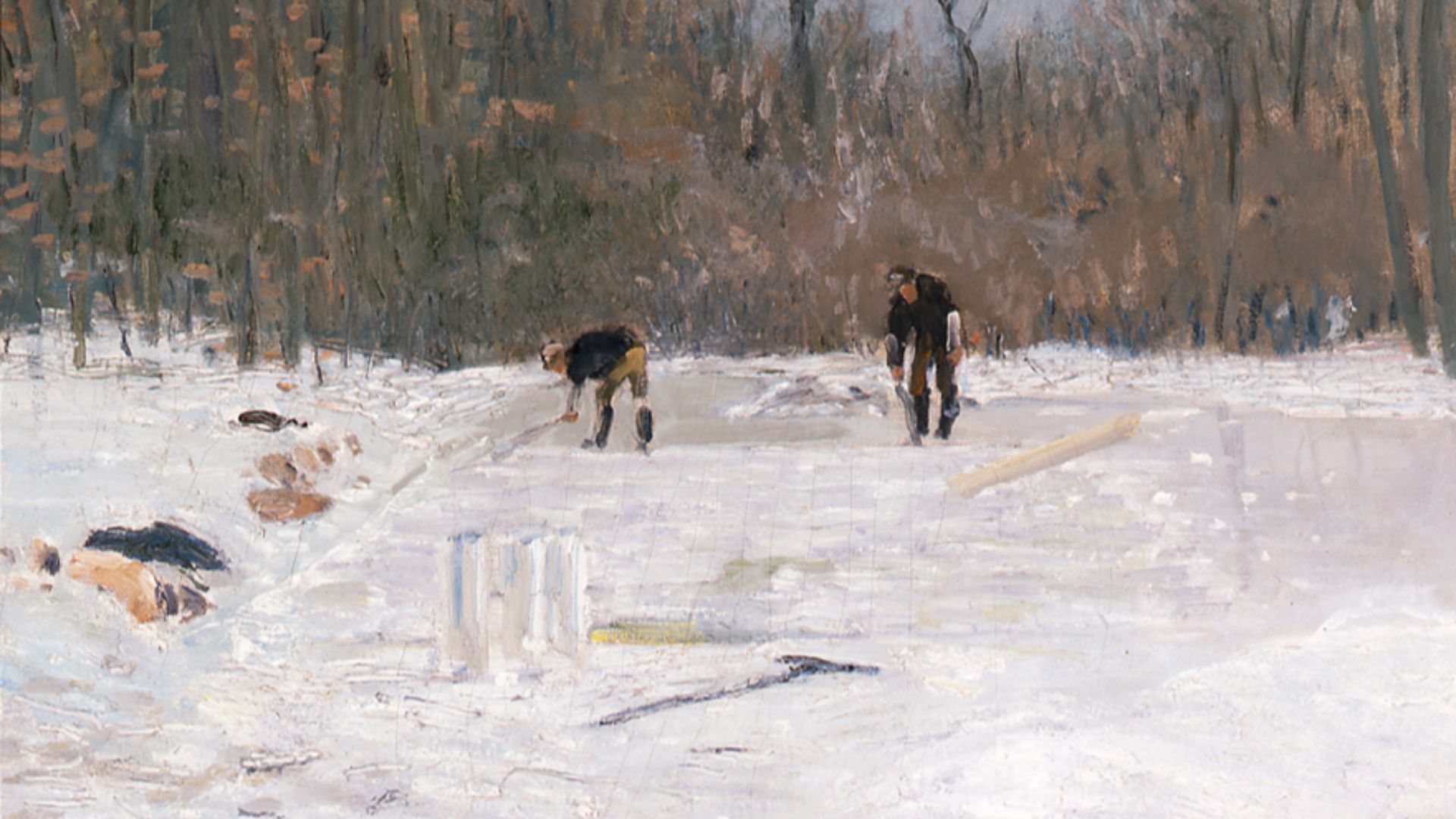
7. Ice Cutter
Ice cutters spent winters sawing blocks out of frozen lakes and rivers, then hauling them to icehouses packed with sawdust for insulation. A bad crack underfoot could end a shift fast. Electric refrigeration made the whole trade obsolete by the 1930s.
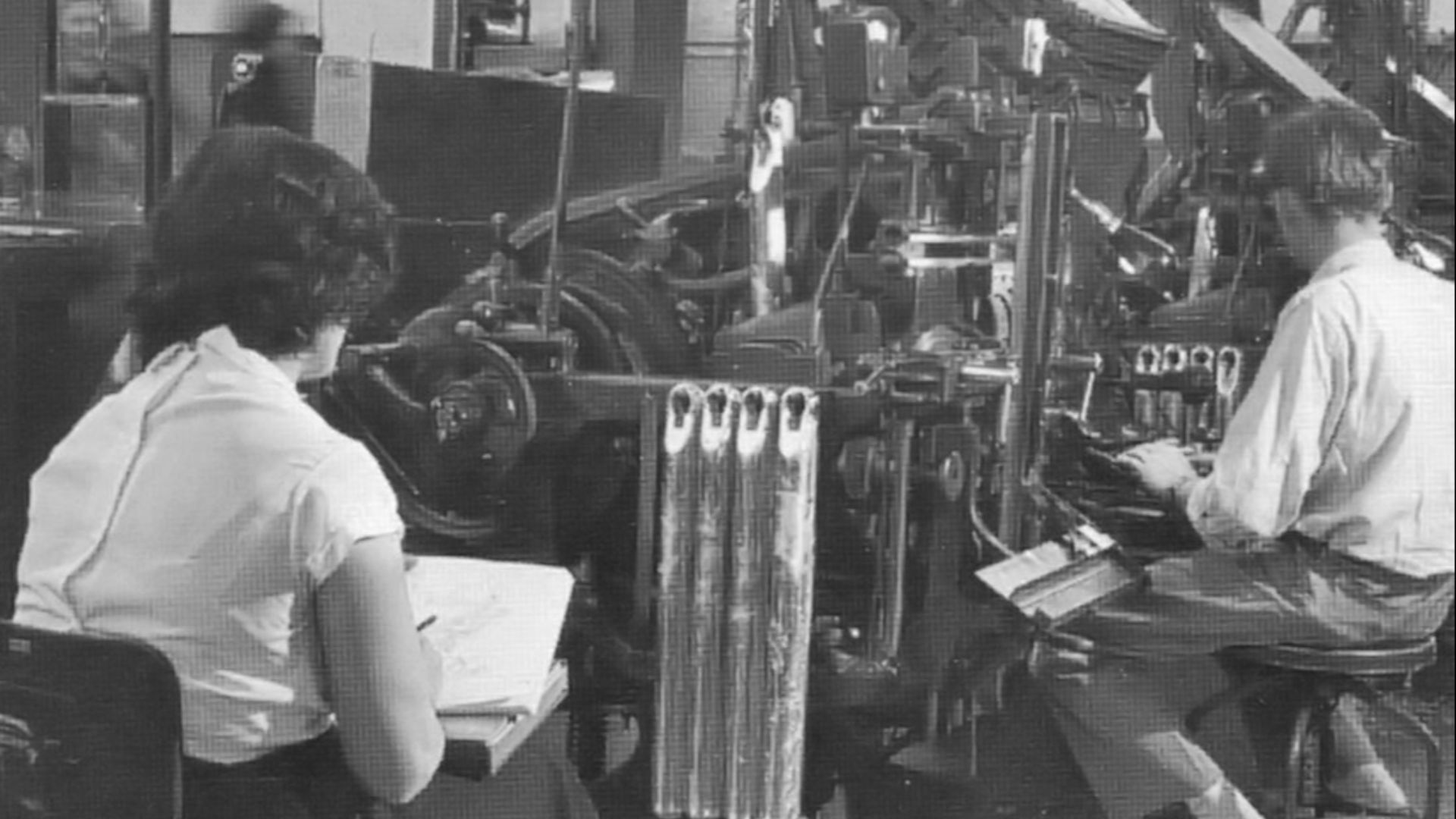
8. Linotype Operator
Newspapers used to run on machines that cast entire lines of type in molten lead, and it took a skilled operator to run one safely. Offset printing and computer typesetting phased the machines out through the 1970s and 1980s, and the clatter that once filled newsrooms went silent with them.
 Unknown authorUnknown author on Wikimedia
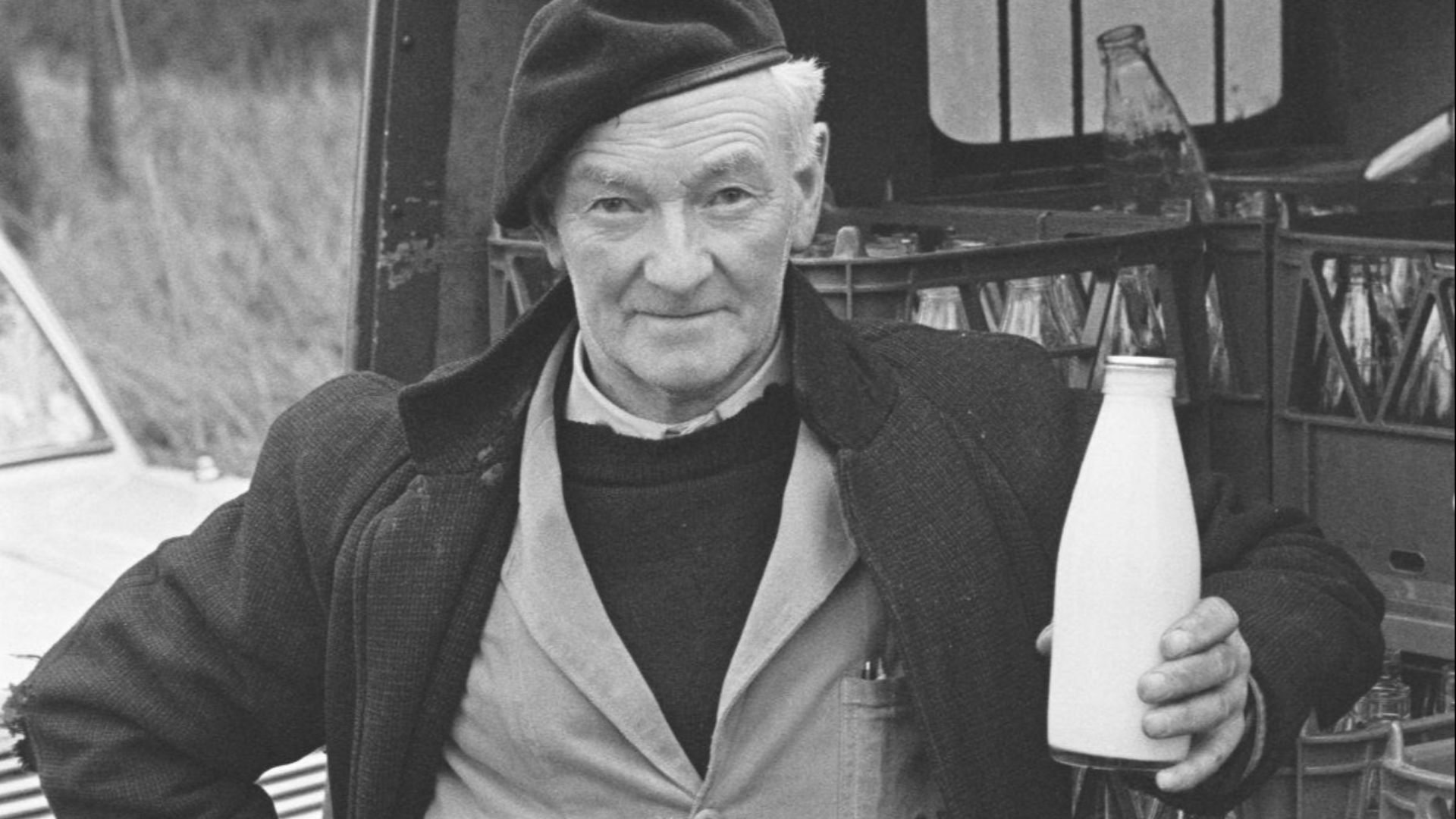
9. Milkman
Daily milk delivery meant a route driver who knew every customer's order and left glass bottles on the porch before sunrise. Home refrigerators and grocery stores made the daily visit unnecessary. Most milk routes were gone by the 1970s.
10. Video Store Clerk
Renting a movie used to mean walking the aisles of a video store and hoping the good copy hadn't already been checked out. Clerks knew the regulars and steered people away from bad sequels. Streaming made the whole errand unnecessary, and most video stores closed within a few years of Netflix going digital.

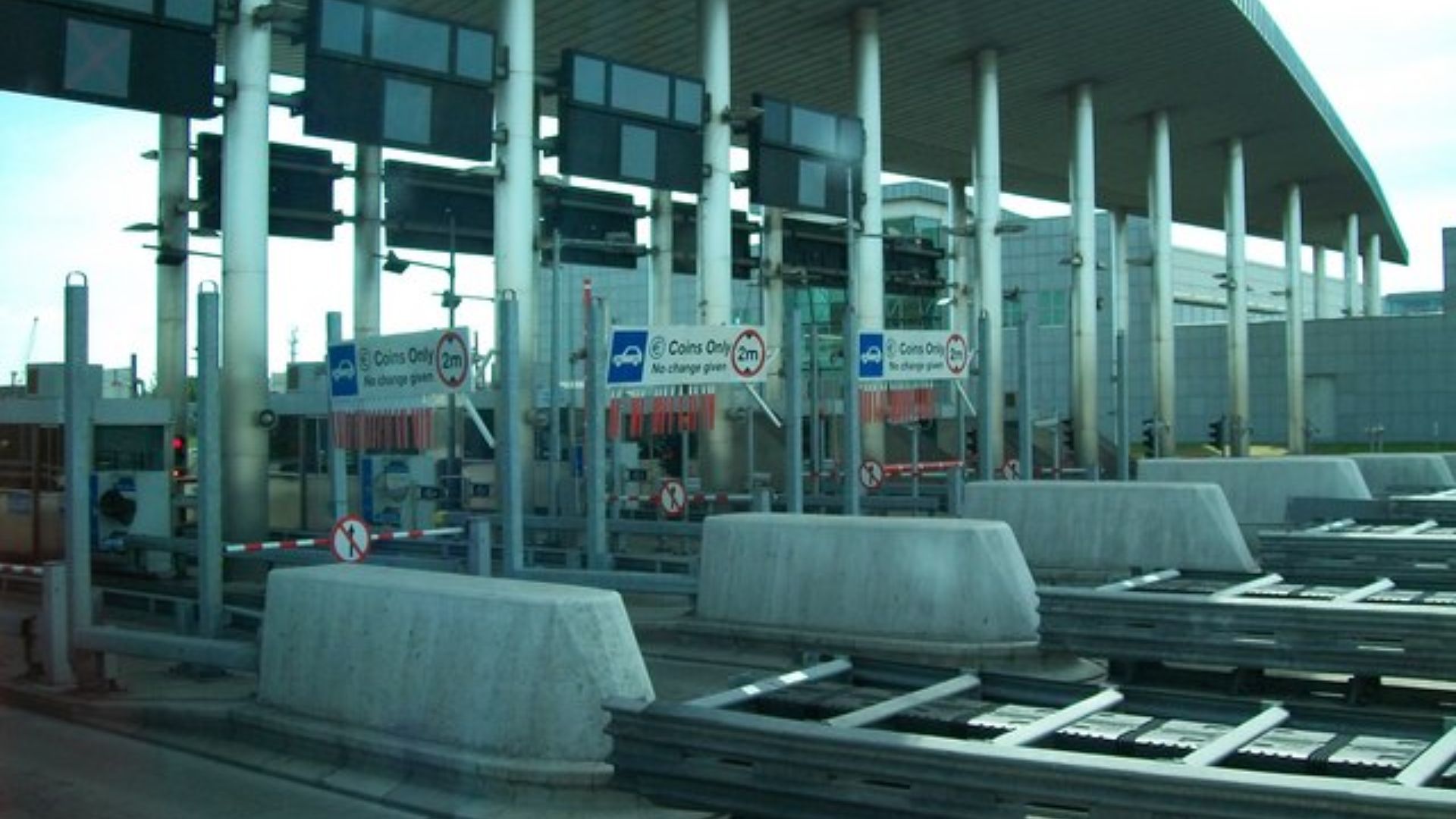
11. Toll Booth Collector
Drivers used to hand cash to a person sitting in a booth on the highway and wait for change before pulling back into traffic. It was repetitive work done in all kinds of weather, with exhaust fumes as a constant companion. Electronic toll systems like E-ZPass replaced most booths by the 2010s, and several states have removed the booths altogether.
12. Telegraph Operator
Sending a message across the country once meant tapping it out in Morse code and trusting an operator on the other end to receive it correctly. A missed dot or dash could change the entire meaning. The telephone, and later the internet, made the telegraph unnecessary, and Western Union sent its last one in 2006.
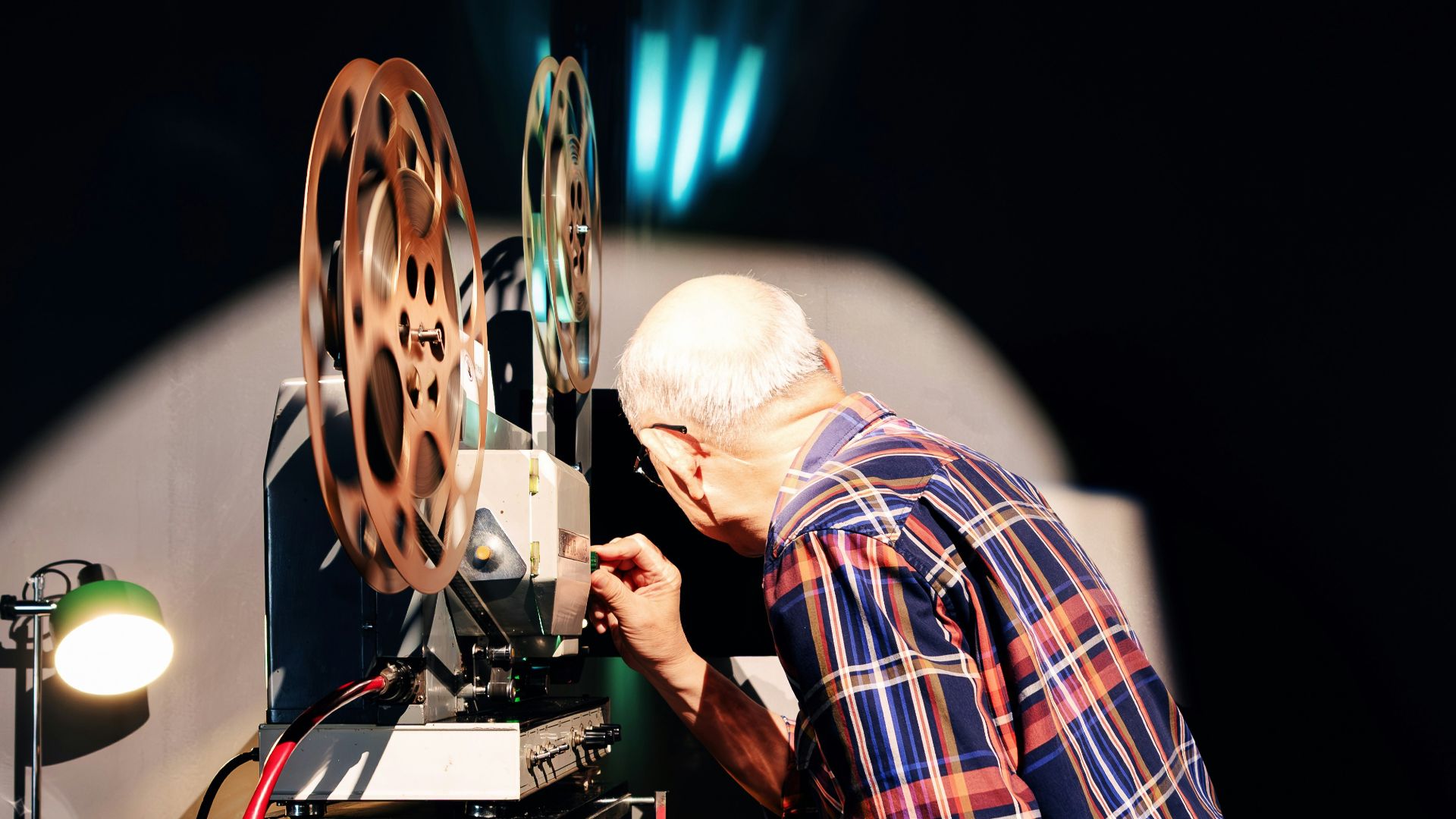
13. Film Projectionist
Running a movie theater used to require someone in a booth threading reels of film and timing each change to the second. A skilled projectionist could keep a show running for hours without the audience noticing a cut. Digital projection automated most of that work, and the job has mostly vanished from theaters.
14. Encyclopedia Salesman
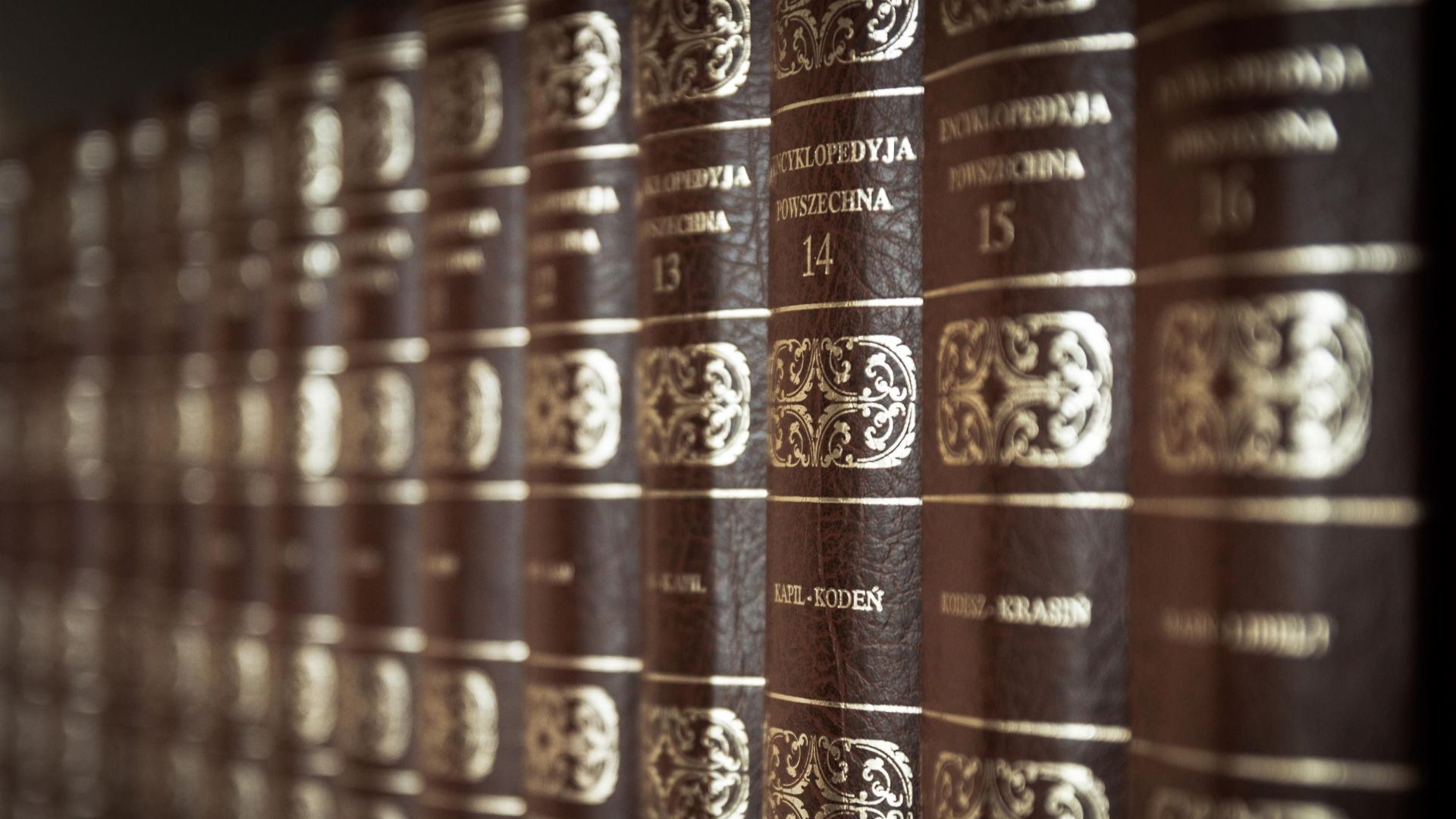
Door-to-door encyclopedia sales were a real career through the mid-twentieth century, with salesmen carrying sample volumes and a pitch about giving your kids an advantage. It took nerve, since most doors closed fast. The internet made a set of bound books feel pointless almost overnight, and the last print edition of Encyclopaedia Britannica shipped in 2010.
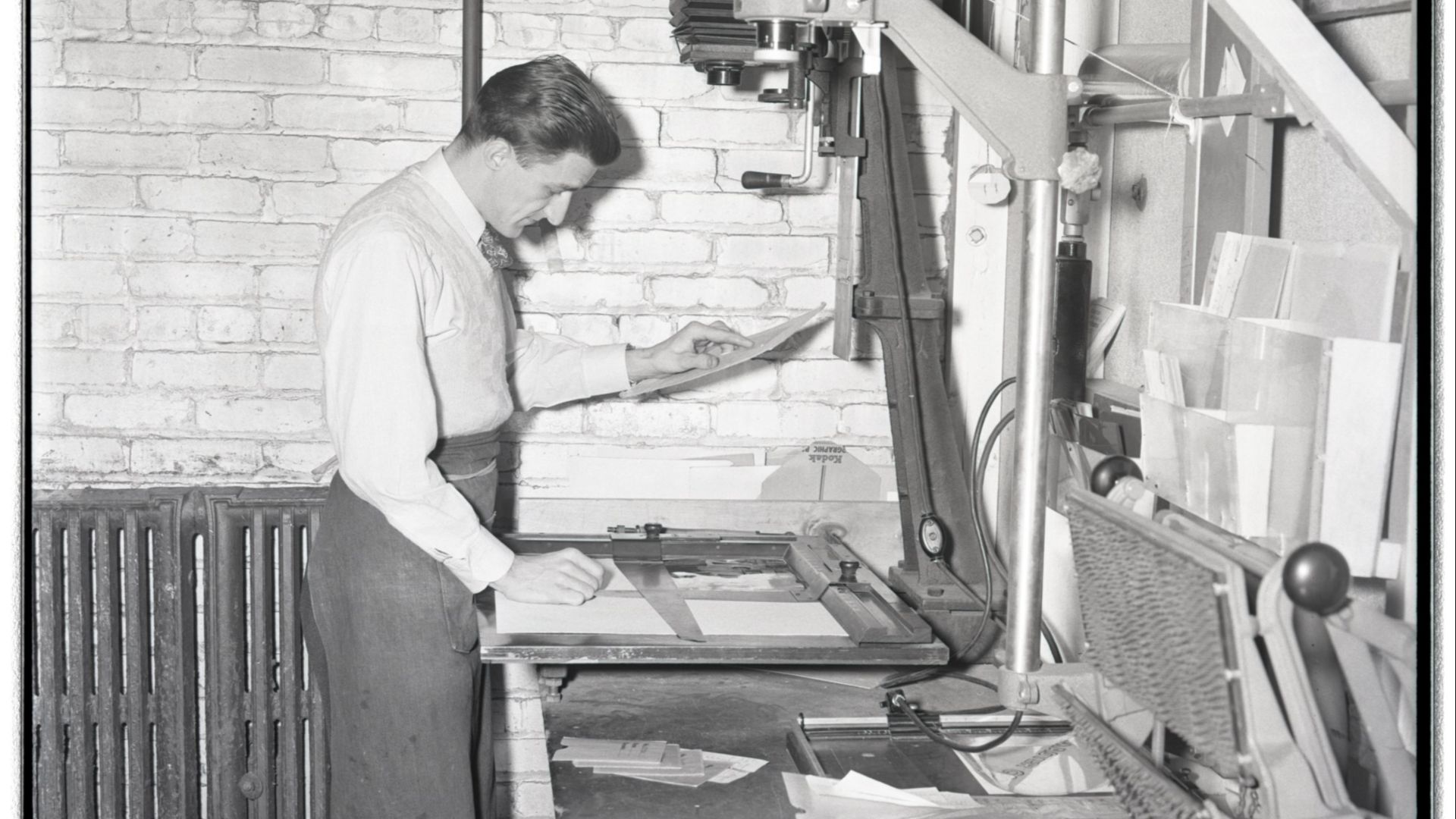
15. Darkroom Technician
Developing film by hand in a darkroom meant timing chemical baths in total darkness while an image slowly appeared on paper. A good technician could rescue a badly exposed shot. Digital photography made the whole process unnecessary within a decade of the first affordable digital cameras.
 Dow Chemical Company on Wikimedia
16. Cigar Factory Lector
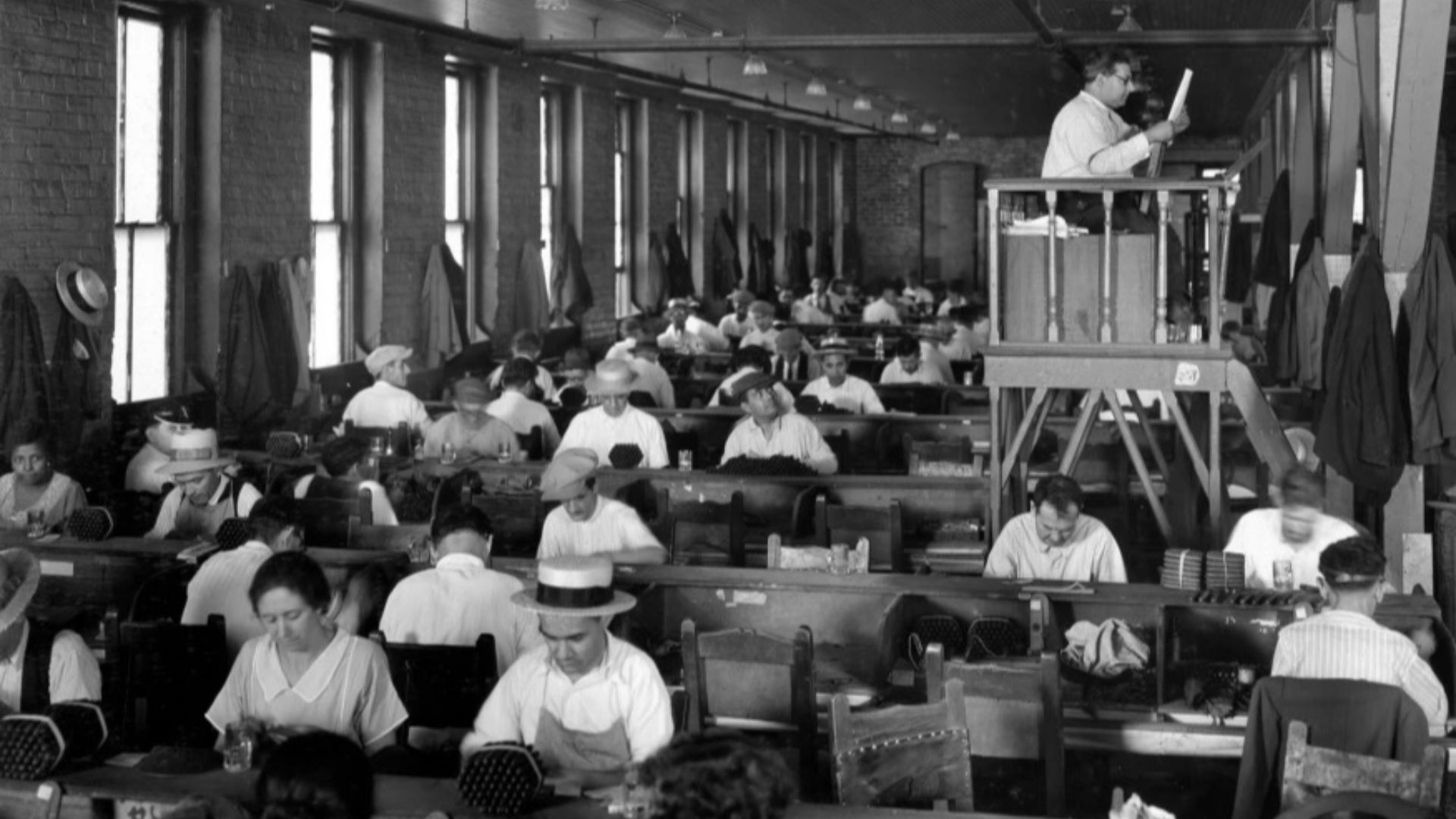
Cigar factories in Cuba and later Florida hired someone to sit on a raised platform and read newspapers and novels aloud while workers rolled tobacco by hand. Workers paid a portion of their own wages to fund the position. Radio, and later factory mechanization, made the role disappear by the mid-1900s.
 Burgert Brothers. Burgert's Studio - Tampa, Florida on Wikimedia
17. Log Driver
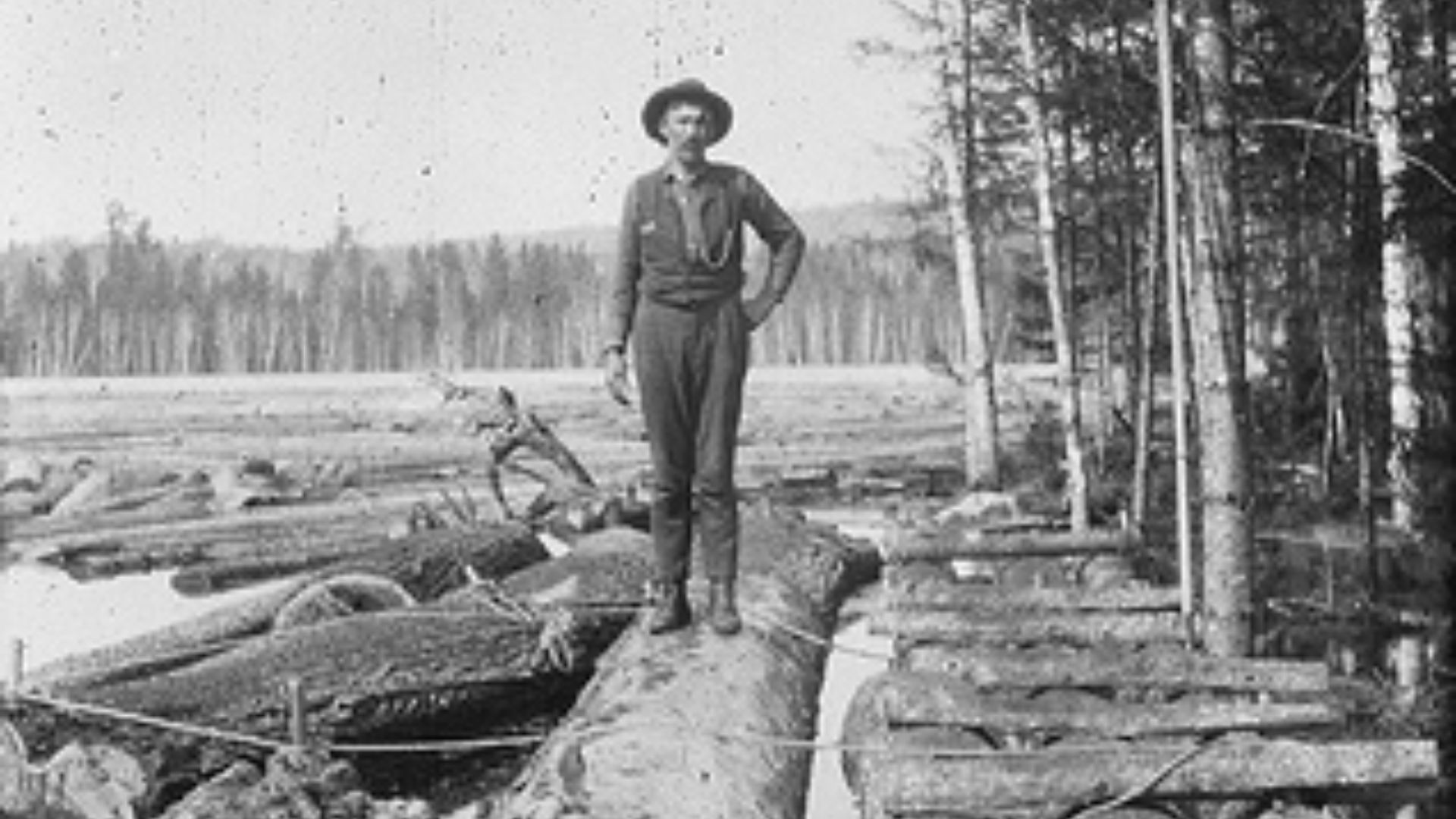
Moving cut timber downriver required crews of men walking across floating logs, using long poles called peaveys to break up jams before they turned dangerous. Drowning was a real occupational hazard. Trucks and improved roads made river driving unnecessary by the mid-twentieth century.
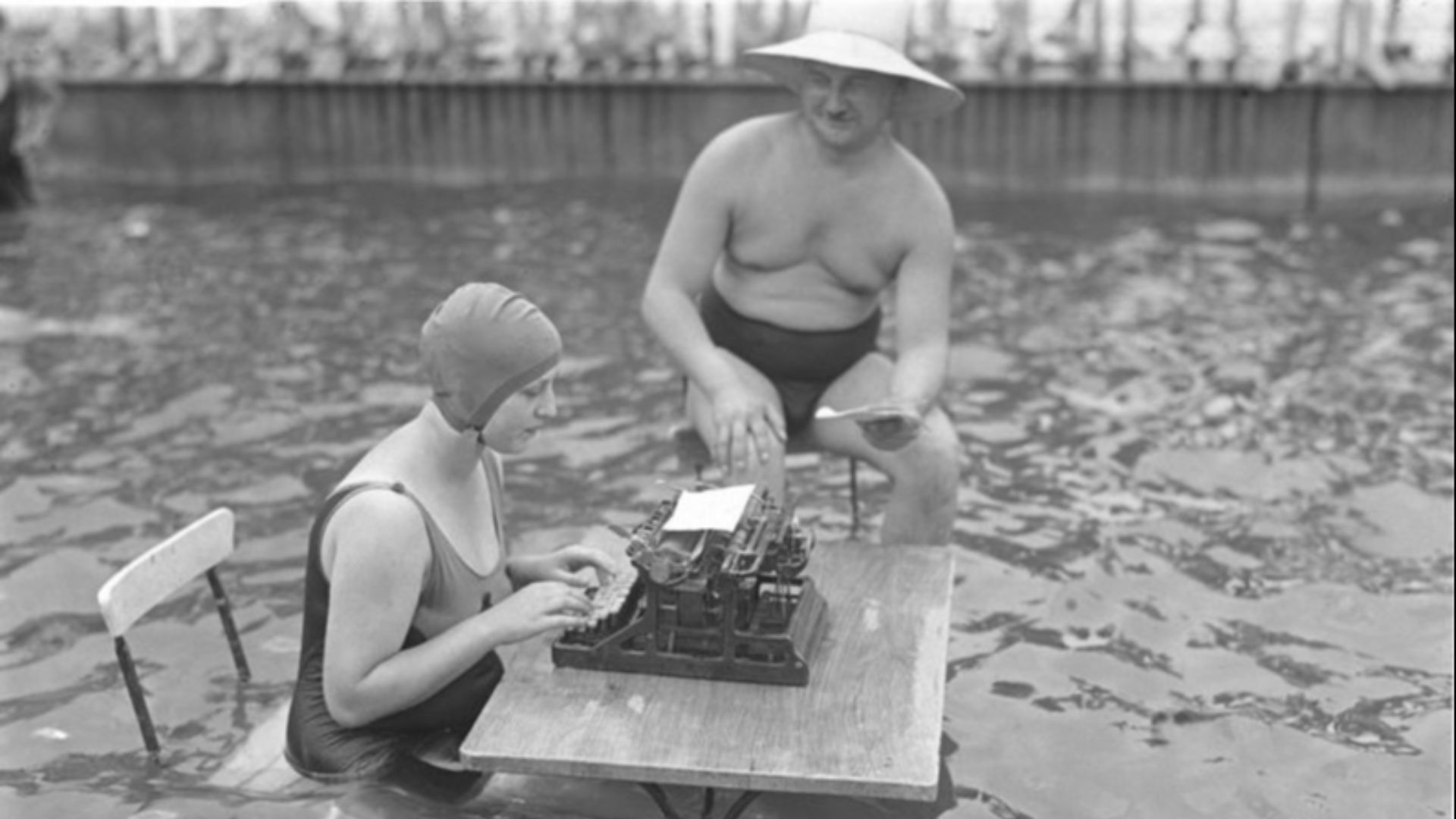
18. Typing Pool Secretary
Offices used to employ rooms full of typists who converted handwritten drafts into clean, formatted documents, often working straight from shorthand notes. Word processors moved typing directly onto the desk of whoever wrote the document, and typing pools disappeared through the 1980s and 1990s.
19. Answering Service Operator
Doctors and businesses used to pay a service where a real person answered calls after hours and relayed messages by hand. Operators kept notepads full of names and callback numbers for the next morning. Answering machines, and later voicemail, took over the job through the 1980s and 1990s.
 Ballarat Heritage Services on Wikimedia
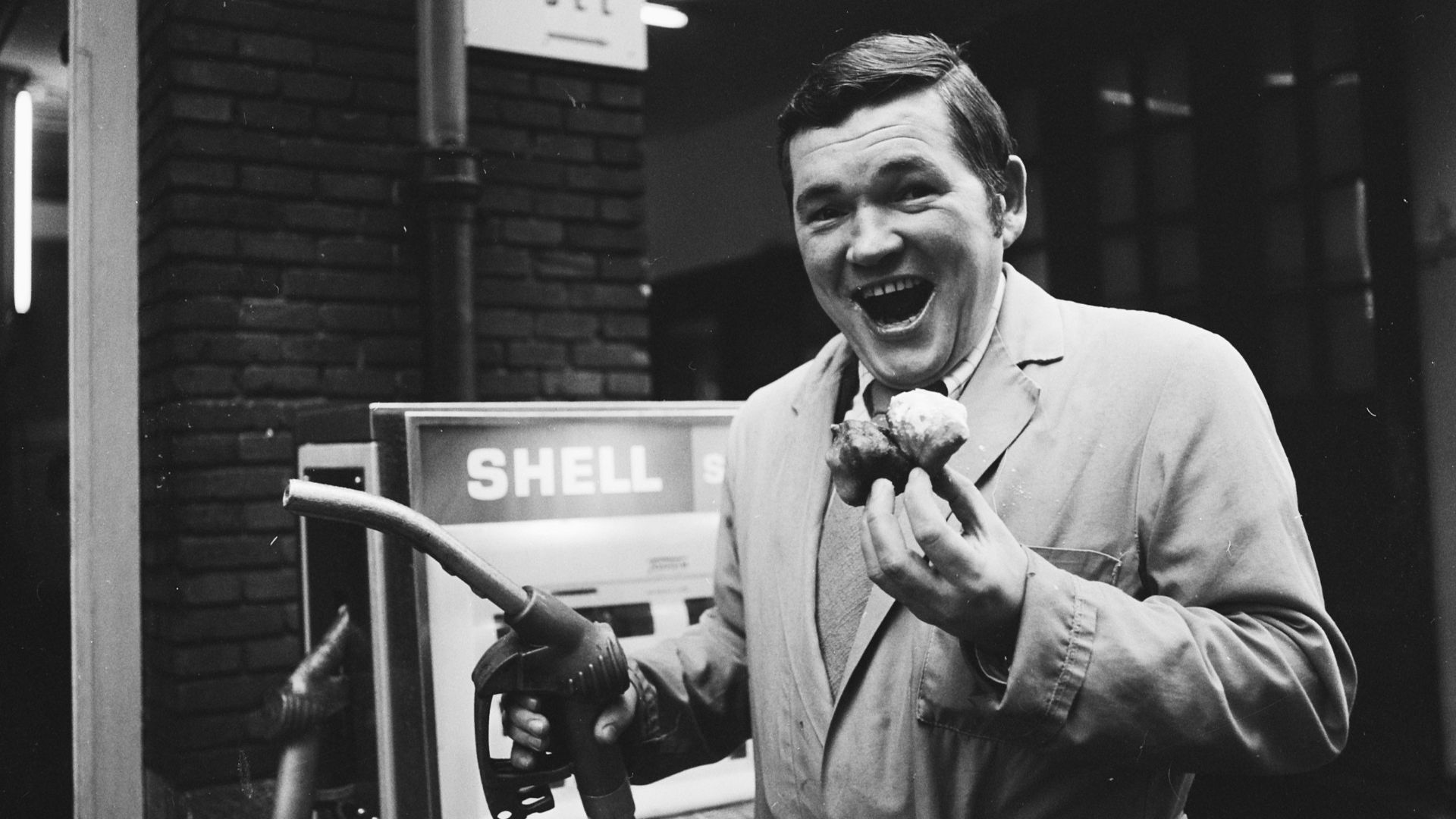
20. Full-Service Gas Station Attendant
Pulling into a gas station used to mean someone else pumped your gas and washed your windshield while you waited in the car. It was just a normal part of the fill-up. Self-service pumps spread through most of the country by the 1970s and 1980s, and the job survives now in only a couple of states that still require it by law.