
When Innovation Meets Controversy
Having an innovative idea and millions of dollars in funding doesn't necessarily guarantee a technology company's longevity, particularly when its business practices start attracting attention for all the wrong reasons. From social media platforms that became notorious for facilitating harassment to technology manufacturers that concealed dangerous product defects, some companies have managed to destroy years of progress through remarkably poor decisions. Others underestimated the legal and ethical implications of the very technologies that made them successful. Here are 20 tech scandals that brought once-promising companies to their knees.
1. Cambridge Analytica's Facebook Privacy Scandal
Few companies have done as much to damage public trust in social media as Cambridge Analytica. The political consulting and data analytics firm obtained personal information from tens of millions of Facebook users without their informed consent, using the data to help target potential voters. When the scandal came to light in 2018, the company quickly lost clients, faced international scrutiny, and ultimately filed for bankruptcy.
2. Yik Yak's Cyberbullying Problem
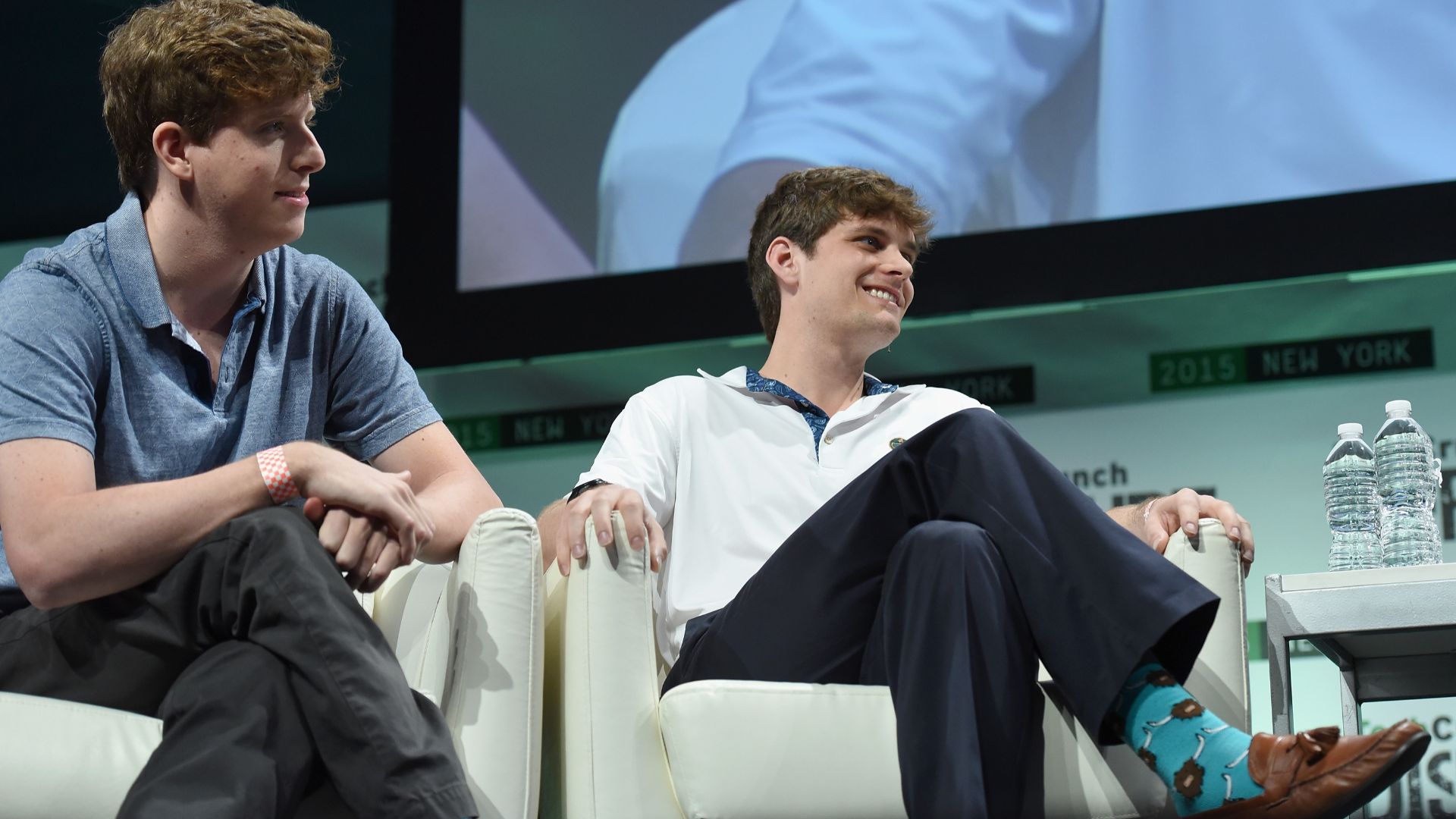
Once valued at approximately $400 million, Yik Yak was particularly popular among college students who enjoyed anonymously sharing gossip with other people nearby. Unfortunately, the very anonymity that made the app so appealing also made it easy for users to harass others, engage in bullying, and post discriminatory comments, prompting some schools to ban it. As its popularity dwindled, the original company shut down in 2017, although the app was later revived under new ownership.
3. Jumpshot's Sale of Private Browsing Data
Considering that Avast specialized in protecting people from cybersecurity threats, the revelations surrounding its marketing analytics subsidiary, Jumpshot, were particularly troubling. The company sold browsing data collected through Avast's antivirus software, giving corporate clients remarkably detailed insights into people's online activities. After facing widespread criticism over the privacy implications of these practices, Avast announced in January 2020 that it was shutting down the business.

4. Grooveshark's Copyright Infringement Scandal
Before Spotify became the go-to music streaming service for millions of listeners, Grooveshark offered an extensive online music library that users could access for free. The problem was that the company hadn't secured the necessary licensing agreements for much of the music available on its platform. Following years of legal battles with major record labels, Grooveshark agreed to permanently shut down in 2015 as part of a settlement.

5. Upload's Toxic Workplace Allegations
Virtual reality startup Upload hoped to make a name for itself in the emerging VR industry through educational programs, events, and coworking spaces. However, its reputation took a serious hit in 2017 when a former employee filed a lawsuit alleging sexual harassment, gender discrimination, and wrongful termination. Despite settling the lawsuit, the startup struggled to secure additional funding and closed its San Francisco and Los Angeles offices the following year, although its independently operated publication survived.

6. Lernout & Hauspie's Fictional Customers
Belgian software company Lernout & Hauspie was developing sophisticated speech recognition and translation technology long before voice assistants became a household staple. Much of its apparent financial success was attributed to its rapidly growing Asian operations, where hundreds of millions of dollars in reported revenue turned out to be fraudulent. The accounting scandal led to bankruptcy proceedings in 2000, and the company's once-promising technology was eventually sold off.

7. Lily Robotics' Deceptive Promotional Video
A camera drone that could automatically follow you around sounded like a dream come true for outdoor enthusiasts and amateur filmmakers. Lily Robotics secured approximately $34 million in preorders, but prosecutors alleged that its impressive promotional video included footage captured using another manufacturer's drone. Unable to raise enough money to fulfill its orders, the startup shut down in 2017 without ever delivering its highly anticipated product.

8. Takata's Deadly Airbag Technology
Japanese automotive safety technology manufacturer Takata spent decades supplying some of the world's biggest automakers with airbags. Unfortunately, the company's defective airbag inflators could rupture during deployment, and employees had falsified testing data to hide problems with their performance. The resulting worldwide recall, criminal proceedings, and overwhelming financial liabilities eventually forced Takata into bankruptcy in 2017.

9. Aereo's Controversial Television Streaming Technology
Aereo developed an innovative system that allowed subscribers to watch and record broadcast television online using miniature antennas, potentially saving them from having to pay for expensive cable packages. However, major television networks weren't happy about the company retransmitting their programming without paying the appropriate fees. In 2014, the Supreme Court ruled that Aereo's service violated broadcasters' copyrights, effectively dismantling its entire business model and forcing the company into bankruptcy.

10. Mt. Gox's Catastrophic Security Breach
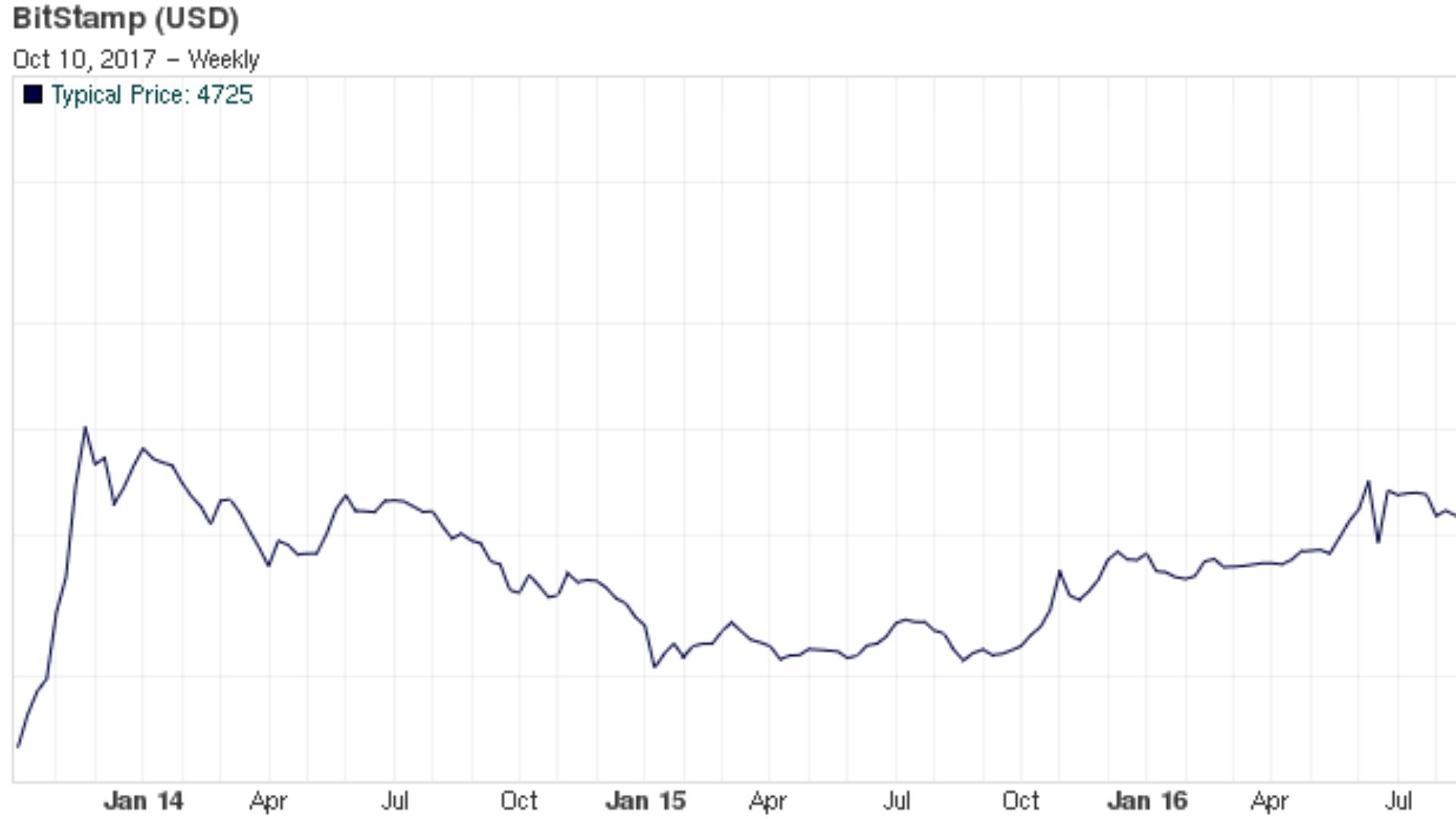
During Bitcoin's early years, Tokyo-based Mt. Gox became the world's leading cryptocurrency exchange, handling the majority of global Bitcoin transactions at its peak. Customers were in for an unpleasant surprise in February 2014 when the exchange suspended trading and revealed that enormous amounts of cryptocurrency had gone missing. The incident exposed just how vulnerable customers' assets had been to theft, and the company soon found itself filing for bankruptcy.
11. Peregrine Systems' Inflated Software Sales
Enterprise software might not sound like the most exciting industry, but Peregrine Systems was attracting plenty of attention from investors around the turn of the millennium. In reality, the company had been recording revenue from questionable transactions to give the impression that its sales were steadily growing. Once the scandal became public, Peregrine filed for bankruptcy in 2002 and was eventually acquired by Hewlett-Packard in 2005.
12. Builder.ai's Questionable Revenue Figures
Backed by prominent investors, including Microsoft, Builder.ai marketed an artificial intelligence platform designed to simplify the complicated process of developing apps. Although the company faced allegations that its technology relied more heavily on human engineers than its marketing suggested, its financial reporting ultimately proved to be a bigger problem. An internal investigation raised concerns about potentially fabricated sales, and the once-billion-dollar startup entered insolvency proceedings in 2025.

13. Skully's Alleged Extravagant Spending
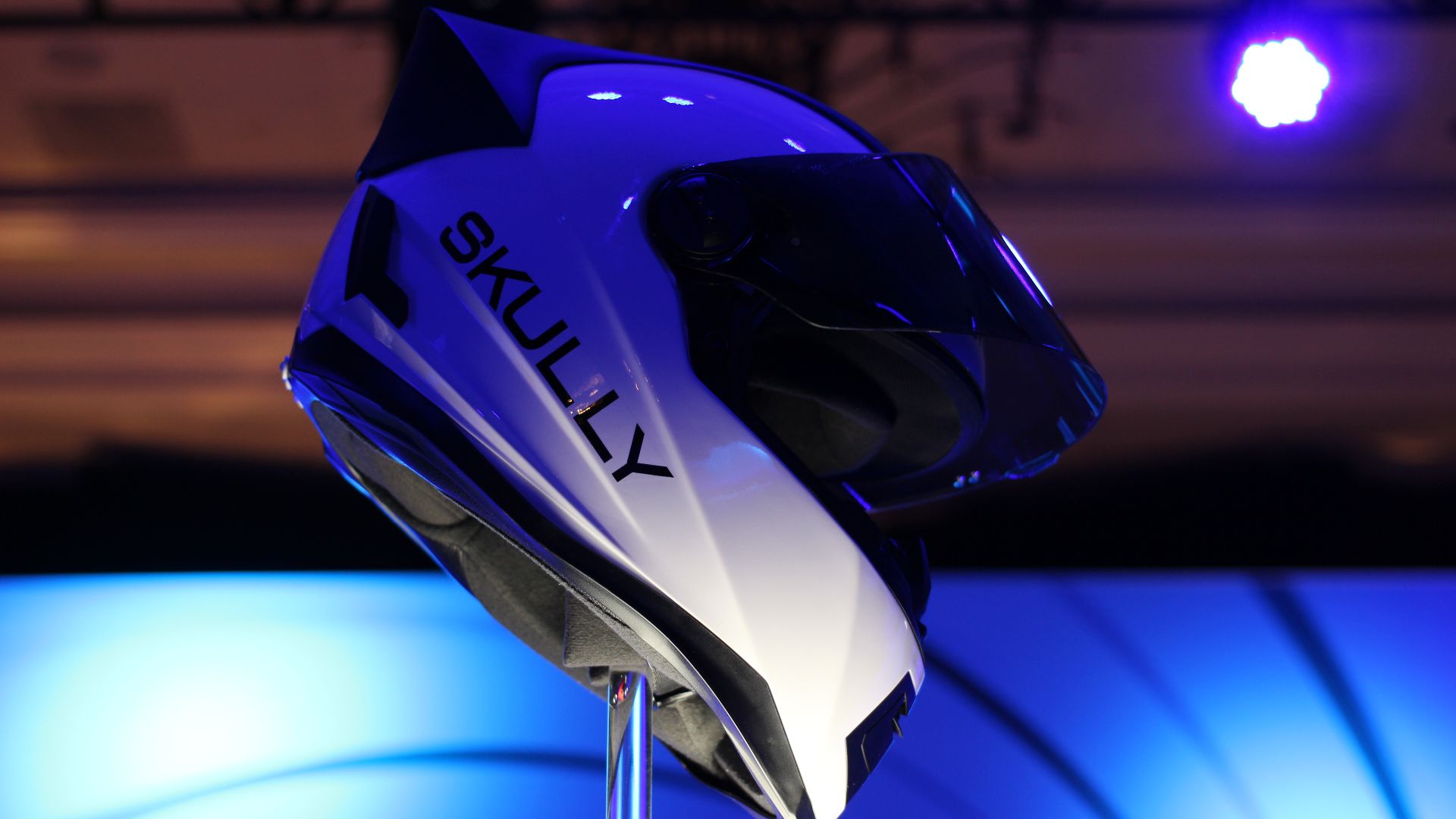
Motorcyclists were understandably excited about Skully's futuristic helmet, which featured a rearview camera, navigation capabilities, and an augmented reality display. Unfortunately, a former employee alleged that the company's founders had been spending corporate funds on everything from sports cars to personal living expenses. The original startup shut down in 2016, leaving numerous crowdfunding backers wondering what had happened to the expensive helmets they'd ordered.
 Maurizio Pesce from Milan, Italia on Wikimedia
14. Gawker Media's Invasion of Privacy Lawsuit
Having built a successful digital publishing empire that included popular websites like Gizmodo and Lifehacker, Gawker Media was among the most influential online media companies of its era. Its controversial editorial practices eventually caught up with it when professional wrestler Hulk Hogan sued over the unauthorized publication of an intimate video. A $140 million jury verdict in 2016 forced the company into bankruptcy, resulting in the sale of its other publications and the closure of its flagship website.
15. Pixelon's Founder Living Under a False Identity
During the dot-com boom, Pixelon promised to revolutionize online video streaming and spent millions of dollars on an extravagant launch party featuring performances by The Who and KISS. The festivities didn't exactly go according to plan, as the company's much-hyped streaming technology struggled during the event. Things got considerably worse when founder Michael Fenne was exposed as David Kim Stanley, a convicted embezzler living under an assumed identity, shortly before Pixelon filed for bankruptcy in 2000.

16. pcTattletale's Exposure of Sensitive User Data
The company behind pcTattletale sold surveillance software that allowed customers to remotely monitor activity on other people's devices, marketing it for purposes including employee supervision. The technology raised serious privacy concerns because it could also facilitate unauthorized surveillance of romantic partners. In a particularly embarrassing development for a company specializing in surveillance, a 2024 security breach exposed sensitive information stored on its own servers, prompting its founder to shut down the business.

17. Bitwise Industries' Fake Bank Statements
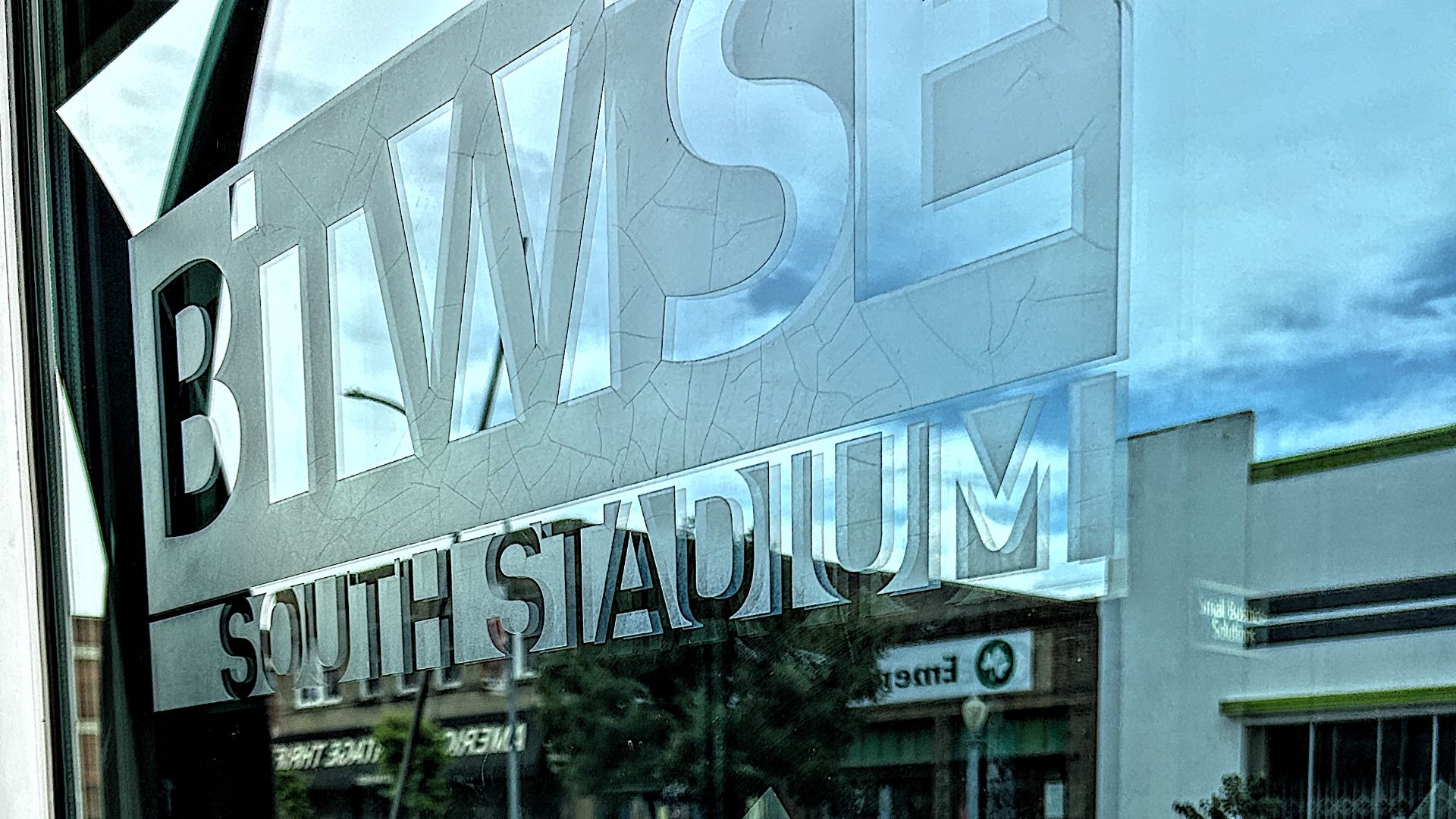
Bitwise Industries had an admirable mission of bringing technology jobs and educational opportunities to underserved communities. Behind its socially conscious public image, however, the company's founders were using forged financial documents and fabricated bank statements to secure funding. Hundreds of employees unexpectedly found themselves out of work in 2023, and both founders eventually pleaded guilty to their involvement in a $115 million fraud scheme.
18. Celsius Network's Misleading Investment Promises
Cryptocurrency lending platform Celsius attracted customers by offering generous returns on digital assets while presenting itself as a relatively safe alternative to conventional banking. What customers didn't realize was that founder Alexander Mashinsky was concealing the risks associated with the company's investments and artificially manipulating the price of its proprietary cryptocurrency. After Celsius froze customer withdrawals and filed for bankruptcy in 2022, Mashinsky eventually pleaded guilty to fraud and received a 12-year prison sentence in 2025.
 André François McKenzie on Unsplash
19. Nortel Networks' Accounting Manipulation
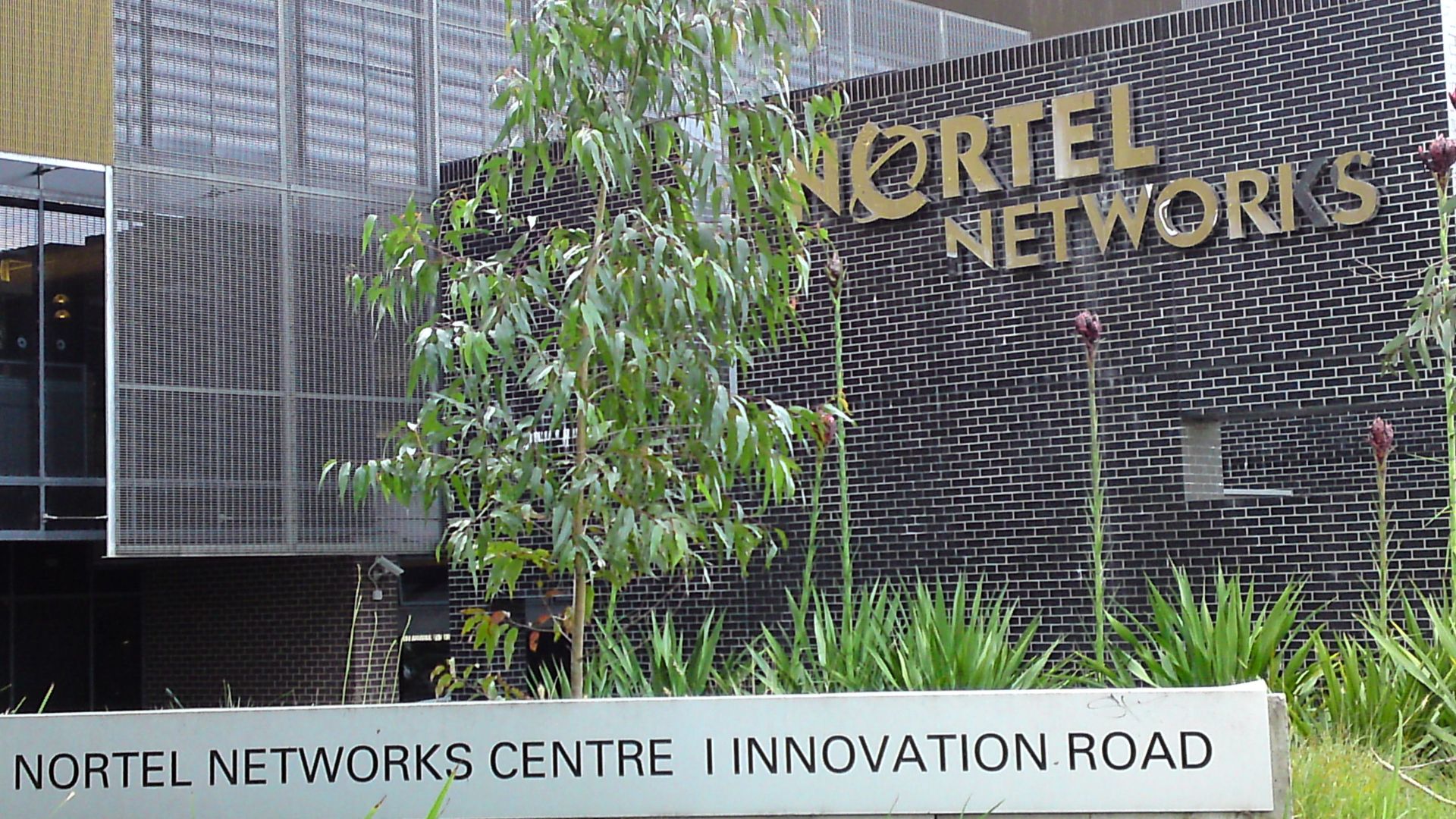
There was a time when Canadian telecommunications equipment manufacturer Nortel Networks ranked among the most valuable technology companies in the world. Accounting irregularities emerged following the dot-com crash, and the company eventually agreed to pay $35 million to settle financial fraud allegations without admitting wrongdoing. Between its tarnished reputation, mounting financial troubles, and increasingly difficult market conditions, Nortel was unable to regain its footing and filed for bankruptcy protection in 2009.
 Mw12310 at English Wikipedia on Wikimedia
20. Ozy Media's Executive Impersonation Scandal
Digital media startup Ozy had attracted prominent investors, celebrity guests, and considerable attention for its ambitious programming. Perhaps the strangest incident in the company's history involved a senior employee impersonating a YouTube executive during a conference call with prospective investors from Goldman Sachs. Further revelations about fabricated financial figures and misleading business claims destroyed what remained of the company's credibility, and both Ozy and its founder were convicted of fraud-related offenses in 2024.