
The Workarounds Are Getting Harder To Find
For now, most of us can still do things the old way. You can pick up the phone and call a business, or sit down and write a cover letter yourself. As more companies put AI at the front of everyday services, though, the manual route tends to take a little more effort each time. Some of these shifts are already well underway. Here are 20 things that could become surprisingly difficult to do without an AI assistant.

1. Reaching A Human Customer Service Agent
If you've ever mashed zero on a phone menu hoping for a person, you know how this goes. AI chat now sits in front of a lot of those menus, and one research firm expects AI agents to resolve most common service issues on their own within a few years. In one survey, customers' top worry was that reaching a person will get harder, and almost two-thirds said they'd rather companies skipped AI for customer service entirely.

2. Getting A Person To Read Your Resume
You can spend an evening polishing your resume, and there's a good chance software reads it before a person does. In one survey, 82% of companies said they use AI to review resumes. Another found that 61% of US employers use it to screen them.

3. Interviewing For A Job With A Person
A first-round interview used to mean a phone call with a recruiter. Now about one in five US employers use AI-led interviews to screen candidates, according to one survey. So a lot of applicants are practicing their answers for software instead of a hiring manager.
 Christina @ wocintechchat.com M on Unsplash
4. Finding Answers The Old-Fashioned Way Online
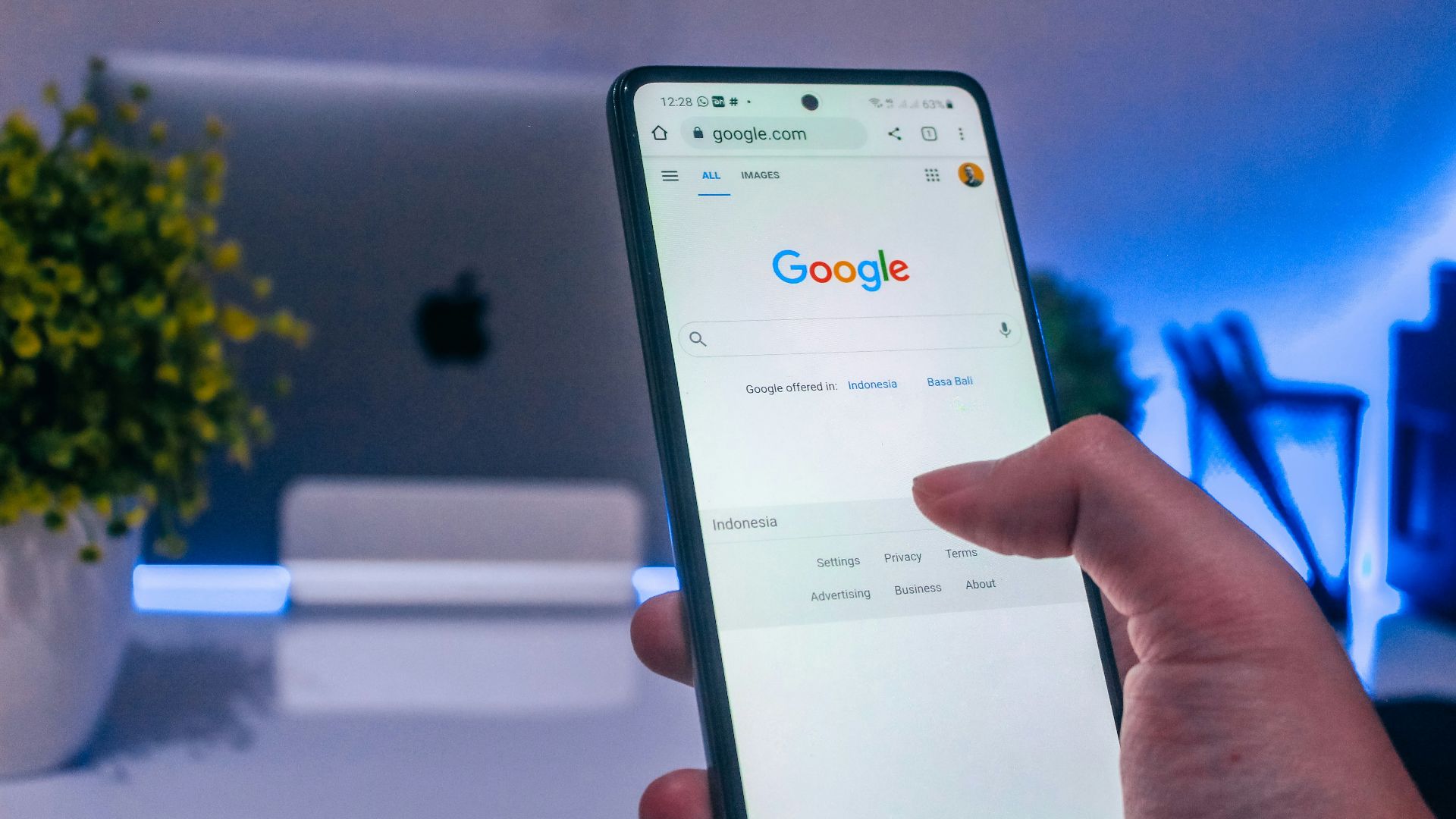
Google's AI Overviews now reach more than 2 billion people a month, and one study found people clicked a regular link on just 8% of searches that showed one. That's about half the rate for searches without a summary, though Google has disputed the study's methods.
5. Using Microsoft Office Without Copilot
If you pay for Microsoft 365 at home in the US, your bill may have gone up $3 a month. Microsoft folded its Copilot assistant into the Personal and Family plans, the first price increase since the service launched. A Classic plan without the AI was offered, though only for a limited time.
 Glenn Carstens-Peters on Unsplash
6. Keeping Up At An AI-First Company
Shopify's CEO told employees that using AI is a baseline expectation, and teams have to show AI can't do the work before they ask to hire someone. Questions about AI use even made it into performance and peer reviews, and the policy applies all the way up to the executive team.
7. Writing Software From Scratch
Google says about three-quarters of its new code is now generated by AI and then reviewed by engineers, up from about a quarter not long before. Engineers there spend more of their day checking what the AI writes instead of writing most of the code themselves.

8. Getting Quick Help From Your Bank
Bank of America's assistant, Erica, has passed 3 billion client interactions with nearly 50 million people, adding up to more than 18 million hours of conversation. As more routine banking runs through assistants like it, getting a quick answer from a person may take a little more digging.

9. Shopping Online Without A Bot Chiming In
You've probably noticed Amazon nudging you toward its shopping assistant. More than 300 million customers used it in a single year, and Amazon credits it with nearly $12 billion in extra sales. The assistant, now called Alexa for Shopping, can even buy something automatically once it drops to a price you set.

10. Checking Out On Your Own
Visa and Mastercard are building ways for AI agents to finish a purchase for you, within limits you set. Nearly half of US shoppers already use AI for at least one shopping task, according to Visa's own research. Plenty of people are still wary of letting a bot have the final say on their money.
11. Calling A Local Business And Getting A Person
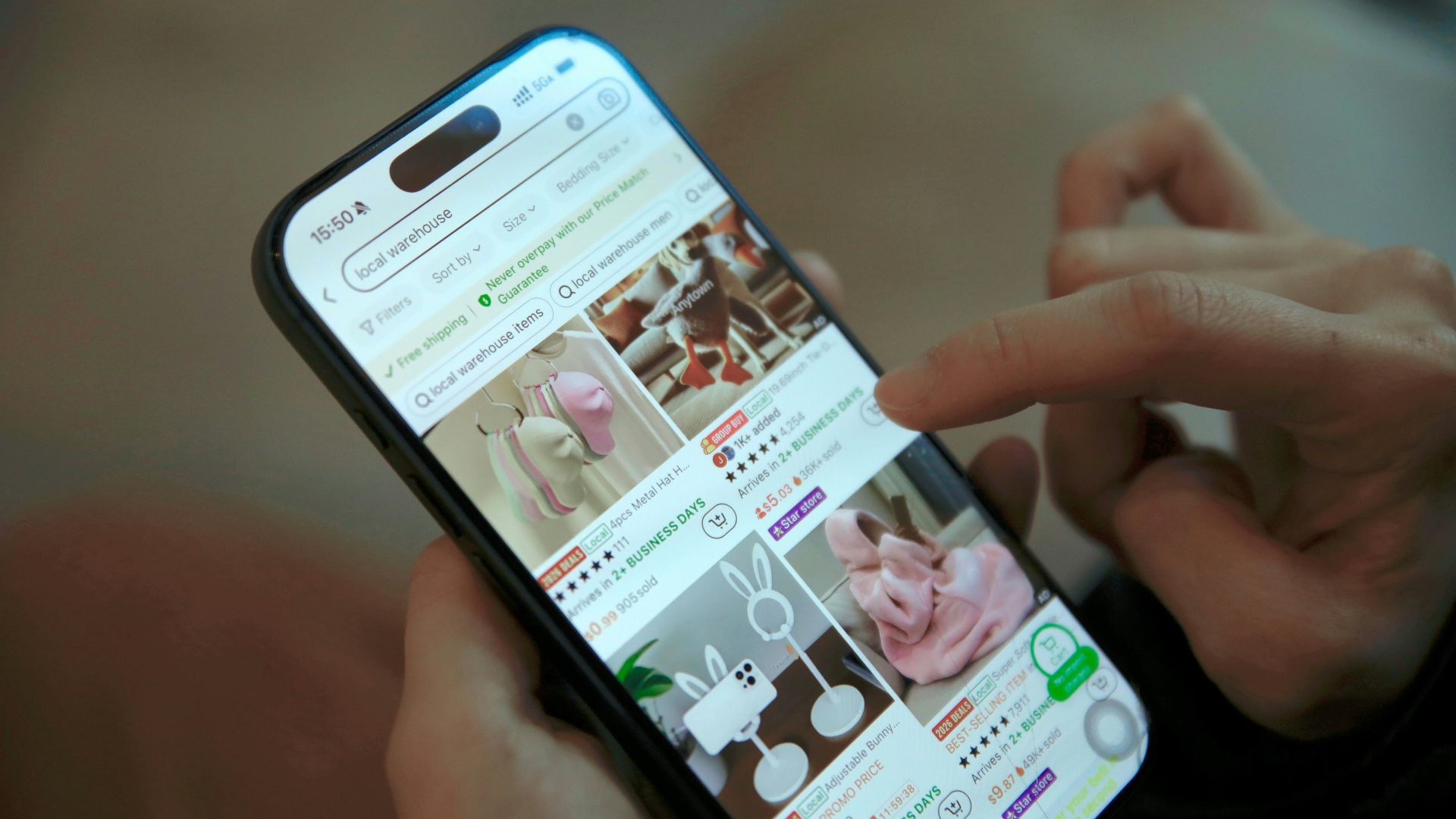
Calling your dentist to move an appointment may soon mean talking to software. Salons and dentists' offices are among the small businesses swapping their phone menus for AI agents that can book appointments at any hour. Car dealers and insurance offices, which field lots of calls, have been quick to switch too.

12. Fighting A Health Insurance Denial
Fewer than 1% of health coverage denials are ever appealed, and patients lose more than half of the appeals they do file. A handful of companies and nonprofits now use AI to draft appeal letters, some of them for free, though results have been mixed.

13. Keeping Up With Paperwork As A Doctor
The next time your doctor seems less glued to the keyboard, an AI scribe might be the reason. These tools listen in and draft the visit notes, and at one large medical group they saved physicians about an hour a day. A study at a big academic health network found nearly every eligible doctor picked one up, and productivity rose by about 20%.

14. Taking Your Own Meeting Notes
There's a decent chance your last meeting had an AI taking notes. About one in five workers frequently use AI for meeting notes. (Somebody still has to show up for the bot to have anything to summarize.) In the same survey, 29% admitted skipping a meeting and leaning on the AI summary, with Gen Z workers the most likely to do it.

15. Talking With Someone Who Speaks Another Language
Traveling somewhere you don't speak the language is getting a lot less awkward. Newer AirPods can translate a conversation as it happens, so you hear the other person in your own language. Apple does warn that the translations can be inaccurate and suggests double-checking anything important.

16. Telling Real Job Applicants From Fake Ones
Hiring managers have their own AI headache. With so many applications now written by AI, it's harder for employers to tell which candidates are real people. In one survey, nine in ten employers said they believe they may have rejected real applicants because their applications looked fake.

17. Calling A Business Without A Bot Getting There First
If you run a bar or a bike shop, the person calling to ask about your hours might be a bot. AI agents are already placing those calls on people's behalf, and when one startup ran a batch of them in San Francisco, about 1 in 3 businesses stayed on the line after hearing it was an AI.

18. Sorting Out A Refund By Chat
Klarna's AI assistant took on two-thirds of the company's customer service chats in its very first month. It handled things like refunds and returns in under two minutes, down from about 11. The company later admitted that cost had weighed too heavily in the decision and started hiring human agents again.

19. Applying For Jobs As Fast As Everyone Else
In one survey, 80% of job seekers said they use AI tools in their search, and 86% of those said they'd applied to more jobs because of it. Anyone writing every application by hand is competing against all of that.
20. Keeping A Work Meeting Off The Record
One in three employed Americans say an AI notetaker has sat in on their work meetings, and only about a third of them say they were always asked first. A pending class action accuses Otter.ai of recording meetings without everyone's consent, which the company denies.