
The Case Against The Connected Everything
For about fifteen years, the idea was to put a chip in everything and give it an app. That's how we ended up needing accounts to use things that worked perfectly well without them. Now people are starting to wonder whether all that technology is actually making life easier. Car safety groups want real buttons back, lawmakers are raising privacy concerns, and buyers are questioning how much they really own when a company can switch off the software. Here are 20 reasons people are starting to have second thoughts about making everything smart.
 Solving Healthcare on Unsplash
1. Car Safety Testers Now Give Points For Buttons
Europe's car safety body changed its tests in January 2026 so the basic controls have to be actual buttons. Carmakers want that fifth star badly enough to redesign around it. Indicators and wipers are on the list, and so is the emergency call button. You can still get five stars with everything buried in a touchscreen, though it's harder now.
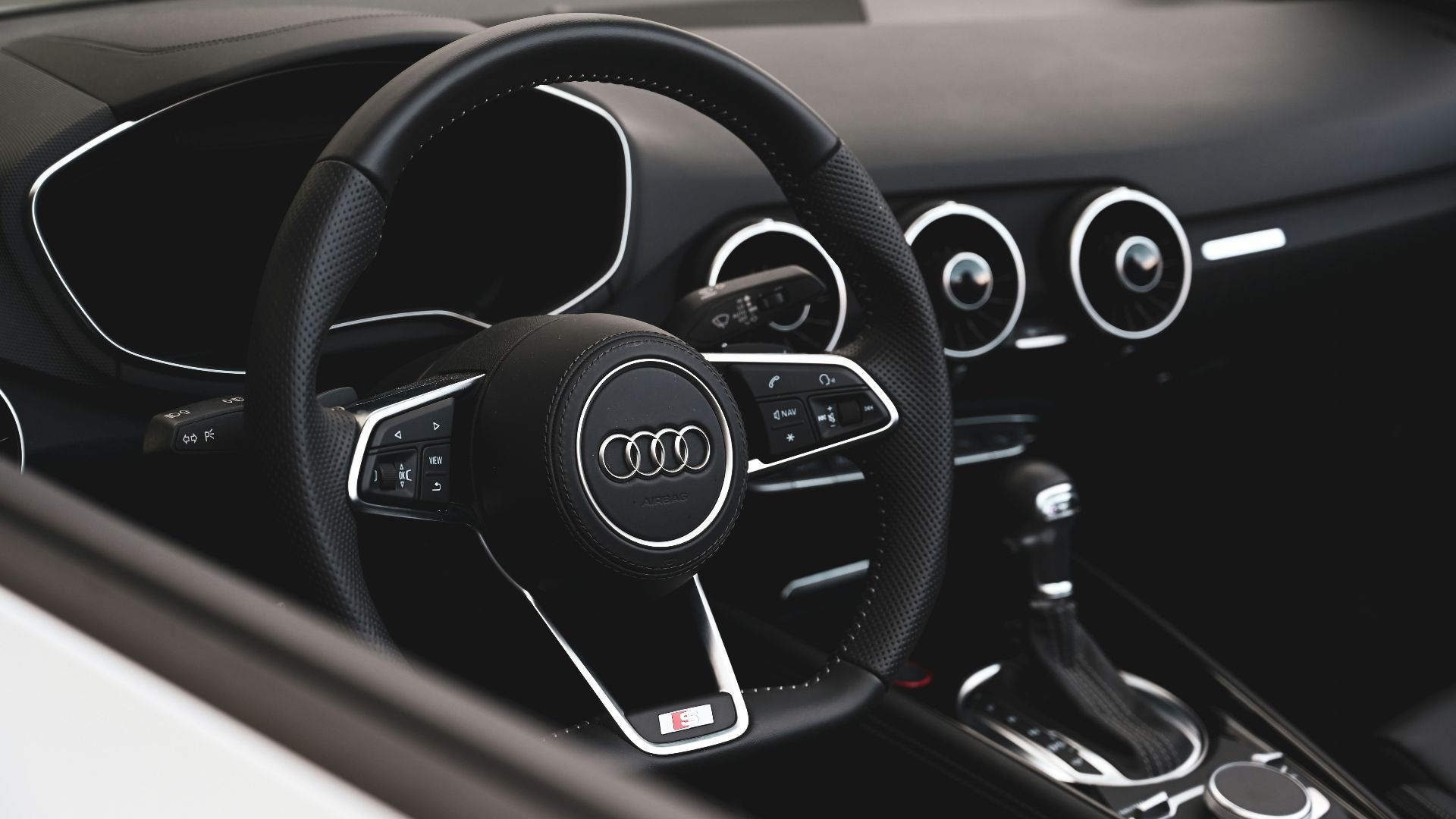
2. Carmakers Are Already Putting The Knobs Back
Audi put physical buttons and switches back in the Q7 and the car scored five stars under the new tests. The Kia EV2 did well on its controls too. The XPENG X9 kept the basics on a touchscreen and the score showed it. All of this gets published, so you can see which interiors were built with the test in mind.
3. You Pay Again For Hardware You Already Bought
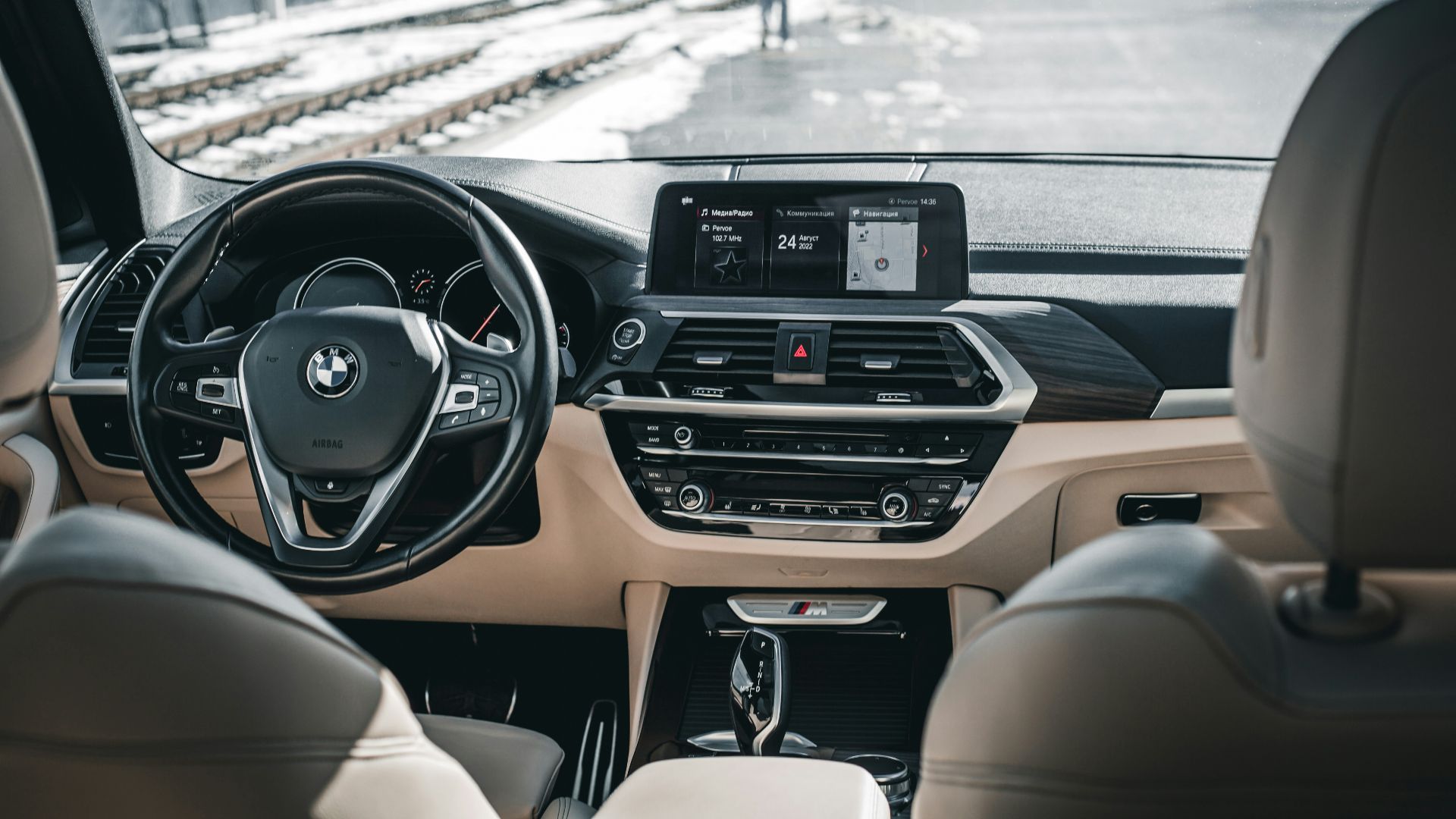
In 2022 BMW started charging about $18 a month to turn on heated seats that were already sitting in the car. The backlash was loud enough that the company dropped it the next year, and later admitted seat heating was probably not the best thing to start with. The wires had been in there the entire time.
4. The Pay-To-Unlock Idea Didn't Die
BMW kept the general approach after backing off the seats and moved it onto driver assistance and parking. Once you've seen that, it's hard not to assume anything switched on from a distance can be switched off again. Executives have said plainly that they still believe in the model.
5. Your TV Takes A Picture Of Its Own Screen
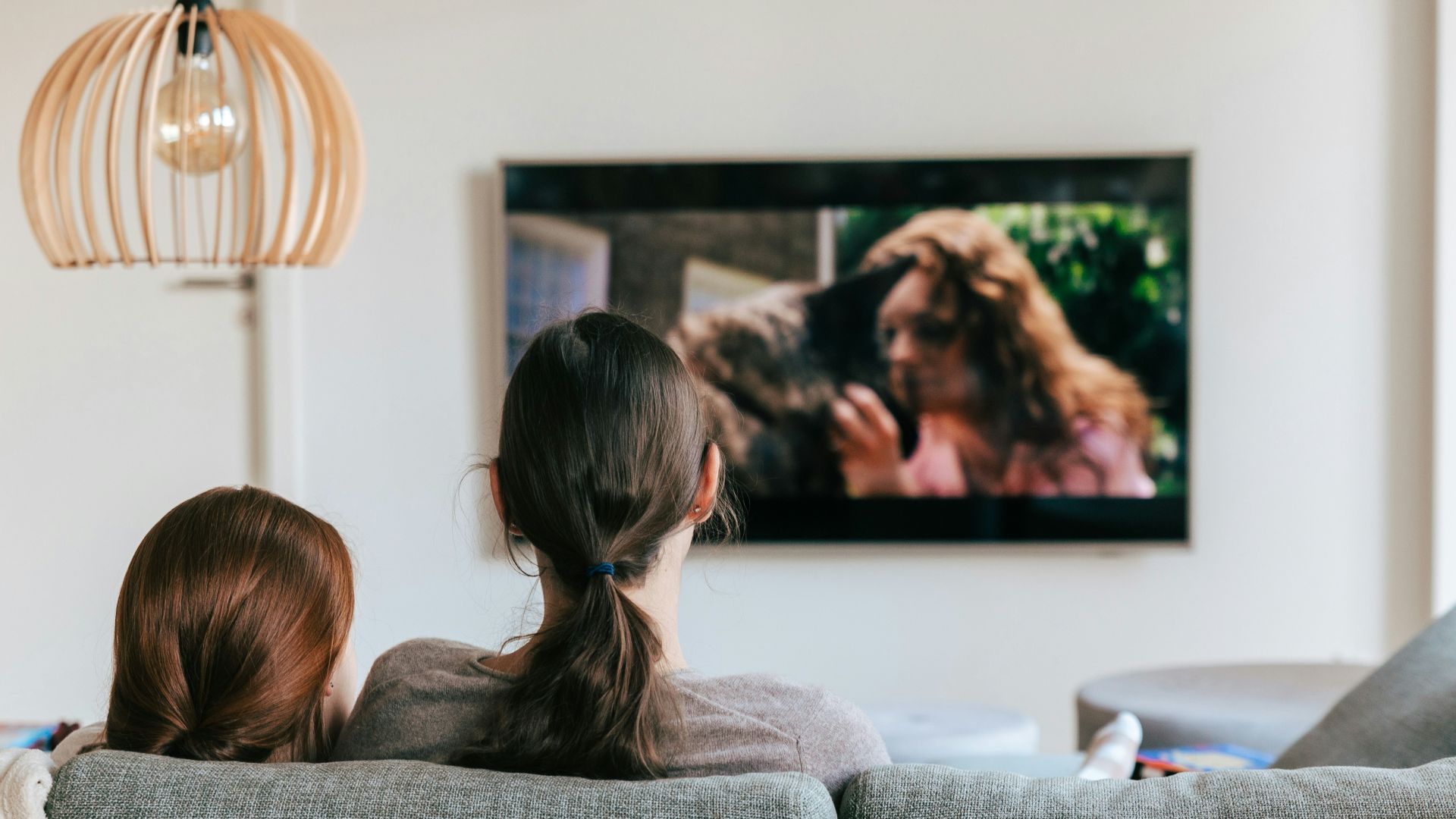
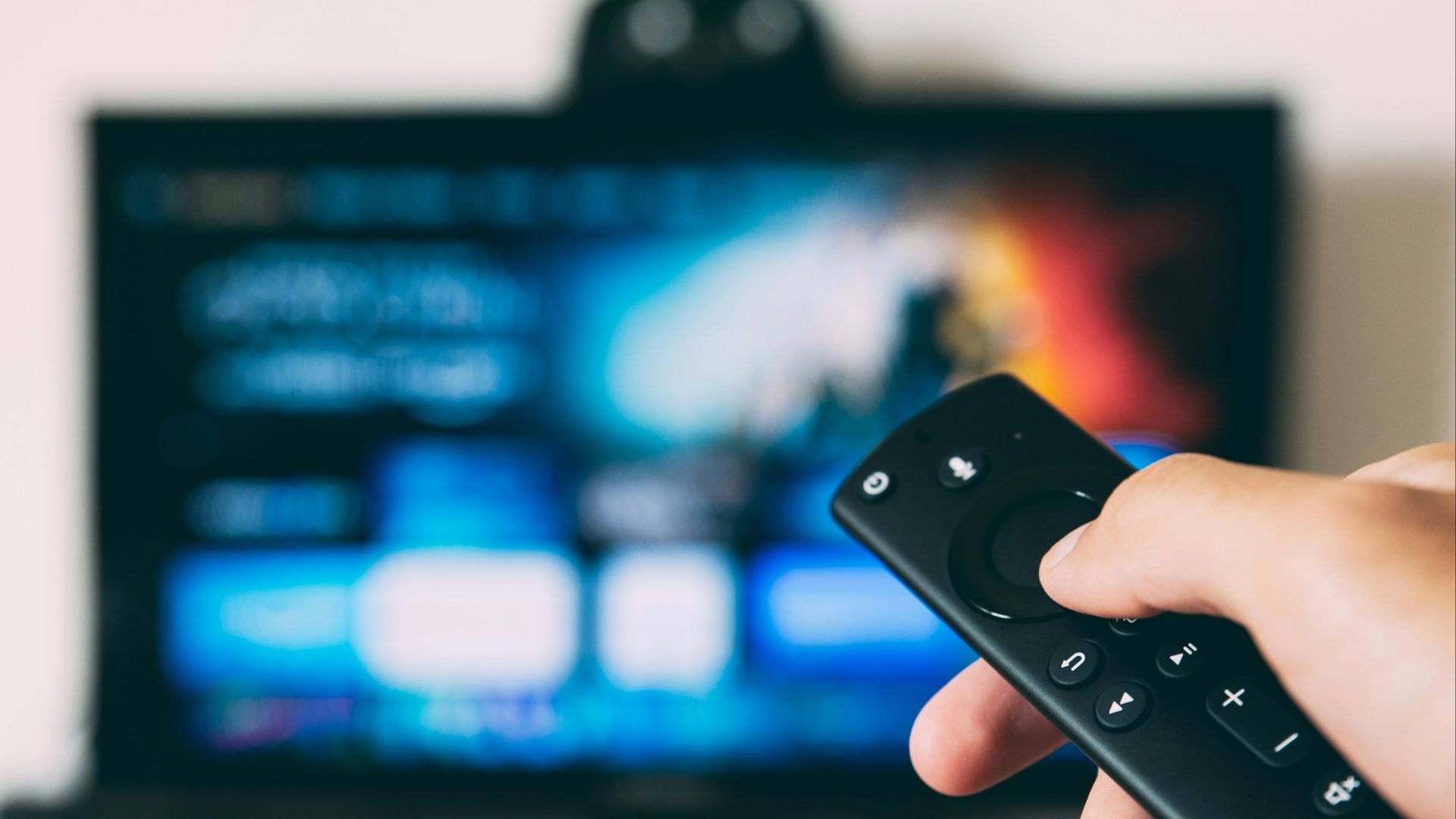
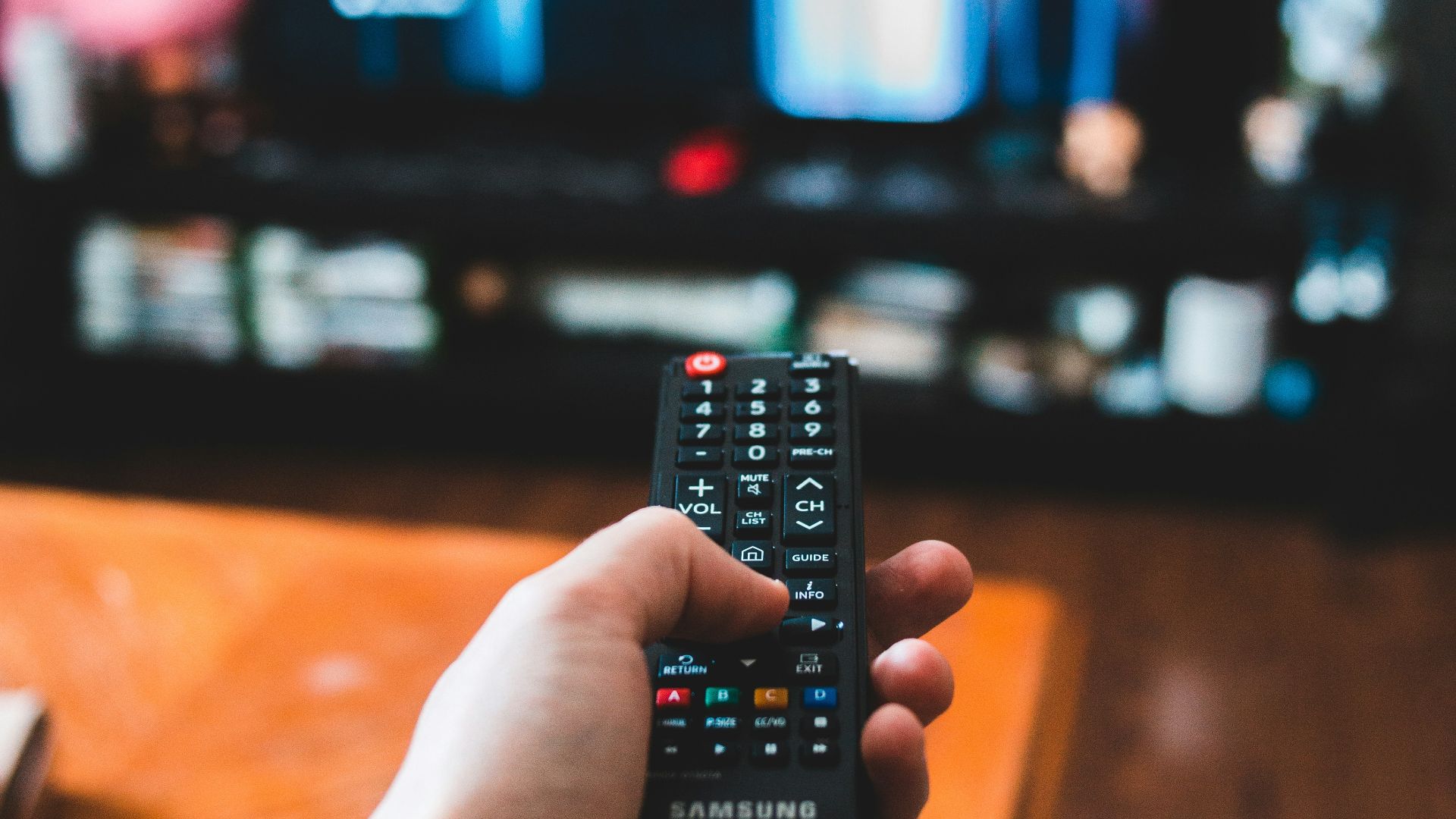
Most smart TVs can work out what you're watching by grabbing a still of the screen and matching it against a library. It's the same trick a song app uses to name a track off the radio. Samsung's own advertising says it takes one of those snapshots every half second. The results go back to the manufacturer and can be sold on to advertisers.
6. It Keeps Watching When It's Just A Screen
A 2024 study found the TV carries on doing this even when you're only using it as a monitor over HDMI. Your console games count, and so does whatever you plug in from a laptop. The same study found sets behave differently in the US and the UK, which suggests the local privacy rules are what decide it.
 Glenn Carstens-Peters on Unsplash
7. Switching It Off Is Harder Than It Should Be
Researchers who went looking for the off switch found it buried in different places on different sets, sometimes tied to losing other features. What the TVs reported collecting didn't always match what was actually going out. Samsung has since agreed with the Texas attorney general to stop gathering that data from people in Texas without asking first.
8. A Company Can Turn Your Device Off From Somewhere Else
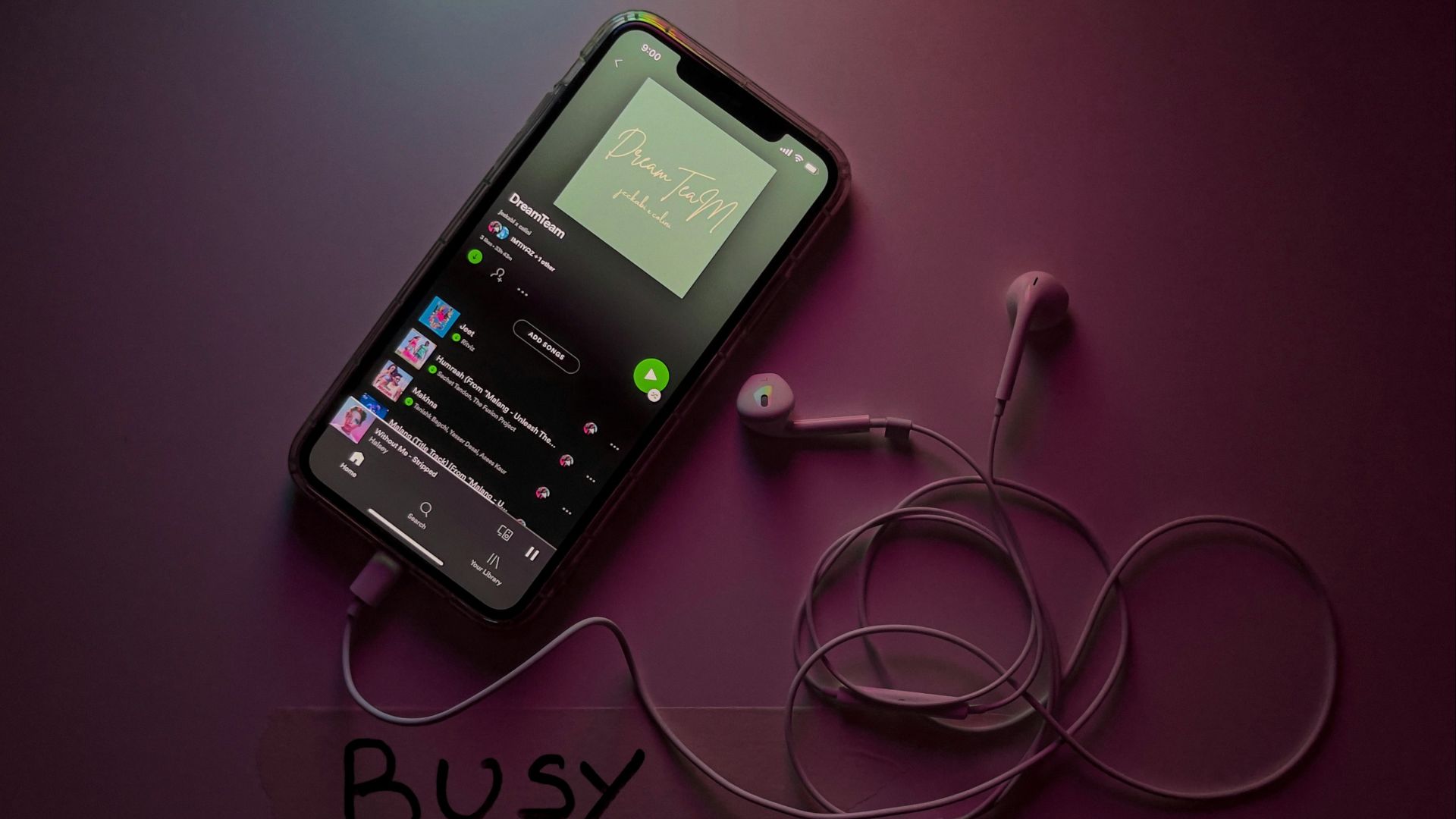
Spotify sold a little dashboard music controller for around $90, then stopped making it a couple of years later. On 9 December 2024 it switched off every single one. Anyone who powered theirs on after that got a message saying the thing was discontinued and no longer worked.
9. You Also Get Told To Bin It Yourself
When Spotify shut down its $90 Car Thing music controller in December 2024, it told owners to factory-reset the device and recycle it as electronic waste. There was no trade-in, and initially no refund. Owners flooded Spotify's forums with complaints about having to throw away perfectly good hardware because the company no longer wanted to support it. Spotify eventually offered refunds after the backlash, but only to customers who could provide proof of purchase.
10. The Terms Can Change After It's Yours
Roku locked people out of their own TVs and streaming boxes until they agreed to new terms that didn't exist when they bought the thing. A toaster can't do this to you, because there's nothing to agree to. Anyone who held out found the hardware stayed unusable until they gave in.
11. Repair Is Becoming A Legal Right
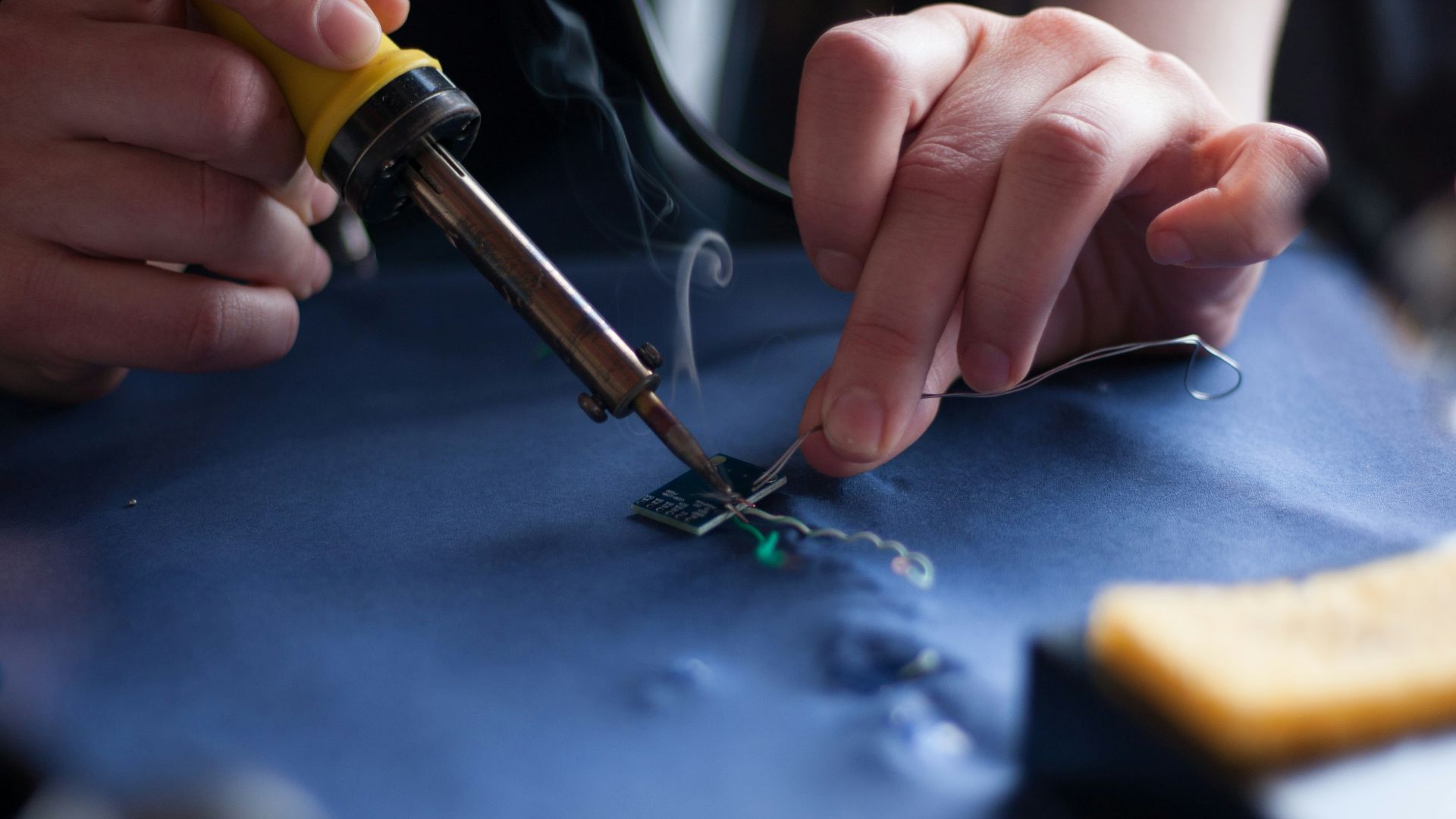
Thirteen US states had passed some kind of repair law by July 2026, with Connecticut and Texas joining that summer. A few of the newer ones ban parts pairing, where a replacement part refuses to work unless the manufacturer says it can. Something along these lines has been introduced in all fifty states.
12. Repairability Is Printed Next To The Price
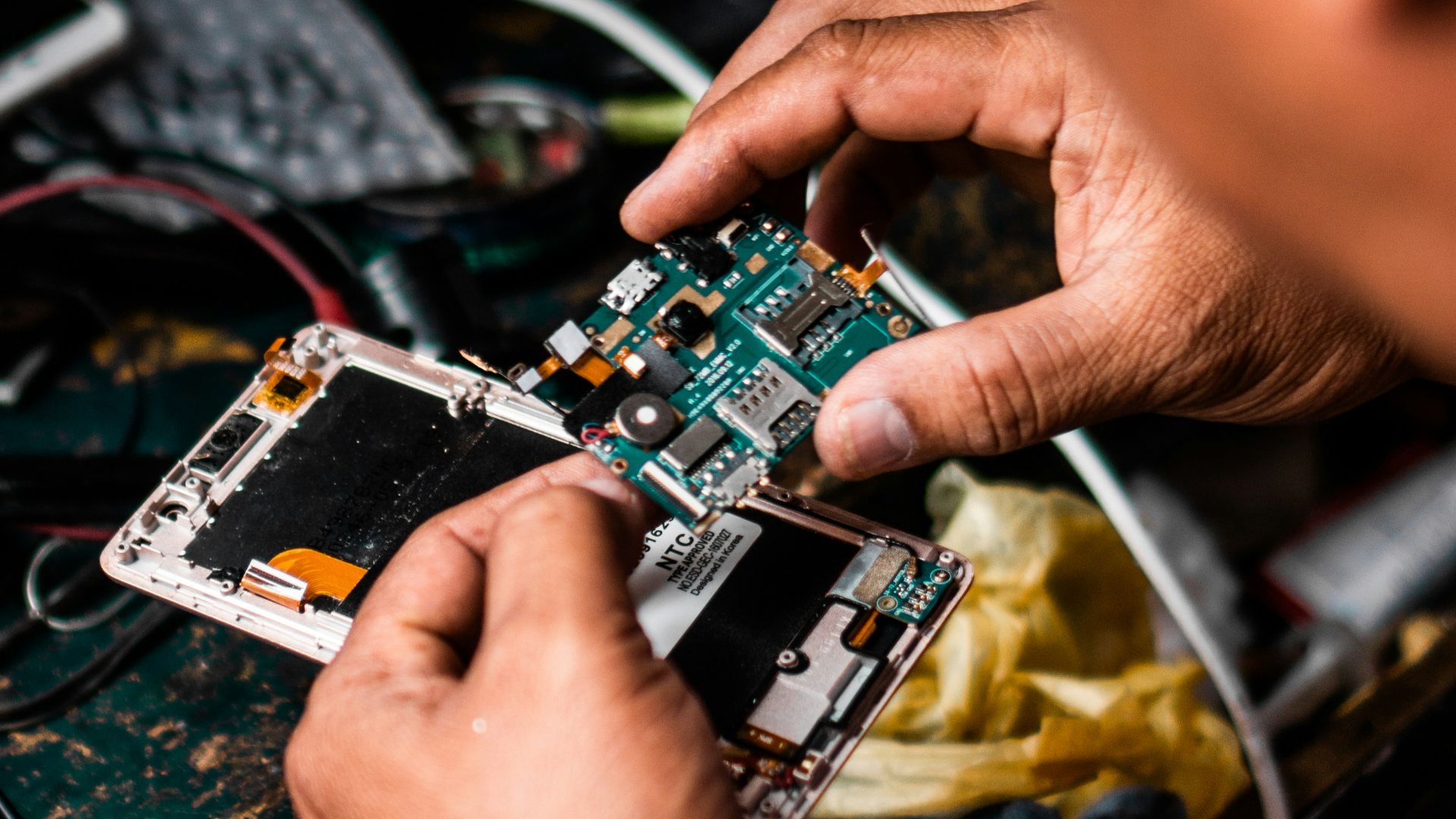
Phones and tablets sold in the EU have come with a label since June 2025 giving them a score for how easy they are to fix, and France has been doing its own version since 2021. Once that number sits next to the price, the simpler design starts winning arguments in the shop.
13. Those Labels Show How Bad It Got
Someone went through 2,334 phone models in the EU's database and found big holes in the repair instructions and the spare part prices. A year into the rules, around 80% of phones still didn't carry the information they were supposed to. A few manufacturers had given themselves top marks for repairability and left the links blank.
 Ruan Richard Rodrigues on Unsplash
14. An Alarm Clock Keeps Your Phone Out Of Bed
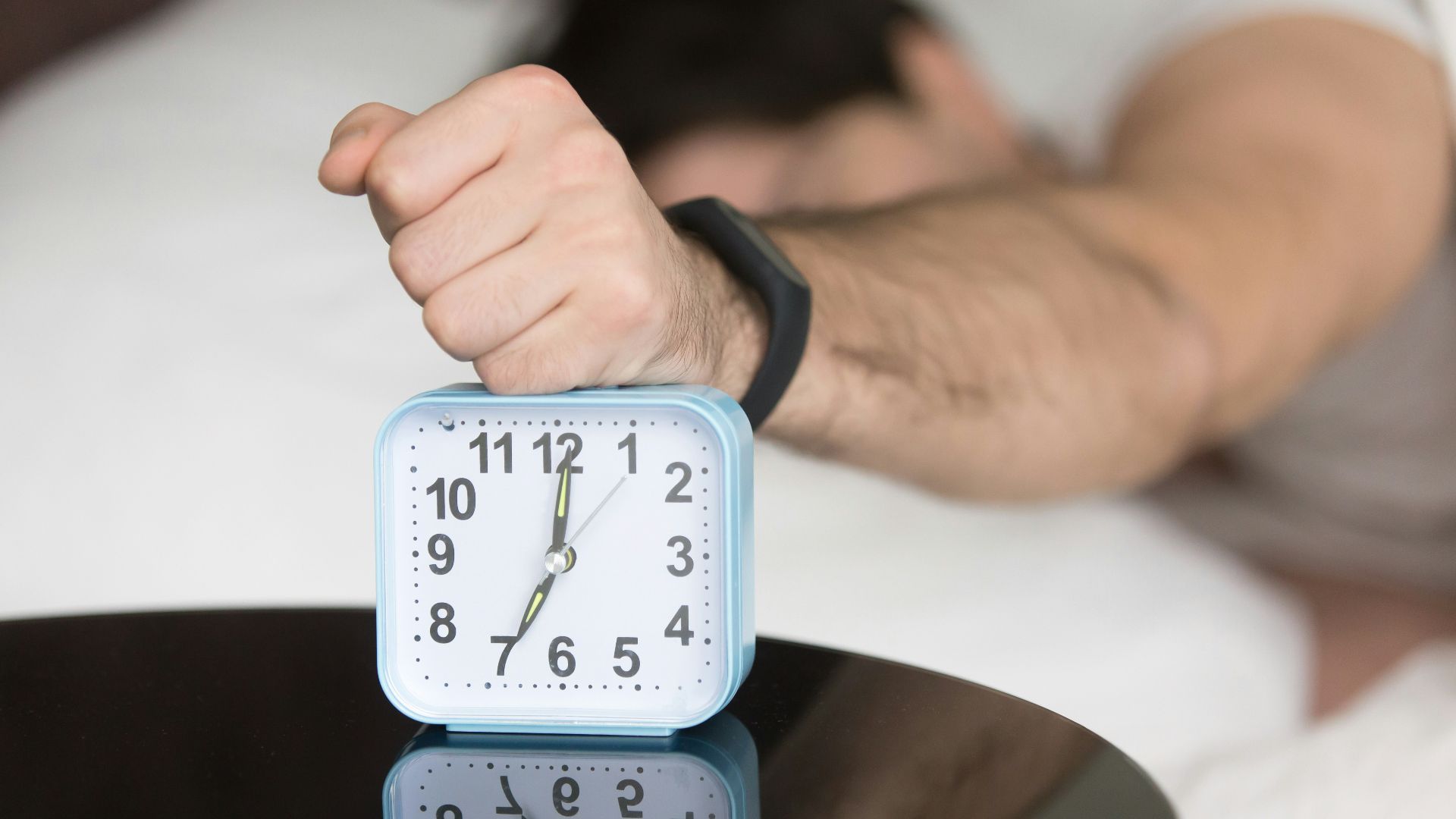
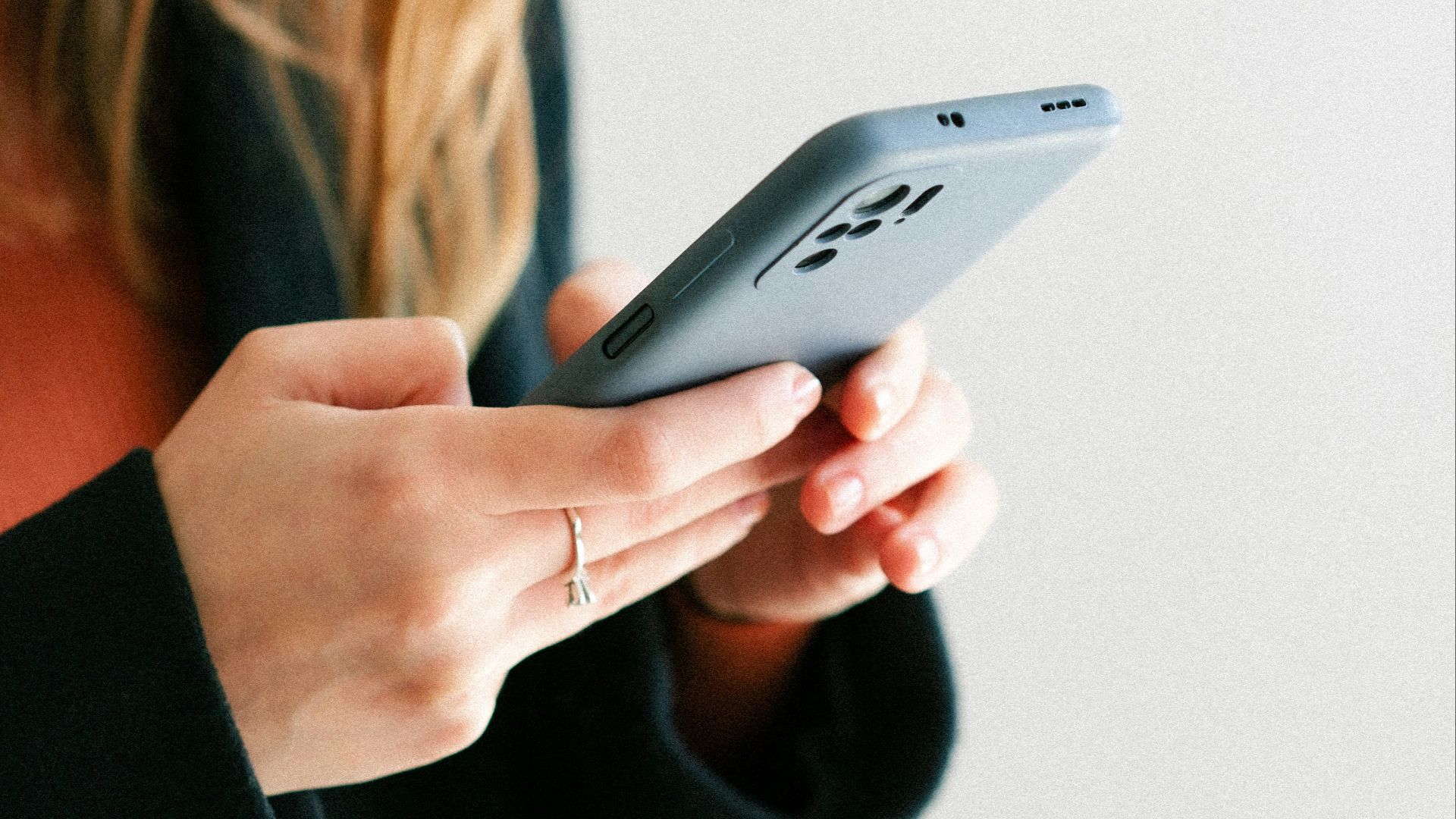
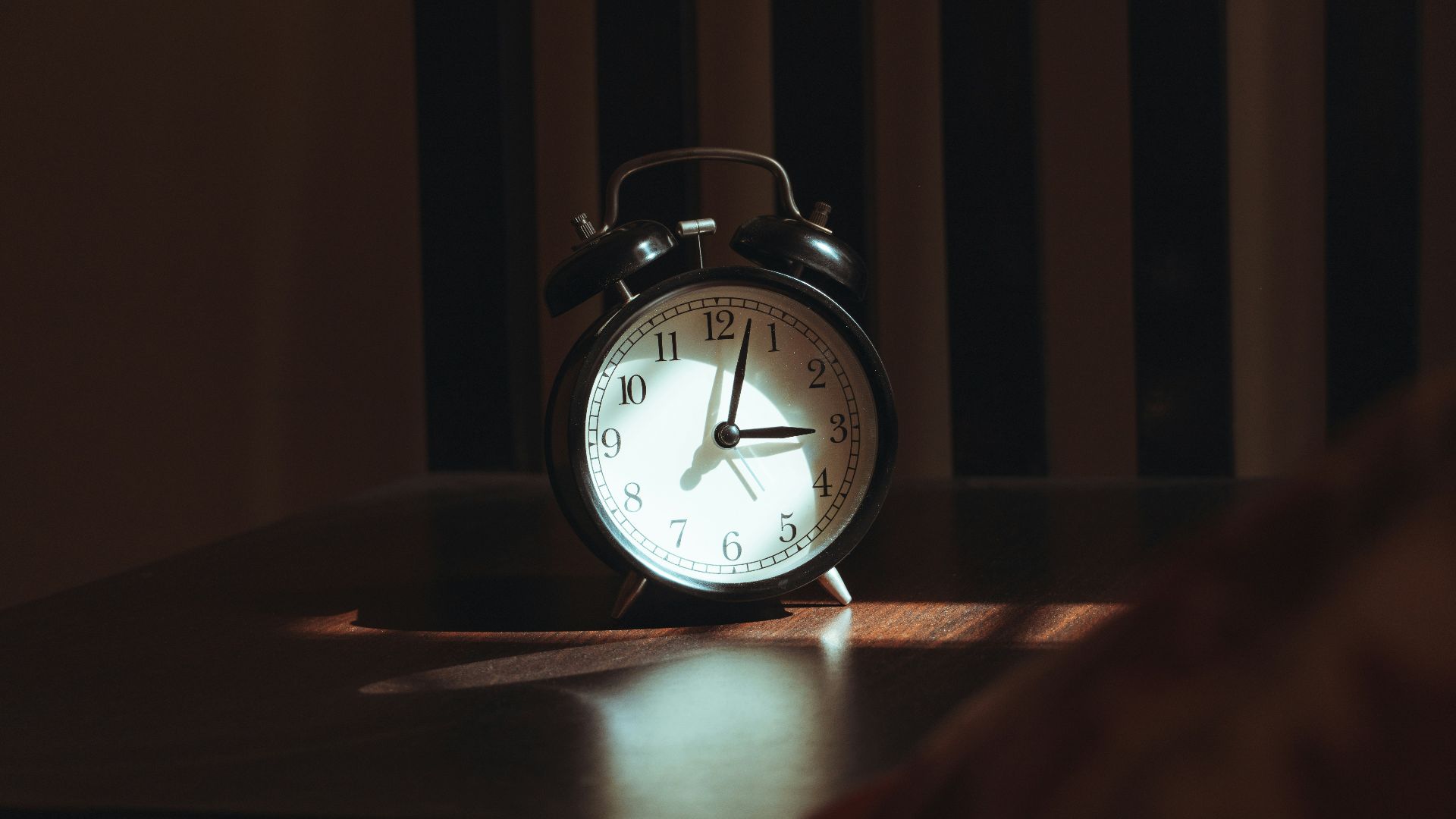
Using your phone as an alarm means bringing every notification and social media app to bed with you. It's easy to check the time and somehow end up scrolling for another half hour. A basic alarm clock does the one thing you actually need it to do, without giving you anything else to look at. You can leave your phone charging in another room and still get up on time.
15. People Want Their Paper Menus Back
QR code menus were supposed to make ordering easier, but plenty of diners would rather have something they can hold. A 2025 Ipsos survey found that 58% of Americans wanted restaurants to bring back paper menus. People still use the codes, often because they have no choice. Scrolling through a PDF to order a cheeseburger was never much of an upgrade.

16. Even Your Security Camera Can Get Hacked
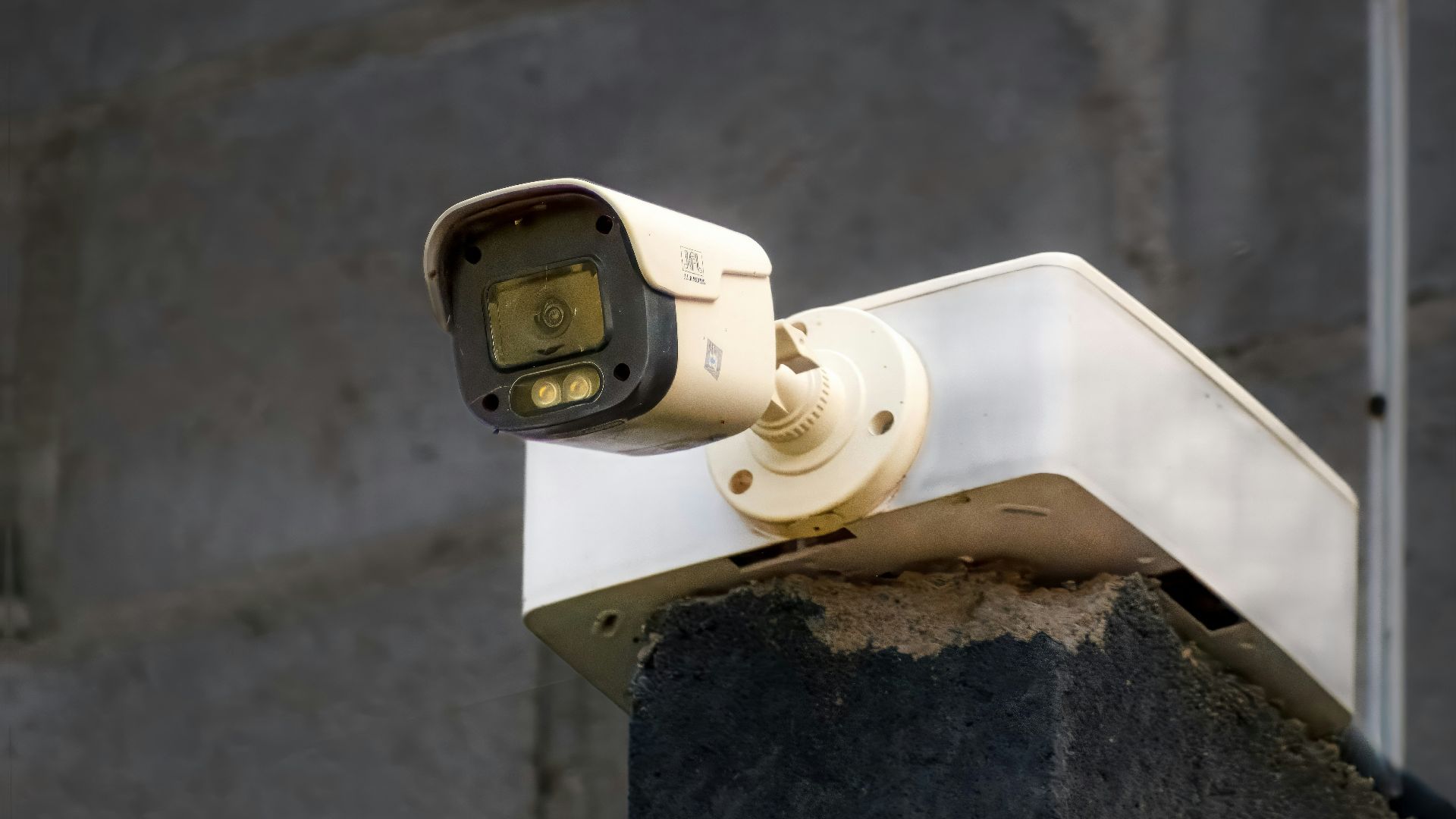
Security cameras are supposed to make your home safer, but connecting them to the internet creates another way for hackers to get in. In 2016, attackers hijacked thousands of poorly secured cameras and video recorders, using them to help knock major websites like Twitter and Netflix offline. Many still had their factory passwords. A camera that records locally without connecting to the internet can't be recruited into an attack like that.
17. Vinyl Is A Billion-Dollar Business Again
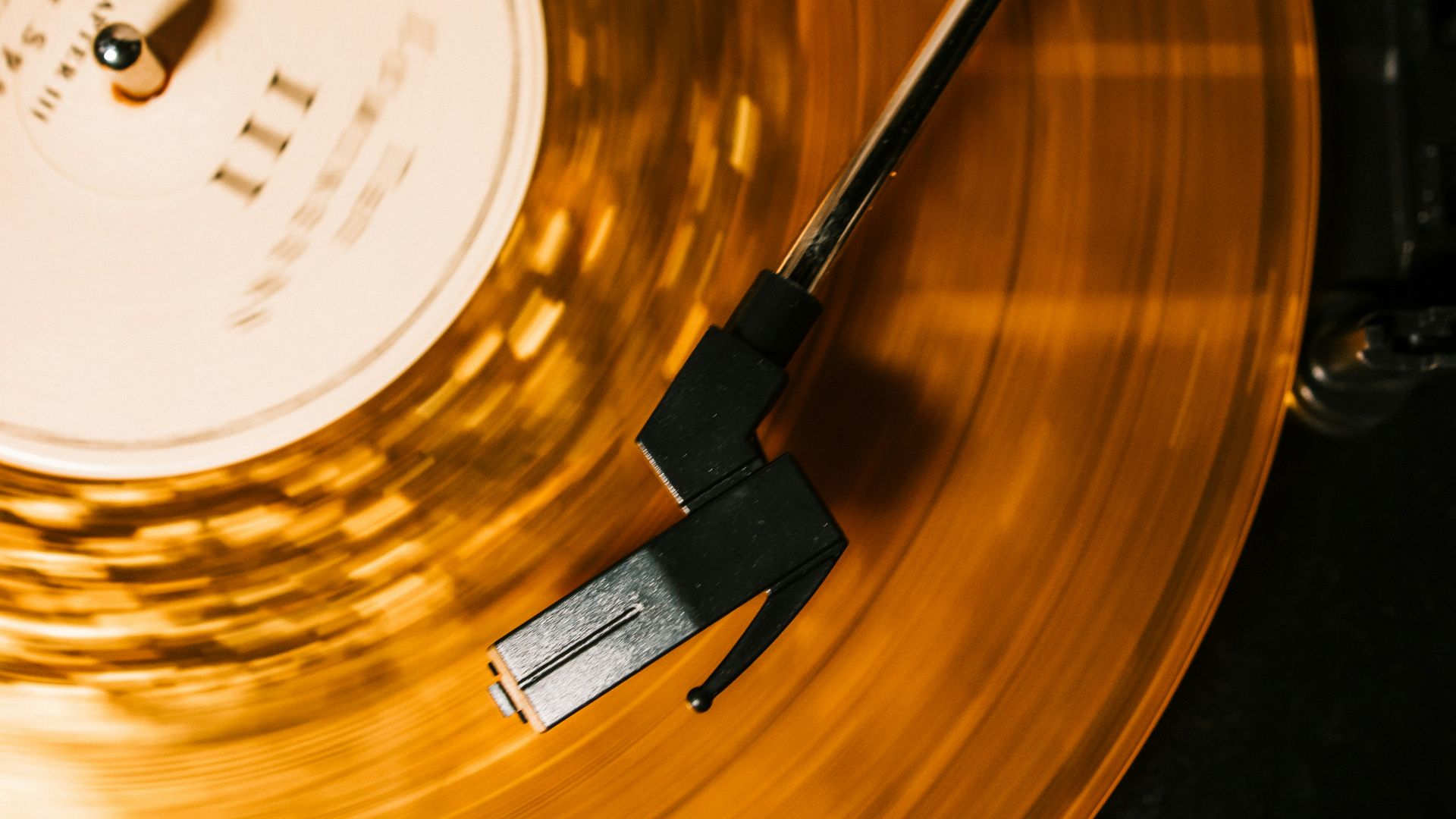
American vinyl revenue passed $1 billion in 2025, according to the RIAA. Nearly 47 million records were shipped, and sales have been growing for years. Streaming is still far more convenient, but records offer something a subscription doesn't. Once you've bought an album, it's yours to keep playing, even if a streaming service loses the rights to it.
18. Your Printer Can Refuse Perfectly Good Ink
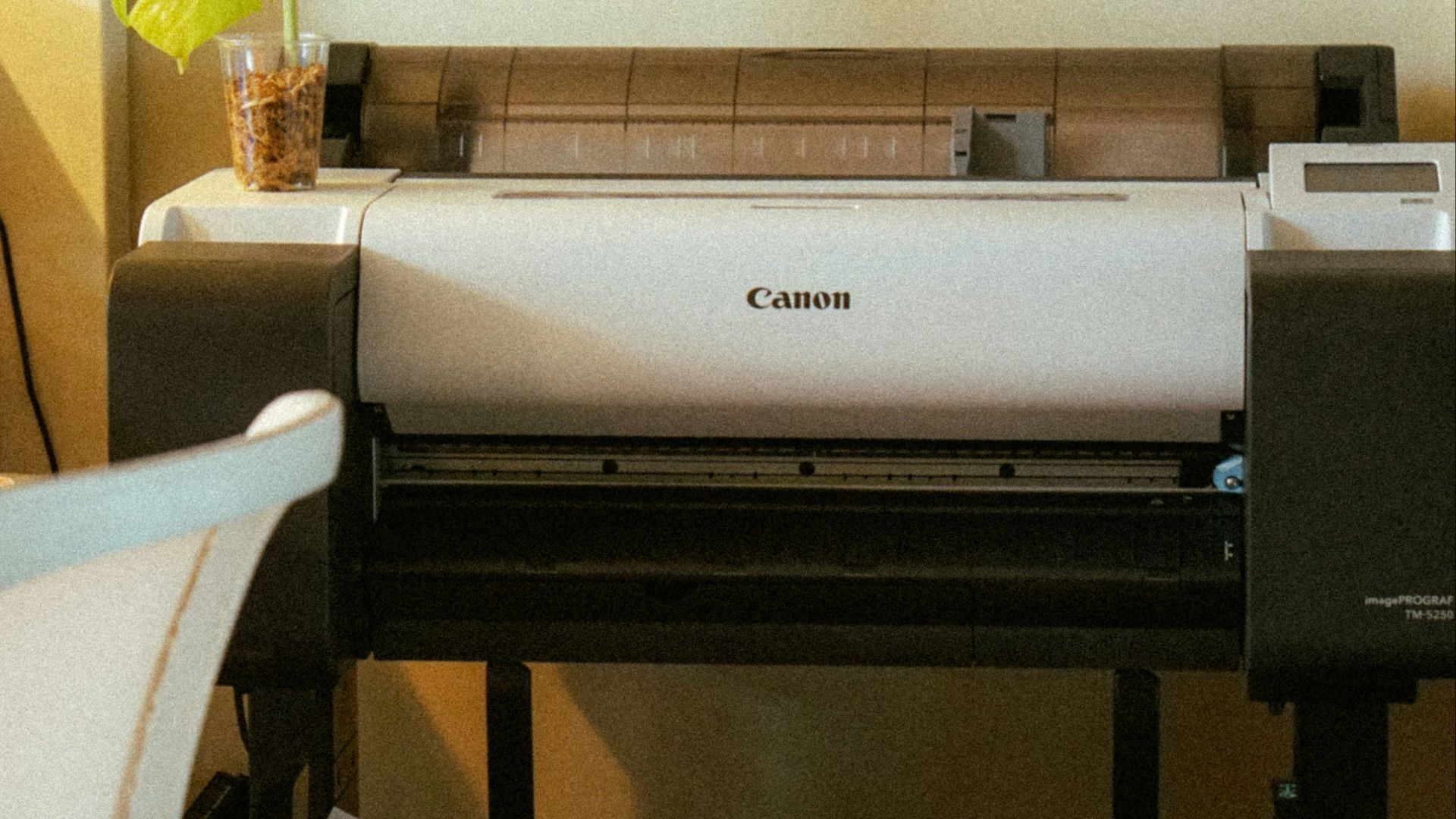
Some HP printers use software called Dynamic Security to check the chips inside ink cartridges. The company acknowledges that firmware updates can block third-party cartridges that worked perfectly well before. You can have a functioning printer and a full cartridge, yet still be unable to print. It's the sort of experience that makes an older, less connected machine suddenly look appealing.
19. Smart Refrigerators Started Showing Advertisements
In 2025, Samsung introduced advertisements on certain Family Hub refrigerators. These weren't cheap appliances, either. Some cost thousands of dollars, and the advertising arrived through a software update. Owners can turn it off in the settings, but that means finding the option in the first place. Most people probably never expected their refrigerator to become another place someone could sell them something.

20. Compact Cameras Are Finding Buyers Again
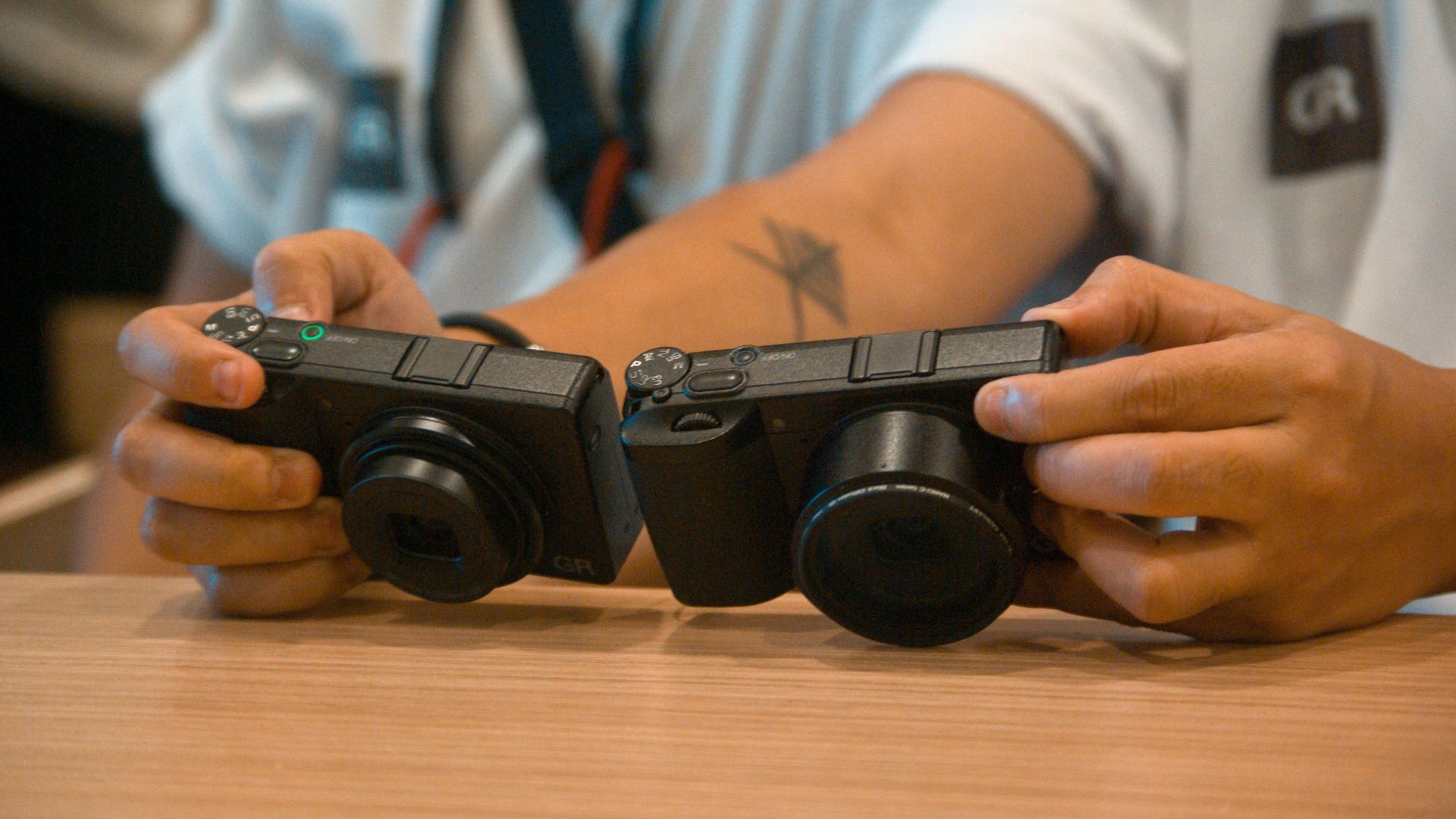
Compact camera shipments jumped 29.6% in 2025, reaching about 2.4 million worldwide. That's two years of growth after a long decline, although sales remain nowhere near their peak. Phones still take most everyday photos, but a separate camera has its appeal. You can take pictures all afternoon without getting distracted by whatever somebody just posted online.