ld Cons With New Tools
Scammers have always counted on getting you to trust the wrong person, even if it's only for a few minutes. These days, that person might sound like your sister or look like your boss on a video call. AI has made convincing impersonations much easier to pull off, and plenty of older scams have picked up some clever new tricks. Some are already costing people serious money, while others are only starting to appear. Here are 20 newer scams worth recognizing before one catches you off guard.

1. A Cloned Voice Calling in a Family Emergency
The old grandparent scam relied on a bad phone line and a panicked listener, and voice cloning has made it far more believable. Security researchers found that just three seconds of someone's audio was enough to build a clone with an 85% match to the real voice. A short video posted online can be all a scammer needs to sound like your grandson asking for bail money.

2. A Fake Kidnapping With Your Child's Voice
In 2023, an Arizona mother got a call from what sounded just like her 15-year-old daughter, sobbing that she'd been taken. A man then came on the line demanding a $1 million ransom, which he later dropped to $50,000. Her daughter was safe the whole time, and the mother went on to describe the call to a Senate committee.
3. Your Boss on a Video Call Who Isn't Your Boss
A finance worker at the engineering firm Arup joined a video call in early 2024 with what looked like the company's CFO and several colleagues. Every one of them was a deepfake. He made 15 transfers totaling about $25.6 million before anyone realized the meeting had never happened.
 LinkedIn Sales Solutions on Unsplash
4. AI Voice Messages Impersonating Government Officials
In June 2025, someone pretending to be Secretary of State Marco Rubio contacted three foreign ministers, a governor, and a member of Congress using texts and AI-generated voice messages. The FBI had already warned that spring about scammers posing as senior officials. The trick is to sound familiar and trustworthy enough to get a conversation going, then use that trust to pry loose sensitive information or gain access to someone's accounts.

5. Deepfake Robocalls
Two days before the 2024 New Hampshire primary, thousands of voters got a robocall with a cloned version of President Biden's voice telling them not to vote. The political consultant behind it was hit with a $6 million fine from federal regulators. Cloned voices can just as easily turn up in fake utility shutoff calls and bank alerts.

6. Phishing Emails With Perfect Grammar
Typos and clumsy phrasing used to be the easiest way to spot a phishing email. AI writing tools have mostly erased that tell, and they can tailor a message to your job and your company in seconds. The safest move now is to judge an email by what it asks you to do, since polish no longer means it's legitimate.
7. Fake Customer Service Numbers in AI Search Answers
In 2025, travelers reported calling airline and cruise line numbers from AI search summaries and reaching scammers instead. Fraudsters plant fake numbers on obscure websites, hoping AI tools will present them as legitimate. Some banks now warn customers to get phone numbers directly from official websites.

8. AI Shopping Assistants That Get Tricked
AI browsers that can shop and click on your behalf are a brand-new target. In one set of tests, an AI agent asked to buy an Apple Watch went ahead and completed the purchase on a fake store. A separate team hid instructions in a Reddit comment that the AI read and obeyed, which shows how a scammer could steer your assistant without ever contacting you.

9. AI-Generated Fake IDs
An underground site called OnlyFake sold AI-generated images of driver's licenses and passports for $15 each. Reporters used one to pass a crypto exchange's identity check, and the operator later pleaded guilty after selling at least 10,000 fake IDs. Fake documents that cheap give scammers an easy way to open accounts in someone else's name.

10. Job Candidates Who Don't Exist
Some remote job applicants now use AI-generated faces and voices in video interviews, often to land a paycheck under a stolen identity. A research firm predicts that by 2028, one in four job candidate profiles worldwide will be fake. In one 2025 survey of job seekers, 6% admitted to some kind of interview fraud.

11. Fake Recruiters Running AI Interviews
Scammers also work the other side of hiring, posing as recruiters for jobs that don't exist. An AI chatbot can run a polished interview and then ask for your Social Security number and bank details for onboarding. Real employers almost never ask for that information before you've signed an offer.

12. Celebrity Deepfakes Selling Investments
Scam ads now show famous business leaders and TV personalities endorsing crypto platforms and trading apps they've never heard of. The videos are generated from real interviews, so the faces and voices look right at a glance. Lip movements that lag behind the words are often the giveaway.

13. Investment Schemes Promising Secret AI Trading
Plenty of schemes now claim a secret AI system is picking winning trades. Regulators have started cracking down on these claims, and in 2024 two investment advisers paid $400,000 in combined penalties for overstating how they used AI. One of the firms had falsely called itself the first regulated AI financial advisor.

14. Fake Reviews Written by AI
AI can churn out hundreds of believable product reviews in minutes, complete with made-up personal details. US regulators banned fake reviews in 2024, explicitly including AI-generated ones, with penalties of up to $51,744 per violation. The same rule bans buying fake followers and views generated by bots.
15. Romance Scams With AI Faces and Chat
Romance scammers once relied on stolen photos of real people, which a reverse image search could often trace. Now they can generate faces that don't belong to anyone and use AI to keep up warm conversations around the clock. Some even go on short video calls using real-time face swaps to convince victims they're real.

16. Fake Explicit Images Used for Extortion
Criminals have been taking ordinary photos from social media and turning them into fake explicit images, something the FBI warned about in 2023. They then threaten to share the images unless the victim pays, and teenagers are frequent targets. Law enforcement advises victims not to pay and to report it right away.

17. AI Music Streamed by Bots
A North Carolina man used hundreds of thousands of AI-generated songs and thousands of bot accounts to stream them billions of times. Prosecutors said he collected more than $10 million in royalties that should have gone to real artists. He was sentenced in 2026 to 18 months in prison.

18. Fake AI Apps That Install Malware
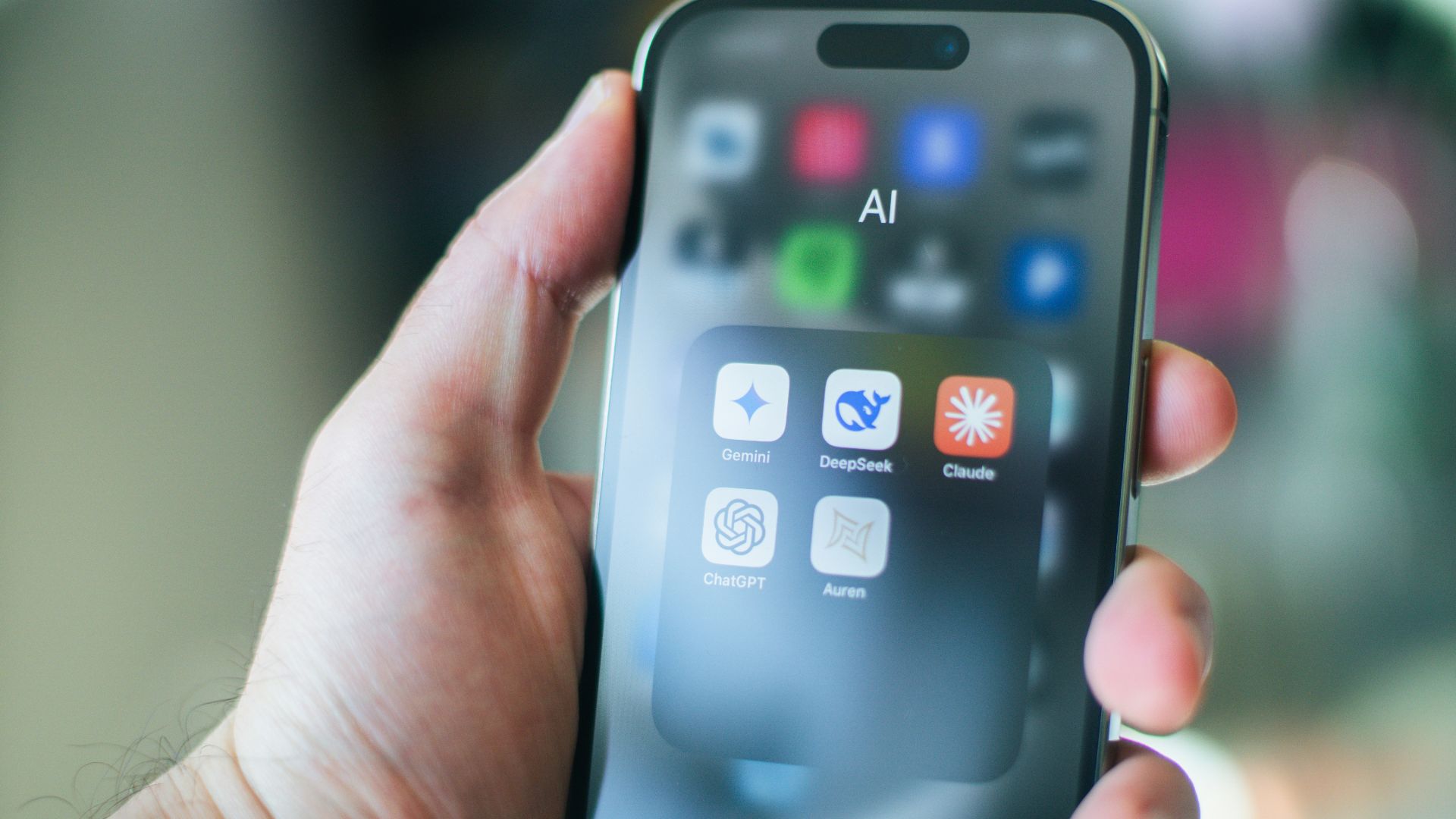
The popularity of AI tools has created a market for fake ones. Scammers advertise free AI video generators and chatbot apps that install malware or steal passwords once downloaded. Sticking to official app stores and the developer's own website (and skipping anything promising premium features for free) avoids most of them.
19. Fake Disaster Charity Appeals
After major storms and wildfires, AI-generated images of stranded kids and flooded homes spread fast on social media. Some are just engagement bait, and others link to fake donation pages. Giving directly through an established charity's own website keeps the money where you meant it to go.

20. AI-Written Guidebooks With Dangerous Advice
Online bookstores filled up in 2023 with mushroom foraging guides that appeared to be written by AI and sold under made-up author names. A New York mushroom society warned buyers that picking the wrong book "can literally mean life or death," since several deadly species look a lot like edible ones. Amazon pulled some of the flagged titles, and similar AI-written travel guides and cookbooks have turned up too.