
20 Household Technologies That Really Don't Need To Be Connected To The Internet
Not Everything Needs to Be Smart
It seems like every household appliance is getting a technological upgrade these days, whether anyone asked for one or not. While connecting certain devices to the internet can make life easier, others offer very little additional functionality in exchange for higher prices, unnecessary software updates, and potential privacy concerns. Sometimes, having a simple appliance that does exactly what it's supposed to do is far more convenient than having to download yet another app. Here are 20 household technologies that really don't need an internet connection.
1. Refrigerators
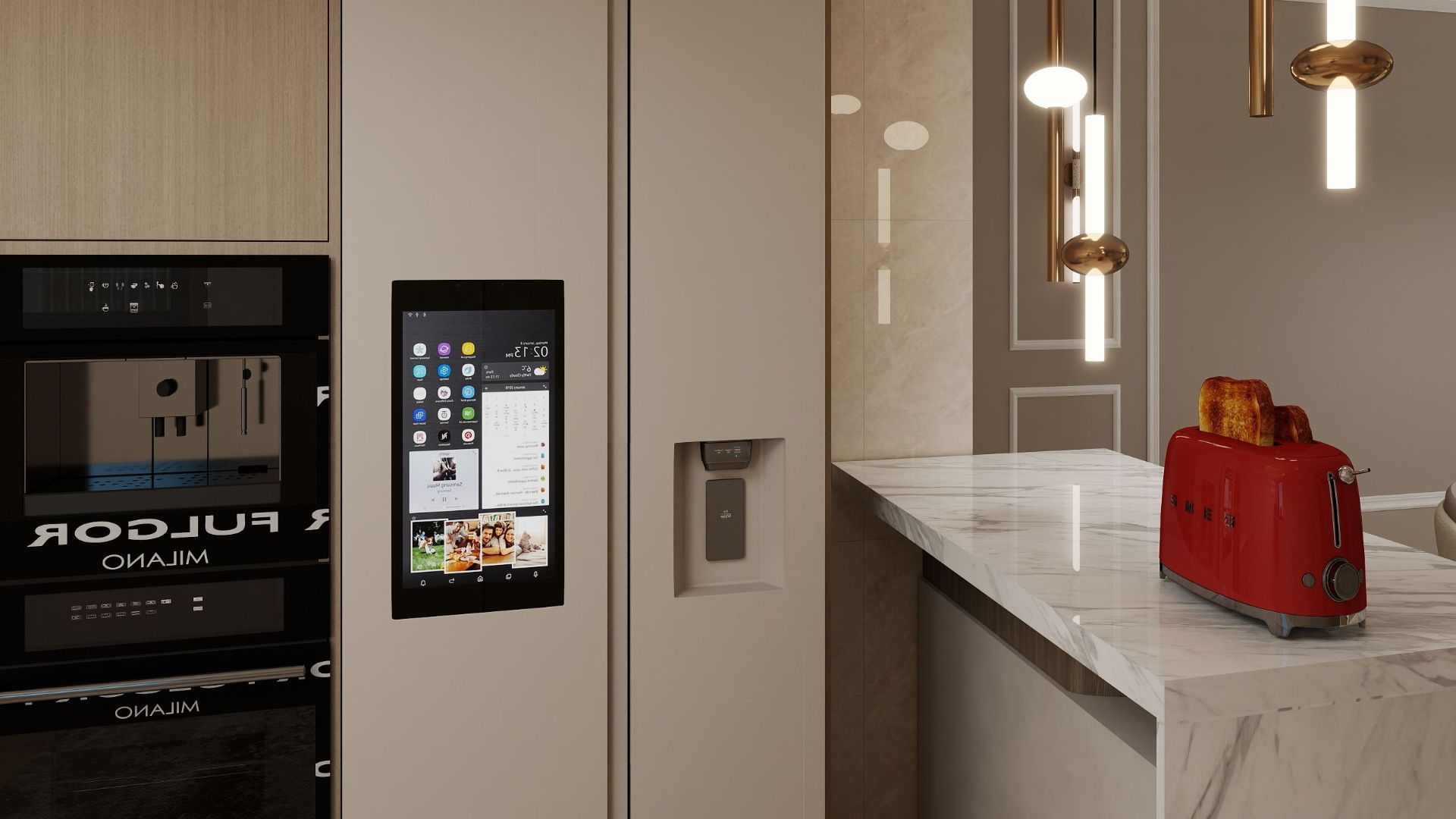
A refrigerator's main job is to keep your food fresh, something it's been perfectly capable of doing without Wi-Fi for decades. Having a touchscreen that displays recipes or cameras that let you check what's in your fridge remotely might be interesting at first, but the novelty can wear off pretty quickly. Considering how long refrigerators are supposed to last, there's also a good chance that their smart technology will become outdated long before their cooling systems do.
2. Toasters
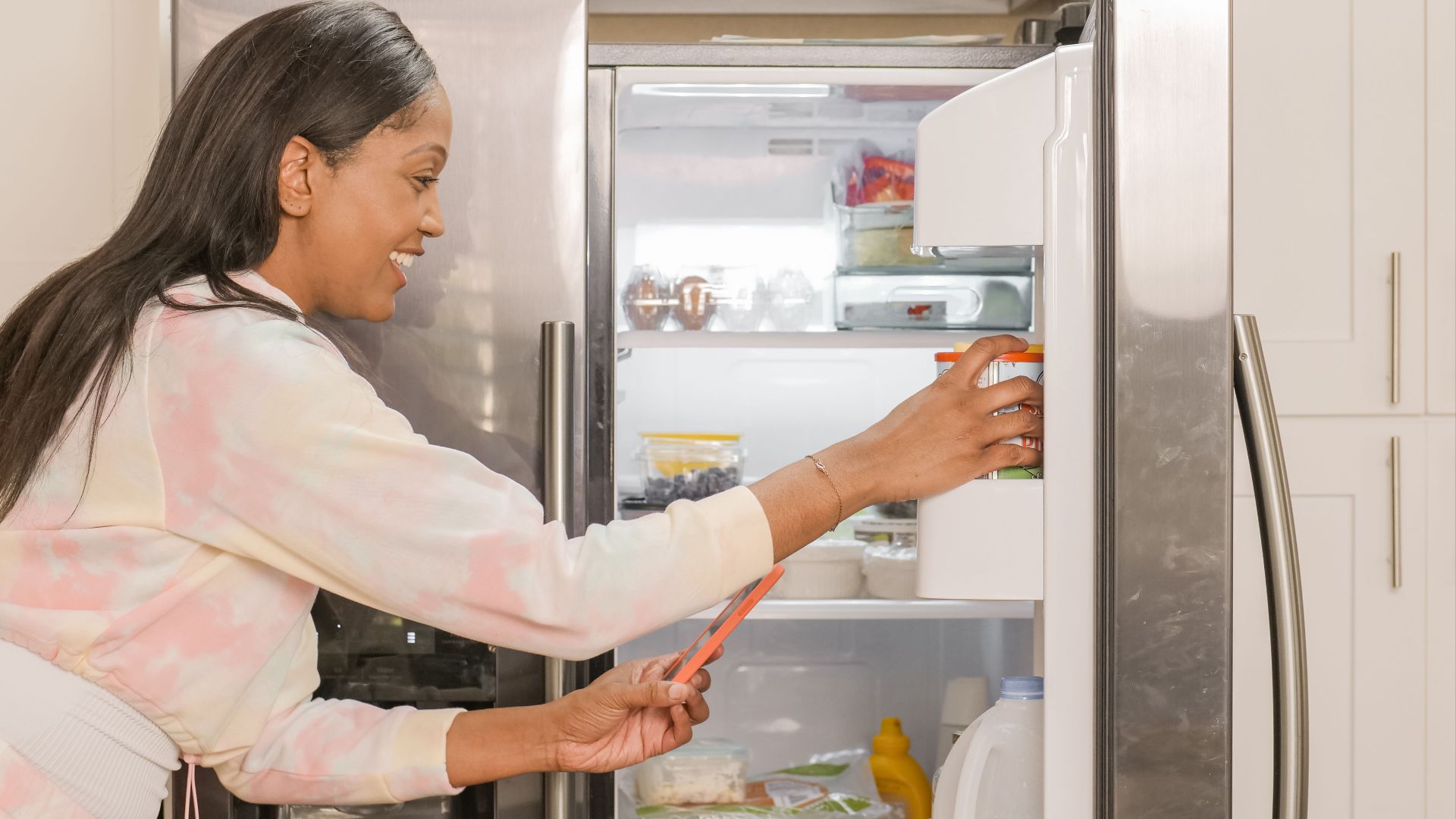
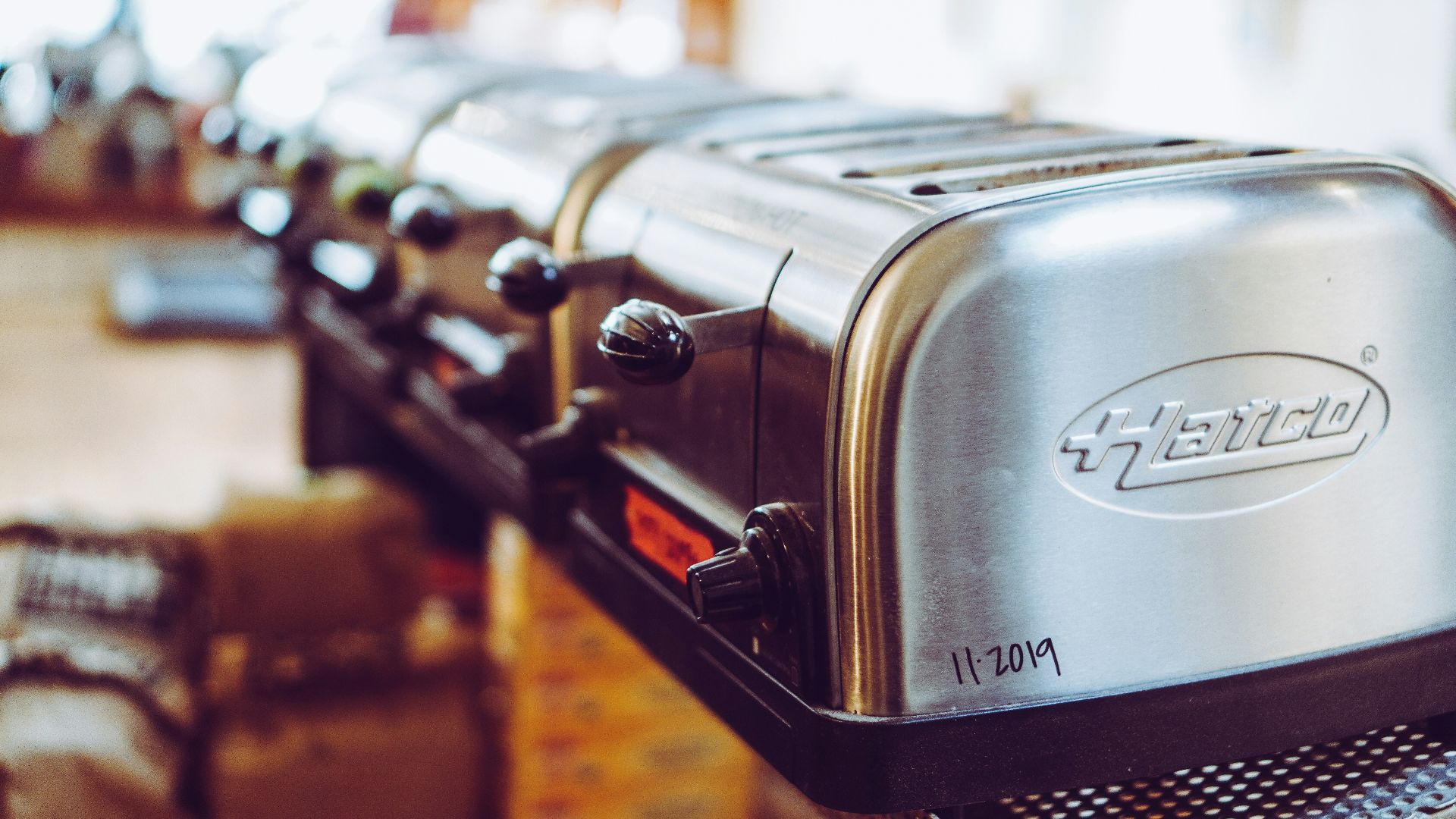
Making a couple of slices of toast shouldn't involve creating an account or connecting an appliance to your home network. Internet-enabled toasters can offer remote controls and customizable browning preferences, although adjusting a conventional dial accomplishes much the same thing. Besides, you're probably going to be standing in the kitchen waiting for your breakfast anyway.
3. Washing Machines
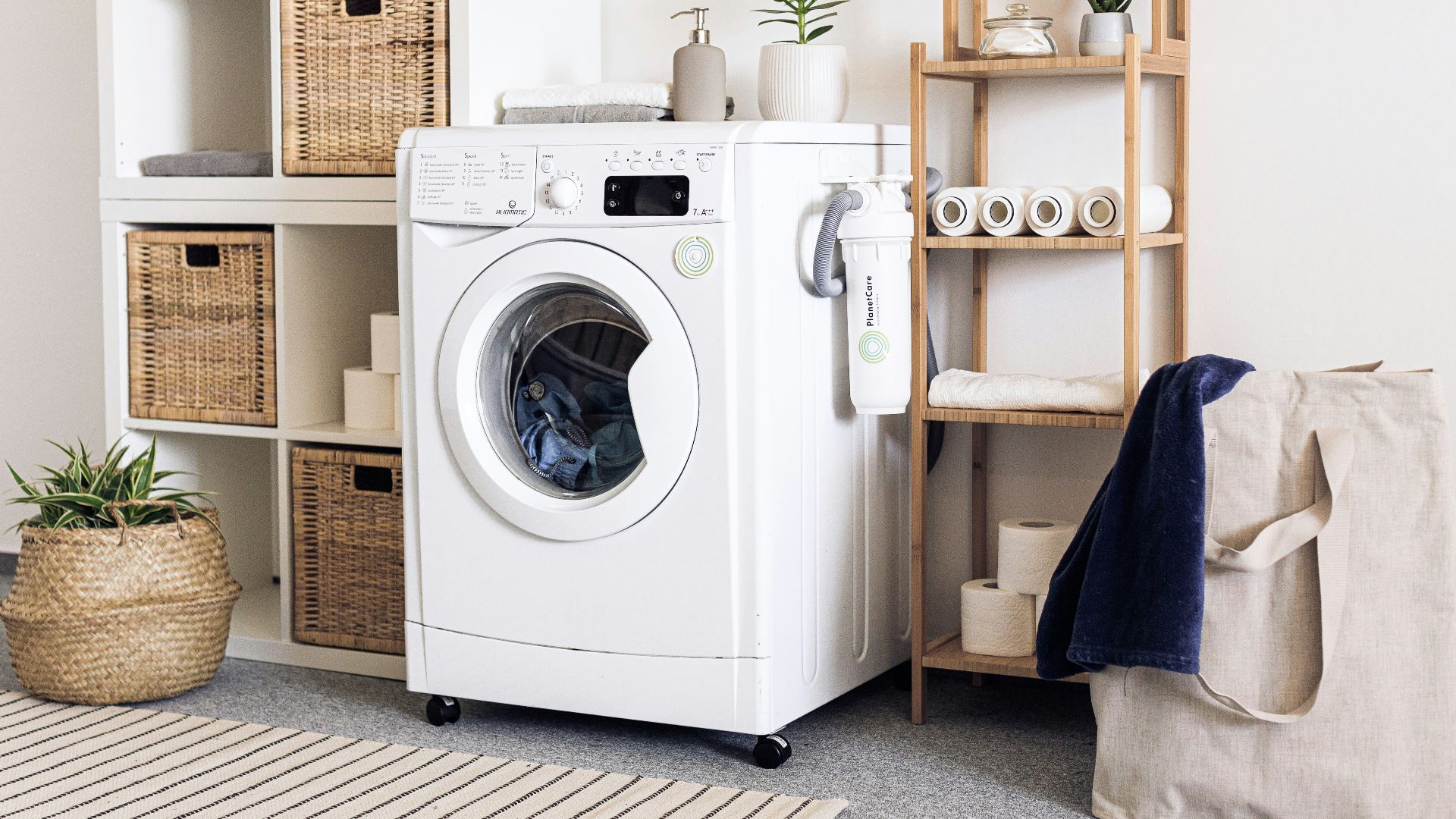
Getting a notification when your laundry is finished sounds convenient until you remember that you still have to get up and transfer everything into the dryer. Most people can manage their laundry schedules without receiving updates on their phones, and delayed-start functions have been available on conventional washing machines for years.
4. Electric Kettles
Being able to boil water from the comfort of your bedroom might seem appealing, but someone still needs to fill the kettle beforehand. Traditional electric kettles heat water so quickly that turning one on remotely rarely saves you much time. Even models with adjustable temperature settings for different varieties of tea can function perfectly well without internet access.

5. Toilets
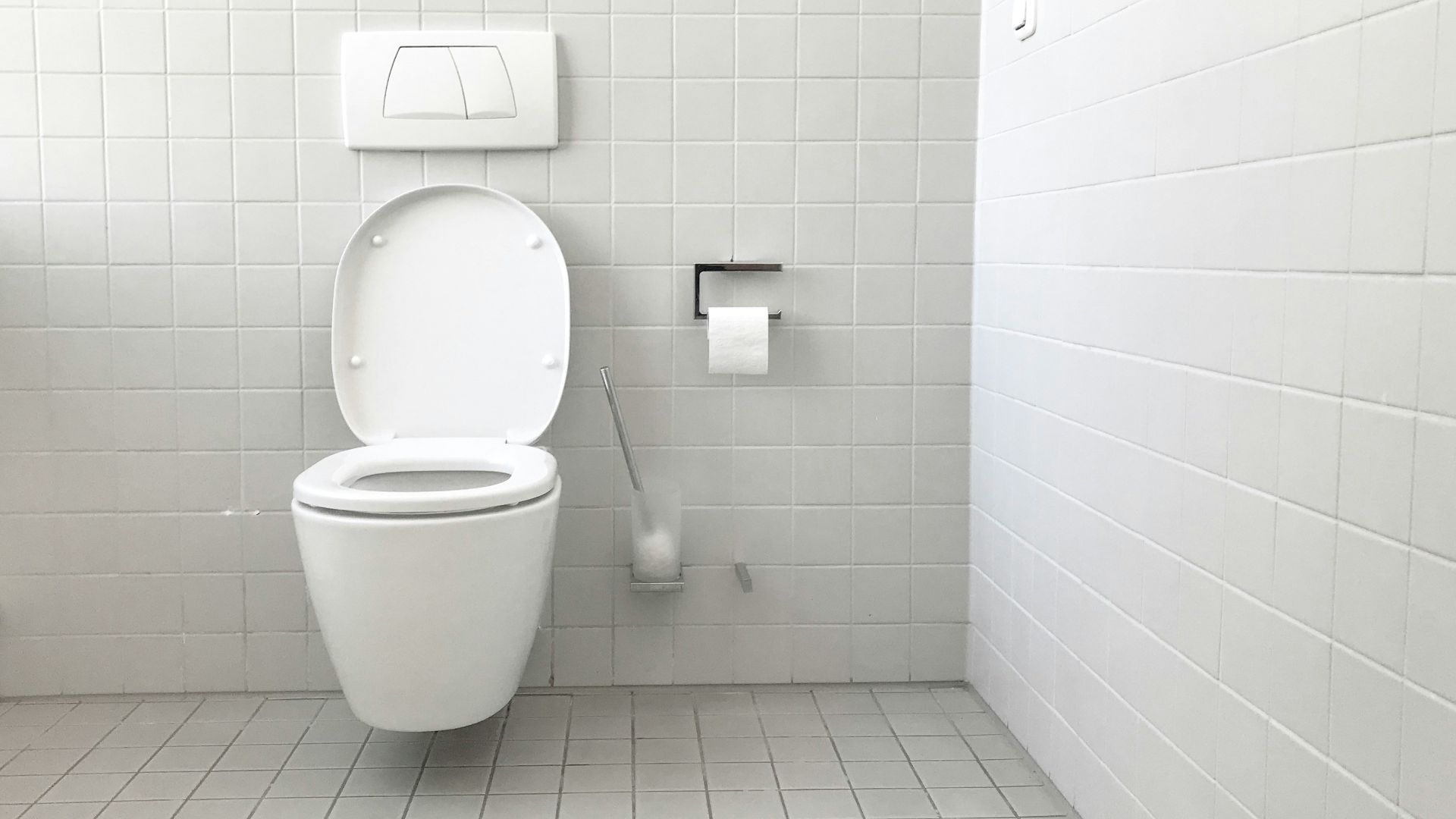
Modern toilets can already offer heated seats, automatic flushing, adjustable water pressure, and built-in bidets without connecting to an external network. Adding an app to manage your bathroom preferences unnecessarily complicates something that should be incredibly straightforward. Of all the everyday activities that could benefit from internet connectivity, using the bathroom probably isn't high on anyone's list.
6. Microwaves
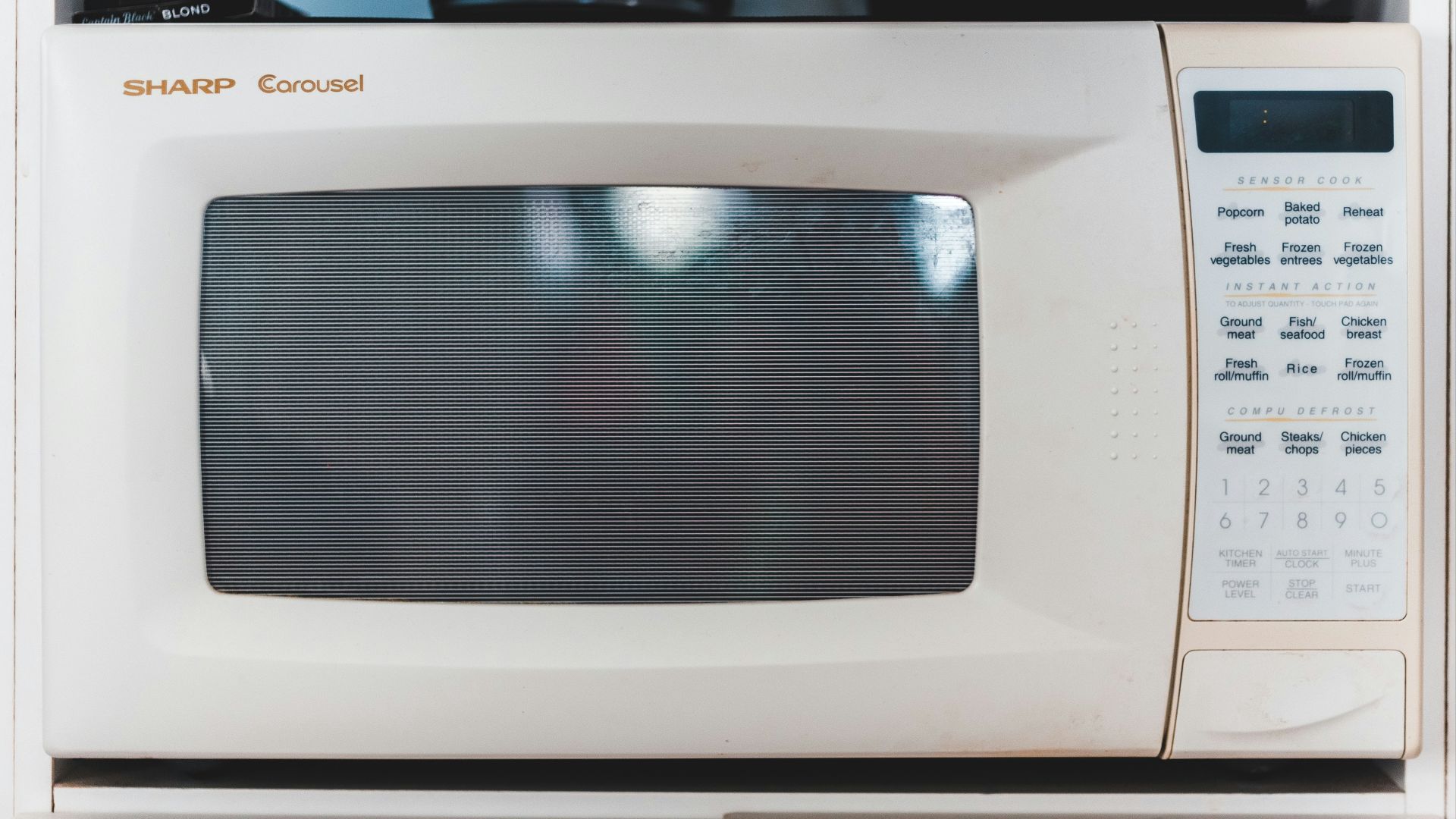
Some smart microwaves allow users to scan food packaging, download cooking instructions, or operate the appliance through voice commands. However, manually entering a cooking time takes only a few seconds, and most people already have a pretty good idea of how long their food needs to heat up. Figuring out how to navigate an accompanying app could take a lot more effort than simply pressing the popcorn button.
7. Mattresses
A comfortable mattress shouldn't need to communicate with a remote server to help you get a good night's sleep. Although certain connected mattresses offer sleep tracking, temperature adjustments, and personalized firmness settings, these features don't inherently require internet access to work. There's something particularly frustrating about the possibility of a discontinued app affecting how well your expensive bed functions.

8. Coffee Makers
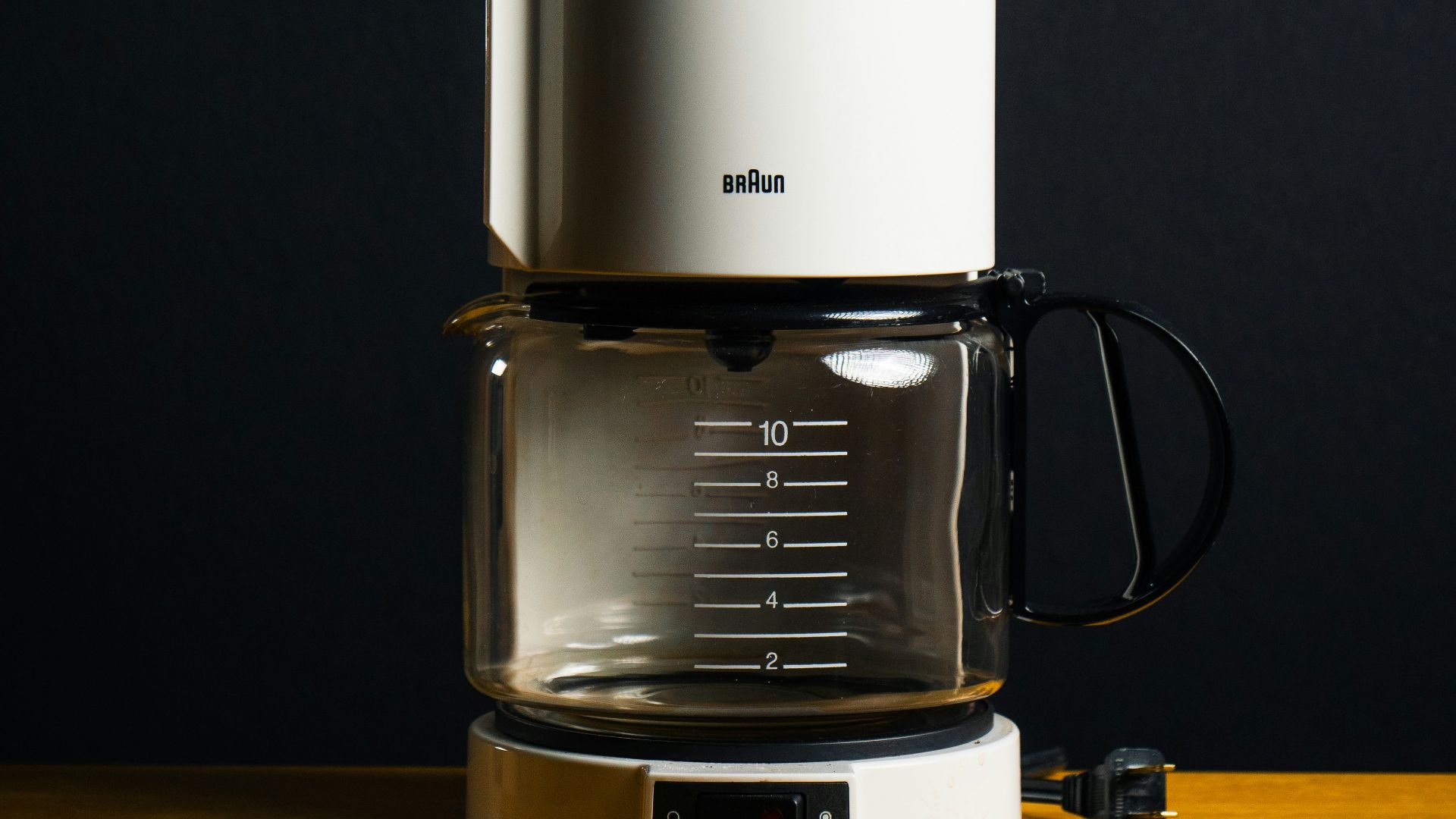
Scheduling your coffee to brew before you wake up is hardly a new technological achievement, considering programmable coffee makers have been doing it for years. Wi-Fi-enabled versions allow you to start brewing from your phone, but you'll still need to replenish the water, coffee grounds, and filters. Unless your morning routine varies considerably from day to day, a built-in timer should cover most of your needs.
9. Bathroom Scales
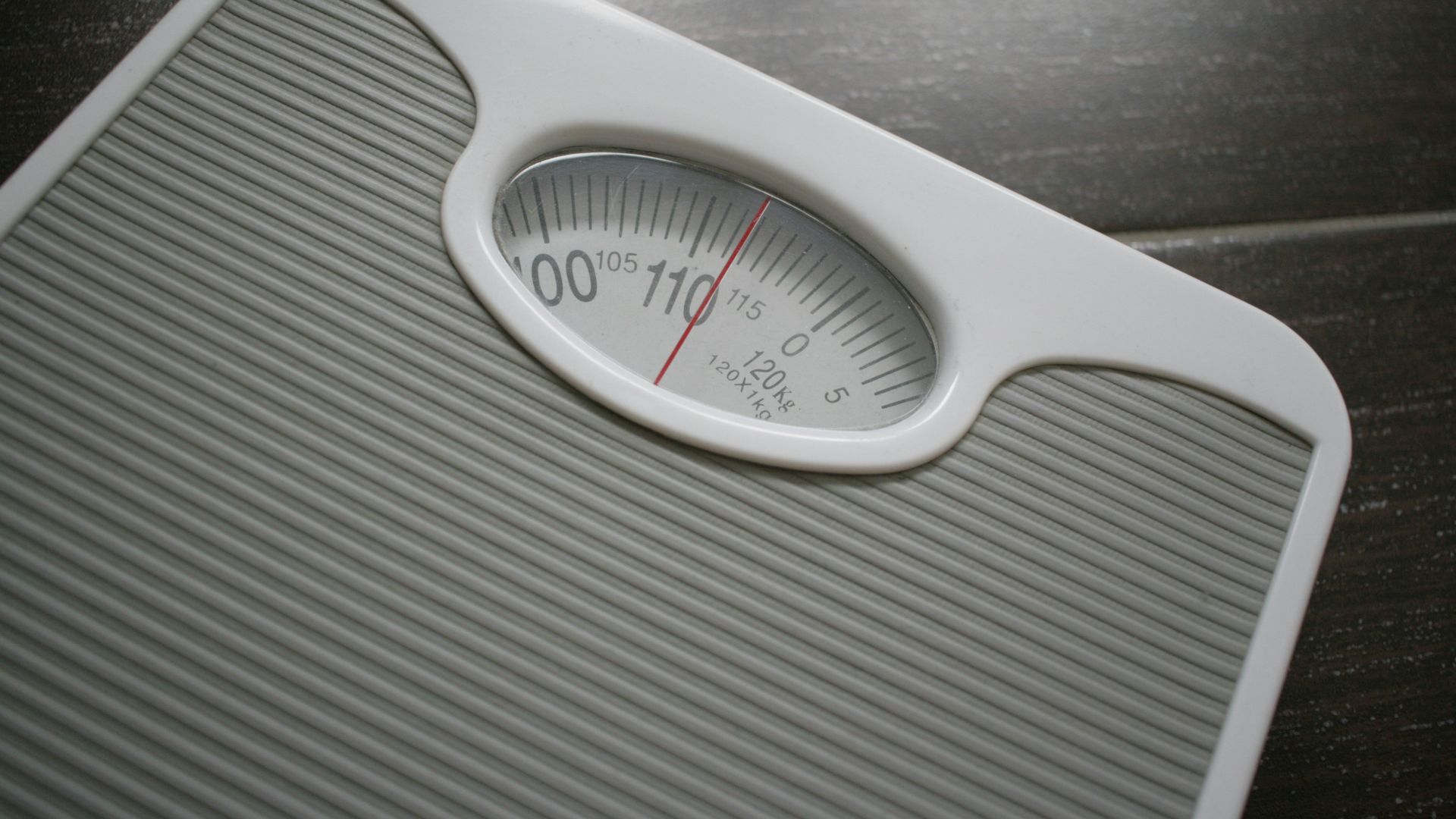
Automatically uploading your weight to a fitness app can be helpful for people who like keeping track of their progress, although it isn't necessary for everyone. A conventional digital scale provides the same basic weight measurement without requiring an account or transmitting personal information. If you really want to keep a record, it only takes a few seconds to enter the numbers yourself.
10. Dishwashers
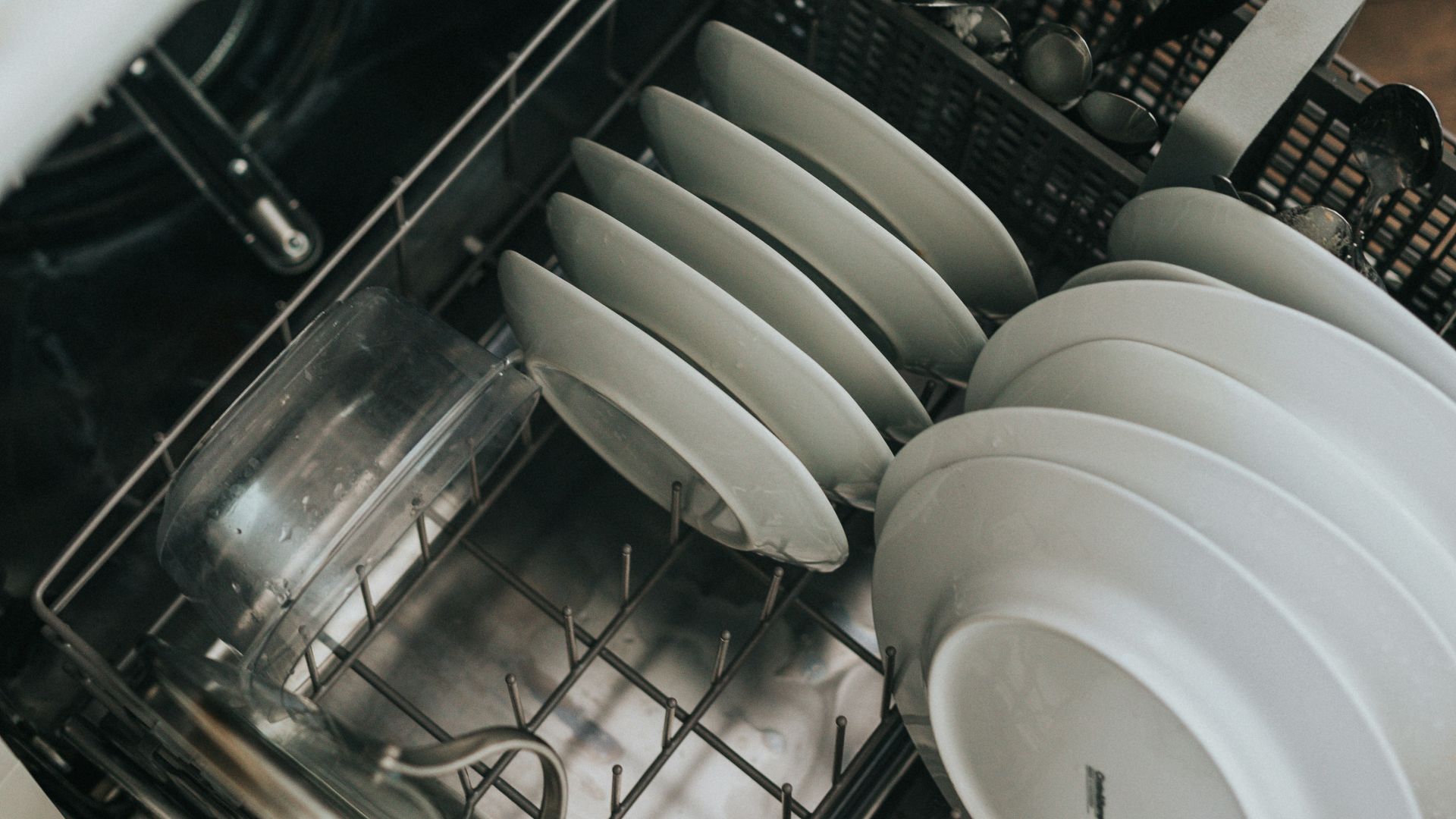
Starting your dishwasher remotely isn't going to do you much good if you've forgotten to load your dirty plates or add detergent. Connected models can provide cycle notifications and maintenance reminders, but neither feature significantly changes how you use the appliance. A quiet, energy-efficient dishwasher that consistently gets your dishes clean is arguably a much more worthwhile investment.
11. Electric Toothbrushes
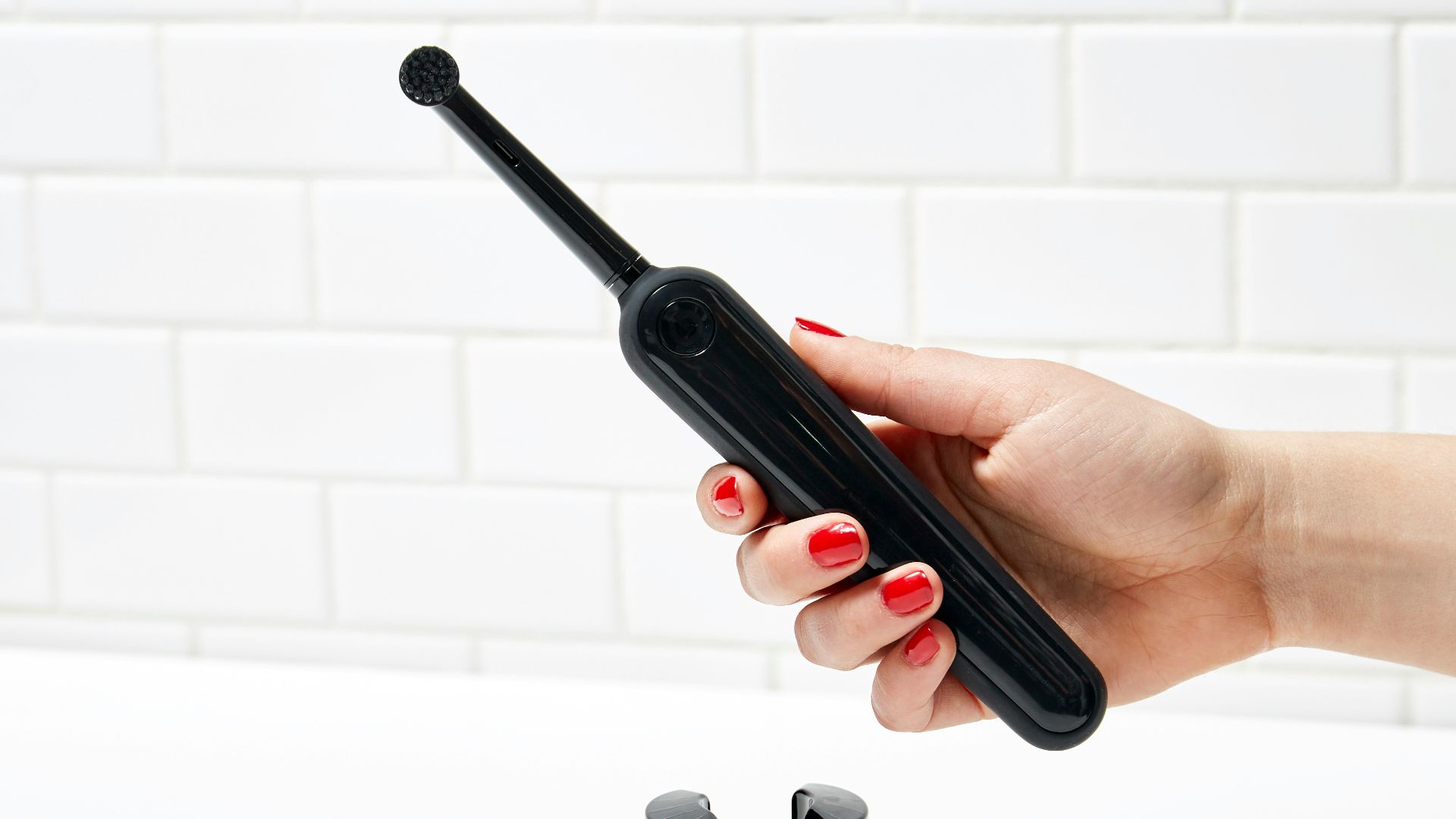
There's nothing wrong with wanting feedback on your brushing habits, particularly if you're trying to improve your dental hygiene. However, many standard electric toothbrushes already come with built-in timers and pressure sensors that alert you when you're brushing too hard. You shouldn't need to bring your smartphone into the bathroom every morning just to brush your teeth properly.
12. Air Fryers
Part of what makes air fryers so appealing is how easy they make preparing food, which is why introducing unnecessary digital features seems somewhat counterproductive. Downloadable recipes and remote temperature adjustments sound impressive, but most meals require little more than selecting a temperature and cooking time. You'll still have to be nearby to shake the basket, check on your food, or take it out once it's ready.

13. Bathroom Mirrors
Internet-connected mirrors can display everything from weather forecasts to news headlines while you're getting ready in the morning. The problem is that you can already access all of this information through devices you probably own. A bathroom mirror with good lighting and an effective anti-fogging feature offers far more practical benefits without relying on software that may eventually stop receiving updates.

14. Clothes Dryers
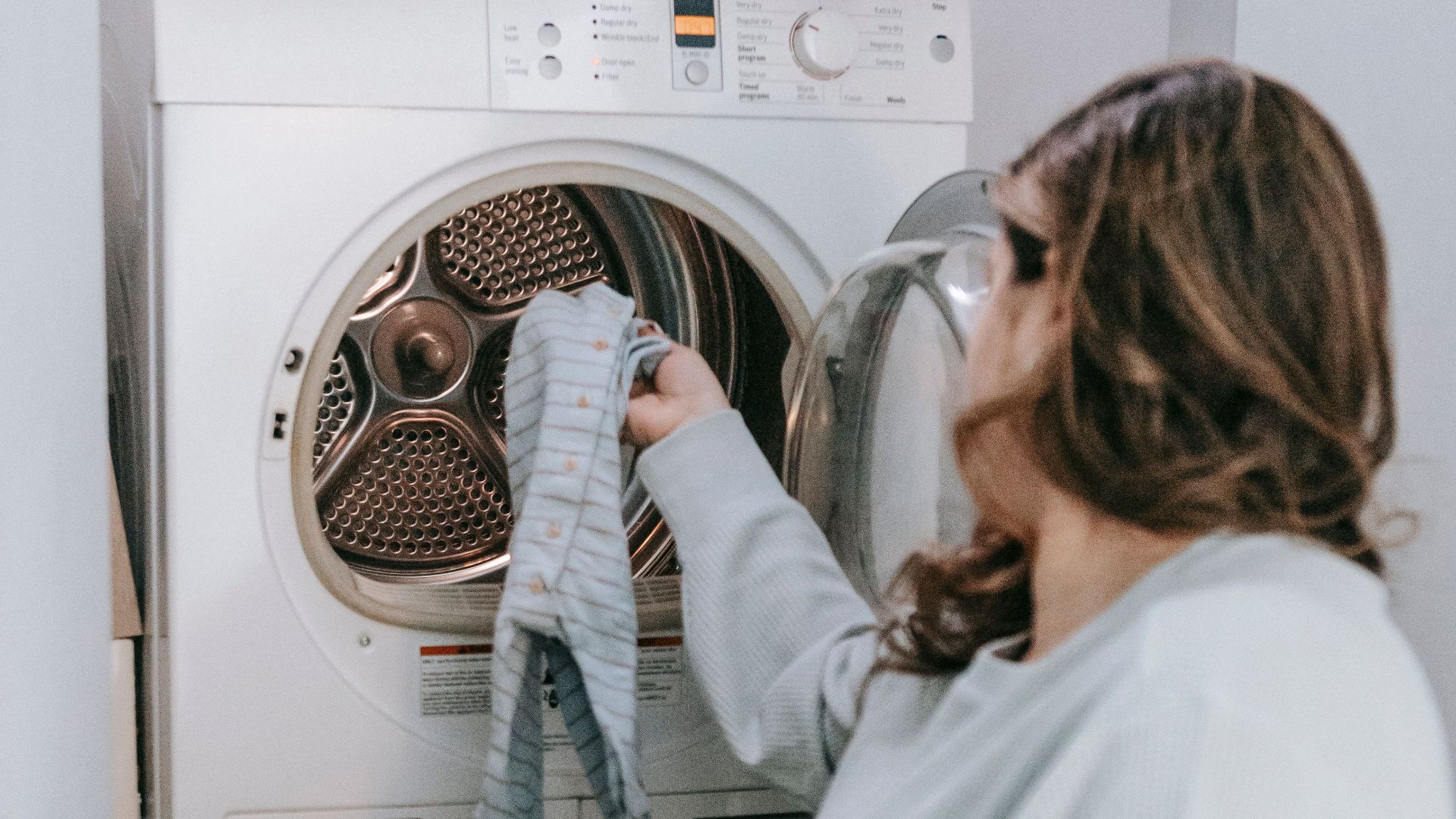
Knowing exactly when your clothes have finished drying might save you an unnecessary trip to the laundry room, but it hardly justifies connecting another major appliance to your network. Moisture sensors, automatic cycle adjustments, and wrinkle-prevention settings can all work independently of the internet. These are the features worth prioritizing, as they actually make a difference in how your clothes come out of the dryer.
15. Water Bottles
Believe it or not, even drinking water has received the smart technology treatment, with connected bottles capable of tracking consumption and sending hydration reminders. While some people might appreciate the encouragement, keeping track of how much water you've had throughout the day isn't particularly difficult. An ordinary reusable bottle doesn't need to be charged, paired with your phone, or troubleshot whenever something stops working.

16. Kitchen Trash Cans
Automatic trash cans that open when you approach them are genuinely useful, particularly when your hands are covered in food. Internet connectivity, however, opens the door to additional features like tracking waste or monitoring supplies that most households could comfortably live without. A simple motion sensor delivers the biggest convenience of an automatic trash can without needing to collect information about your household habits.

17. Electric Fans
Adjusting a fan's speed or turning it off without having to get out of bed is certainly convenient, but that doesn't make Wi-Fi essential. Plenty of affordable fans come with physical remote controls and programmable timers that work regardless of whether your internet is down. It hardly seems worth paying extra for connectivity when simpler technology already allows you to do the same things.

18. Rice Cookers
High-quality rice cookers have been producing consistently excellent results using sophisticated internal sensors for decades. Connecting one to the internet might allow you to check its progress or browse cooking programs remotely, although you'll still need to measure and prepare the ingredients yourself. For most home cooks, a reliable heating system and an effective keep-warm function are far more useful additions.
19. Electric Blankets
Preheating your bed through a smartphone app might sound luxurious on a particularly cold evening, but conventional electric blankets already come with adjustable heat settings and automatic shutoff timers. Some models even feature separate controls for each side of the bed, so couples don't have to agree on a single temperature. Internet connectivity adds relatively little to a product whose most important qualities are comfort, reliability, and safety.

20. Soap Dispensers
A touchless soap dispenser is a practical addition to a kitchen or bathroom, especially when you're trying to minimize the spread of germs. Connected models can take things considerably further by monitoring usage, tracking handwashing habits, or sending refill notifications through an app. For most people, however, figuring out when the soap dispenser needs to be refilled is hardly a task that requires a smartphone.