
The Hiring Arms Race Reaches the Interview Room
Job interviews are changing as AI becomes a bigger part of hiring. Applicants have new ways to prepare and present themselves, while employers have new tools to screen candidates and decide who gets through. The technology promises to make hiring easier, but it's also raising questions about how well either side can judge the other. Some familiar hiring practices may even make a comeback. Here are 20 ways job interviews could change as both sides lean on AI.

1. An AI Runs the First Interview
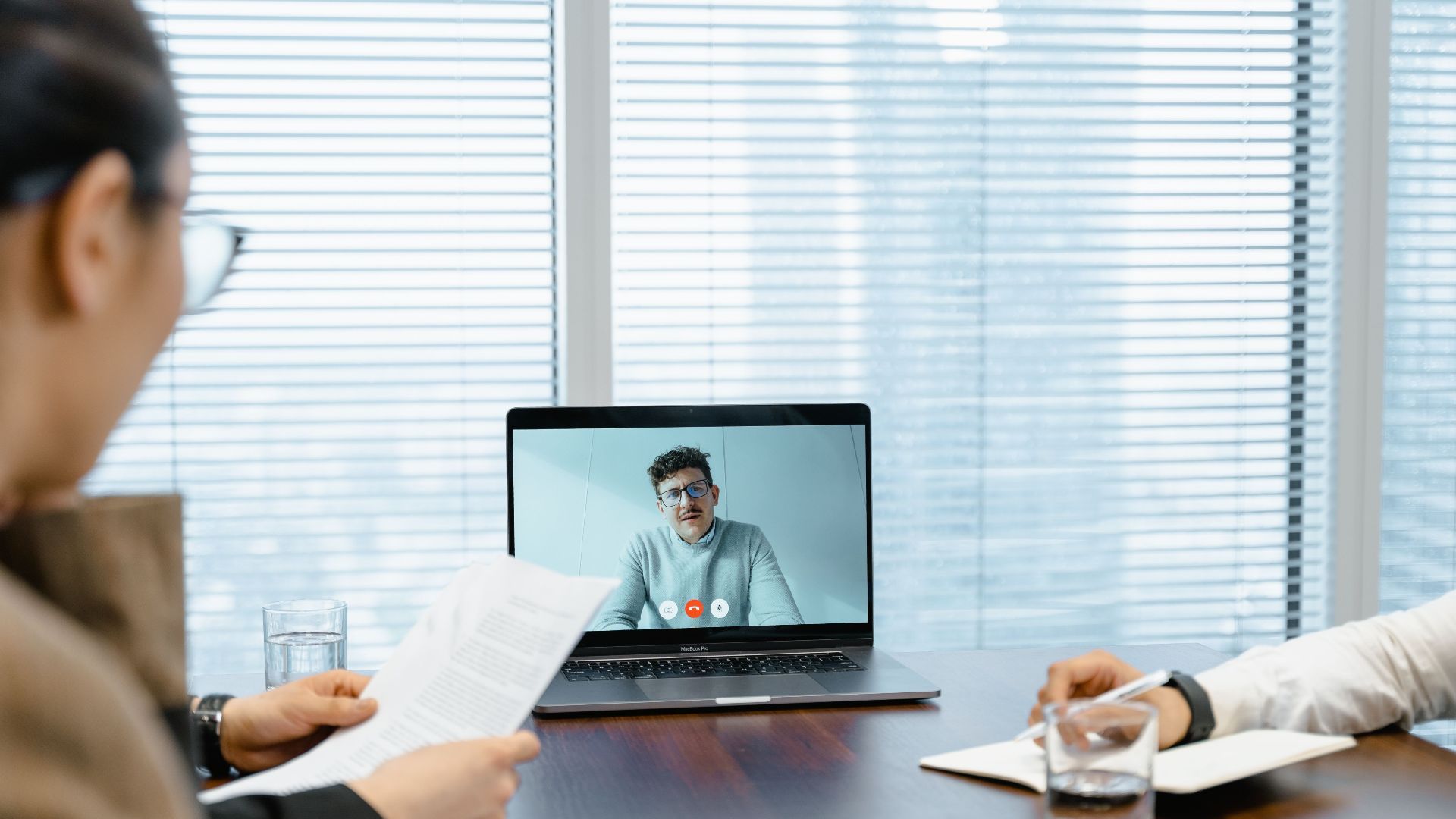
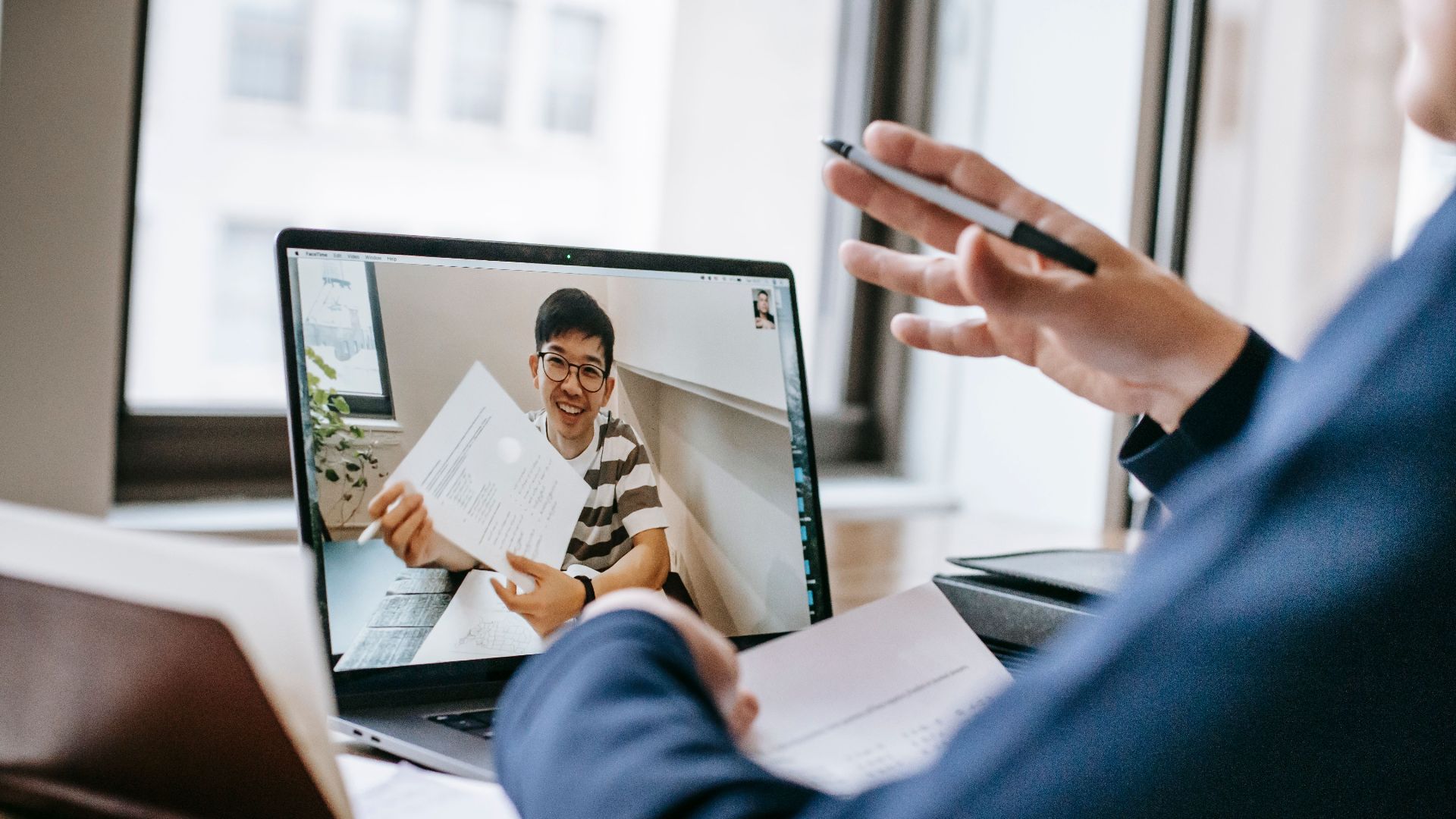
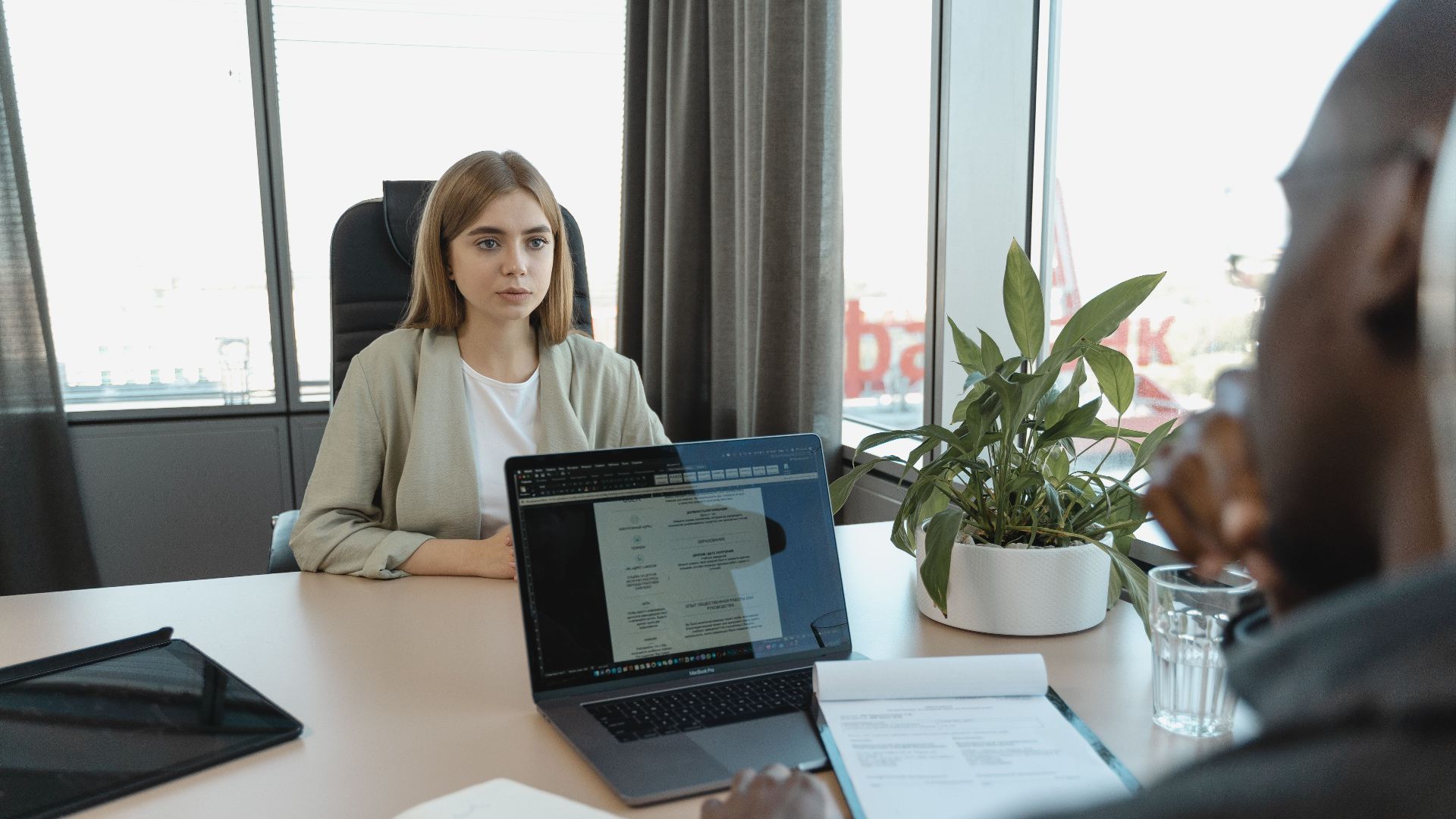
In an April 2026 survey of 2,950 job seekers across five countries, 63% said they had already completed an AI-led interview. Coinbase built an AI interviewer named Milo for roles below director level, and more than 240 of its hires were first filtered by it. The software asks questions by voice or through an animated avatar, and some versions rank the answers before a person ever sees them.
2. Some Candidates Send an Avatar of Their Own
Recruiters started reporting in 2026 that some first-round candidates were AI avatars built from the applicant's own voice and face. One recruiter who met three of them found each had applied for an English-speaking role as a non-native speaker. Those same first rounds are sometimes run by an AI avatar on the employer's side, so software ends up interviewing software.

3. Interviewers Ask You to Wave a Hand Across Your Face
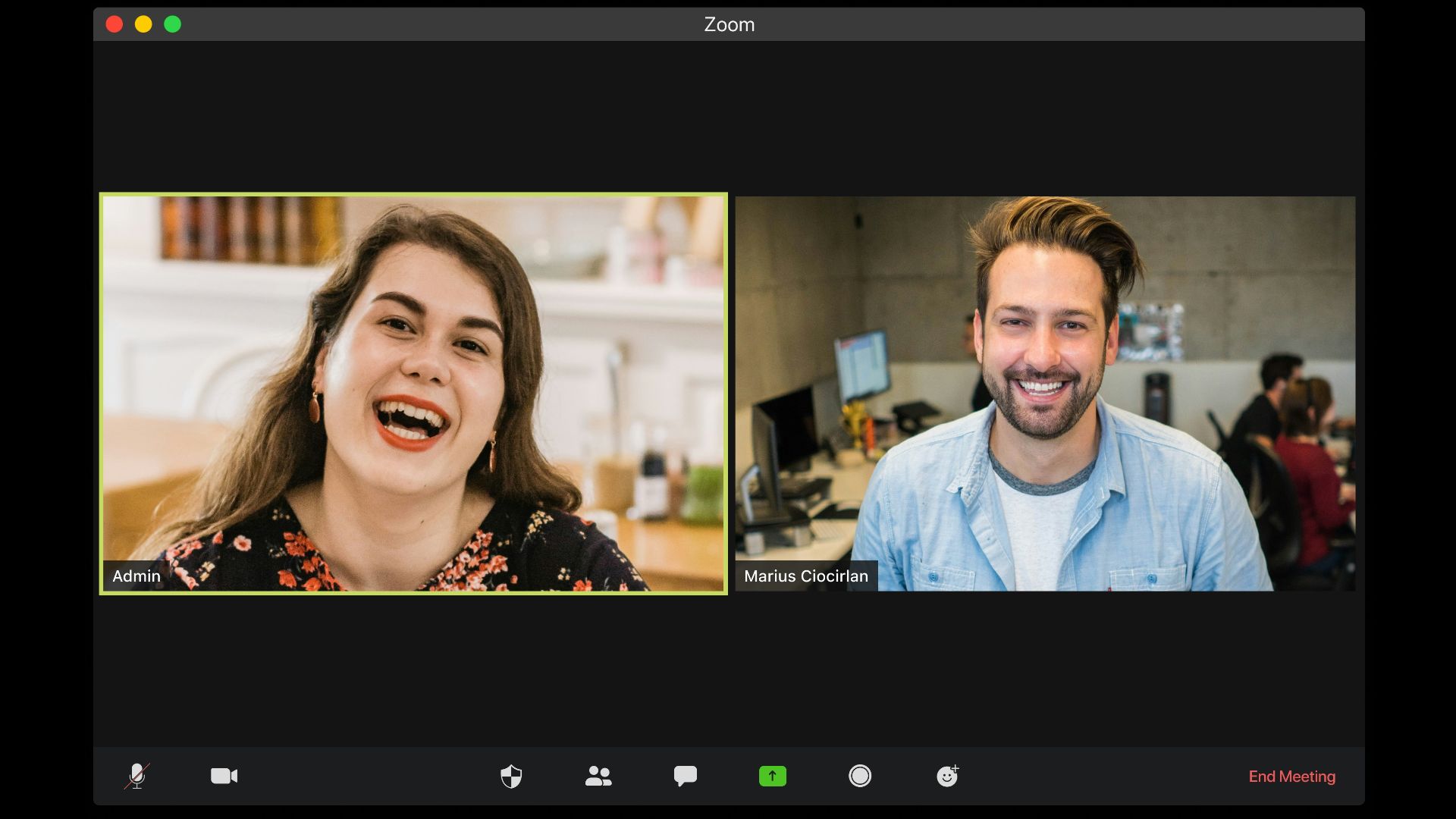
A hand passing in front of a deepfake filter tends to make it glitch, so recruiters have started asking for one on video calls. In a widely shared 2025 interview, a security startup's cofounder noticed the candidate's face blurring at the edges and asked him to hold a hand up. The candidate ignored the request twice, and the cofounder ended the call.
 Christina @ wocintechchat.com M on Unsplash
4. You Verify Your ID Before Anyone Calls
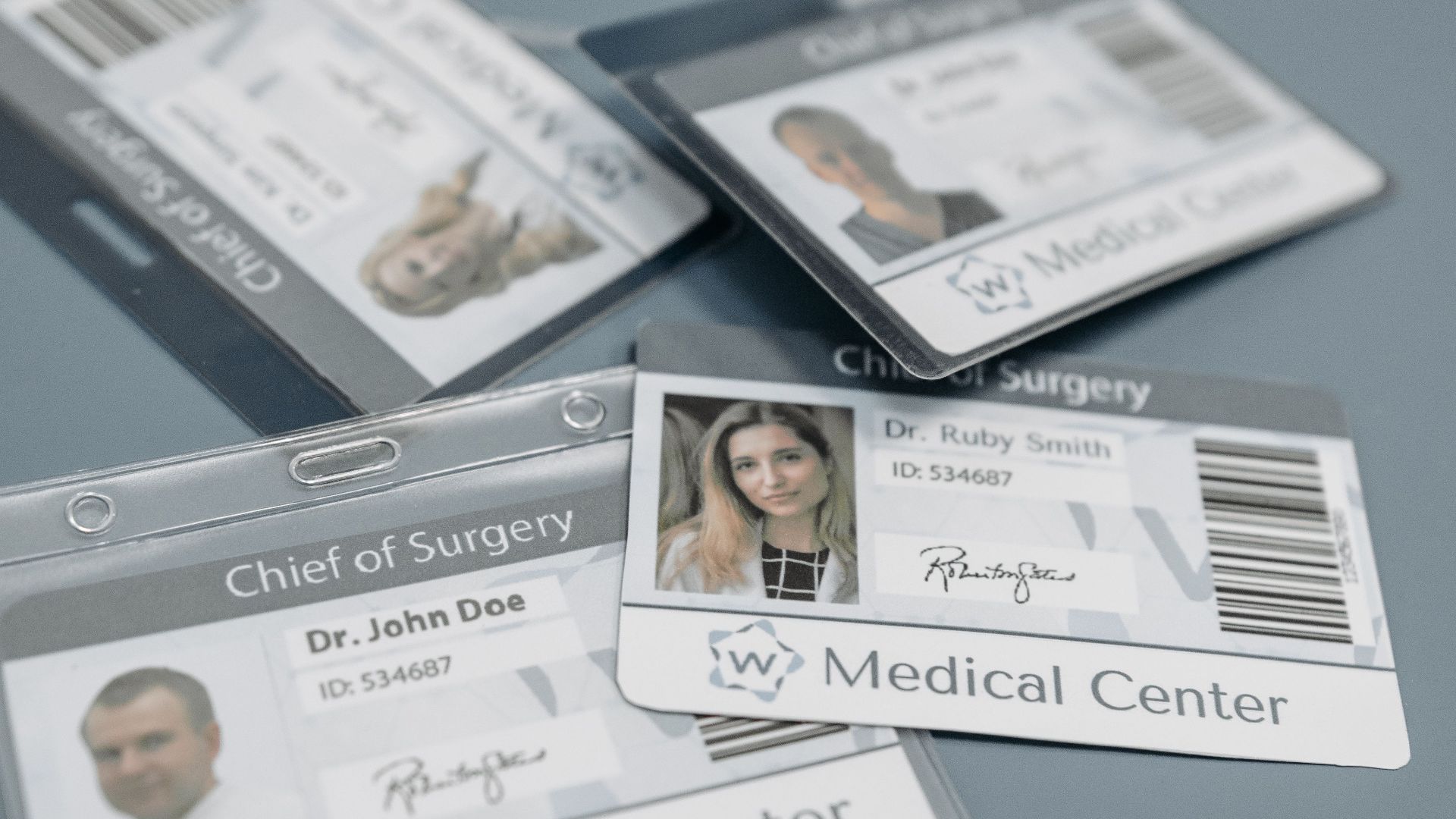
Greenhouse partnered with CLEAR in June 2025 so employers can confirm a candidate's identity inside the hiring software. Candidates match a selfie to a government ID, and the check runs more than 60 signals that include liveness detection and device data. Recruiters can trigger it again at any stage to make sure the person in the final round is the one who applied.
5. At Least One Round Happens in Person
Google CEO Sundar Pichai said in June 2025 that the company would bring back at least one in-person interview round to make sure candidates have the fundamentals. McKinsey has made a similar move. Most employers seem to be settling on a hybrid, with video for the early rounds and a face-to-face meeting reserved for later.

6. Coding Tests Let You Use AI Openly
Meta began piloting coding interviews in 2025 where candidates can use an AI assistant during the test. The company said the format looks more like the work its engineers do and makes secret chatbot cheating less effective. Interviewers judge how a candidate works with the tool, including whether they catch its bad suggestions.
7. Hidden Helper Apps Feed Answers in Real Time
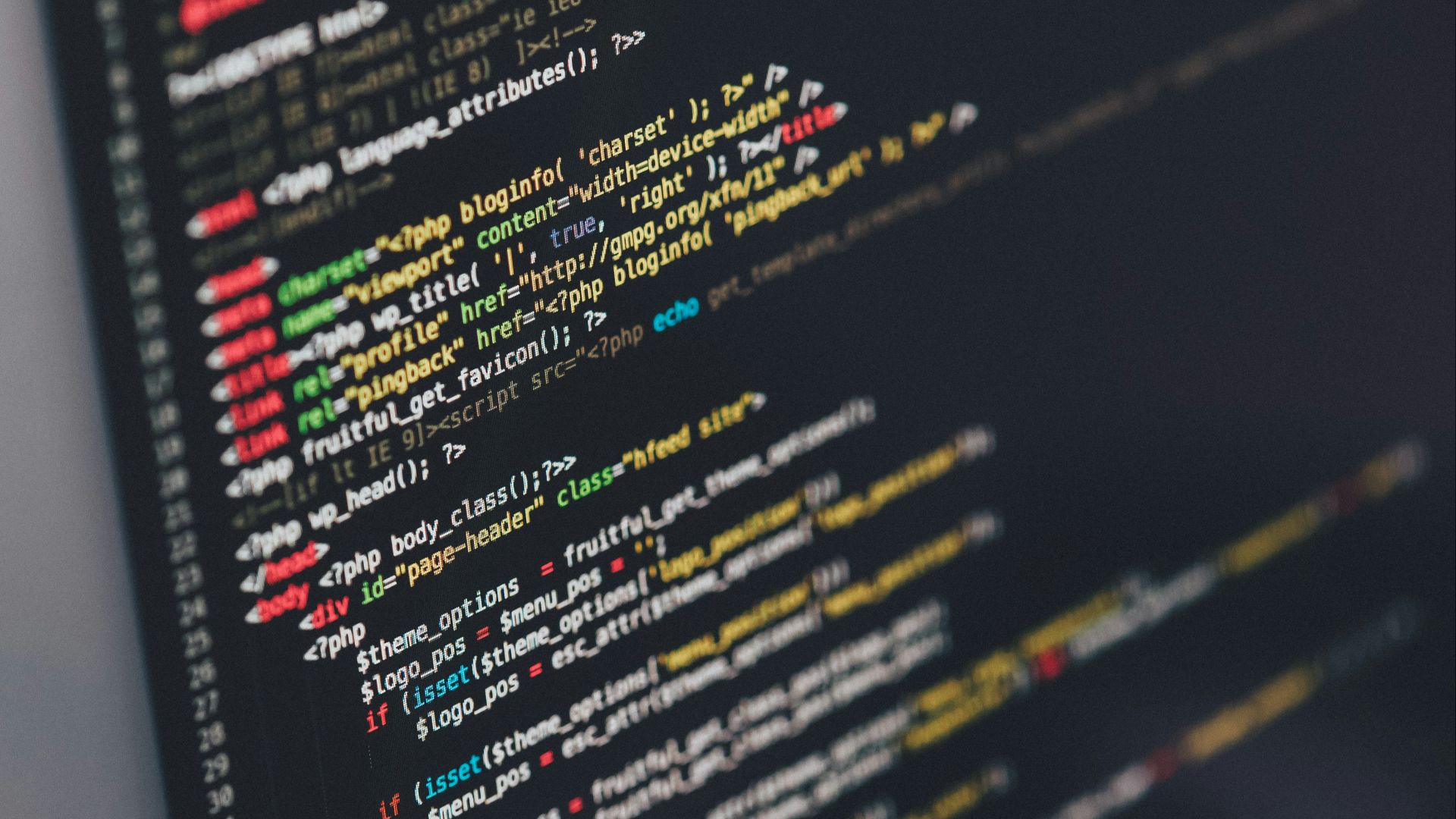
Columbia student Roy Lee built a desktop app called Interview Coder that watched the screen during coding interviews and displayed answers in an overlay. He said it helped him land internship offers, including one from Amazon. Columbia suspended him in 2025 and said the reason was that he'd posted disciplinary records online. He then raised $5.3 million for a broader version called Cluely that also listens to audio.
8. Software Flags Answers That Sound Machine-Written
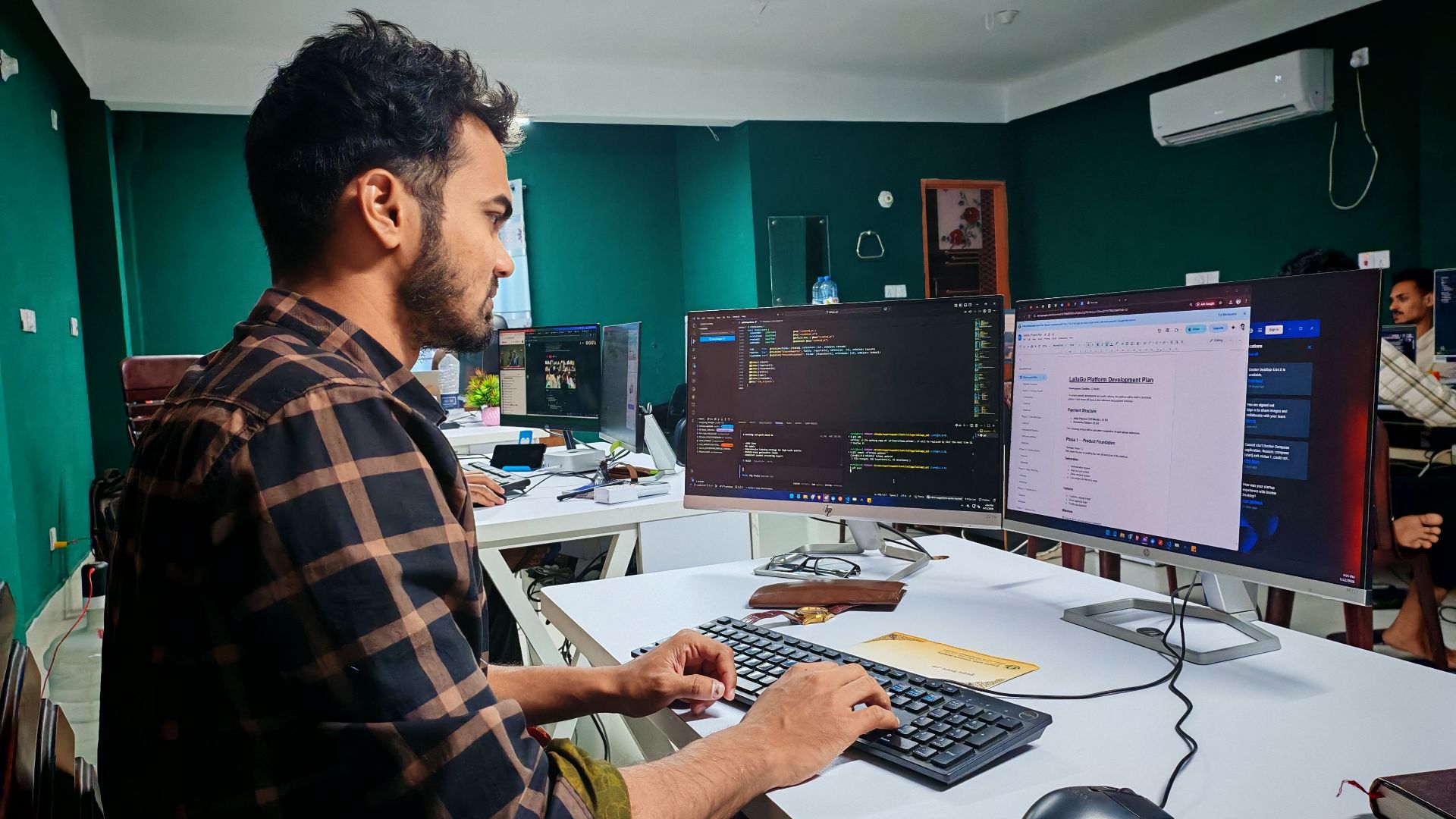
A hiring platform reviewed 19,368 live interviews between July 2025 and January 2026 and flagged 38.5% of candidates for AI-assisted behavior. In the same report, 91% of US hiring managers said they had run into or suspected AI-generated answers. The usual method is reading canned answers off a hidden screen while the interview runs.
 LinkedIn Sales Solutions on Unsplash
9. Applications Ask You to Promise You Won't Use AI
Amazon requires candidates to acknowledge that they won't use unauthorized tools during the interview process. In 2025 Anthropic, which makes the Claude chatbot, asked applicants not to use AI assistants so recruiters could judge their own writing and their interest in the job.
10. Resumes Get Scanned for Hidden Instructions
Some applicants hide commands for AI screeners in white or tiny text, telling the software to rank them as highly qualified. A 2026 study of about 200,000 resumes found roughly 1% contained these hidden prompts. One staffing firm said it finds hidden text in about 10% of the resumes it scans (one recruiter only spotted a hidden line after switching the whole document's font to black).
 LinkedIn Sales Solutions on Unsplash
11. Every Opening Draws a Flood of Applicants
LinkedIn was averaging 11,000 applications a minute in mid-2025, up more than 45% in a year. One consultant got 1,200 responses to a single post within days. LinkedIn's own AI hiring assistant now narrows those pools for recruiters, though the company says it doesn't reject anyone automatically.
12. Bots Apply to Jobs for You
Services like Sonara and Jobhire scan listings and submit applications automatically, sometimes to hundreds of jobs at once. Plenty of those applications land on roles the candidate isn't qualified for. Some students have reported sending anywhere from 300 to 1,000 applications in a single search.

13. Fewer Candidates Trust the Process
Only 26% of job candidates in a 2025 survey said they trust AI to evaluate them fairly. About half believed AI was already screening their applications. A quarter said they trust an employer less when it uses AI to assess them.

14. Fake Applicants Become a Routine Worry
One research firm projects that by 2028, one in four candidate profiles worldwide will be fake. In a mid-2025 survey of 3,000 job seekers, 6% admitted to interview fraud, either posing as someone else or having someone stand in for them. A voice security startup caught one applicant for a senior engineering job whose facial expressions didn't sync with his words on video.
15. Remote Hires Get Checked for Laptop Farms
North Korean IT workers have used stolen and fake identities to get remote jobs at US companies, including Fortune 500 firms. Helpers in the US host the company laptops in their homes so the workers appear to be local. In June 2025 the FBI searched 21 suspected laptop farms across 14 states and seized 137 laptops.
16. Employers Have to Tell You When AI Is Judging
Illinois has required employers to explain and get consent before AI analyzes a video interview since 2020. A broader Illinois law that took effect in January 2026 requires notice whenever AI is used in hiring decisions. The state agency has postponed its detailed rules, so what that notice must say is still unsettled.
17. Screening Tools Get Bias Audits
New York City requires employers that use automated hiring tools to get an annual independent bias audit and post a summary of the results. A December 2025 state audit found significant weaknesses in how the city enforces the law, and several states have explored rules of their own.
 LinkedIn Sales Solutions on Unsplash
18. Rejected Applicants Sue Over the Algorithm
Derek Mobley applied to more than 100 jobs at companies using Workday's software and was rejected every time. He sued, saying its AI screening discriminated against applicants over 40. In May 2025 a federal judge let the age claim go forward as a nationwide collective action. Workday has denied the claims.
19. Some Candidates Sour on the Company
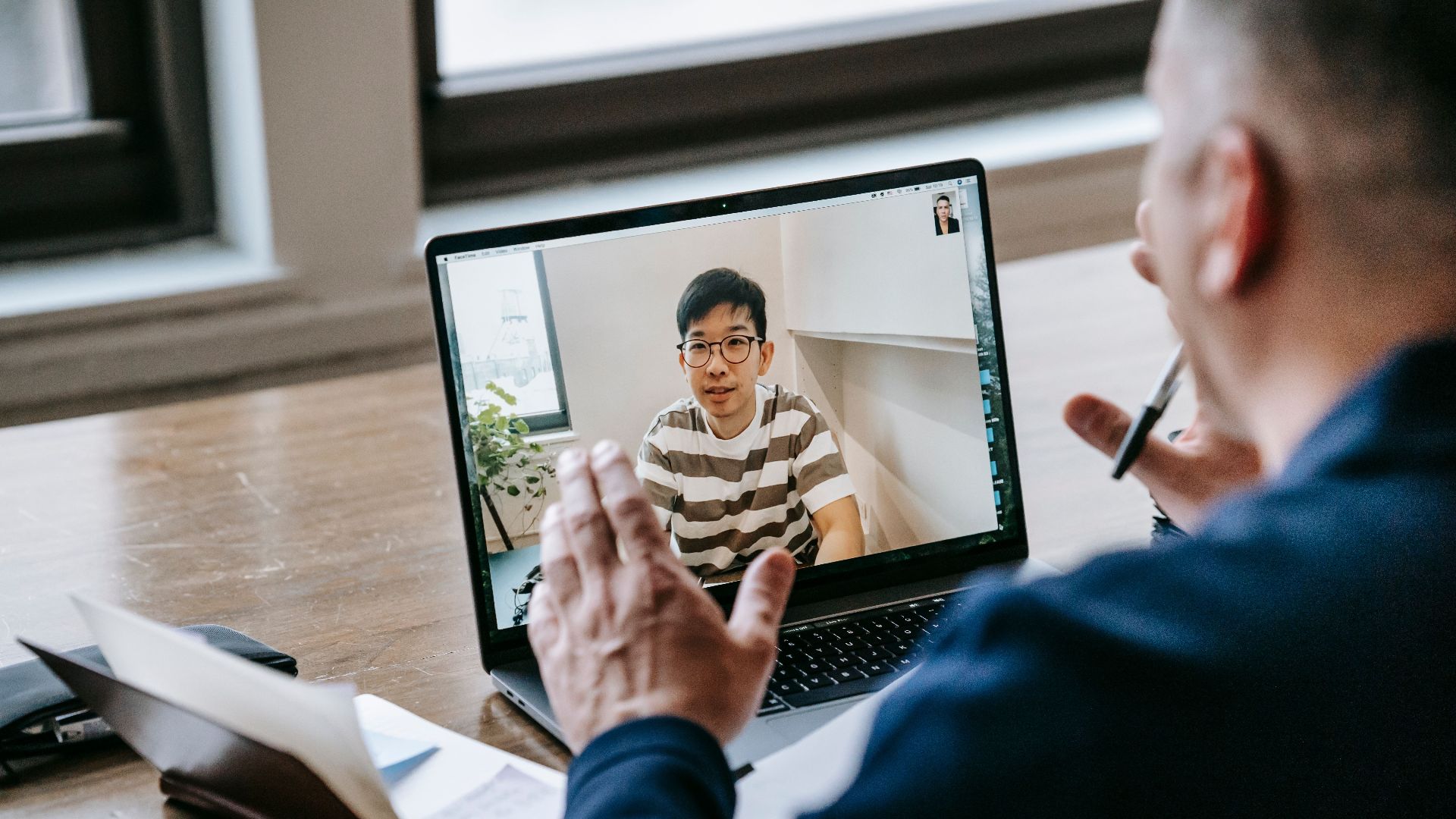
In a May 2026 report from a hiring platform, 34% of respondents came away from an AI-led interview with a more negative view of the employer. Biopharma job seekers told one trade outlet the experience felt impersonal. Some candidates say they'd rather stay unemployed than sit through another robot interview.

20. AI First Rounds May Lead to More Offers
A field experiment covering more than 70,000 applicants compared AI voice interviews with human ones for the first round. Candidates interviewed by AI got 12% more job offers, and 30-day retention on the job rose 17%. Applicants also reported less gender discrimination when software ran the interview.