Every One Of These Has Already Happened To Somebody
A smart home sounds like a house that does what you tell it. The catch is, you're not always the only one giving orders. Manufacturers can change how devices work, and sometimes utilities or even local police get involved. None of the examples on this list are hypothetical. They've already happened to real customers, and what happens to one person's devices could reach yours in the next software update. Here are 20 things your house might do without asking you first.
1. Lock You Out of Your Own Thermostat
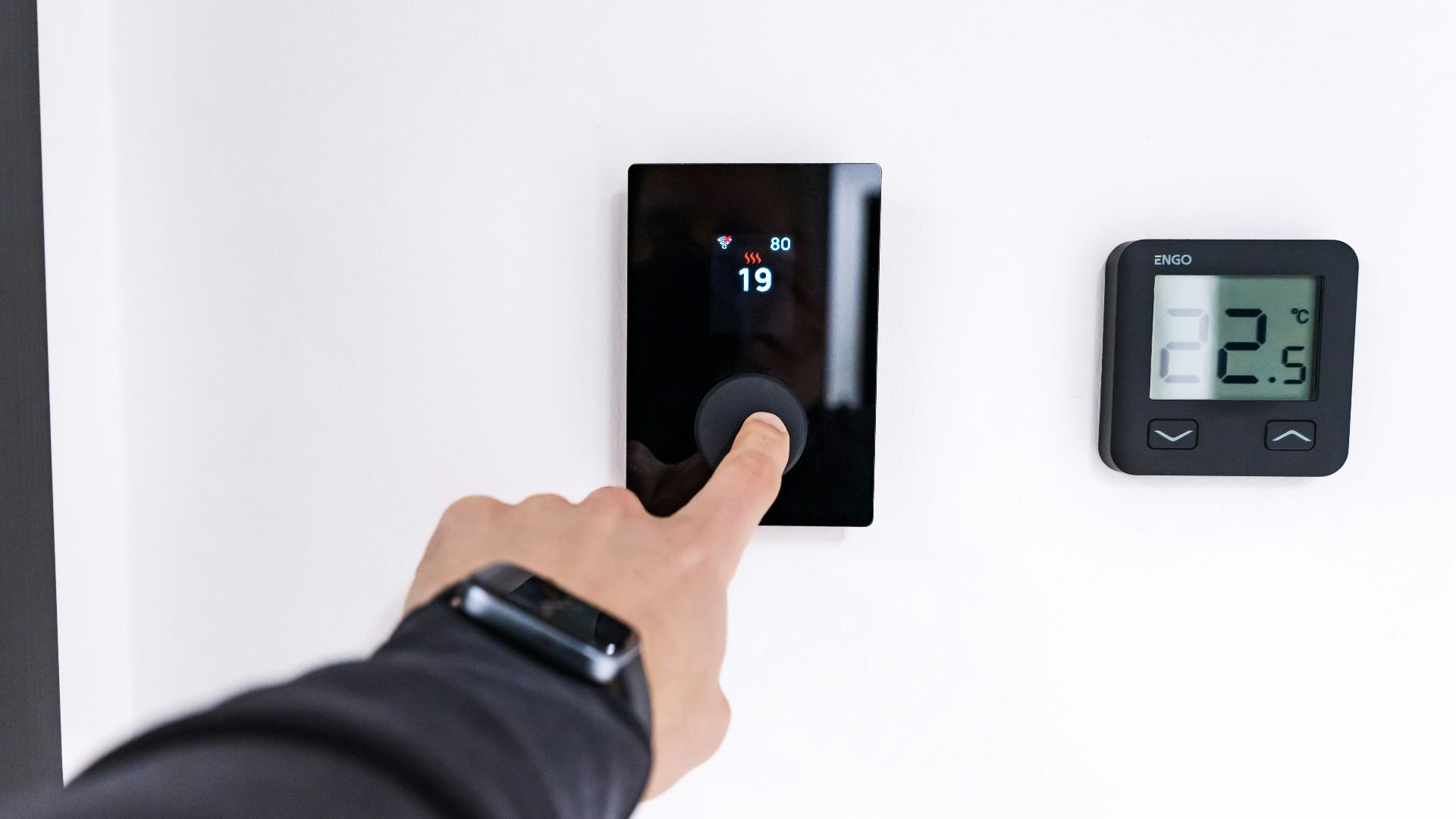
In September 2022, Xcel Energy locked roughly 22,000 Colorado customers out of their smart thermostats during what it called an energy emergency. Settings held near 78 degrees while outdoor temperatures hit 90, and some owners reported indoor readings of 88. Everyone affected had opted into a rewards program paying $100 up front and $25 a year.
2. Join a Neighborhood Mesh Network
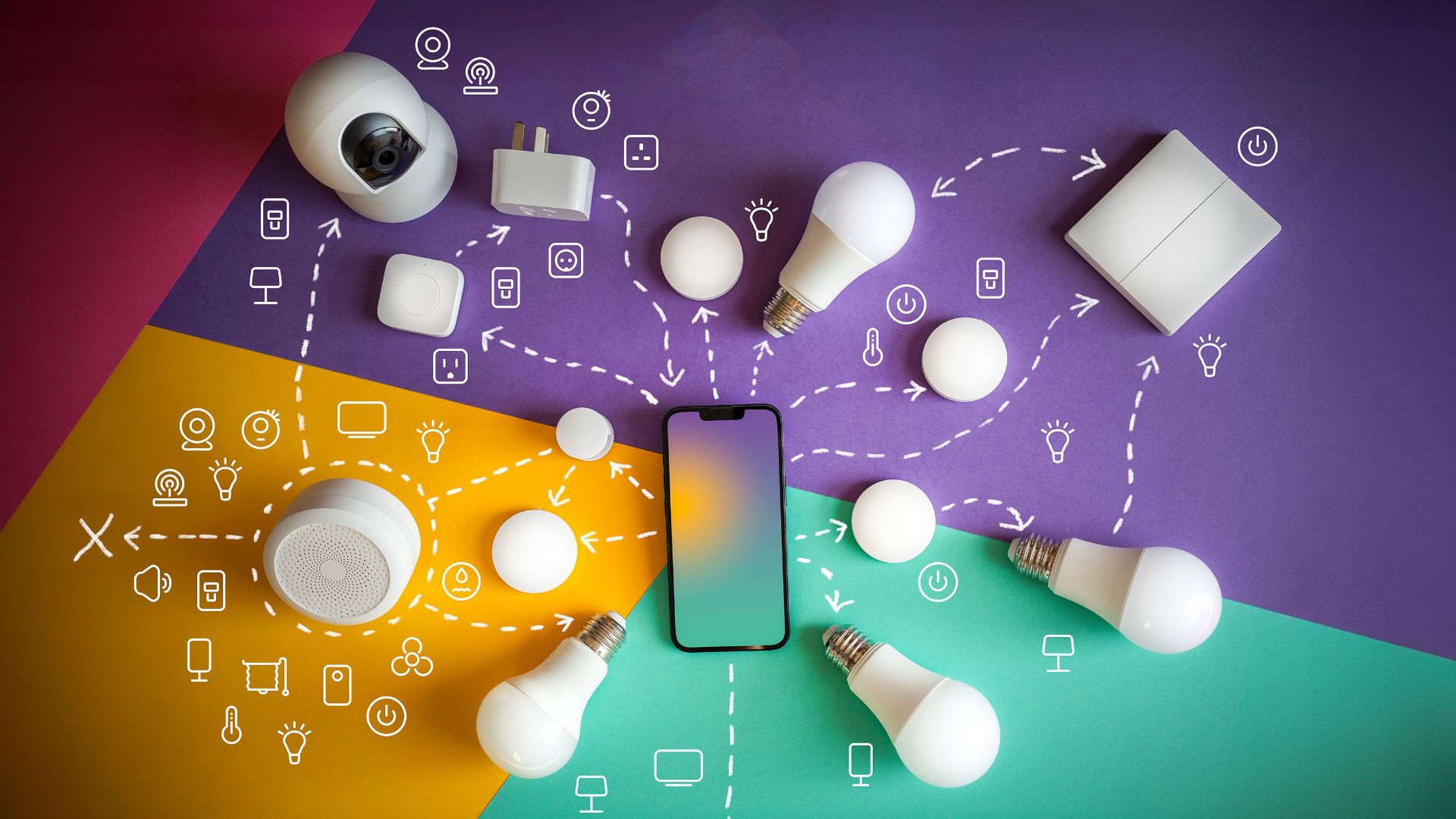
On June 8, 2021, Amazon switched on Sidewalk across most Echo and Ring hardware in the United States, pooling a slice of each household's bandwidth into a shared neighborhood network. The feature was opt-out rather than opt-in, so devices enrolled themselves unless owners went hunting for the setting, sharing about 80Kbps apiece.

3. Hand Your Camera Footage to Police
Amazon disclosed in a July 2022 letter to Senator Ed Markey that Ring had given footage to law enforcement 11 times that year with no warrant and no owner consent. The company said each involved a good-faith determination of imminent danger. Owners were not told which videos went out.
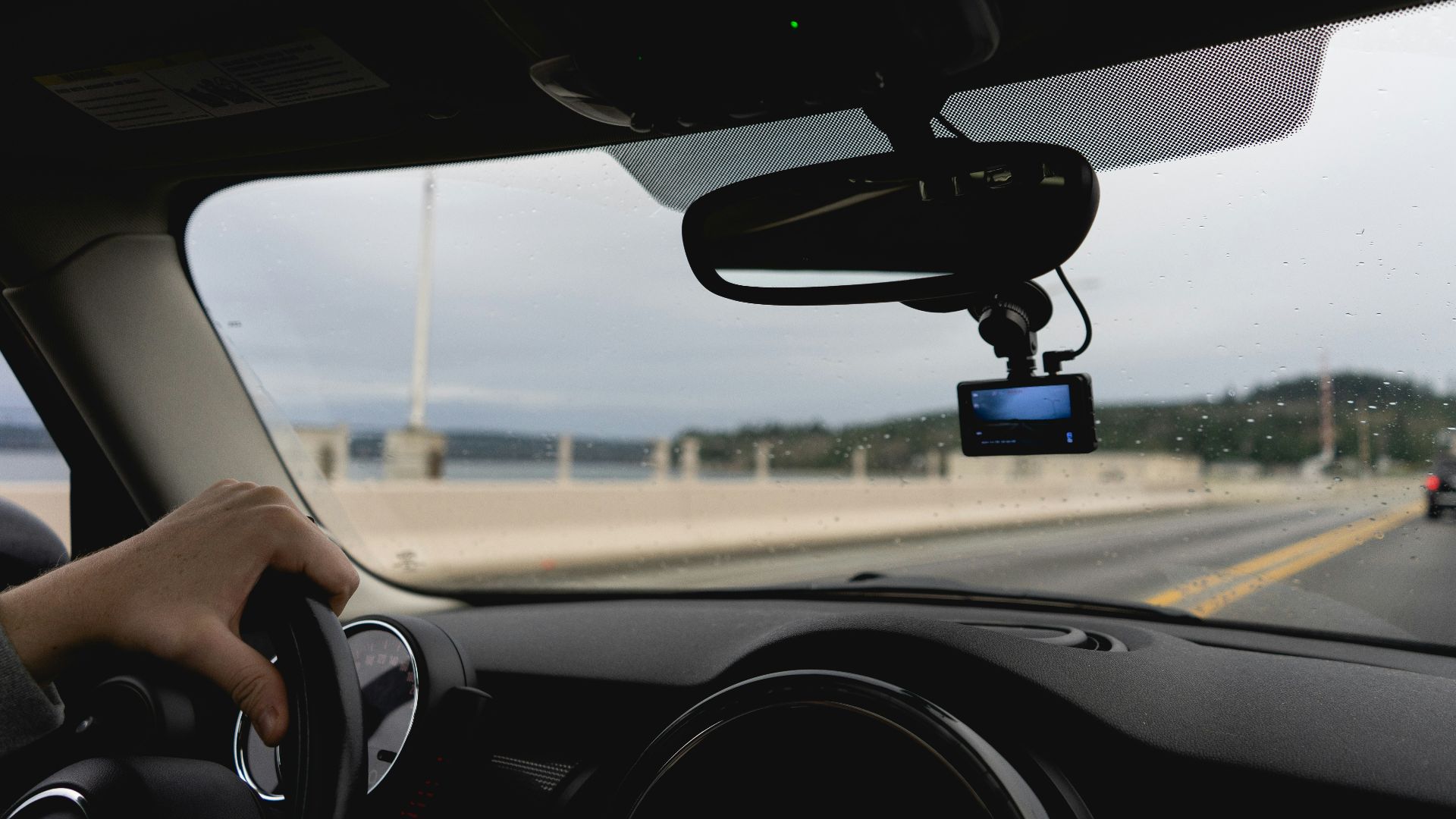
4. Put Your Door on a Police Request List
That same letter put 2,161 law enforcement agencies on Ring's Neighbors portal, which lets police ask owners for footage directly. Markey's office noted that was more than five times the number partnered in November 2019.
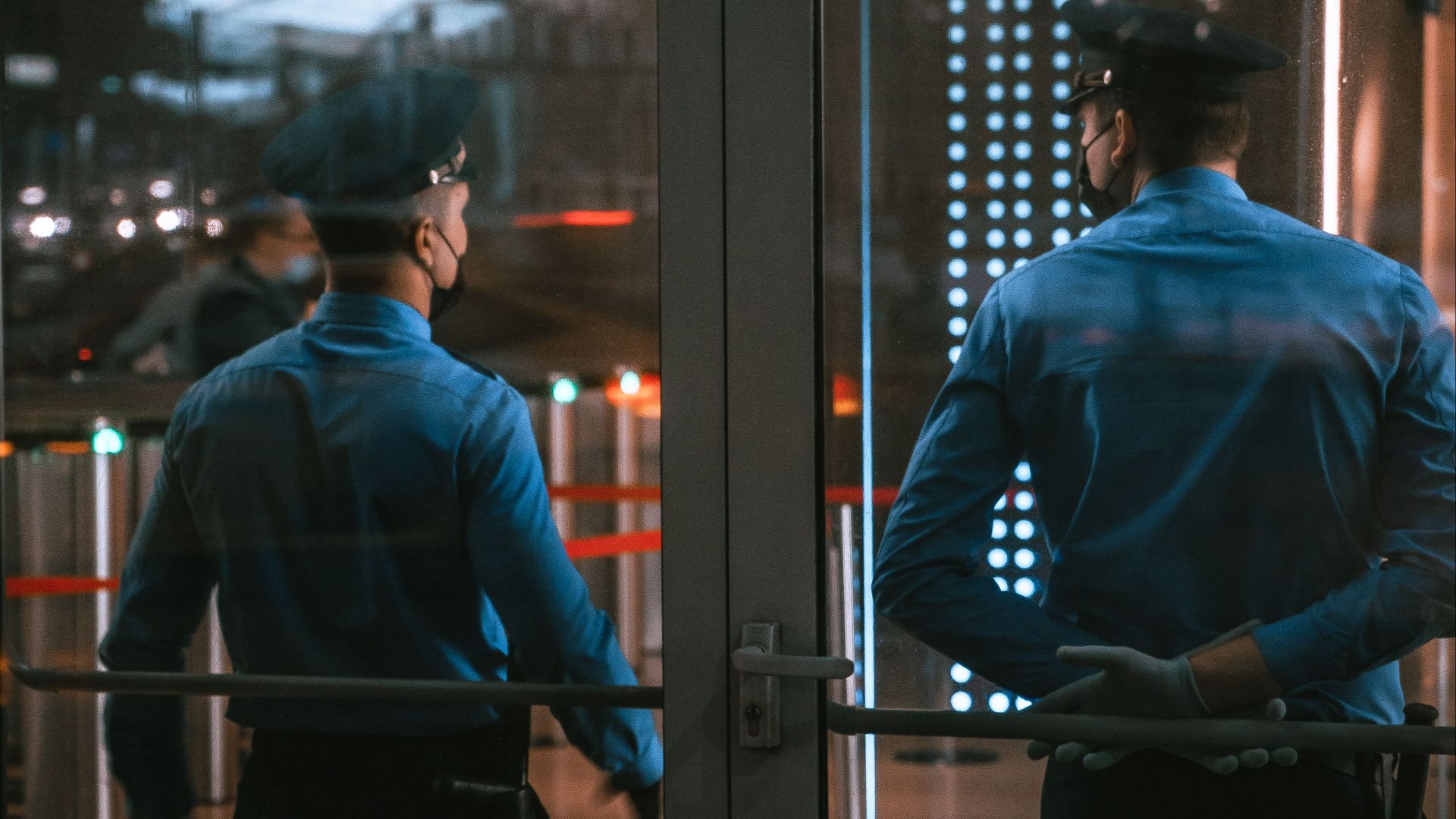
5. Let Staff Watch the Feed
The FTC's 2023 complaint against Ring alleged that until 2017 the company placed no meaningful limits on which employees and contractors could view, download, or share customer videos. One employee watched thousands of recordings from female users' cameras. Ring paid $5.8 million to settle. The order also required deleting the affected videos along with face embeddings collected before 2018.
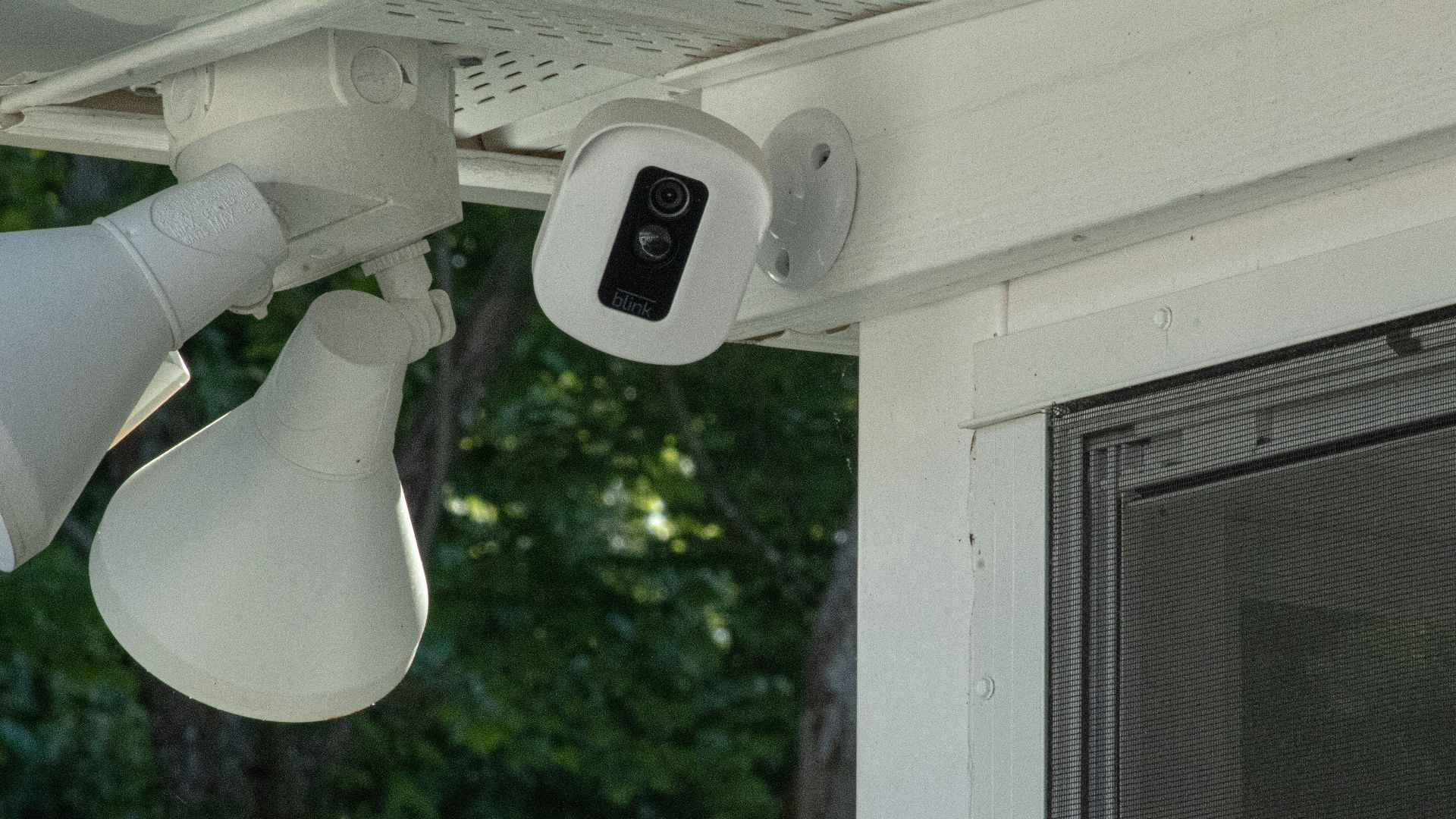
6. Train an Algorithm on Your Living Room
Ring customers bought cameras to keep an eye on their homes, not to help develop the company's software. But the FTC alleged that Ring used their recordings to train its algorithms without getting permission. Footage meant for home security was also being used to improve Ring's commercial products.
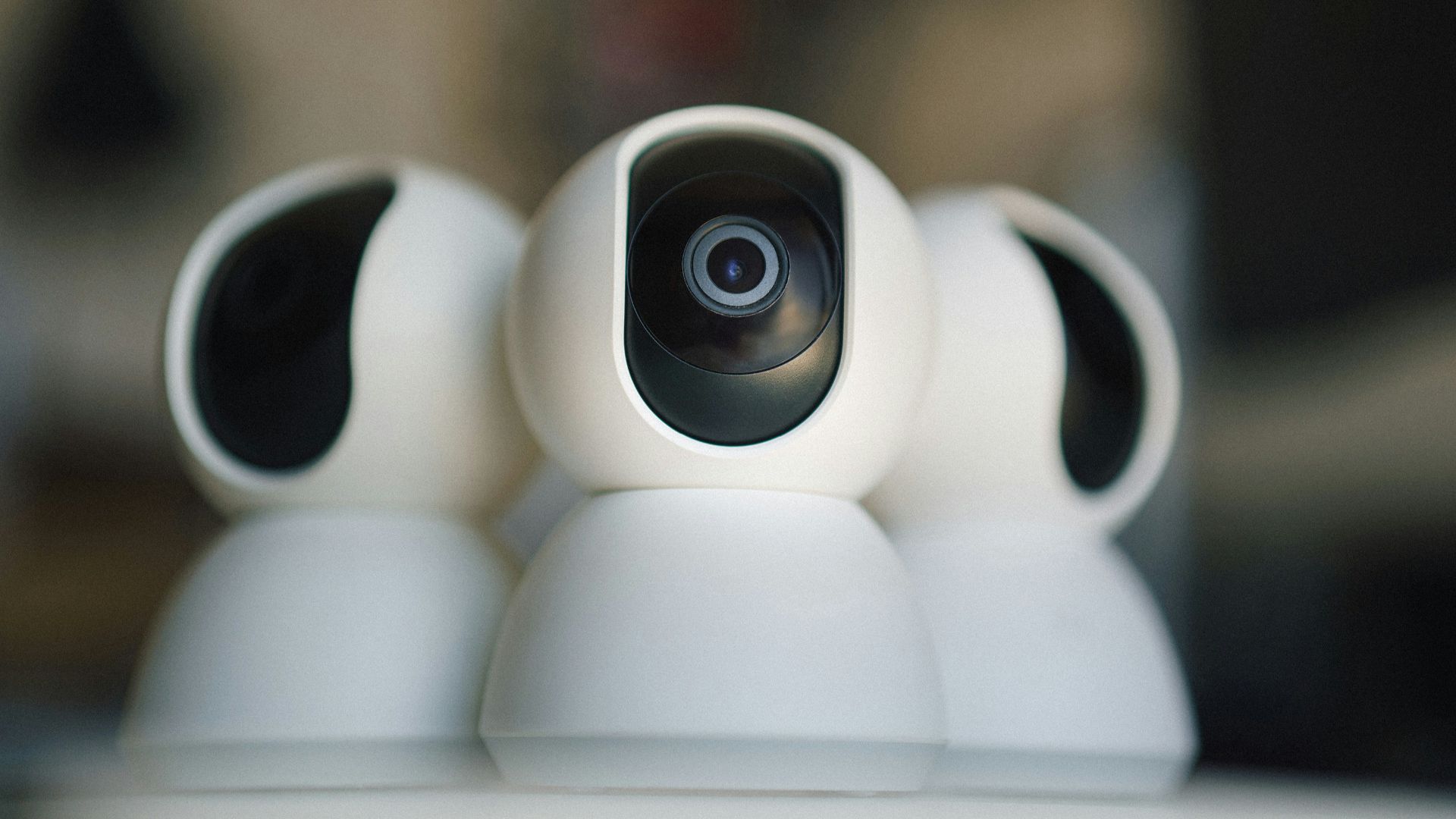
7. Stop Processing Your Voice Locally
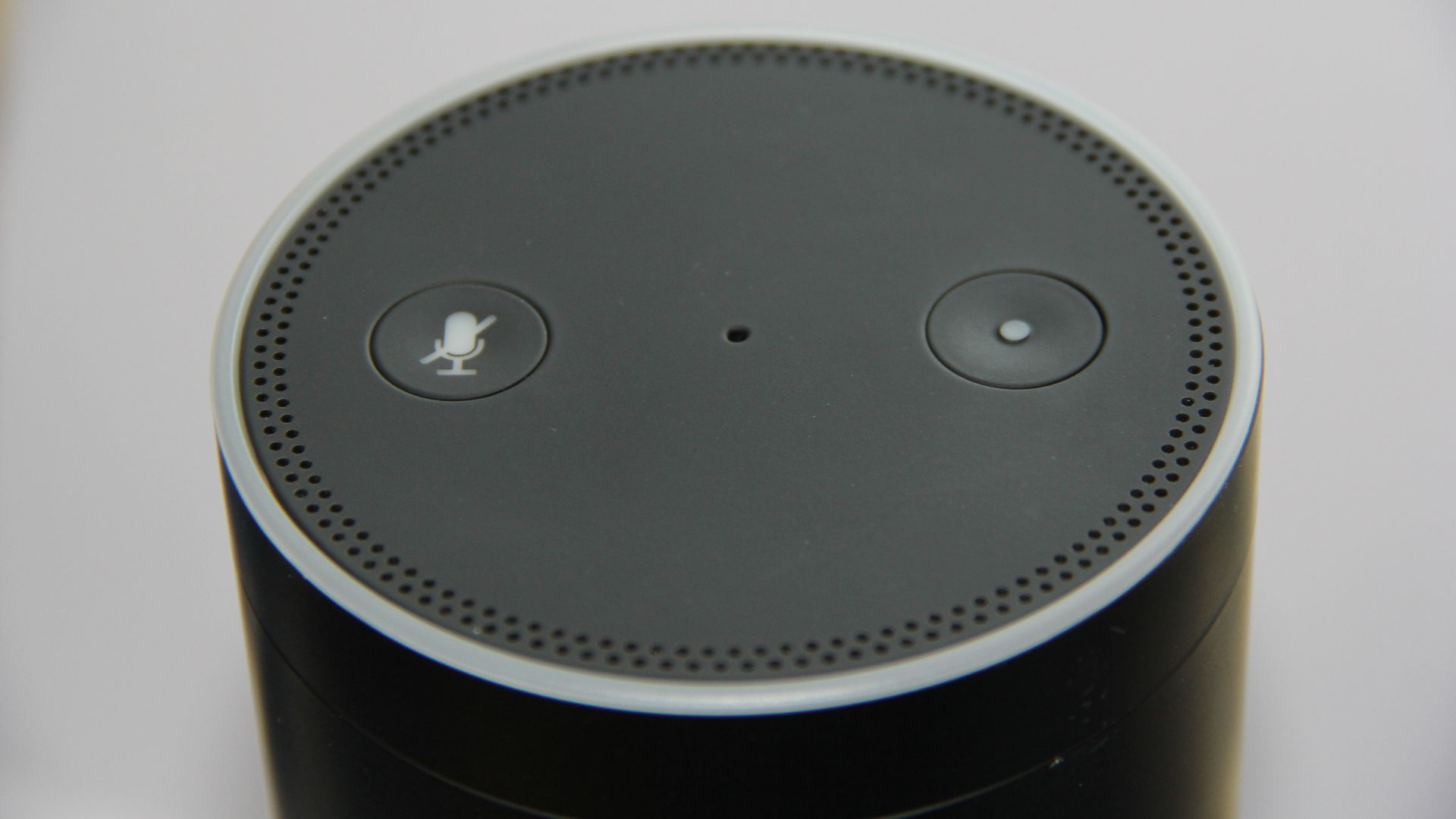
Amazon removed the "Do Not Send Voice Recordings" option from Echo devices on March 28, 2025, in preparation for its generative AI assistant. Owners who had enabled local processing were switched automatically to a setting that sends everything to the cloud and deletes it afterward. Amazon said under 0.03 percent of owners had used the feature.
8. Keep Recordings You Asked It to Delete
Amazon paid a $25 million civil penalty in 2023 over FTC and Justice Department allegations that it held onto children's Alexa voice recordings and geolocation data for years, including after parents requested deletion. The order forced the company to actually delete the data and barred it from using what had been requested gone.
9. Wake Up When Nobody Called It
Researchers at Northeastern University and Imperial College London played 125 hours of Netflix shows in a room full of smart speakers to see how often they'd wake up by mistake. Depending on the model, it happened between 1.5 and 19 times a day, with one activation lasting 43 seconds. Apple's HomePod and Microsoft's Cortana were the easiest to set off, sometimes responding to dialogue that sounded nothing like their wake words.
10. Log Everything on the Screen
Vizio settled with the FTC and New Jersey in February 2017 over automatic content recognition software that captured second-by-second viewing data from about 11 million televisions. Owners had not consented to any of it. The company appended demographics to that data, including income and home ownership, then sold it on. The settlement cost $2.2 million.

11. Lock You Out Until You Accept New Terms
In March 2024, Roku sent updated legal terms to TVs and streaming players, giving owners just one button to press: Agree. Until they accepted, their devices were effectively locked. The new terms restricted mass arbitration, and anyone who wanted to opt out had to mail Roku a physical letter.

12. Upload Footage You Thought Stayed Private
In November 2022, a security researcher found that Anker's Eufy cameras were uploading images to the cloud even with cloud storage turned off. That went against Eufy's promise of local-only storage. The researcher also showed that some camera streams could be opened in VLC without authentication. Eufy later dropped its local-only claims.
13. Recognize Your Face Across Different Cameras
The same researcher found that Eufy's facial recognition system could match a person across cameras belonging to two separate accounts. Someone identified by one camera could be recognized by another, even though the accounts weren't connected. Owners who bought the cameras for their advertised privacy had never been told about this capability.

14. Send Pictures From Your Home to Contractors
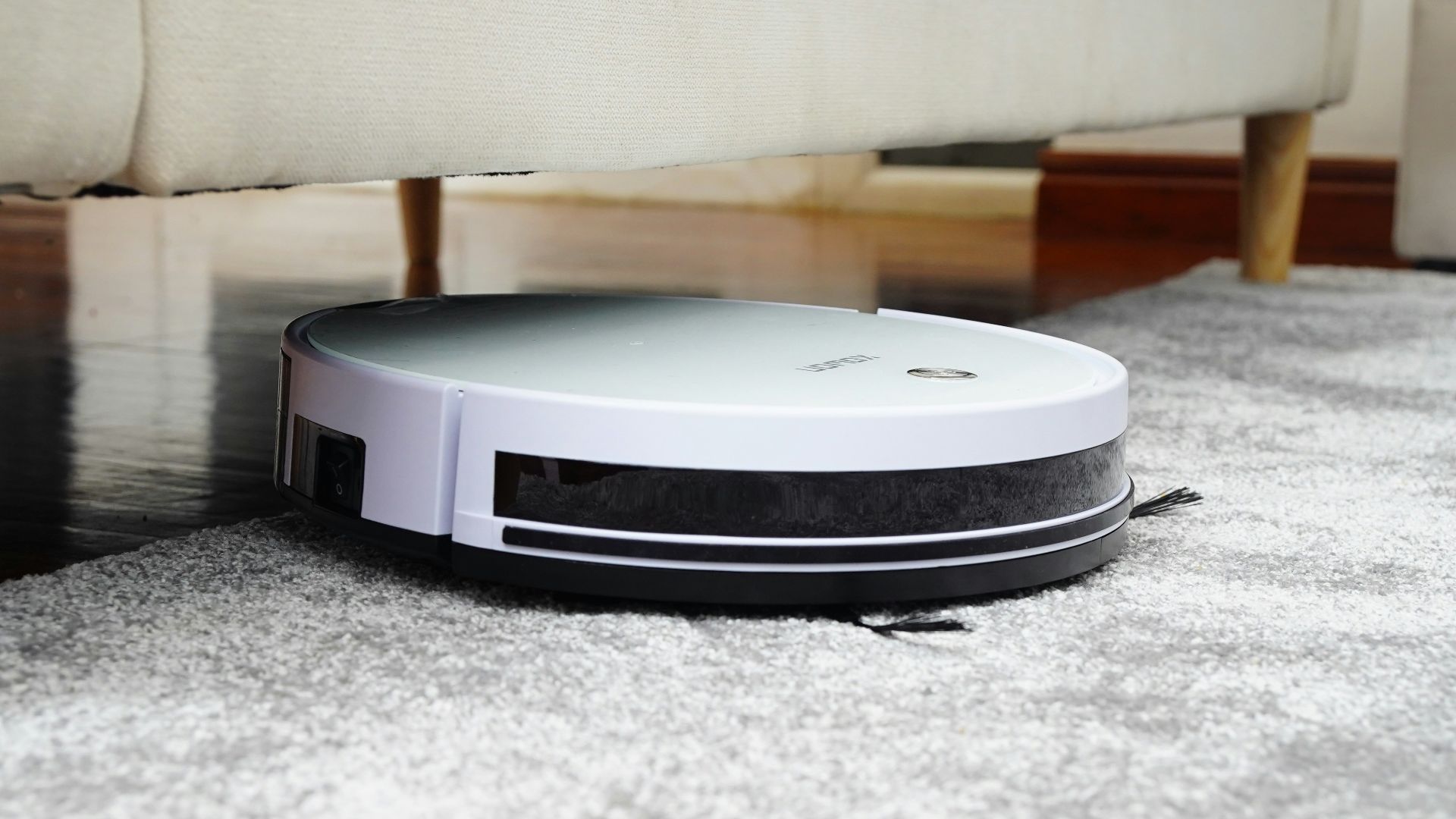
Some robot vacuums take pictures to help improve their navigation, and those images can end up with outside companies training the software. In one case, photos collected by iRobot test devices were shared in private online groups by workers hired to review them. The people involved had agreed to data collection, but not to having their pictures passed around. iRobot later cut ties with the contractor responsible.
15. Refuse to Print With Ink You Already Bought
HP's Dynamic Security updates can stop printers from accepting third-party cartridges, even if those cartridges worked before. The practice has led to multiple class-action lawsuits. A 2025 settlement allowed owners of certain LaserJet models to decline the updates, but offered no compensation. HP admitted no wrongdoing, and restrictions remain on many other models.

16. Break Your Garage Door Automations
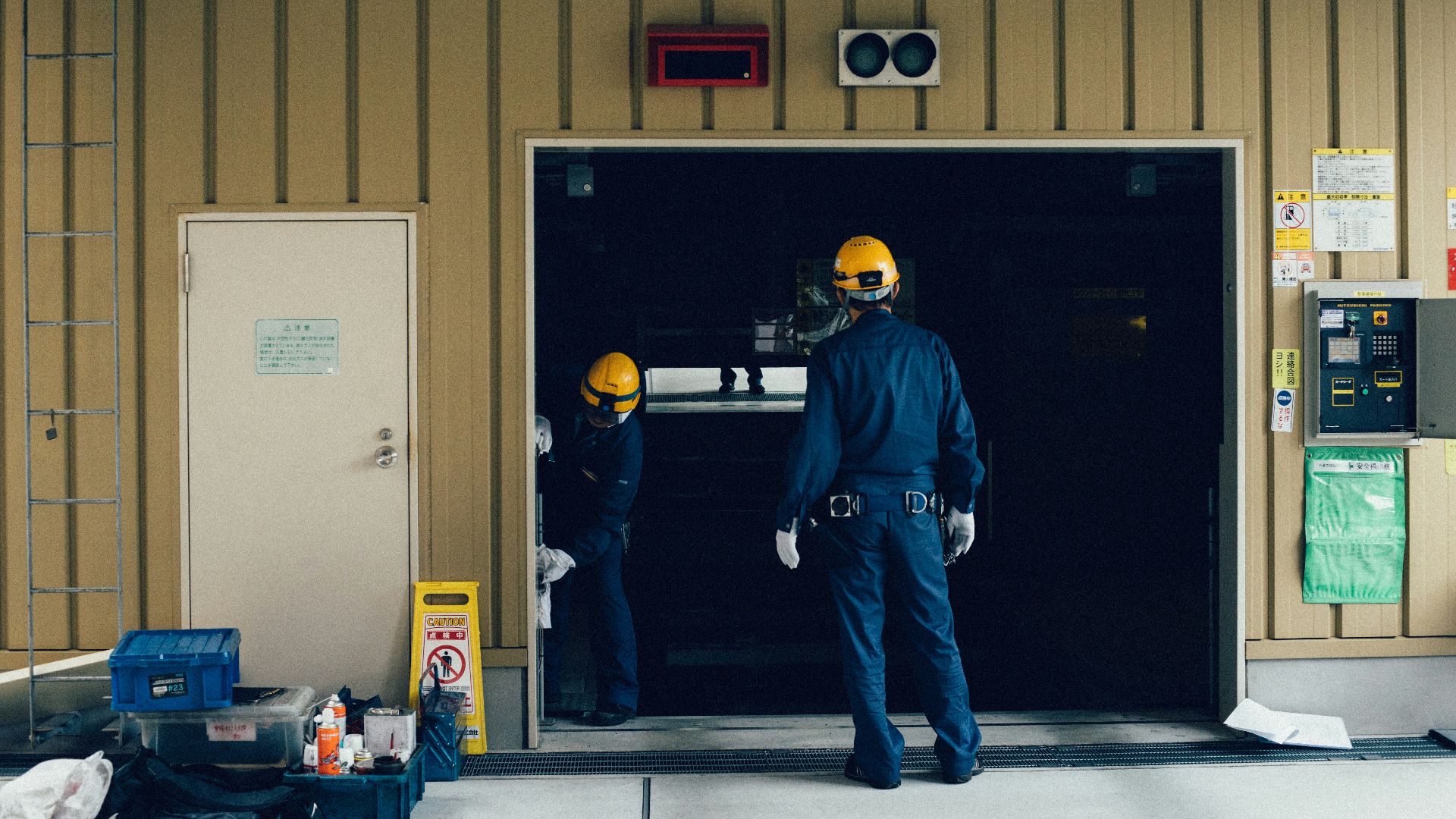
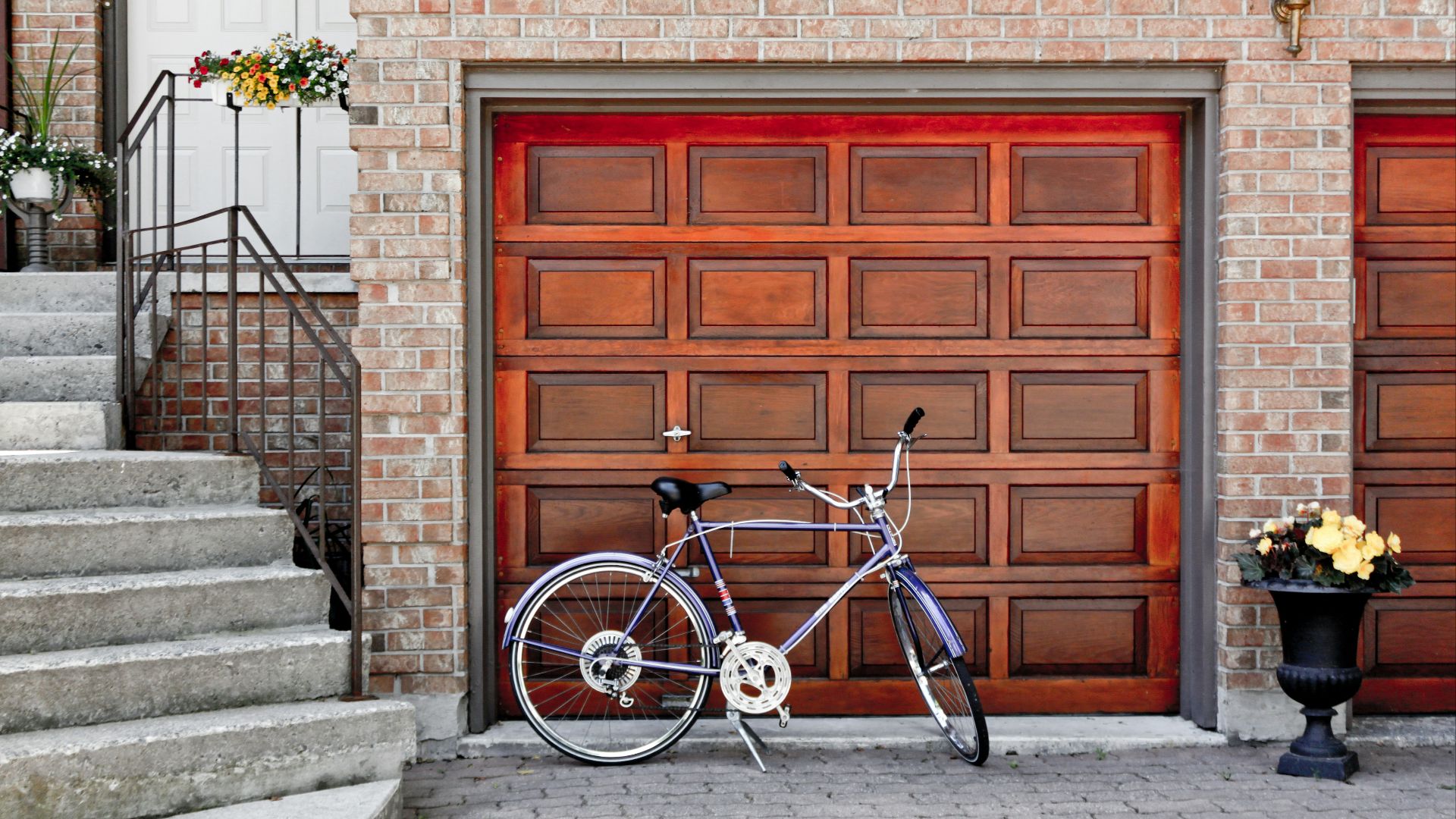
In November 2023, Chamberlain blocked outside access to its myQ garage-door system, claiming third parties were using it without permission. Home Assistant dropped its myQ integration that December, leaving owners with automations that no longer worked. The garage doors still opened, but the custom smart-home setups people had spent time building were suddenly useless.
17. Discontinue an Accessory You Still Use
Chamberlain also discontinued its myQ Home Bridge, the accessory that connected its garage-door openers to Apple's HomeKit. Existing bridges didn't necessarily stop working overnight, but owners were left depending on hardware the company no longer sold. Replacing a failed unit or counting on future support became a much bigger problem.
18. Shut Down Your Smart Home Connections
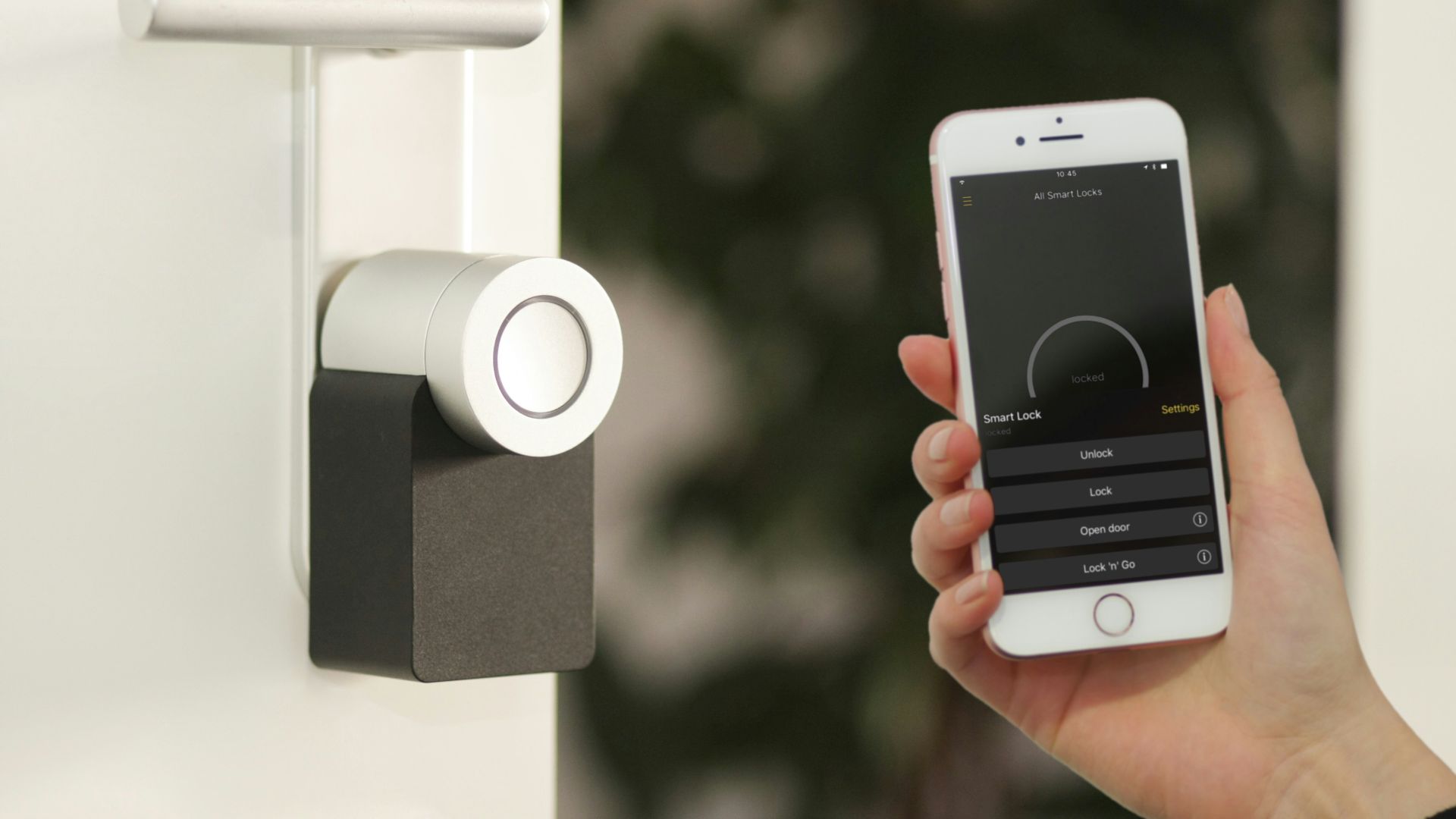
Google ended its Works with Nest program on September 29, 2023, cutting off the connections that allowed Nest devices to work with products from other brands. Owners who had built automations around those connections had to recreate them through Google's replacement system, where possible. Setups that had worked for years suddenly needed rebuilding.
 Sebastian Scholz (Nuki) on Unsplash
19. Stop Working Altogether
On April 8, 2024, Google shut down the services supporting Dropcam and Nest Secure. The devices didn't just lose updates. They stopped working altogether. Google offered affected owners replacement equipment, but that still meant replacing hardware they'd already paid for. Nest Secure's earlier support commitment had only extended through November 2022.
20. Send Your Battery's Power Back to the Grid
Owners who enroll their Tesla Powerwall in a virtual power plant let Tesla control when the battery charges or sends electricity back to the grid during certain events. Once enrolled and eligible, the system works automatically without asking permission each time. Owners can set aside a backup reserve and earn credits for participating, but Tesla handles the actual dispatch.