Convenience We Quickly Learned to Expect
Some technologies solve obvious problems, while others make you wonder how your life ever functioned without them. The most successful products often tackle small frustrations that people had simply accepted as part of life. From tangled cables and lost keys to trying to hail a taxi or manually adjusting thermostats, here are 20 tech products that solved problems we didn't know we had.

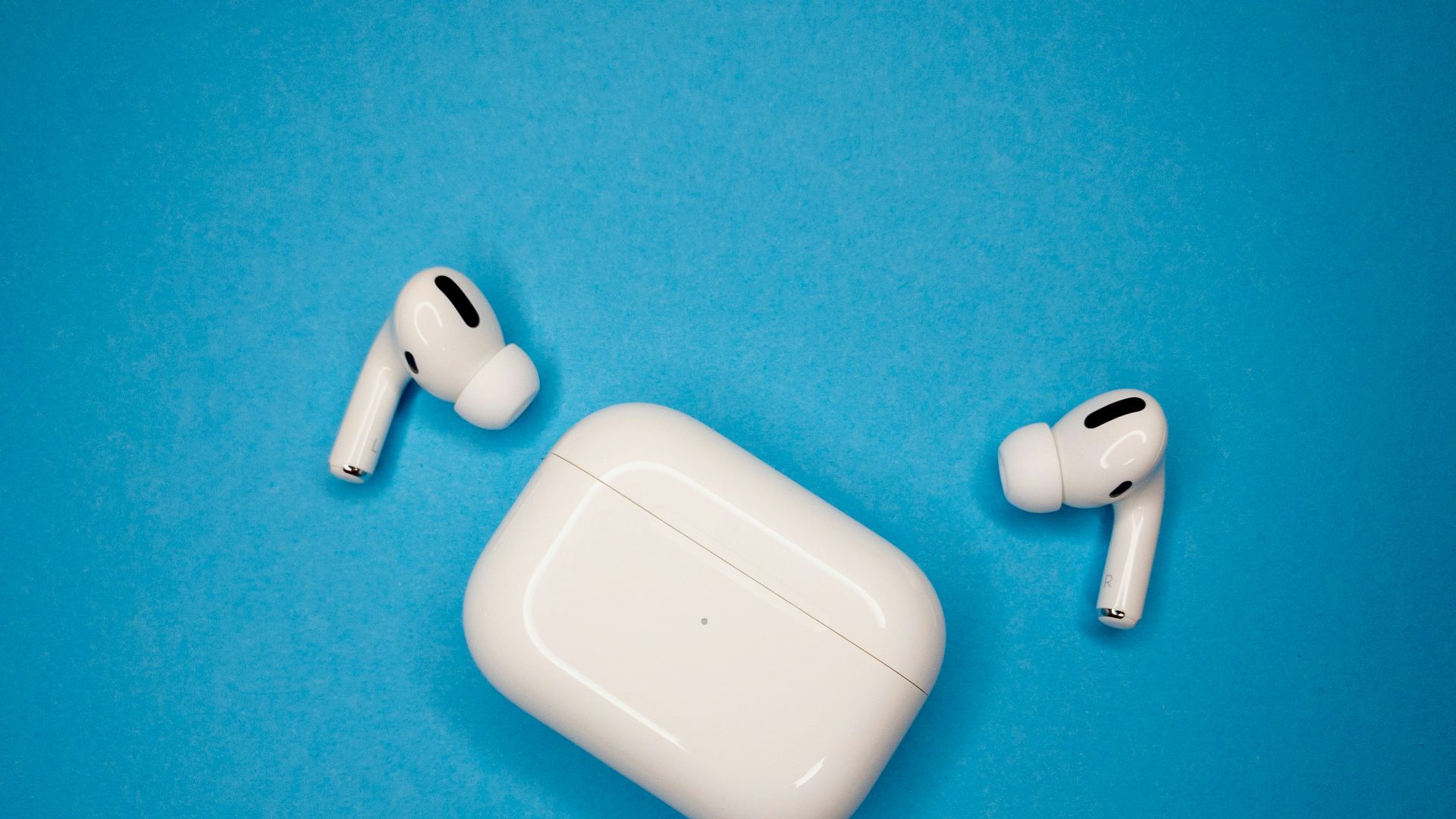
1. Apple AirPods
Wireless earbuds were around long before AirPods, but Apple made wireless listening mainstream after launching its version in 2016. They removed the common annoyance of tangled headphone cables while integrating smoothly with Apple devices. Automatic pairing, compact charging, and the ability to switch between devices with ease made wired earbuds feel inconvenient.
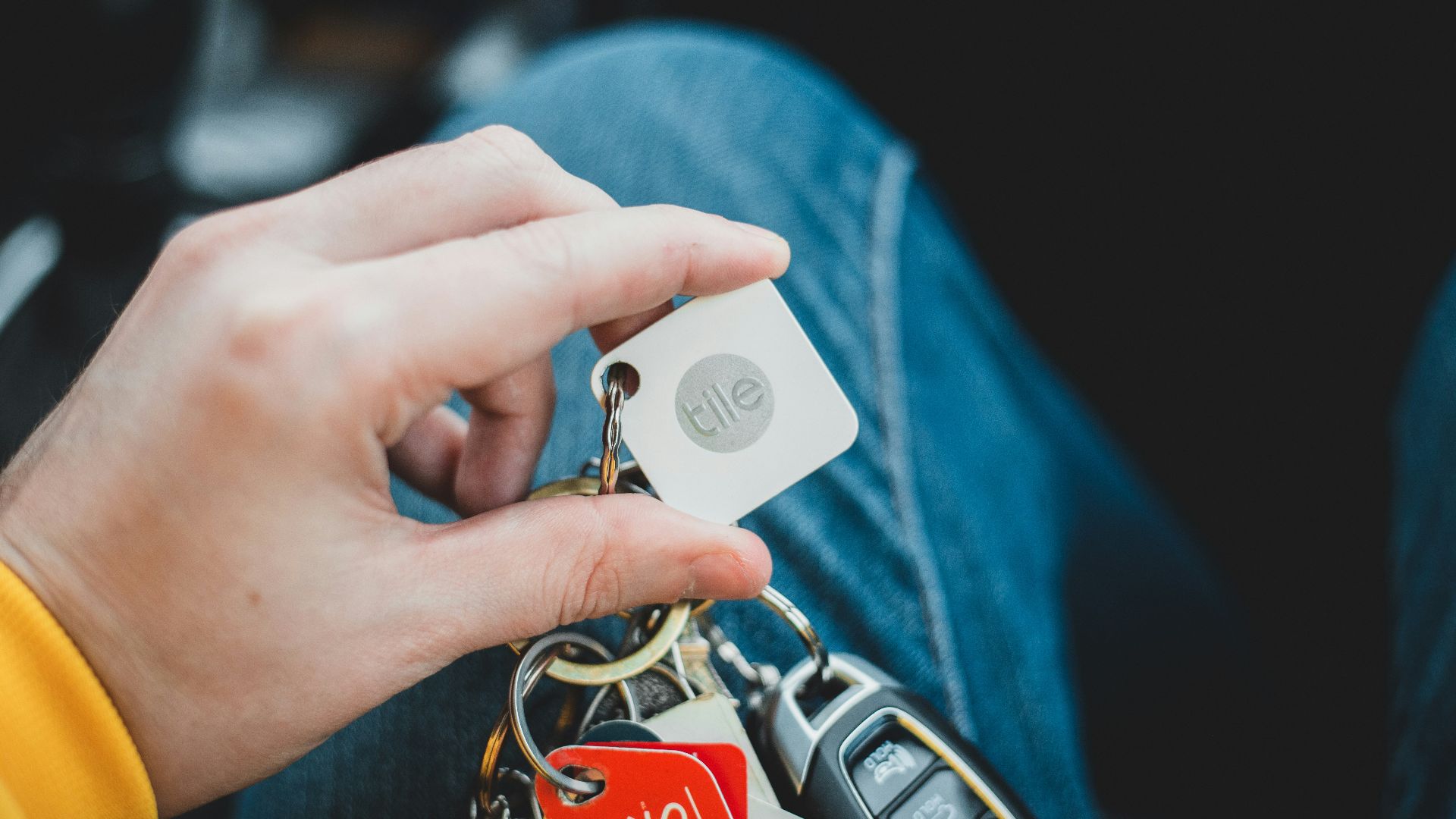
2. Tile Trackers
Losing your keys used to mean searching every coat pocket, couch cushion, and countertop in your home. Tile trackers introduced an easy way to locate everyday objects using Bluetooth and a smartphone app. Their popularity showed that people were willing to attach technology to ordinary possessions simply to avoid wasting time turning their house upside down.
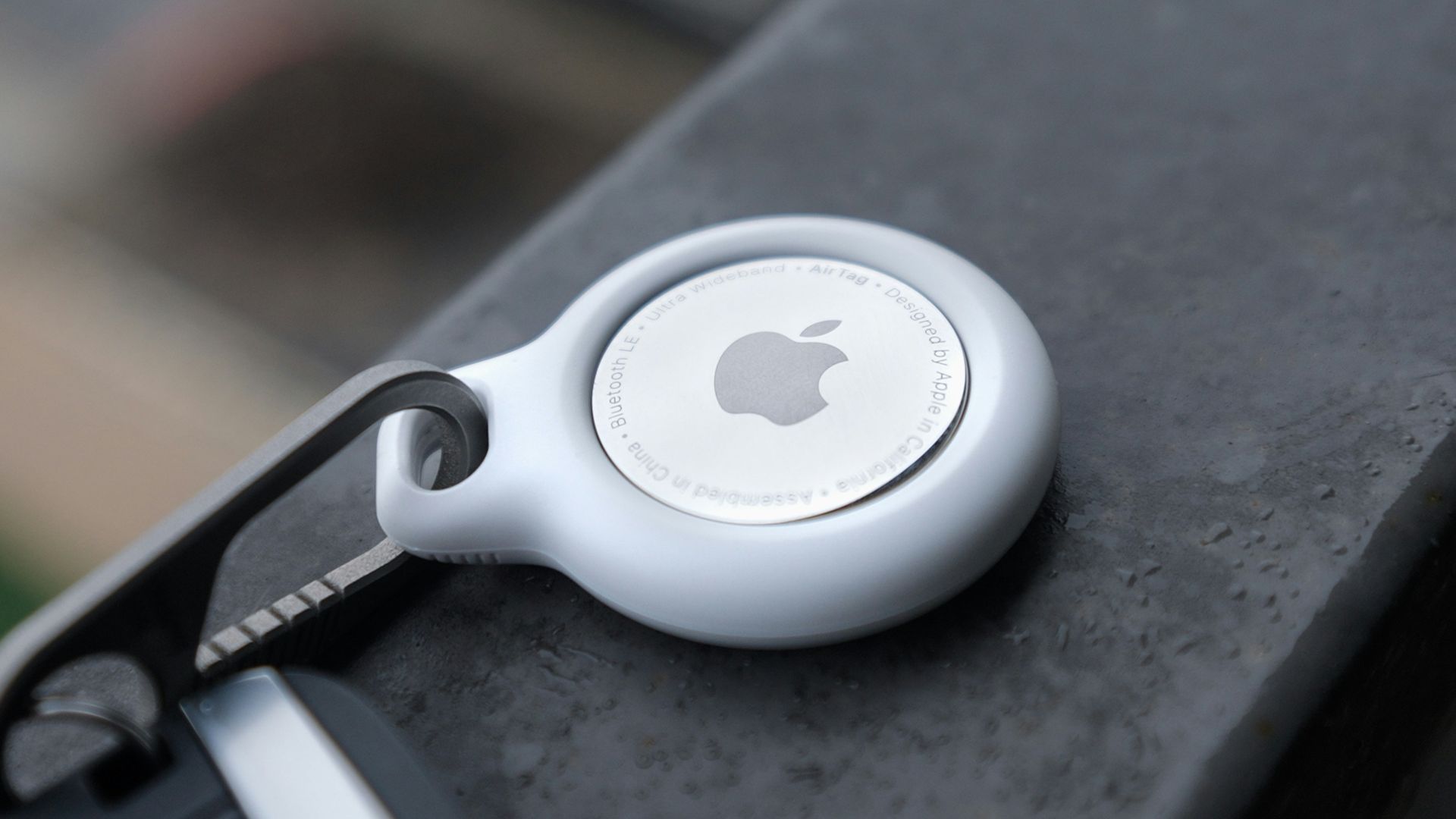
3. Apple AirTag
Apple took the item-tracker concept further with AirTag in 2021 by connecting it to the large Find My Network. That made locating misplaced bags, luggage, and other belongings more practical even when they weren't nearby. It also allowed parents to track their kids with greater ease.
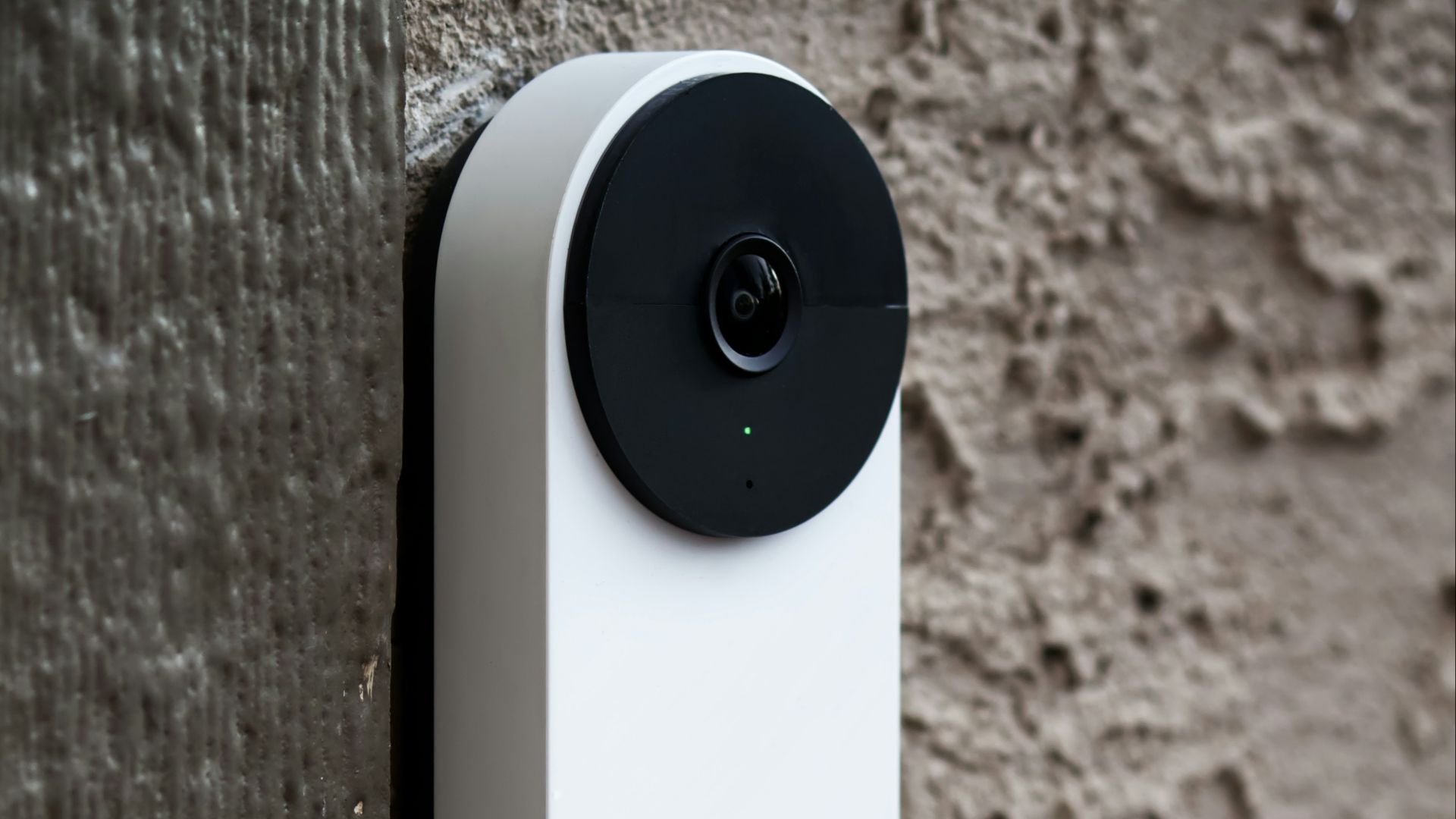
4. Ring Video Doorbell
Traditional doorbells alerted you that someone was outside, but they couldn't tell you who was there unless you physically answered the door. Ring popularized doorbells with cameras, motion alerts, and smartphone access. Suddenly, checking a delivery or visitor from another room, another city, or even another country became entirely normal.
5. Nest Learning Thermostat
Most people adjusted thermostats manually and rarely thought much about the inconvenience or annoyance. The Nest Learning Thermostat, introduced in 2011, learned household routines and could automatically change temperature settings.
6. Roomba Robot Vacuum
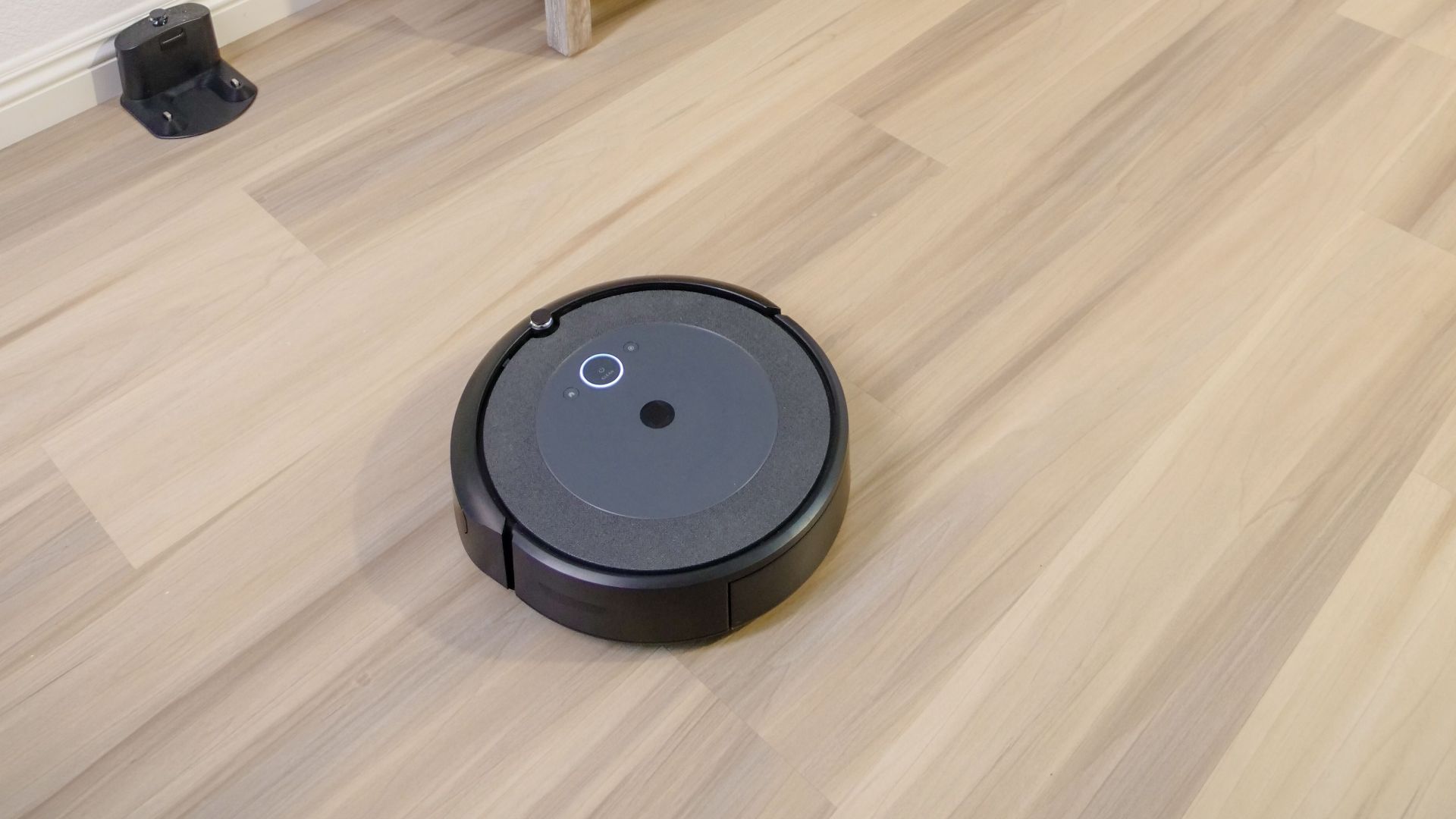
While not a complicated task, vacuuming required regular time and attention. iRobot's Roomba, launched in 2002, proved that a small autonomous machine could handle much of the routine floor cleaning. Robot vacuums have since added features, including mapping, scheduling, obstacle detection, and self-emptying to reduce hands-on work even further.
7. Kindle E-Reader
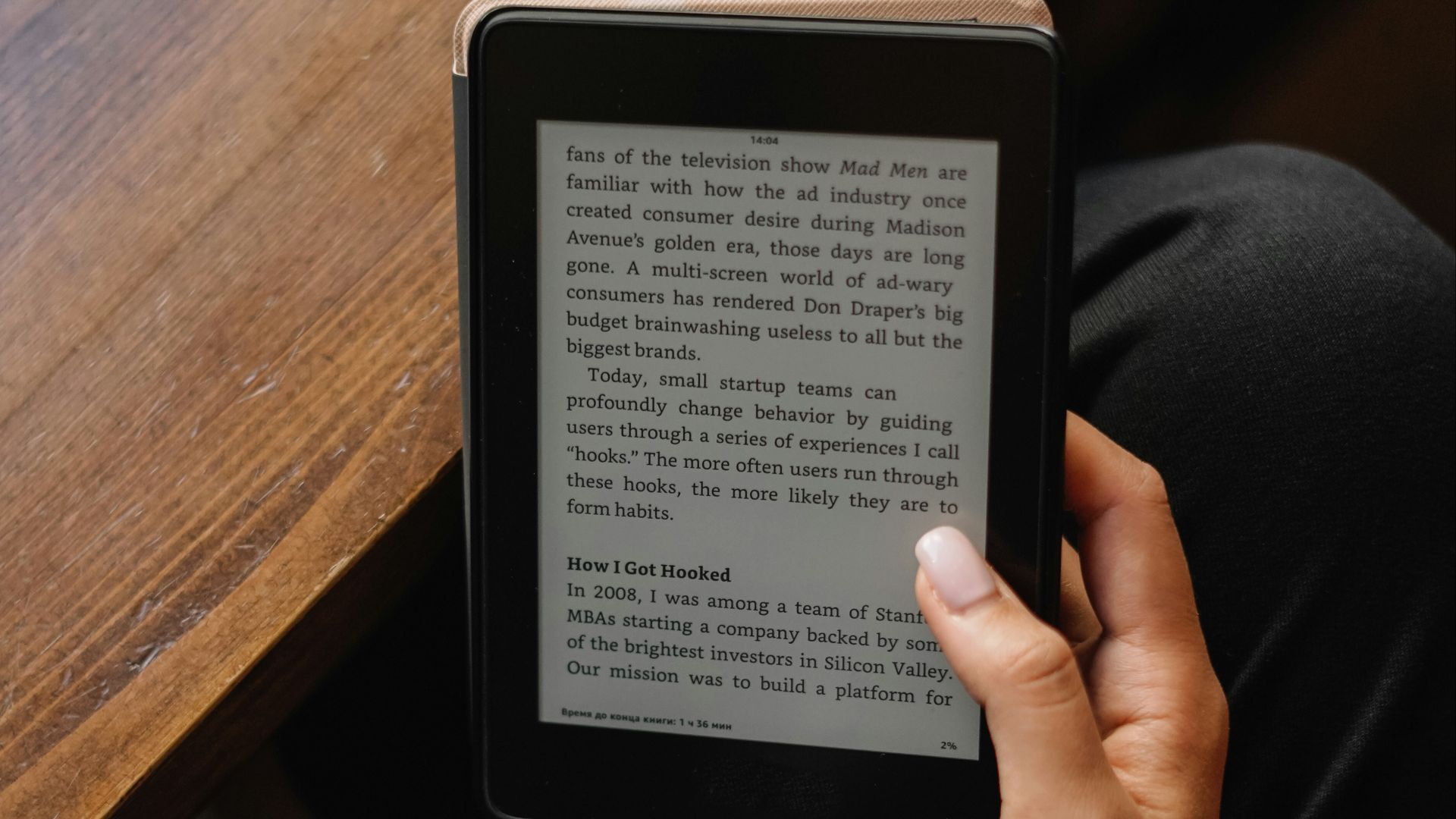
Carrying several books while on vacation once meant sacrificing a noticeable amount of suitcase or backpack space. Amazon's Kindle, released in 2007, allowed readers to store an enormous digital library on a lightweight device. E-ink displays also provided a reading experience that was easier on the eyes.
8. Portable Power Banks
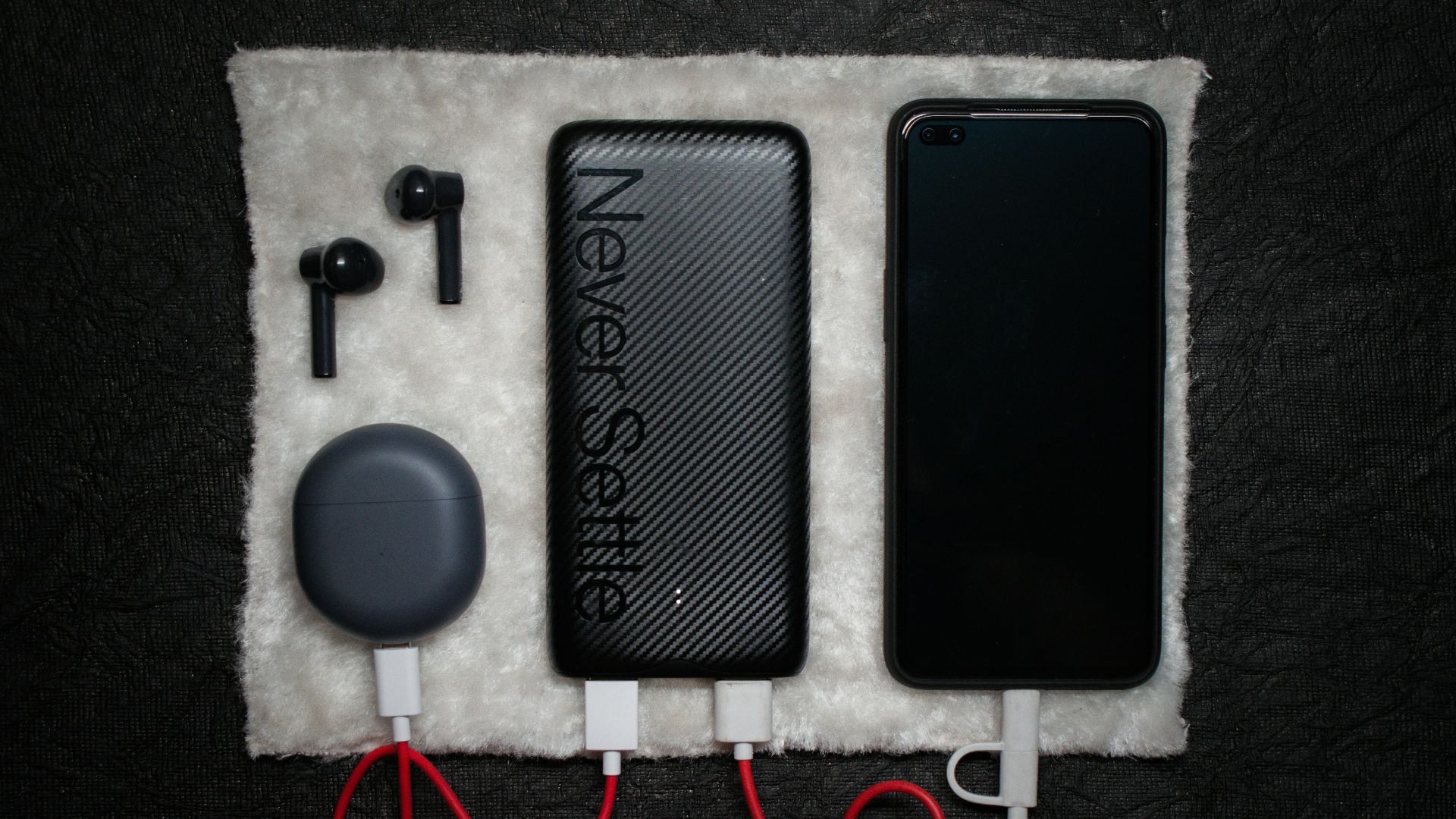
As smartphones became increasingly capable, their importance made running out of battery an experience that could ruin your day. Portable power banks offered an easy solution by letting people recharge devices without finding an electrical outlet. They became especially useful for travel, long events, emergencies, and days spent away from home.
9. USB-C Chargers
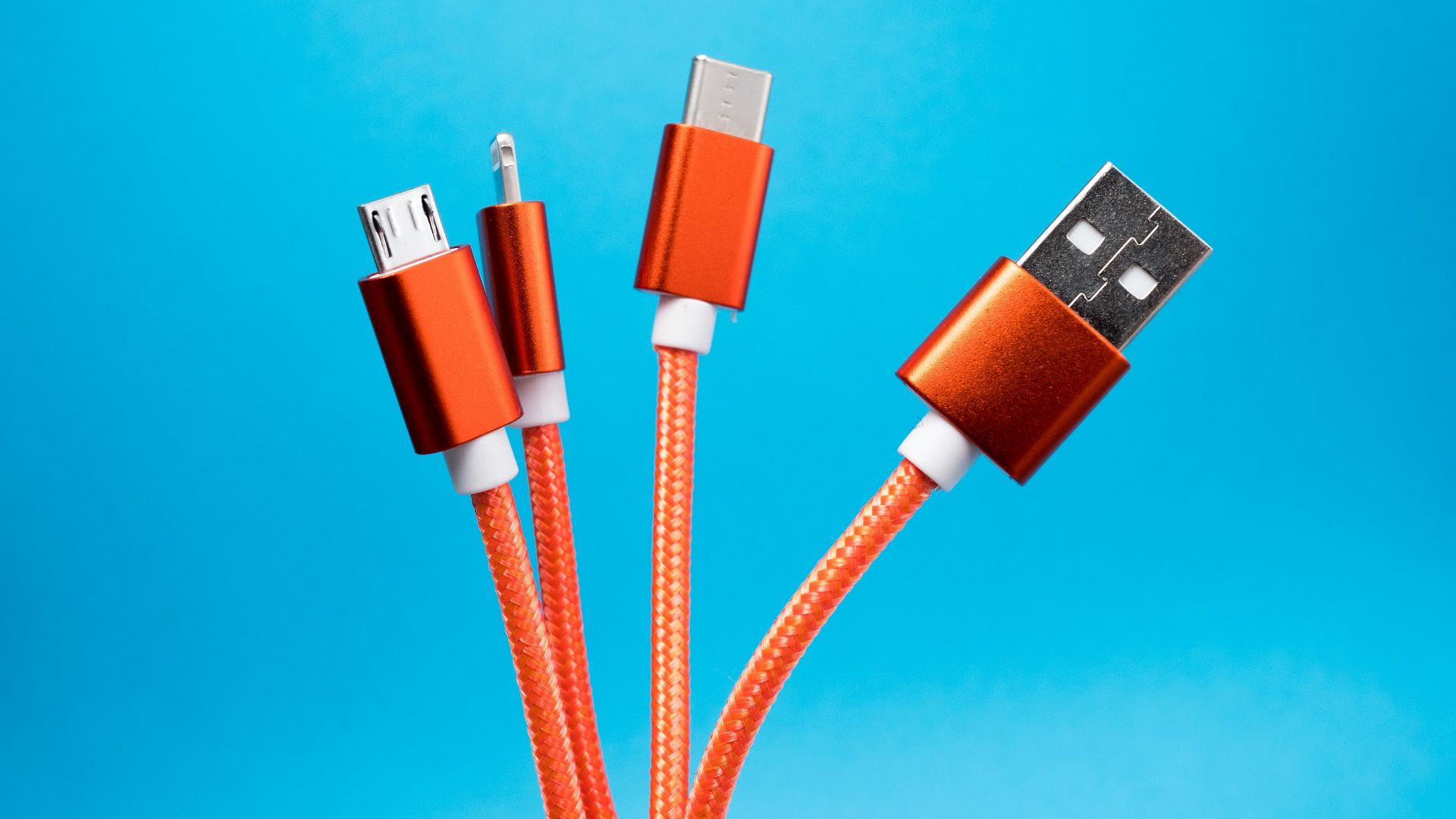
For years, different devices needed an annoying assortment of proprietary plugs and charging cables. USB-C helped simplify that situation by supporting charging, data transfer, and video through one compact connector.
10. Wireless Charging Pads
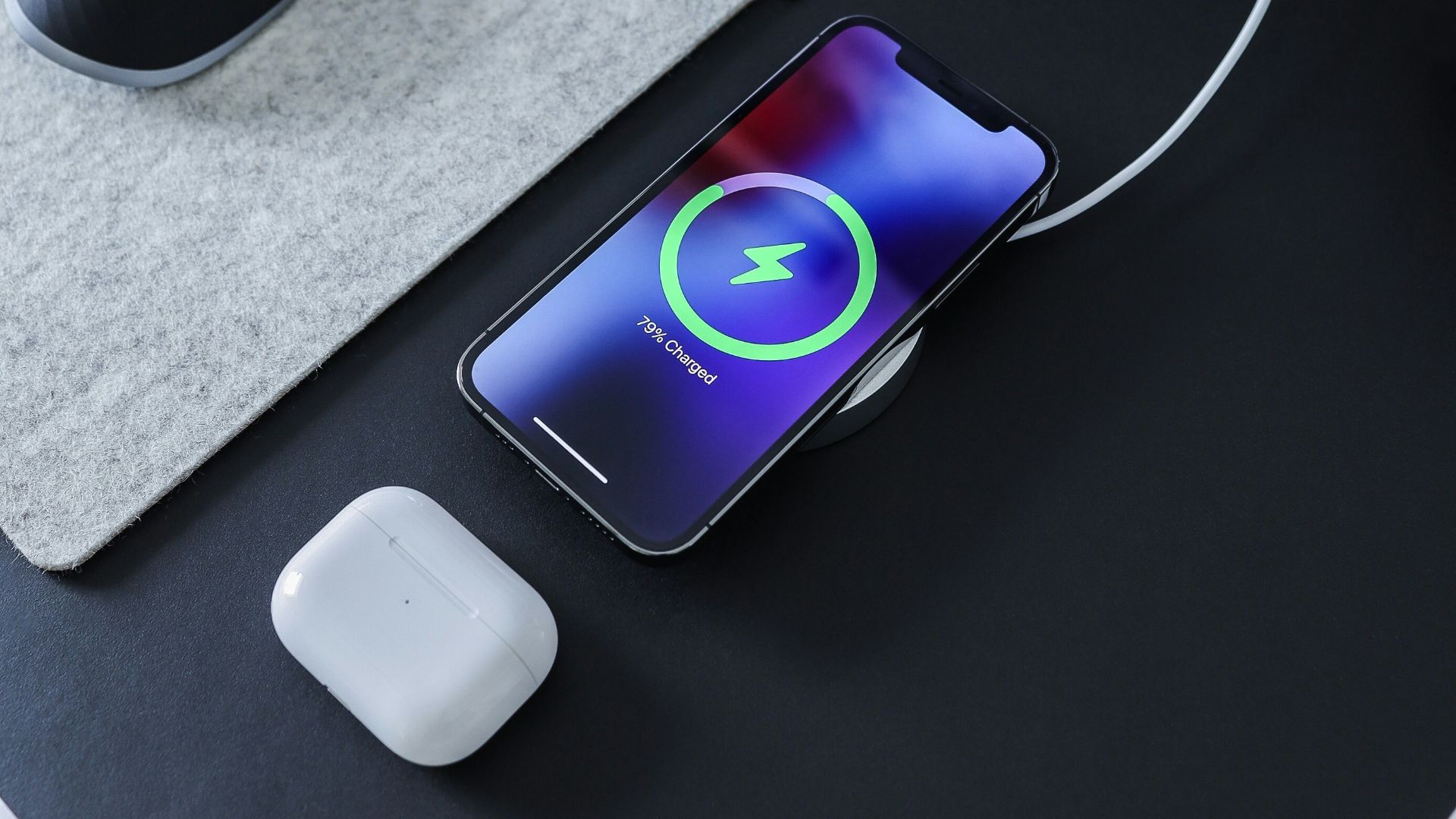
Plugging in a charging cable isn't particularly difficult, yet wireless charging proved people were pleased to eliminate even that small task. Compatible phones can start charging simply by being placed on a pad or stand. Who wouldn't love this?
11. Smart Speakers
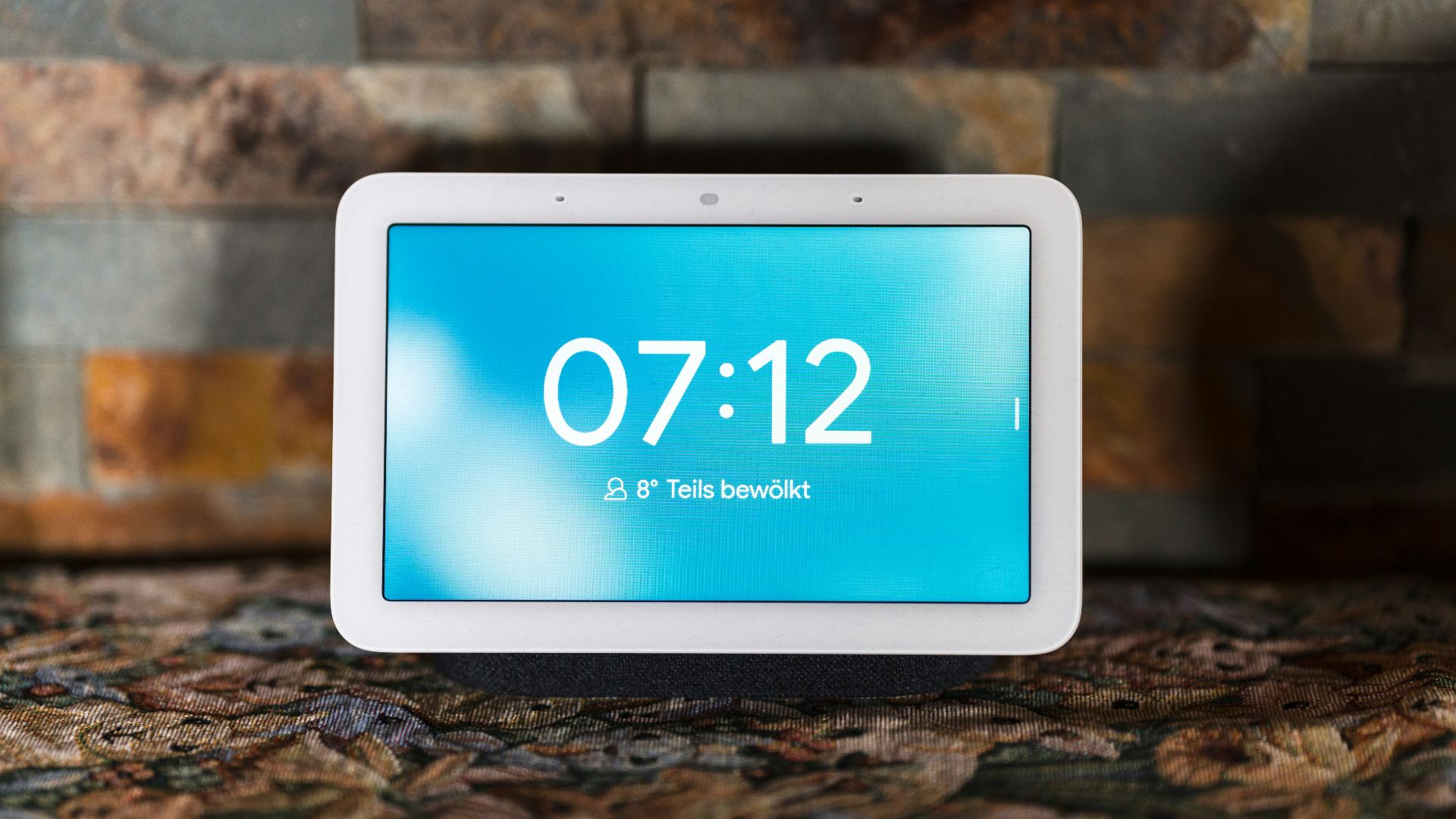
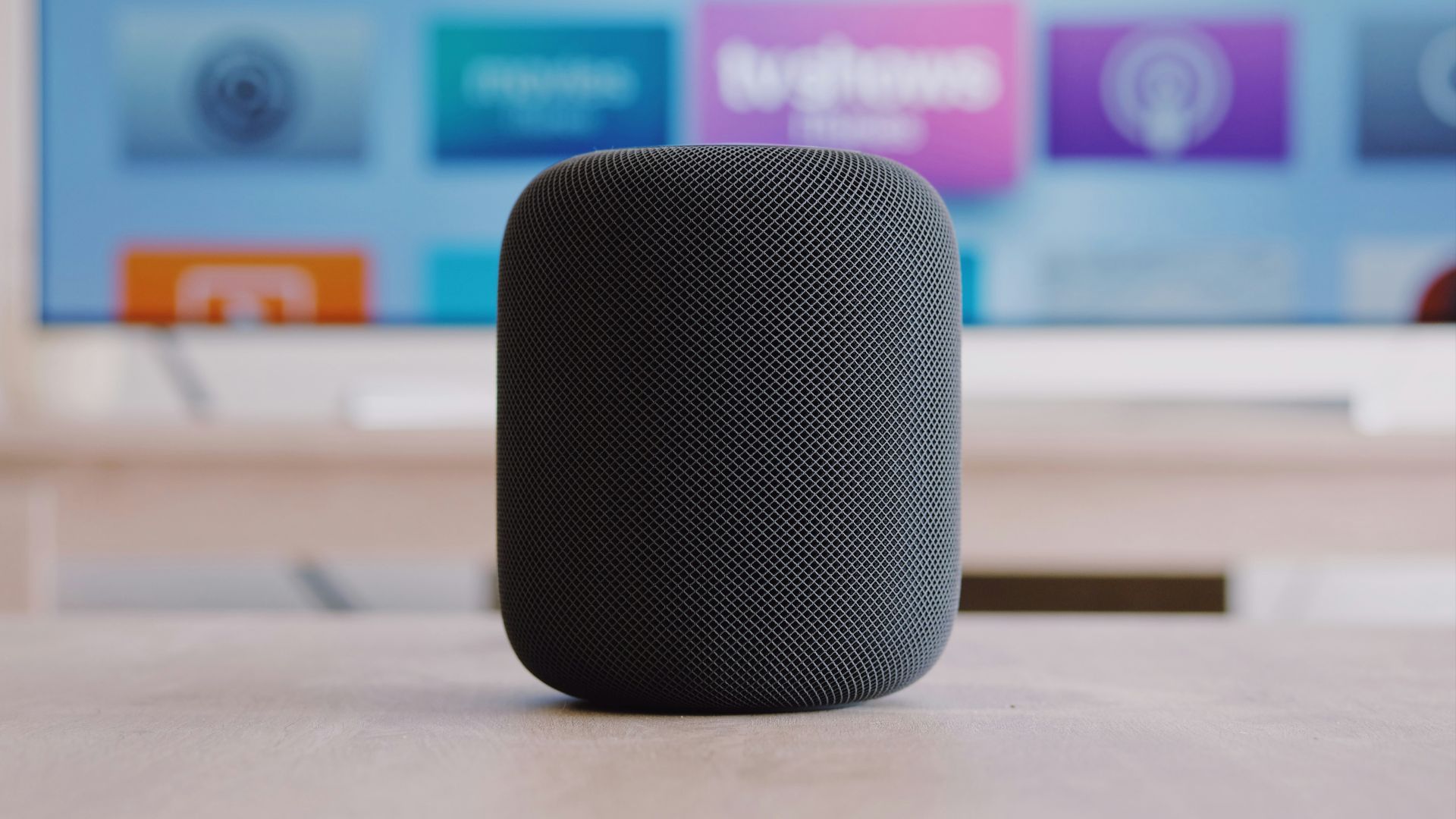
Before smart speakers, checking the weather or setting a timer often required looking at a screen or pressing some buttons. Devices such as Amazon Echo and Google Home made voice commands practical for everyday household tasks.
 Howard Bouchevereau on Unsplash
12. Smart Plugs
Replacing every lamp or appliance with a smart version would be expensive and often unnecessary in many homes. Smart plugs provided a simpler option by adding app or voice control to a range of ordinary electrical devices.
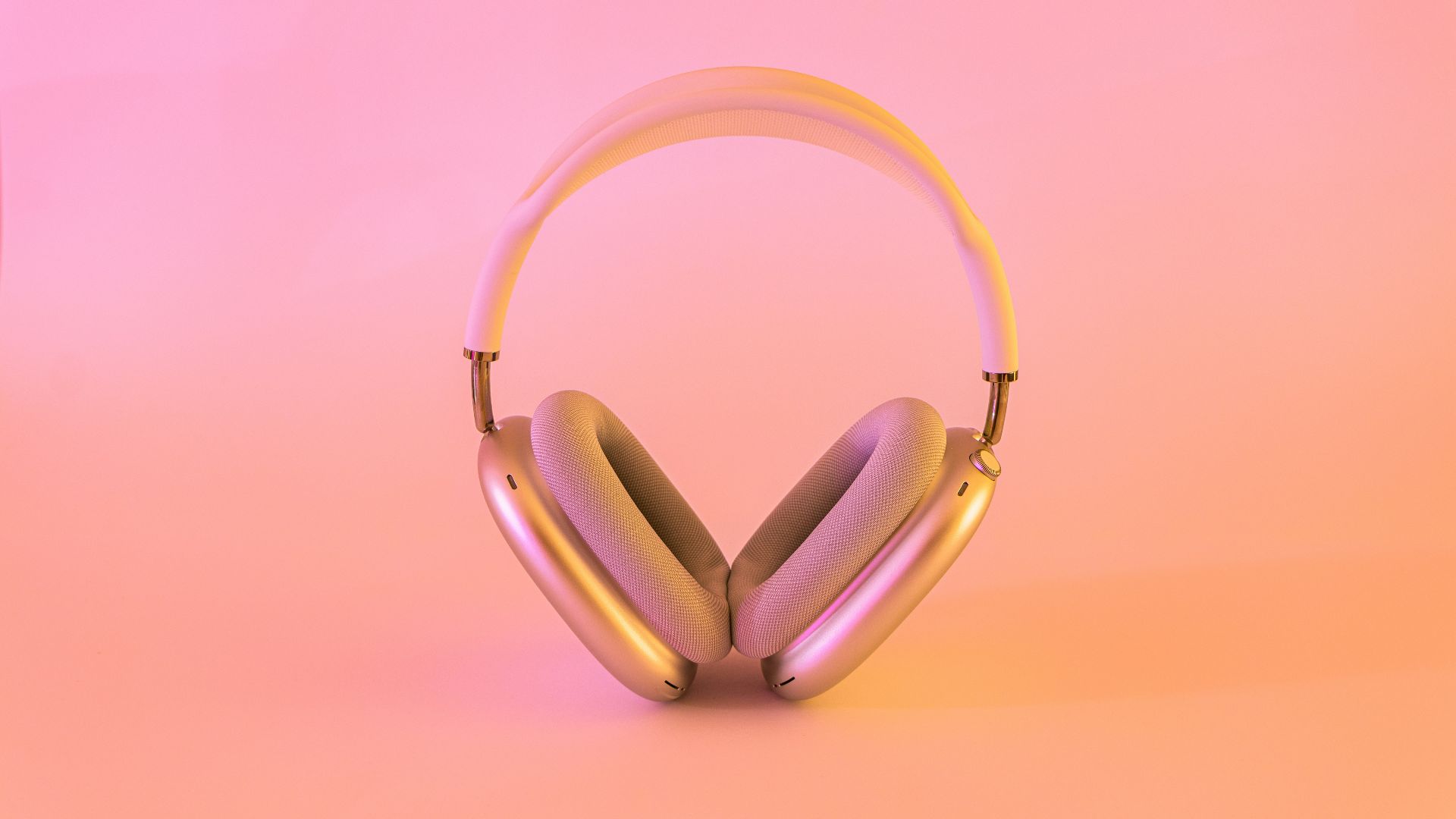
13. Noise-Canceling Headphones
Headphones often competed with background sound simply by playing audio louder. Active noise-canceling models now use microphones and signal processing to reduce some external noises, especially those that are low-frequency.
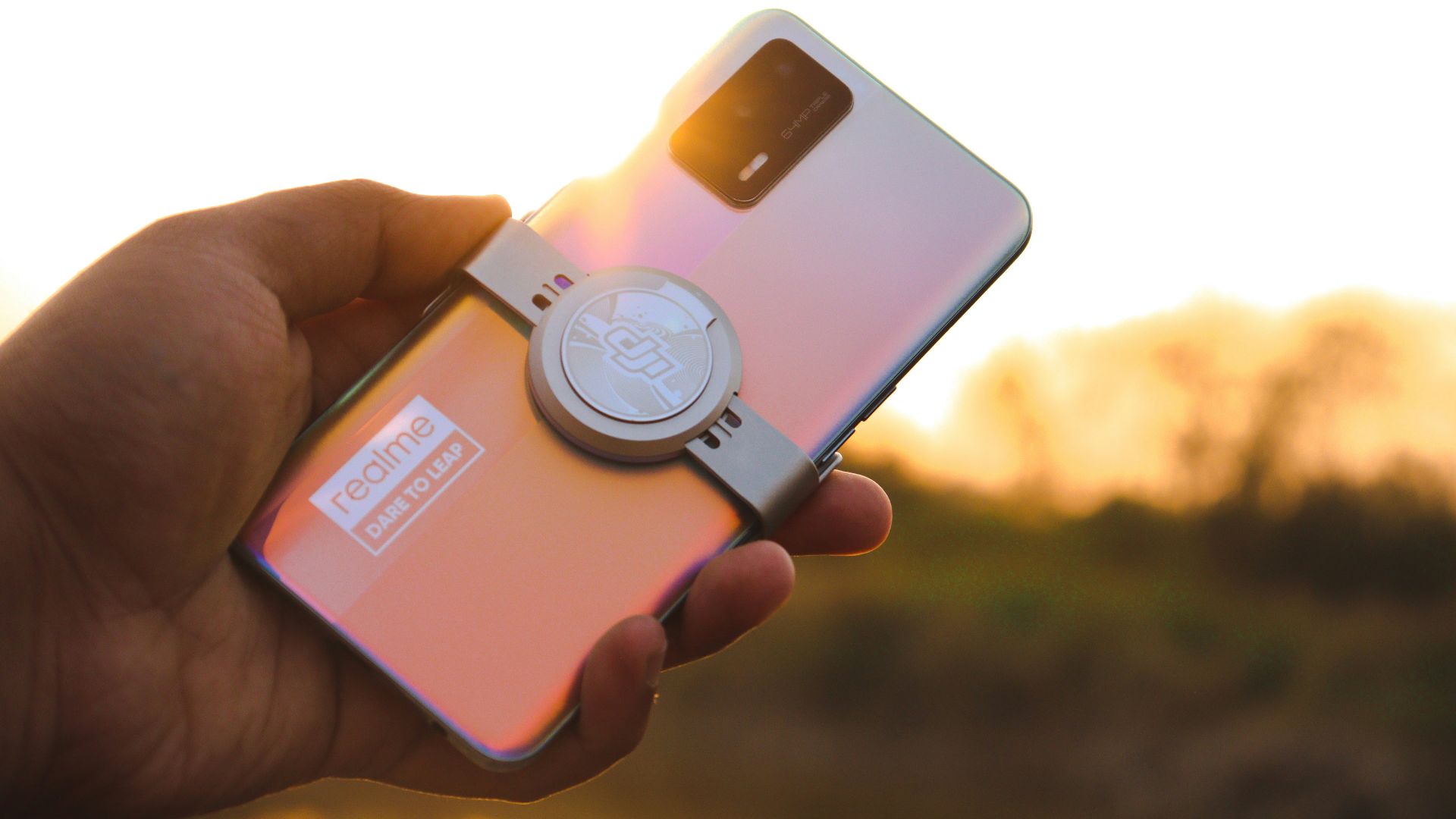
14. Smartphone PopSockets
Large smartphones have bigger screens, but they also became harder to hold securely with one hand. PopSockets is an expandable grip that attaches to the back of a phone or case, giving your fingers something more substantial to hold. It can also act as a stand, solving two small annoyances with one cheap accessory.
 Harshit Suryawanshi on Unsplash
15. Digital Photo Frames
Families once had to pick a handful of favorite pictures to put in frames. Digital photo frames made it possible to rotate through hundreds or thousands of photos without printing them. Many newer models even support remote photo sharing, which lets relatives or friends send new pictures to someone else's frame.

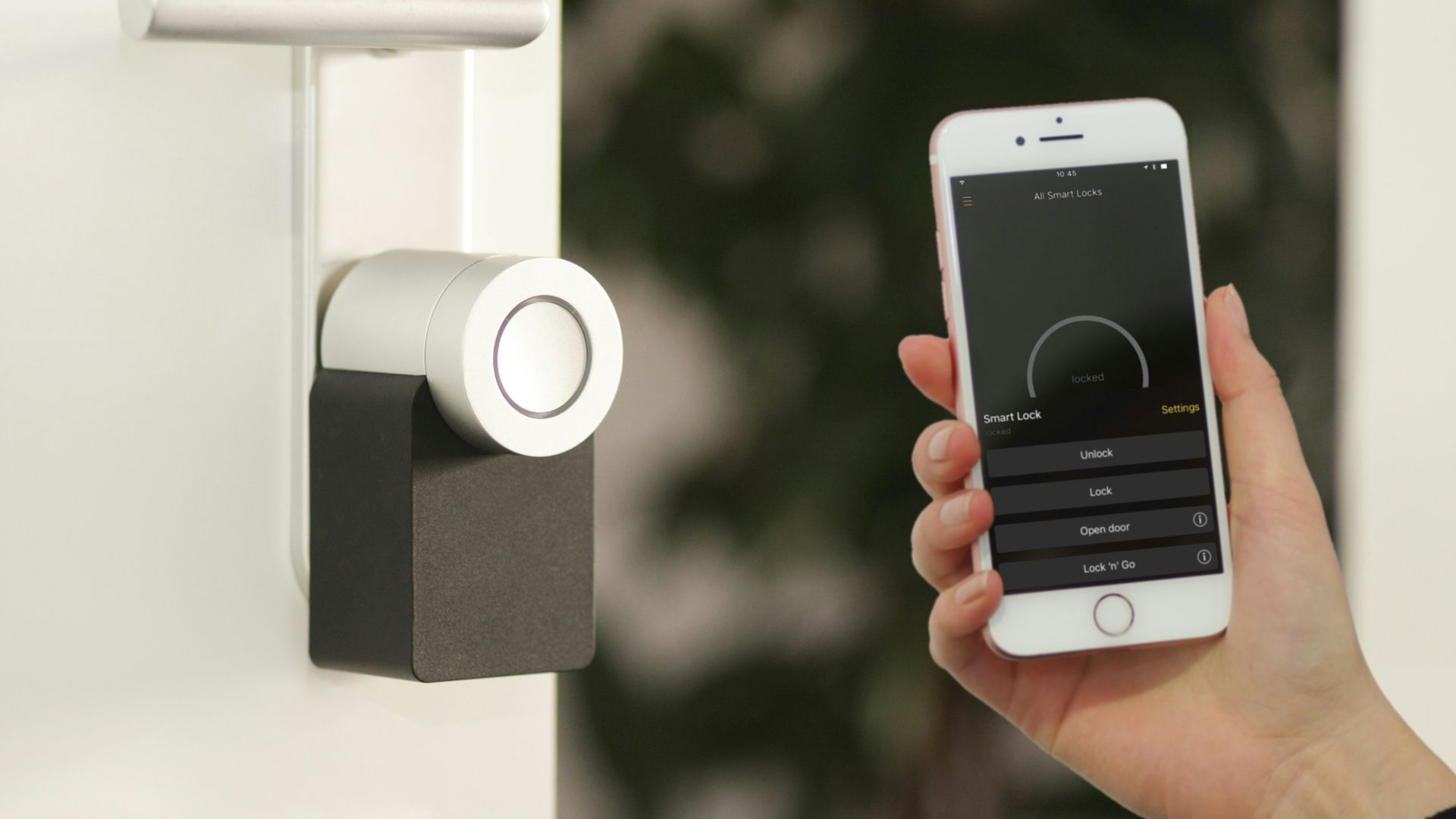
16. Smart Locks
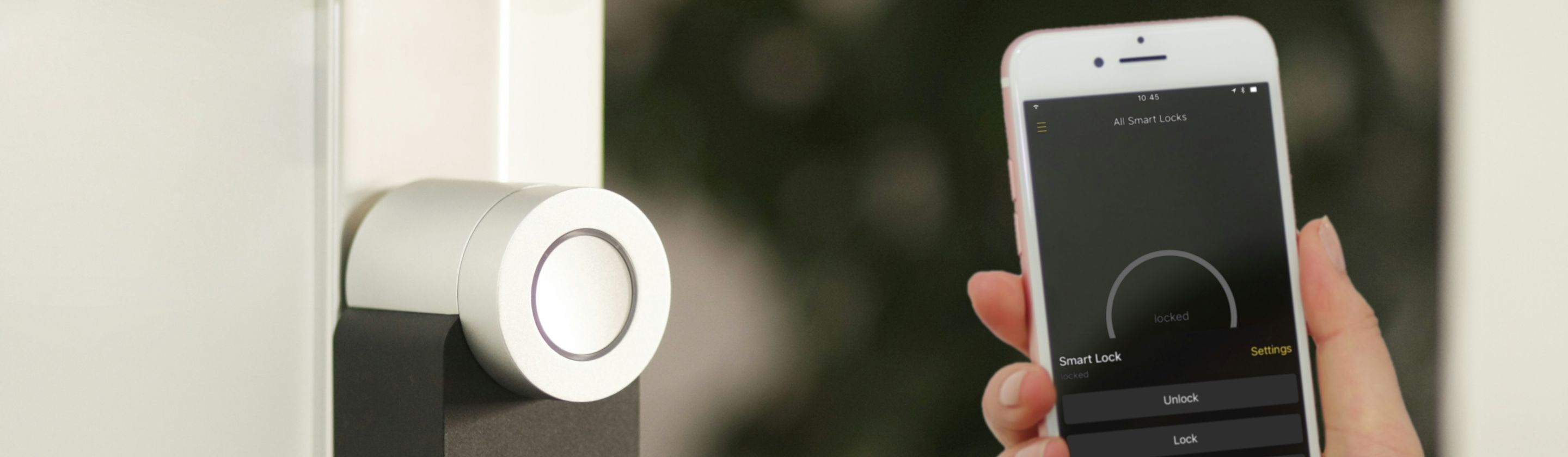
Forgetting whether you locked the front door used to require running home or living with the uncertainty. Smart locks offer remote status checks, smartphone control, and temporary access codes for guests or service providers.
 Sebastian Scholz (Nuki) on Unsplash
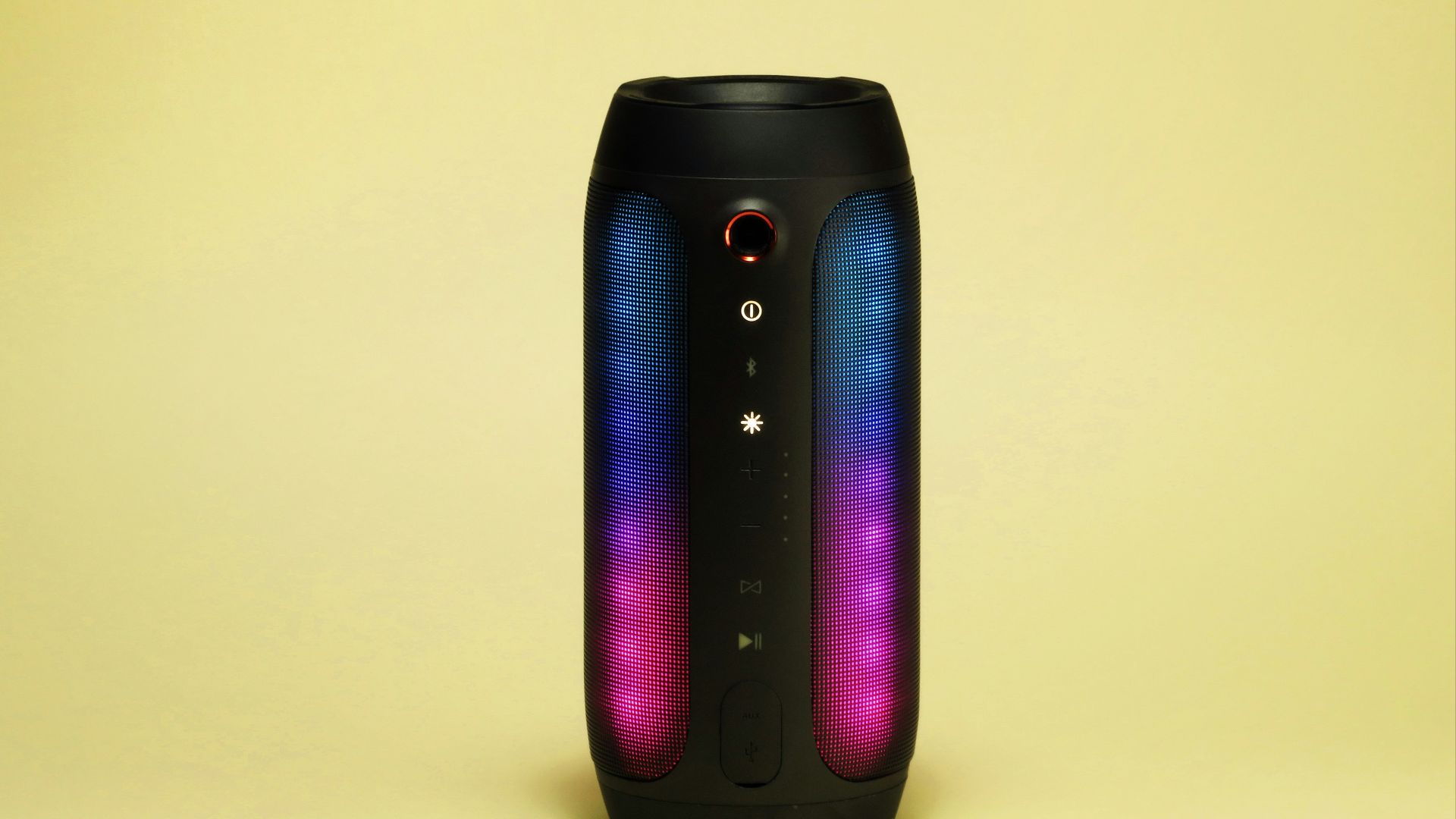
17. Portable Bluetooth Speakers
Listening to music outside the home once usually meant using headphones or hauling equipment that wasn't meant to be portable. Compact Bluetooth speakers made wireless shared audio easy to take almost anywhere.
18. Fitness Trackers
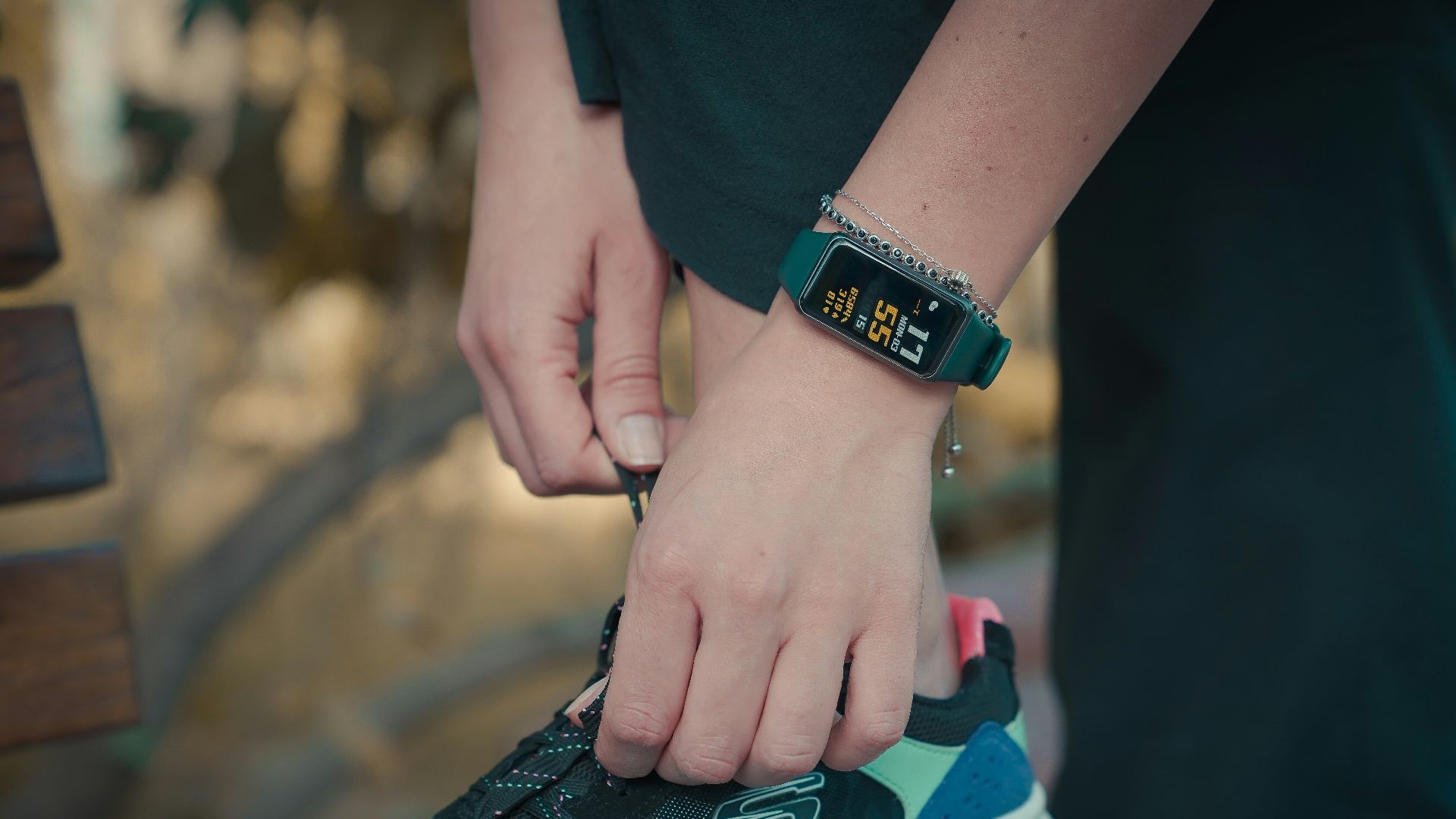
Many people once estimated how active they'd been based largely on memory and how tired they were. Fitness trackers transformed steps, workouts, heart rate, and sleep patterns into measurable data that could be reviewed whenever the wearer wanted to.
19. Magnetic Phone Mounts
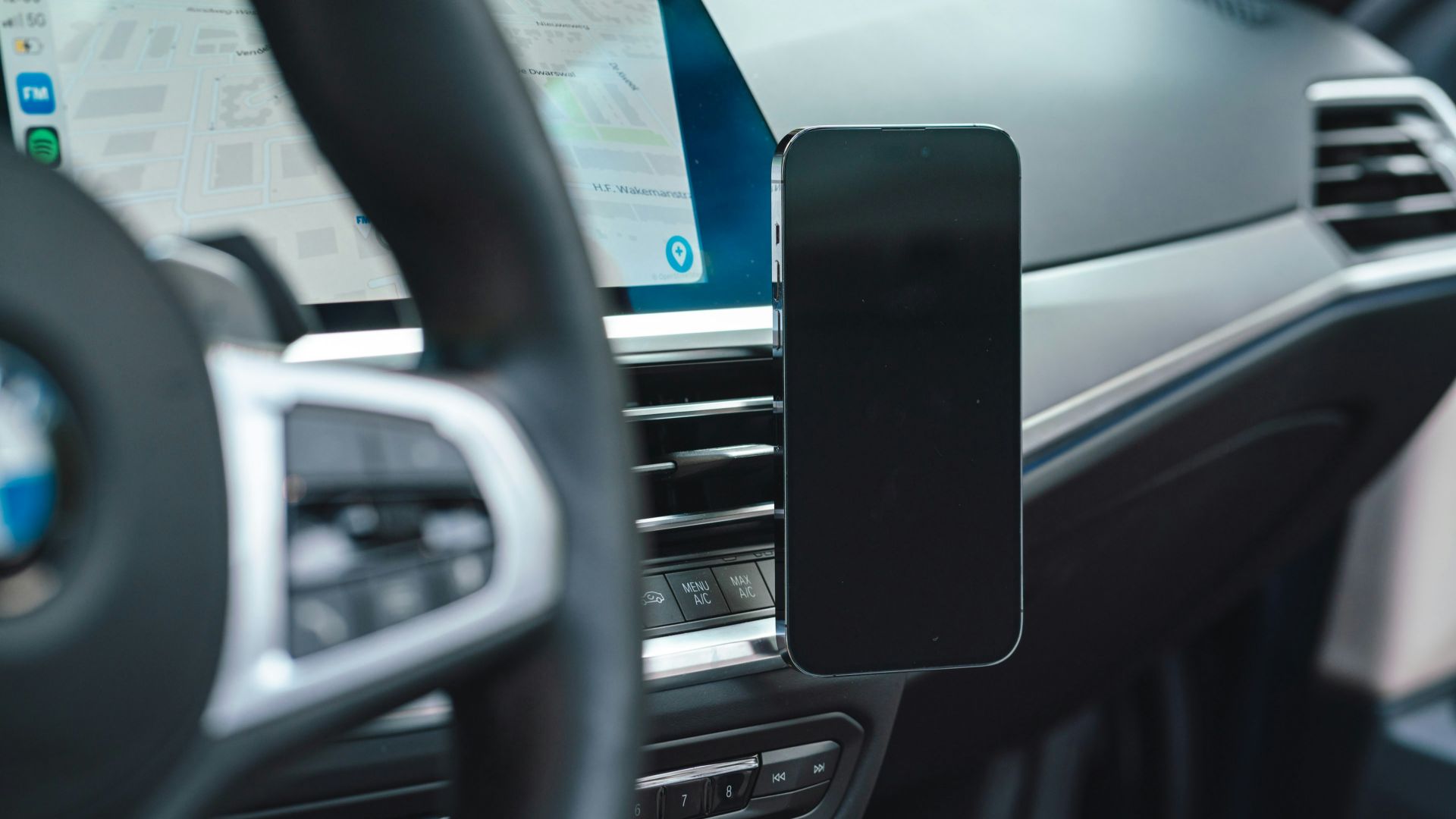
Navigating with a smartphone in a car created the awkward problem of where to put it while keeping the screen visible. Magnetic mounts offered an easy way to position a phone within view without complex clamps or holders.
20. Smart Water Bottles
Remembering to stay hydrated sounds simple until a busy day makes it surprisingly easy to forget. Smart bottles and connected hydration devices can track intake, issue reminders, and synchronize information with companion apps.