Game Night Casualties
Game night has a way of exposing exactly who your friends really are, and not always in a flattering light. Something about turning a friendly hangout into a competition brings out reactions nobody saw coming, from petty grudges to actual screaming across a coffee table. Some games are just unlucky enough to get blamed for a bad night, but plenty of others are practically engineered to start a fight. The rules haven't changed in decades, and neither has the fallout. Here's 20 games that ruined friendships.
1. Monopoly
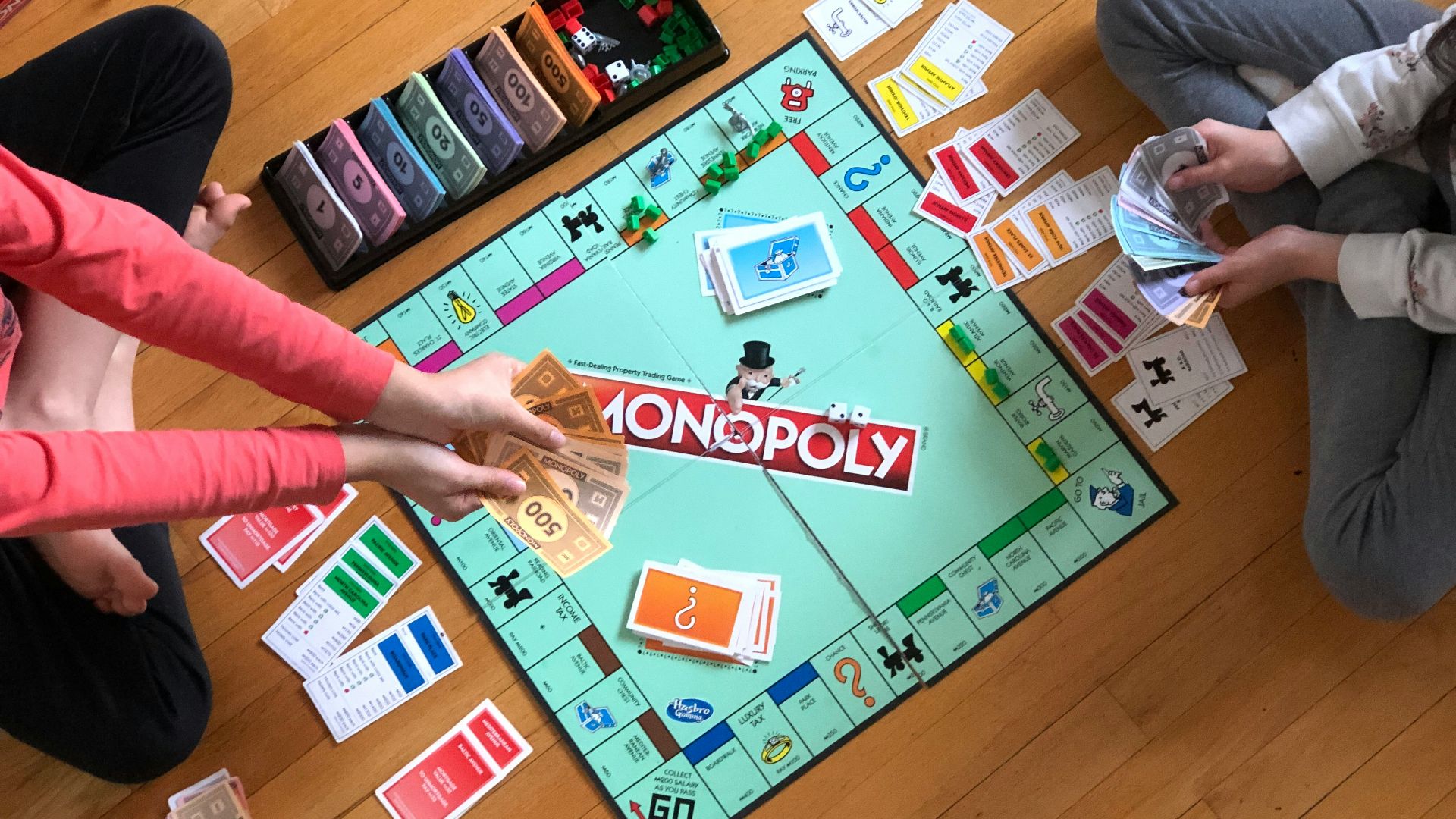
Monopoly turns a two-hour game night into a four-hour standoff, and somewhere around hour three someone always accuses someone else of skimming extra cash from the bank. By the time one player owns every property on the board, the game usually ends with someone flipping the board instead of finishing the round.
2. Risk
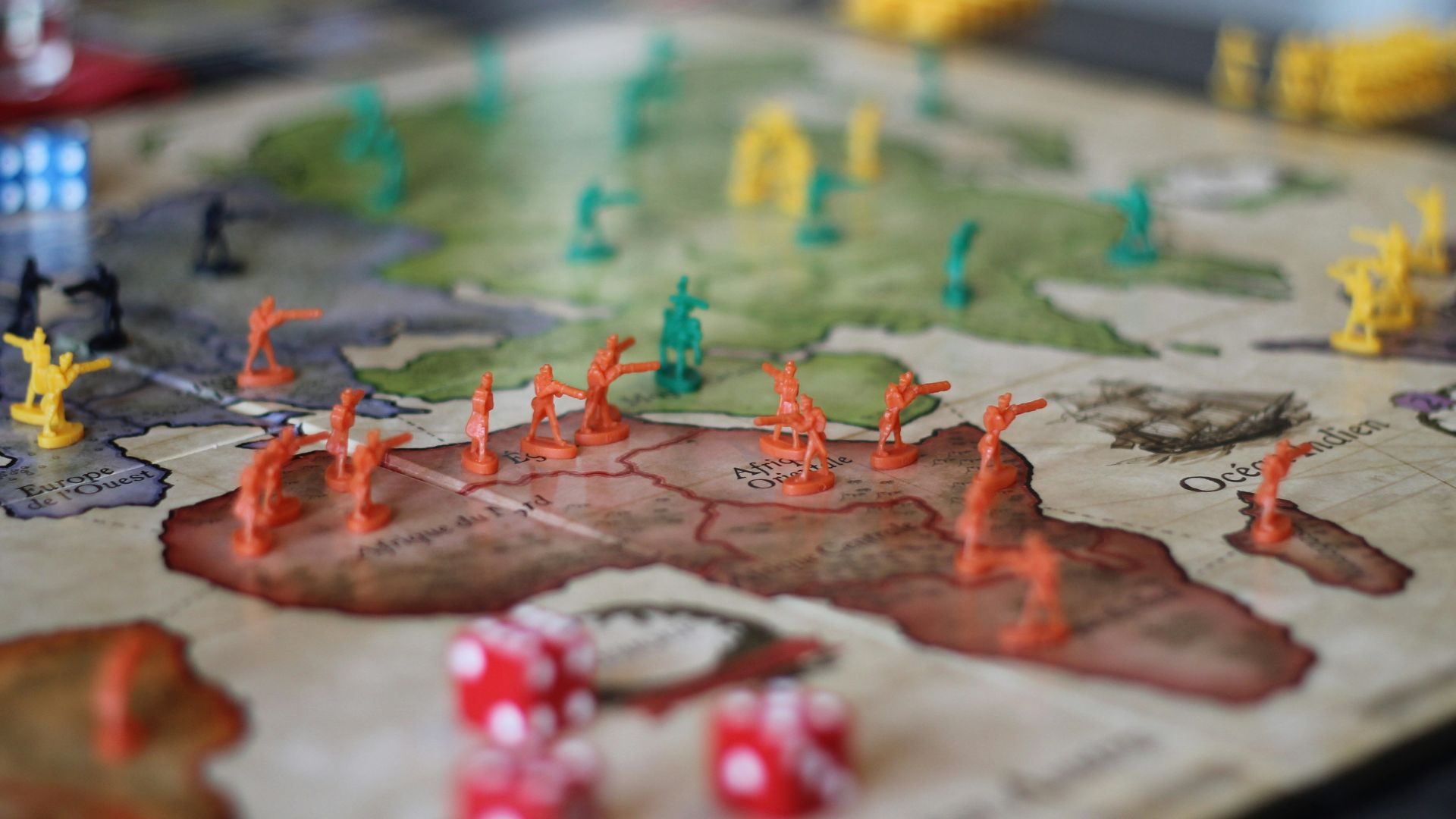
Risk asks players to form alliances early and then rewards whoever breaks that alliance at exactly the right moment, which tends to feel a lot more personal than the rules intended. Friends who thought they had a deal locked in for the rest of the game often find out otherwise the second their guard drops.
3. Diplomacy
Diplomacy doesn't hide what it's designed to do, building an entire game around convincing your closest friends to trust you right before you stab them in the back. It's earned a reputation for ending actual friendships, not just game-night ones, because the betrayals rarely stay confined to the board.
4. Catan
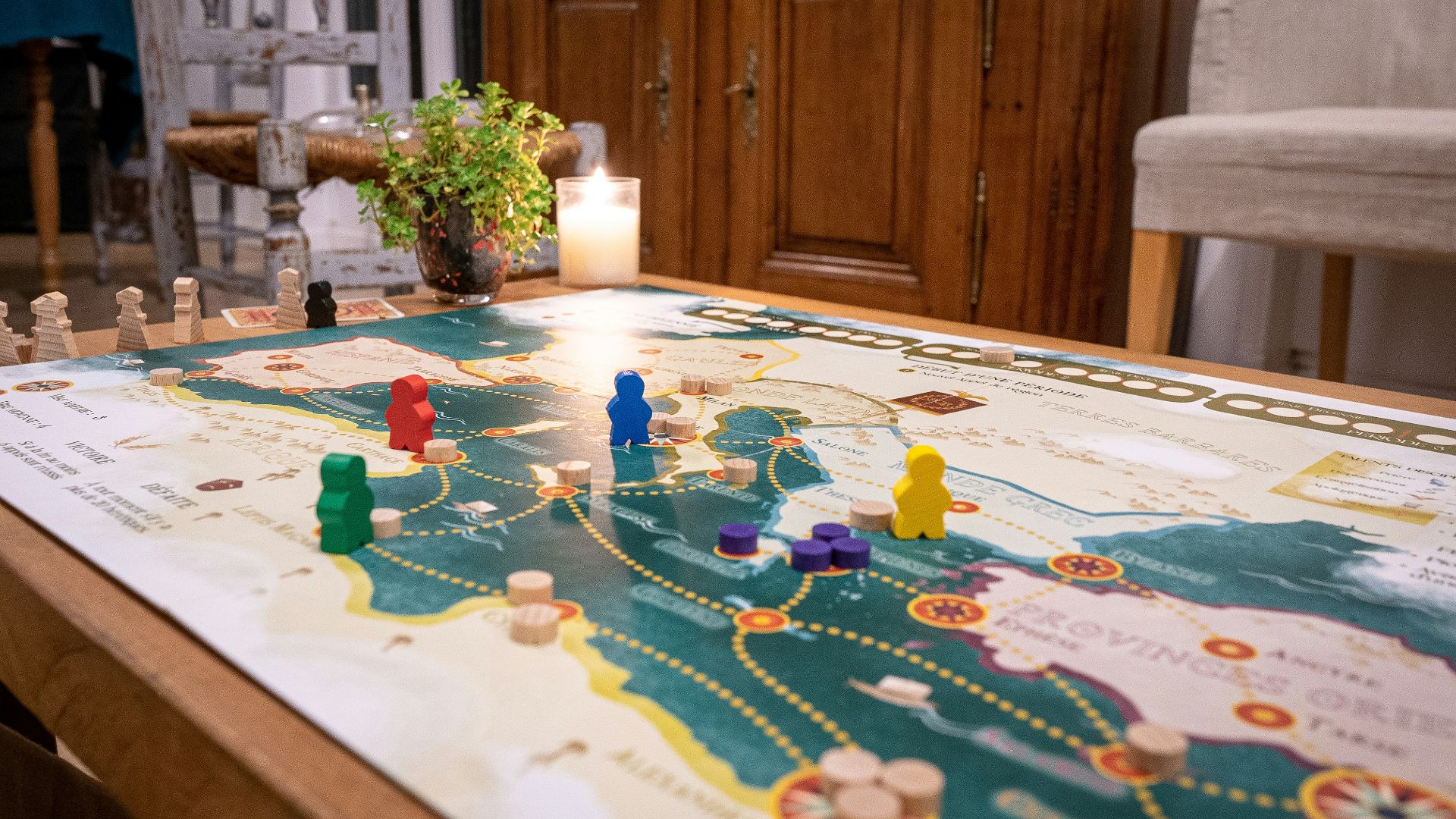
Catan turns trading into a minefield, since refusing to give someone sheep for brick can read as a personal insult depending on how the rest of the game has gone. The robber card makes it worse, letting one player openly target whoever's winning and calling it strategy instead of spite.
5. Cards Against Humanity
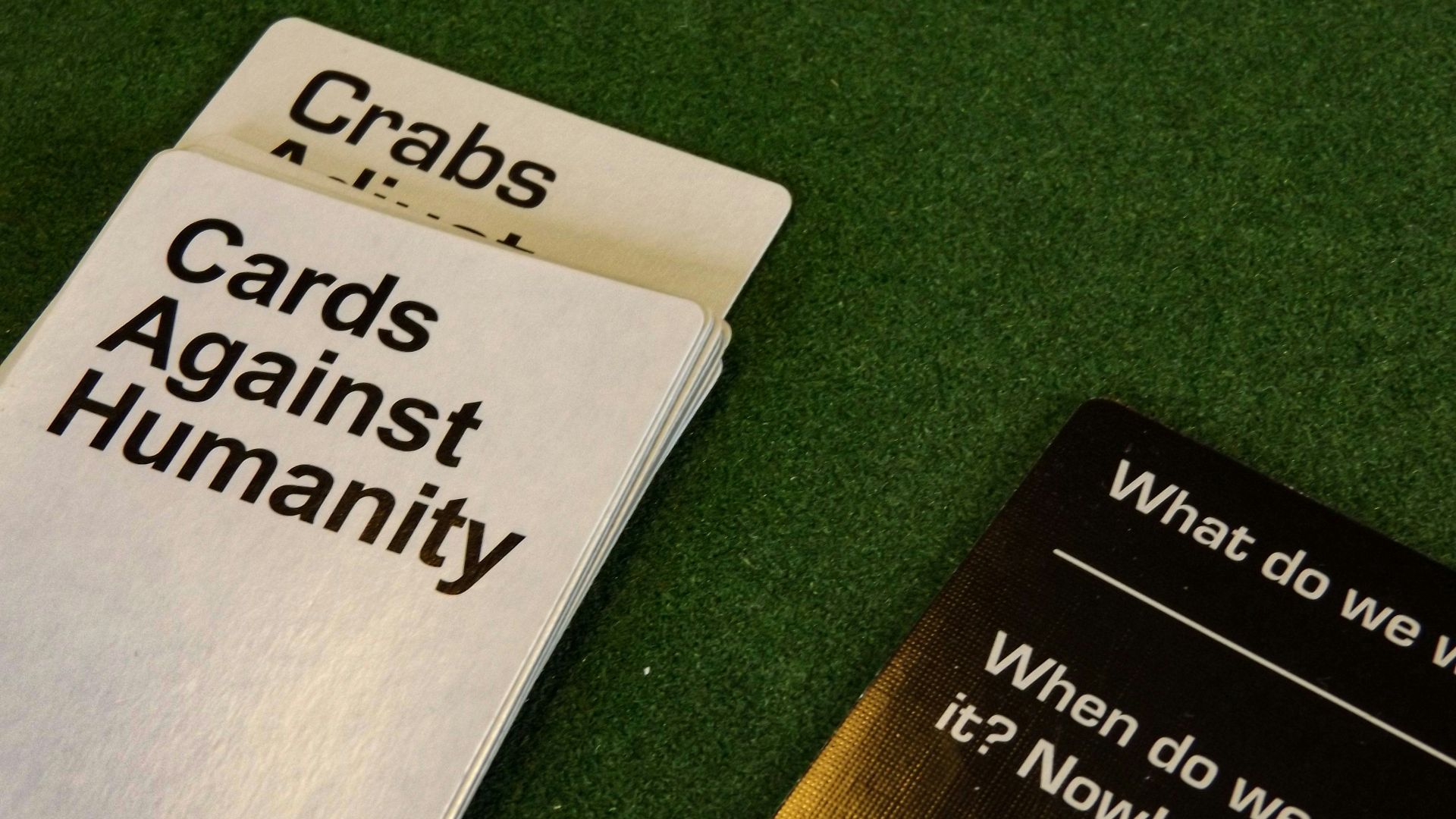
Cards Against Humanity has a habit of revealing exactly what someone finds funny in a room full of people who now can't unhear it. What starts as an easy laugh can turn into an uncomfortable silence fast, especially once someone plays a card that hits a little too close to home.
6. Uno
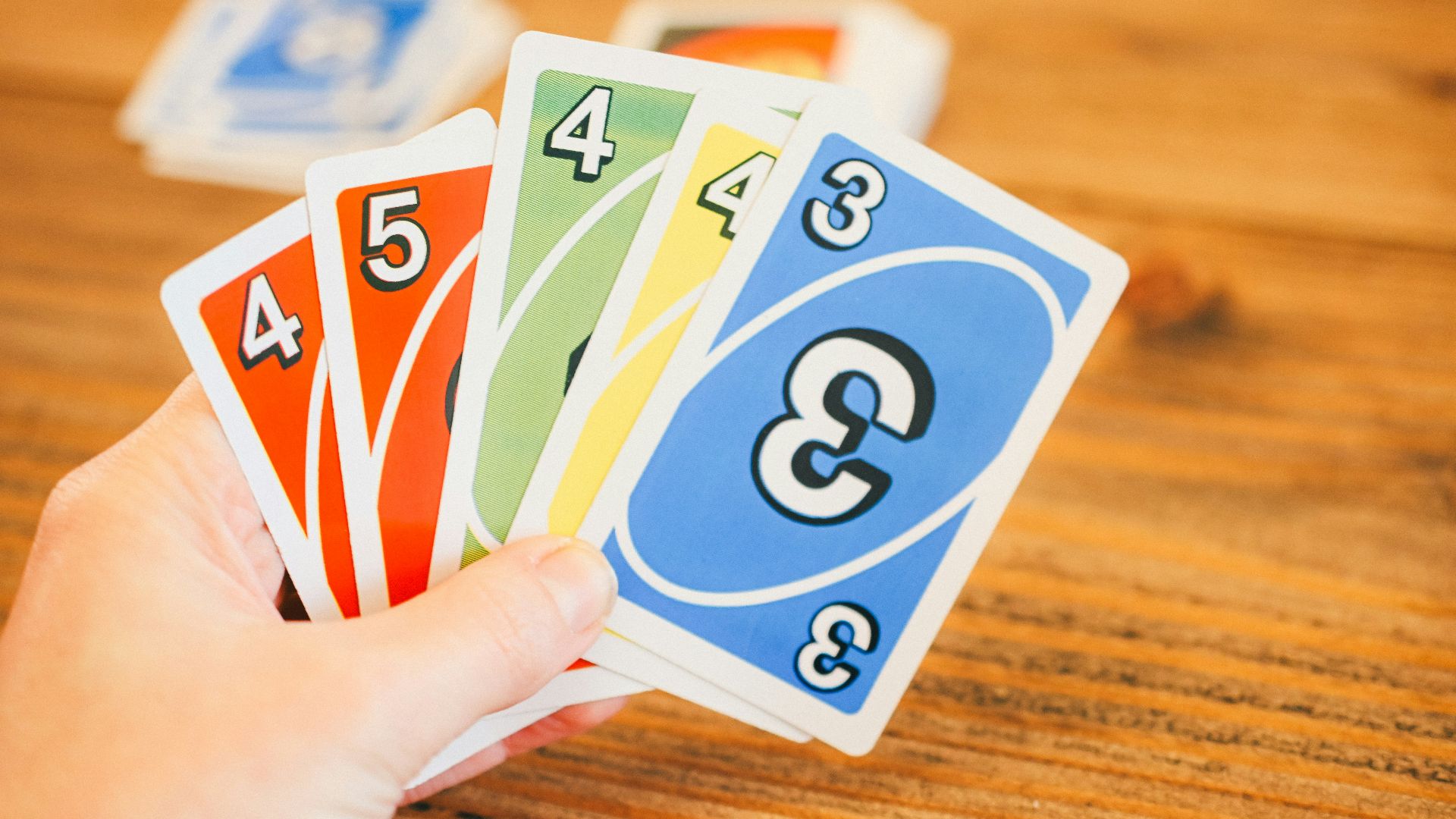
Uno seems harmless until someone stacks four Draw Four cards on the one person who's already losing, timed perfectly to end their night. The Reverse card gets treated less like a mechanic and more like a personal weapon by anyone who's been paying attention to who wronged whom earlier in the game.
7. Jenga
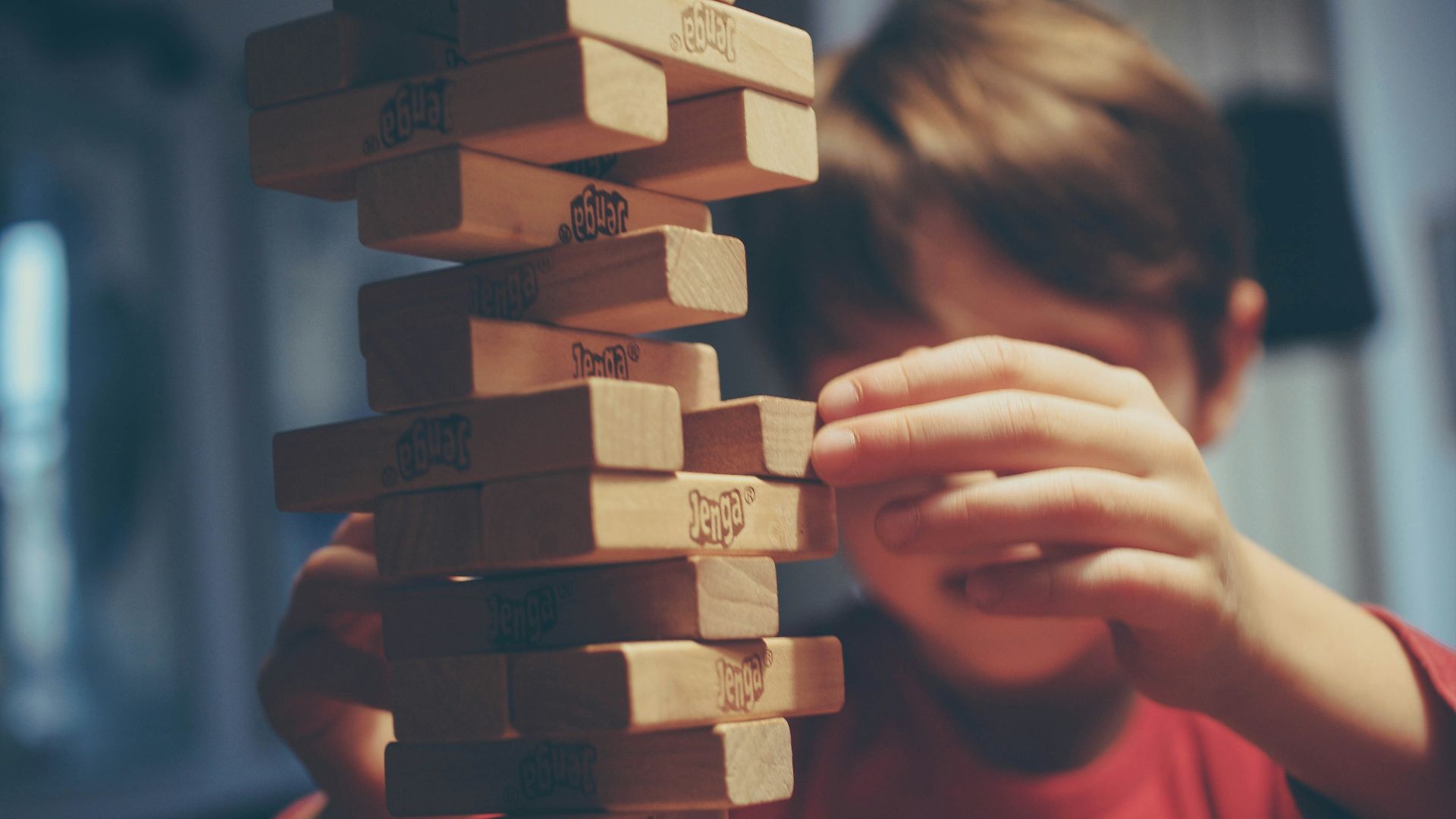
Jenga turns into a blame game the second the tower falls, with everyone at the table insisting it wasn't their move that caused it. The tension builds piece by piece, and by the final few blocks even a slightly shaky hand gets treated like sabotage.
 Michał Parzuchowski on Unsplash
8. Mario Kart
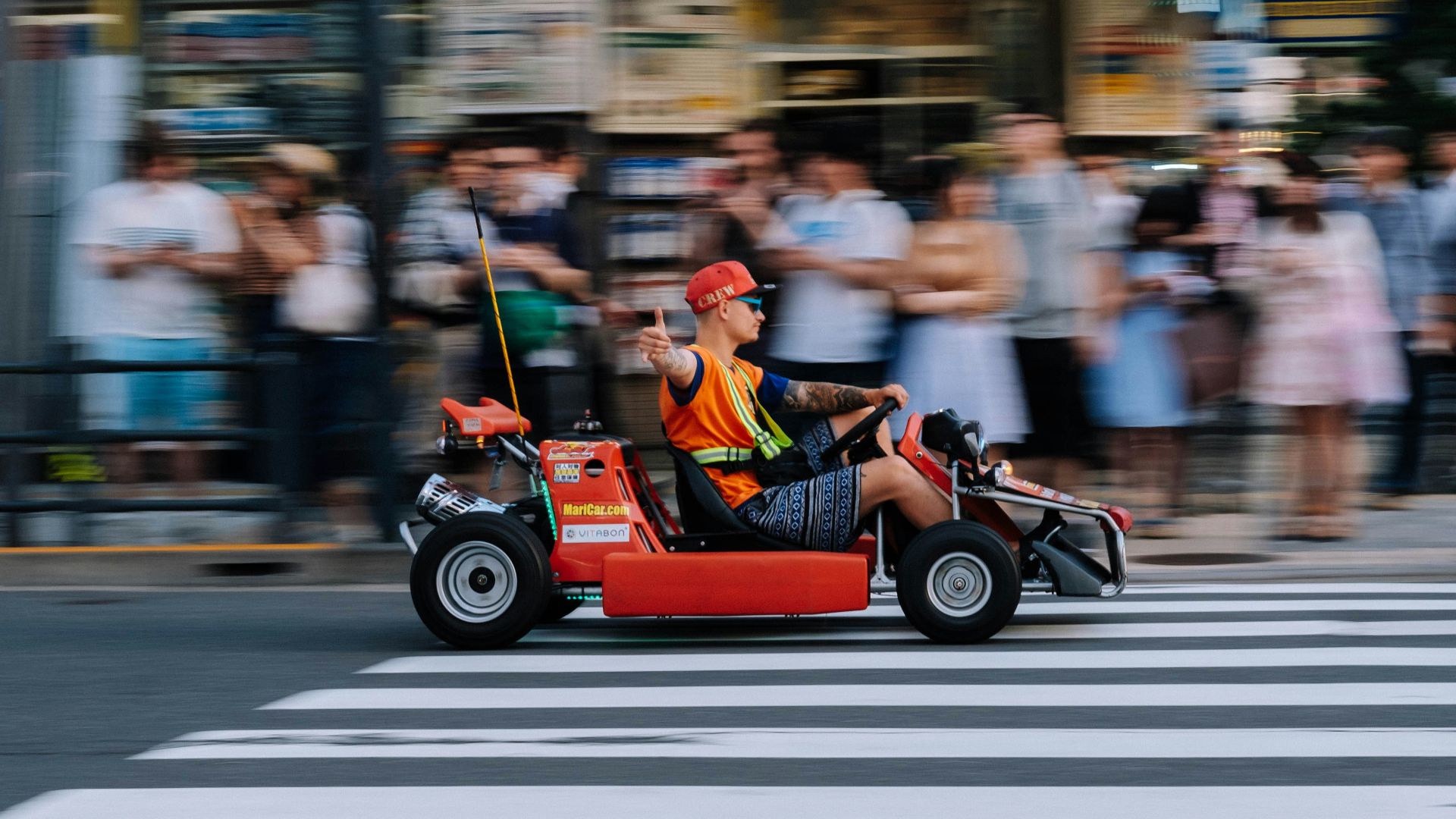
Mario Kart has sent more controllers flying across living rooms than almost any other game in the genre, mostly thanks to the blue shell showing up right as someone crosses the finish line in first. Friendships have cooled off over a single race, especially the ones decided in the final lap.
9. Among Us
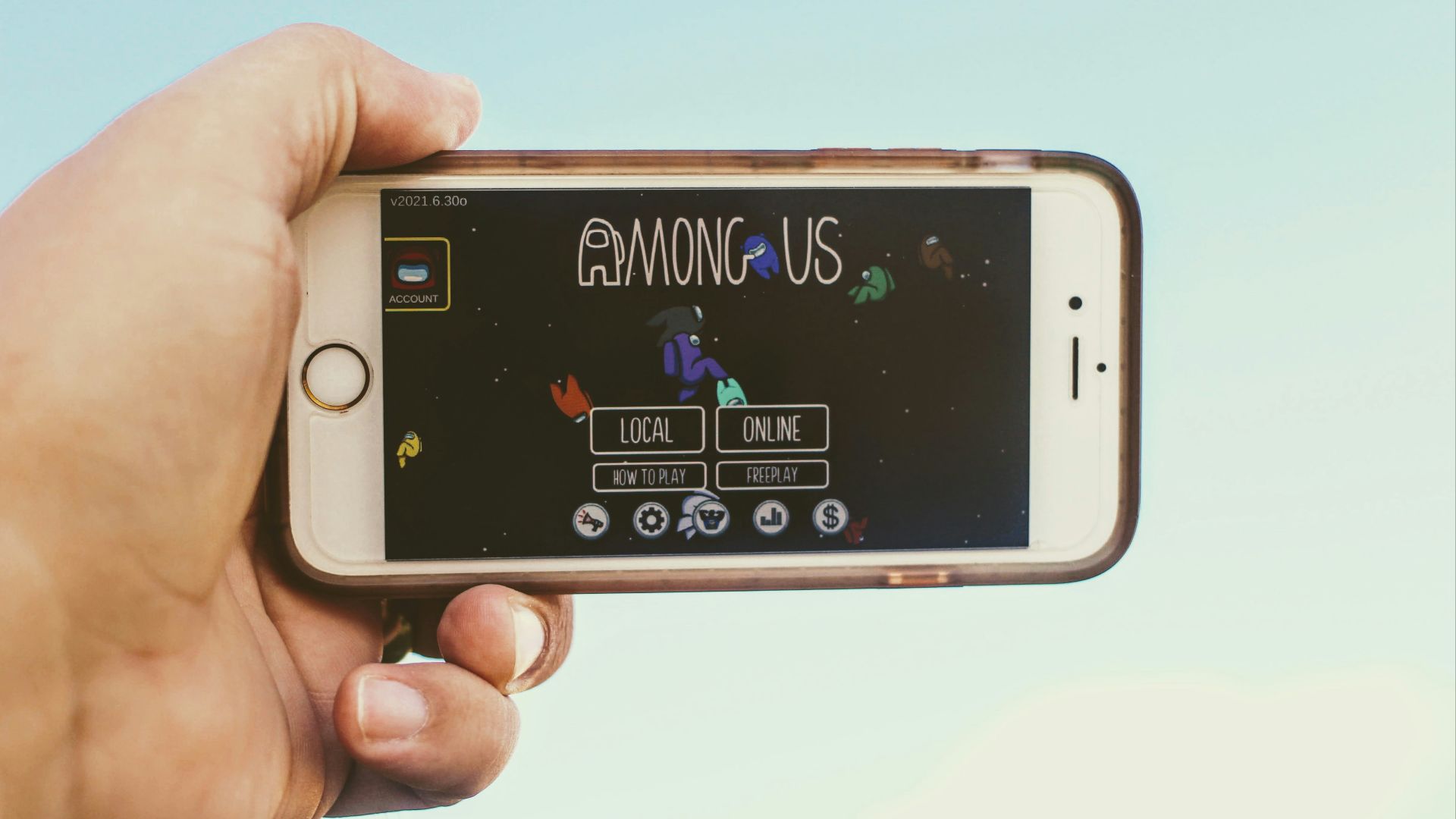
Among Us works by making players lie convincingly to people they actually trust, which tends to leave a strange residue once the game ends and everyone has to sit in the same room again. Being wrongly accused, or worse, actually getting away with it, has a way of following people well past the final vote.
10. Werewolf
Werewolf and its cousin Mafia ask players to lie to their closest friends with a straight face, and some people turn out to be uncomfortably good at it. Getting accused by someone you trust, or watching a friend lie directly to your face and pull it off, tends to linger longer than the game itself.

11. Scrabble
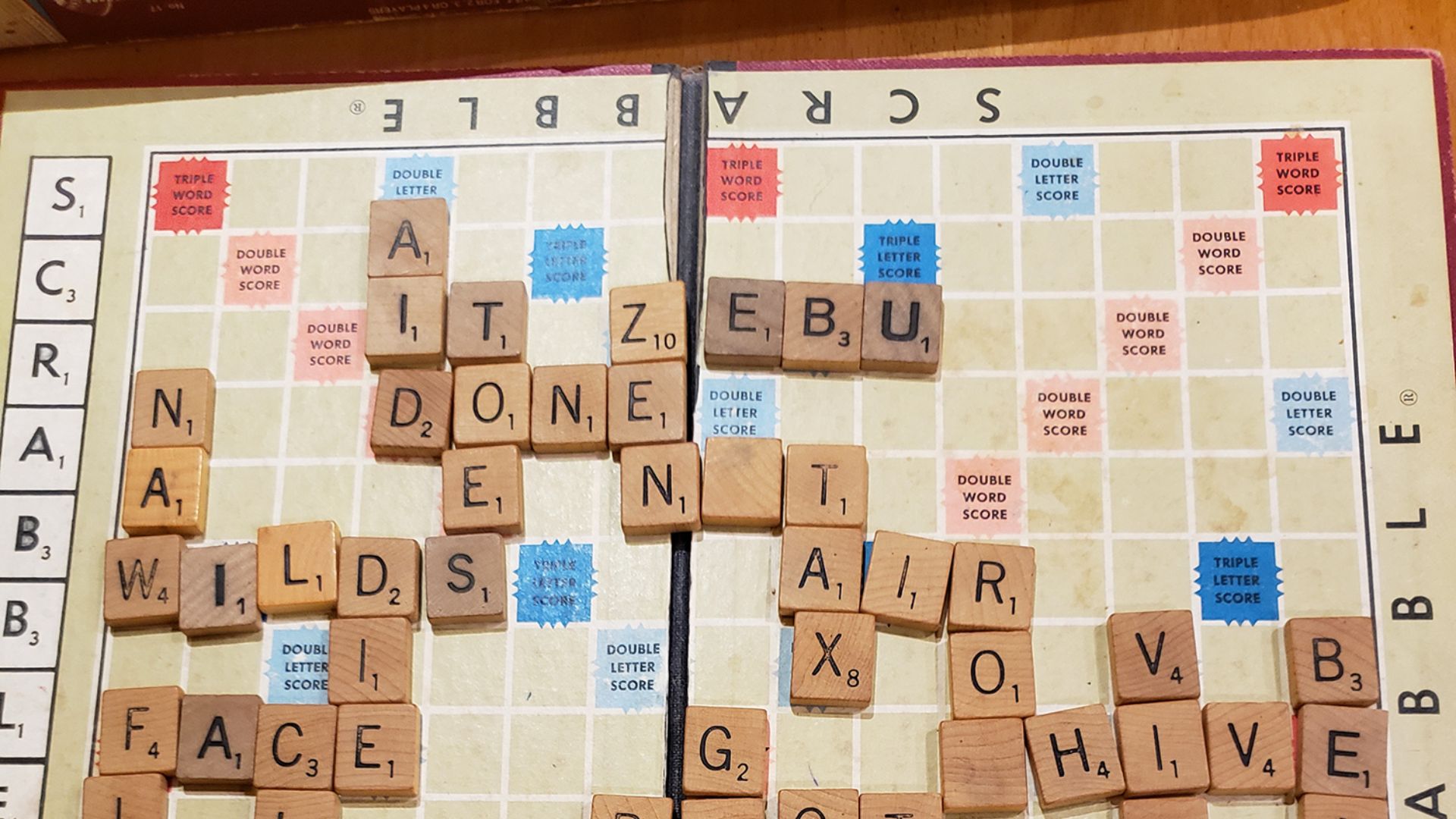
Scrabble arguments rarely stay about the actual words, turning instead into a debate over whether a made-up word deserves to count just because it sounds plausible. Triple word scores get contested with the intensity of a courtroom case, especially when someone's been saving a letter for exactly that spot.
12. Trivial Pursuit
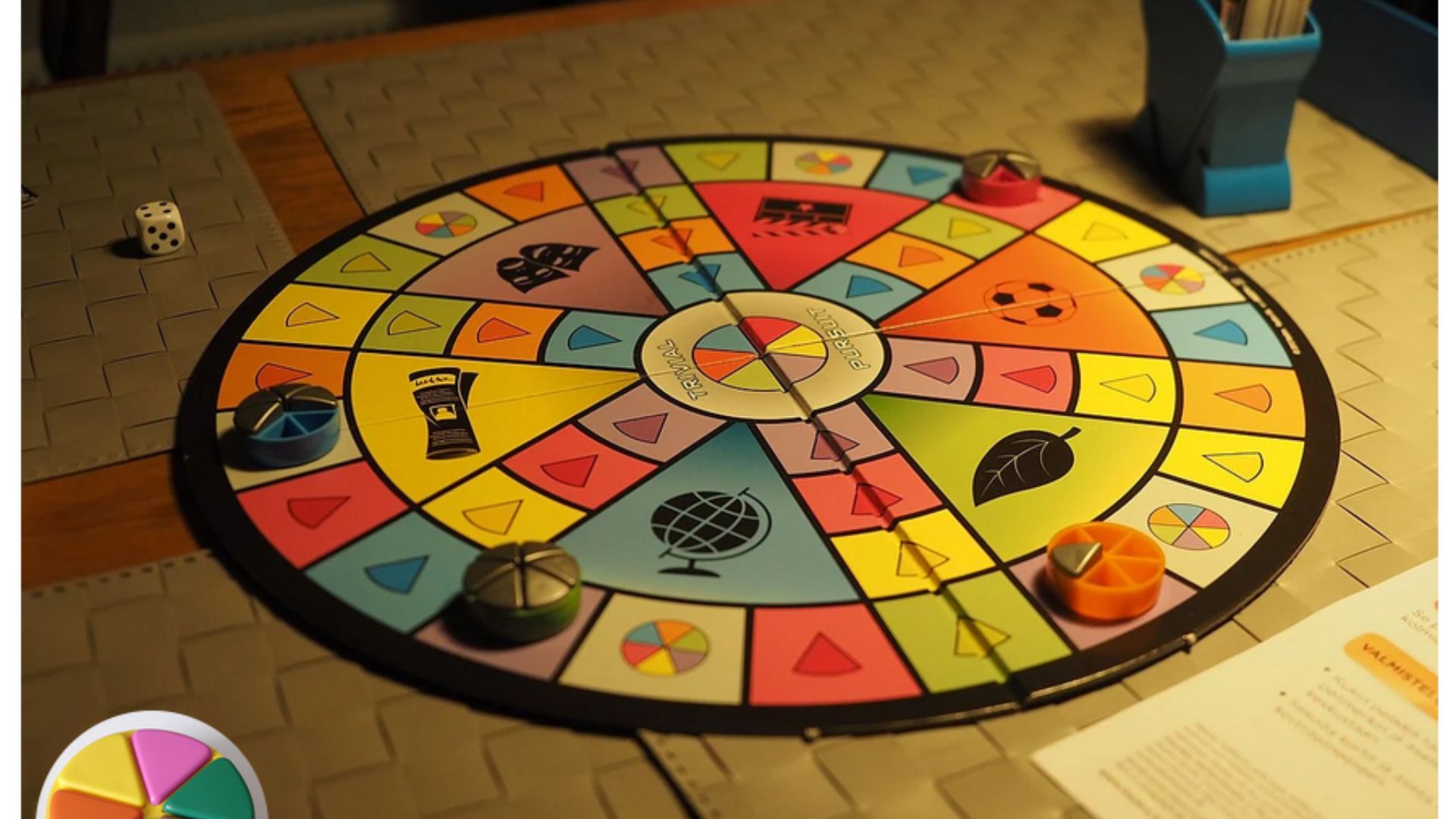
Trivial Pursuit works fine until one player happens to know an unreasonable amount about a category nobody else studied, turning what should be a fun round into a one-sided trivia lecture. The rest of the table tends to check out fast once it becomes clear who's winning and why.
13. The Game of Life
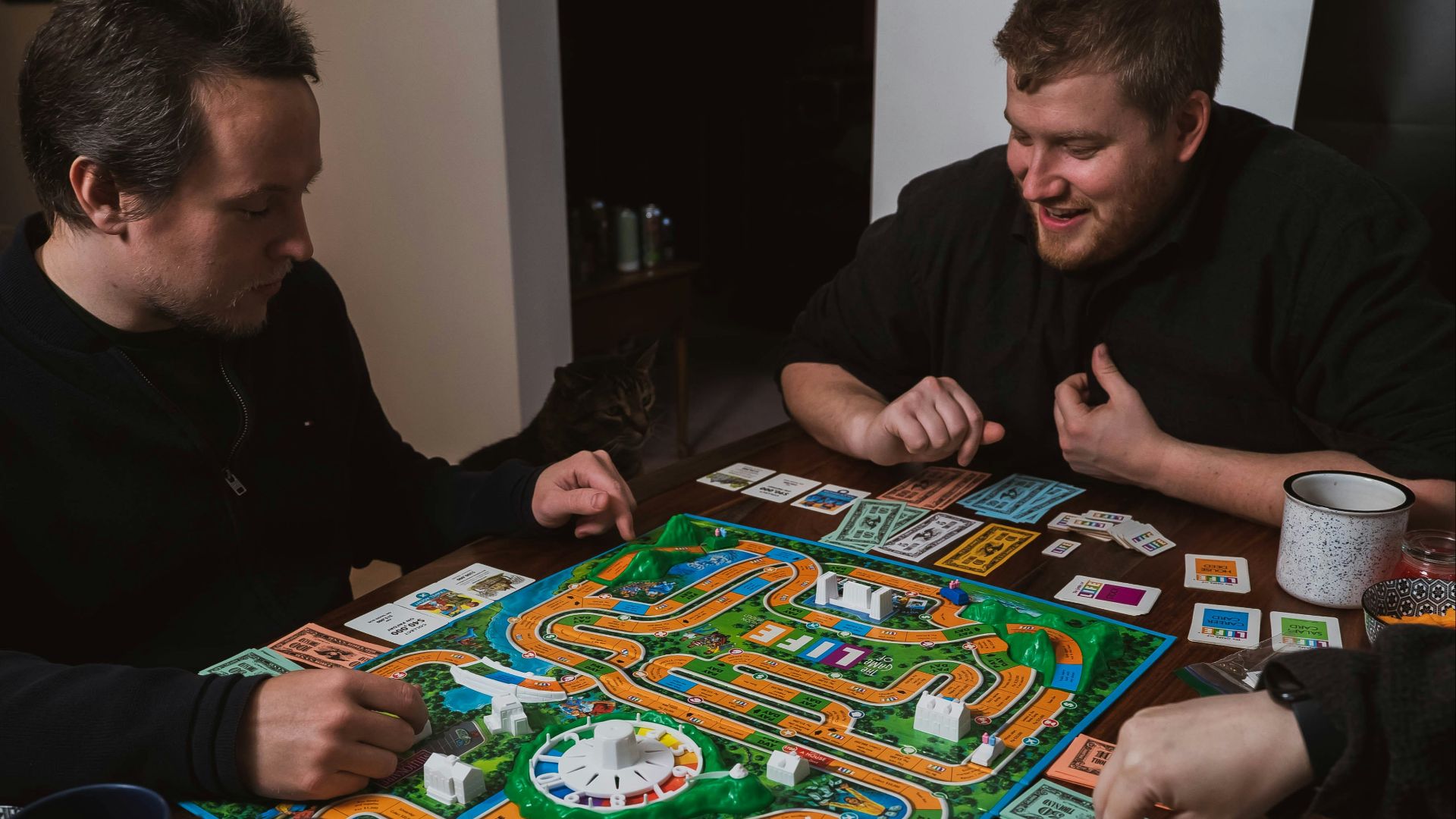
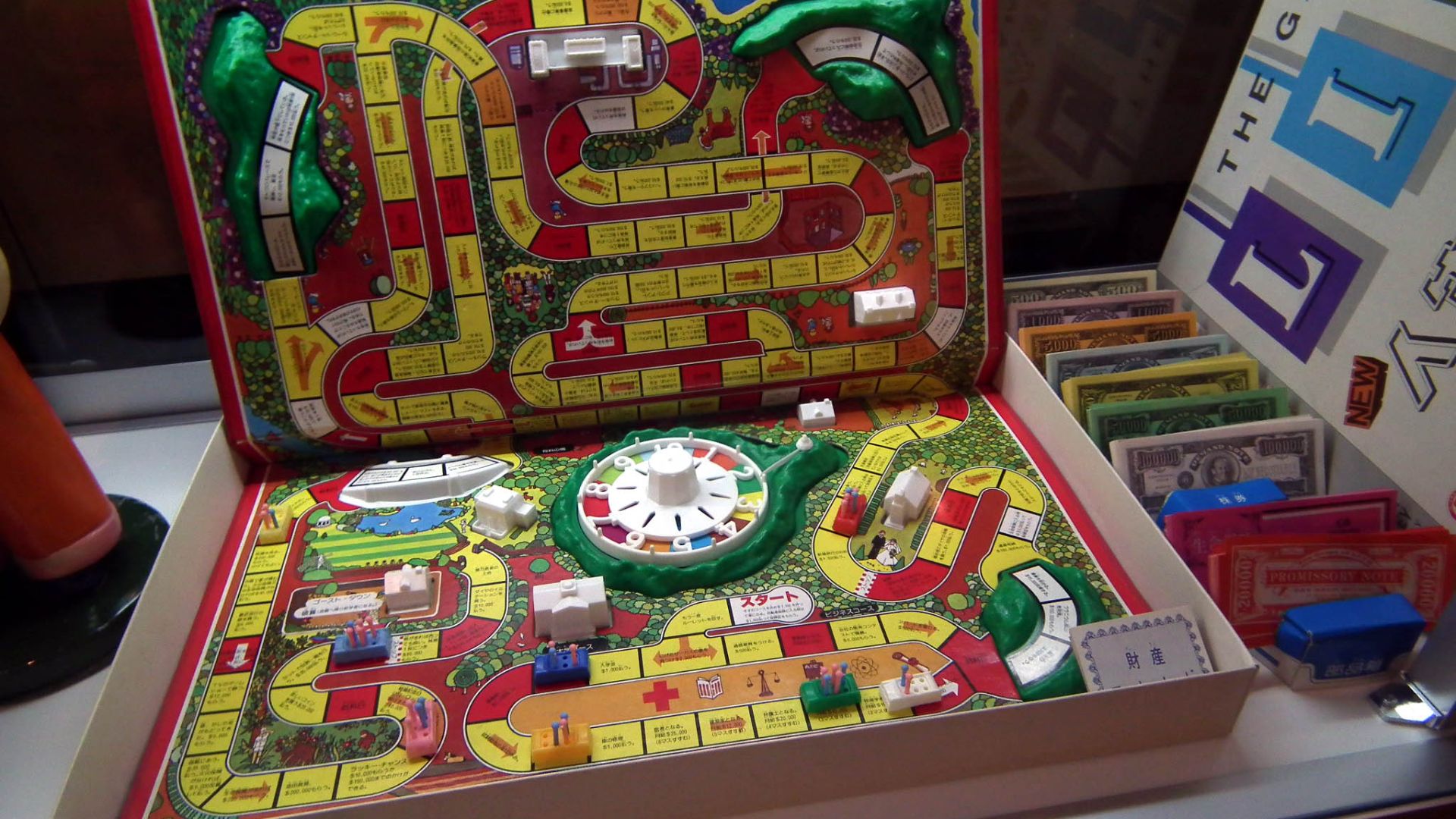
The Game of Life hands out fortunes and disasters almost entirely by spinner luck, which makes the losses sting in a way that feels oddly personal for a game about random chance. Watching a friend land on a lucky spin after a run of bad ones has ended more than one otherwise pleasant evening.
14. Sorry!
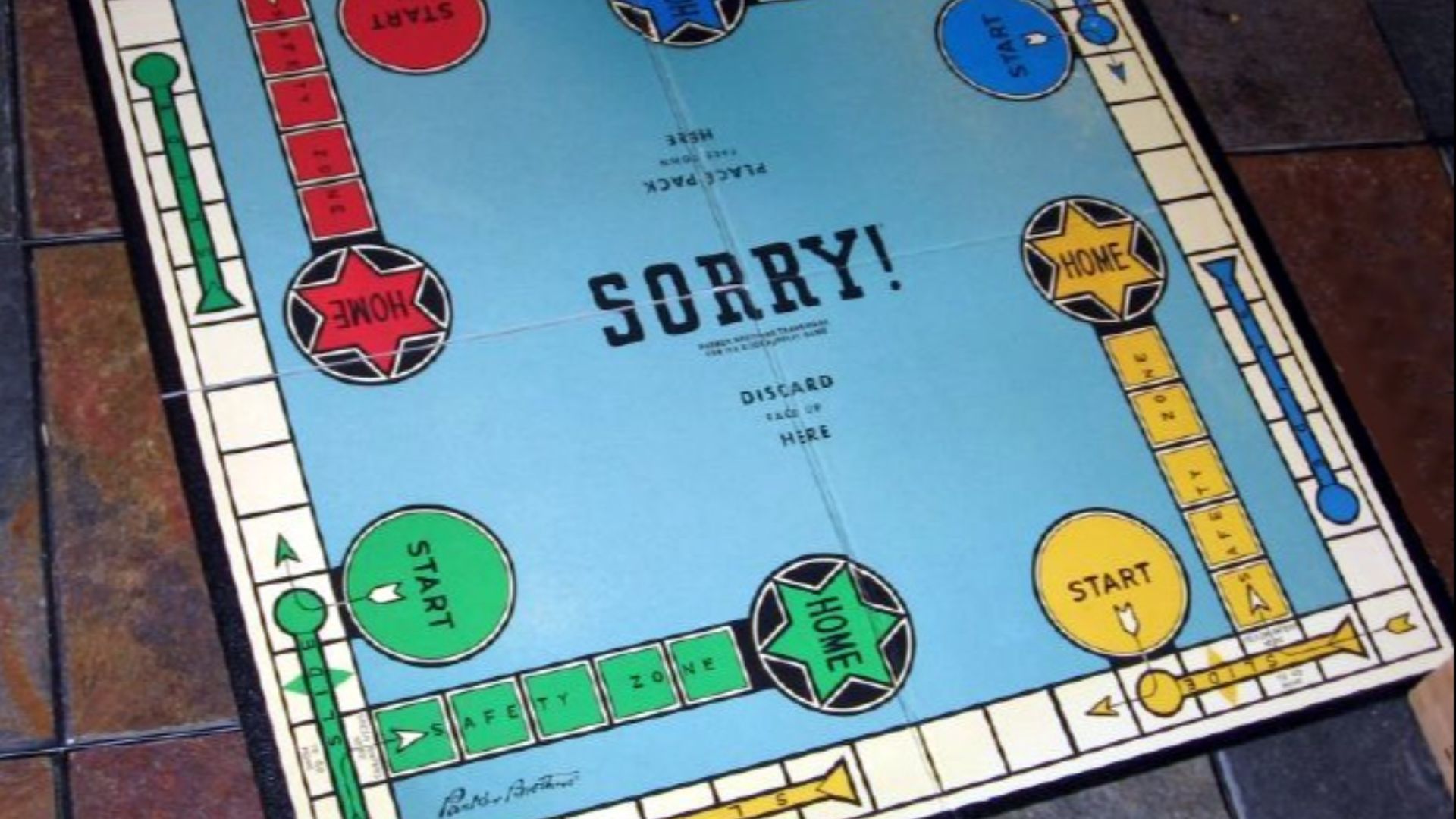
Sorry! is built entirely around sending other players back to the start, and the game's own apology built into the name never once softens the blow. Being sent home right before reaching safety tends to get treated as a personal statement rather than a rule of the game.
 myguitarzz on Flickr on Wikimedia
15. Exploding Kittens
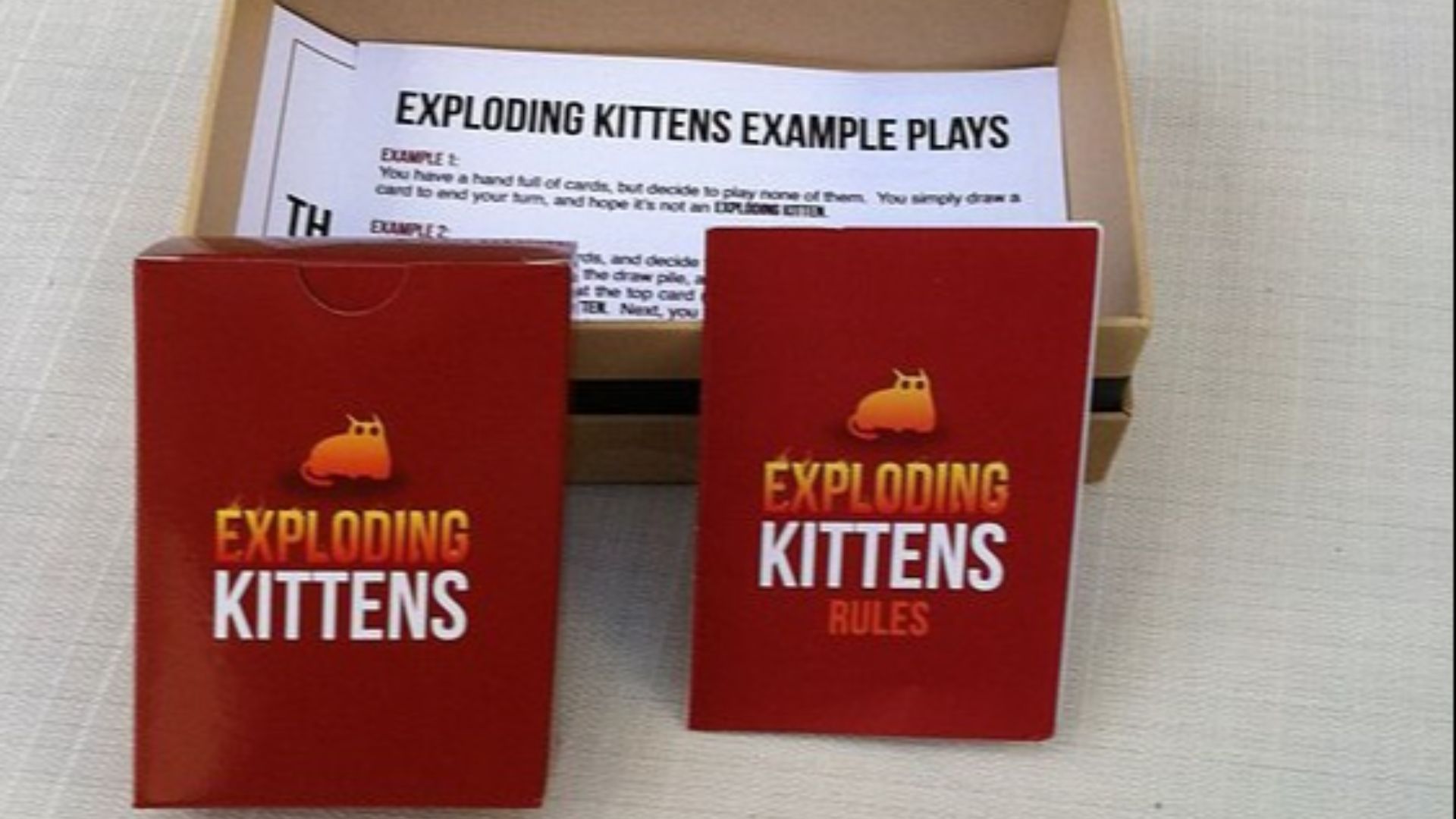
Exploding Kittens turns friendly card games into a paranoid guessing exercise, since knowing who's holding a defuse card becomes almost as important as the cards themselves. Handing someone the exploding card at exactly the wrong moment has ended more than a few friendly rounds on a sour note.
16. Secret Hitler
Secret Hitler puts players in the position of accusing their own friends of secretly working against the group, and the accusations tend to get surprisingly heated for a game about cardboard tiles. Being wrongly suspected, especially by someone who should know better, has a way of souring the rest of the night.

17. Ticket to Ride
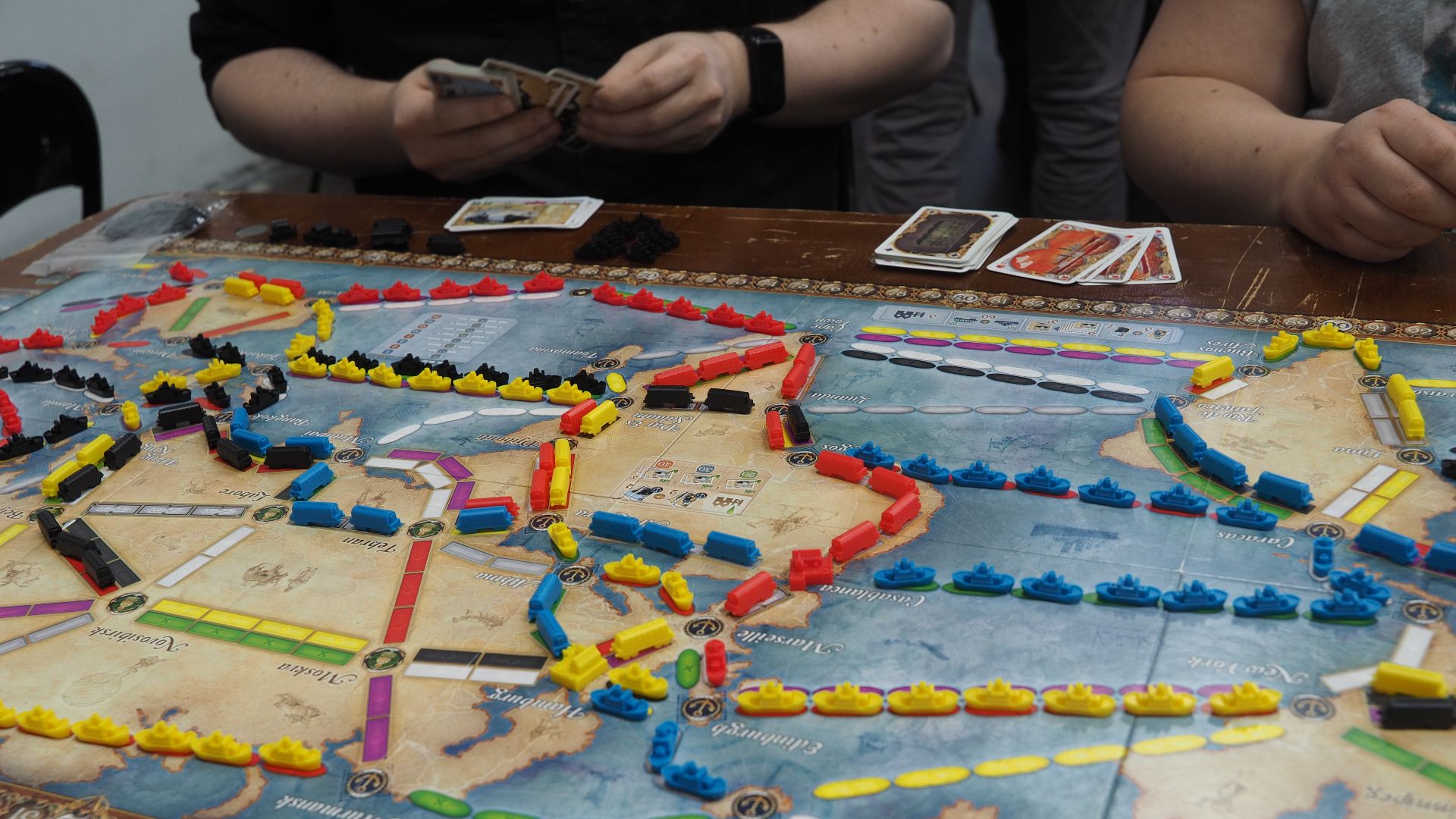
Ticket to Ride rewards players who build routes that happen to block everyone else's plans, and figuring out who did it on purpose versus who simply got there first turns into its own argument. A blocked route near the end of the game tends to get remembered a lot longer than the final score.
18. Clue
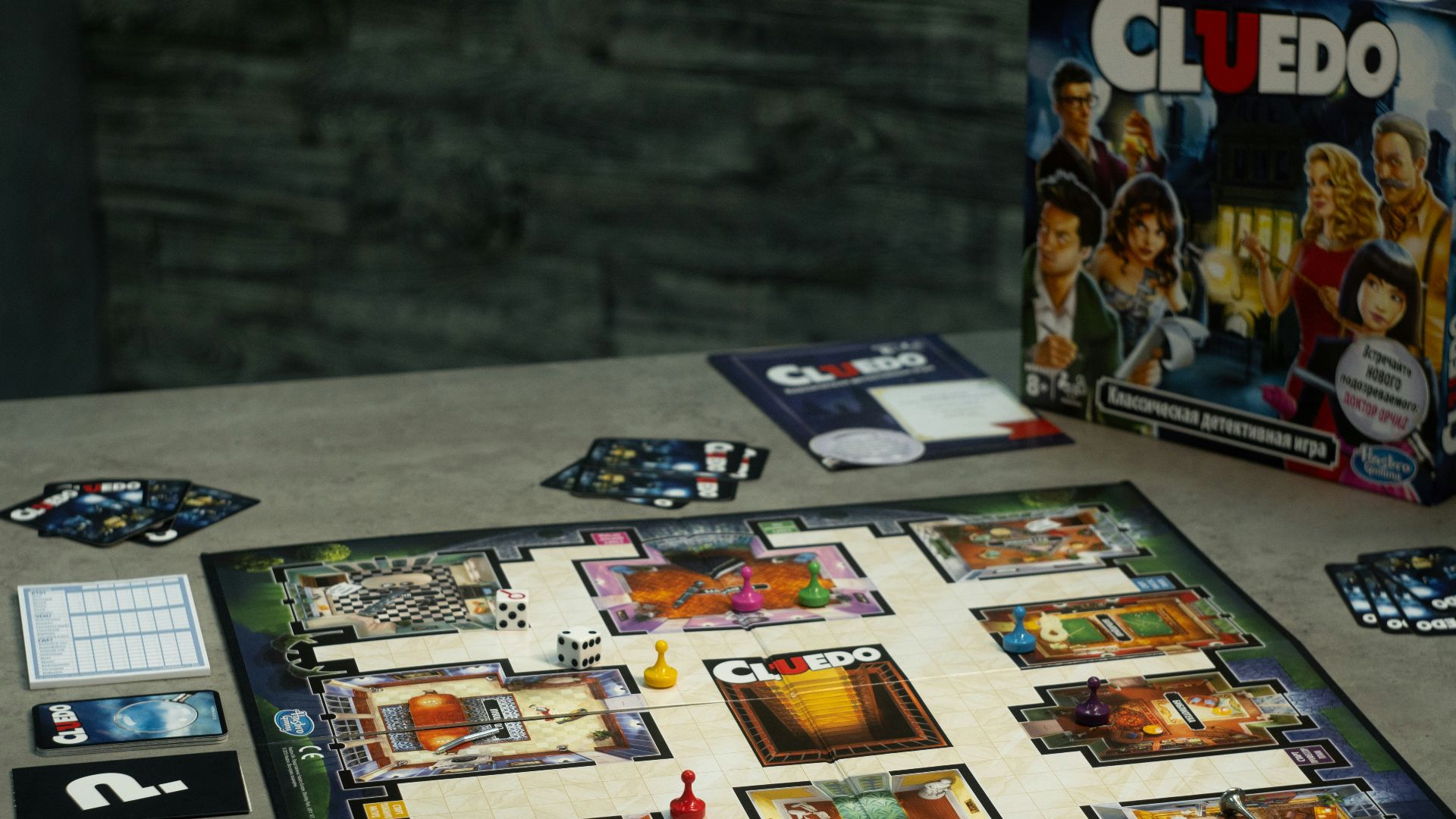
Clue tends to fall apart the moment someone's accused of peeking at another player's cards, and once that suspicion enters the room, it rarely leaves before the game does. Whoever solves the mystery first sometimes has to deal with accusations of cheating instead of actual congratulations.
 Alexander Lyashkov on Unsplash
19. Battleship
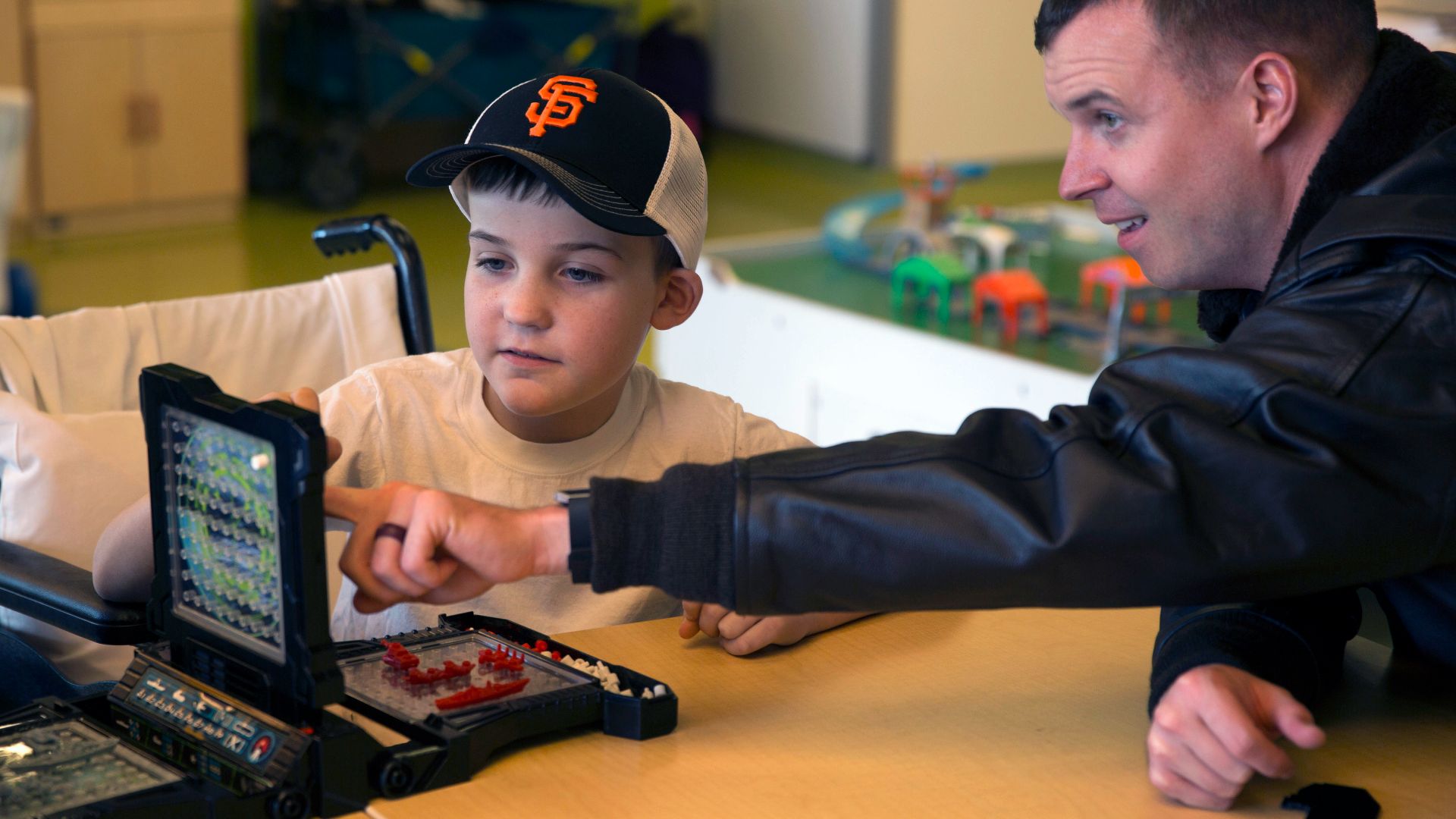
Battleship runs almost entirely on trust, since nothing physically stops a player from glancing at the wrong side of the board when nobody's looking. Once one person gets accused of peeking, every suspiciously good guess for the rest of the game gets treated as more evidence.
20. Twister
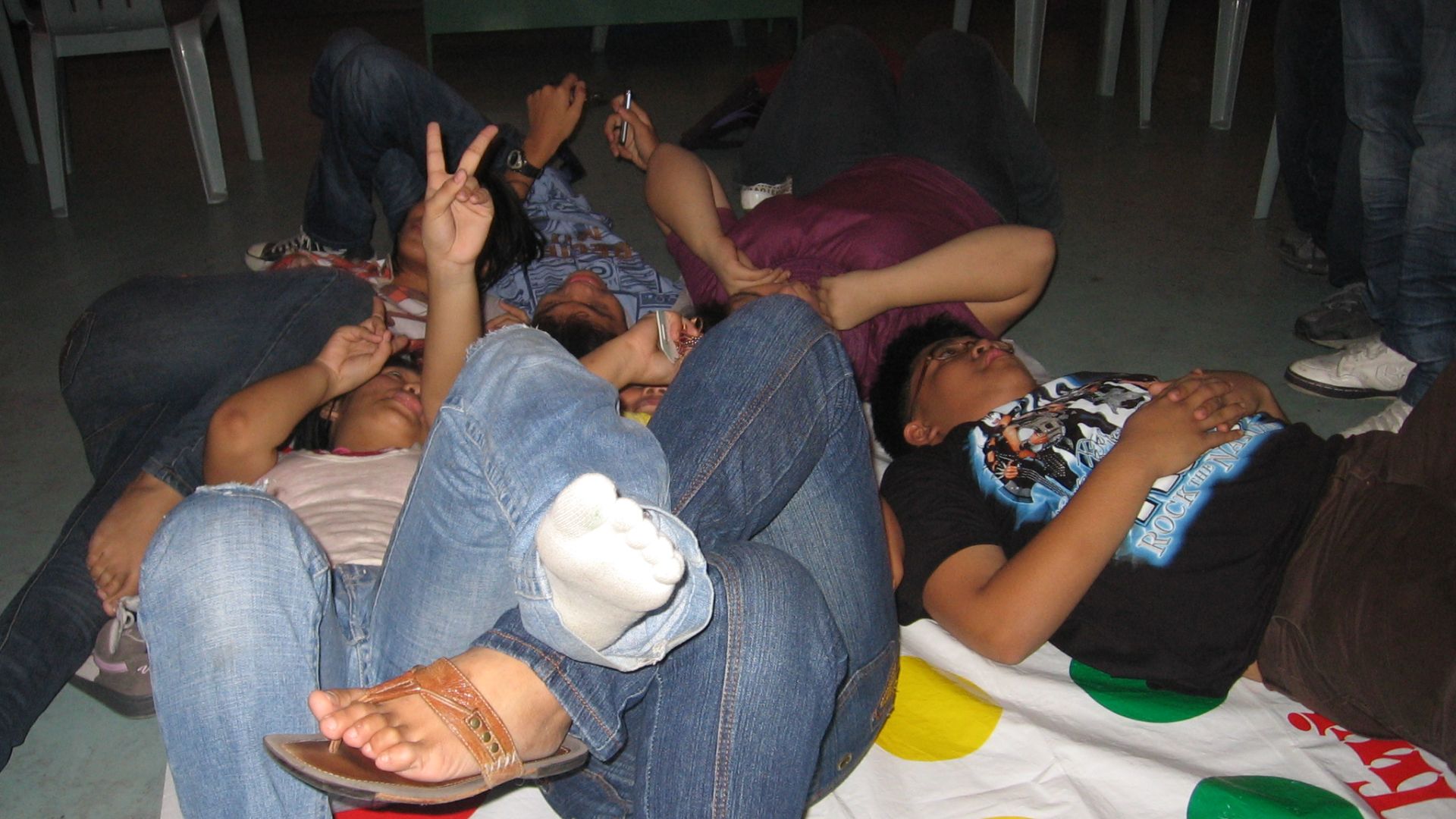
Twister turns competitive fast, and the physical closeness that makes it funny in theory tends to get awkward in practice once people start actually trying to win. Between pulled muscles and someone refusing to admit they fell first, plenty of games have ended with more tension than laughs.