20 Internet Urban Legends That Turned Out to Have Some Truth Behind Them
Sometimes the Internet Gets It Right
The internet has never been particularly good at separating fact from fiction, especially when a story involves something creepy, mysterious, or downright ridiculous. We've all encountered those strange online rumors that sound too bizarre to be real, only to discover that there's actually some truth behind them. While plenty of viral stories are completely made up, others have surprisingly legitimate origins that make them even more interesting. From secret government experiments to disturbing discoveries, these 20 internet urban legends weren't entirely imaginary after all.
1. The Internet Really Is Full of Bots
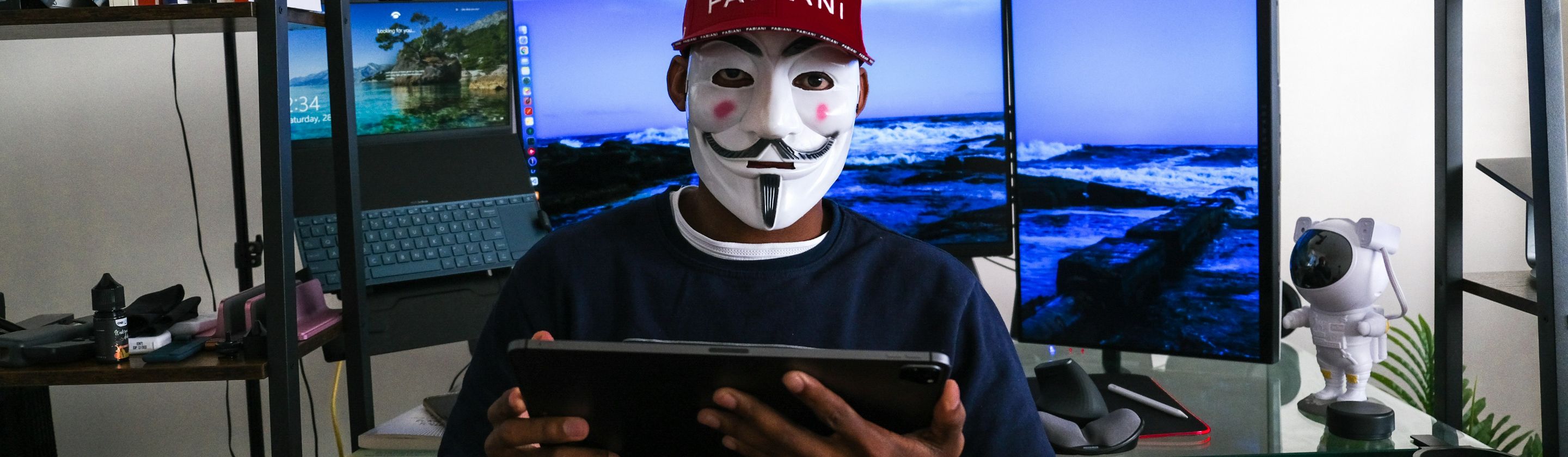
The Dead Internet Theory gained popularity online in 2021, suggesting that much of the internet had been taken over by bots, artificial intelligence, and automated content designed to manipulate users. Although the theory exaggerates the idea that genuine human activity has largely disappeared, there's real evidence that automated traffic makes up a massive portion of online activity. Bot-generated comments, fake social media accounts, and AI-produced articles have become widespread problems across the internet.

2. The Internet's Mysterious Cicada 3301 Puzzle Was Real
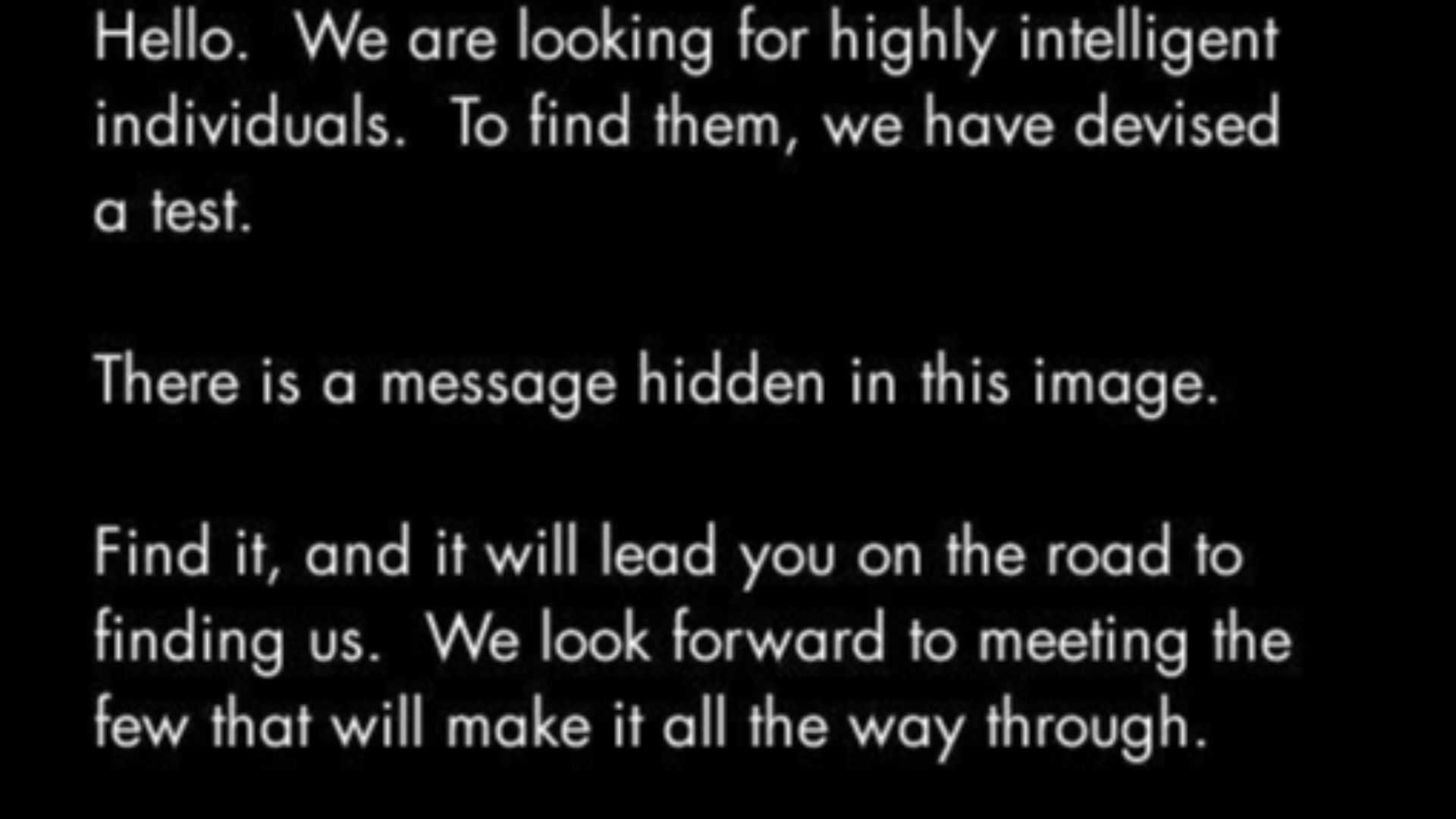
In 2012, an anonymous organization calling itself Cicada 3301 began posting elaborate puzzles online, claiming to be searching for highly intelligent individuals. Participants encountered cryptographic challenges, hidden messages, and clues that eventually led to physical locations around the world. Nobody has conclusively established who's responsible, but even if their ultimate purpose remains uncertain, the puzzles and international scavenger hunts were absolutely real.
3. The Creepy Momo Character Actually Existed
In 2018, frightening warnings about the Momo Challenge spread across social media, claiming that a disturbing character was contacting children and encouraging dangerous behavior. Investigators found no credible evidence of the supposed organized challenge, but the terrifying face associated with the rumor came from a real sculpture. Called Mother Bird, the artwork was created by Japanese artist Keisuke Aiso and displayed in Tokyo in 2016. The internet invented the dangerous game, but the unsettling image that frightened so many parents was genuine.

4. Some Toys Really Could Be Used to Spy on Children
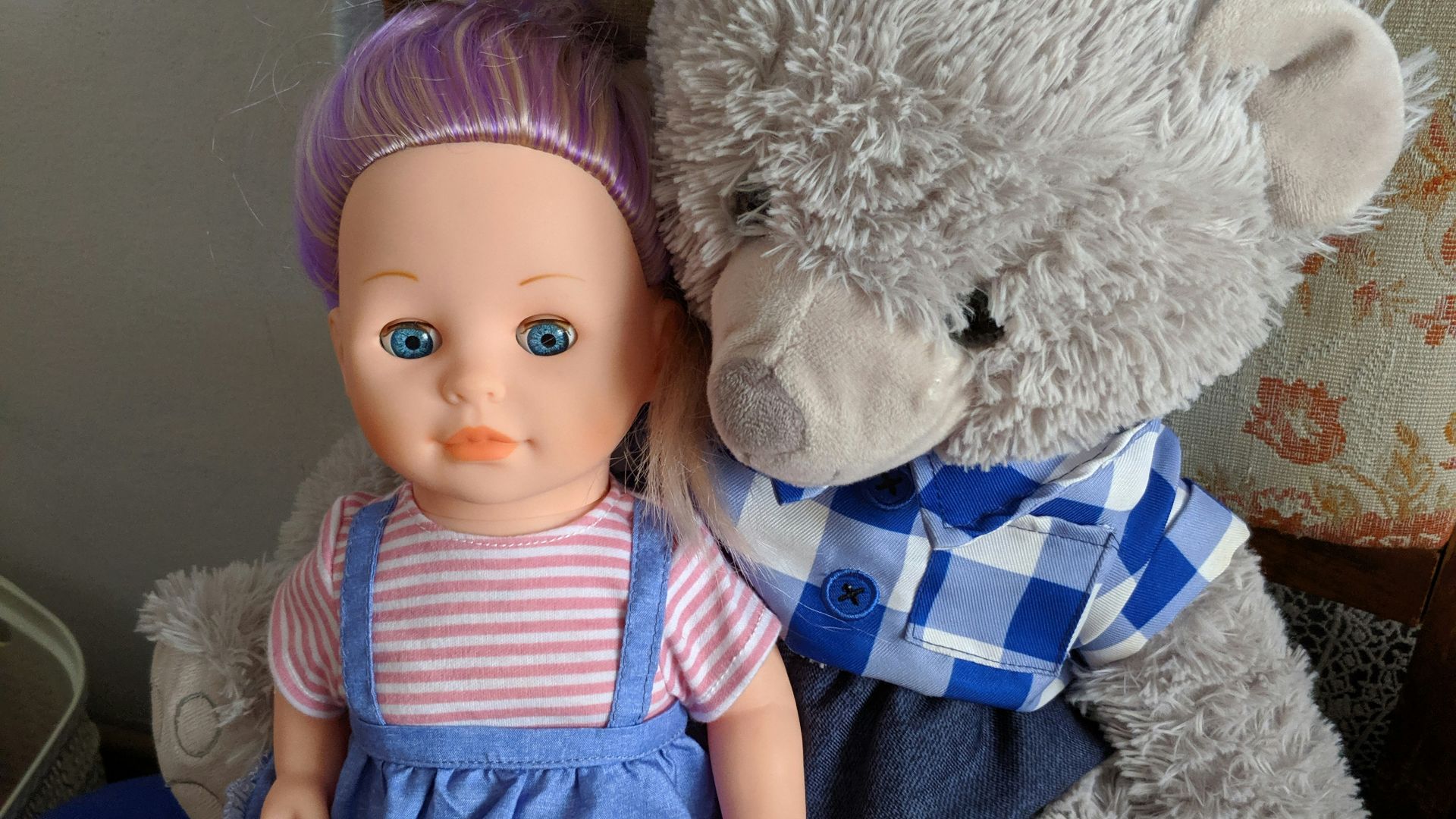
The idea that a child's toy could secretly record private conversations once sounded like an exaggerated internet privacy scare. However, the connected My Friend Cayla doll attracted serious scrutiny because its Bluetooth capabilities created security vulnerabilities, including the possibility of unauthorized access to its microphone. Germany's telecommunications regulator banned the doll in 2017 over concerns about its potential use as a surveillance device.
5. Alexa Really Did Record Someone's Private Conversation
For years, internet users joked and worried about smart speakers secretly listening to conversations, and one particularly unsettling incident gave those fears some credibility. In 2018, an Oregon family discovered that their Amazon Echo had recorded a private conversation and sent the audio to someone in their contact list. Amazon explained that the device had mistakenly interpreted background speech as a series of commands. It wasn't evidence of deliberate spying, but it demonstrated that smart speakers could expose private conversations through unexpected errors.

6. Your Phone Really Can Reveal Where You've Been
Online warnings about smartphones secretly tracking people's movements once seemed a little paranoid, but location tracking is a genuine privacy concern. In 2011, researchers discovered that iPhones stored a database of location-related information that could reveal patterns of users' movements. Apple subsequently changed how the information was handled, although modern smartphones still collect location data for various purposes. The important distinction is that location tracking doesn't automatically mean someone is watching your every move in real time.
7. Facebook Really Did Experiment With Users' Emotions
You might've seen conspiracy theories suggesting that social media companies deliberately manipulate how people feel, and Facebook actually conducted an experiment along those lines. In 2012, researchers altered the emotional content appearing in the News Feeds of approximately 689,000 users to study whether positive and negative posts affected their behavior. When the findings were published in 2014, the experiment sparked considerable criticism over questions of consent and research ethics.

8. Schools Really Did Spy on Students Through Laptop Cameras
Internet warnings about hackers secretly activating laptop webcams have circulated for years, but one particularly troubling case involved school officials instead. In 2010, a Pennsylvania school district faced lawsuits after it emerged that software installed on school-issued laptops had been used to remotely capture photographs of students. Although the software was intended to help track missing computers, thousands of images were collected without students or their parents knowing.

9. YouTube Really Did Have Disturbing Videos Disguised as Children's Content
Online parents began sharing alarming warnings about inappropriate videos appearing among seemingly innocent children's cartoons, and the problem turned out to be legitimate. Around 2017, the controversy became widely known as Elsagate, referring to disturbing videos featuring recognizable children's characters in violent or inappropriate situations. Some of these videos used familiar cartoon imagery and misleading titles to attract young viewers. YouTube subsequently removed large numbers of videos and channels, confirming that the problem wasn't simply another exaggerated parenting rumor.
 Christian Wiediger on Unsplash
10. There Really Was a Hidden Space Behind Someone's Bathroom Mirror
Stories about hidden rooms behind mirrors became particularly unsettling after a viral TikTok video showed a woman discovering an unexpected opening in her New York City apartment in 2021. Samantha Hartsoe noticed cold air coming from her bathroom mirror and eventually removed it, revealing an unfinished space beyond the wall. Her discovery attracted millions of views because it resembled countless internet horror stories about secret passages. There wasn't evidence of a sinister intruder, but the bizarre architectural discovery was completely genuine.
 Royale Stones Ireland on Unsplash
11. A Website Really Did Sell Illegal Drugs Through the Mail
Before authorities shut it down, the Silk Road marketplace seemed almost too outrageous to believe, with internet users describing a hidden website where people could purchase illegal drugs. Launched in 2011, the marketplace operated through the Tor network and used Bitcoin transactions to facilitate purchases that users hoped would remain anonymous. The FBI shut down the original site in 2013 and arrested its founder.
12. The Creepy Clown Sightings Weren't All Fake
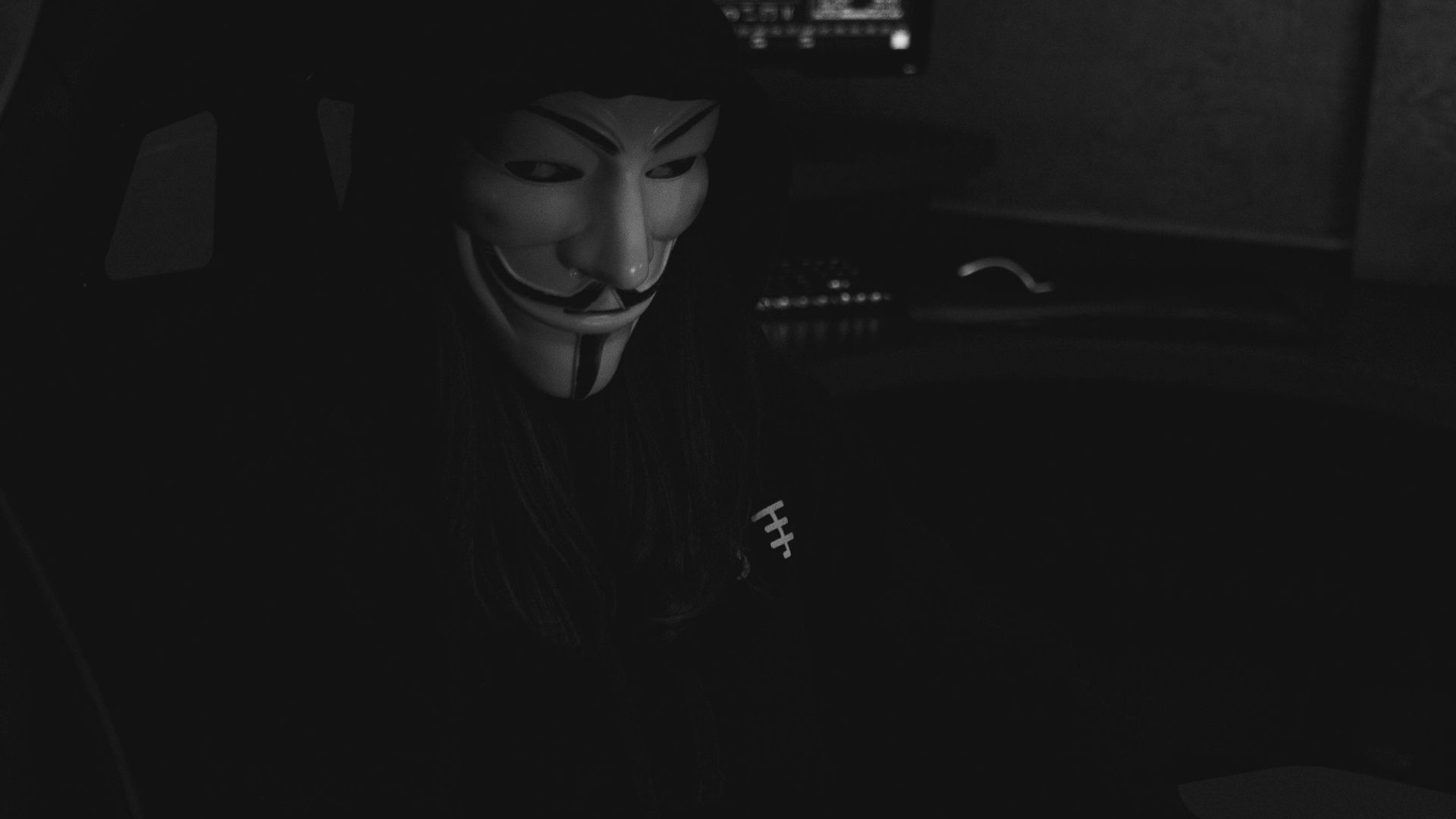
In 2016, social media became flooded with reports of frightening clowns appearing in neighborhoods, parking lots, and wooded areas, leading some people to suspect an elaborate internet hoax. Although many of the stories were fabricated or exaggerated, genuine sightings and clown-related pranks were reported across the U.S. and other countries. Some incidents even resulted in arrests after people dressed as clowns frightened or threatened members of the public. There wasn't evidence of a coordinated international clown conspiracy, but the strange trend certainly wasn't entirely imaginary.

13. A Mysterious YouTube Channel Really Was Connected to Google
In 2013, internet users became fascinated by a strange YouTube channel called Webdriver Torso, which uploaded thousands of nearly identical videos featuring colored rectangles and electronic sounds. The bizarre uploads inspired theories involving secret intelligence operations, hidden messages, and experimental technology. Eventually, Google confirmed that the channel was associated with testing YouTube's video quality and performance. The mysterious videos were genuine, although their explanation was considerably less sinister than people had imagined.

14. The Government Really Was Collecting Internet Communications
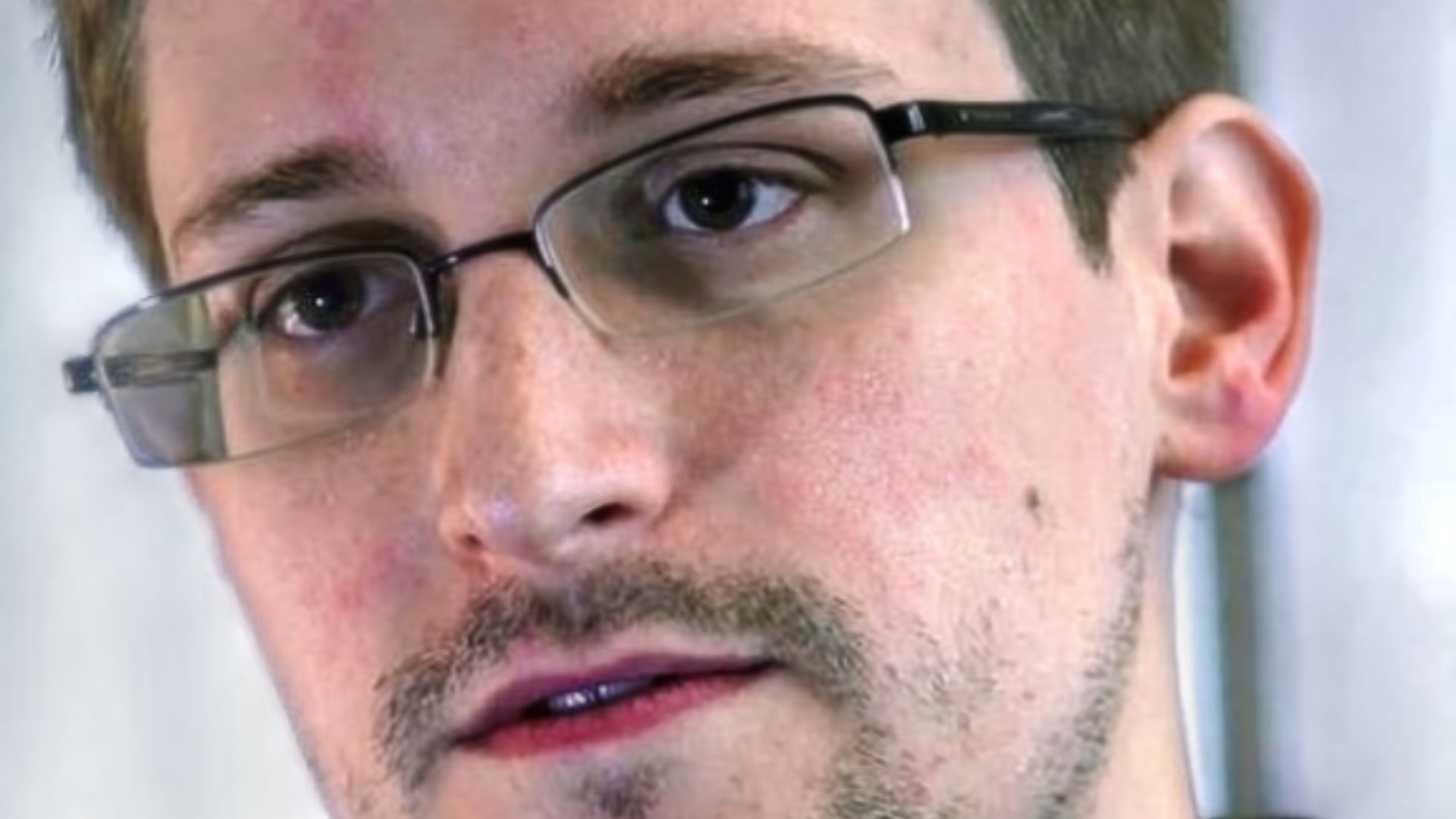
Long before Edward Snowden became a household name, online forums were filled with claims that American intelligence agencies were monitoring internet communications on an enormous scale. In 2013, Snowden's disclosures revealed previously secret surveillance programs involving the National Security Agency, including the collection of certain telephone records and access to online communications through legally authorized intelligence programs. The revelations sparked worldwide debates about privacy, national security, and government oversight.
 Laura Poitras / Praxis Films on Wikimedia
15. A TikTok Exploration Really Did Lead to Human Remains
The location-based app Randonautica inspired plenty of unsettling internet stories because it encouraged users to explore randomly generated coordinates. In 2020, a group of young people in Seattle reported using the app before discovering a suitcase containing human remains near the waterfront. Their TikTok video went viral, prompting speculation about whether the app could somehow guide users toward disturbing discoveries. Police investigated the remains, but there's no evidence that the app had any supernatural connection to the incident.

16. People Really Did Receive Mysterious Seeds in the Mail
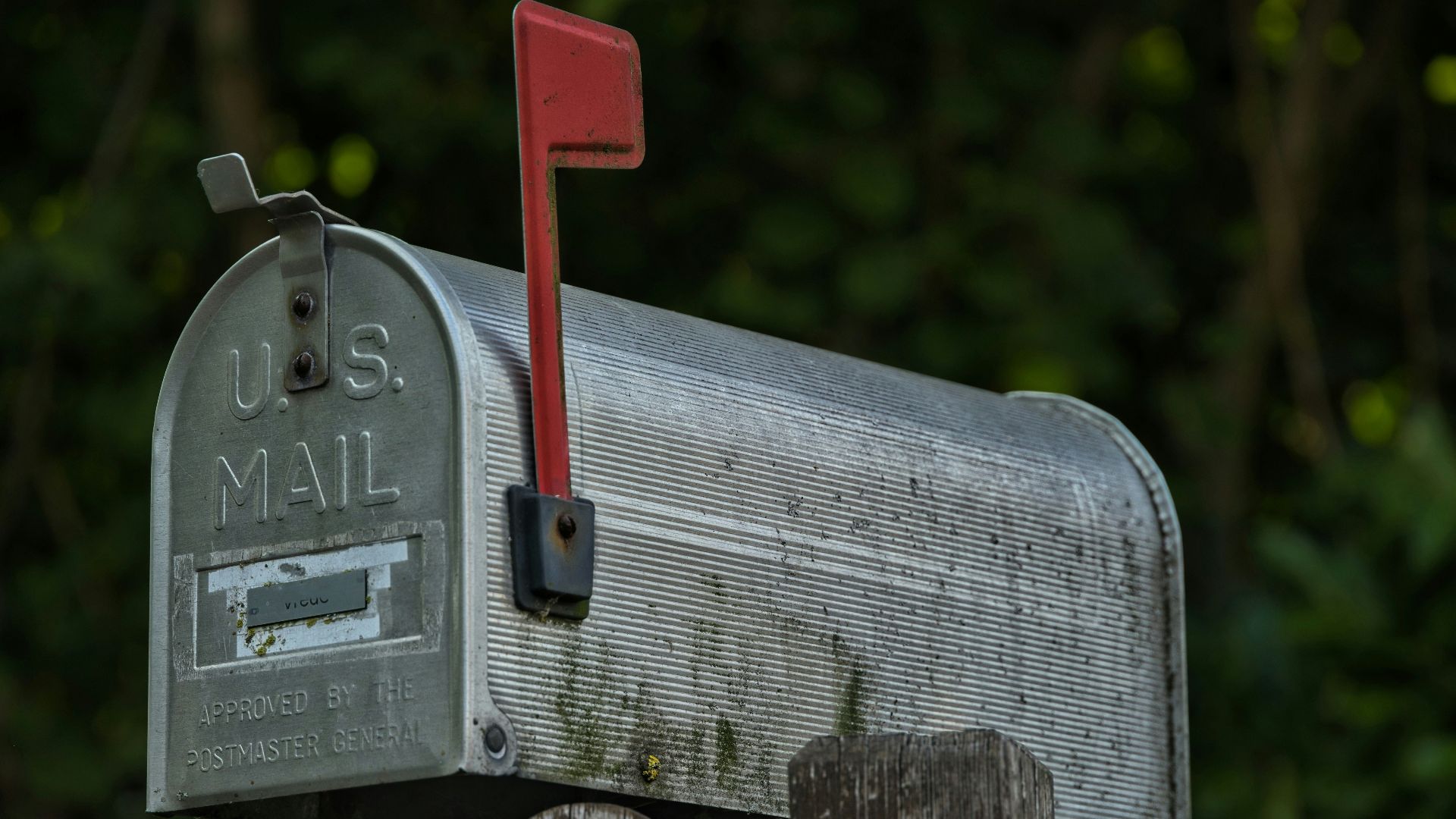
In 2020, social media users began reporting unexplained packages of seeds arriving at their homes, sometimes bearing shipping labels suggesting they had come from China. The deliveries prompted conspiracy theories about biological warfare and attempts to introduce dangerous plants into American ecosystems. The U.S. Department of Agriculture investigated the shipments and found evidence consistent with unsolicited online-commerce practices, including brushing scams. The seeds themselves were real, although authorities didn't substantiate the more frightening explanations spreading online.
17. A Mysterious Metal Monolith Really Did Appear in the Desert
When images of a strange metal structure in a remote Utah desert appeared online in 2020, internet users immediately began speculating about aliens and secret government projects. The object had genuinely been discovered by state wildlife officials during a helicopter survey, and similar structures soon appeared in other locations, prompting further speculation and a wave of apparent copycats. Although there's no evidence of extraterrestrial involvement, the original Utah monolith was a real installation whose creator wasn't conclusively established.

18. The Internet Really Did Make a Fake Restaurant Famous
You've probably heard warnings about online restaurant reviews being manipulated, but one experiment demonstrated just how far the deception could go. In 2017, journalist Oobah Butler created a fictional London restaurant called The Shed at Dulwich and promoted it through a fake listing, staged food photographs, and invented reviews. Despite never operating as a real restaurant, it eventually became London's top-ranked restaurant on TripAdvisor.
19. Convincing Videos of Celebrities Really Can Be Completely Fake
As manipulated celebrity videos began circulating online, some viewers struggled to believe that realistic footage could be created without the person ever appearing on camera. Around 2017, advances in artificial intelligence helped popularize deepfake videos that could digitally replace someone's face with another person's likeness. The technology quickly became a concern because convincing fabrications could spread misinformation or violate people's privacy. While not every suspicious celebrity video is artificial, the internet's warnings about realistic fake footage were grounded in genuine technological developments.
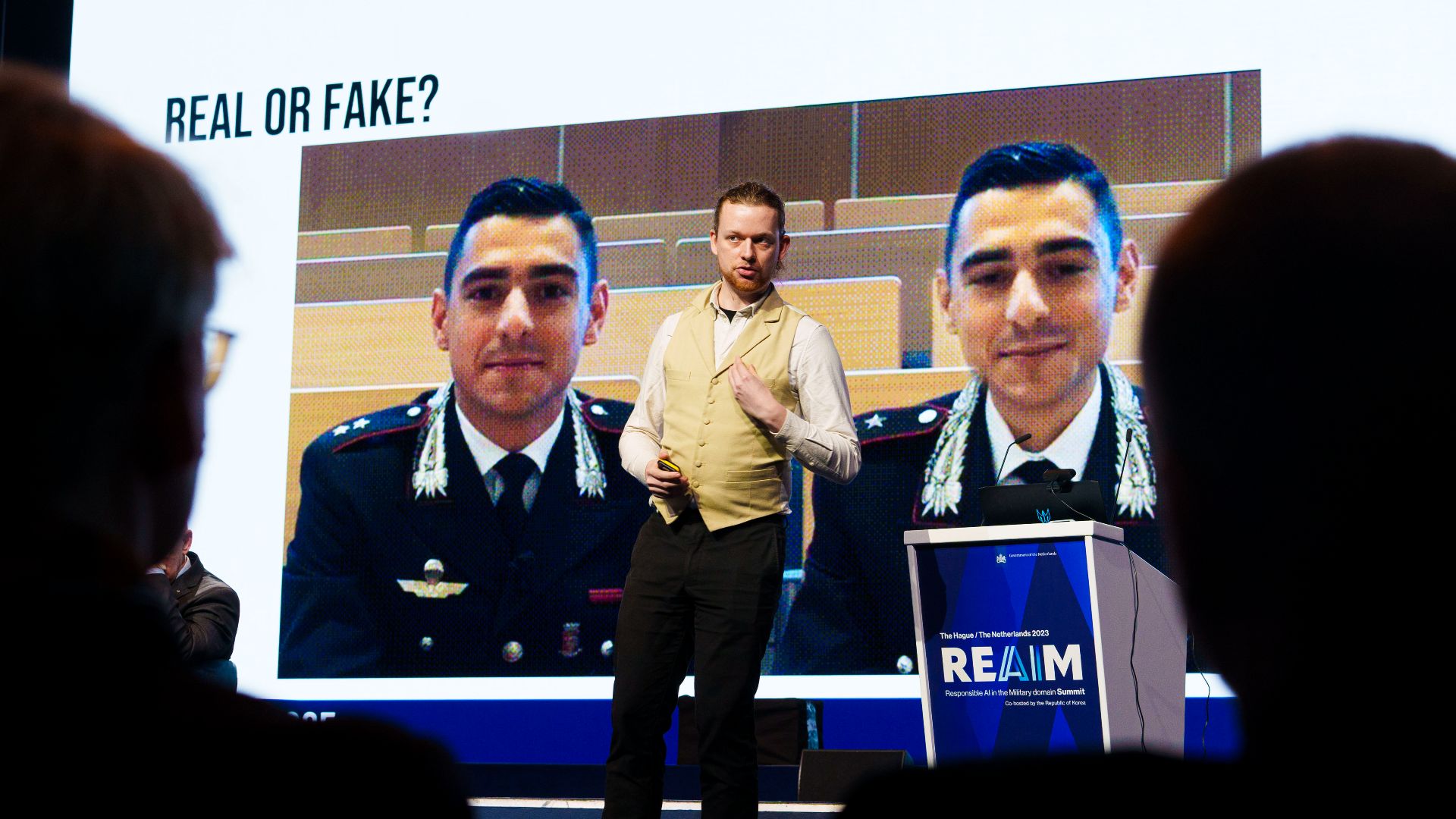 Ministerie van Buitenlandse Zaken on Wikimedia
20. Hidden Cameras Really Have Been Discovered in Vacation Rentals
Online horror stories about vacation rentals containing secretly installed cameras might sound exaggerated, but some travelers have genuinely encountered them. In 2019, a family vacationing in Ireland discovered a concealed camera in a smoke detector inside their Airbnb accommodation. The incident attracted international attention and raised concerns about privacy protections in short-term rentals.