
What Teachers Are Already Rethinking
By 1975, slide rules, the ruler-like tools once used for mathematical calculations, were already disappearing thanks to pocket calculators. AI could bring a similar shift to classrooms. About a quarter of U.S. teens now use ChatGPT for schoolwork, twice the share from a year earlier. Teachers are having to decide which skills students still need to master on their own and which can be taught differently. Here are 20 things schools may stop teaching, or teach very differently, as AI becomes part of everyday education.
 https://kaboompics.com/ on Pexels
1. Writing a First Draft From Scratch
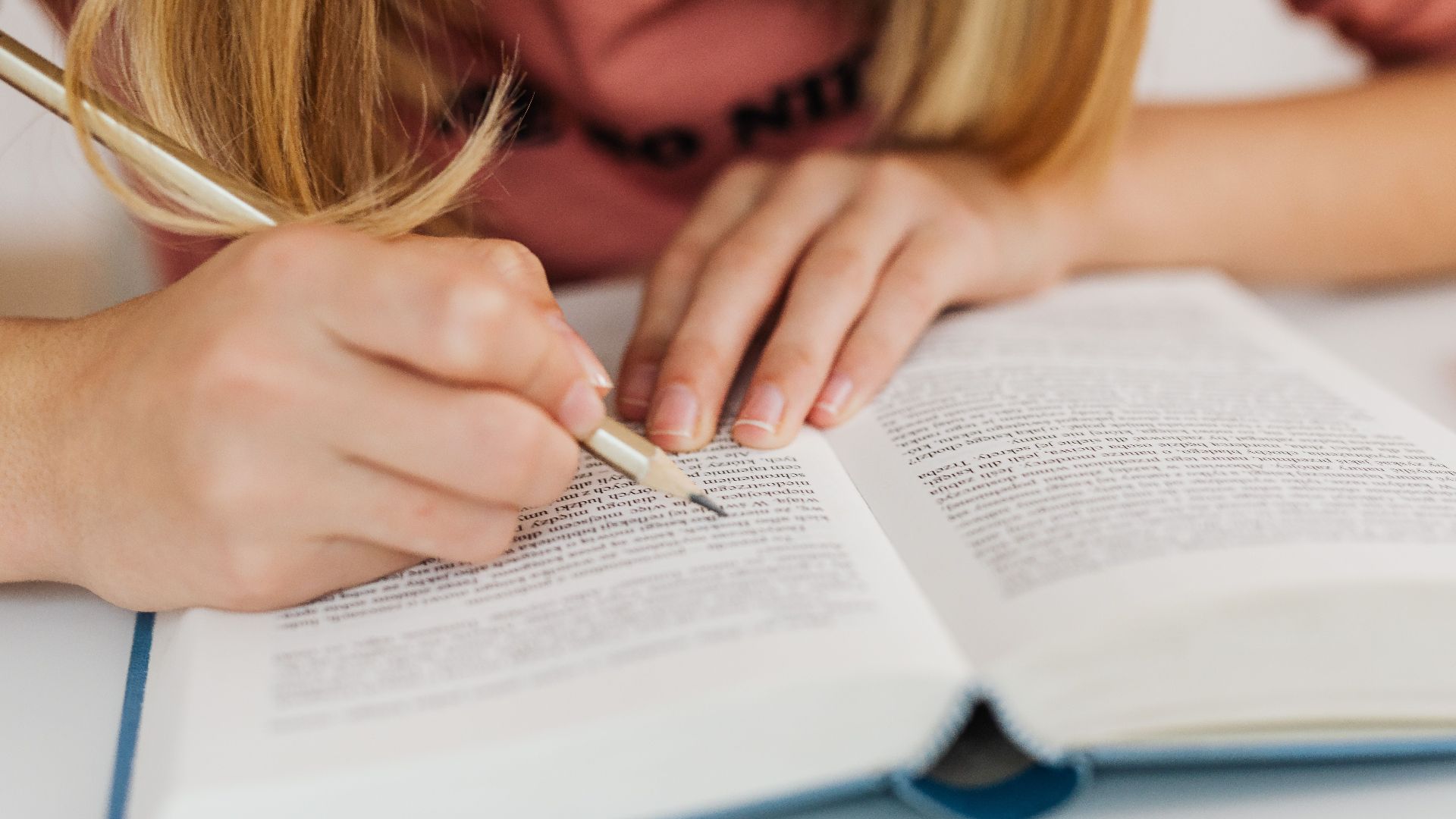
About 26 percent of US teens ages 13 to 17 use ChatGPT to help with assignments, double the 13 percent who said so in 2023. They're far more comfortable with it for researching a new topic, which 54 percent call acceptable, than for writing an essay, which only 18 percent do. Teachers who want to see a student's own first draft might end up asking for it in class.

2. Take-Home Essays
Blue book sales rose about 80 percent at UC Berkeley and nearly 50 percent at the University of Florida as professors looked for ways to keep AI out of exams. Handwritten work in a room tends to be harder to outsource. The take-home essay could lose ground to it.

3. Cursive Is Gaining Ground Instead
Fewer than 10 years ago, 14 states required schools to teach cursive, and the number has since climbed to 24. Kentucky was the latest to legislate it, with students expected to be proficient by fifth grade. Historians argue that people who can't read cursive lose access to primary texts, which are largely handwritten.

4. Typing Out Boilerplate Code
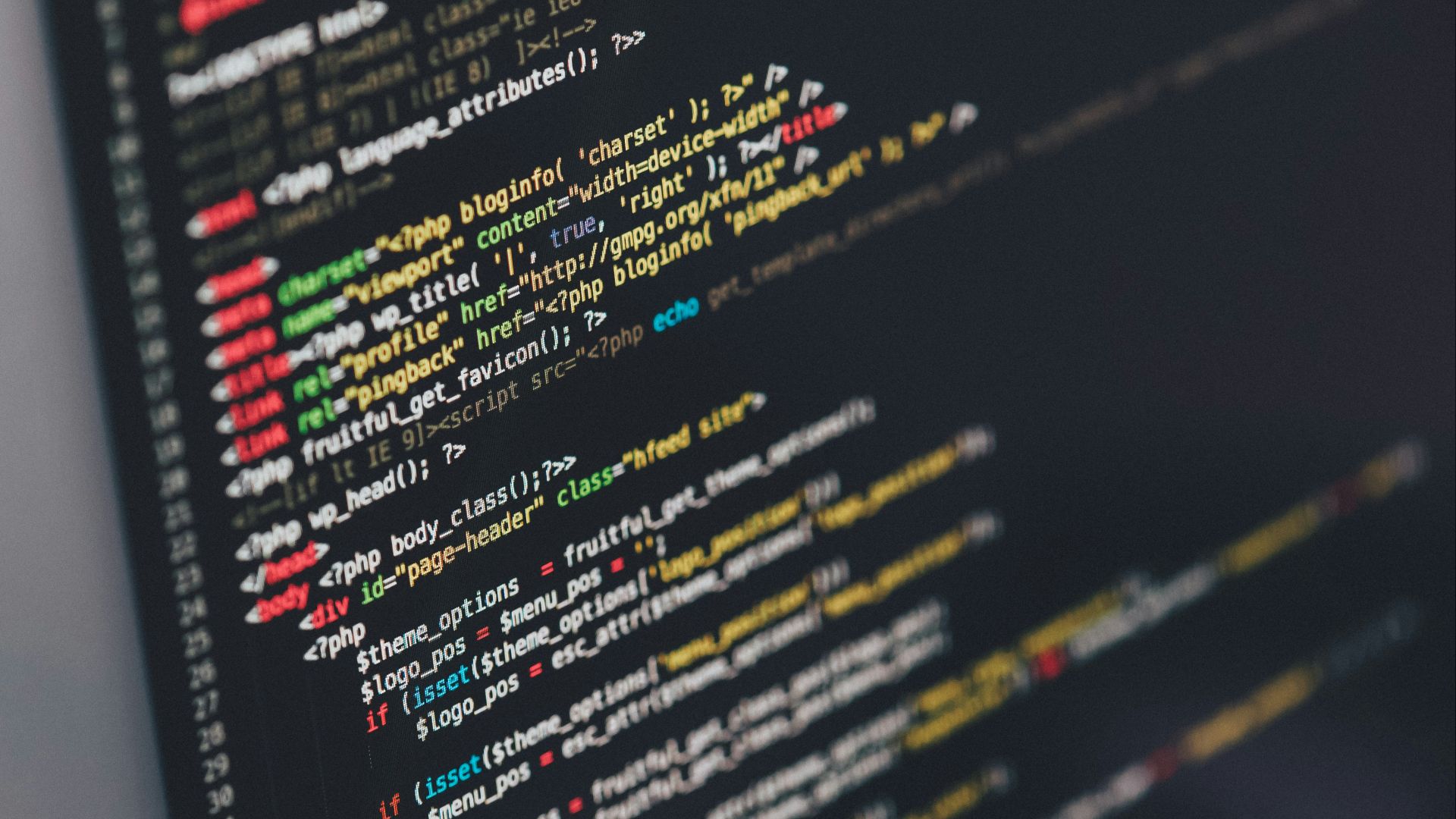
In a controlled experiment, 95 professional developers wrote an HTTP server in JavaScript, and those using GitHub Copilot finished about 55 percent faster. They averaged 1 hour 11 minutes against 2 hours 41 minutes for the group without it. Introductory programming classes that grade mostly on syntax may shift toward reading and debugging code.
5. Shorthand Classes Disappeared With Dictation
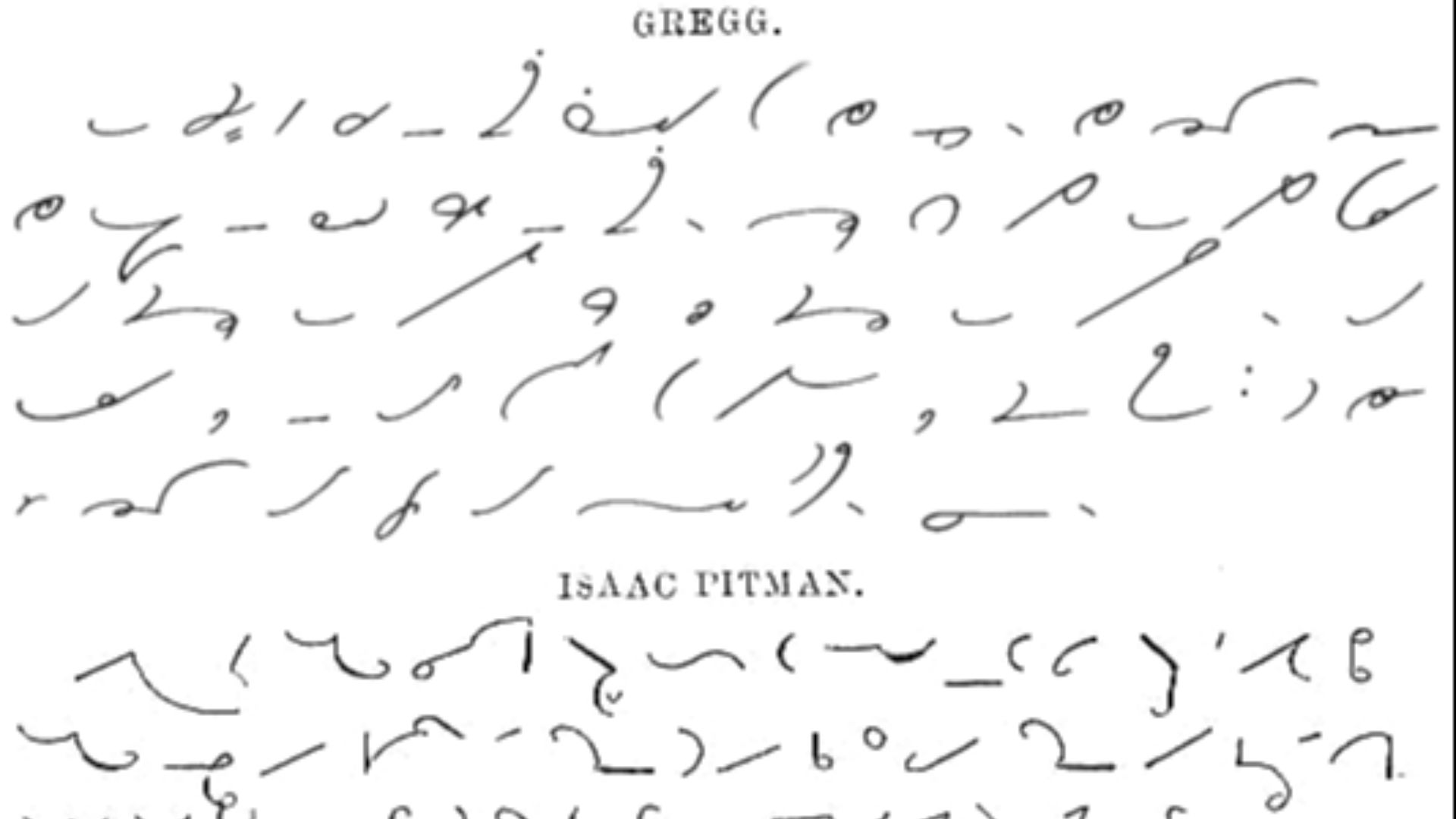
Gregg shorthand dates to 1886, and most secretaries still knew it in the 1970s. Tape recorders and then computers cut into the need, and the number of secretaries fell from 3.9 million in 1983 to 2.6 million in 2000. Green River Community College was among the schools that canceled its shorthand classes.
6. Memorizing Foreign-Language Vocabulary
Google Translate added 110 languages in 2024, its largest expansion ever, using the PaLM 2 language model. The new languages reach over 614 million people, about 8 percent of the world's population. Weekly vocabulary quizzes could matter less when a phone translates on the spot.

7. Solving Equations Step by Step
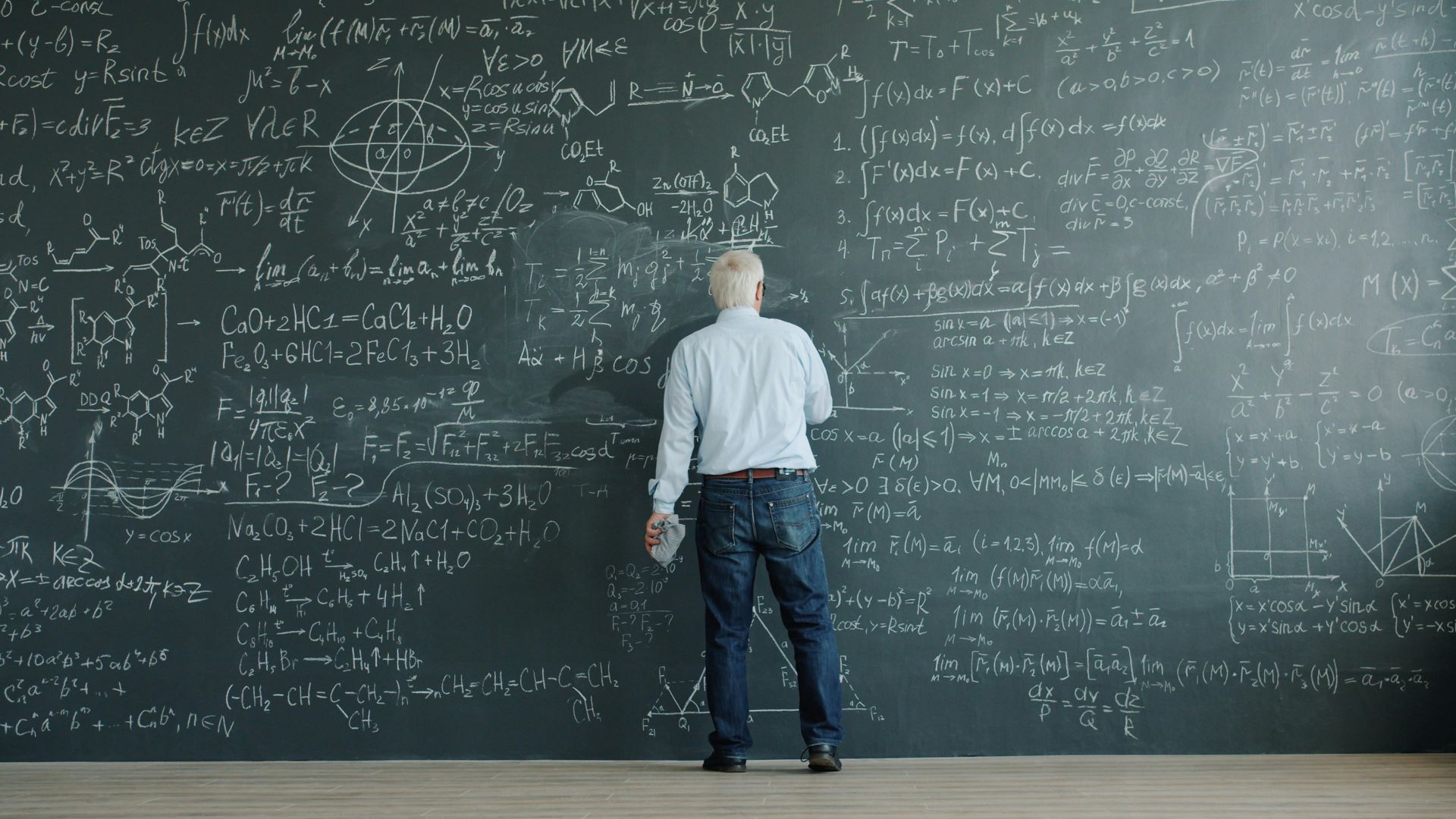
Photomath, a free app that launched in 2014, lets students photograph an equation and get step-by-step explanations. It covers material from elementary math through calculus and has more than 100 million downloads on Android. Google announced in 2022 that it would acquire the company.
8. Diagramming Sentences
Diagramming grew out of a textbook published in 1877 and had a golden age in American schools that lasted roughly 50 to 60 years. By 1985 the National Council of Teachers of English was calling repetitive grammar drills, diagramming included, a deterrent to improving students' speaking and writing, and Common Core doesn't mention it.
9. Exams That Reward Recall
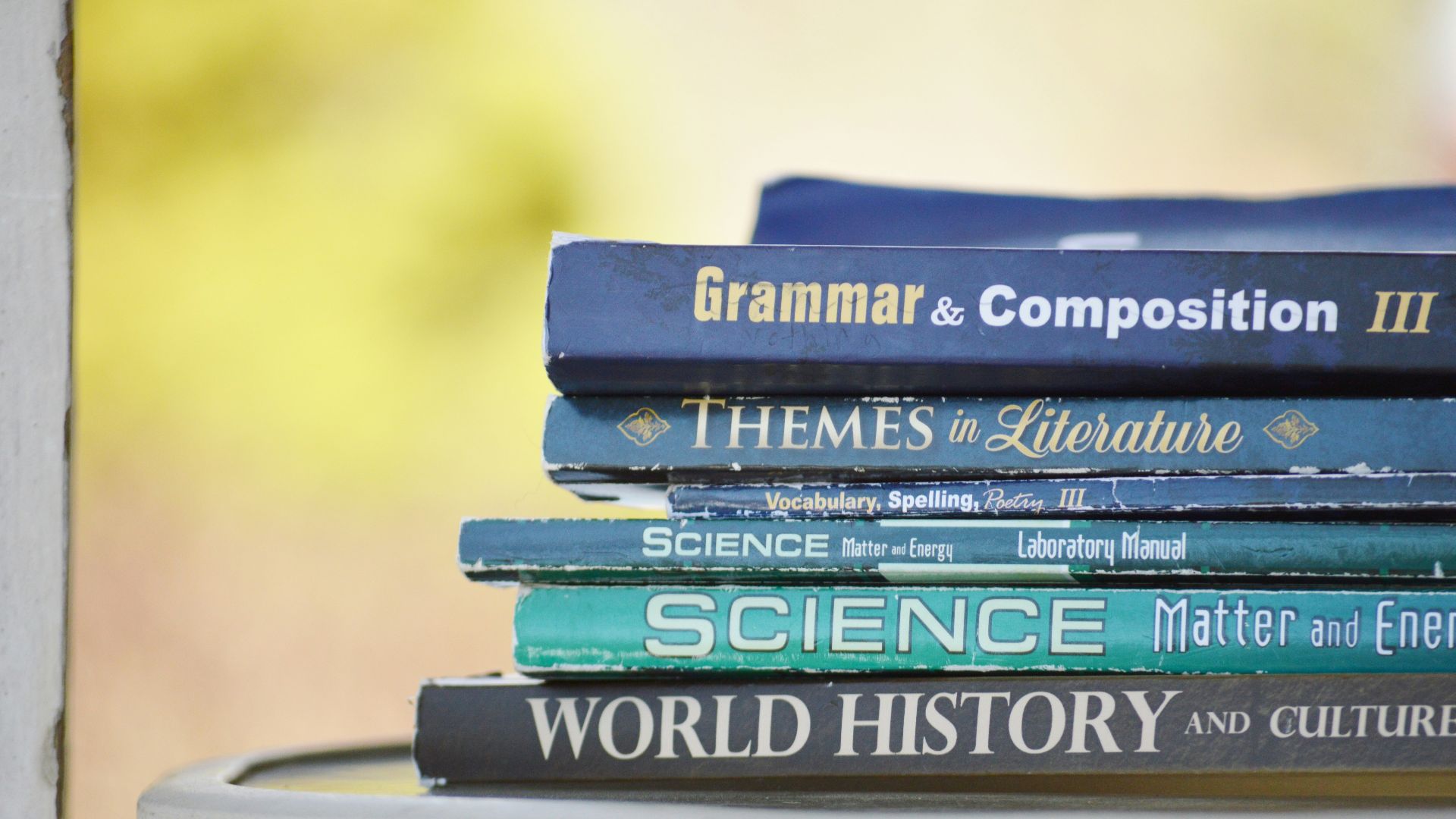
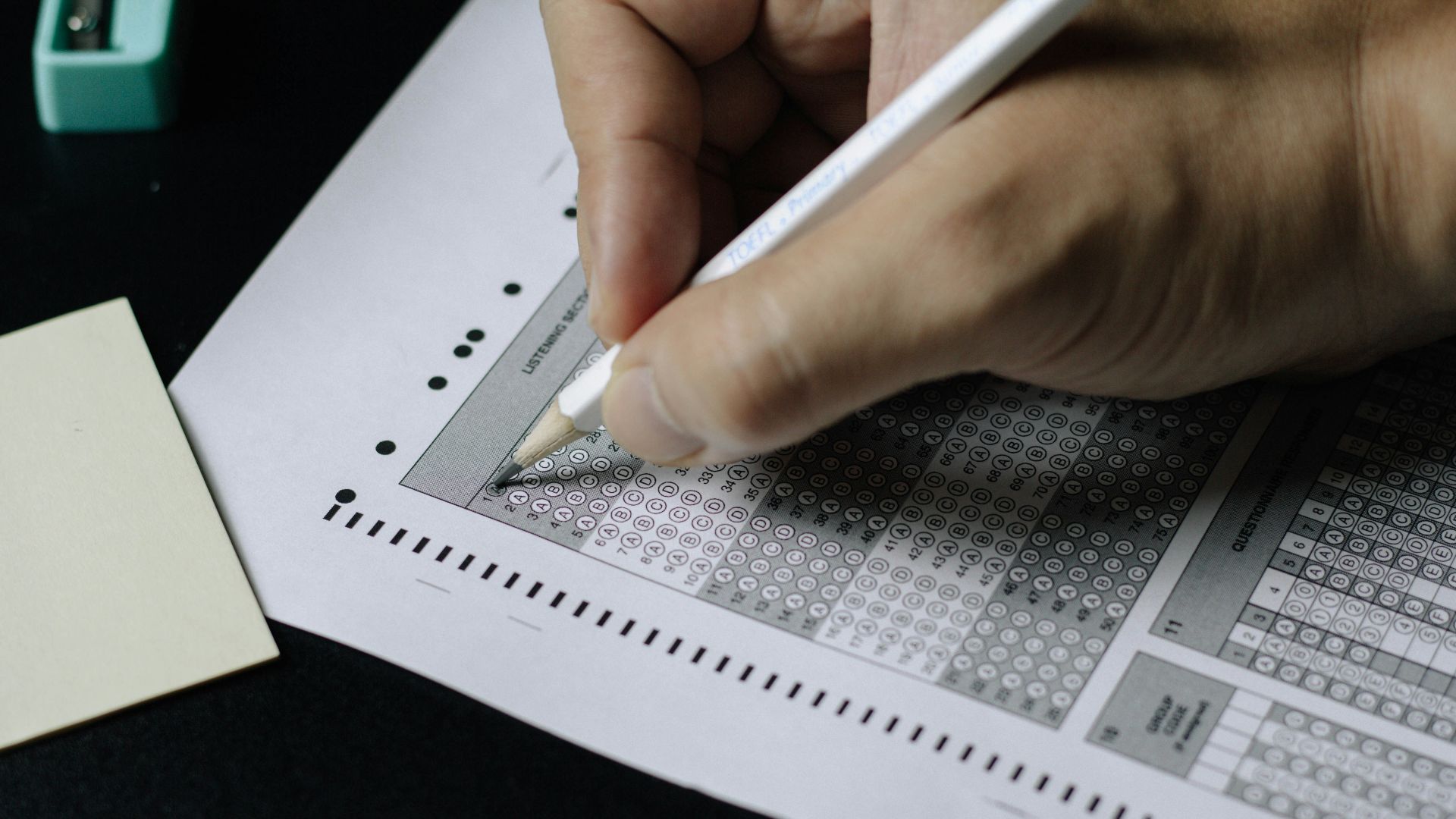
GPT-4 scored around the top 10 percent of test takers on a simulated bar exam, while GPT-3.5 landed around the bottom 10 percent. A minority of the problems may have appeared in the training data, the test report cautions. A test that mostly rewards remembered facts says less about a student when software can match the top tenth.
 Nguyen Dang Hoang Nhu on Unsplash
10. Using a Card Catalog
OCLC printed more than 1.9 billion catalog cards after it started in 1971 and made the last ones on October 1, 2015. Libraries now rely on electronic catalogs that patrons search by computer, and a college library in New York kept its print catalog only as a backup.

11. Spotting AI Writing With a Detector
OpenAI's own text classifier flagged 26 percent of AI-written text as likely AI-written and wrongly flagged 9 percent of human writing. The company discontinued it in July 2023 because of low accuracy. It had told educators to treat the tool as one input among several.

12. Homework as Practice
A survey found that 69 percent of college students have used AI for homework or exams. Practice problems that software can finish in seconds tend to tell a teacher less about what a student has learned.
13. Making Flashcards by Hand
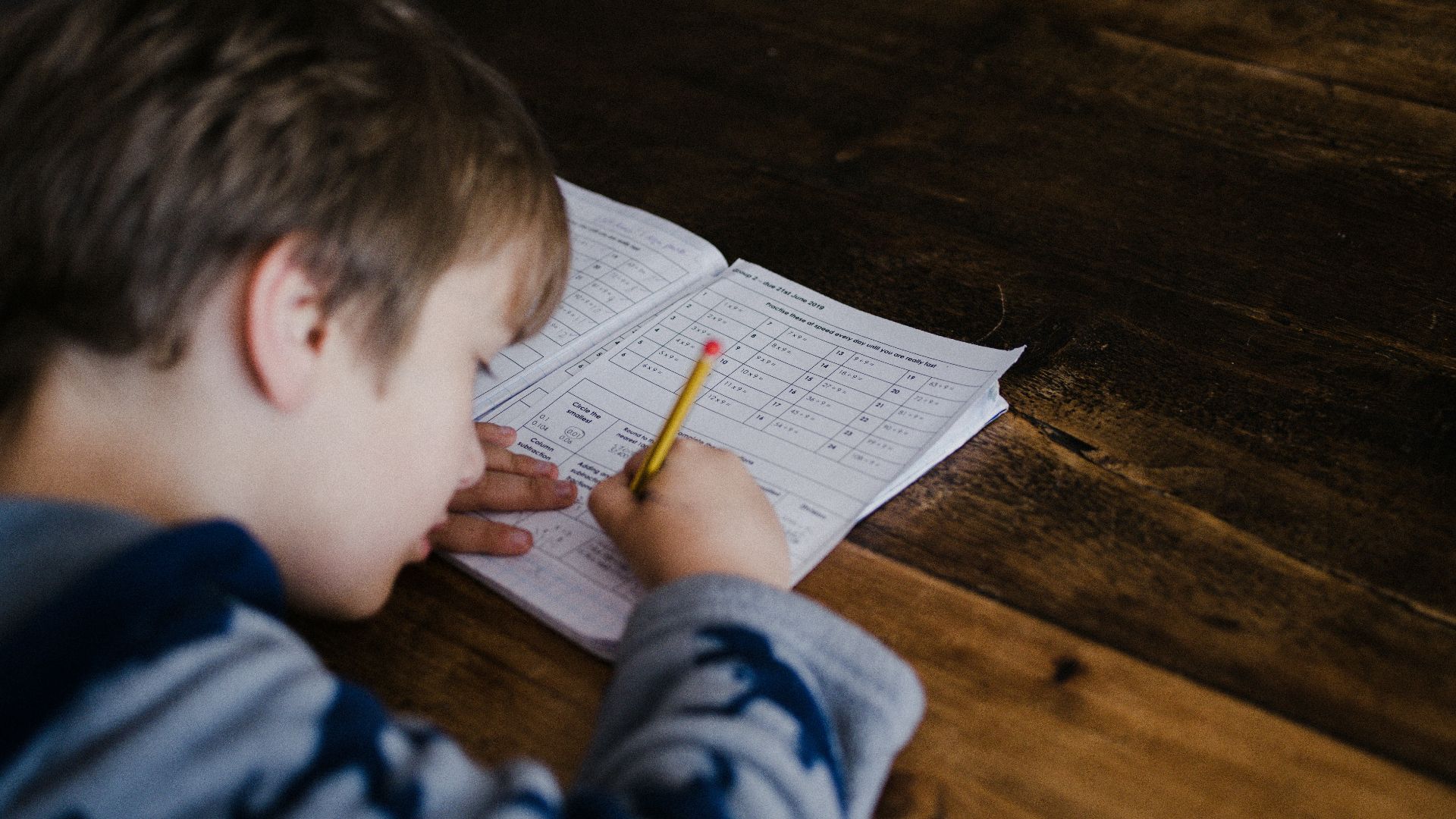
Students have long made flashcards by copying questions and answers onto index cards. AI tools like Quizlet can now turn uploaded notes and lecture slides into flashcards within seconds. A 2024 study found that students who wrote their own practice questions didn't learn more than those given questions to answer, and sometimes performed worse. The challenge now may be making sure AI-generated questions cover the right material.
14. Remembering Facts Instead of Where to Find Them
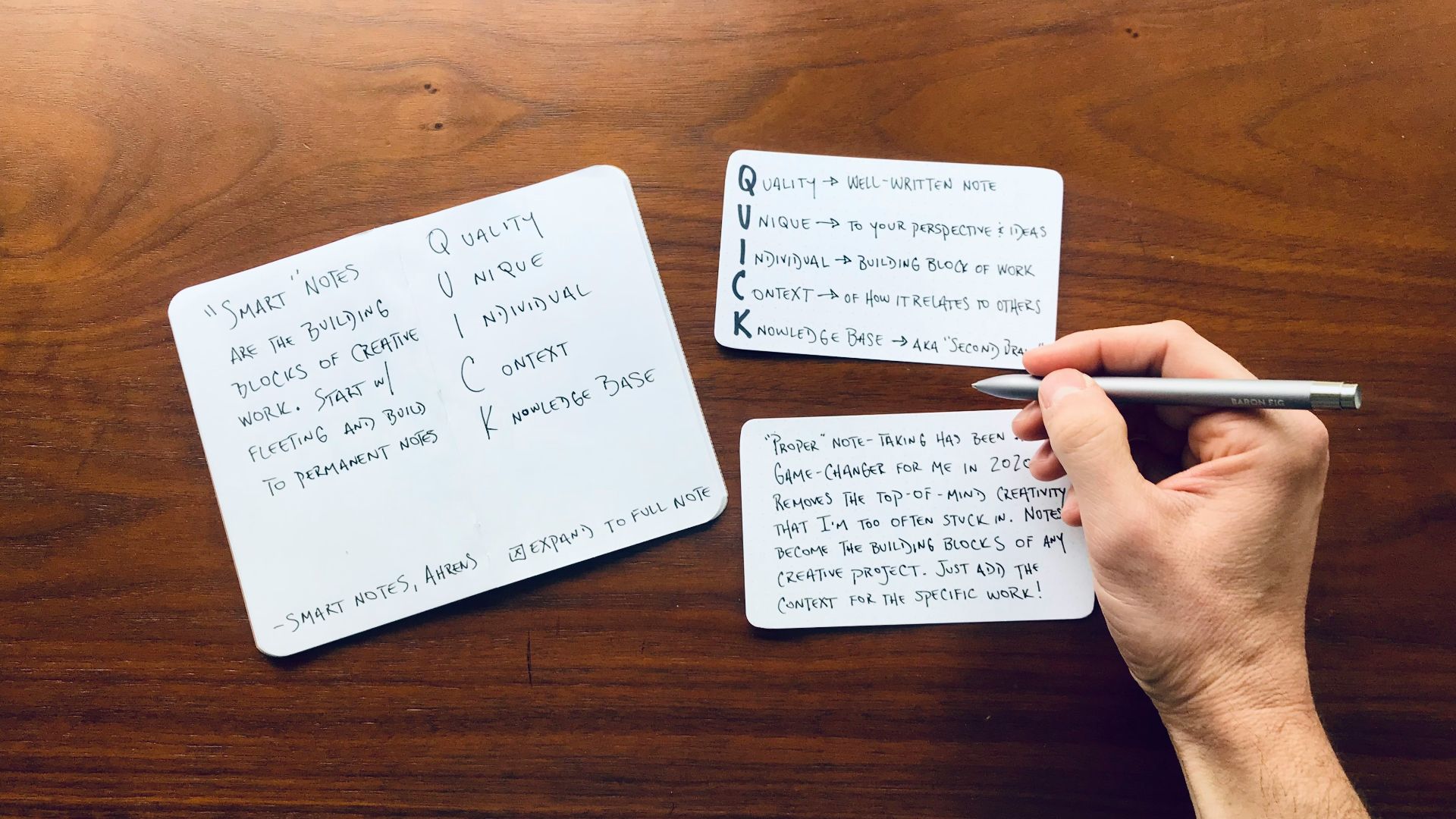
In a 2011 study, people remembered where to find information better than the information itself, especially when they couldn't recall it. Participants who typed statements into folders recalled the folder names more often than the statements. People who thought a statement would stay saved recalled it worse than people who thought it had been erased.
15. Navigating Without GPS
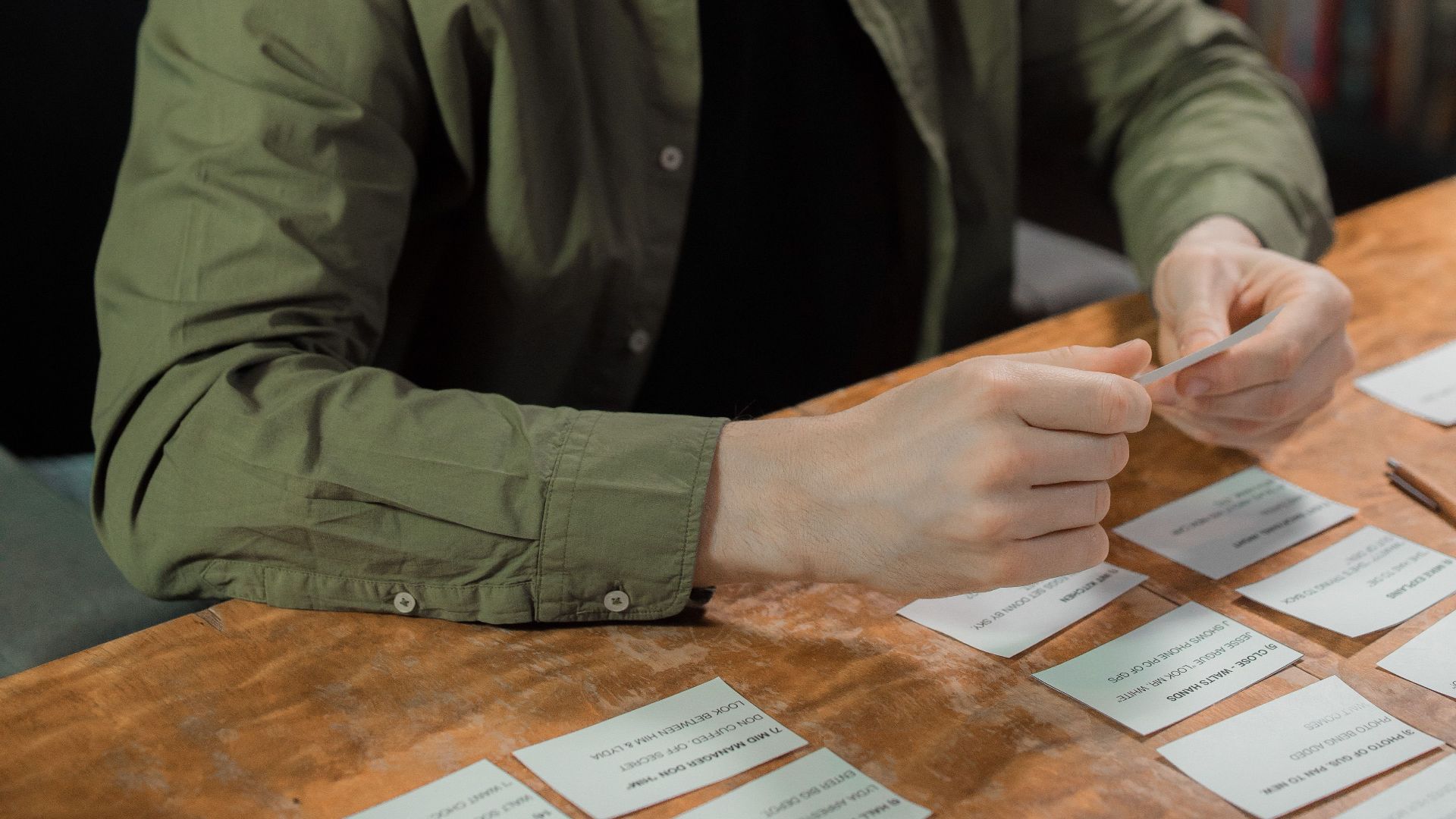
A 2020 study of 50 young adults linked greater lifetime GPS use to worse spatial memory when navigating without it. In a follow-up of 13 of them about three years later, more GPS use since the first test went with a steeper decline in spatial memory. The authors cautioned that the follow-up group was small.
16. Formatting Citations by Hand
MLA's ninth edition, released in April 2021, builds each citation from nine core elements. URLs are now optional, and supplemental elements get added only when readers need them. Drilling a template that mechanical could get harder to justify as software takes over the formatting.
17. Typing Speed
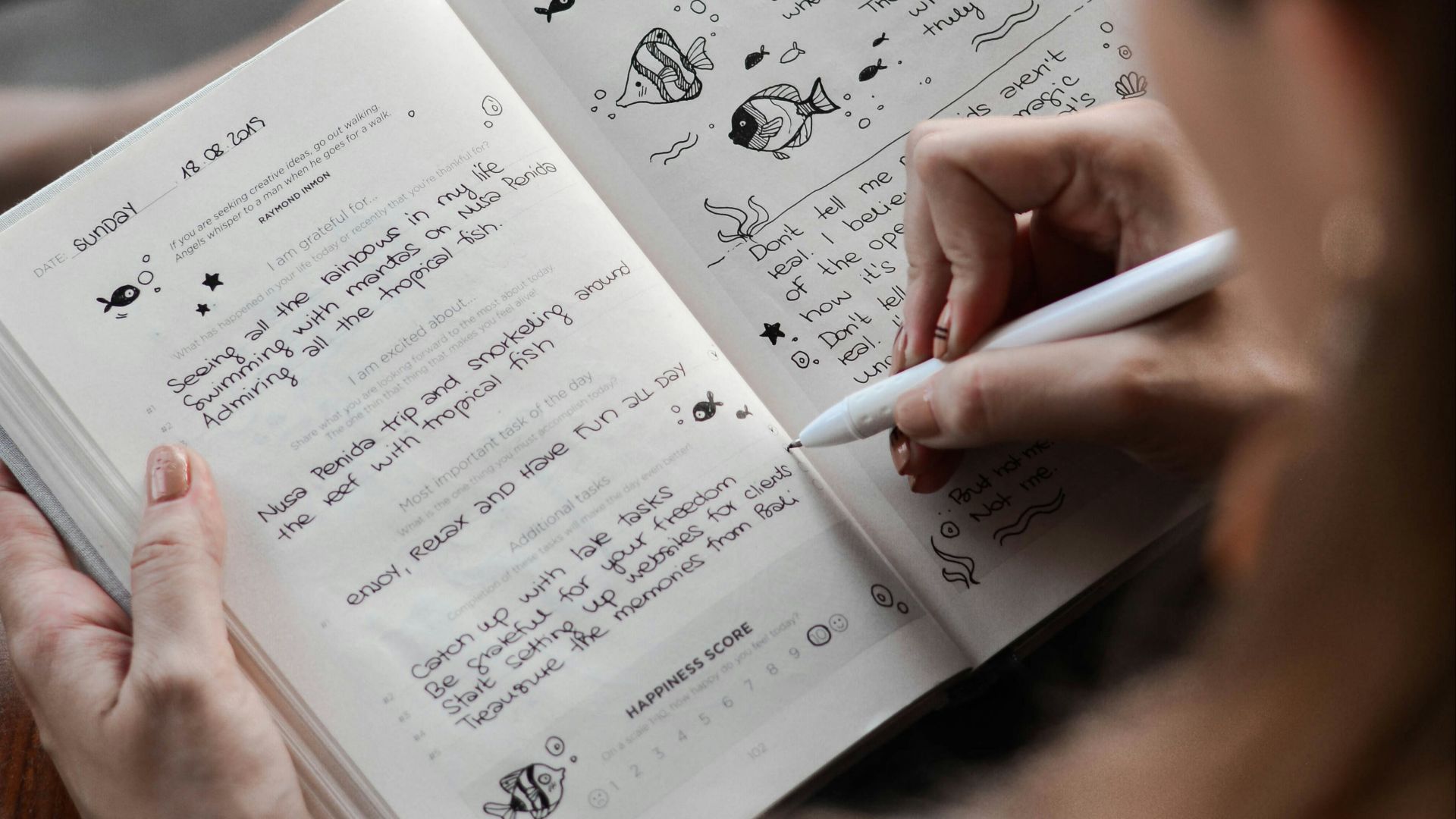
Common Core emphasized keyboarding as a classroom skill. Whisper, an open-source speech model trained on about 680,000 hours of audio, makes 50 percent fewer errors than specialized models across diverse datasets, according to its developer. It also holds up well with accents and background noise.
18. Looking Things Up in a Print Encyclopedia
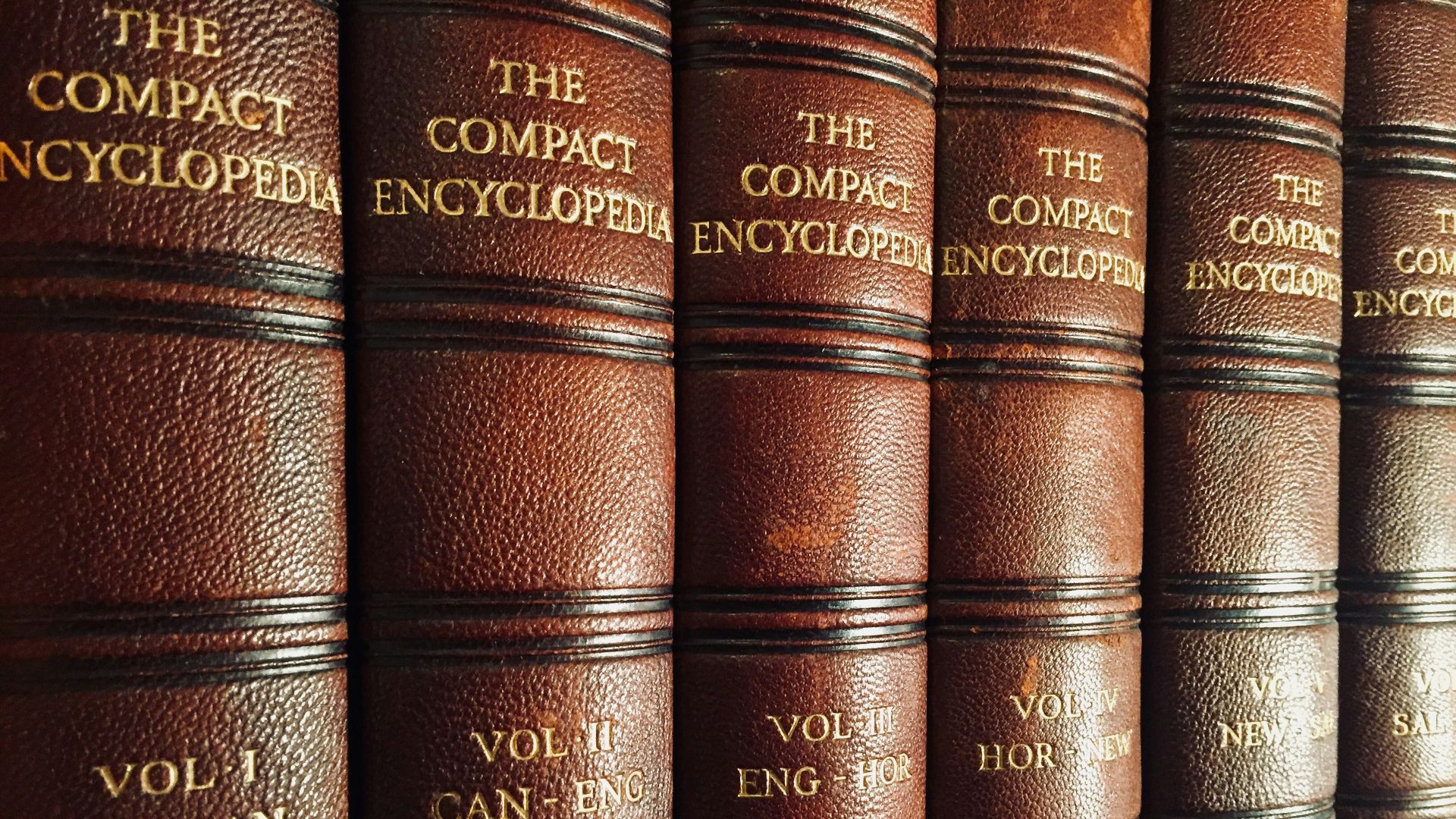
Britannica announced in 2012 that it was ending its print edition after 244 years. The last set ran to 32 volumes and sold for $1,395 online, and the company said print sales had been negligible for several years.
19. Checking a Chatbot's Answers
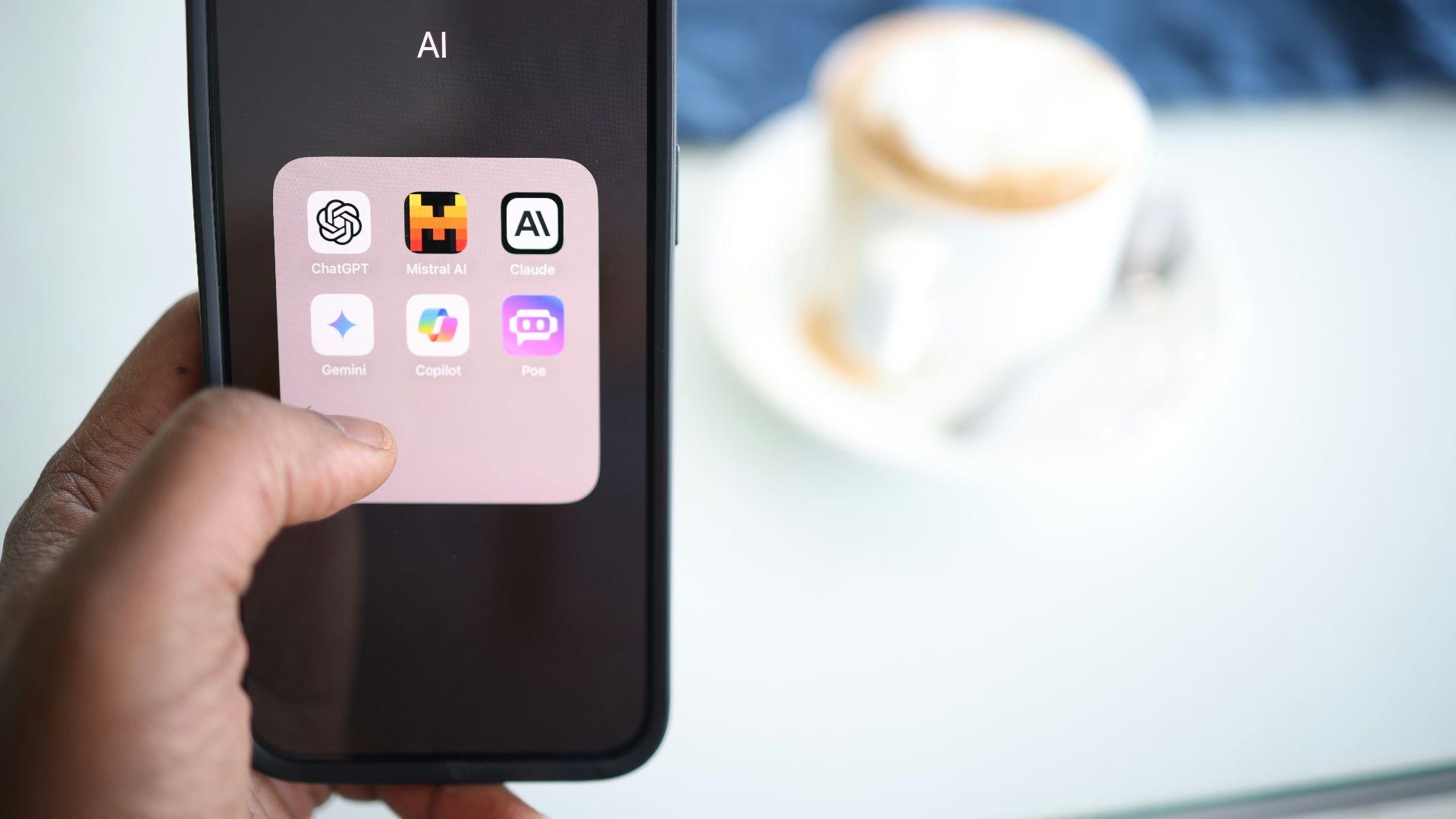
GPT-4's maker says it still hallucinates facts and makes reasoning errors, and its data generally ends in September 2021. It can also accept obviously false statements from users and be confidently wrong about its own answers.
20. Screens in the Early Grades
Sweden set aside 685 million kronor for school books in 2023 and 500 million kronor a year in 2024 and 2025 to bring textbooks back. The government also plans to end digital learning for children under 6. Swedish fourth graders averaged 544 on a 2021 reading test, down from 555 in 2016, though still above the European average.