
Yes, Teachers Can Tell
As sneaky as students think they're being, most of the time, teachers can tell. Heck, anyone who's read enough AI-generated slop would be able to tell in a split second—though, of course, no one can ever be 100% sure. LLMs were trained with human text, after all, so some human-written text can seem like it was AI-assisted even if it wasn't. That said, even without running essays through an AI checker, these 20 things will set off alarm bells for teachers.
 ANTONI SHKRABA production on Pexels
1. Vocabulary That's Unusually Advanced
If you've written an in-class essay before (by hand, we mean), teachers generally have a good understanding of your writing ability. That means they can also tell if a student's vocabulary suddenly gets way more sophisticated, and they'll suspect AI use. Sure, said student could've just been reading more, but an unexpected shift can still be jarring.
2. Repetitive Sentence Structures
Other than individual words, teachers can often tell an essay was AI-generated if it relies on similar sentence patterns throughout. Human-written work usually varies in structure, but if several paragraphs begin or end with similar phrases ("George Washington did...," "George Washington was..."), it can point to AI.

3. An Overly Formal Tone
Most students develop a recognizable writing style, and it's often one that reflects not only their age, but their education and familiarity with the subject. AI, however, frequently spits out slop that sounds overly formal, as though a college student (or professor) wrote it. Teachers who, say, have a class of grade nines, will immediately know something's off.

4. Fake or Nonexistent Sources
Another telltale sign? LLMs often hallucinate, and that means they'll confidently say something is true when it is, in fact, completely false or entirely unknown. But AI doesn't just make up believable sentences—they also have a tendency to include fabricated references. Verifying these citations will quickly reveal discrepancies.

5. Arguments That Lack Depth
Asked to choose between A or B and your three arguments are all vaguely alike and lack depth? Sure, it could just be an indicator that you didn't study the subject enough, but AI-generated arguments can also regurgitate general ideas because that's simply what it was fed with. In the end, you end up with an essay that bores the reader.
 Tingey Injury Law Firm on Unsplash
6. Excessive Use of Transitional Phrases
Of course, humans love using transitional phrases as well, but they probably still don't use them as much as AI. In many AI-assisted or generated essays, words like "furthermore," "moreover," and "additionally" will repeatedly pop up, and often in similar sentence structures (remember what we said about that?). Experienced teachers will catch on pretty quickly.

7. The Rule of Three
AI has a tendency to group ideas into sets of three, because it's convenient, easy, and sounds right. See what we did there? Of course, human writers use this structure as well, so teachers aren't going to see one set of threes and immediately accuse it of being AI-generated. But if it comes up again, and again, and again...

8. The Absence of a Personal Writing Style
More than one student using AI to generate their essays for them? Teachers will definitely know. After all, if your paper lacks a personal voice and sounds exactly like someone else's essay, most people (not only teachers!) would be able to tell that it was probably written by an LLM, not by a human student.
 Glenn Carstens-Peters on Unsplash
9. "It's Not X, It's Y" Structure
Ah, the it's not X, it's Y structure. Even non-teachers are familiar with this obvious AI tell! If an essay is absolutely littered with variations of this structure ("It's not only A, but also B"; "It wasn't A. It was B"), anyone would be suspicious. For example, does the following set off alarm bells? "Education isn't just about memorizing facts; it's about developing critical thinking skills."

10. Examples That Are Too Generic
Remember how we said AI-generated arguments are often too generic? Well, the ideas LLMs spit out are also pretty basic. A true expert in the field (or, in this case, a student who's actually studied) will know which exact examples to give, and will be able to flesh them out. If everything sounds generic, teachers will catch on.

11. Repeated Ideas Disguised as New Points
Hey, does this paragraph sound pretty much the same as the one above it? As teachers read through students' essays, they'll be able to see how each argument flows into the next. If every argument sounds like a repeat of the previous one, though, just reworded, it's no surprise they'd wonder if the essay was AI-generated.

12. Excessive Use of Em Dashes
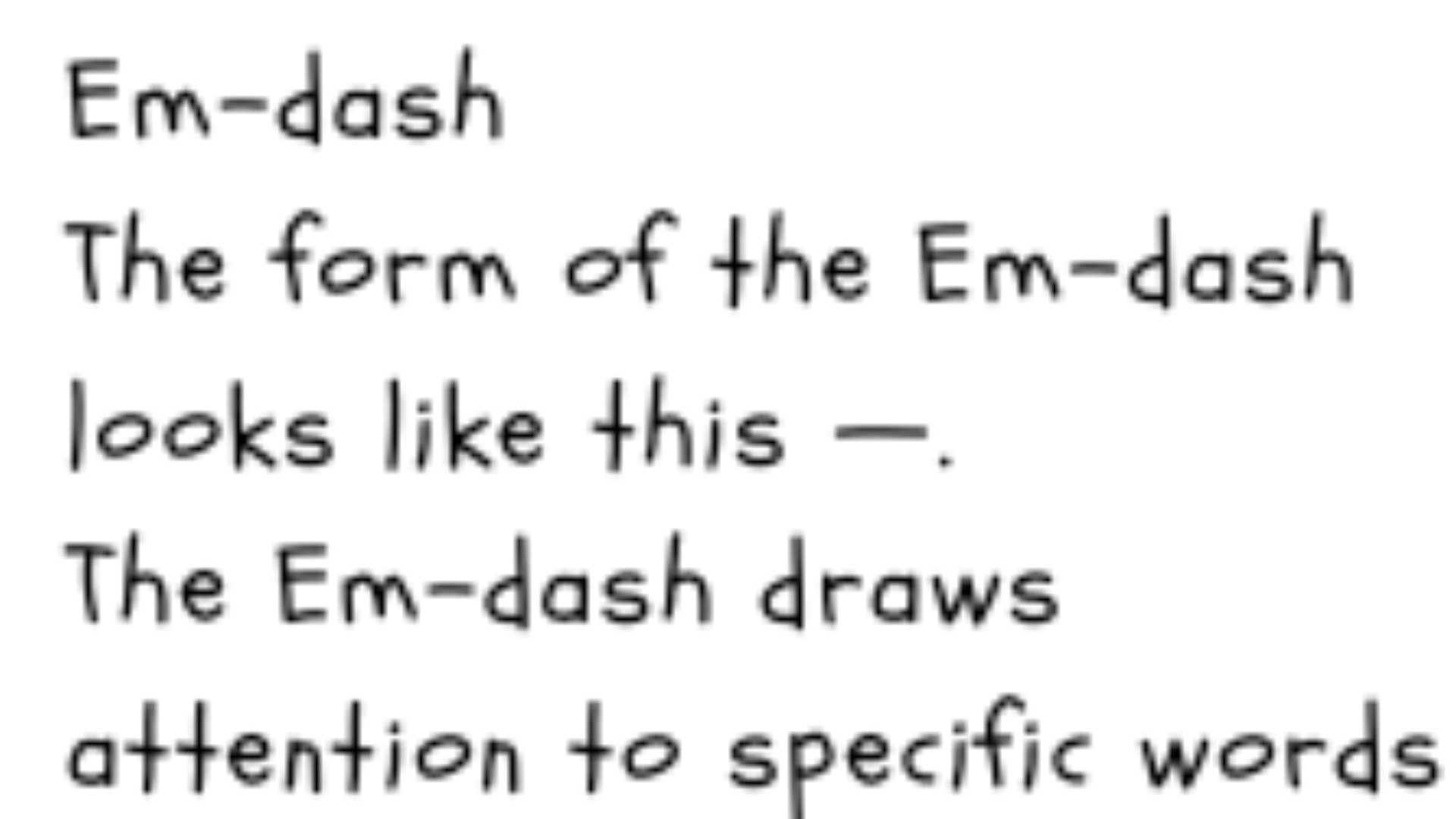
Human writers will never let go of their em dashes, but so won't AI. In fact, AI is so in love with these little hyphens, they'll use them with unusual frequency. Rather than switching between commas, parentheses, or separate sentences, teachers will just see a bunch of em dashes on the page.
13. Misinterpreted Quotations
Students who are lazy enough to tell an LLM to write an entire essay for them mean teachers will often be treated to a lot of incorrect quotations or, worse, analyses that are completely off. After all, AI tools can't understand how to interpret nuances, which means they won't be able to deal with complex literary passages, either.
14. Similes That Don't Make Sense
Teachers have seen plenty of bad similes before. But those written by actual human students are far different from those by AI—the latter of which don't make sense at all. Ever seen something like "a river that refuses to stop climbing a mountain"? As profound as it might sound on the first pass, it only takes a second, deeper read to realize the expression just doesn't work.

15. Repeated Word Use
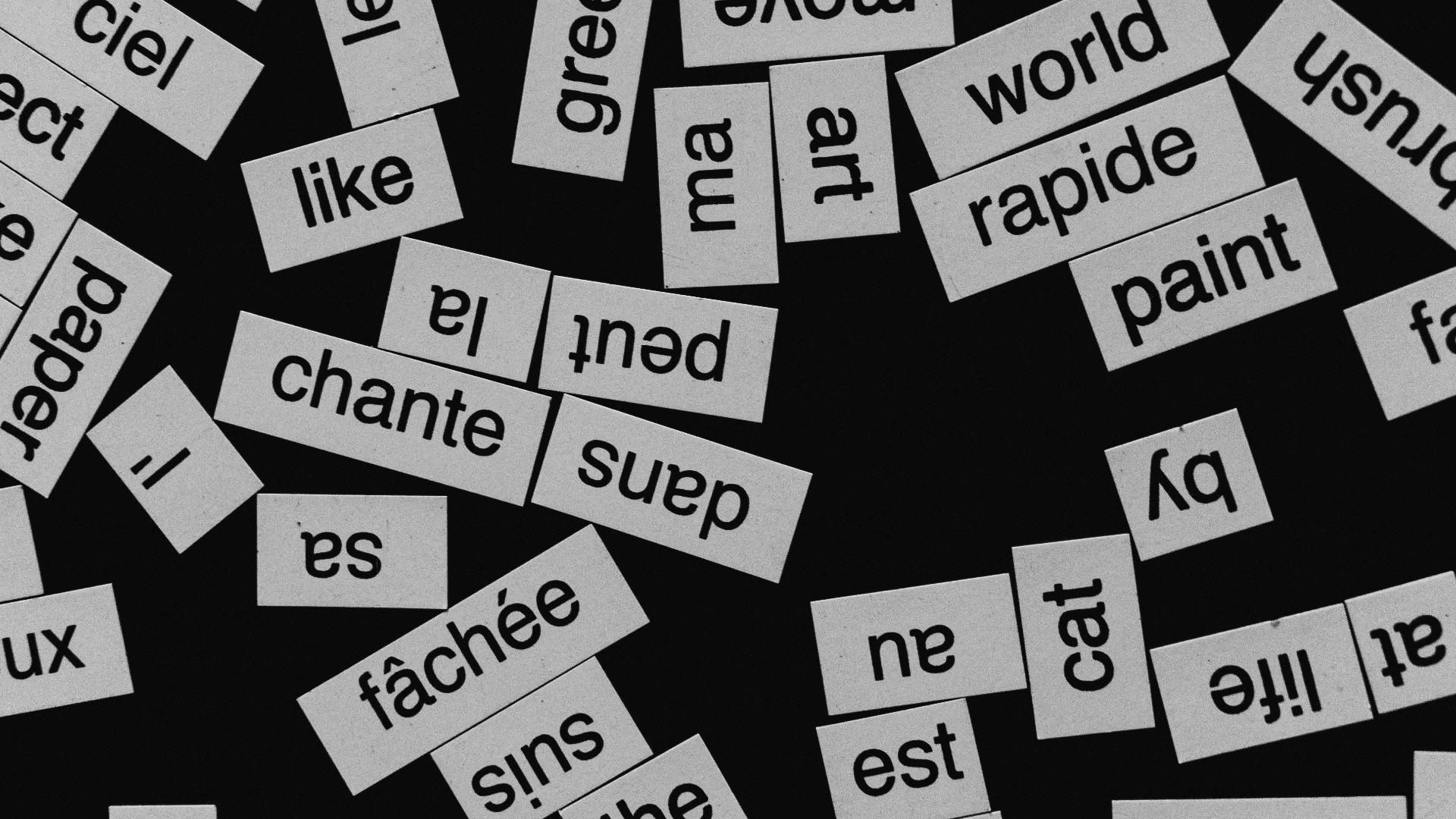
Sure, students pressed for time and scrambling to finish an essay before the clock strikes 12 might make them repeat the same words over and over, but still. Any sensible writer would at least try to use a thesaurus. Teachers who are familiar with the terms AI generally likes using (ex., "genuinely," "sharp," "hum") will raise a brow if those said examples pop up more than once.
16. Very Obvious Errors
Considering AI can spit out pretty clean text without spelling mistakes, some students may try to add "human touches" to make it seem as though their essay really was written by them. So, what do they do? Deliberately sprinkle errors. However, teachers can tell—especially when they're mistakes human writers would definitely not make.

17. Odd Cadence
Teachers will also notice something was likely AI-generated if the overall cadence in the essay just sounds... off. As we've mentioned, human writers usually have their own writing voice, so without that boost of personality, the entire paper will just seem robotic.
18. Soulless Writing
Speaking of robotic, teachers will also be able to tell a student used AI if their essay is boring and soulless. If you've ever read AI-generated writing yourself, you'll know what we're talking about. No matter the subject, the words and paragraphs lack the kind of emotion only human writers know how to convey.

19. A Conclusion That Adds Nothing New
Conclusions should bring arguments together! In AI-generated essays, however, they often do nothing but repeat, repeat, repeat. When there's no meaningful final insight, teachers may see the generic structure as something that was written by an LLM.

20. Writing That Doesn't Match the Draft
If a handwritten outline was submitted prior to the actual final essay, teachers can use that as a baseline. Therefore, any discrepancies between that and the final paper can be evidence enough that AI was used. Sure, major differences aren't 100% proof, but they might prompt some questions.