
What May Fade From the Home
Every generation grows up with household objects that eventually disappear. Wall-mounted telephones and shelves full of DVDs were once fixtures in millions of homes, but newer technology has made them increasingly unnecessary. Some things vanish quickly, while others spend years gathering dust in closets before anyone throws them away. By 2050, many familiar household items could be rare enough that children barely recognize them. Here are 20 objects that may disappear from homes by then.

1. A Landline Phone
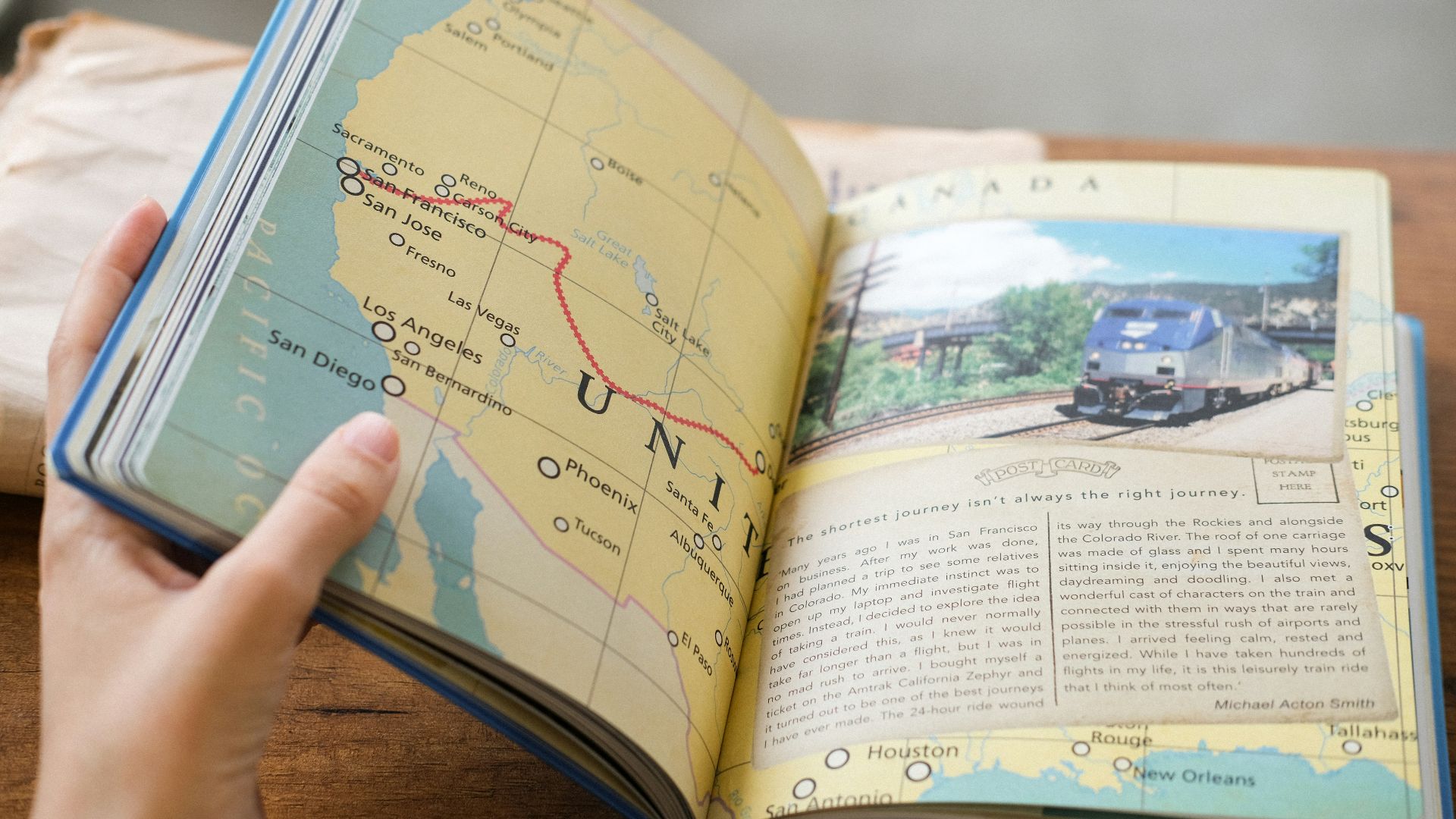
Surveys from the CDC have shown for years that most American homes already go without a landline, since a mobile phone covers the same calls. A cord-bound phone mounted in the kitchen needs a wall jack and a monthly line fee that few families still want to pay. Children in 2050 may meet one mainly in old movies.
2. A Metal House Key
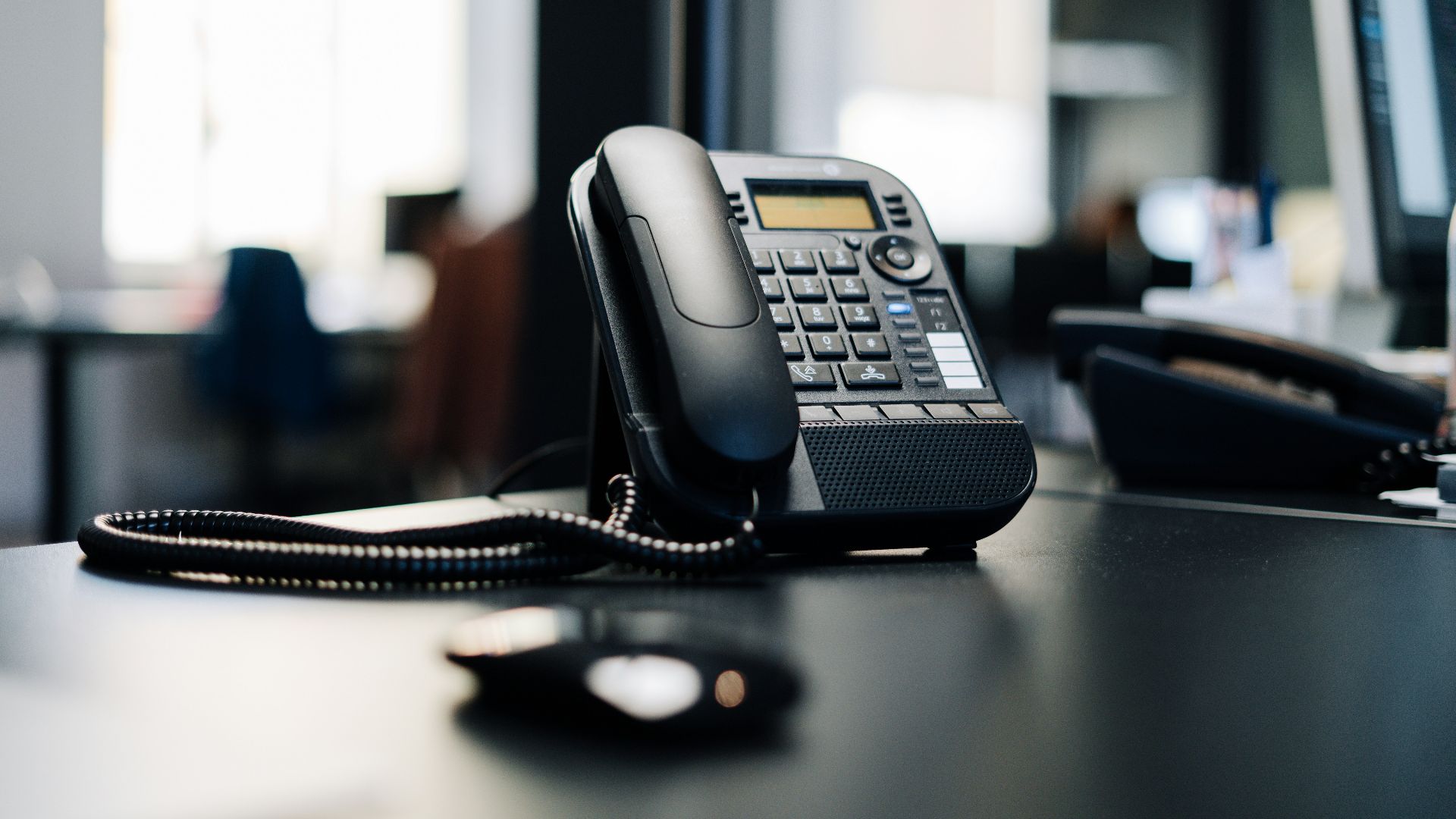
Keypad locks and phone-controlled deadbolts already let people skip the key ring at the door. They can issue a temporary code to a visitor and cancel it afterward, which a copied key cannot do. Plenty of homes will probably keep a physical backup, though it may sit unused in a drawer.
3. A Paper Road Atlas
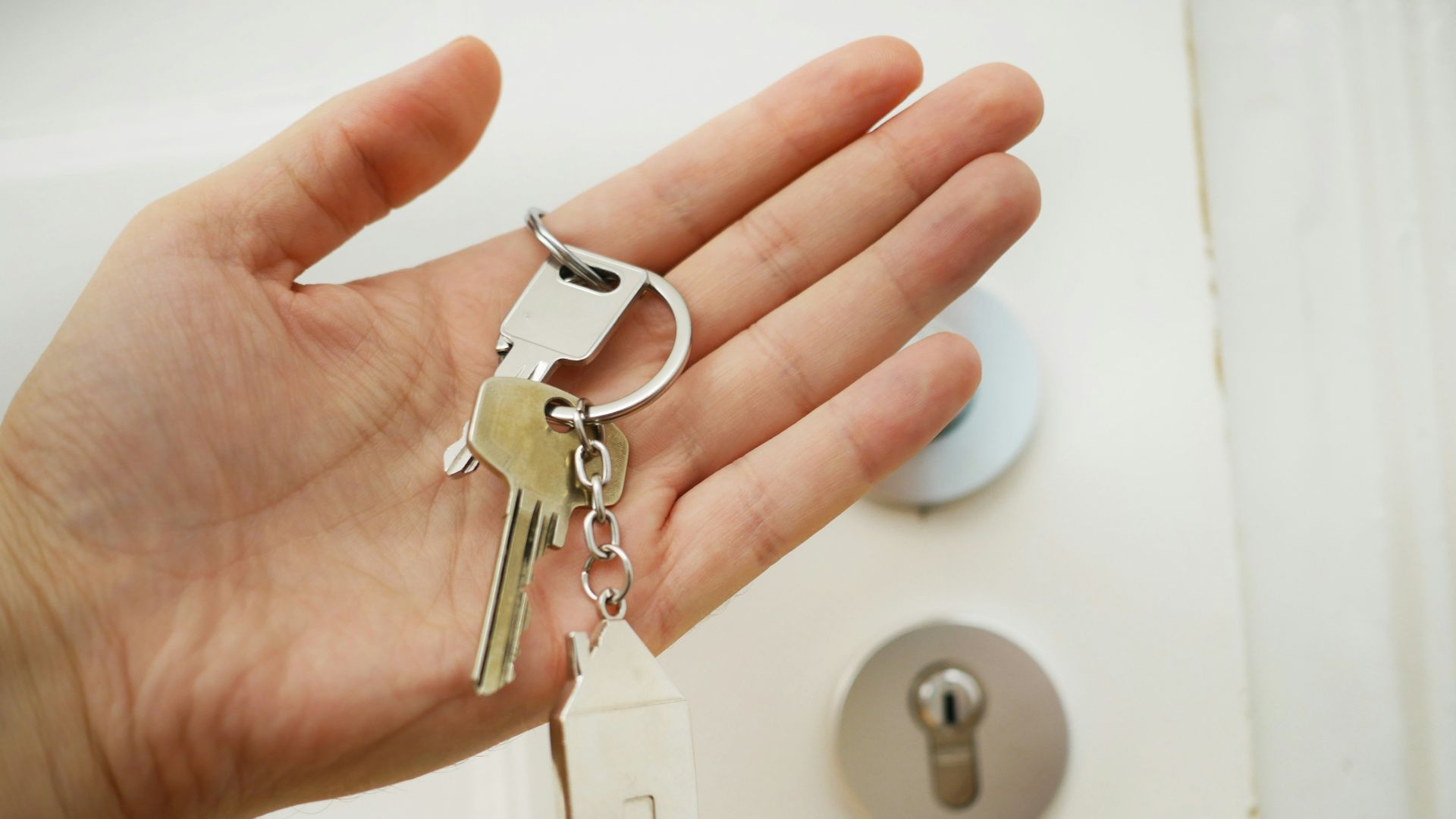
Phones give turn-by-turn directions that update for traffic, which a printed map cannot do. Publishers still print atlases for people who want a big-picture view of a trip, and some drivers keep one in the glove box as a backup when a signal drops out. A child who grows up with a map app may find unfolding a paper map as odd as folding a letter.
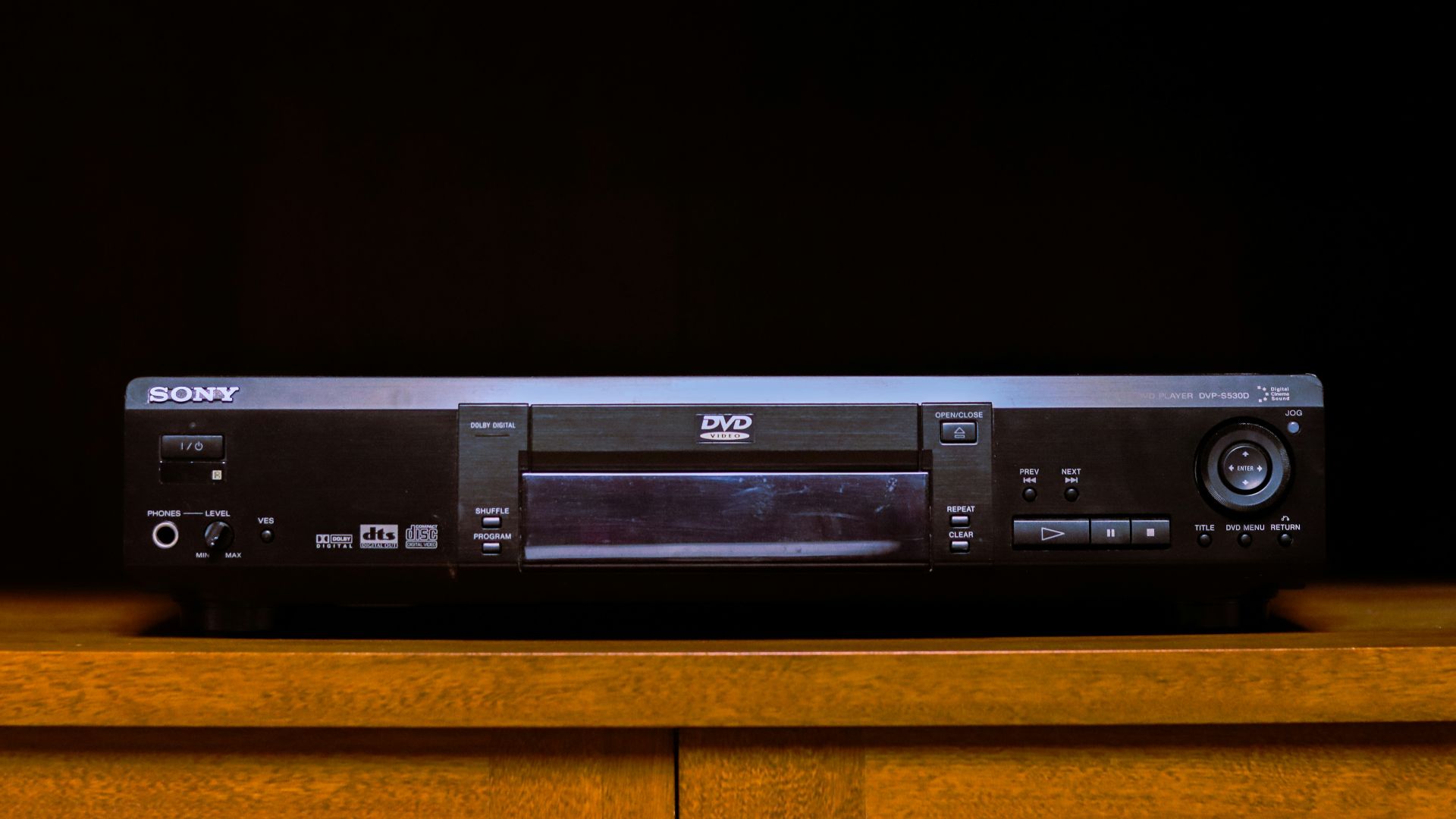
4. A DVD Player
Netflix started mailing DVDs in 1998 and continued for 25 years before ending the service in September 2023. Streaming has since made physical discs less necessary, and many modern laptops no longer have disc drives. By 2050, owning a DVD player could be unusual outside homes with dedicated movie collections.
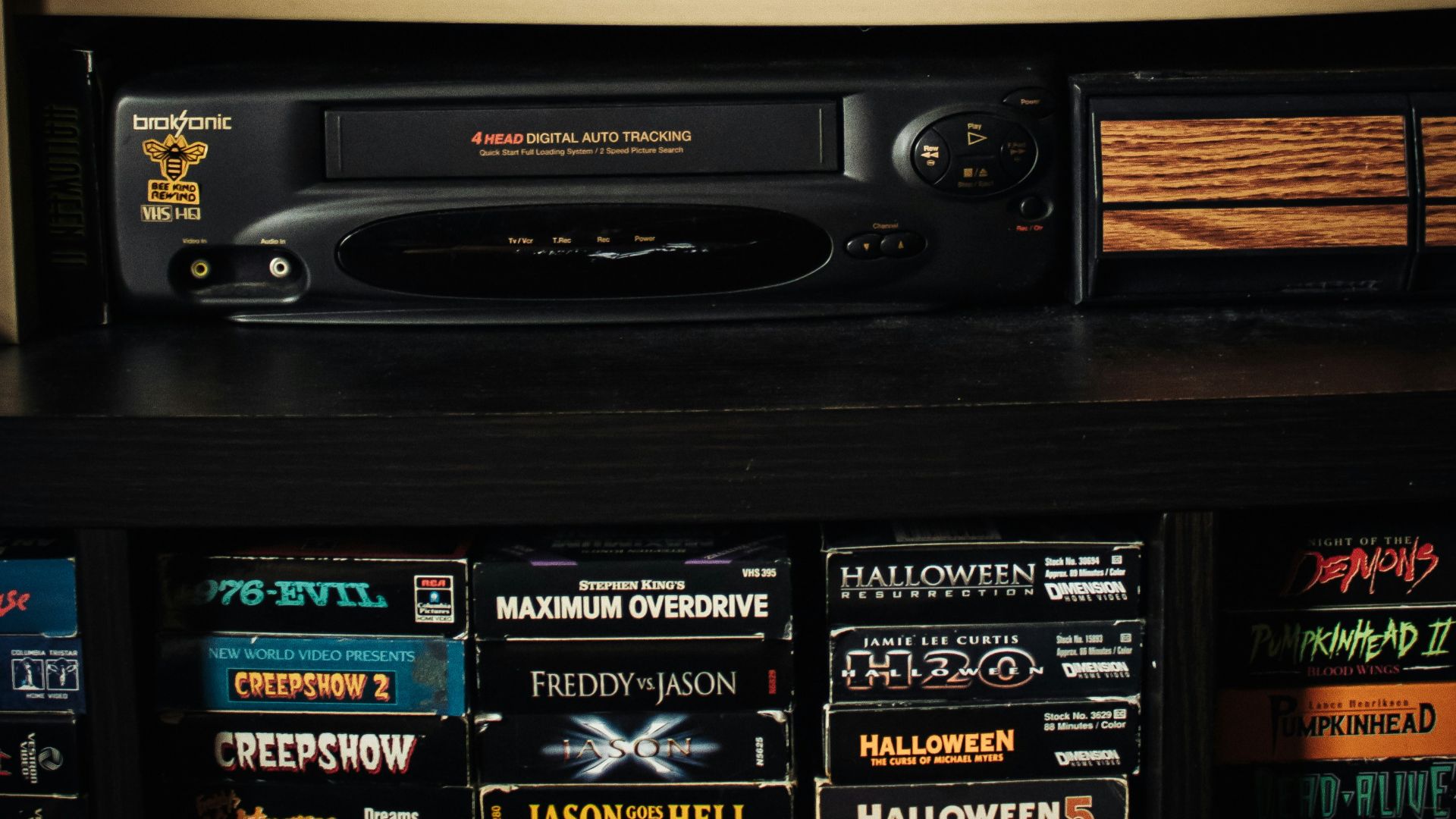
5. A VCR
Funai, widely reported as the last VCR manufacturer, stopped production in 2016. VHS tapes also deteriorate over time, prompting families to transfer old home videos to digital files. By 2050, children may only encounter a working VCR in a museum or a collector's home.
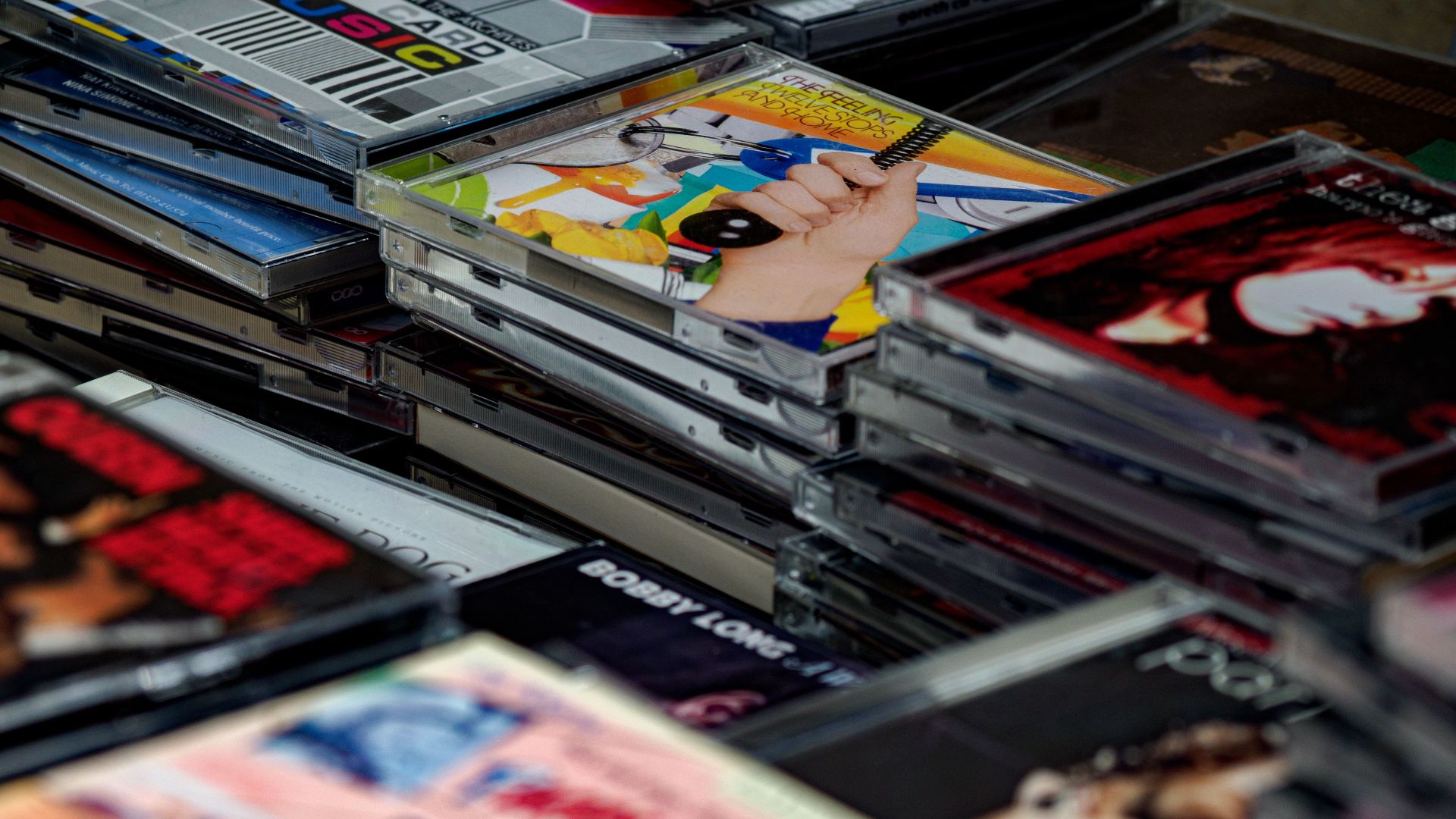
6. A Shelf of Compact Discs
Music streaming services hold millions of songs, so a shelf of albums is no longer the only way to own a favorite band. CDs still sell in small numbers, and some fans prefer them for sound quality or collecting. A case full of discs also takes far more room than a phone full of albums.
7. An Incandescent Light Bulb
Federal efficiency standards that took full effect in 2023 effectively ended the sale of ordinary incandescent bulbs in the United States. LED bulbs use far less electricity and can last many years. Because LEDs stay cool, a child may never learn the hard way that a lamp bulb can burn a finger.

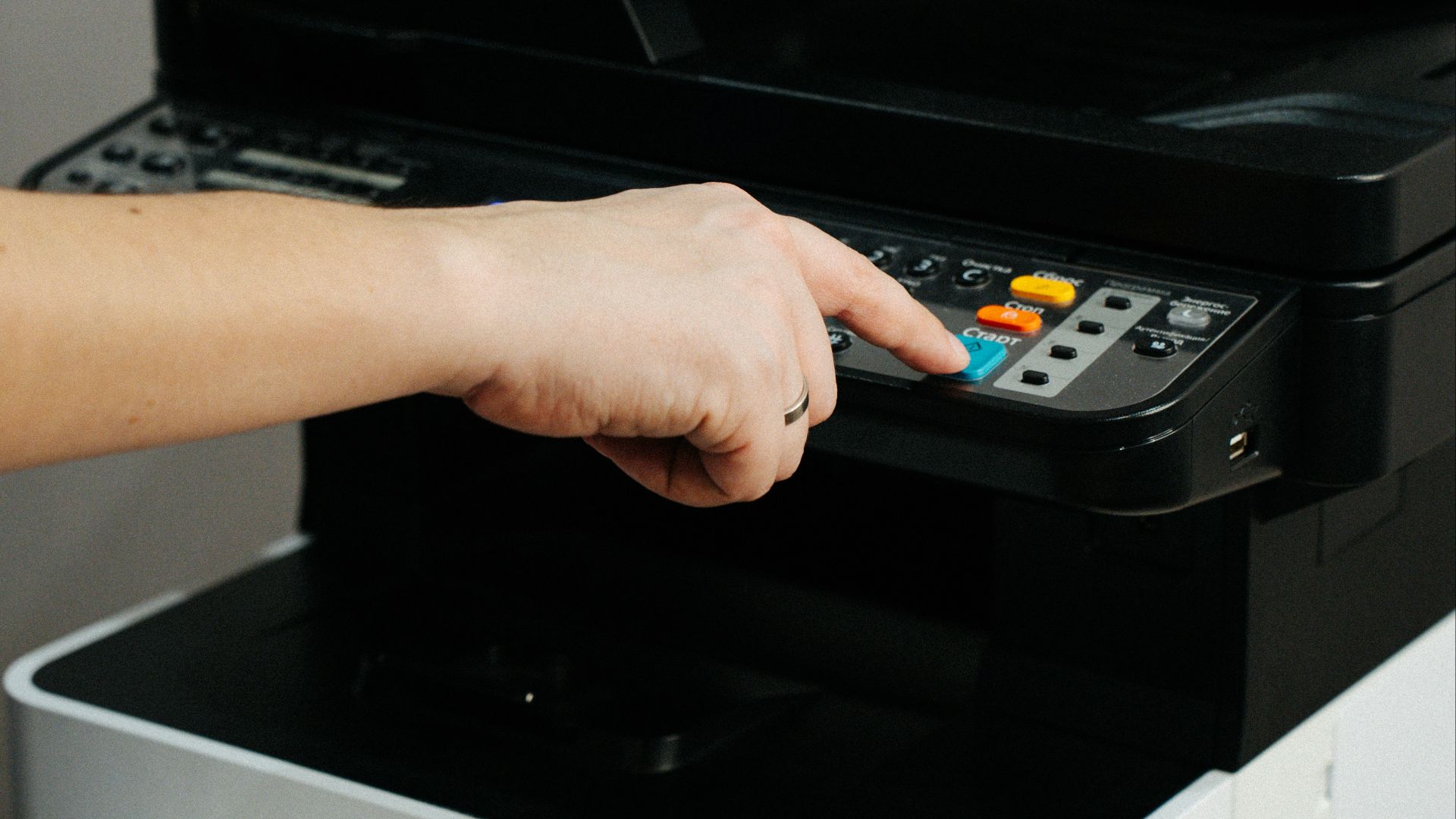
8. A Fax Machine
Hospitals and some government offices still rely on fax, but few households own one anymore. Scanning a page with a phone and emailing it takes less effort than dialing a number and feeding paper through a machine, and it needs no dedicated phone line or roll of thermal paper. The old screech of a fax connecting may survive only as a sound effect.
 Stanislav Staritsyn on Unsplash
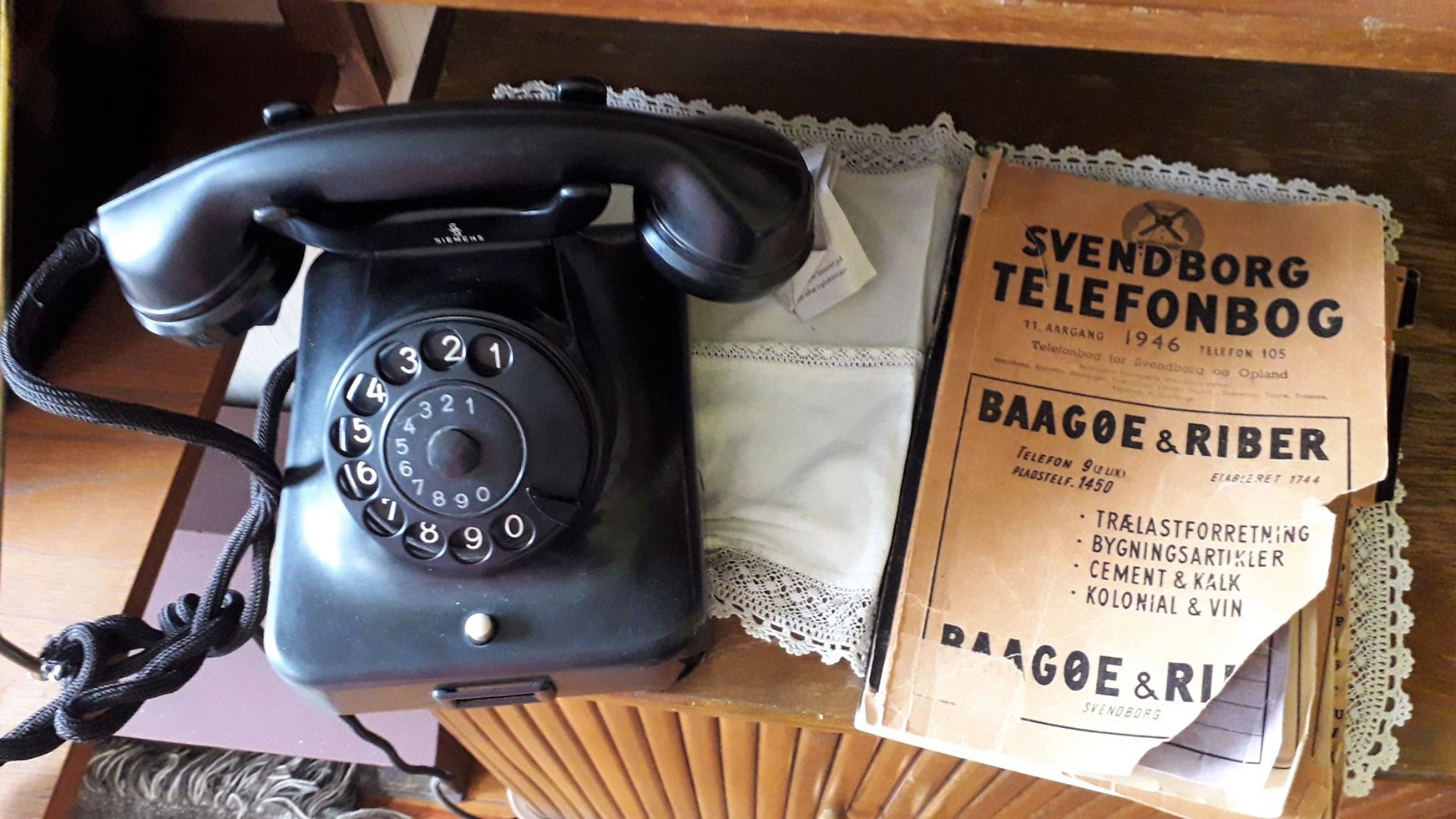
9. A Phone Book
Many cities stopped delivering phone books to every doorstep, since a search engine finds a number faster. These thick directories were once a standard fixture beside the kitchen phone. In their world, a plumber comes from a search result with reviews attached.
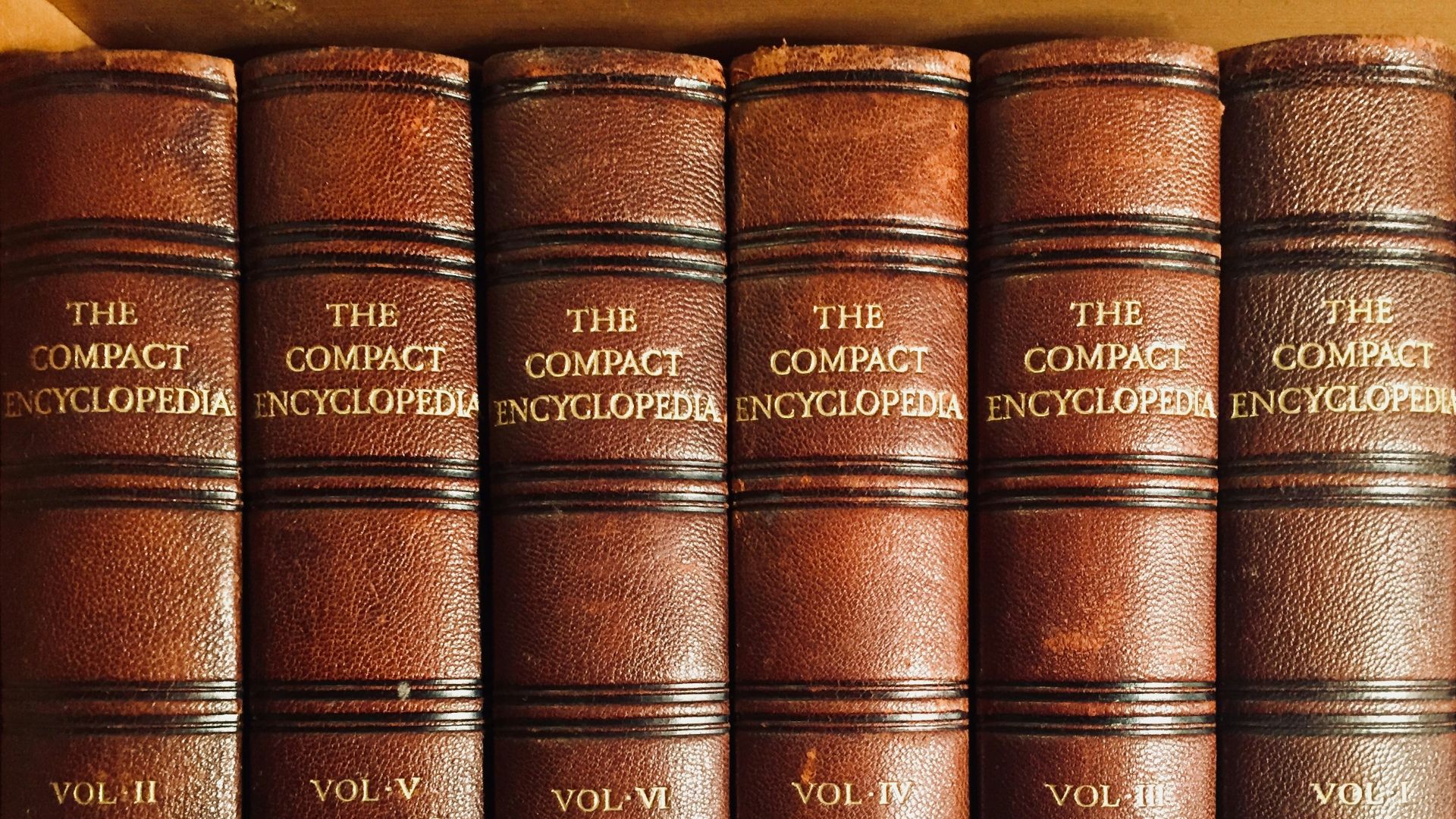
10. A Printed Encyclopedia Set
Encyclopaedia Britannica announced in 2012 that it would stop printing its books and concentrate on digital editions. A full set filled several feet of shelf and went out of date as soon as it was printed. Online references can update the same day something changes, and a child can search them in seconds instead of flipping through volumes by letter.
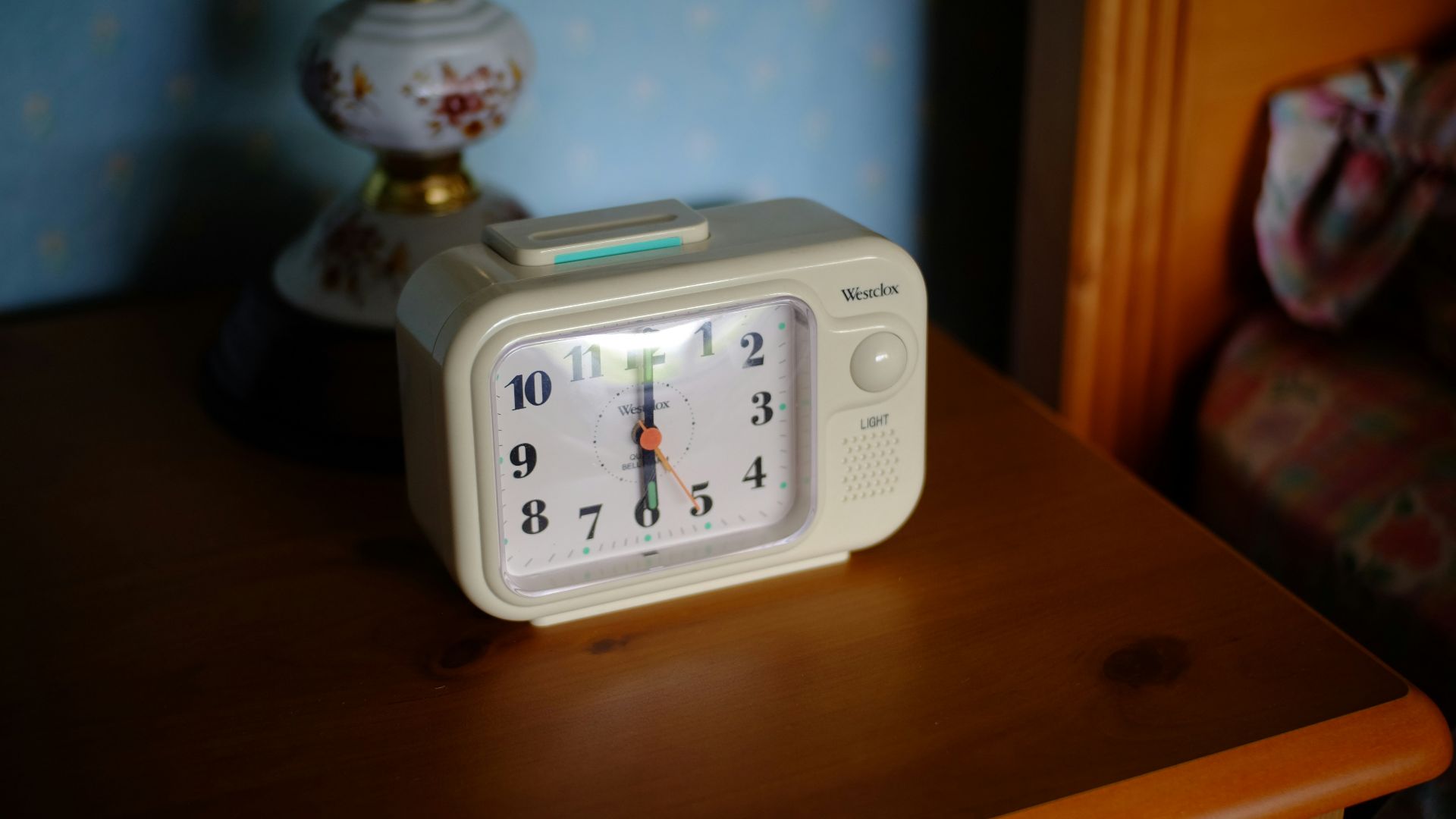
11. A Bedside Alarm Clock
Many people already wake to the alarm on a phone, which sits on the nightstand instead of a dedicated clock. Voice assistants and smart speakers can also set an alarm without any buttons. A small clock radio may feel like an extra gadget to someone who never learned to set the time on one.
12. A Checkbook
Paper checks have declined for years in favor of cards and phone payments, according to Federal Reserve payment studies. A checkbook once sat in a kitchen drawer to cover the rent and the gas bill. A child who watches a grandparent write one may need an explanation of how it works.

13. A Printed Photo Album
Phones capture so many pictures that most of them never get printed. A photo album takes time to assemble and holds only a small selection of a family's pictures. Digital albums on a screen may replace the heavy book that used to come out at holidays, and relatives can add to them from different cities.
 Kristyna Squared.one on Unsplash
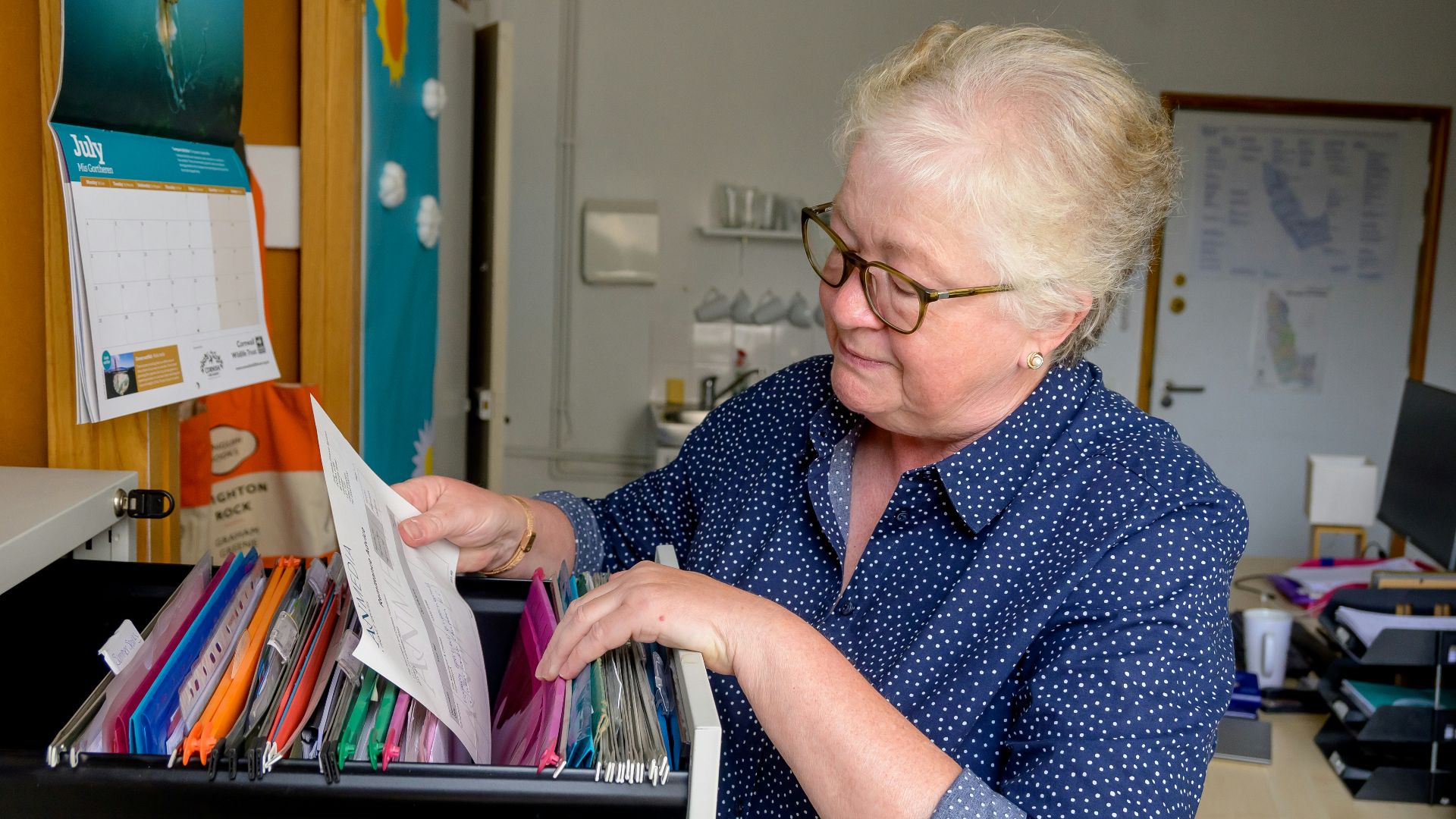
14. A Filing Cabinet
People store tax records and receipts in cloud folders more often now than in metal drawers. A filing cabinet takes up floor space and requires a person to sort paper by hand. Home offices in 2050 may hold a desk and a screen without anything to file, with scanned copies kept in an account that backs itself up.
 Centre for Ageing Better on Unsplash
15. An Answering Machine
Voicemail moved from a box beside the phone to a service run by the phone company. Spam calls have also taught many people to ignore unknown numbers, which reduces the need to leave a message. Many of the old machines recorded onto a tiny cassette, which may puzzle anyone who finds one in an attic.
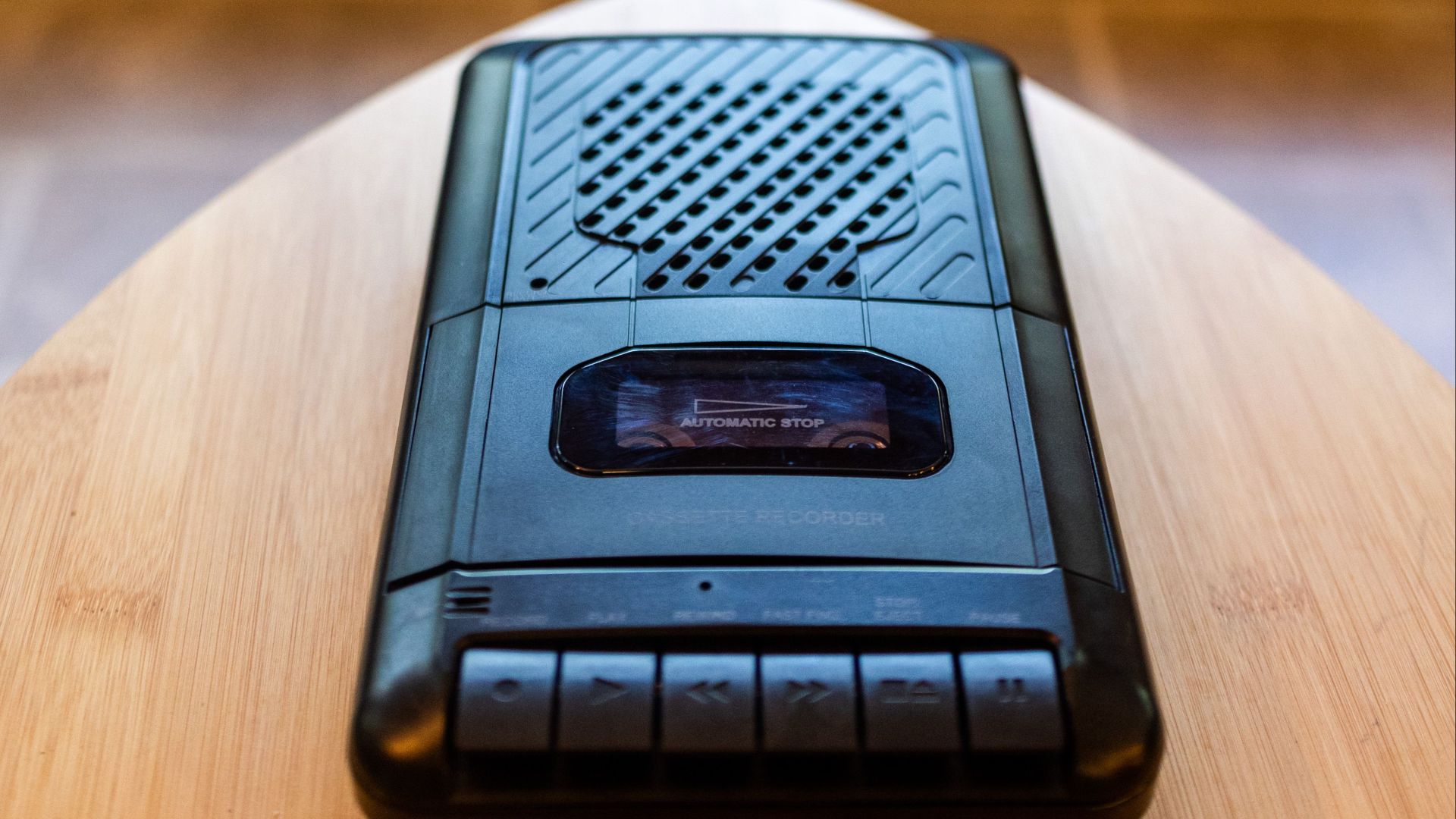
16. Wired Headphones
Apple removed the headphone jack from the iPhone 7 in 2016, and many other makers followed. Wireless earbuds now fit in a pocket-sized case and charge there. A child in 2050 may find a tangled cord as strange as a rotary dial, and a cable that snags on a doorknob is a minor annoyance that earbuds already ended.

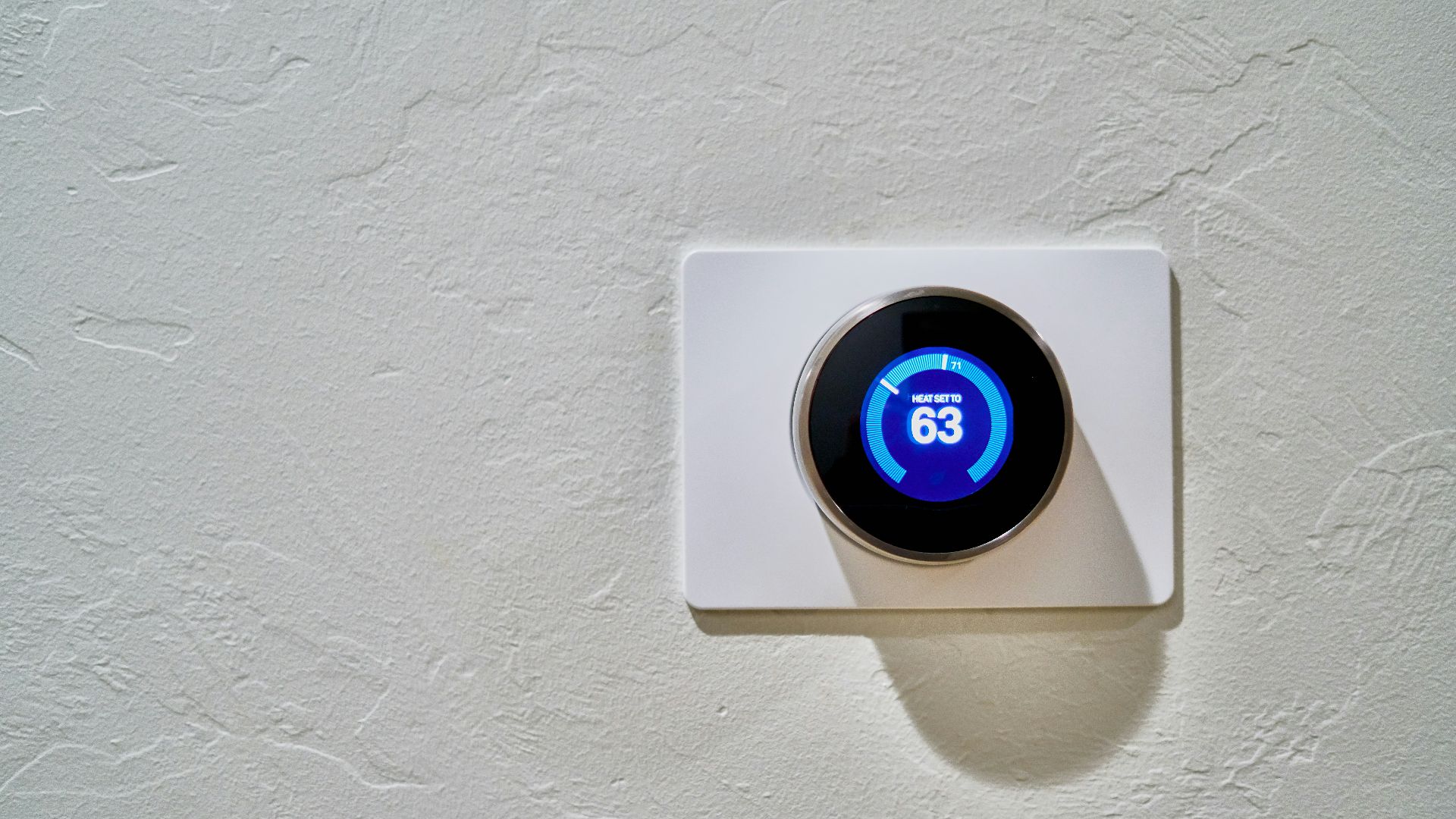
17. A Dial Thermostat
Round dial thermostats once sat on hallway walls and clicked as someone turned them. Smart thermostats can learn a household's schedule and adjust heating from a phone. A dial that someone must walk over to turn may feel like a chore.
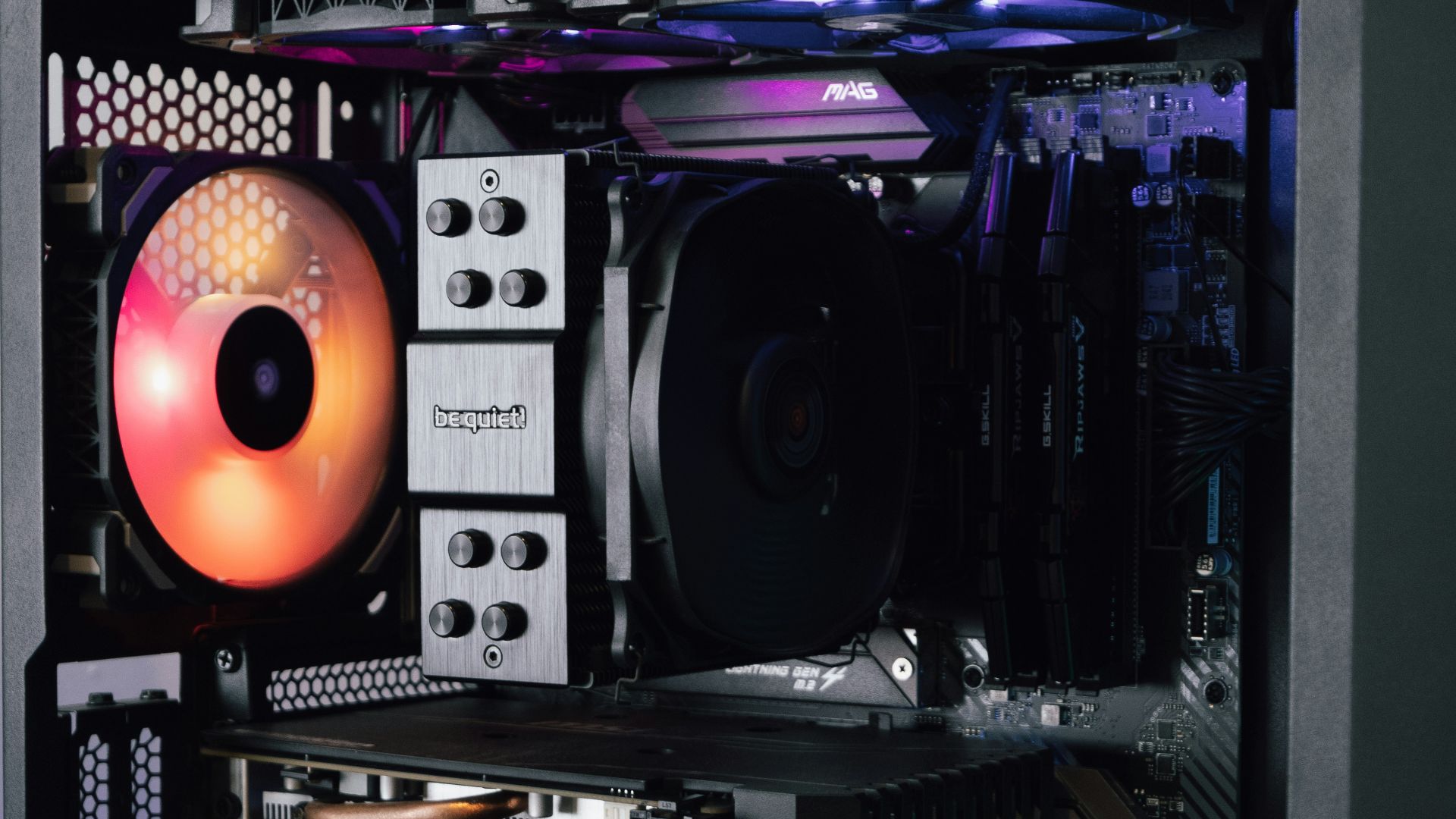
18. A Desktop Computer Tower
Laptops and tablets have taken over most home computing, and a boxy tower now belongs mostly to gamers and workstations. The tower needed a separate monitor and keyboard, plus a spot under the desk and a tangle of cables behind it. Cloud services may let future children do the same work on a thin screen.
19. A Cable TV Box
Streaming apps have pulled many viewers away from cable subscriptions. A set-top box needs a coaxial cable and a rental fee that streaming does not. Many future households will probably watch television on a screen with no box beside it.

20. A Printed Instruction Manual
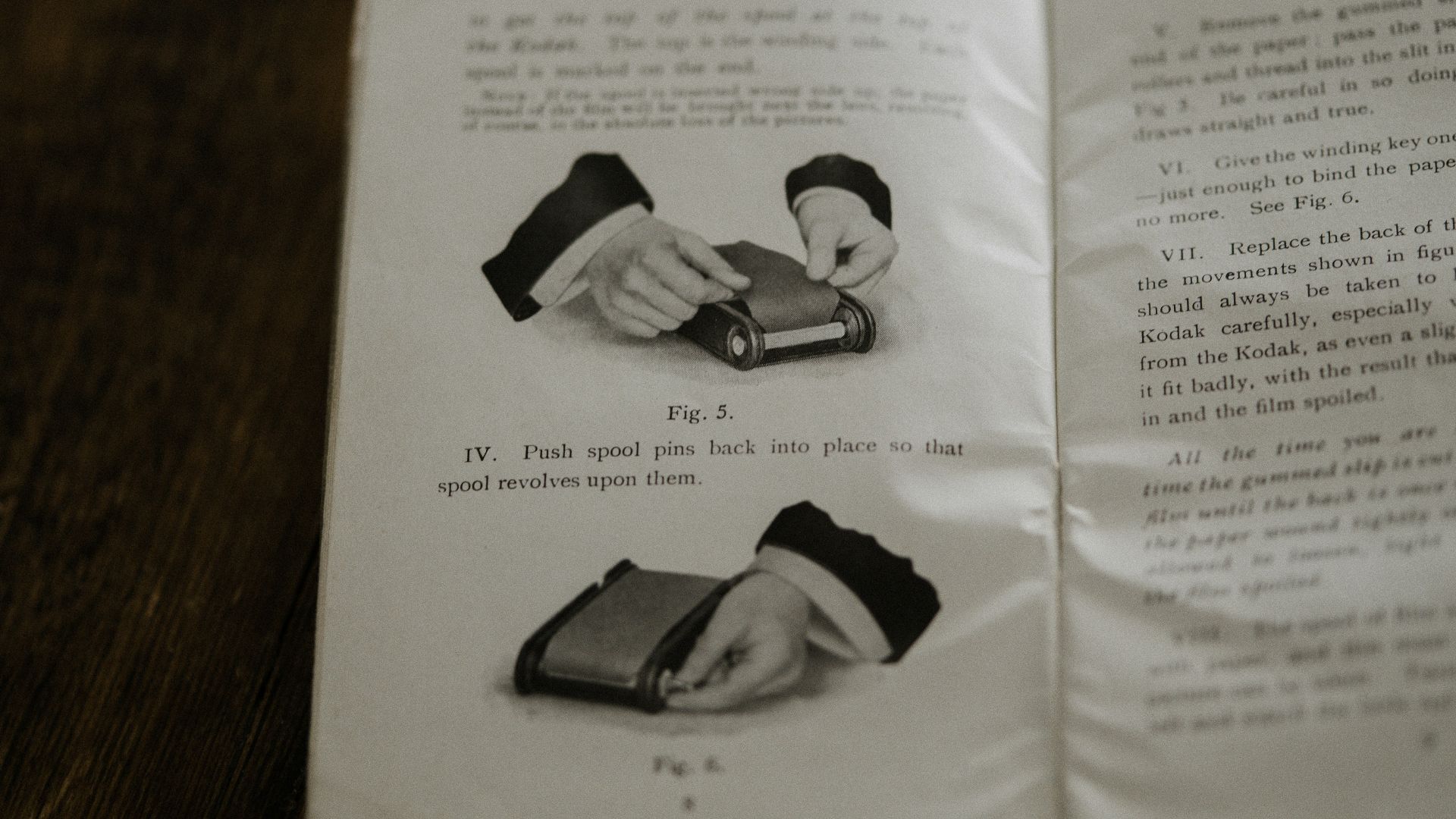
Many products now print a QR code that opens a manual on a phone instead of including a thick booklet. Paper manuals got lost in drawers, while a digital version can be searched for a word. The junk drawer of 2050 may hold batteries and rubber bands but not a single manual.