Back When The Internet Made Noise
Everything about using the internet in 1998 was a negotiation with a resource that cost money by the minute and could vanish the moment your mother needed the phone. People built elaborate routines around those limits without thinking of them as limits. They were just how the thing worked, the same way you learned which floorboard creaked in your own house. Most of these habits disappeared without anyone noticing they were gone. Here's 20 things people used to do online that make no sense to anyone who has never heard a modem connect.

1. Waiting For A Photo To Arrive In Strips
Images loaded top to bottom over thirty or forty seconds, one horizontal band at a time. You could usually identify what you were looking at somewhere around the halfway mark. Everyone sat and watched it happen without complaint, since the alternative was not seeing the picture at all.

2. Yelling At Your Family About The Phone
Someone picking up a handset in the kitchen ended your session instantly, with no warning and no way to recover what you were doing. Entire households developed protocols around this, including hand signals through doorways and notes taped to the receiver. A second phone line installed for the computer was the closest thing a teenager had to a status symbol.
3. Starting Downloads Before Bed
A twelve-megabyte file took most of the night, so you queued it up before bed and checked the progress bar with your coffee. Anyone who picked up the phone at seven in the morning got a lecture. A download that failed at ninety-four percent overnight was a legitimate reason to be in a bad mood all day.
4. Waiting For The Rate To Drop
Metered accounts and long distance charges meant the internet got cheaper after certain hours, usually late evening. Households scheduled their browsing around that number and watched the clock while they did it. A whole generation learned to associate being online with being the only one awake in the house.

5. Turning Images Off Entirely
Browsers let you disable image loading, and plenty of people left it off permanently. Pages came up in seconds as walls of blue underlined text with little broken-image boxes scattered through them. You switched them back on only when a page stopped making sense without them, then switched them off again.
6. Saving Every Picture You Liked
Right-clicking and choosing save was reflexive, because finding that image again meant remembering which of eleven bookmarked pages it lived on. Hard drives filled with folders of band photos and desktop wallpapers. Search engines were nowhere near good enough to serve as a substitute for hoarding.

7. Reading Offline
Internet Explorer had a work offline mode that let you browse pages already sitting in the cache. People loaded a batch of articles, then disconnected to free up the phone and read at their leisure. Doing the same thing now takes an app and usually a subscription.
8. Printing Your Directions
MapQuest pages went to the printer before any trip longer than an hour, and the passenger held them. Missing a turn meant pulling over and squinting at a page of text instructions with no idea where you actually were. The whole ritual felt perfectly reasonable at the time.

9. Judging A File By Its Size
Downloading music from strangers meant the filename lied constantly, so you learned to read the numbers instead. A three-minute song weighing two megabytes was probably real, and something far smaller was a joke or worse. An entire file-sharing economy ran on that one crude piece of arithmetic.

10. Waiting Nine Minutes To Find Out It Was The Wrong Song
You would queue a track and wait through the entire transfer, only to find that a stranger had labeled some other band's song with the name you searched. Sometimes it was a man shouting into a microphone in a language you did not speak. The cost of being wrong was high enough that people kept notes on which usernames were reliable.
11. Burning Everything To Disc
CD-Rs were how music moved between people, and a failed burn produced a coaster that went straight in the trash. Nero and Easy CD Creator were installed on every machine in America. You wrote the track list on the disc in Sharpie, because an unlabeled CD-R was a mystery box until you played it.

12. Writing An Away Message
AIM away messages were a public performance, usually song lyrics and occasionally a coded line aimed at one specific person. Plenty of people left one up for hours while sitting right there at the computer, watching who responded. The social architecture of an entire high school ran through that one text box, and everybody understood the rules without discussing them.
13. Not Touching Anything During A Download
Opening another program during a transfer felt dangerous, and often enough it was. So you sat and stared at the bar instead. The fear was superstition most of the time and entirely correct the rest of it.

14. Keeping A Bookmarks Folder Like A Filing Cabinet
Search results in 1999 were bad enough that losing a good page meant losing it permanently. Nested folder structures got built and maintained with real care. Typing a query and trusting the first result is a habit that only makes sense once search became reliable, which took years.

15. Following Webrings
Sites about the same subject linked to each other in a loop, with little navigation bars at the bottom saying previous and next. You found things by traveling the circle rather than by asking anyone. It was slower than a search box and turned up stranger things, since a human being had chosen every link in the chain.
16. Announcing That Your Site Was Unfinished
Under construction graphics with an animated worker appeared on roughly half the personal pages on the web. Nobody thought a website should be finished, since the whole point was that a person was still tinkering with it. A hit counter at the bottom displayed a number that mattered to nobody except the owner, who checked it constantly.
17. Using An Encyclopedia On A Disc
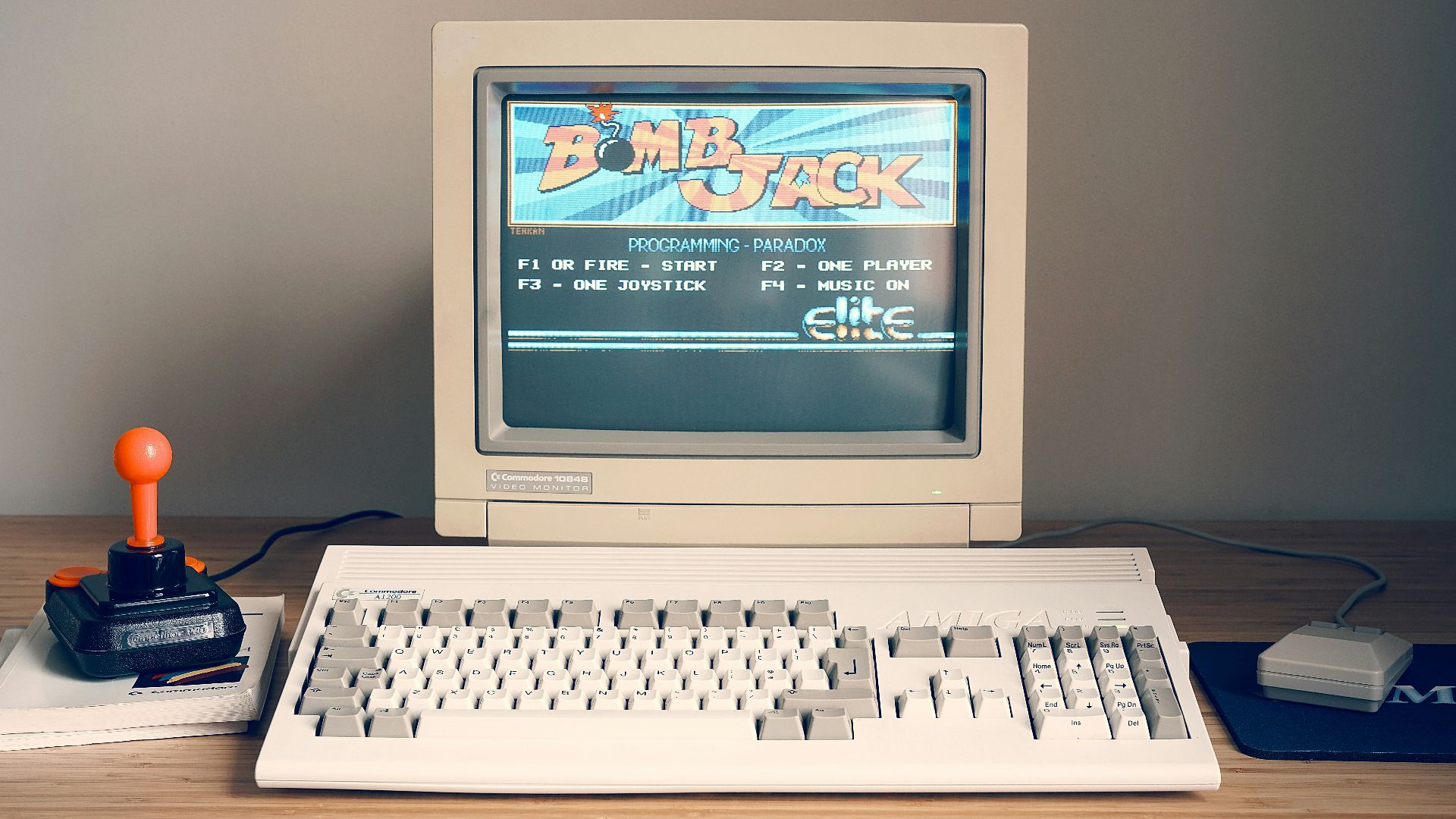
Encarta sat in the CD drive because looking something up online was slower and less reliable than the software already installed. It had video clips and a decent atlas. Plenty of school reports in 1997 were assembled entirely from one plastic disc and a printer.
18. Zipping Files Into Pieces
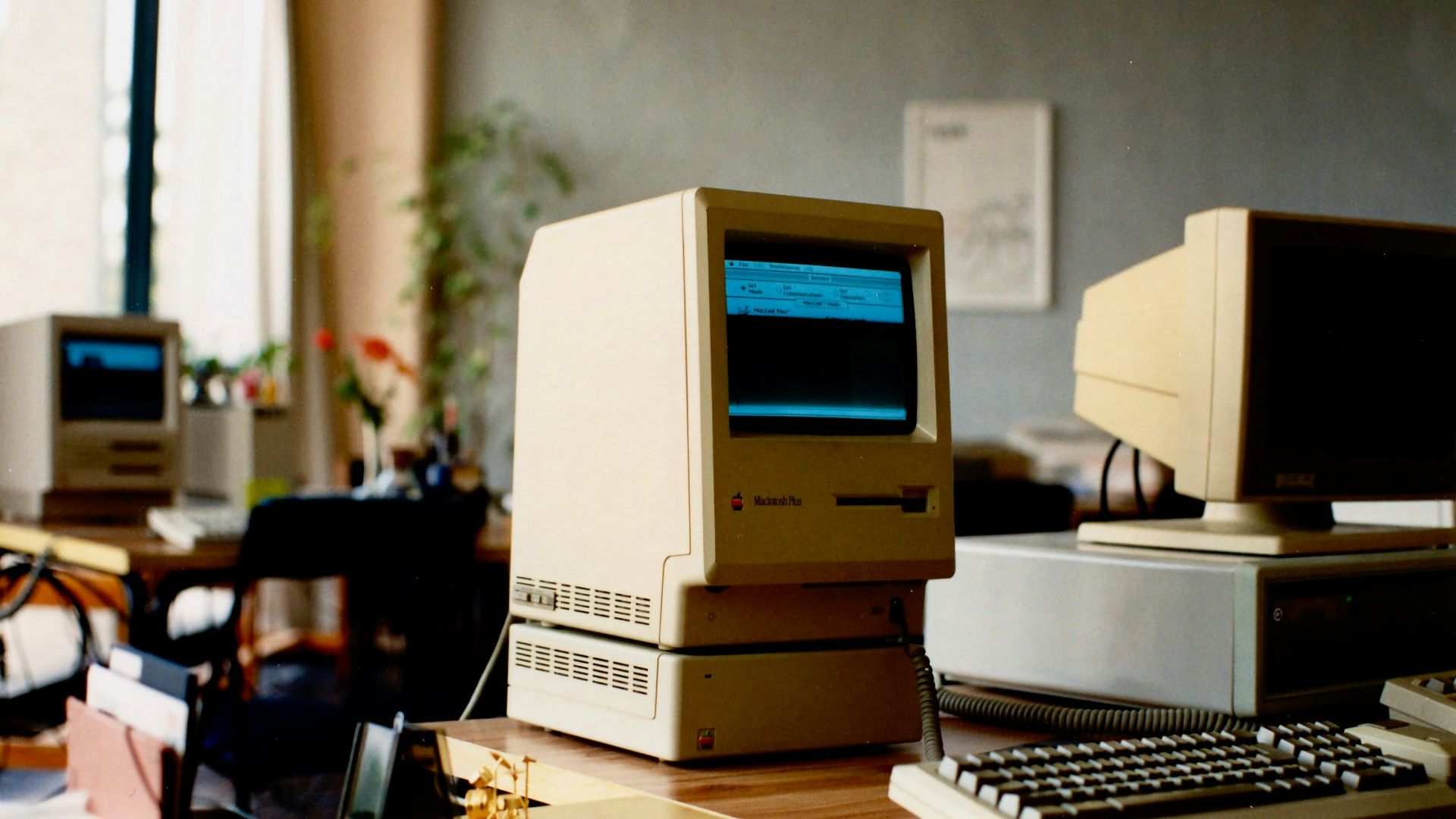
Email attachments had brutal size limits, so people split large files into numbered chunks with WinZip and sent them across several messages. The recipient reassembled them on the other end and hoped nothing arrived corrupted. Knowing how to do this counted as ordinary computer literacy at the time.
19. Calling To Say You Sent An Email
Nobody checked their inbox continuously, so an important message needed a phone call announcing its arrival. The call often took less time than describing what was in the attachment. Offices ran on that double notification for years without anyone questioning it.

20. Pausing A Video To Let It Catch Up
RealPlayer buffered in tiny increments, so you hit pause and waited for the gray bar to build a lead before watching. Fifteen seconds of grainy footage in a window the size of a postcard was worth a four-minute wait. Nobody watching it had the faintest idea the whole arrangement would be gone inside a decade.