

When Innovation Turns Out to Be an Elaborate Lie
The technology industry has produced some incredible breakthroughs, but it's also given us plenty of people who convinced the world they were inventing the future when they were actually making things up. From revolutionary medical devices that didn't work to cryptocurrency empires built on imaginary money, some of the biggest names in tech have been caught making promises they couldn't deliver. What's particularly surprising is how many experienced investors, major corporations, and respected institutions fell for these schemes, sometimes handing over billions before asking the right questions. Here are 20 of the biggest tech frauds that fooled people around the world, along with the stories behind how their elaborate deceptions eventually came to light.
 Tali Mackay at English Wikipedia on Wikimedia
1. Theranos & Its Revolutionary Blood Tests
Elizabeth Holmes convinced investors that her company, Theranos, had developed technology capable of performing extensive medical tests using just a few drops of blood. The startup raised more than $700 million and turned Holmes into one of Silicon Valley's most celebrated young entrepreneurs. Unfortunately, the technology couldn't reliably perform the advertised tests, forcing the company to secretly rely on conventional laboratory equipment for much of its testing. The deception eventually caught up with Holmes, who was convicted of defrauding investors and sentenced to more than 11 years in prison.

2. FTX & the Missing Billions
Sam Bankman-Fried built cryptocurrency exchange FTX into a multibillion-dollar business that attracted celebrity endorsements, major investors, and millions of customers. Behind its carefully cultivated reputation, however, billions in customer deposits were being improperly diverted to his trading firm, Alameda Research. When customers rushed to withdraw their money in November 2022, FTX couldn't meet their demands and quickly filed for bankruptcy. Bankman-Fried was subsequently convicted of fraud and sentenced to 25 years in prison, making the exchange's downfall one of cryptocurrency's biggest scandals.

3. OneCoin's Completely Fake Cryptocurrency
Ruja Ignatova presented OneCoin as a revolutionary digital currency that could compete with Bitcoin, convincing people worldwide to invest more than $4 billion. The company hosted huge promotional events and encouraged members to recruit additional investors, creating the impression of a rapidly expanding financial empire. There was just one major problem: OneCoin didn't even have the genuine blockchain infrastructure necessary to operate as advertised. Ignatova disappeared in 2017, and although several associates have faced criminal punishment, the woman nicknamed the "Cryptoqueen" remains a fugitive.
 OneCoin Coporation on Wikimedia
4. Wirecard's Missing $2 Billion
German payment-processing company Wirecard was once considered one of Europe's most promising financial technology businesses. Its impressive financial statements convinced investors that the company was growing rapidly and competing with established payment giants. However, auditors eventually discovered that approximately $2.1 billion in supposedly available cash likely never existed, raising serious questions about the accuracy of its accounts. Wirecard filed for insolvency in 2020, prompting criminal investigations.

5. Nikola's Truck That Couldn't Drive Itself
Electric and hydrogen-powered truck startup Nikola generated considerable excitement by promoting vehicles that supposedly represented the future of commercial transportation. One particularly impressive promotional video appeared to show its Nikola One truck traveling smoothly along a road by itself. What viewers didn't know was that the nonfunctioning vehicle had actually been towed uphill and allowed to roll downhill for the recording. Founder Trevor Milton was convicted of fraud in 2022 and sentenced to four years in prison, although he later received a pardon in 2025.

6. WorldCom's Massive Accounting Scandal
During the telecommunications boom, WorldCom became one of America's largest communications companies by aggressively expanding its network and acquiring competitors. Investors believed they were supporting a profitable industry giant, but executives were secretly recording billions in ordinary operating expenses as long-term investments. This accounting manipulation made the company's financial performance appear considerably stronger than it actually was, concealing serious problems within the business. The fraud came to light in 2002, leading to WorldCom's bankruptcy and one of the largest corporate accounting scandals in American history.
 Jim Wallace (Smithsonian Institution) on Wikimedia
7. Satyam's Billion-Dollar Deception
Indian information technology company Satyam Computer Services built an international reputation by providing software development and outsourcing services to major corporations. For years, its financial statements suggested that the company possessed enormous cash reserves and was generating impressive profits. In January 2009, chairman Ramalinga Raju admitted that the accounts had been falsified, exposing more than $1 billion in overstated financial figures. The confession shocked India's technology industry and revealed just how easily fabricated invoices and bank statements could mislead investors.
 World Economic Forum from Cologny, Switzerland on Wikimedia
8. Enron's Imaginary Internet Technology
Most people remember Enron for its enormous accounting scandal, but its telecommunications division was responsible for another remarkable deception. Enron Broadband Services promoted advanced software that supposedly allowed the company to manage network capacity and deliver sophisticated internet services. In reality, some of these advertised capabilities were still undeveloped, including software executives had presented as fully operational. Misrepresentations within the division became part of the broader Enron investigation, although the criminal proceedings against its broadband executives produced mixed outcomes.
9. BitConnect's Supposedly Unbeatable Trading Bot
BitConnect promised cryptocurrency investors unusually high returns through proprietary trading software that supposedly profited from market volatility. Supporters enthusiastically promoted the platform, while its referral system encouraged participants to recruit friends and relatives into the investment program. Rather than generating the extraordinary profits it advertised, the operation was identified by U.S. authorities as a massive Ponzi scheme involving approximately $2 billion in investor funds. When BitConnect's lending platform shut down in 2018, countless participants were left wondering whether they'd ever recover their money.
10. Tingo Group's Fabricated Financial Empire
Tingo Group promoted itself as a rapidly expanding financial technology company connecting African agricultural businesses with digital services. Its financial reports presented impressive revenues and enormous cash balances, attracting investors interested in emerging technology markets. However, the Securities and Exchange Commission alleged that much of the company's reported financial success was fabricated, including bank balances that differed dramatically from actual records. In one particularly striking example, accounts supposedly holding hundreds of millions of dollars contained only tiny fractions of those amounts.

11. HeadSpin's Billion-Dollar Valuation
Silicon Valley startup HeadSpin developed software that helped businesses test mobile applications across different devices and networks. Founder Manish Lachwani attracted major investment by presenting financial figures that suggested the company was growing at an extraordinary pace. Unfortunately, those impressive numbers included exaggerated revenue, inflated customer contracts, and payments that clients had never actually agreed to make. An internal investigation eventually exposed the deception, causing HeadSpin's valuation to fall significantly, while Lachwani later pleaded guilty to fraud.
 Tingey Injury Law Firm on Unsplash
12. Outcome Health's Advertising Screens
Outcome Health installed digital screens and tablets in doctors' offices, giving pharmaceutical companies a way to advertise directly to patients. The business attracted substantial financial backing because advertisers believed their messages were reaching large numbers of people in medical settings. Prosecutors later established that executives had been selling advertising space the company didn't possess while charging customers for campaigns that weren't fully delivered. Three former executives were convicted in 2023 for their roles in a fraud scheme involving approximately $1 billion.
 National Cancer Institute on Unsplash
13. uBiome's Questionable Medical Testing Business
San Francisco startup uBiome claimed it could help people better understand their health by analyzing the microorganisms living inside their bodies. The company attracted millions in investment while promoting the commercial potential of its microbiome testing technology. However, federal authorities accused its founders of misleading investors, misrepresenting insurance reimbursements, and engaging in improper billing practices. The business filed for bankruptcy in 2019, and its founders later faced federal fraud charges over their alleged misconduct.
 Tony Webster from Minneapolis, Minnesota, United States on Wikimedia
14. Frank's Millions of Imaginary Customers
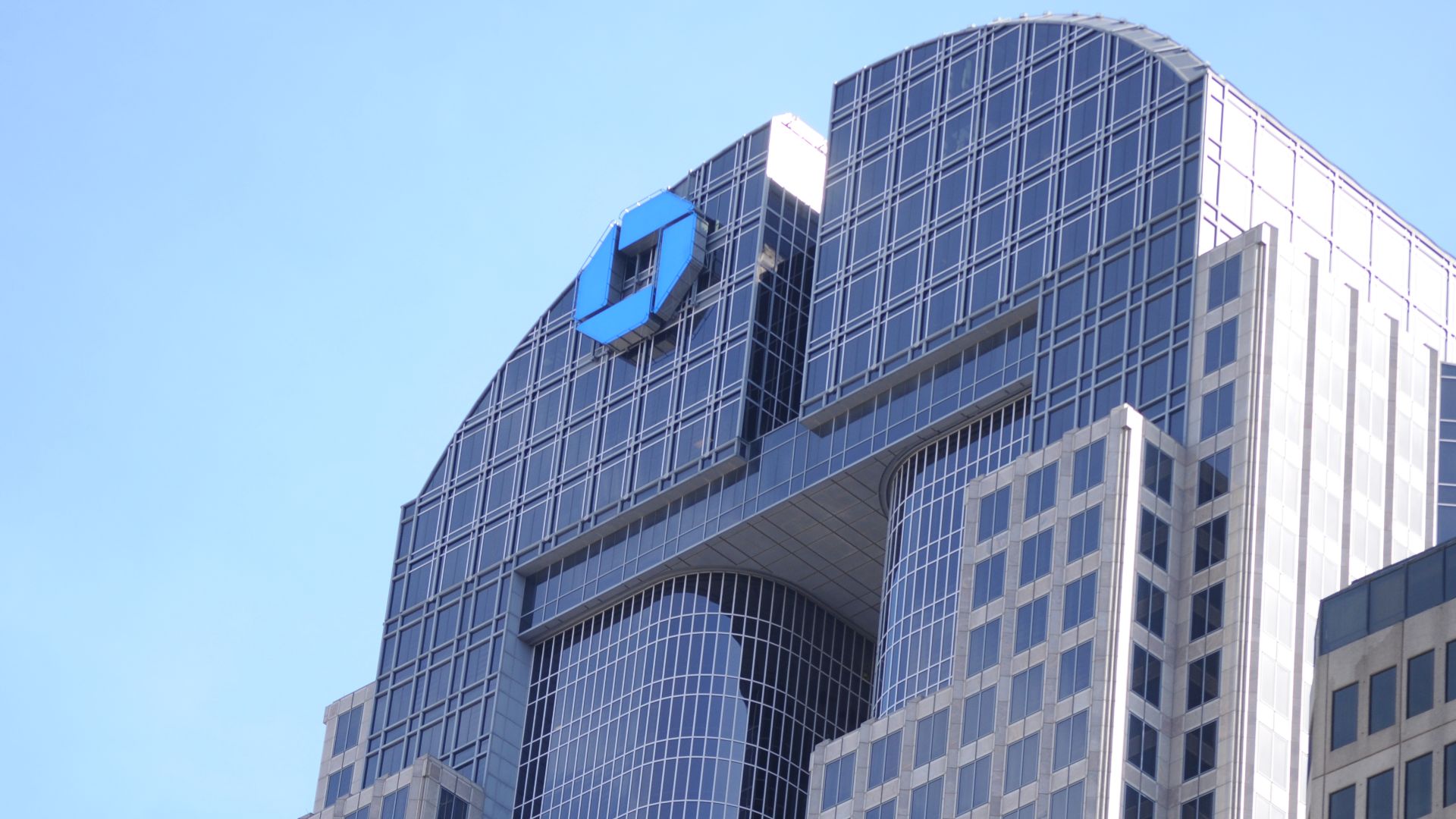
Student financial aid startup Frank promised to simplify the complicated process of applying for college funding, eventually attracting the attention of JPMorgan Chase. In 2021, the bank purchased the company for $175 million, believing it was gaining access to a customer base numbering in the millions. Unfortunately, founder Charlie Javice had dramatically inflated those figures and arranged for fabricated customer information to support her claims.
15. IRL's Supposedly Explosive Popularity
Social networking application IRL marketed itself as a rapidly growing platform designed to help people organize activities and connect with friends. The company attracted approximately $170 million from investors while claiming to have millions of users, supposedly acquired largely through organic growth. The SEC later alleged that founder Abraham Shafi concealed expensive incentive-based advertising campaigns and misrepresented how the application was attracting users. IRL shut down in 2023, and Shafi subsequently faced federal fraud charges connected to the company's fundraising activities.

16. QuadrigaCX & Its Disappearing Cryptocurrency
Canadian cryptocurrency exchange QuadrigaCX made headlines after its founder, Gerald Cotten, died in 2018, supposedly leaving enormous amounts of customer cryptocurrency inaccessible. Initially, the explanation centered on missing passwords and digital wallets that only Cotten could access. However, an investigation by the Ontario Securities Commission concluded that Cotten had been secretly trading with fictitious balances and using customer deposits to cover his financial losses. By the time the exchange collapsed, approximately $169 million in client assets was missing, suggesting the problem went far beyond a few lost passwords.
 Quadriga Fintech Solutions on Wikimedia
17. Centra Tech's Completely Invented CEO
Cryptocurrency startup Centra Tech claimed it was developing a debit card that would allow customers to spend digital currencies through established payment networks. Its promotional materials advertised partnerships with Visa and Mastercard, alongside an experienced executive team supposedly led by a Harvard-educated CEO. Investigators discovered that the company had no such payment partnerships and that several executives, including its advertised CEO, were entirely fictional. Despite these inventions, the founders managed to raise millions from investors before criminal investigations brought their operation to an end.

18. MoviePass & Its Misleading Business Model
MoviePass attracted enormous publicity by offering subscribers the opportunity to watch movies in theaters for just $9.95 per month. Although the subscription service was real, executives allegedly made misleading claims about its financial sustainability and the value of its supposed data analytics capabilities. Regulators accused company leadership of presenting an unrealistic picture of how the business could become profitable while charging customers such a low monthly price. The original company collapsed in 2019, and its former leadership later faced federal fraud proceedings over their representations to investors.
19. Terraform Labs & the Collapse of TerraUSD
Terraform Labs promoted TerraUSD as an innovative cryptocurrency designed to maintain a stable value of approximately one American dollar through an algorithmic system. Founder Do Kwon repeatedly reassured investors about the technology's reliability, helping the cryptocurrency ecosystem attract enormous amounts of capital. However, when TerraUSD lost its dollar peg in May 2022, the resulting collapse wiped out approximately $40 billion in market value. A federal jury later found Terraform Labs and Kwon liable for defrauding investors, revealing serious misrepresentations about the technology's stability and real-world applications.

20. HashFlare's Imaginary Cryptocurrency Mining Operation
HashFlare offered customers the opportunity to earn cryptocurrency without purchasing expensive mining equipment themselves, supposedly operating powerful computer systems on their behalf. Hundreds of thousands of people invested in the service, which generated more than $577 million in sales between 2015 and 2019. Investigators found that the company lacked the computing capacity needed to produce most of the cryptocurrency it claimed to be mining, while customers were shown fabricated earnings data.