

Technology That Makes Managing Money Easier
Growing your wealth doesn't necessarily mean earning a six-figure salary or taking big risks with your investments. Sometimes, it's simply about having the right tools to manage what you already have, recognize opportunities, and make better financial decisions. Fortunately, technology has made everything from budgeting to investing much more accessible, even if you don't have much money to start with. Whether you're hoping to cut unnecessary expenses, earn additional income, or build a comfortable retirement fund, certain devices and digital tools can make a real difference. Here are 20 pieces of technology worth considering if you're looking to improve your financial future.
 Adeniji Abdullahi A on Unsplash
1. High-Yield Savings Account Apps
Traditional savings accounts aren't exactly known for offering impressive interest rates, which makes high-yield savings accounts worth looking into. Many online banks have mobile apps that let you check your balance, automate deposits, and see how much interest you're earning. Some even allow you to divide your savings into separate categories for a variety of financial goals.

2. Robo-Advisors
Investing can seem intimidating when you don't know much about the stock market, but robo-advisors have made the process much easier for beginners. Platforms like Betterment and Wealthfront use automated technology to create and manage diversified investment portfolios based on your goals and risk tolerance. They'll also rebalance your investments when necessary, so you don't have to keep track of every market fluctuation yourself. While there's no guarantee you'll make money, these services can make long-term investing feel much more manageable.

3. Smart Thermostats
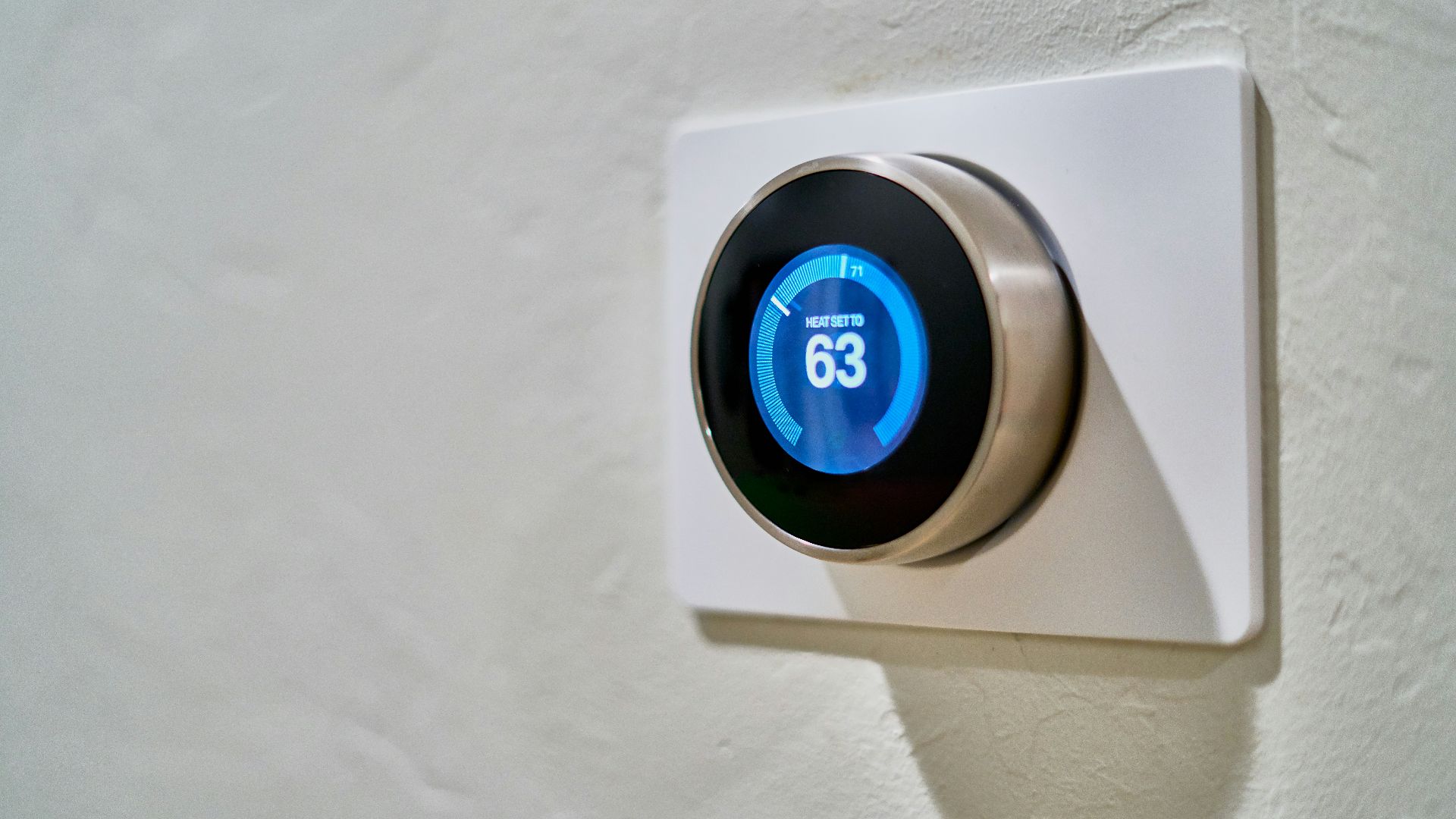
Your heating and cooling bills probably aren't the first things that come to mind when you think about building wealth, but lowering household expenses leaves more money for savings. Smart thermostats, including models from Google Nest and ecobee, automatically adjust temperatures according to your schedule and preferences. Many also offer energy reports that show where you might be using more electricity than necessary.
4. Budgeting Software
If you're constantly wondering where all your money went before your next paycheck, budgeting software might help you figure it out. Apps like YNAB and Monarch Money organize your financial information, making it easier to see how much you're spending in different categories. Rather than going through every transaction manually, you can spot expensive habits and make adjustments where needed.

5. Automatic Investment Apps
You don't need thousands of dollars sitting around to start building an investment portfolio. Many investing apps now offer recurring contributions and fractional shares, allowing you to invest smaller amounts whenever you can afford to. For instance, some platforms let you automatically purchase a portion of an exchange-traded fund every time you get paid. Those regular contributions can add up over the years, although your investments will still rise and fall with the market.

6. Dividend Tracking Apps
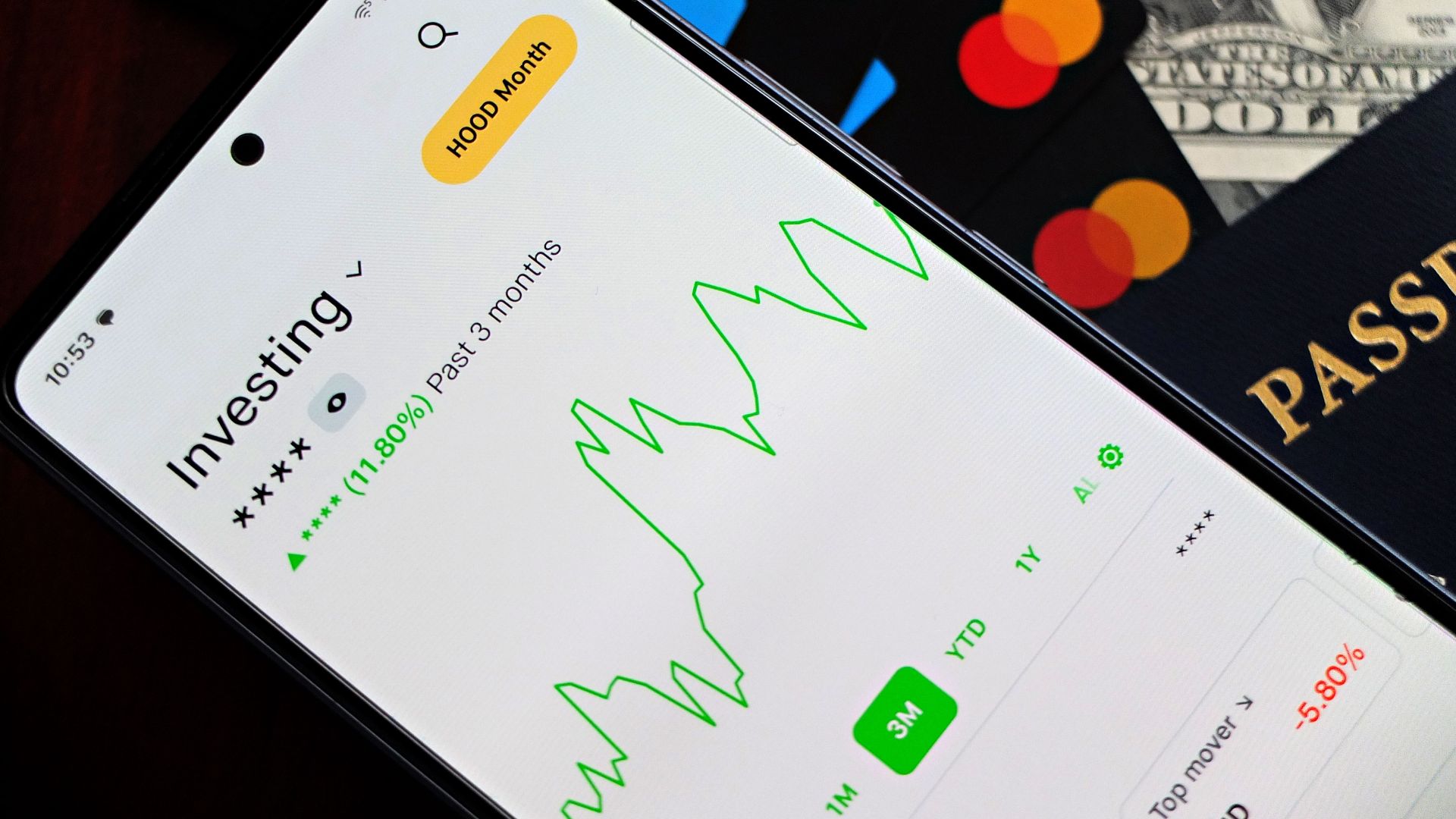
If you're investing in dividend-paying stocks or exchange-traded funds, keeping track of your earnings can help you make better financial decisions. Dividend tracking apps like Snowball Analytics and The Dividend Tracker let you monitor upcoming payments, review your investment income, and see how your portfolio is performing. Some also offer projections showing how your dividend income could grow if you continue investing and reinvesting your earnings. While dividends aren't guaranteed, these tools can help you stay organized and make more informed decisions about your long-term investment strategy.
7. Subscription Tracking Apps
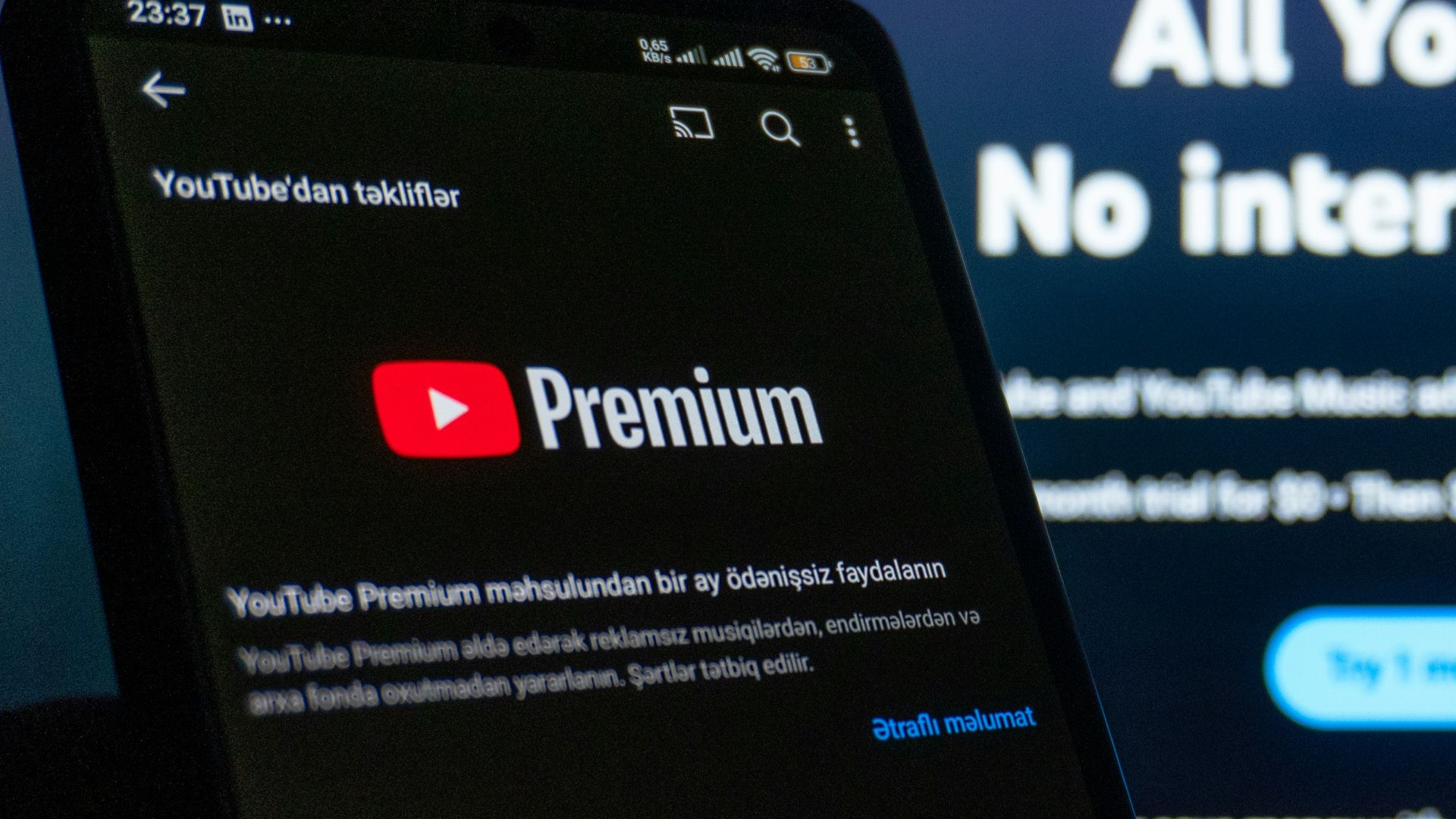
It's surprisingly easy to lose track of your digital subscriptions, especially when each one only costs a few dollars a month. Subscription tracking apps identify recurring charges for streaming platforms, software, memberships, and other services you might have forgotten about. Some even offer cancellation assistance or notify you when a renewal is coming up. Getting rid of a few subscriptions you barely use could free up a decent amount of money over the course of a year.
8. Personal Finance Dashboards
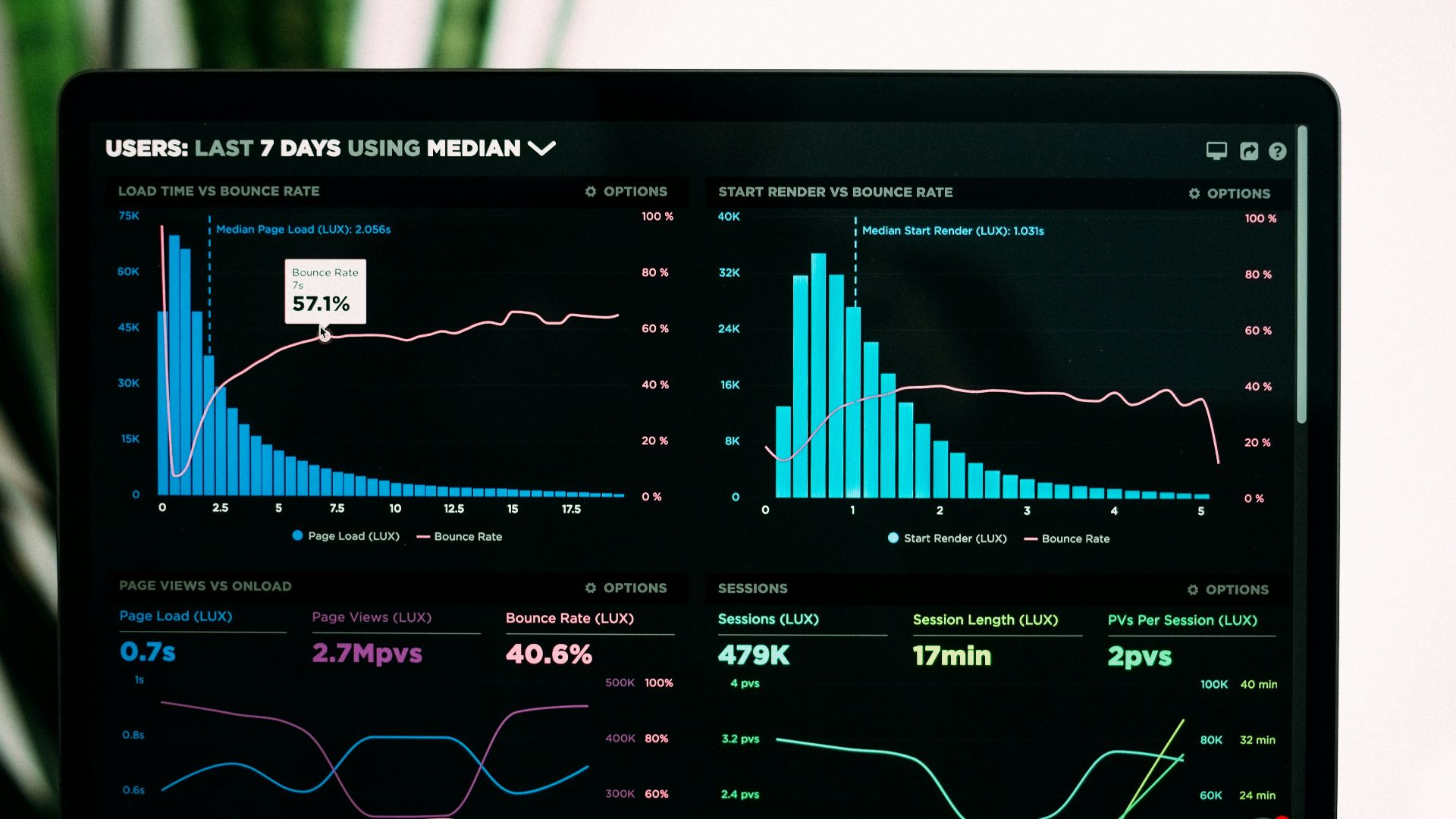
Keeping track of multiple bank accounts, credit cards, and investments can get annoying when you're constantly jumping between different apps. Personal finance dashboards bring information from several accounts together, giving you a clearer overview of your financial situation. Some also calculate your net worth by subtracting your liabilities from your assets. Seeing how that number changes over time can help you figure out whether your financial habits are actually getting you closer to your goals.
9. Smart Plugs
You don't have to make expensive home renovations to cut down on unnecessary energy consumption. Smart plugs allow you to schedule when certain appliances and electronic devices receive power, helping you avoid wasting electricity when they're not being used. Models with energy-monitoring features can also show you exactly how much power individual devices consume. The savings might not be huge, but getting a better understanding of your electricity usage can help you keep household expenses under control.

10. AI-Powered Productivity Tools
Artificial intelligence has created some genuinely useful opportunities for people hoping to increase their earning potential. Tools like ChatGPT and Microsoft Copilot can help with brainstorming business ideas, organizing information, drafting documents, and picking up unfamiliar skills. Freelancers and small-business owners may find them especially helpful for cutting down on repetitive administrative work, leaving more time for paying clients. Of course, you'll still need to double-check important information and make sure these tools are actually saving you time.

11. Tax Preparation Software
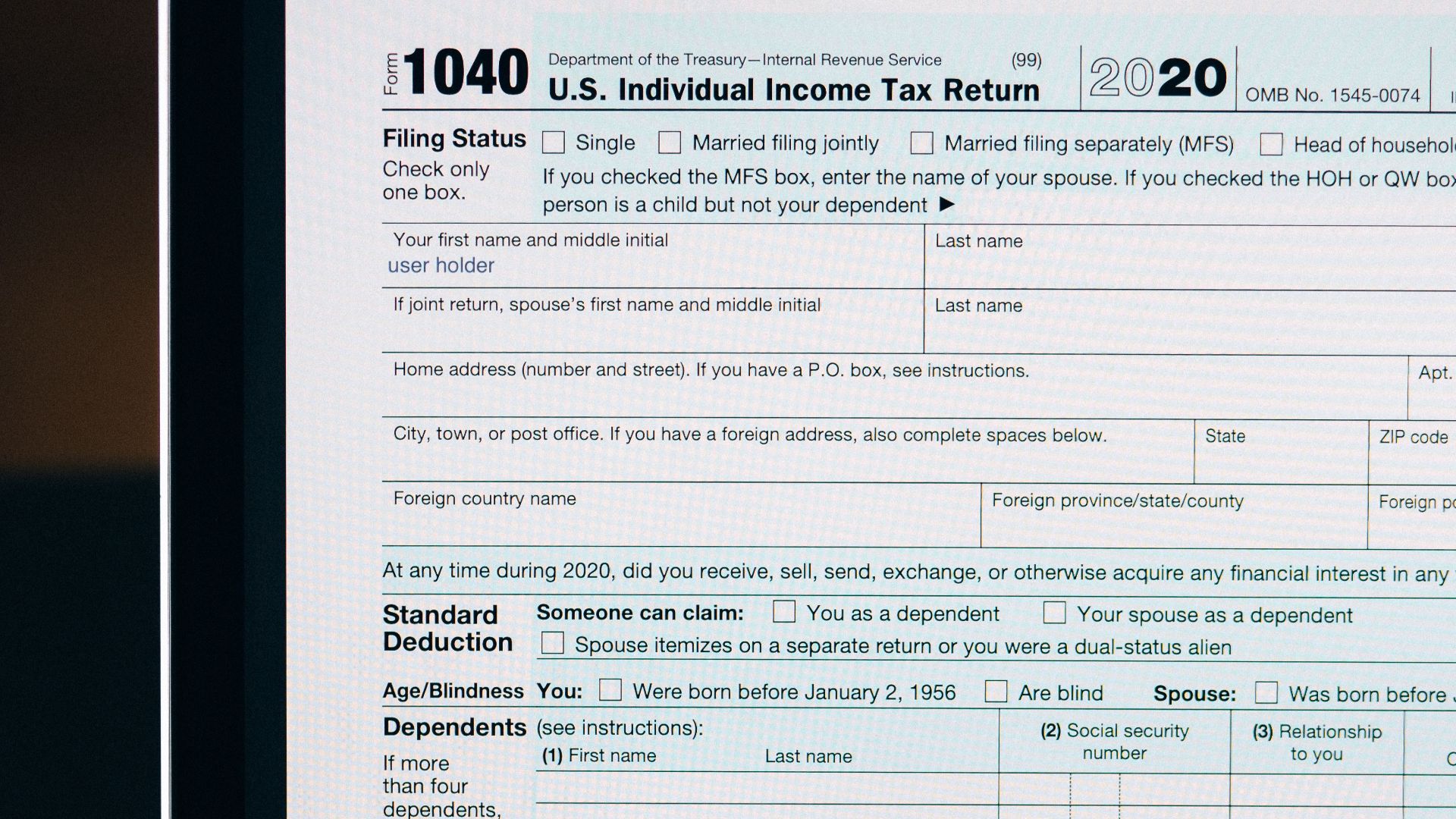
Nobody looks forward to tax season, but missing out on deductions and credits you're eligible for can cost you money. Tax preparation software walks you through the filing process and helps identify potential savings based on your individual circumstances. Many programs can also import information from previous returns or financial institutions, which means less tedious paperwork for you.
12. Price Comparison Browser Extensions
Online shopping can get unnecessarily expensive when you automatically assume the first price you see is the best one available. Browser extensions like Capital One Shopping compare offers from participating retailers and look for potential discounts while you're browsing. Certain tools also display price histories, so you can check whether that supposedly amazing sale is actually a good deal. You won't save money every single time, but paying less for things you already planned to buy can make a difference over the years.

13. Investment Portfolio Analysis Tools
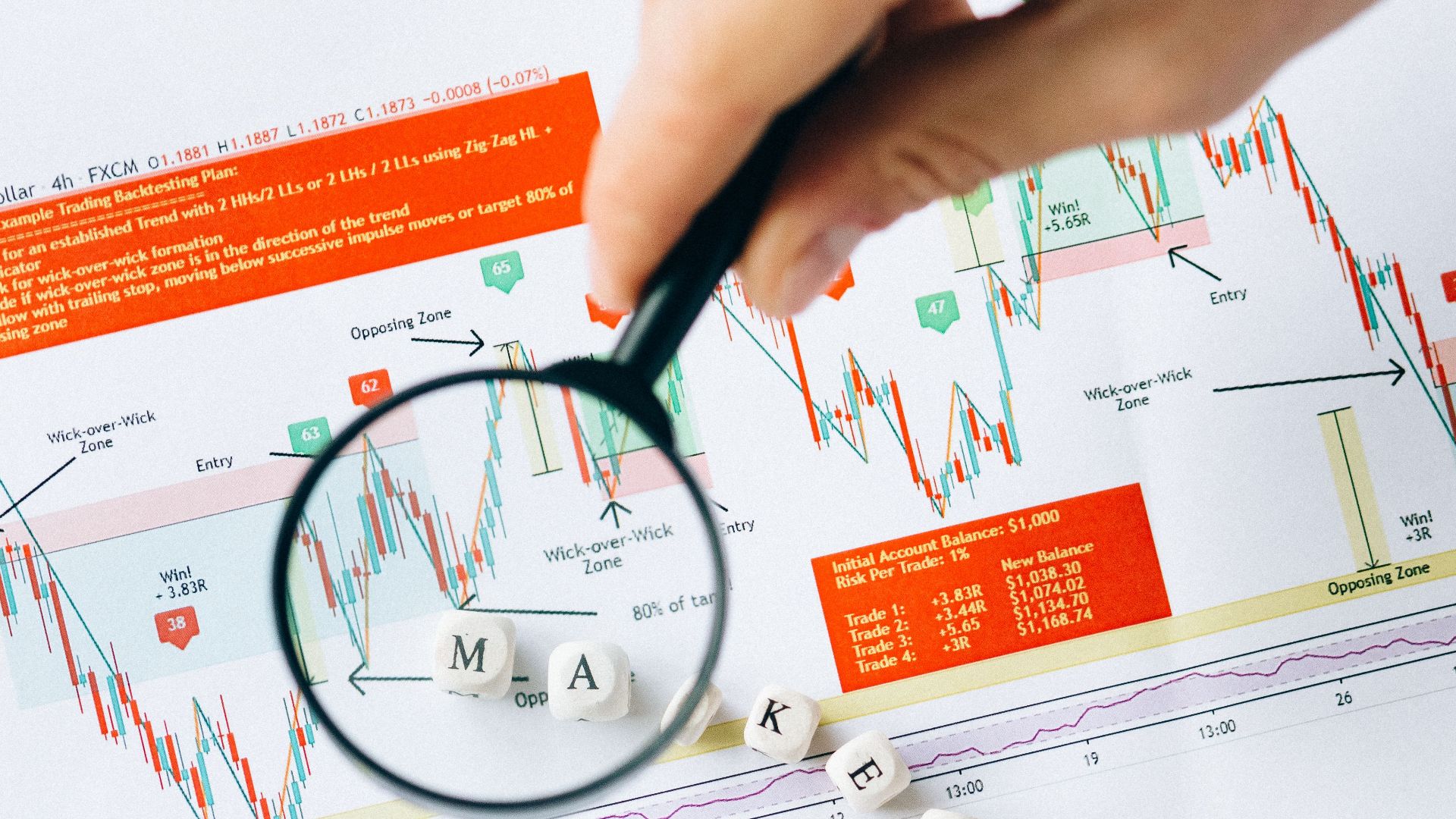
Knowing where your money is invested is one thing, but understanding how well those investments are performing is just as important. Portfolio analysis tools like Morningstar Investor and Portfolio Visualizer help you evaluate your holdings, compare investment strategies, and identify potential risks. Having access to this information can help you make more informed investment decisions and build a portfolio that supports your long-term goals.
14. Credit Monitoring Apps
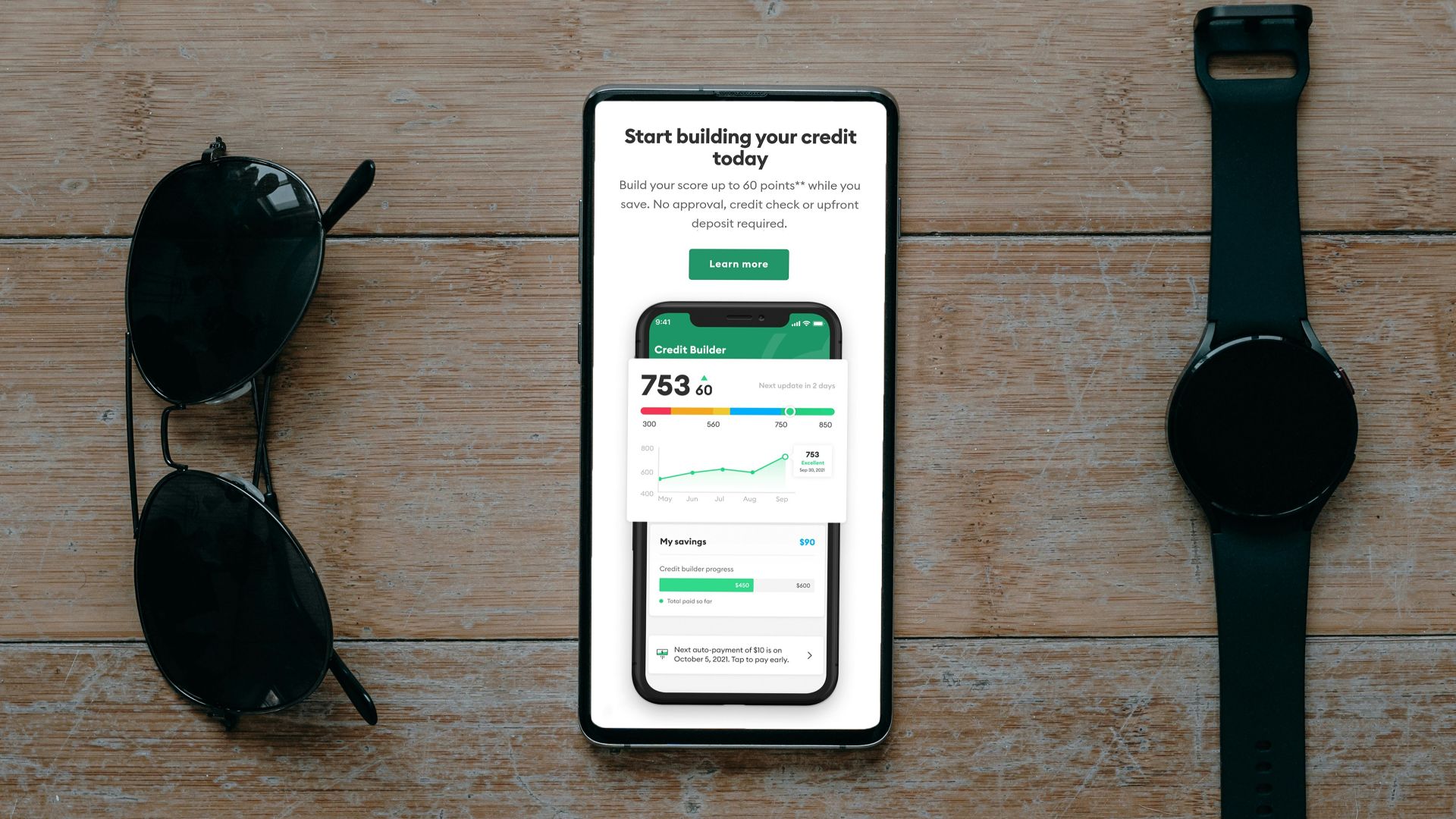
Your credit history can affect how much interest you pay when borrowing money, making it an important part of your overall financial health. Credit monitoring apps let you follow changes to your credit reports and receive alerts about potentially suspicious activity. Some also explain how things like payment history, credit utilization, and outstanding debt can influence your credit score. Catching problems early and developing better borrowing habits could eventually help you qualify for more favorable financing terms.
15. Smart Water Leak Detectors
A minor plumbing leak can turn into a seriously expensive repair if nobody notices it for several days. Smart water leak detectors monitor areas around washing machines, water heaters, and sinks, sending an alert to your phone when they detect moisture. More advanced systems can even shut off your water supply automatically when something goes wrong. Preventing just one major water damage incident could save you thousands of dollars in repairs and replacement costs.

16. Online Learning Platforms
Improving your earning potential often starts with developing skills that employers and clients are willing to pay more for. Platforms like Coursera and Udemy offer courses on everything from programming and digital marketing to accounting and data analysis. Many are relatively inexpensive, and there are plenty of free educational resources available if you're working with a tight budget. Completing a course won't automatically land you a higher-paying job, but putting those new skills to use could create opportunities you didn't have before.

17. Digital Invoicing Software
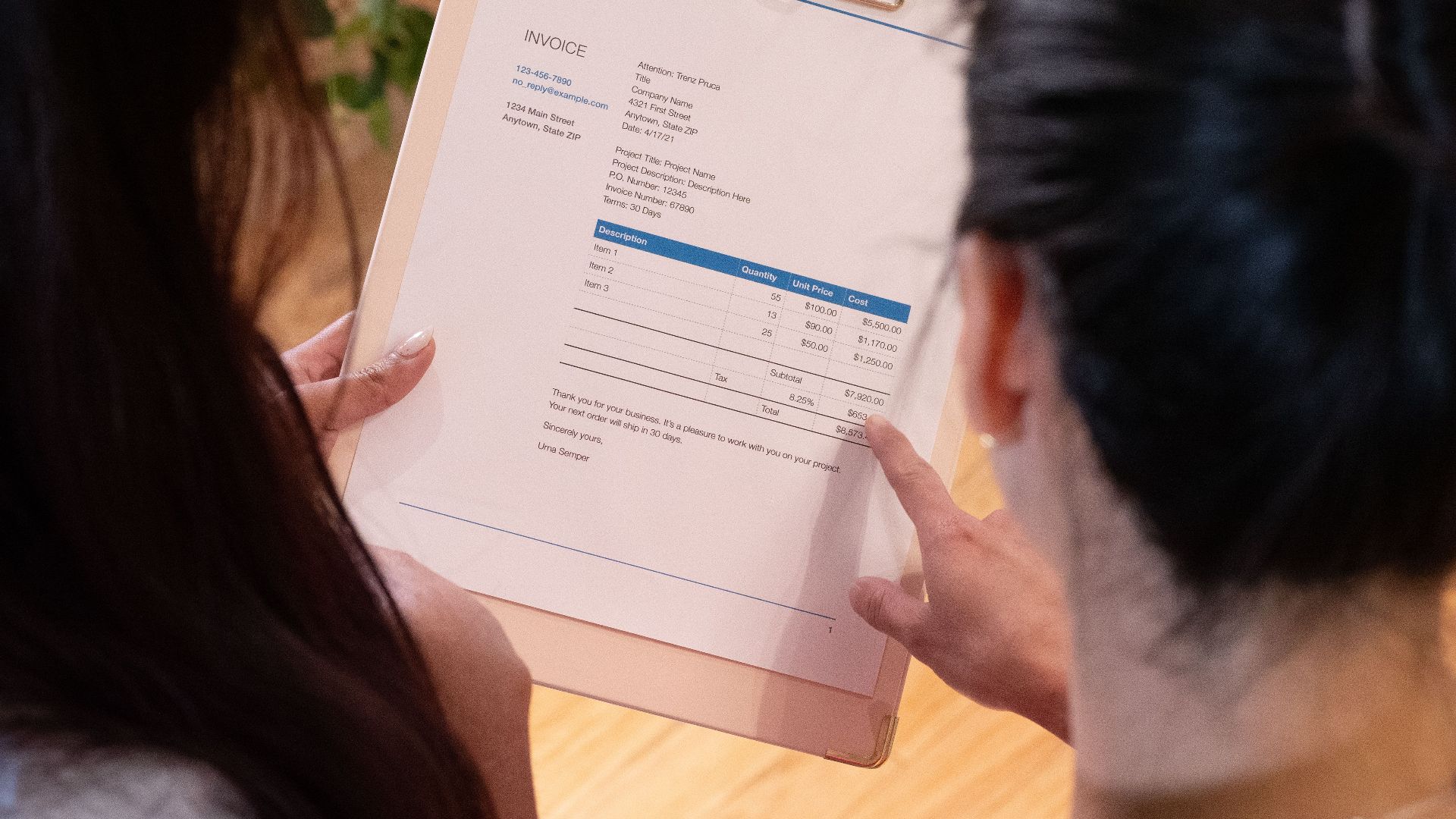
Anyone self-employed knows how frustrating it can be to keep track of clients who haven't paid their invoices. Digital invoicing platforms like FreshBooks and Wave make it easier to create professional invoices, monitor outstanding payments, and keep your transactions organized. Some systems even send automatic payment reminders, saving you from having to repeatedly follow up with clients yourself. Getting paid on time and knowing exactly what's owed to you can make managing your business finances considerably easier.
18. Password Managers
Protecting your existing money is just as important as finding ways to earn more, especially when so much of your financial information lives online. Password managers like 1Password and Bitwarden generate and securely store unique passwords for your accounts. This makes you less likely to reuse the same login information across several websites, which can put multiple accounts at risk if one experiences a data breach.
19. Retirement Planning Calculators
Planning for retirement is much easier when you have a reasonable idea of how much money you'll need to live comfortably. Online retirement calculators let you experiment with different savings amounts, investment returns, and retirement ages to see how they might affect your future finances. Some even factor in inflation and expected retirement income, giving you a more realistic picture of what your savings could look like. The results are only estimates, but they can help you recognize whether it's time to increase your contributions.

20. Automated Savings Apps
Building a savings habit becomes considerably easier when you don't have to remind yourself to put money aside every month. Automated savings apps can transfer a set amount into a designated account or follow certain rules based on your spending activity. Some services even round up everyday purchases and move the difference into savings or investment accounts, depending on which platform you're using. Those small contributions might not seem particularly impressive at first, but over time, they can help you work toward bigger financial goals without constantly thinking about saving.