
The Handoff Nobody Announces
Most of these decisions will change hands without anyone announcing it. A system gets a new default, a company quietly automates another step, and before long, choices that once required human judgment are being made thousands of times a day without it. Many are already partly automated, with a person still expected to review the result. As the workload grows, that final check becomes harder to justify. Here are 20 decisions increasingly being handed over to machines.

1. What You Pay
Airlines and ridesharing apps already adjust prices automatically in response to demand. The next step is more personal: instead of charging everyone the same rate, companies could use what they know about an individual customer to calculate exactly how much that person might be willing to pay.

2. Who Gets The Interview
Most large employers push résumés through software before a human reads one. New York City has required annual bias audits of automated hiring tools since July 2023, which says something about the weight those tools already carry. Handing over the shortlist leaves the hire mostly decided.

3. Whether You Get The Loan
Credit scoring has run on statistics since the 1950s, so most of this handoff happened decades ago. What's left is the explanation, since a model weighing a thousand signals can't say what sank you. Lenders still have to explain why they turned someone down, and the CFPB made clear in 2023 that a complicated algorithm doesn't excuse an unclear answer.

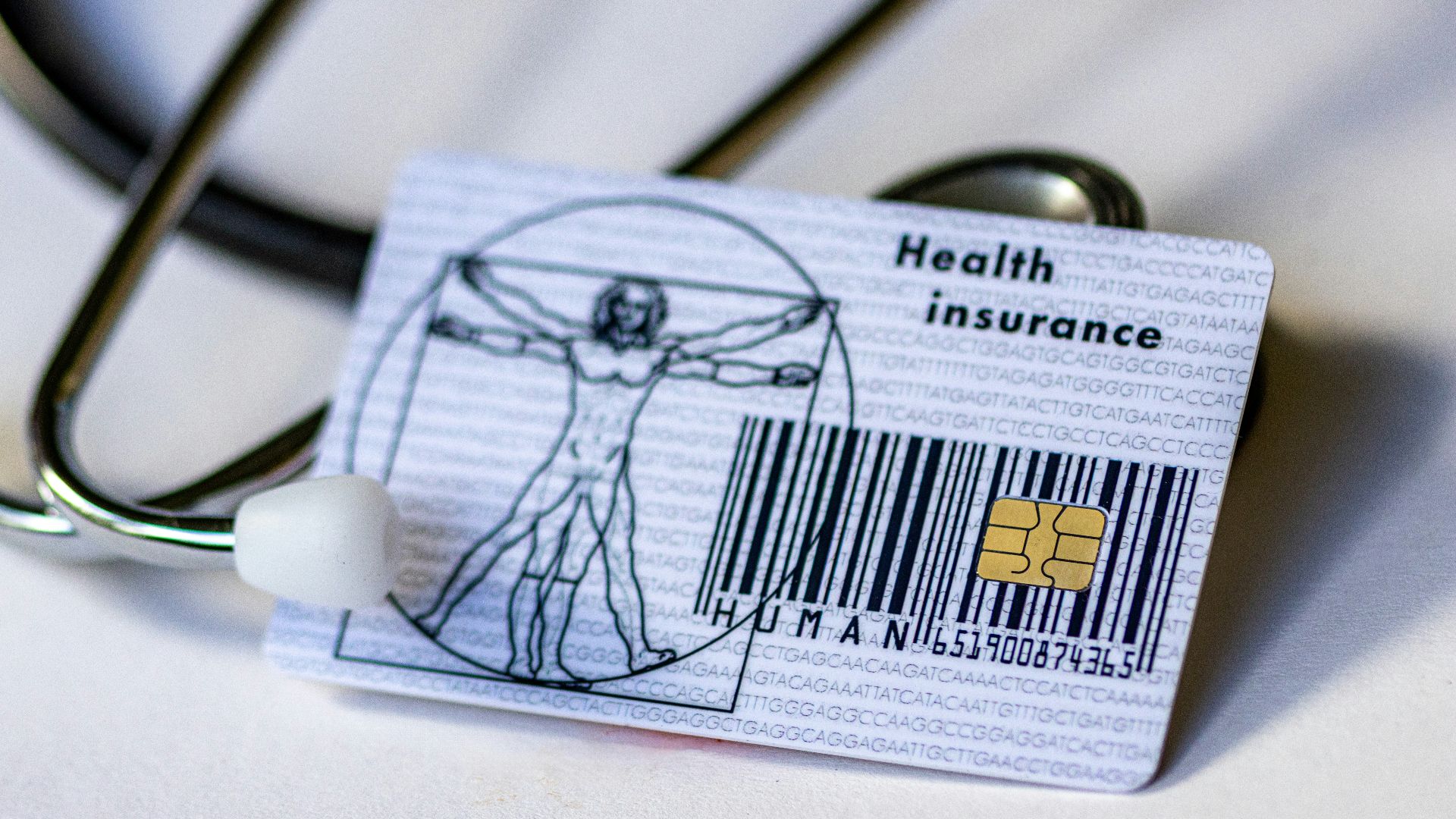
4. Your Insurance Claim
A 2023 lawsuit accused UnitedHealth of using an algorithm called nH Predict to cut short post-acute care for Medicare Advantage patients, with staff discouraged from overriding its estimates. Claims review is where automation gets expensive for somebody. The override rate is the number to ask about.
5. Who Gets The Ambulance
Copenhagen tested speech software that listens for signs of cardiac arrest during an emergency call. A randomized trial published in 2021 found it flagged more possible cases without improving what dispatchers recognized. Somebody has to decide which kind of error they'd rather live with.
 Lalithmalhaar Gudi on Unsplash
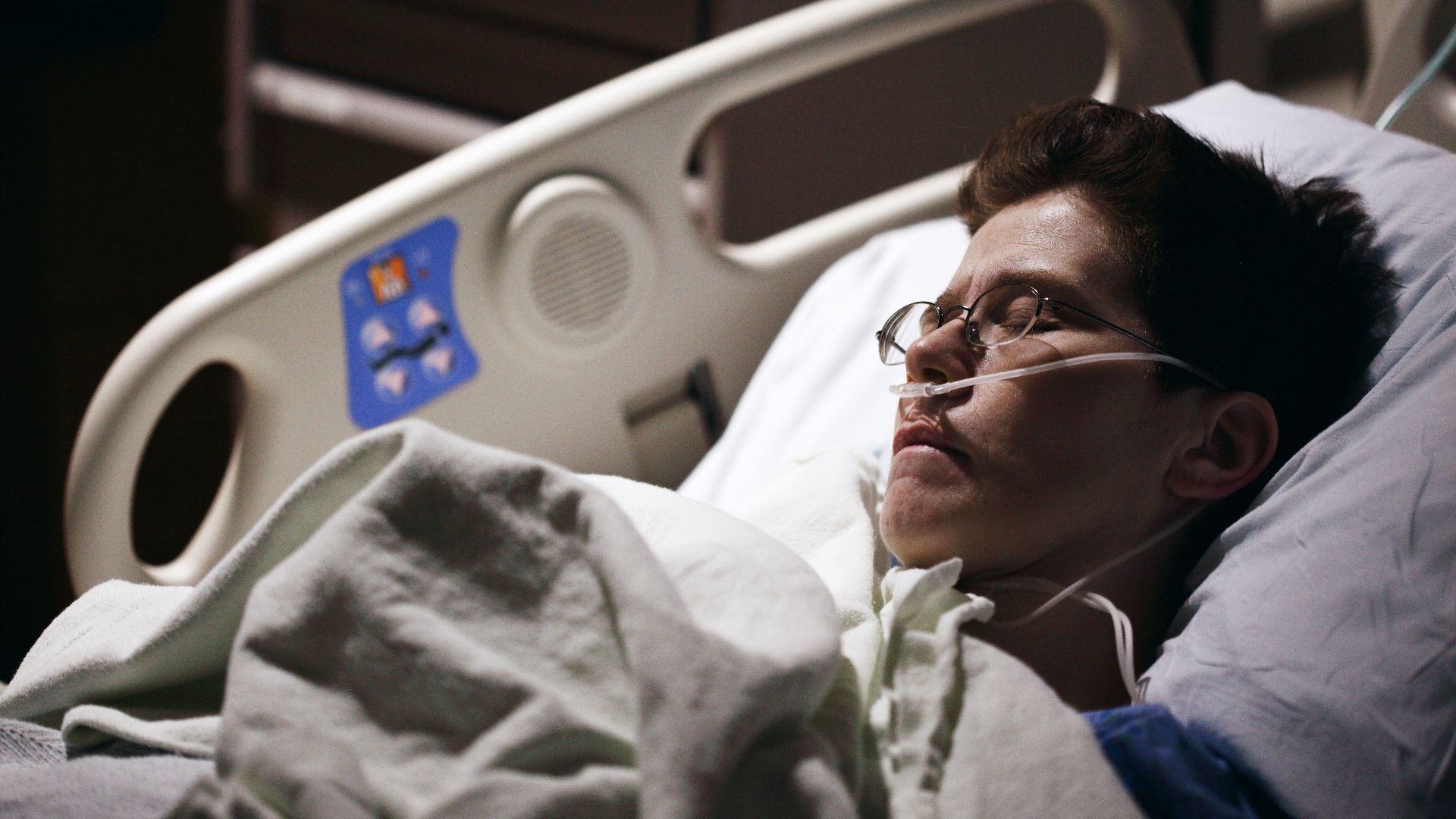
6. When A Patient Is Crashing
Hospital software scores patients for deterioration and pages a nurse before the chart looks alarming. A 2021 study in JAMA Internal Medicine found Epic's widely installed sepsis model missed most cases while firing on patients who were fine. It was running at hundreds of hospitals.
7. Which Embryo
Embryologists grade embryos by eye, and they disagree with each other more often than patients would guess. Image models now rank the same embryos and propose a transfer order. Trials so far haven't shown the ranking beating an experienced human, which hasn't slowed the rollout.

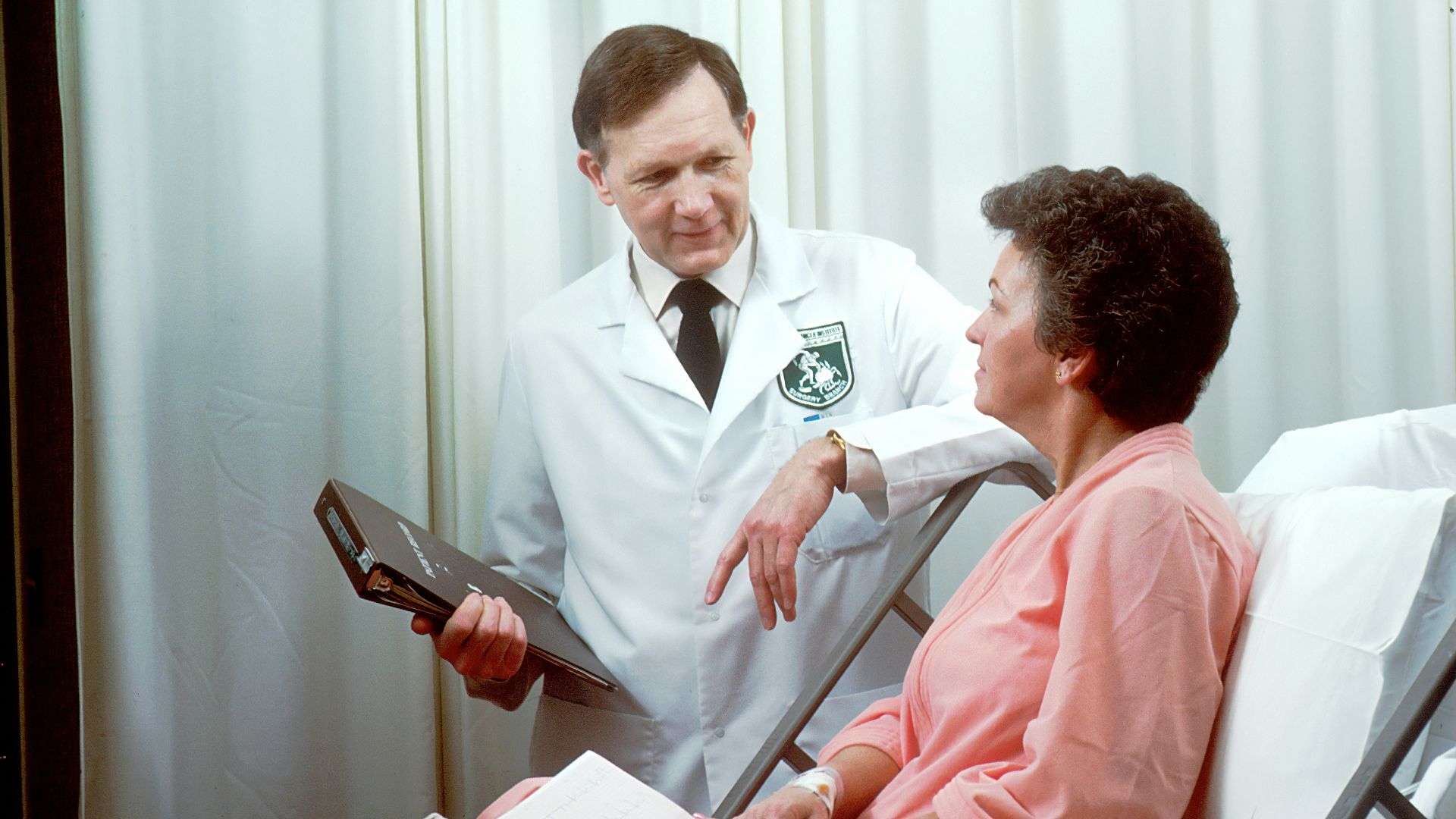
8. When To Start The Hard Conversation
A Stanford team built a model predicting which hospitalized patients are likely to die within the year, not to change treatment but to trigger a palliative care referral. The goal was catching conversations that get postponed until nobody can have them. A prediction the patient never hears is still a decision about that patient.
 National Cancer Institute on Unsplash
9. Bail And Parole
Risk scores have sat on American judges' desks for years. Wisconsin's Supreme Court allowed COMPAS scores at sentencing in 2016 while cautioning judges not to rely on them, a hard instruction to follow with the number in front of you. Whether judges push back is the part nobody accounted for.

10. Which Families Get Investigated
Allegheny County in Pennsylvania has scored child welfare referrals since 2016, ranking calls so screeners know which to chase. The model leans on public records, so families who have used public services show up in more detail. Visibility and risk are not the same thing.

11. Who Gets Flagged For Fraud
A Dutch court shut down the government's SyRI welfare fraud system in 2020 on privacy grounds. The country was already working through a scandal in which tens of thousands of families were wrongly accused of childcare benefit fraud, and the cabinet resigned over it in 2021. Automated suspicion is remarkably hard to appeal.

12. Visa And Asylum Sorting
The UK Home Office scrapped its visa streaming tool in 2020 after a legal challenge argued the nationality input had created a loop. Applications from flagged countries drew extra scrutiny, and the extra refusals that followed reinforced the flag. The tool is gone and the sorting problem isn't.

13. Your Grades
England canceled exams in 2020 and let an algorithm assign A-level results from teacher estimates and each school's past performance. Close to 40 percent of grades landed below what teachers predicted, with the steepest drops at schools with weaker histories. The government reversed it inside a week.

14. Who Gets Targeted
Reporting by +972 Magazine and the Guardian in 2024 described Israeli military systems generating target lists faster than human review could keep up with, with brief sign-offs on each name. Other militaries are building comparable tools. Years of UN talks on autonomous weapons have produced no binding rule.

15. Where The Police Go
Predictive patrol software routes officers toward blocks a model expects trouble on, trained on past reports. Los Angeles ended its PredPol contract in 2020, after an inspector general review struggled to measure whether the program did anything. Plenty of other departments kept theirs running.

16. Braking And Steering
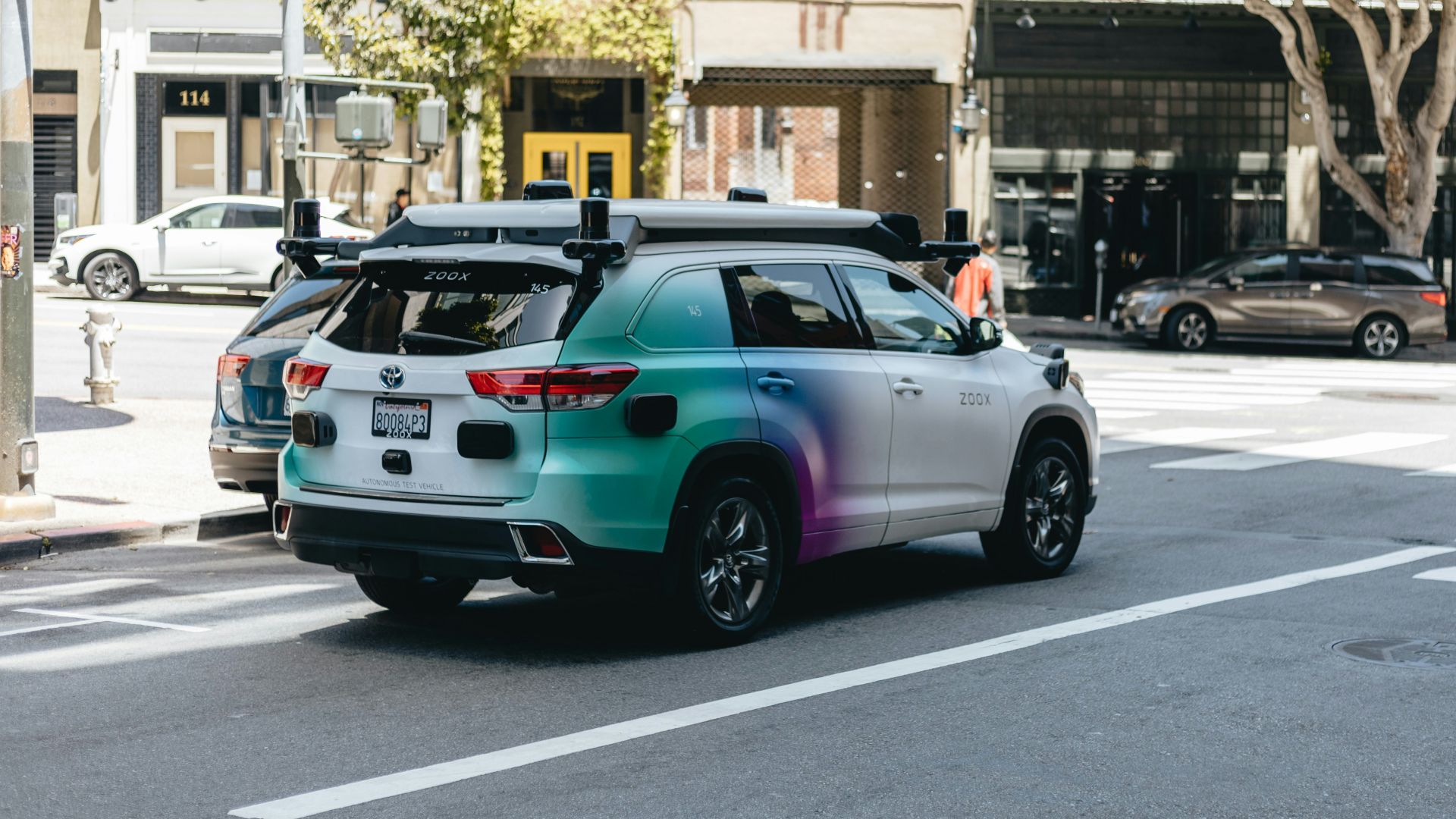
A driverless taxi makes thousands of small calls per ride that used to be yours, including which gap in traffic it takes and how hard it brakes for a cyclist. Human drivers settle those with eye contact. The software settles them with a policy somebody wrote and tuned last quarter.
17. When Your Appliances Run
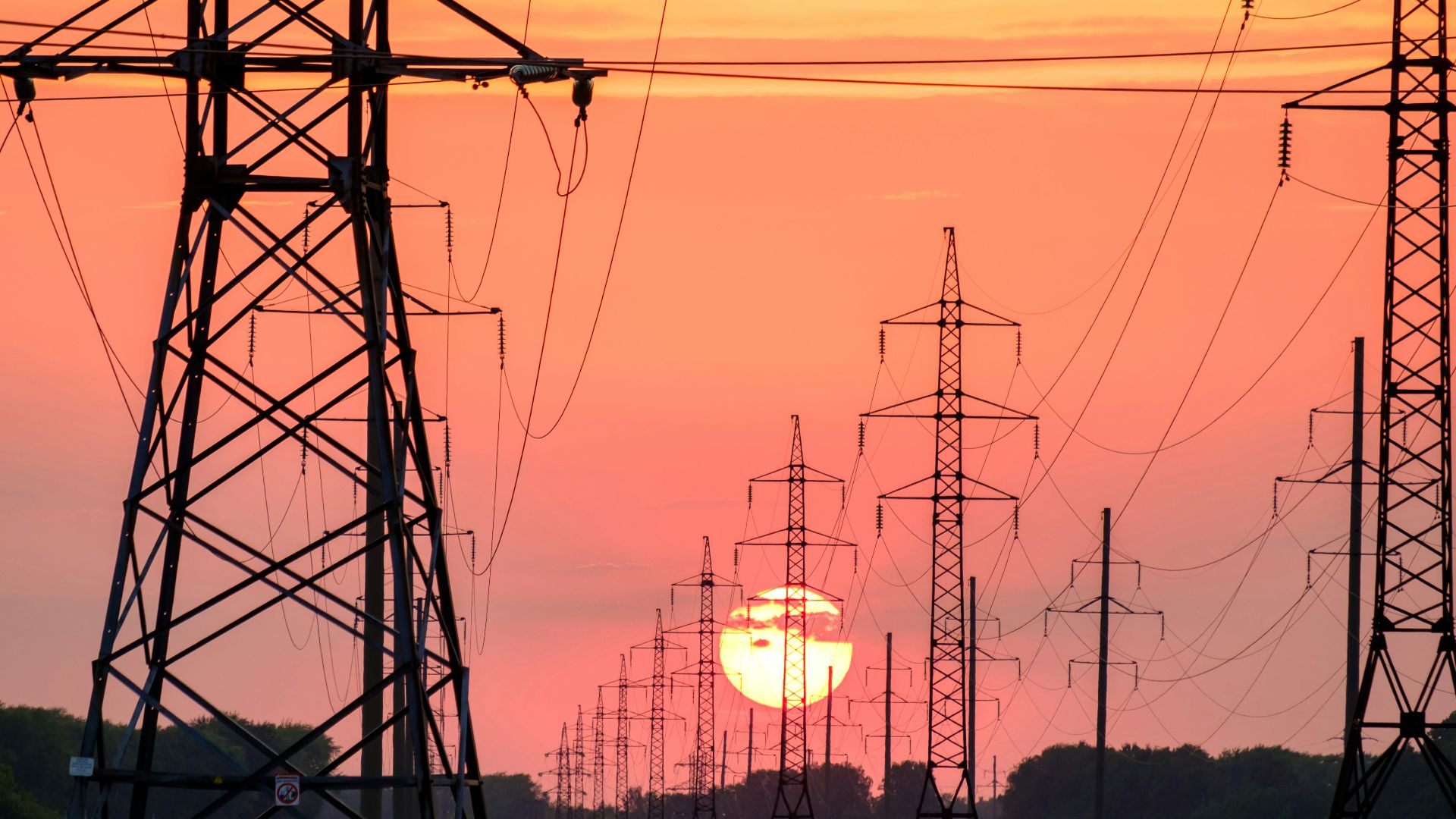
Grid operators are shifting toward software that moves demand instead of building supply, so your water heater and car charger run when the grid is cheap rather than when you press the button. Utilities have offered opt-in versions for years. What's changing is the default.
18. Which Experiments Get Run
Self-driving labs pick the next compound to test from what the last round returned, cutting out the stretch where a scientist stares at results. Choosing what to test is also choosing what gets found. A model trained on published literature inherits everything that literature skipped.

19. What You See
Ranking systems decide which posts reach you and which come down, at a volume no moderation team could read. Appeals mostly go to another model. Removals get noticed, ranking doesn't, and ranking is doing far more of the work.

20. Who Gets Cut
Workforce platforms already score performance and flag who looks likely to quit. Pointing that model at a layoff list is a configuration change rather than a new product. Companies will say a human made the final call, and the human will pick from a list they didn't assemble.