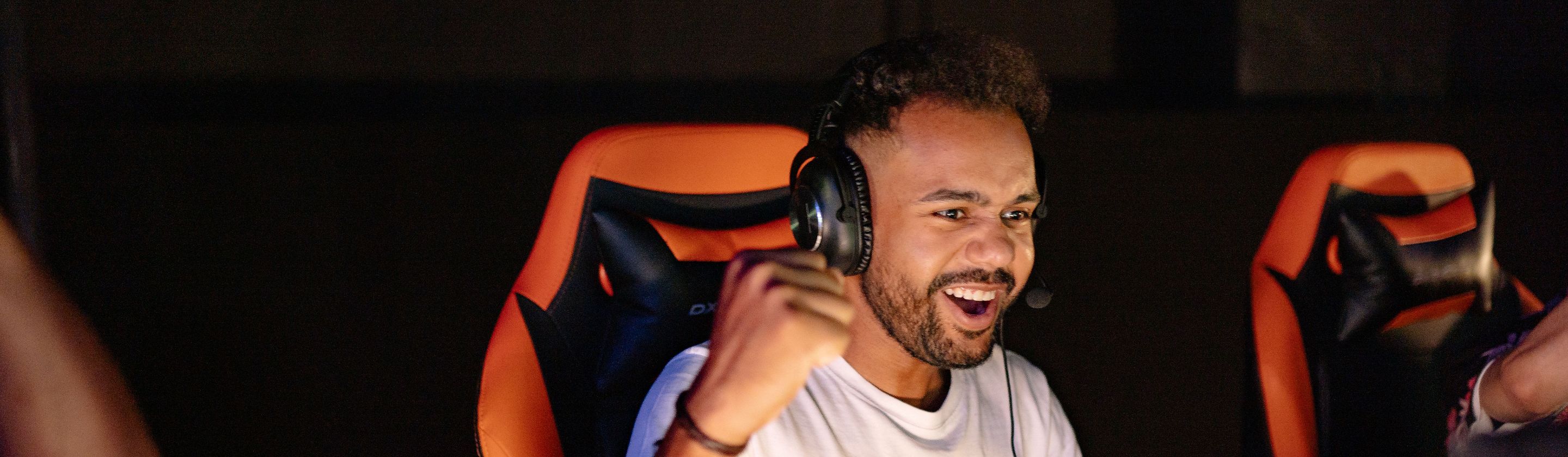
"Backlog" Guilt: Are We Buying More Games Than We’ll Ever Play?
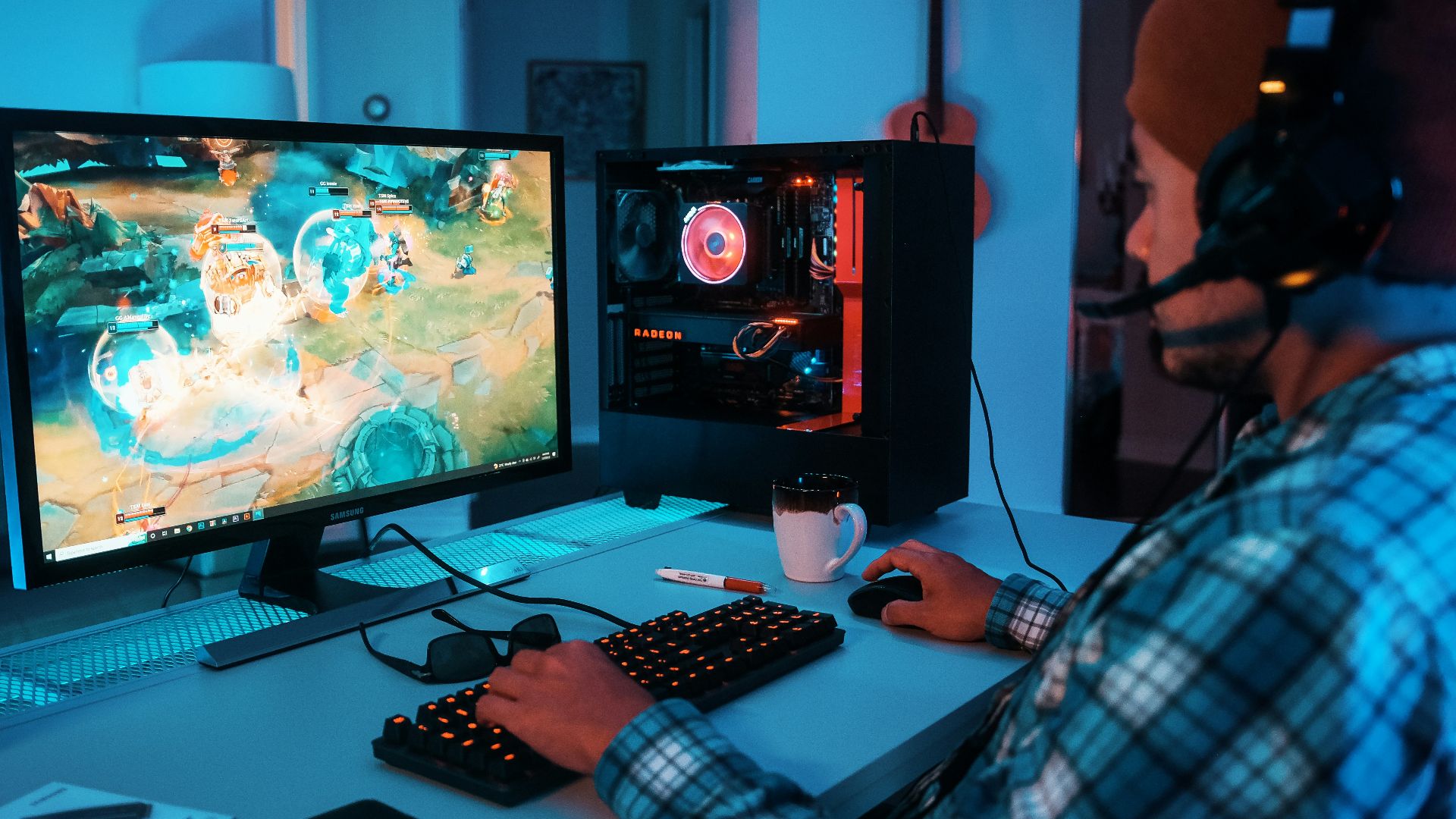
You open your favorite digital gaming storefront, fully intending to finally start that massive role-playing game you bought six months ago. Before you can even click the download button, a flashy banner advertisement catches your eye, announcing a massive seasonal holiday discount event. Suddenly, three critically acclaimed survival games and a highly praised colony simulator are sitting in your virtual shopping cart for a fraction of their original retail prices. You pull out your wallet, complete the transaction, and add them to a rapidly growing library of unplayed software that you promise yourself you will definitely get to eventually.
This familiar cycle has created a unique modern phenomenon known across the global gaming community as backlog guilt. It is that subtle, persistent pang of anxiety you feel when looking at hundreds of untouched titles gathering dust on your account dashboard. You are certainly not alone in this habit, as digital distribution networks have completely transformed how we consume interactive media. Exploring the underlying psychology of this digital hoarding reveals that buying habits say a lot more about personal aspirations than actual free time.
The Psychology of Future Intentions

When a brand-new video game is purchased on sale, it is not just the purchase of a piece of digital software; it is actually the purchase of the free time that is wished to be available to enjoy it. Psychologists have noted that the act of shopping triggers a powerful release of dopamine linked to the anticipation of a future reward. The brain visualizes a cozy, uninterrupted weekend spent exploring a rich fantasy world or building a thriving digital settlement from scratch. The transaction itself provides an immediate burst of satisfaction, even if the actual daily schedule is completely packed with professional and personal responsibilities.
This disconnect between idealistic future selves and realistic daily constraints is where the backlog begins to quietly pile up. Games are accumulated during massive seasonal sales because the financial barrier to entry has become incredibly low compared to the past. It feels like a missed opportunity to pass up a deep discount, so titles are collected like rare books on a library shelf. Unfortunately, while digital storage space has become virtually limitless, the number of hours available in a week remains completely unyielding.
Furthermore, the gaming industry has shifted heavily toward massive, open-world experiences and infinite live-service simulators that demand hundreds of hours of dedication. A single modern tactical role-playing game can easily consume two months of casual evening playtime before the final credits roll. When balancing these massive time investments with a standard work-life routine, the digital library inevitably outpaces stamina. The realization of falling behind can transform a relaxing hobby into a lingering source of low-level mental obligation.
The Architecture of Digital Storefronts
Modern online marketplaces are meticulously engineered by behavioral economists to maximize user spending through clever interface design and social pressure. Features like personalized wishlists, flash discounts, and limited-time bundles are specifically structured to trigger a psychological phenomenon known as the fear of missing out. A direct smartphone notification is received the exact second a game on the radar drops in price, creating a false sense of financial urgency. This constant stream of tailored marketing makes buying games feel like a highly rewarding mini-game in its own right.
Additionally, the transition from physical discs to completely digital libraries has fundamentally altered the psychological relationship with ownership. When games existed as plastic cases on a physical bedroom shelf, the literal lack of space acted as a natural constraint on purchasing habits. Digital storefronts elegantly remove this physical friction, allowing hundreds of unplayed titles to be hidden behind a clean, collapsed menu tab. Out of sight often means out of mind, until a full inventory is accidentally scrolled past and a sudden wave of consumer regret is felt.
The rise of subscription services has further complicated this dynamic by granting instant access to massive catalogs containing hundreds of rotating titles. While these services offer incredible value, they also create an overwhelming paradox of choice where more time is spent browsing menus than playing. The sheer abundance of available options can lead to a state of mental paralysis where a game is abandoned after just twenty minutes because another title appears slightly more enticing. This hyper-abundant environment naturally diminishes patience and makes it harder to truly connect with a single piece of art.
Reframing how the unplayed collection is viewed is the first major step toward alleviating unnecessary guilt associated with modern gaming habits. Writer and statistician Nassim Nicholas Taleb popularized the concept of the "Antilibrary," arguing that a collection of unread books is a powerful reminder of all the things that have yet to be learned. Similarly, a gaming backlog can be viewed as an exciting menu of future possibilities rather than a stressful checklist of unfulfilled duties. It represents a rich world of potential adventures that are waiting whenever genuine readiness to dive in arrives.