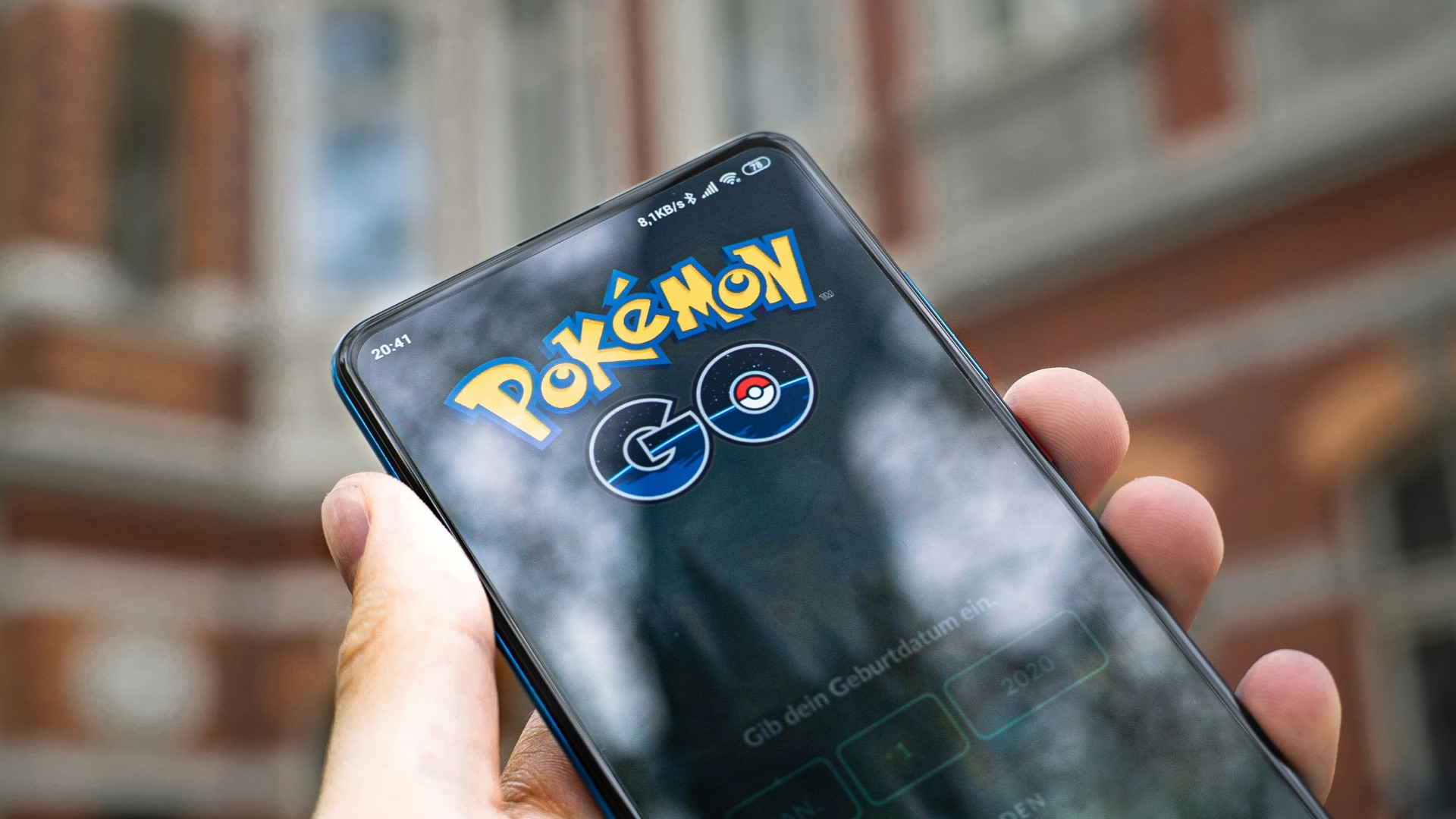
For a few unforgettable weeks in the summer of 2016, it seemed like the entire world had its phone out and its eyes glued to the screen, wandering through parks, sidewalks, and shopping malls in search of imaginary creatures. Pokémon Go turned ordinary city blocks into hunting grounds, and people who hadn't picked up a video game controller in years suddenly found themselves walking miles a day to track down a Pikachu or a Squirtle. The app became a cultural phenomenon almost overnight, and its reach extended far beyond the usual gaming crowd.
What made this particular game so different from the countless other mobile titles that have come and gone? The answer involves a mix of nostalgia, clever technology, and timing that few developers could have predicted, let alone replicated. Understanding why so many people fell under its spell requires looking at the forces that converged to make Pokémon Go more than just another app on your home screen.
The Perfect Storm of Nostalgia and Technology
A huge part of the game's appeal came down to who grew up with the original Pokémon franchise. The first games launched in Japan back in 1996, and an entire generation of kids spent their childhoods trading cards, watching the cartoon, and battling through the Game Boy titles. By 2016, those same kids had grown into adults with disposable income and smartphones in their pockets, and Pokémon Go gave them a chance to relive that excitement in a completely new way.
The timing also lined up with major advances in mobile technology that hadn't existed when Pokémon first launched. Smartphones now had reliable GPS, capable cameras, and enough processing power to layer digital creatures onto real-world camera feeds in real time. This augmented reality element wasn't entirely new, but it had never been packaged this cleanly or paired with a brand this beloved.
Niantic, the company behind the game, had already experimented with location-based gameplay through its earlier title, Ingress. That experience gave the studio a head start on the technical groundwork needed to pull off something as ambitious as Pokémon Go, and the combination of that infrastructure with Nintendo's intellectual property turned out to be a winning formula. The game launched with approximately 150 Pokémon species and quickly became one of the most popular and profitable mobile apps of 2016, amassing over 500 million downloads worldwide.
A Game That Got People Moving and Mingling
Unlike most mobile games that keep you glued to a couch, Pokémon Go encouraged you to actually leave the house. Catching Pokémon, spinning PokéStops, and battling at gyms all required physical movement through real locations, which meant players were walking, biking, and exploring neighborhoods they might otherwise have never visited. This built-in incentive to get outside set it apart from nearly everything else on the app store at the time.
The numbers behind this movement were staggering. Sensor Tower estimated that the game racked up more than 75 million installs across iOS and Android within its first few weeks, and it took only 19 days after release for the game to surpass 50 million downloads, a pace that dwarfed previous record holders like Color Switch and Slither.io. Those figures reflected not just curiosity but a genuine willingness among players to change their daily habits for the sake of the game.
Beyond the exercise angle, the game also fostered an unusual amount of in-person social interaction for something experienced primarily through a phone screen. Strangers gathered in parks at lures, struck up conversations while waiting for rare spawns, and formed informal groups to raid gyms together. This sense of shared experience gave the game a community feel that few other apps had managed to create, and it turned solitary phone use into something closer to a group activity.
The Cultural Moment That Followed
Businesses caught on to the craze almost immediately and moved quickly to capitalize on it. Partnerships with retail chains like Starbucks, McDonald's, and Sprint allowed those companies to pay Niantic for increased foot traffic at their locations, turning real-world stores into in-game destinations and giving the company another reason to keep players hooked. Restaurants and shops without official partnerships often improvised their own promotions, offering discounts to anyone who could prove they'd caught a Pokémon nearby.
The revenue figures matched the cultural buzz. By September 2016, the game had generated more than $440 million in global revenue, and it reached $500 million in revenue after only 60 days on the market, making it the fastest mobile game ever to hit that mark. Seasonal events only added fuel to the fire; the Halloween event in October 2016 brought a surge in revenue of up to 133%, pushing the game back to the top of the highest-grossing app charts.
Recognition from outside the gaming world soon followed. The game earned five Guinness World Records in August 2016 alone, including most revenue grossed by a mobile game in its first month and most international charts topped simultaneously. These honors confirmed what anyone watching the streets that summer already knew: this wasn't just a passing trend, it was a genuine cultural event.
Pokémon Go succeeded because it brought together childhood nostalgia, cutting-edge mobile technology, and a built-in incentive to connect with both the outside world and other people. Few games before or since have managed to pull players away from their couches and into public spaces in such large numbers, and the financial and cultural records it set reflect just how unusual that achievement was. Even as the initial frenzy cooled, the app left a lasting mark on how developers think about blending digital experiences with the physical world, proving that sometimes the simplest idea, getting people outside to chase something they loved as kids, can capture the world's attention in ways no one quite expects.