The Room Where No One Worked
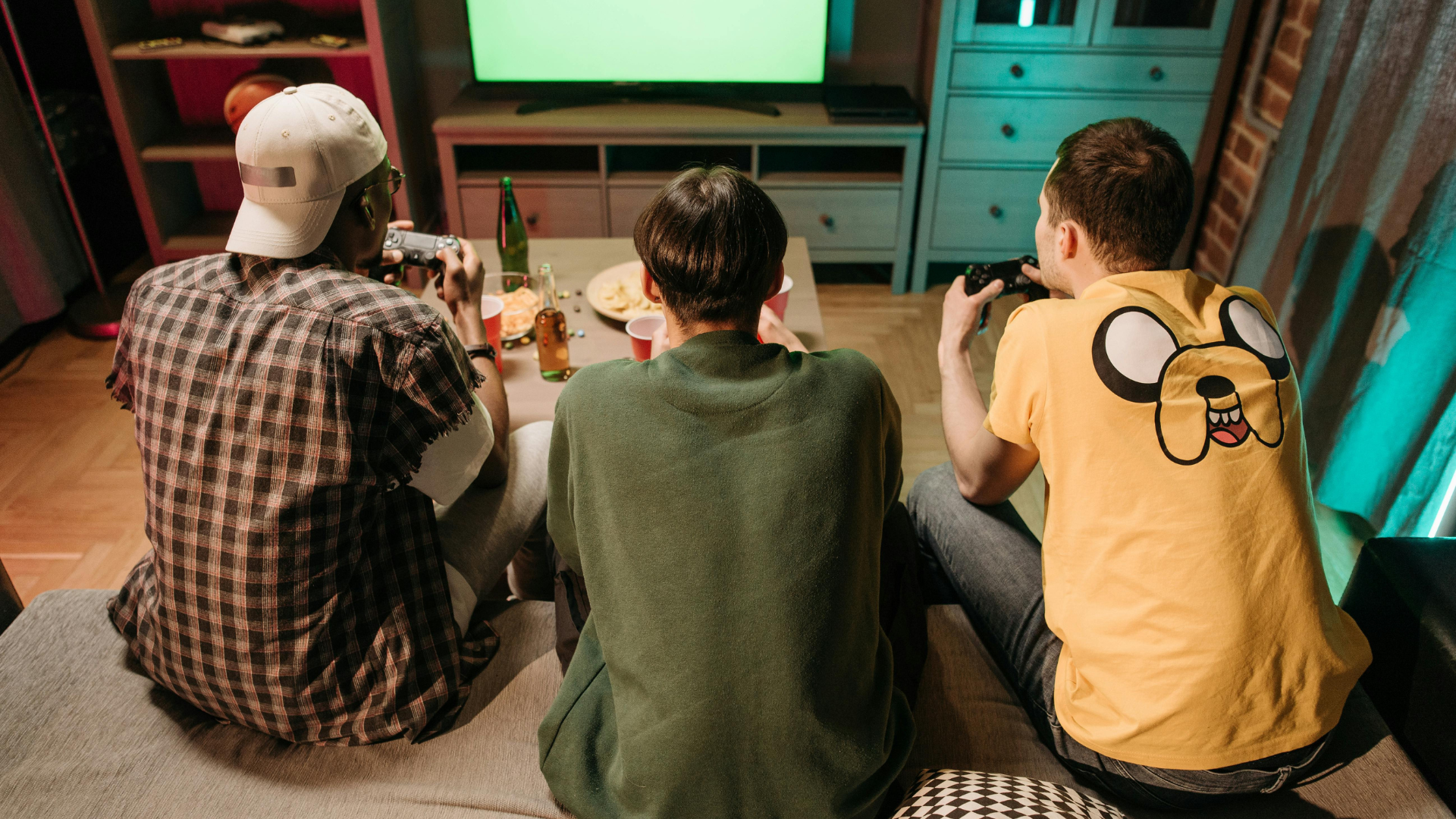
Computer lab games had a special place in school life. They ran on old computers, opened fast, and gave us something better to do when class started to drag. Some were made for learning, which made them much easier to explain if a teacher happened to walk by. Others were just games, and everyone in the room knew exactly why they were open. The best ones were simple to start, hard to quit, and perfect for those moments when we weren’t exactly rushing back to our work, which is why these 20 computer lab games are still so easy to remember.
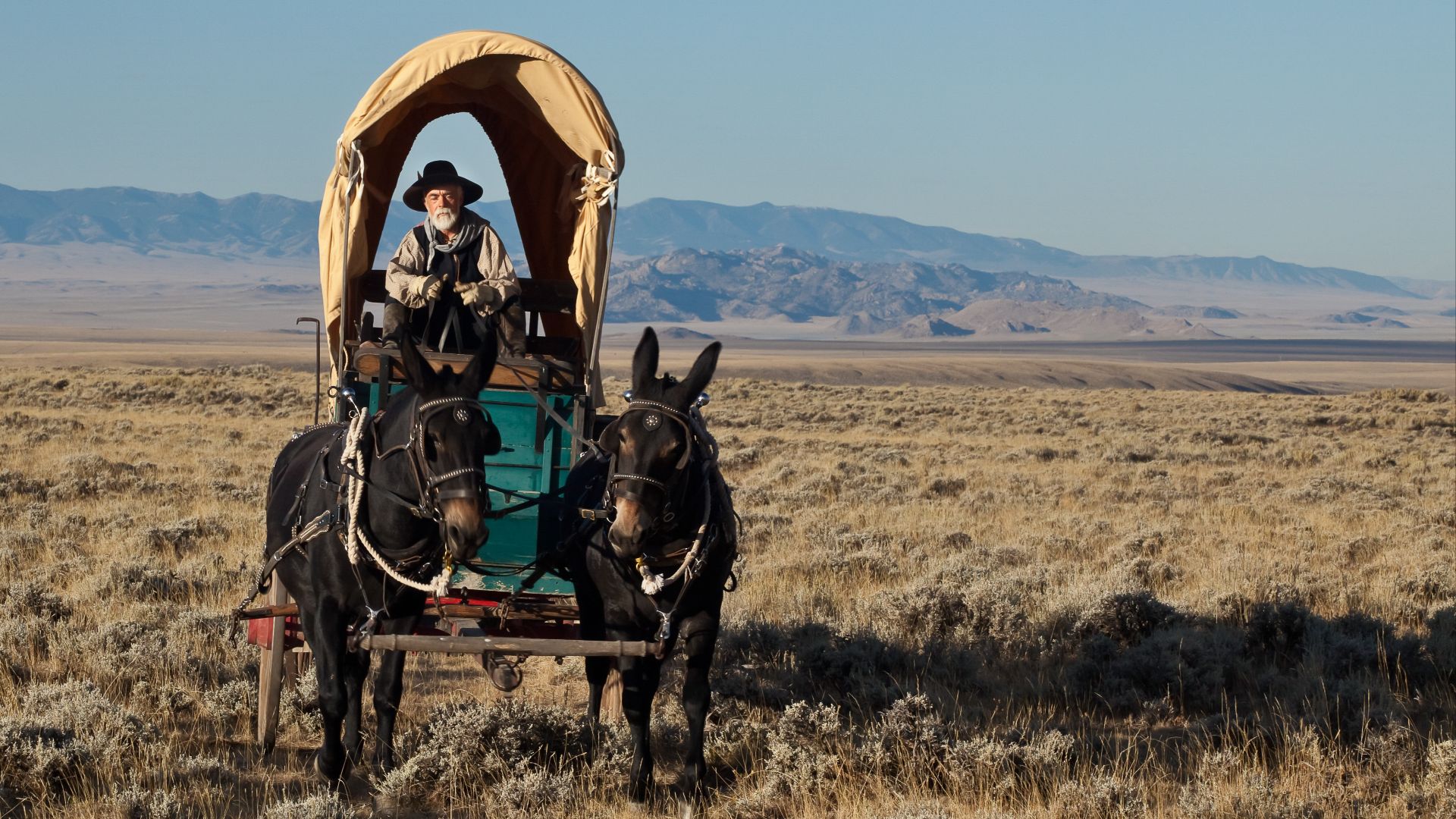 Bureau of Land Management on Wikimedia
1. The Oregon Trail
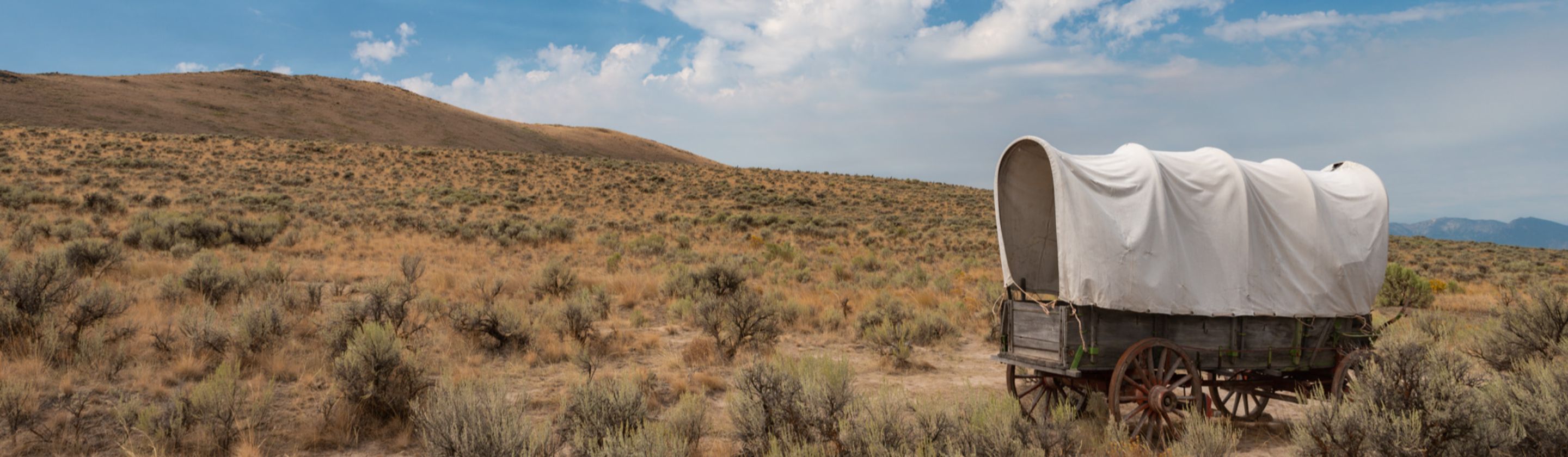
The Oregon Trail was one of the rare games that actually made sense in a classroom. It taught players about westward travel, supplies, danger, and survival, though most of us remember the messier parts. Broken wagon pieces, risky river crossings, hunting trips, and bad news about party members were all part of the experience.
2. Number Munchers
Number Munchers made math feel a little less like math, which was no small win. You had to pick the right answers, including factors, multiples, primes, and equations, while Troggles moved around the board. It still asked you to think, but at least something was engaging on screen.

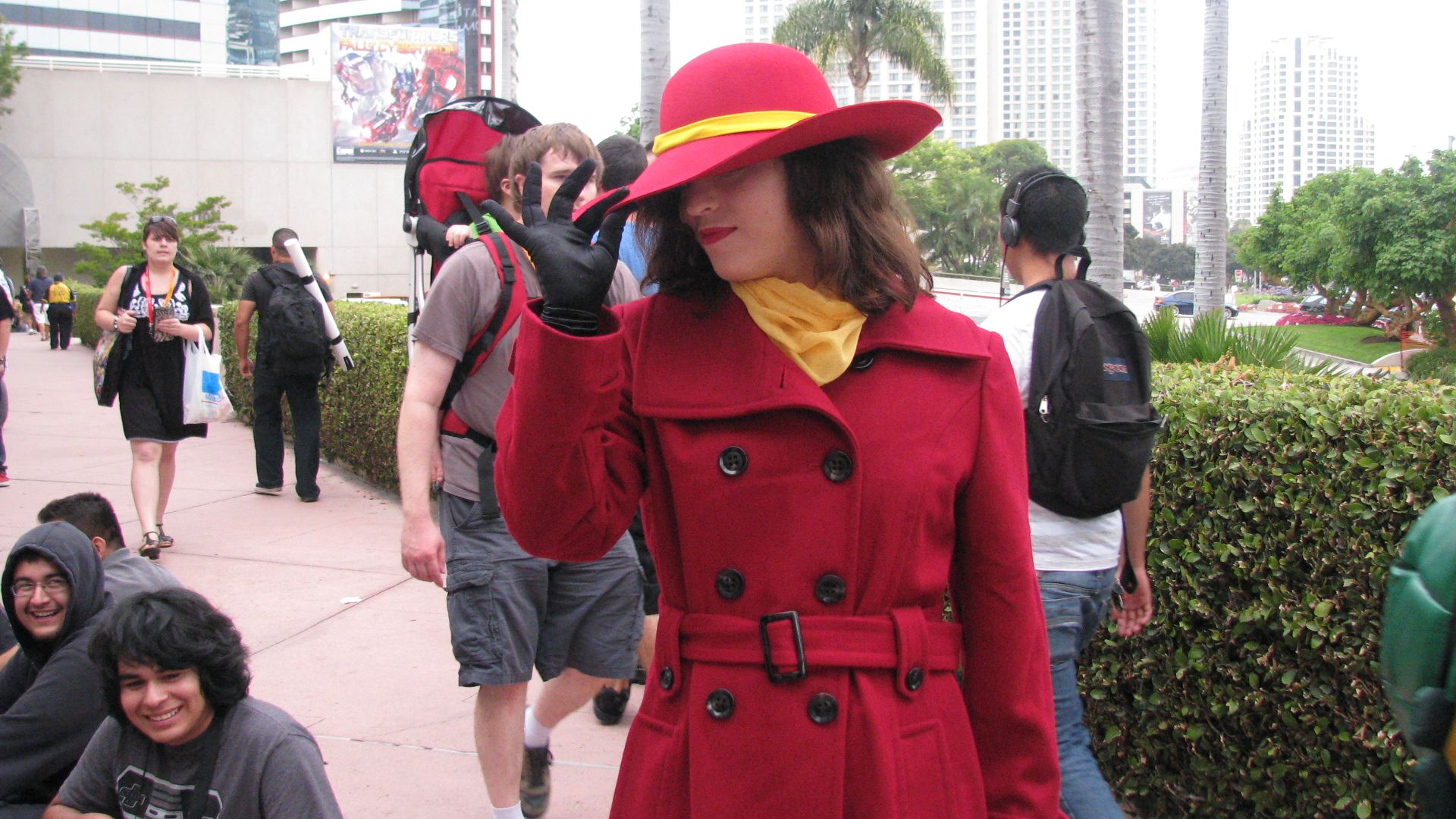
3. Where In The World Is Carmen Sandiego?
Where in the World Is Carmen Sandiego? made geography feel like something you could actually get pulled into. You followed clues, chased suspects, and picked up details about countries, landmarks, and travel along the way. It counted as learning, which made playing it during class feel even better.
 William Tung from USA on Wikimedia
4. Math Blaster!
Math Blaster! gave math drills a brighter setup with space themes, lasers, and action. You still had to solve problems, so nobody was fully escaping the lesson here. The difference was that each answer felt like part of a game instead of another blank space on a worksheet.
 JumpStart (Knowledge Adventure) on Wikimedia
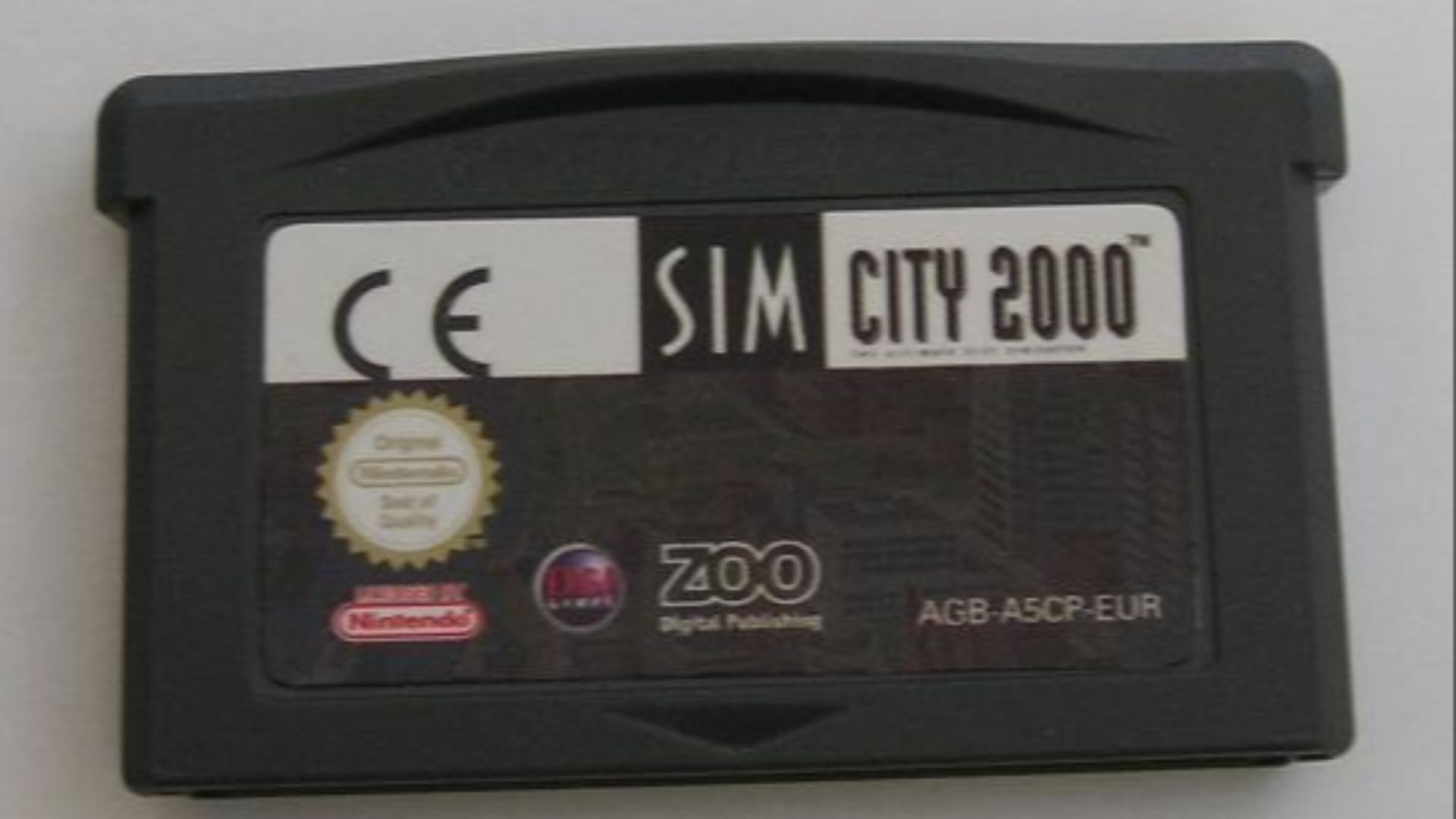
5. SimCity 2000
SimCity 2000 let players build and manage a whole city while the actual class work sat nearby. You could place roads, schools, power plants, and neighborhoods, and deal with budgets, disasters, and planning mistakes. One small choice could turn into a big city problem, and suddenly the assignment didn’t seem nearly as urgent.
 Zeartul~commonswiki on Wikimedia
6. Lemmings
Lemmings looked cute, but it could turn stressful fast. You guided tiny creatures through puzzle levels by giving them jobs like building, digging, climbing, and blocking. One bad move could send the whole group into trouble, and of course, you’d want to try the level again right away.

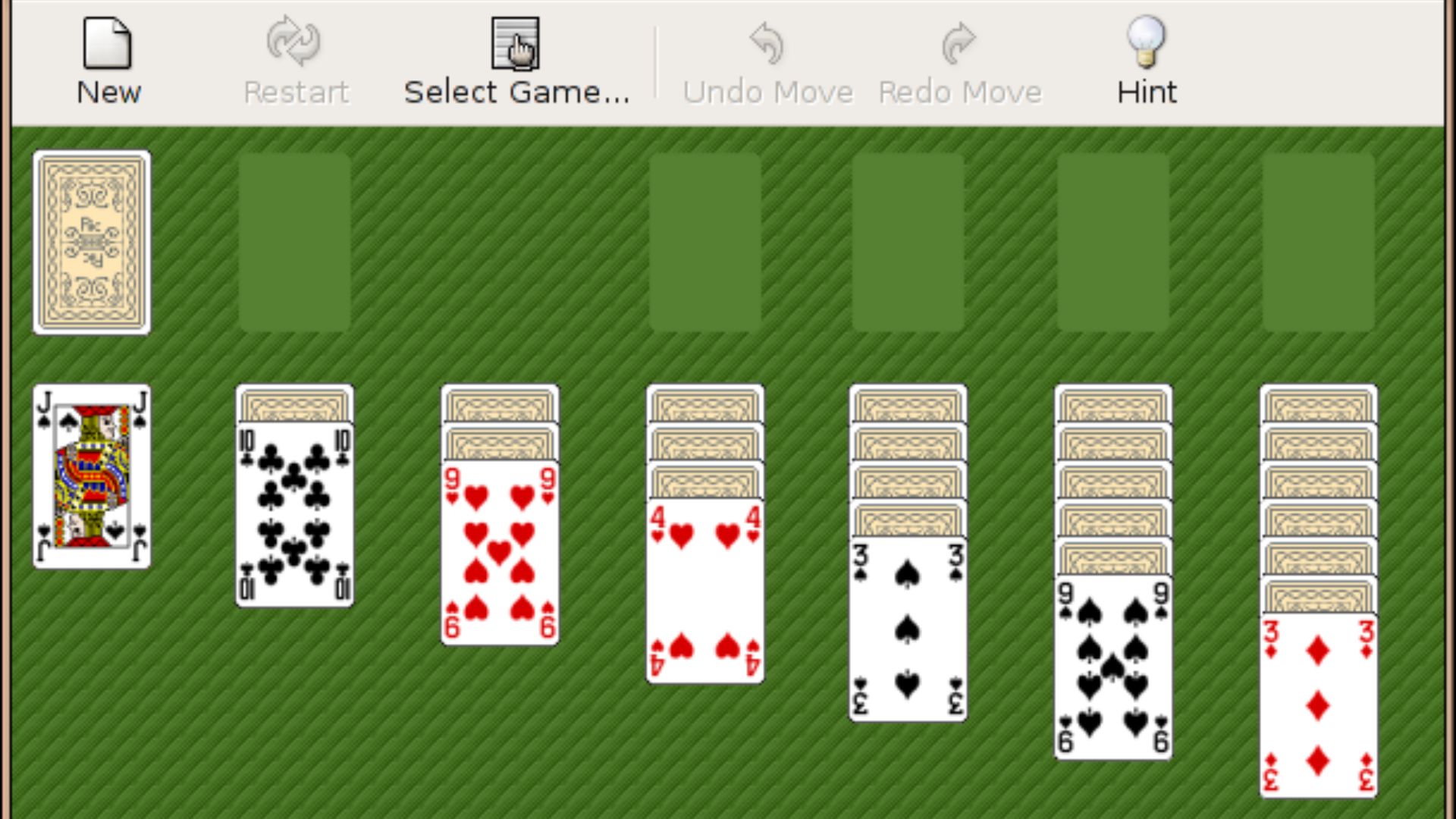
7. Microsoft Solitaire
Microsoft Solitaire was easy to hide because it looked so plain on the screen. A simple card game didn’t seem all that suspicious from across the room. Once you started moving cards around, though, one round could turn into several before you even checked the assignment again.
 The GNOME Project. on Wikimedia
8. Minesweeper
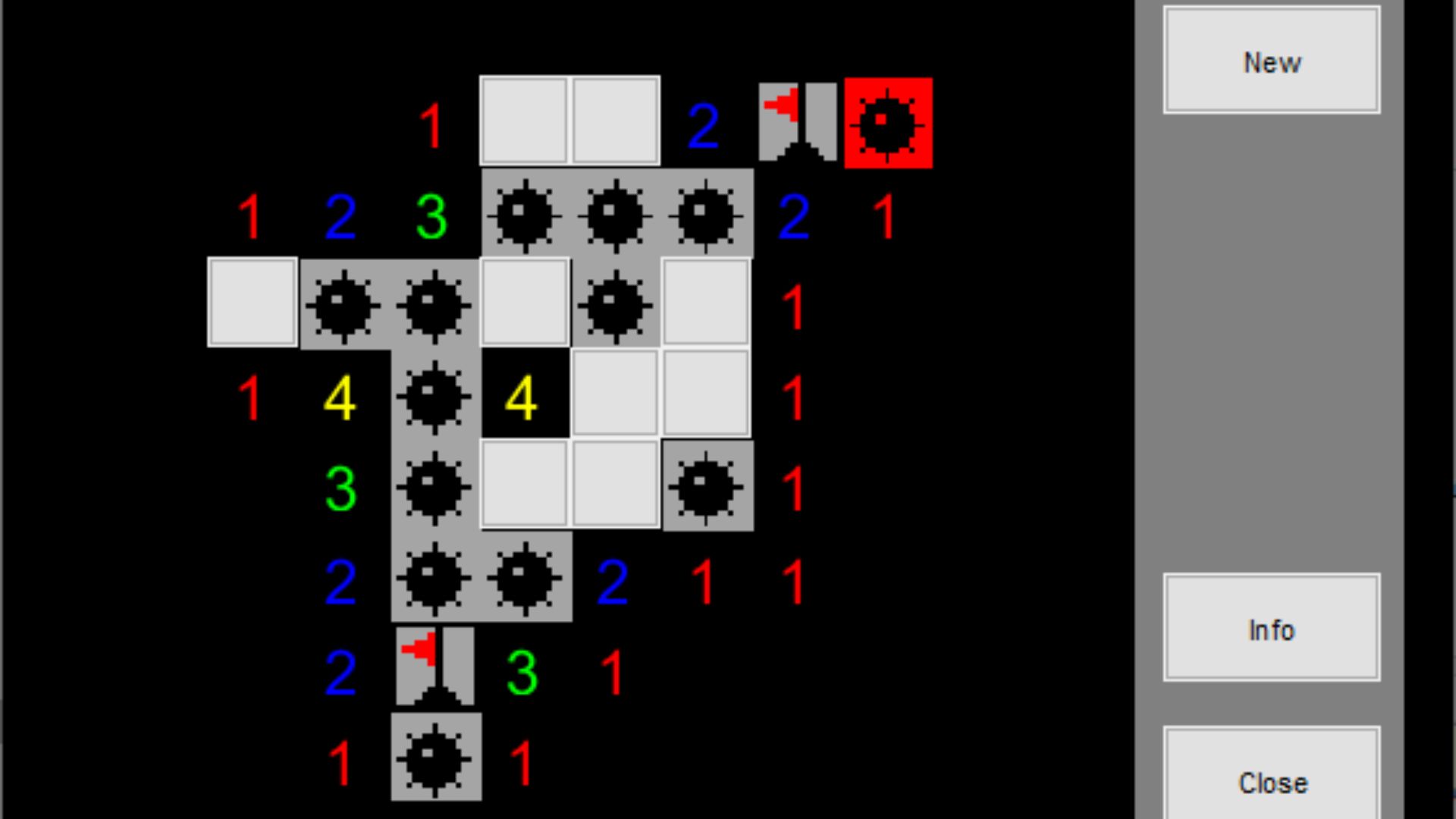
Minesweeper took a simple grid and made it tense. You clicked squares, used the numbers as clues, placed flags where you thought mines were hiding, and hoped you hadn’t guessed wrong. One careless click could wipe out the board before you’d really gotten started.
9. 3D Pinball: Space Cadet
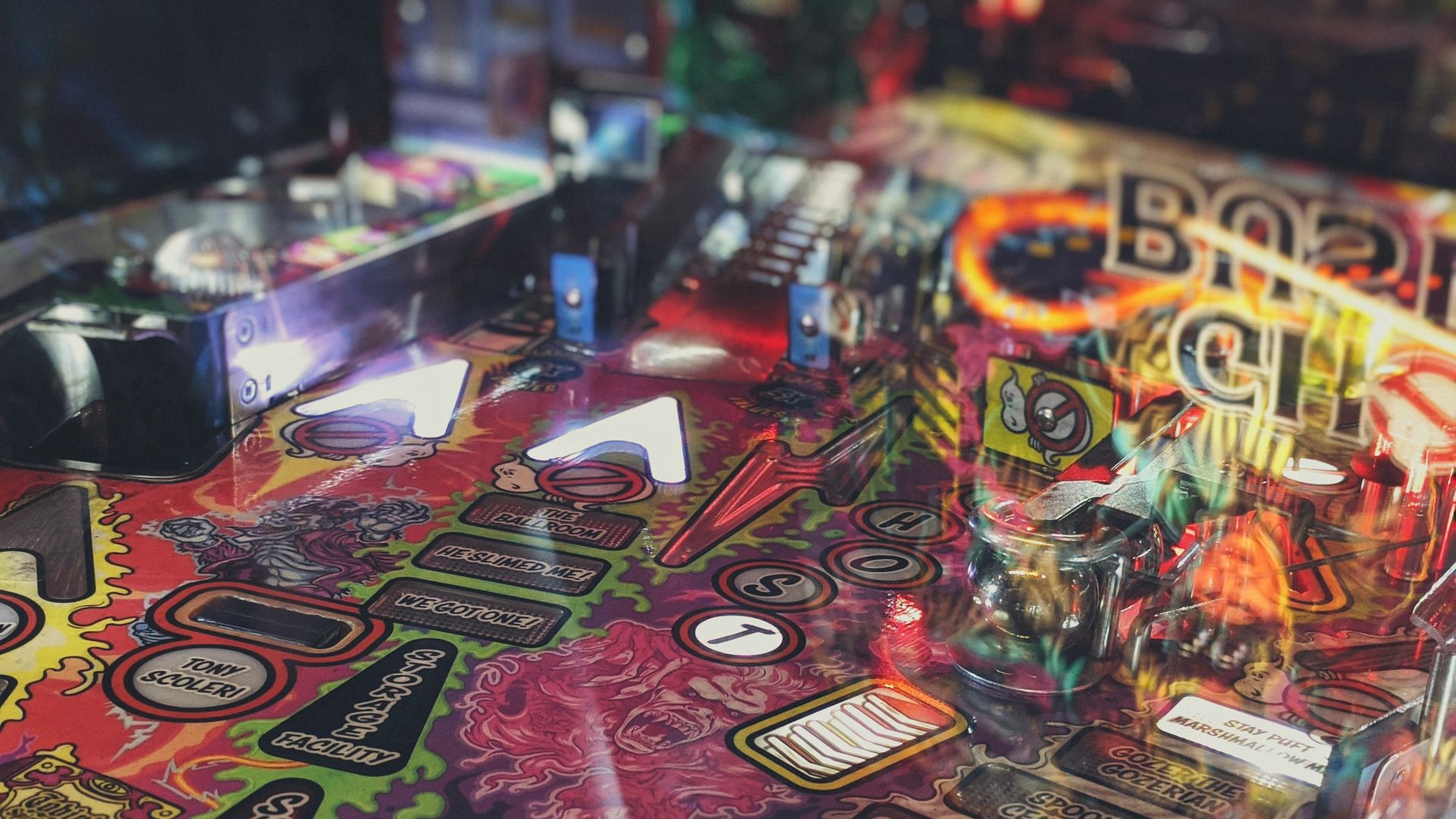
3D Pinball: Space Cadet brought arcade-style fun to a regular school computer. It had ramps, lights, ranks, and fast flipper taps, which made it feel far more exciting than anything on the day’s class plan. The first rule was simple: turn the sound off before the whole room heard what you were doing.
10. SkiFree
SkiFree started as a simple downhill skiing game with snow, trees, jumps, and small hazards. Of course, when the monster showed up, it only brought on more excitement. A quiet run suddenly became a rush to escape before everything ended badly.

11. Snood
Snood looked so silly that it was easy to think it’d only take a minute. Then you started launching little faces, matching groups, clearing space, and trying to keep the board under control. Somehow, that quick game could eat the last few minutes of class without even trying.

12. Neopets
Neopets was more than one game, which made it especially easy to get lost in. You could feed pets, play mini-games, check shops, collect items, and look after little daily tasks. You’d log in for a second, then 20 minutes would be gone.
 Neopets Metaverse on Wikimedia
13. RuneScape
RuneScape was a massive MMORPG that was well-loved among school children. Players could go on quests, trade, fight, mine, fish, and chop wood, so there was always something waiting. Looking back, it’s pretty funny that we avoided real work by doing digital chores.
14. Line Rider
Line Rider gave players a blank screen, a drawing tool, and a tiny sledder. You drew a track, pressed play, and watched to see if the sledder made it through or crashed because your design didn’t work. A bad run usually didn’t make you stop; it made you fix the line and try again.

15. The Helicopter Game
The Helicopter Game was simple in the best way. You held the button to rise, let go to fall, and tried to steer the helicopter through a narrow tunnel without crashing. Its simplicity made it easy to play over and over again.
16. Desktop Tower Defense
Desktop Tower Defense might've been a time waster, but it still required you to use strategies. You placed towers, built paths, upgraded defenses, and tried to stop enemies from reaching the other side of the screen. It wasn’t loud or flashy, but it could take over a class period if you let it.
17. Bloons Tower Defense
Bloons Tower Defense turned popping balloons into a strategy game. You placed dart monkeys, tack towers, bombs, and other defenses, then tried to stop each wave before the bloons slipped through. When they did slip through, one more try always felt fair.
18. Bloxorz
Bloxorz was quiet, simple, and surprisingly tough. The goal was to roll a rectangular block into a square hole, but narrow paths, switches, bridges, and tricky angles made every move matter. If you rushed, you’d roll right off the edge and start over.
19. Papa’s Pizzeria
Papa’s Pizzeria made a cartoon pizza shop feel way more stressful than expected. You took orders, added toppings, baked pizzas, and sliced them while trying to keep picky customers happy.

20. Run
Run was fast, simple, and easy to restart. You guided a small character through space tunnels, jumped over gaps, and used walls as floors. Every fall felt like something you could fix on the next try, which is how one quick game became several.