 PNW_Photo_Repository on Pixabay
When the Nintendo Switch launched in 2017, it challenged long-standing ideas about where and how people play video games. Instead of asking players to choose between a home console and a dedicated handheld, it combined both experiences into a single device that could transition from the television to portable play within seconds. That flexibility reshaped consumer expectations and influenced the direction of the gaming industry. It also proved that convenience could be just as important to players as cutting-edge hardware specifications.
The Switch arrived at a time when mobile gaming was thriving, but dedicated handheld systems seemed to be fading. Rather than competing directly with smartphones on convenience or home consoles on raw power, Nintendo focused on versatility and accessibility. The result was a platform that appealed to families, longtime fans, casual players, and enthusiasts alike, creating one of the most successful console generations in the company's history. Its broad appeal demonstrated that there was still a significant market for dedicated gaming devices when they offered something truly unique.
Hybrid Design Changed The Industry
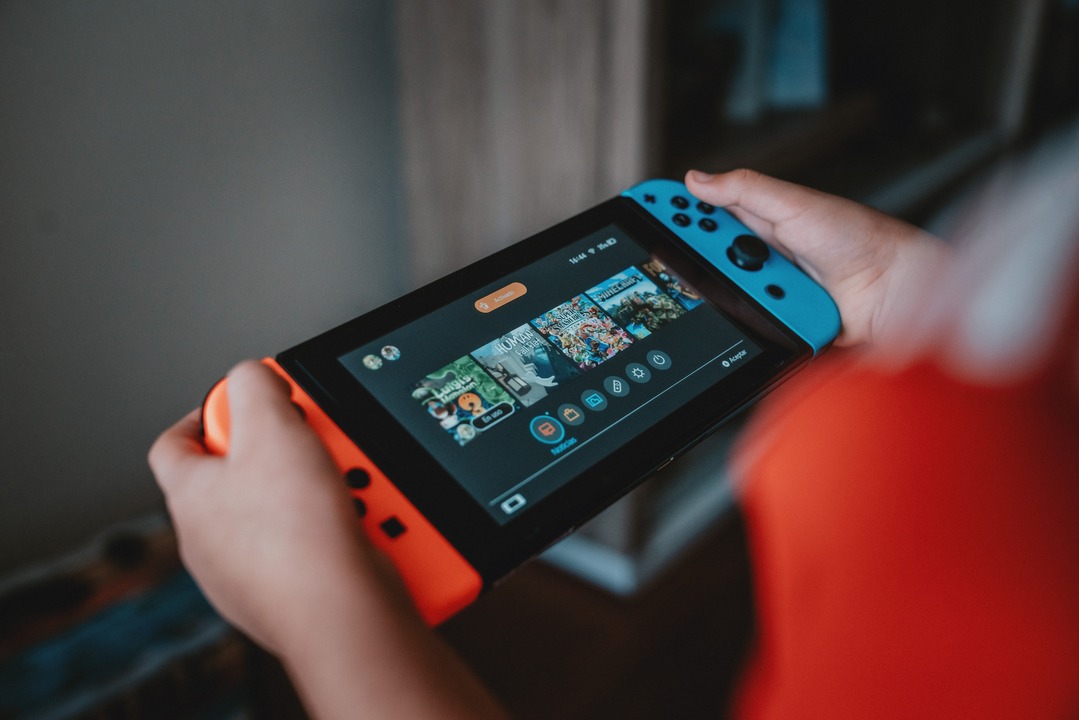
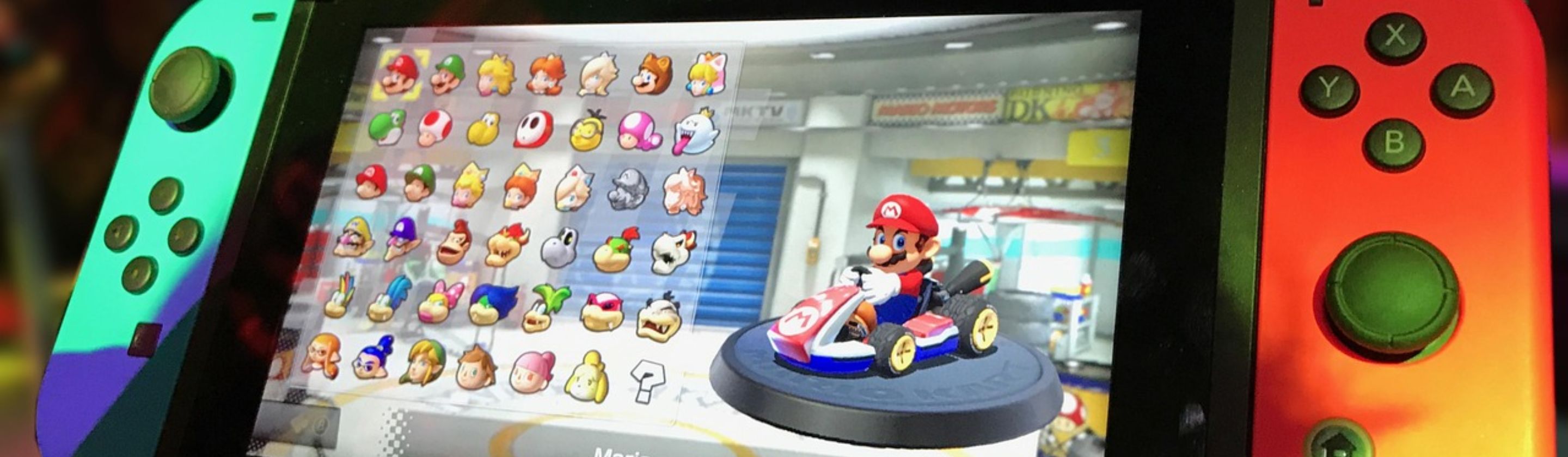
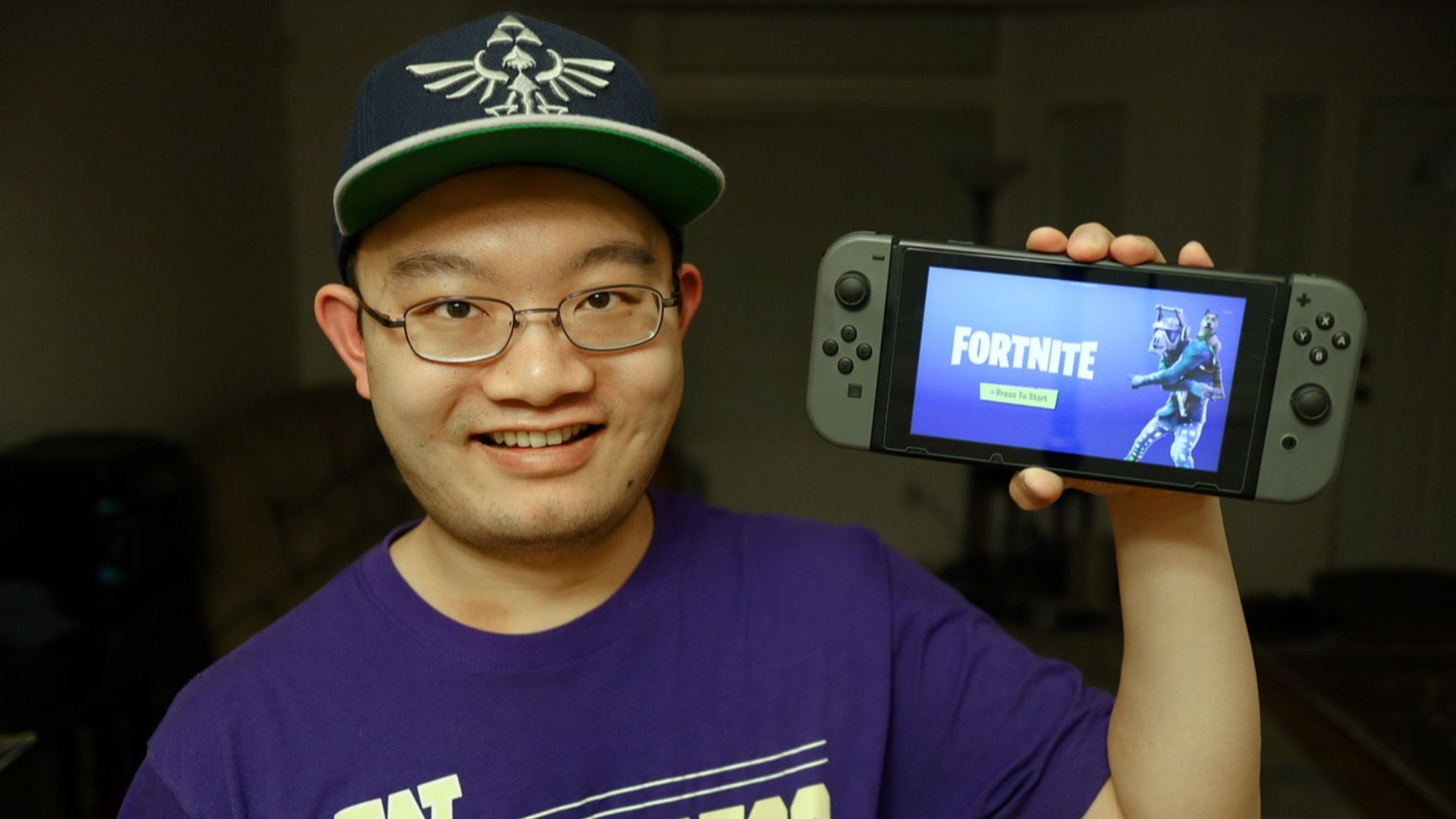
The Switch's defining feature is its hybrid design, allowing players to continue the same game whether they're sitting in a living room or traveling across the country. That seamless transition removed many of the barriers that previously separated home and portable gaming. Instead of purchasing two different systems or maintaining separate game libraries, players could enjoy a consistent experience almost anywhere. The ability to pause a game at home and continue moments later in handheld mode quickly became one of the console's most appreciated features.
Developers also benefited from designing games for a single platform that naturally supported multiple play styles. Whether someone preferred docked gameplay with a traditional controller or handheld sessions during a commute, the software adapted without requiring major compromises. This flexibility encouraged studios to think differently about how players interacted with their games throughout the day. It also simplified development compared with maintaining separate handheld and home console versions of the same title.
The detachable Joy-Con controllers introduced another layer of portability that set the Switch apart. Instant local multiplayer became far easier because two people could begin playing almost anywhere without carrying additional accessories. That simple design choice helped reinforce Nintendo's long-standing emphasis on social gaming while making spontaneous multiplayer sessions far more practical. Few modern gaming systems have made sharing a game with another person so quick and approachable.
A Library Built For Flexible Play
One reason the Switch became such a defining portable system is the variety of games that suit both short and extended play sessions. Many first-party titles allow players to make meaningful progress in just a few minutes while still offering enough depth for hours of uninterrupted gameplay. That versatility makes the system equally appealing whether you have ten minutes during a lunch break or an entire evening at home. Players rarely feel pressured to commit to long sessions just to enjoy meaningful progress.
Independent developers also embraced the platform, bringing thousands of smaller titles that felt perfectly suited to handheld gaming. Puzzle games, role-playing adventures, platformers, and strategy games all found enthusiastic audiences because players could enjoy them wherever they happened to be. The growing digital storefront made discovering and downloading new games remarkably convenient. This strong support from independent studios helped create one of the most diverse game libraries Nintendo has ever offered.
Even many large third-party releases found success despite the hardware's technical limitations. Developers often adjusted graphics or performance to fit the system while preserving the core gameplay experience. That willingness to optimize for portability demonstrated that convenience often matters just as much as visual fidelity for many players.
Its Influence Reaches Beyond Nintendo
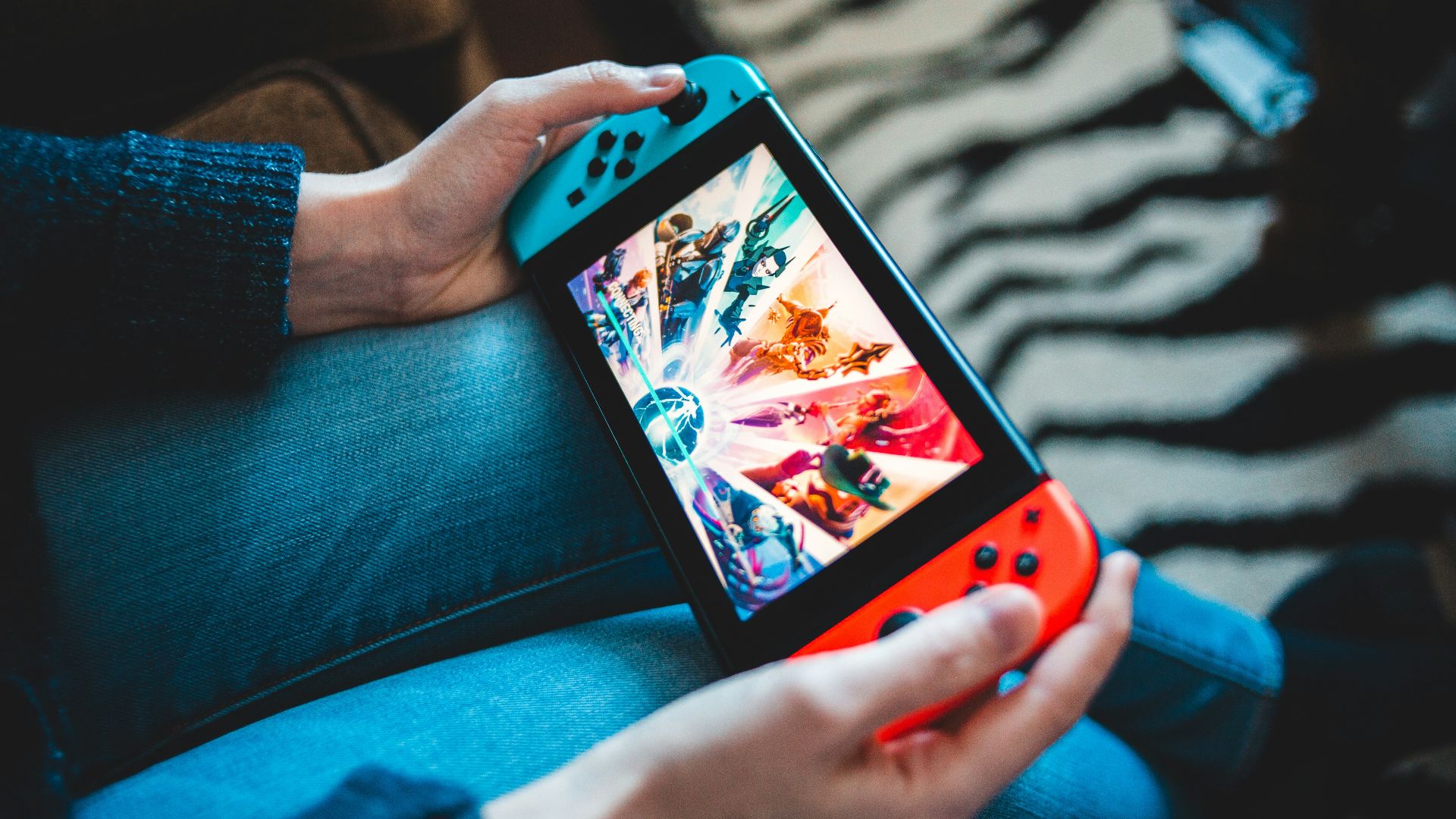
The Switch's success helped renew interest in dedicated portable gaming across the industry. Several manufacturers introduced handheld gaming PCs and portable devices that borrowed the same idea of taking console-quality experiences on the go. While each approached the concept differently, they all reflected growing demand for gaming that wasn't tied to a single location.
Consumer expectations have also shifted in meaningful ways. Many players now expect cloud saves, instant sleep modes, digital libraries, and the ability to resume games quickly, regardless of where they're playing. Features that once felt innovative have become standard expectations because the Switch demonstrated how valuable they could be in everyday use.
Perhaps the Switch's greatest achievement is proving that portability doesn't have to mean compromise. It showed that convenience, flexibility, and thoughtful design can matter just as much as processing power when creating memorable gaming experiences. As hardware continues to evolve, many of the ideas popularized during the Nintendo Switch era will likely remain central to how players think about gaming on the move.
The Nintendo Switch era may ultimately be remembered not because it had the most powerful hardware, but because it fundamentally changed what players expected from a gaming device. By successfully blending home and portable play into a seamless experience, Nintendo influenced competitors, developers, and consumers alike. Its legacy will likely continue shaping portable gaming long after the system itself has reached the end of its remarkable lifespan.