10 Reasons You Should Never Save Your Payment Info & 10 Instances When It Might Be Okay
10 Reasons You Should Never Save Your Payment Info & 10 Instances When It Might Be Okay
Convenience Comes at a Cost
If you're like most people, you probably have your credit card information saved on multiple accounts, whether for subscriptions or stores you regularly buy from. And that's no surprise: saving your payment info makes the checkout process so much smoother, and who wants to manually punch in the same numbers every single time? Yet, convenience often comes at a cost (pun intended); the very habit that makes everything easier for you could also make you more vulnerable online. Here are 10 reasons you should think twice before saving your payment info, followed by 10 situations where it might be reasonable.
1. It Makes Impulse Buying Too Easy
When your card is already saved, buying something can take only a few taps. That removes the extra moment you’d normally spend thinking about whether you actually need the item. Even small purchases can add up quickly when checkout feels effortless. Keeping your payment info unsaved gives you a built-in pause before spending.
2. Your Account Could Be Hacked
Even if the company’s website is secure, your personal account can still be vulnerable. A weak password, reused login, or phishing scam may give someone access to your saved payment method. Once they’re inside, they could make purchases before you notice anything is wrong. Removing saved payment details limits what a hacker can do if your account is compromised.
3. Data Breaches Can Still Happen
Major companies invest heavily in security, but no system is completely immune to breaches. If a retailer stores payment details and its systems are attacked, customer information may be exposed or misused. Even when card numbers are tokenized or partially hidden, the experience can still create stress and cleanup work. Not saving your payment info reduces the amount of sensitive data tied to your account.
4. Shared Devices Increase the Risk
Saving your card on a family computer, work laptop, tablet, or shared browser can create problems fast. Someone else may accidentally use your payment method, especially if you’re still logged in. Kids, roommates, coworkers, or guests don’t always realize which account is active when they check out. The safest move is to avoid storing payment details where other people can access them.
5. Subscriptions Are Easier to Forget
Saved payment information makes recurring charges much easier for companies to process. That can be helpful for services you actually use, but it also means old trials, memberships, and apps may keep billing you long after you stop paying attention. The charge may be small enough to miss at first, which is exactly how it lingers. Entering payment details manually can make you more aware of what you’re signing up for.
6. Some Retailers Make Removal Annoying
Not every website makes it simple to delete saved payment details. Some hide the option inside account settings, require extra verification, or only let you remove a card after adding another one. That can be frustrating when you’re trying to clean up your digital footprint. Before saving a card anywhere, it’s worth checking whether you can easily remove it later.
7. Your Phone Can Become a Payment Risk
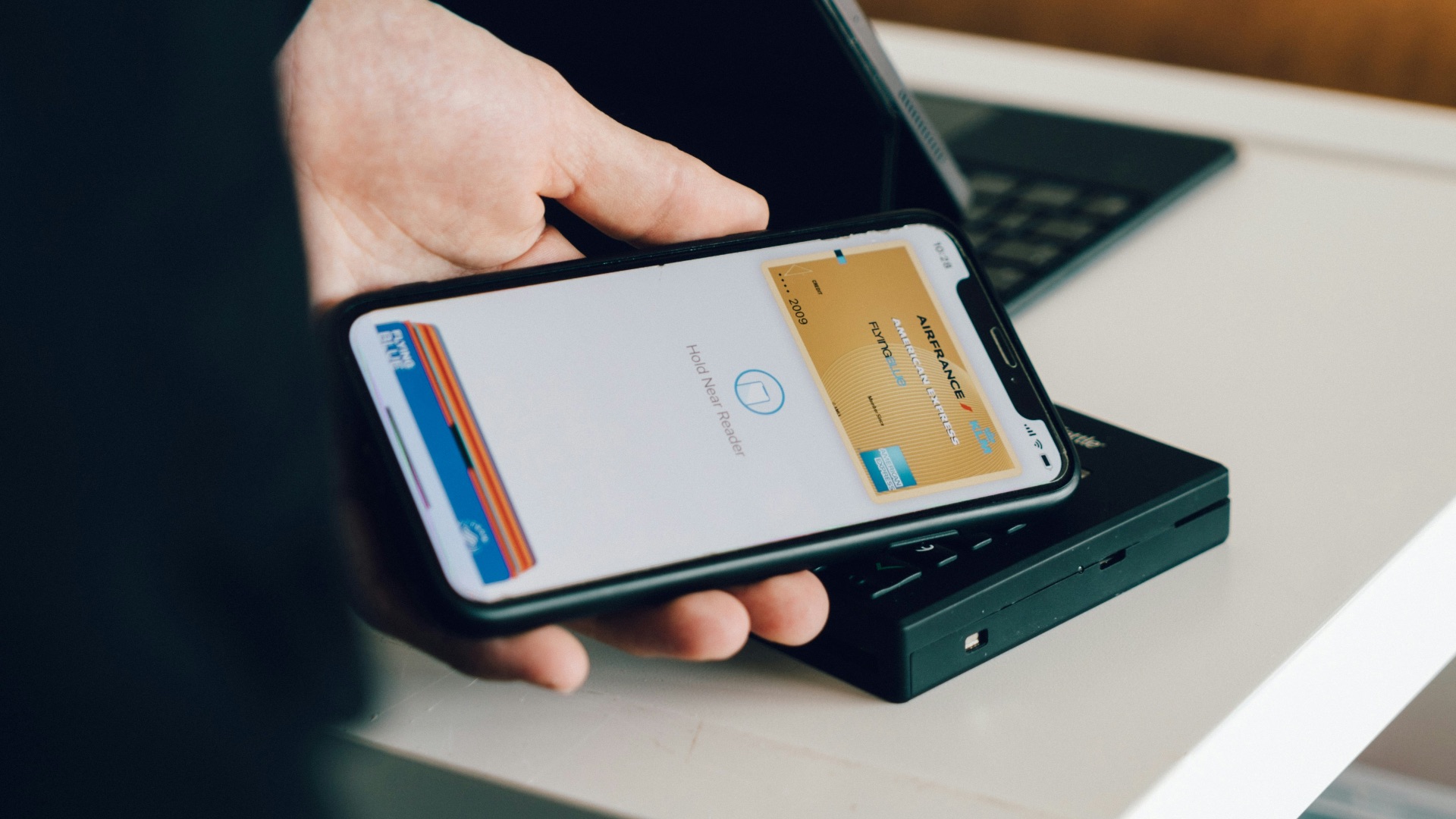
A saved card on your phone can be convenient, but it also raises the stakes if your device is lost or stolen. Strong passcodes and biometric locks help, but they don’t erase every risk, especially if your apps stay logged in. Someone who gains access to your phone may also have access to shopping apps, delivery accounts, and stored wallets. Keeping fewer saved cards limits the damage if your device ends up in the wrong hands.
8. Old Accounts Can Be Forgotten
You may save a card on a website and then forget the account even exists. Years later, that account might still have your payment details attached to it, even if you haven’t shopped there in a long time. Old accounts are often neglected, which means their passwords may be outdated or reused. Deleting saved payment info from places you rarely use is a smart way to reduce unnecessary exposure.
9. Checkout Errors Can Be Costly
Saved payment information can lead to mistakes when multiple cards, addresses, or profiles are attached to one account. You might charge the wrong card, ship to an old address, or use a business card for a personal purchase by accident. These errors can create refund delays, accounting issues, or awkward conversations. Manually entering details gives you another chance to review everything before paying.
10. It Can Weaken Your Sense of Control
When your payment info is stored across many websites, it’s harder to know where your financial details actually live. You may not remember which companies have your card, which apps can bill you, or which accounts are still active. That lack of visibility can make it harder to react quickly if something goes wrong. Keeping payment information off most platforms helps you stay more aware of your own finances.
All that said, saving your payment information isn’t always a terrible idea. In some cases, it can be a smart move, too. Let's talk about that next:
1. You’re Using a Trusted Digital Wallet
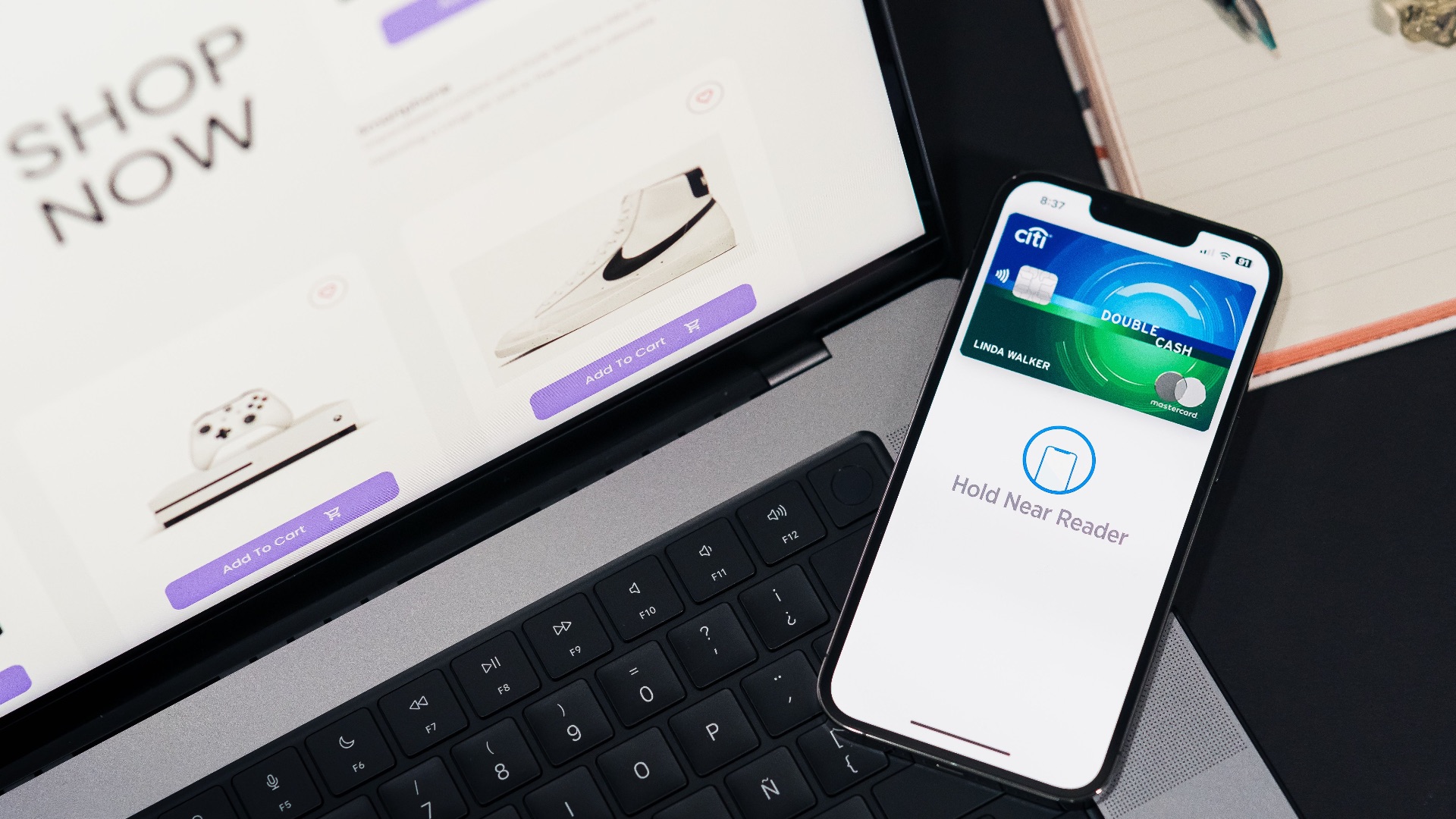
Saving payment information in a reputable digital wallet can be safer than storing it directly with dozens of retailers. Many wallets use security features like tokenization, device verification, and biometric approval. That means the merchant may not receive your actual card number during checkout. If you want convenience, a digital wallet can offer a more controlled option.
2. The Site Uses Strong Security Features
It may be reasonable to save payment info on a platform that offers two-factor authentication, login alerts, and clear account controls. These features make it harder for someone else to access your account without permission. You should still use a strong, unique password and avoid staying logged in on shared devices. Security tools don’t remove every risk, but they can lower it.
3. You Shop There All the Time
For a retailer you use regularly, saving payment information may make sense if the account is secure and the company is reputable. This is especially true for essentials like groceries, prescriptions, pet supplies, or household basics. Re-entering your card every few days can become tedious without adding much practical benefit. The trade-off is more reasonable when the site is one you actively monitor.
 Christian Wiediger on Unsplash
4. It’s for a Necessary Subscription
Some recurring payments are important enough that you don’t want a missed bill to cause disruption. Utilities, insurance, phone service, cloud storage, or work-related software may fall into this category. In these cases, saving payment information can help prevent service interruptions. Just make sure you review your statements regularly so you know what’s being charged.

5. You’re Using a Virtual Card Number
A virtual card number can give you more control than using your real card details. Some banks and card issuers let you create temporary or merchant-specific numbers that can be paused, deleted, or limited. That makes saved payment information less risky because the number isn’t as useful outside that setting. If this feature is available to you, it’s worth considering for online shopping.
6. When the Card Isn't Always with You
If you share a credit or debit card with a spouse, partner, or family member, you might not always have the physical card with you when you need to make a purchase. In those cases, saving the payment information on a trusted account can make things more convenient. It allows you to complete transactions without having to track down the card or ask for the details each time. As long as the account is secure and both parties are aware of how the card is being used, this can be a practical solution.
7. You Need Fast Access for Time-Sensitive Purchases
There are situations where speed matters, such as buying concert tickets, grabbing items during a limited restock, or making any purchase that could sell out in seconds. In these cases, having a payment method saved on a trusted platform can give you a better chance of completing the transaction before it’s gone. That convenience can be worthwhile if the account is secure and the payment method is easy to monitor. However, it’s still a good idea to remove your saved payment information once the purchase is complete.
8. You’re Managing Business Expenses
For business accounts, saved payment information can make recurring tasks, team purchases, and approved expenses easier to handle. It can also reduce the need for employees to repeatedly handle card details. This works best when the account has clear permissions, spending limits, and regular review. Without oversight, saved cards can make business spending harder to track.
9. The Card Has Strong Fraud Protection
Some credit cards offer better consumer protections than debit cards, especially when it comes to disputing fraudulent charges. If you choose to save a payment method, a credit card may be a safer option than one that pulls money directly from your bank account. You’ll still need to monitor transactions and report issues quickly. Better protections help, but they shouldn’t replace careful account habits.
10. You Regularly Audit Your Saved Payments
Saving payment information is less risky when you treat it as something to maintain. That means checking which websites have your card, deleting old payment methods, canceling unused subscriptions, and updating passwords. A quick review every few months can keep your accounts from piling up unnoticed. If you’re willing to stay organized, saving payment info in a few trusted places can be a practical choice.