Digital Worlds That Feel Surprisingly Lived In
Creating a believable video game city takes more than impressive graphics or large maps. The places that stay with you usually have recognizable neighborhoods, believable routines, distinct architecture, and details that suggest people actually live and work there, even when you're not around. These twenty virtual cities stand out because they feel less like level designs and more like places you could imagine existing beyond the screen.

1. Night City (Cyberpunk 2077)
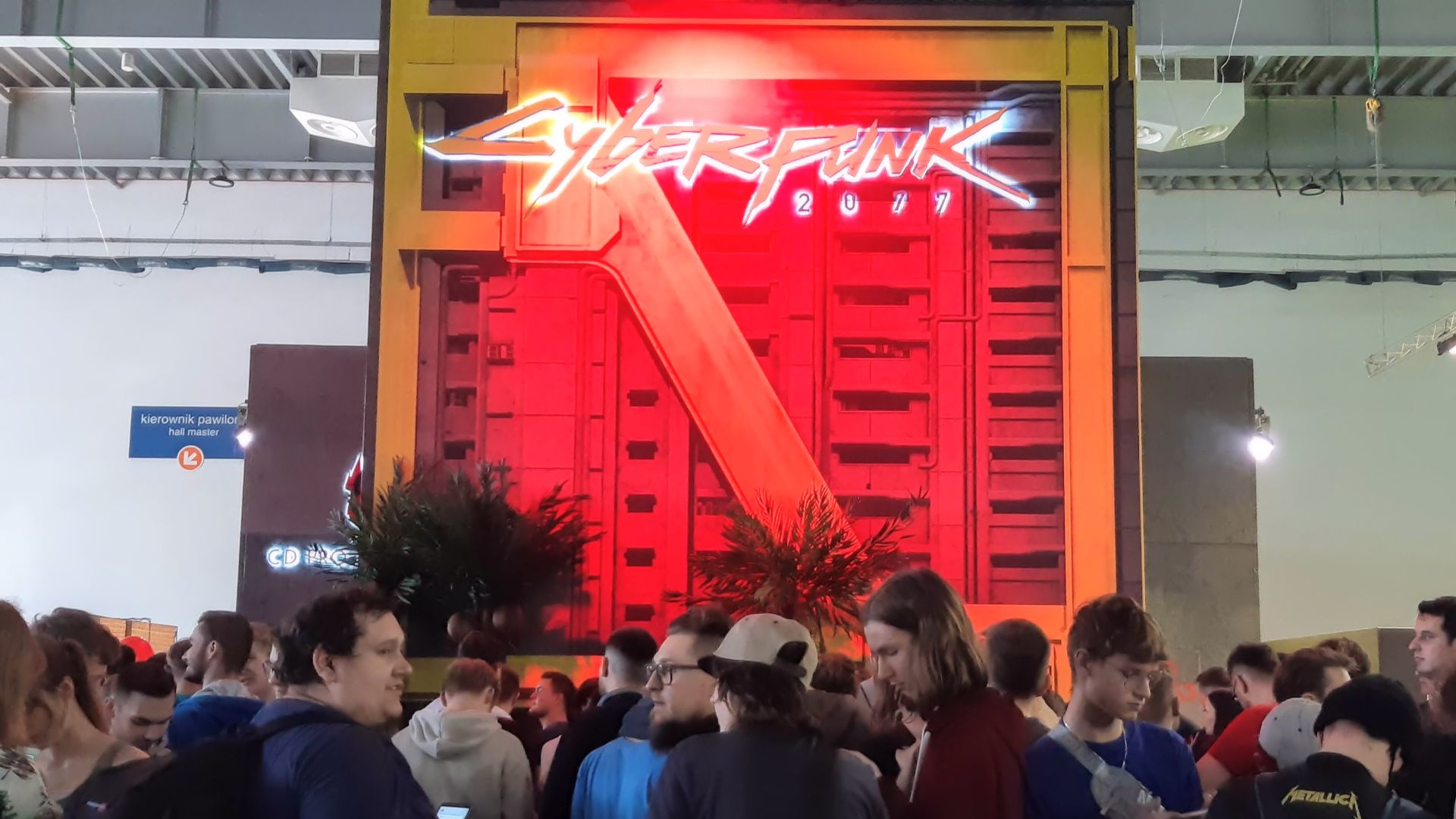
From crowded markets to towering corporate headquarters, this sprawling metropolis feels active at nearly every hour. Different districts have their own personalities, architecture, and social atmosphere, making exploration feel rewarding instead of repetitive. Even without following missions, simply wandering the streets creates the impression of a city with millions of residents living separate lives.
2. Los Santos (Grand Theft Auto V)
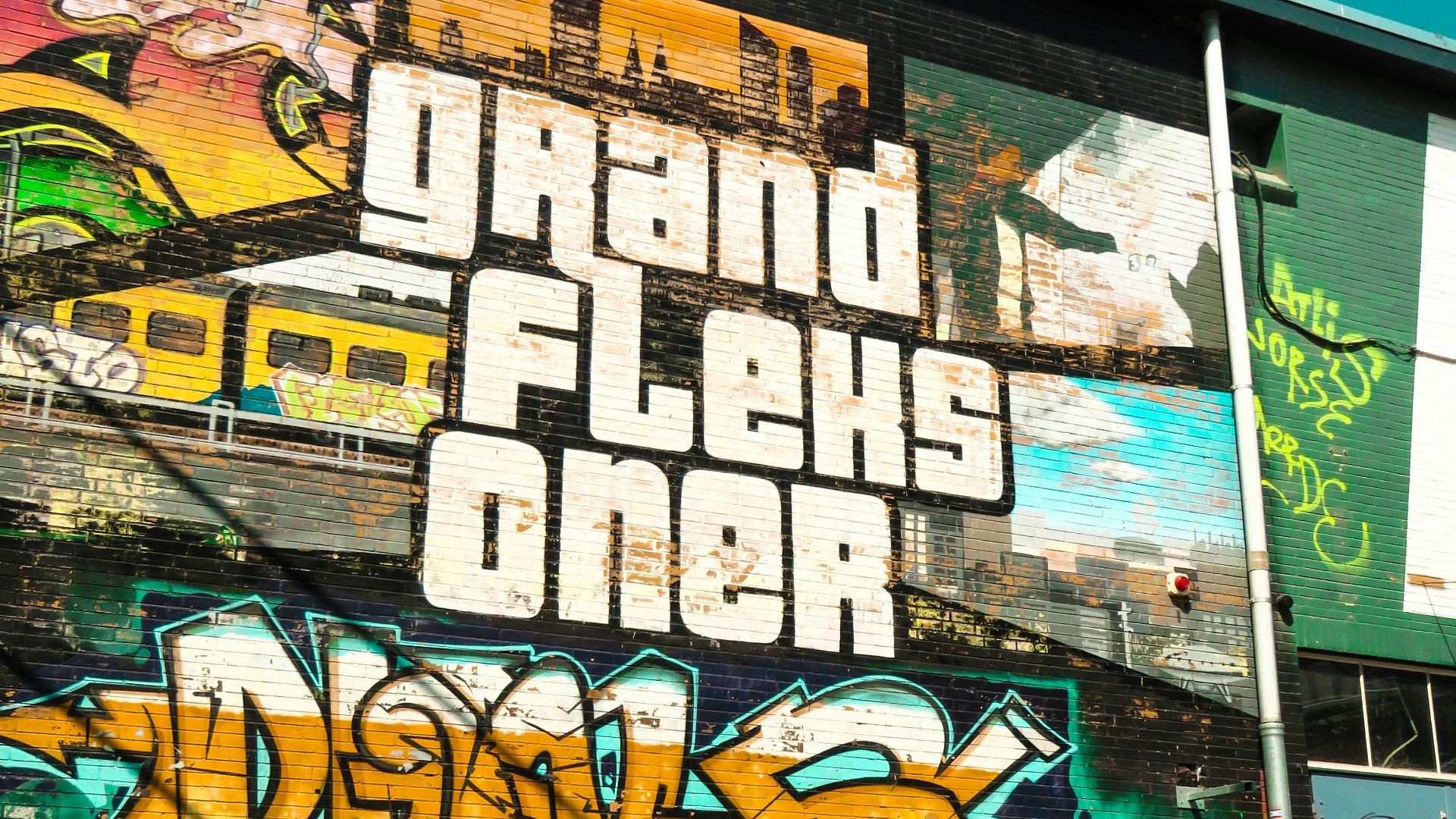
The city captures the look and rhythm of Southern California through busy highways, beachfront neighborhoods, luxury districts, and industrial areas. Traffic patterns, pedestrian behavior, and constantly changing events help make every drive feel slightly different. Small environmental details reinforce the feeling that daily life continues whether you're involved or not.
3. Kamurocho (Yakuza Series)
Compact rather than enormous, this entertainment district feels believable because nearly every street corner has something meaningful to discover. Restaurants, arcades, clubs, and small businesses give the area a convincing sense of local culture. Returning across multiple stories makes it feel like revisiting a familiar neighborhood that continues evolving.

4. Novigrad (The Witcher 3: Wild Hunt)
Bustling markets, crowded docks, and narrow medieval streets create the atmosphere of a thriving trade center. Citizens argue, shop, worship, and work throughout the city, making it feel active beyond the player's actions. Political tension and social divisions also contribute to its convincing character.
 BANDAI NAMCO Entertainment Europe on Wikimedia
5. City 17 (Half-Life 2)
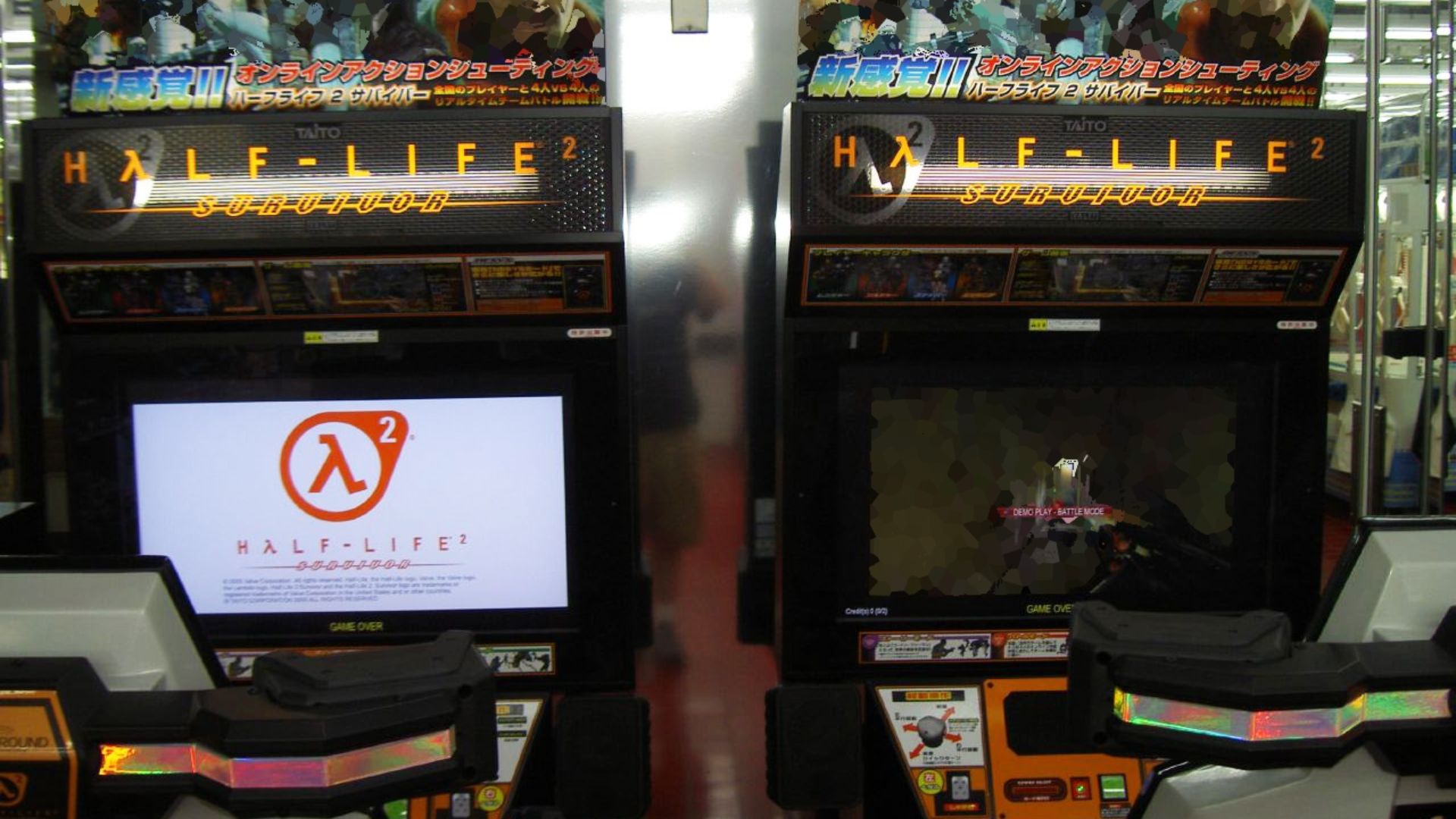
Although heavily controlled by an oppressive regime, the urban environment feels grounded through believable apartment blocks, train stations, and public squares. Signs of ordinary life remain visible despite constant surveillance and military presence.
6. Columbia (BioShock Infinite)
Floating above the clouds, the city combines grand architecture with recognizable residential neighborhoods and commercial districts. Public celebrations, storefronts, and everyday routines make its extraordinary setting feel surprisingly ordinary at first. The illusion gradually changes as deeper social problems become impossible to ignore.

7. Midgar (Final Fantasy VII Remake)
Its layered design separates wealthy upper districts from crowded communities below, creating a city shaped by economic inequality. Industrial infrastructure blends naturally with homes, shops, and transportation systems that support everyday life. Every section feels connected to a larger urban ecosystem.

8. Liberty City (Grand Theft Auto IV)
Inspired by New York City, the streets are filled with varied neighborhoods that each possess its own identity. Differences in architecture, accents, businesses, and traffic patterns make traveling across boroughs feel authentic.

9. Rapture (BioShock)
Even in decay, the underwater metropolis reveals evidence of schools, shopping areas, housing, and entertainment venues that once supported everyday life. Environmental storytelling explains how residents lived long before everything fell apart. The city feels believable because its infrastructure reflects practical needs rather than simply serving gameplay.

10. New Bordeaux (Mafia III)
Modeled after 1960s New Orleans, the city combines historic neighborhoods, industrial zones, and waterfront districts into a convincing whole. Music, architecture, and local culture reinforce the setting without overwhelming it. Every area reflects distinct economic and social differences.

11. Dunwall (Dishonored)
Narrow streets, government buildings, crowded housing, and working-class districts combine to create a city with a clear social structure. The architecture reflects both prosperity and decline, depending on where you travel. Even during a crisis, the environment feels like a place that existed long before the story began.

12. Boston (Fallout 4)
Although transformed by catastrophe, recognizable landmarks blend with makeshift settlements and abandoned neighborhoods. The remains of transportation systems, businesses, and residential areas suggest a city that once functioned normally. Exploration often feels like uncovering forgotten chapters of local history.
 Sergey Galyonkin from Nicosia, Cyprus on Wikimedia
13. New Vegas (Fallout: New Vegas)
The famous Strip contrasts sharply with the surrounding communities that struggle to survive, creating believable economic differences. Casinos, roadside businesses, and isolated neighborhoods all contribute to a city shaped by opportunity and hardship.

14. Paris (Assassin's Creed Unity)
Crowded streets filled with merchants, workers, and political demonstrations recreate the energy of Revolutionary France. Distinct neighborhoods feature different architecture and levels of wealth that reflect historical reality. The sheer number of people helps the city feel genuinely alive.
 Tim Bartel from Cologne, Germany on Wikimedia
15. Venice (Assassin's Creed II)
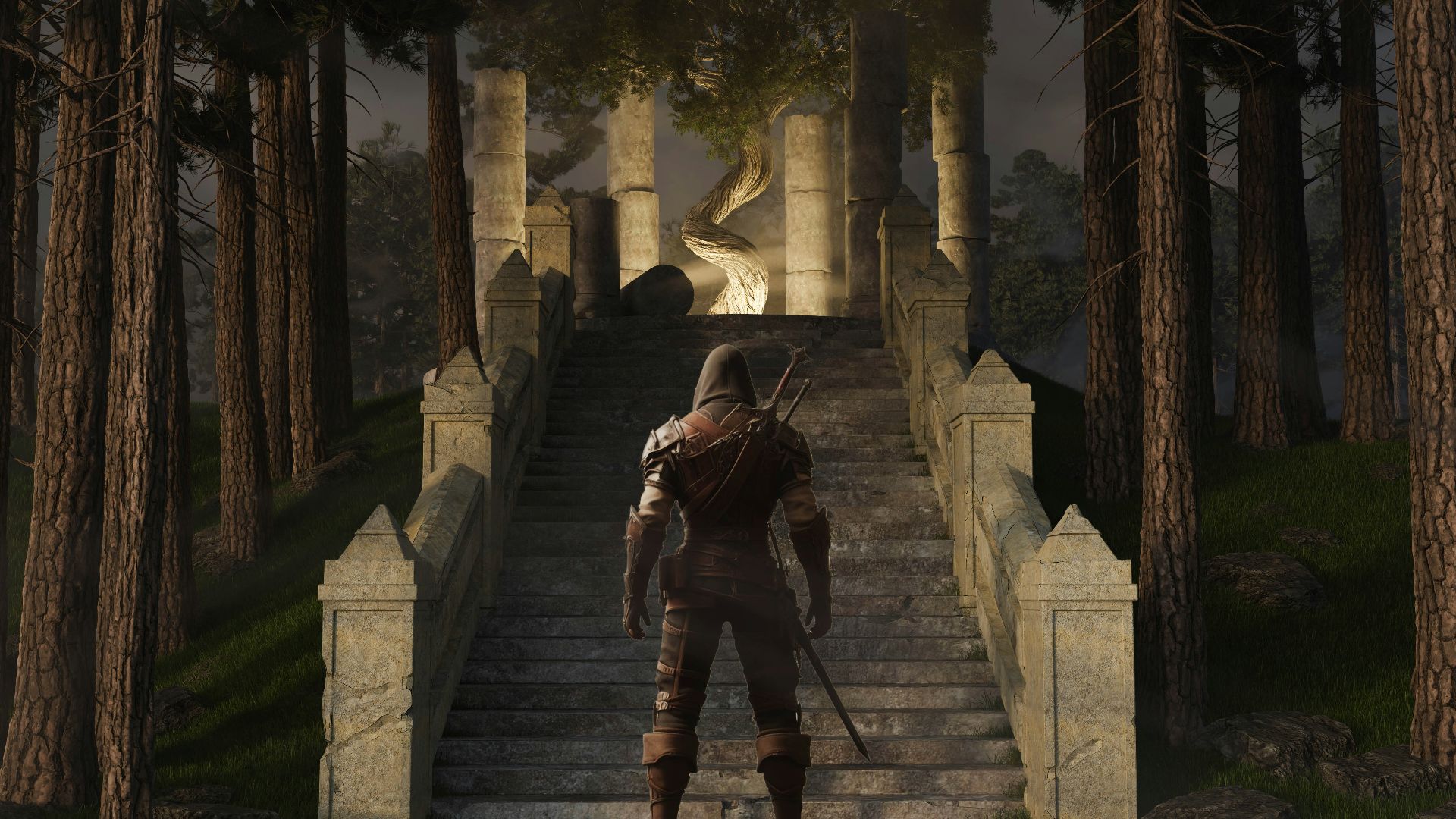
Canals, bridges, marketplaces, and elegant public spaces combine into an instantly recognizable city. Water traffic replaces busy roads, giving daily movement a distinctive rhythm.
 Behnam Mohsenzadeh on Unsplash
16. Seattle (The Last of Us Part II)
Nature gradually reclaiming abandoned neighborhoods creates an unusually realistic vision of a city decades after societal collapse. Residential streets, office buildings, and shopping areas remain recognizable despite years of neglect.

17. Beauclair (The Witcher 3: Blood and Wine)
Bright colors, vineyards, plazas, and elegant architecture give the city a welcoming atmosphere that contrasts with harsher locations elsewhere. Citizens gather in markets and public spaces, making daily routines feel natural.

18. Saint Denis (Red Dead Redemption 2)
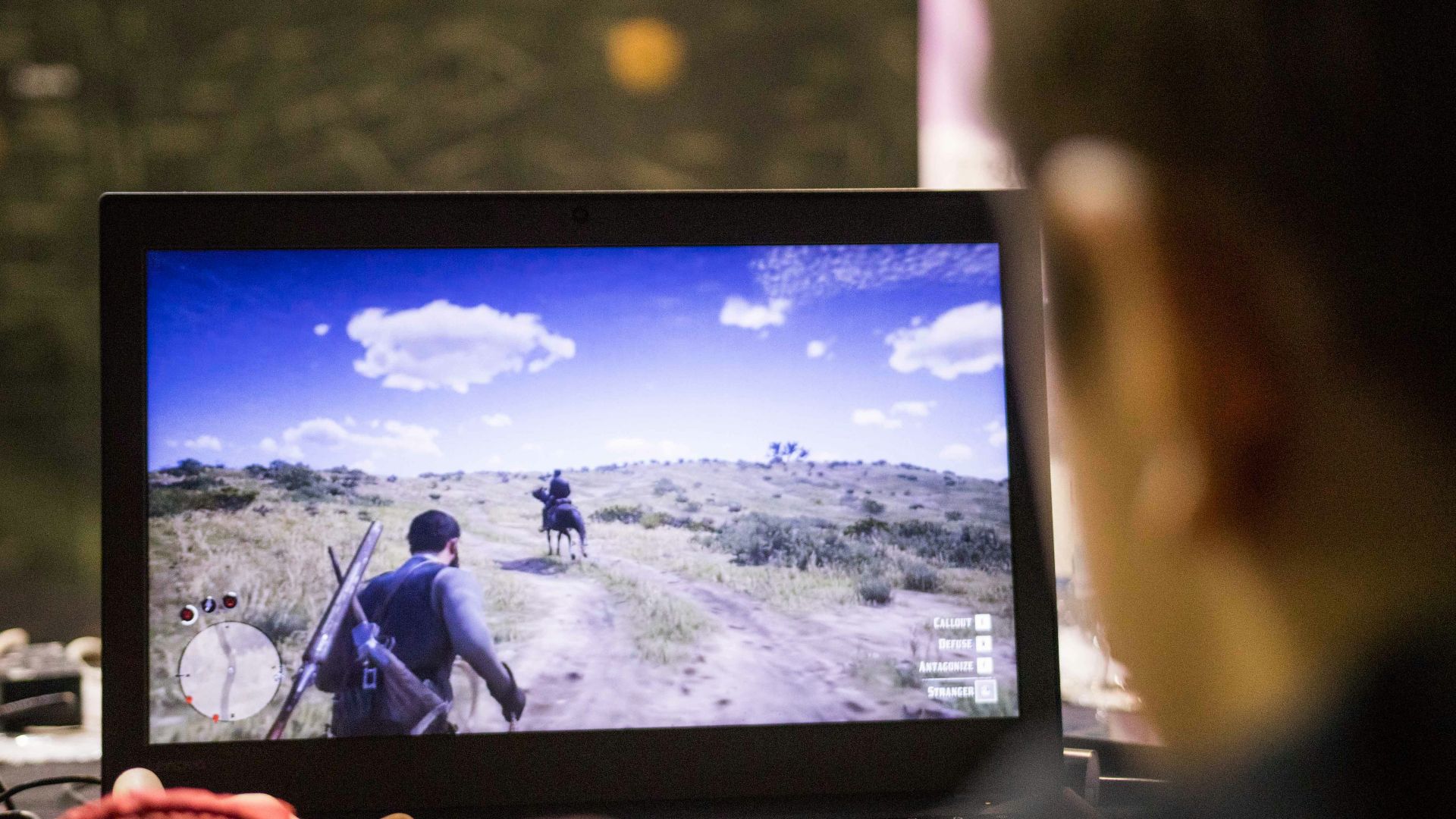
Factories, streetcars, wealthy districts, and crowded immigrant neighborhoods capture the complexity of a rapidly modernizing city. Horse-drawn traffic mixes with emerging technology in ways that reflect the historical period.
 Clastr Cloud Gaming on Unsplash
19. Harran (Dying Light)
Even after disaster strikes, apartment buildings, marketplaces, and dense residential blocks reveal how the city once operated. Rooftops and narrow streets create believable routes through an urban environment built for ordinary people rather than parkour.

20. Imperial City (The Elder Scrolls IV: Oblivion)
Its circular design organizes government, commerce, housing, and religious districts into a logical capital. Citizens follow daily schedules that reinforce the impression of an inhabited city rather than a static backdrop.