
Star Trek has always been about more than spaceships, aliens, and cool future tech. Like any good television show, the franchise is at its best when all that sci-fi spectacle is tied to human problems, like fear, power, identity, survival, and the tough choices people make under pressure. Star Trek: Deep Space Nine takes those ideas further than any other Trek series.
The show also has a lot to offer gaming and technology fans. It’s got a central location, rival groups, political tension, shifting alliances, and choices that don’t disappear after one episode. With seven seasons and 176 episodes from 1993 to 1999, the series had plenty of time to build a world that felt fully fleshed-out and alive.
A Space Station
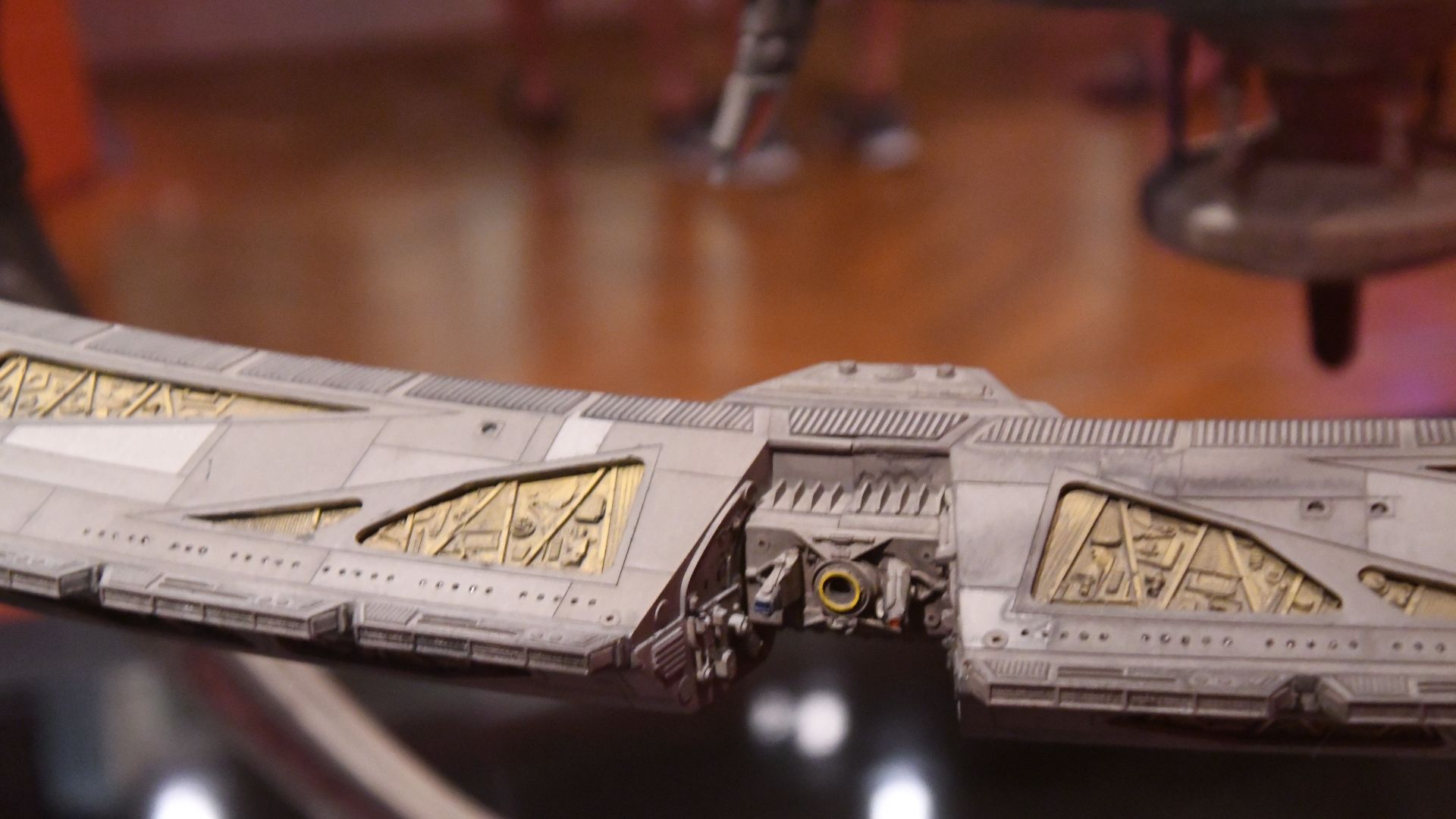
Most Star Trek shows follow a ship as it travels from one strange new place to another. The crew finds a problem, handles the crisis, and moves on to the next adventure. Deep Space Nine changed that pattern by keeping Commander Benjamin Sisko and his crew on a space station.
Paramount+ describes the series as taking place on a station near Bajor, without the USS Enterprise nearby to swoop in and save everyone. The station also matters because it sits near a wormhole that several alien groups want to control. That one detail gives the whole show a steady sense of pressure, since the wormhole has military value, religious meaning for Bajor, and major economic importance.
For gaming readers, DS9 has the appeal of a strong central hub. Quark’s bar, the promenade, the docking area, and the command center all become regular places where business, faith, crime, politics, and personal grudges keep crossing paths. StarTrek.com’s anniversary coverage notes that DS9 was unusual for Star Trek because it was set on a space station near a wormhole, with fewer traditional starship adventures than earlier shows. That choice could’ve made the show feel smaller, yet it made the world feel richer because the station, the wormhole, the holosuites, and the old Cardassian systems all bring up clear questions about control, history, technology, and power.
The Story Arcs Still Feel Modern
Deep Space Nine premiered on January 3, 1993, and StarTrek.com credits Rick Berman and Michael Piller as its creators. The show arrived long before streaming made connected, season-long stories normal. A lot of 1990s TV was built so viewers could miss an episode and still come back without too much trouble.
DS9 still had standalone episodes, and that helped keep the show fun. Some episodes were mysteries, some were funny, and some wandered into stranger corners of the franchise. The big difference is that major choices usually stayed with the characters. WIRED’s binge-watching guide says Deep Space Nine “embraces long-form storytelling,” with story arcs that continue across several episodes.
The Dominion War is the clearest example of that slow build. The show takes time to develop the Dominion, the Founders, the Jem’Hadar, the Vorta, the Cardassians, the Klingons, and the Federation’s role in the conflict. That part of the show feels natural for people who enjoy strategy games, since major groups have goals, fears, resources, and weak points. The Encyclopedia of Science Fiction says the show used its setting to explore alien cultures more deeply, including the Bajorans, Cardassians, Klingons, and Ferengi.
The Characters Made Everything Matter

Benjamin Sisko is one of the biggest reasons Deep Space Nine stands out. Avery Brooks plays him as a Starfleet officer, a widower, a father, a religious figure to the Bajorans, and later a leader during war. That gives Sisko a very human weight from the start, especially because his relationship with his son Jake is a major part of the show.
StarTrek.com’s anniversary coverage notes that Avery Brooks became Star Trek’s first Black male series lead through his role as Benjamin Sisko. The series gives Sisko strength, grief, warmth, anger, and responsibility without treating his family life as a side detail. DS9 also gave Brooks one of Star Trek’s most powerful episodes with “Far Beyond the Stars,” which StarTrek.com describes as dealing directly with racial prejudice in American society. The same source notes that Brooks directed the episode and appeared in every scene as Sisko and Benny Russell.
The supporting cast is just as important, especially Kira Nerys, who isn’t written as a simple former resistance fighter who only needs to calm down and move on. She’s angry, faithful, brave, hurt, funny, and still working through what life means after occupation. The alien characters also get more depth than usual, with Quark helping turn the Ferengi into more than a joke about money, while Garak and Dukat give the Cardassians a darker and more complicated presence. Deep Space Nine is the best Star Trek series because it takes the franchise’s hope for the future and shows how hard people have to fight to keep that hope alive.